Artwork
Ecce Homo
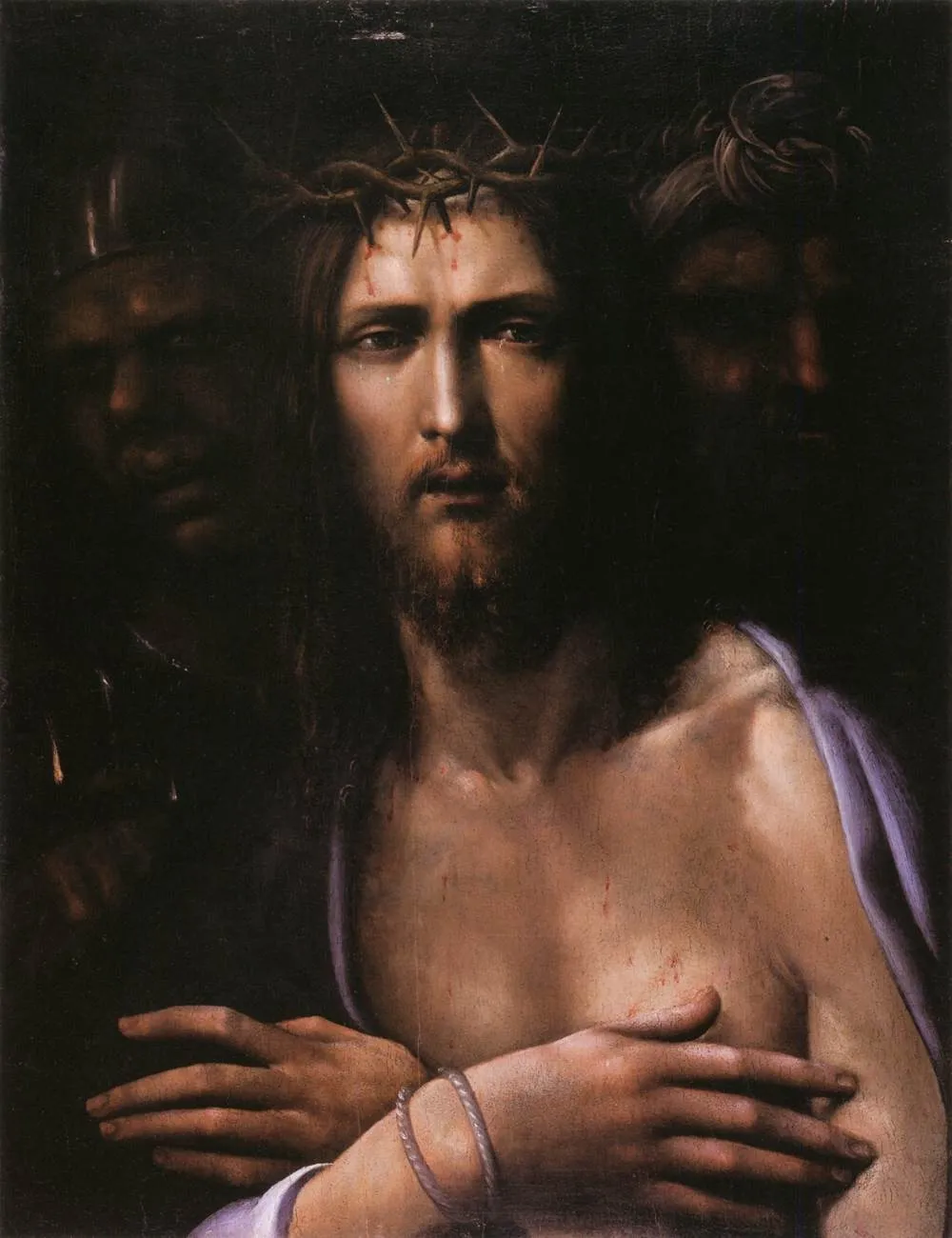
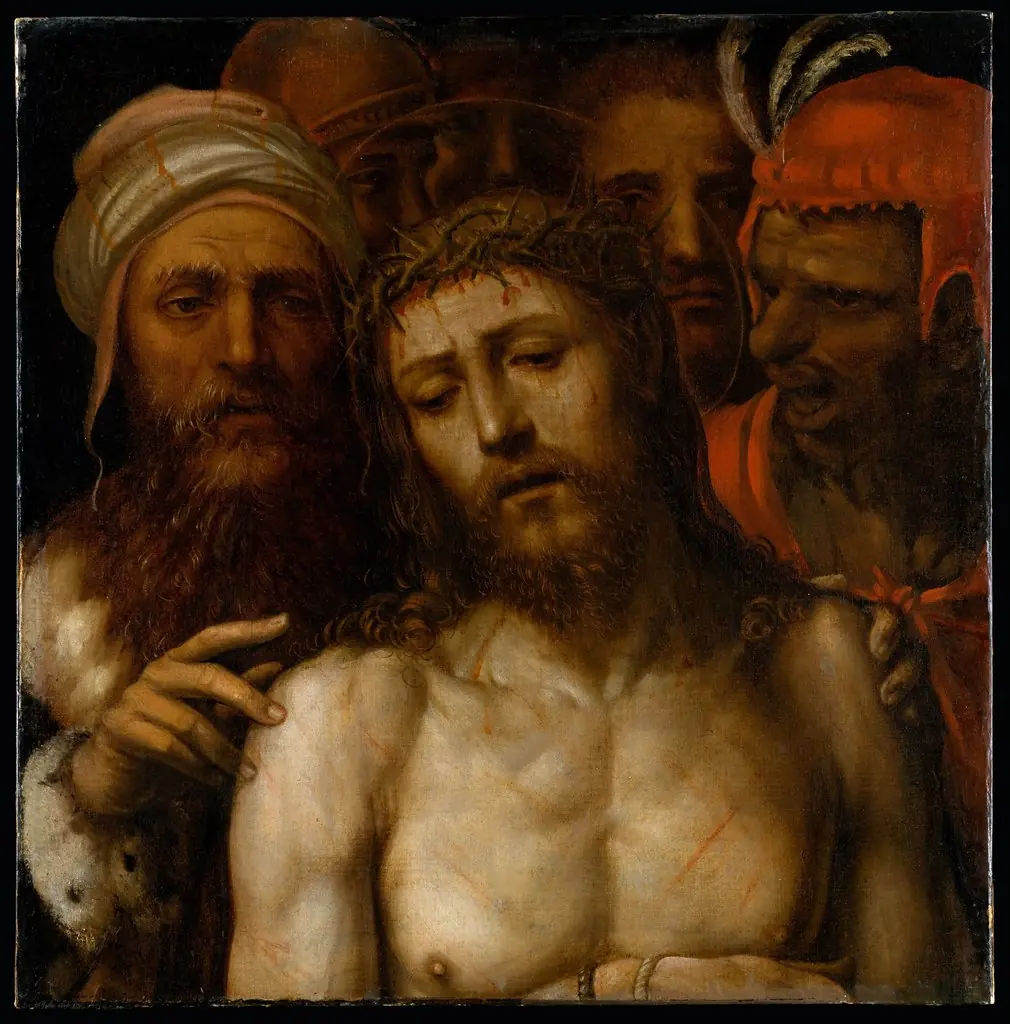
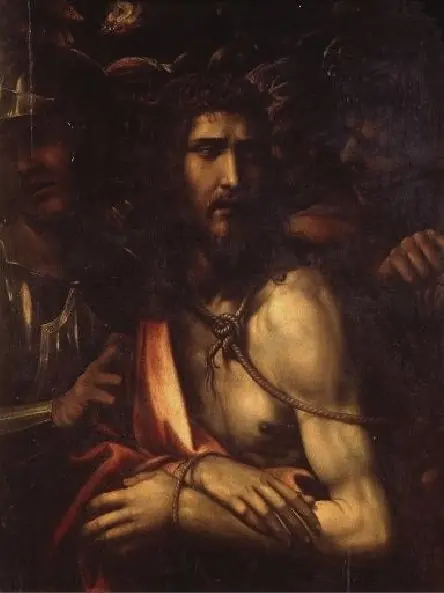
Ecce Homo is an unspecified painting by the Mannerist artist Sodoma. It dates from 1510 and is held in the collection of the Pinacoteca di Brera.
About this work
Overview
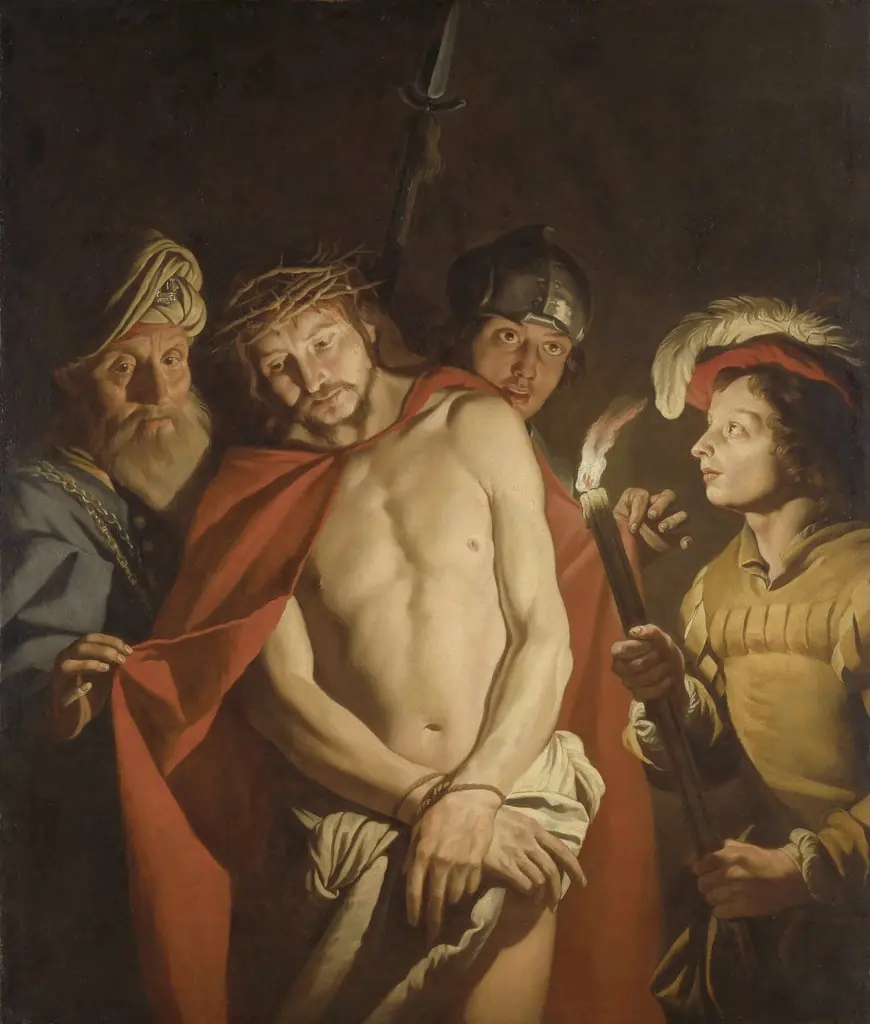
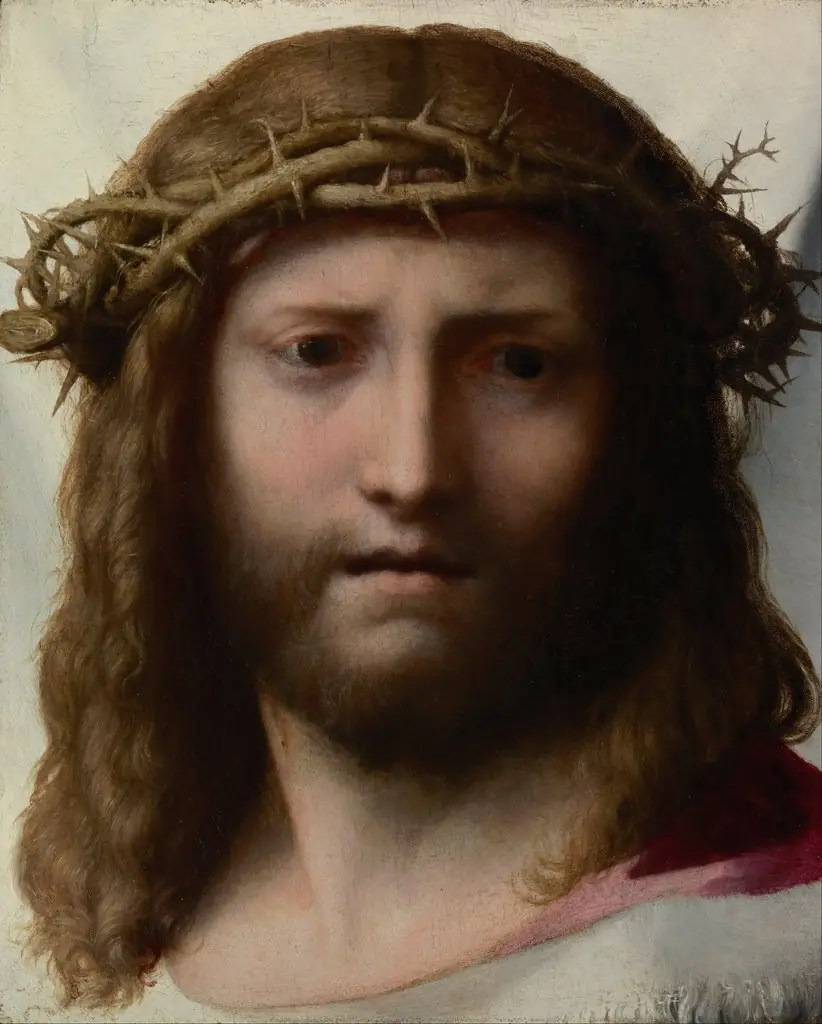
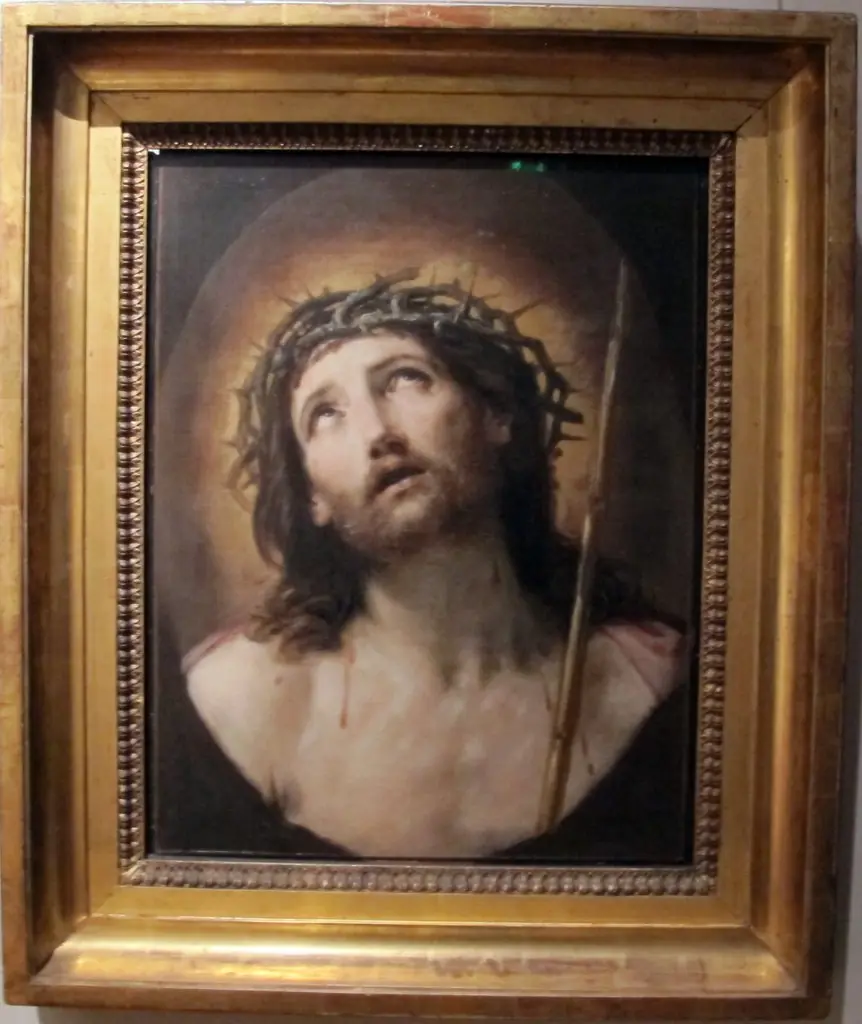
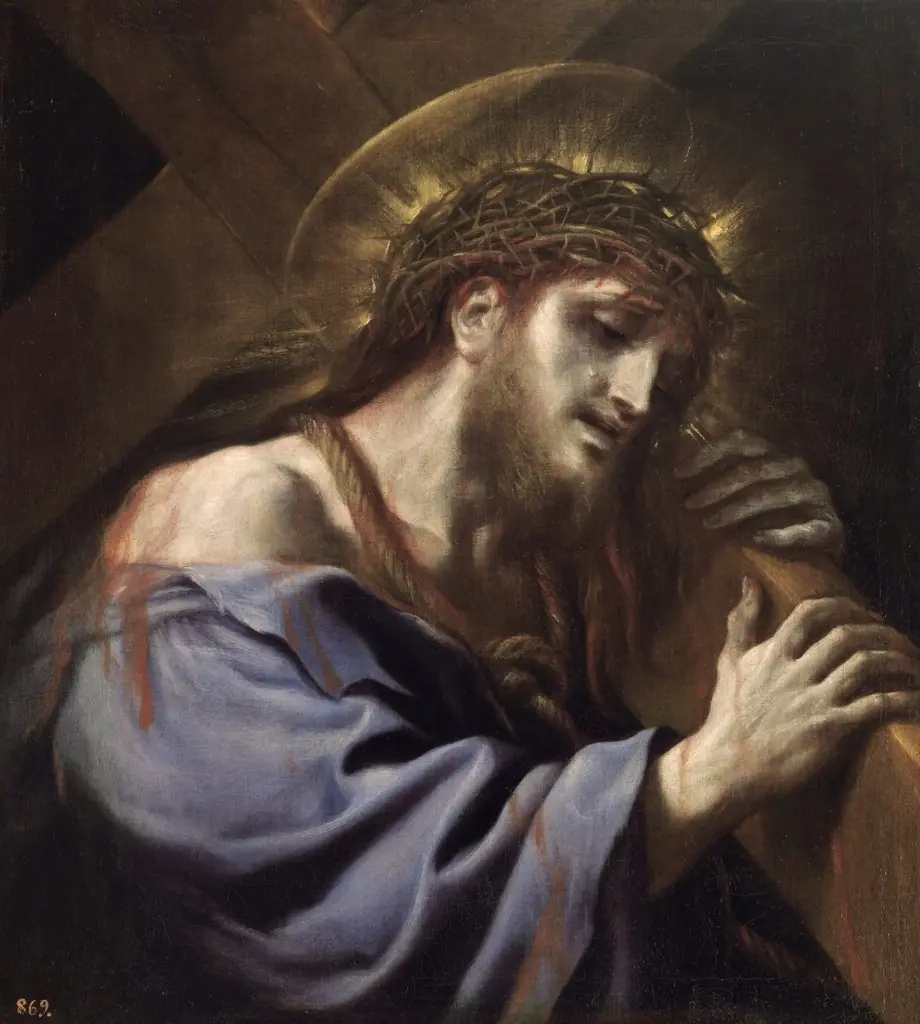
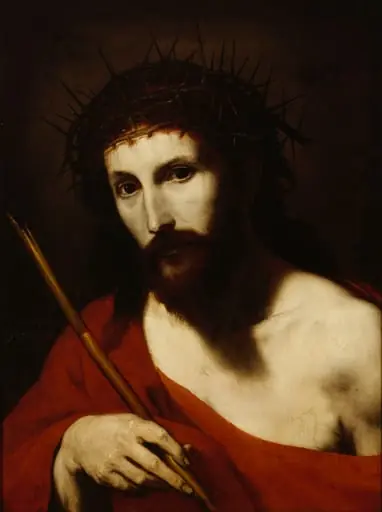
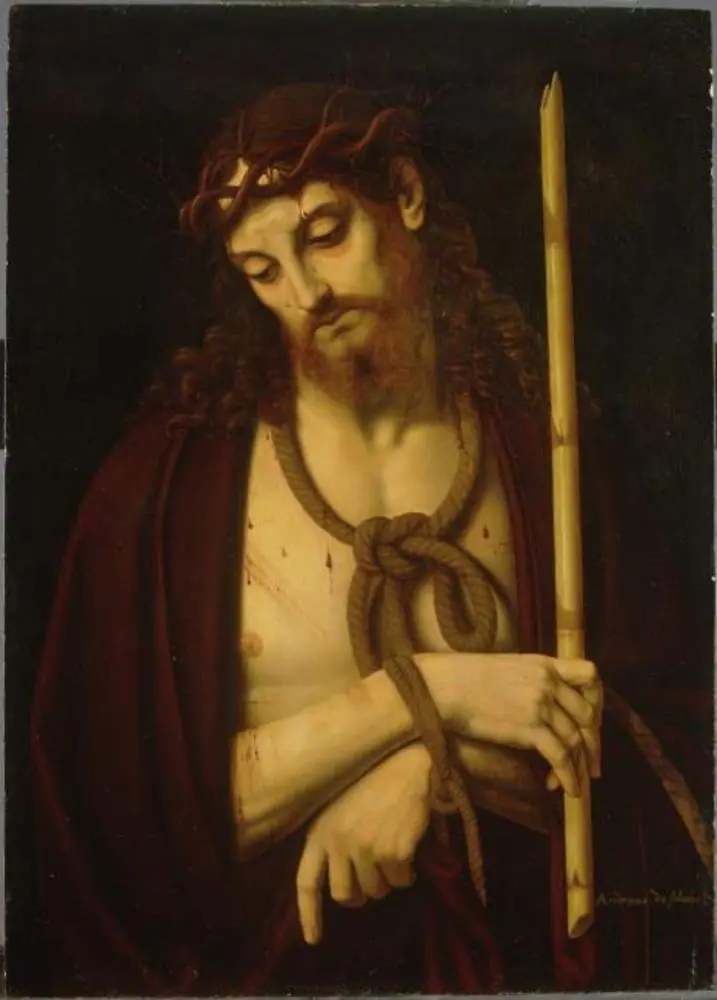
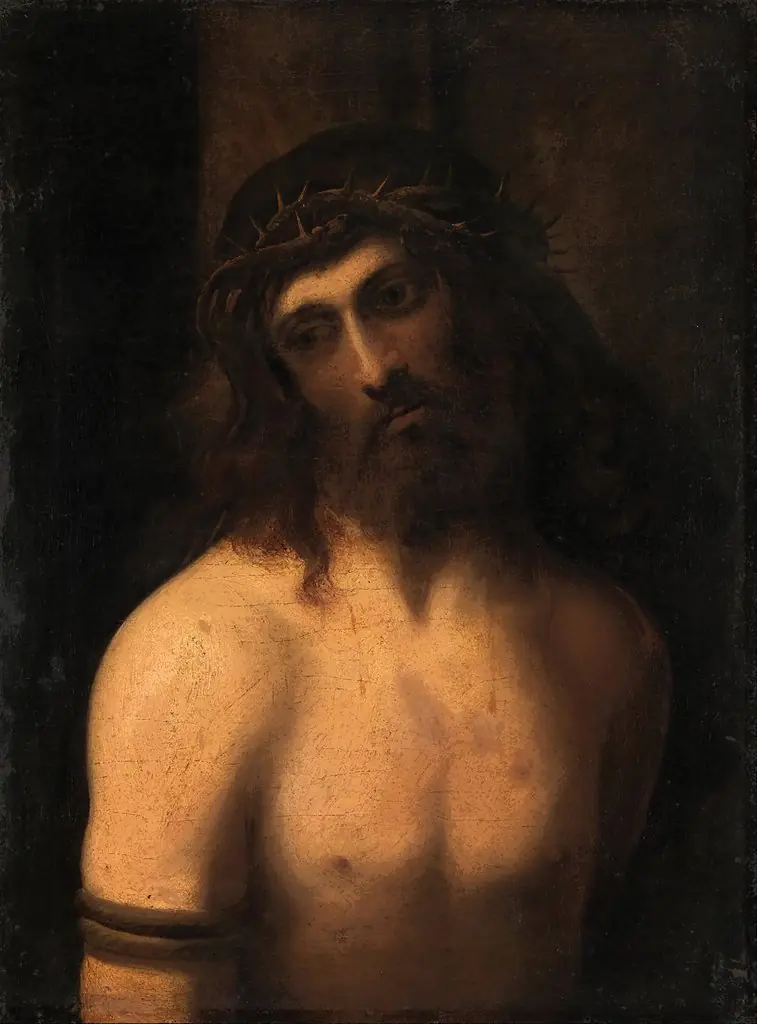
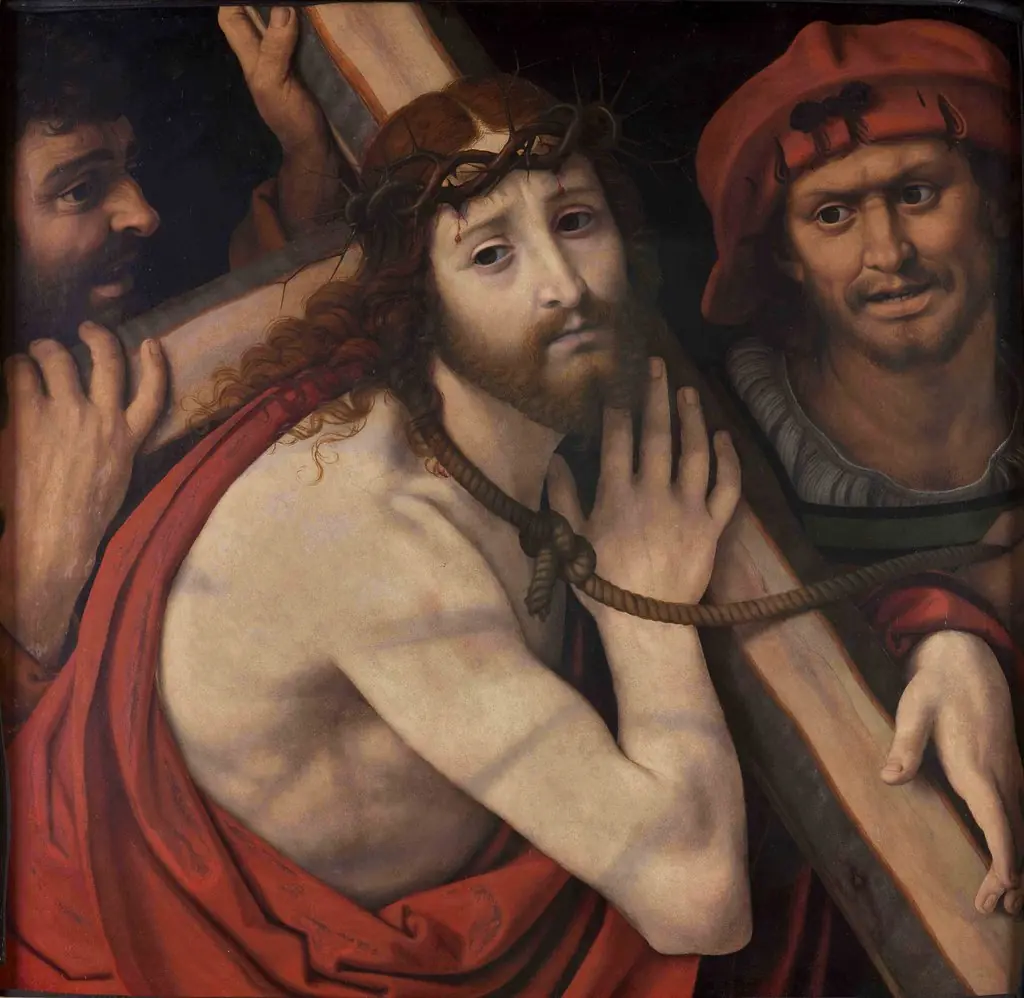
Created around 1510, *Ecce Homo* is an oil painting by the Italian artist known as Il Sodoma (Giovanni Antonio Bazzi). Executed in a mannerist idiom, the work portrays the biblical figure of Christ presented to the crowd, and it is presently displayed in Milan’s Pinacoteca di Brera.
Subject & Meaning
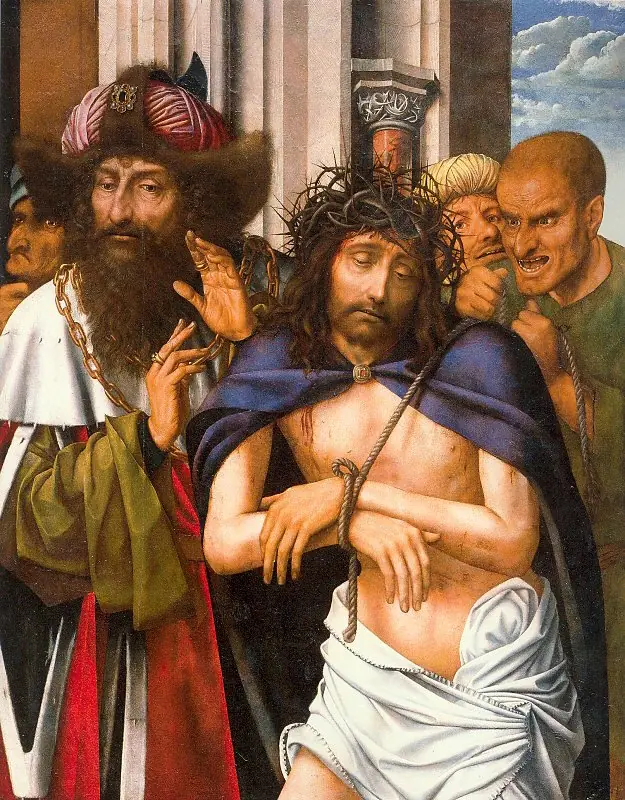
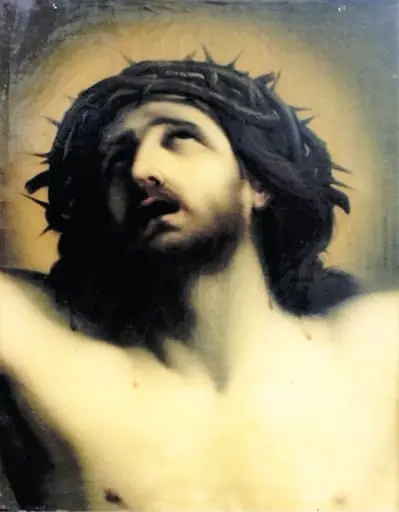
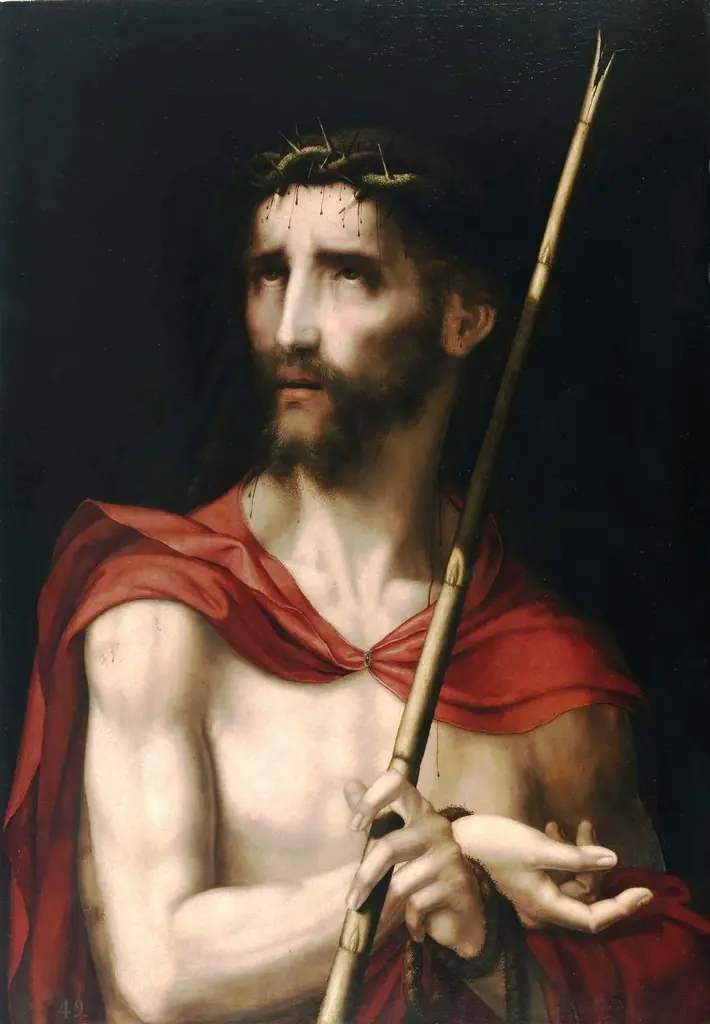
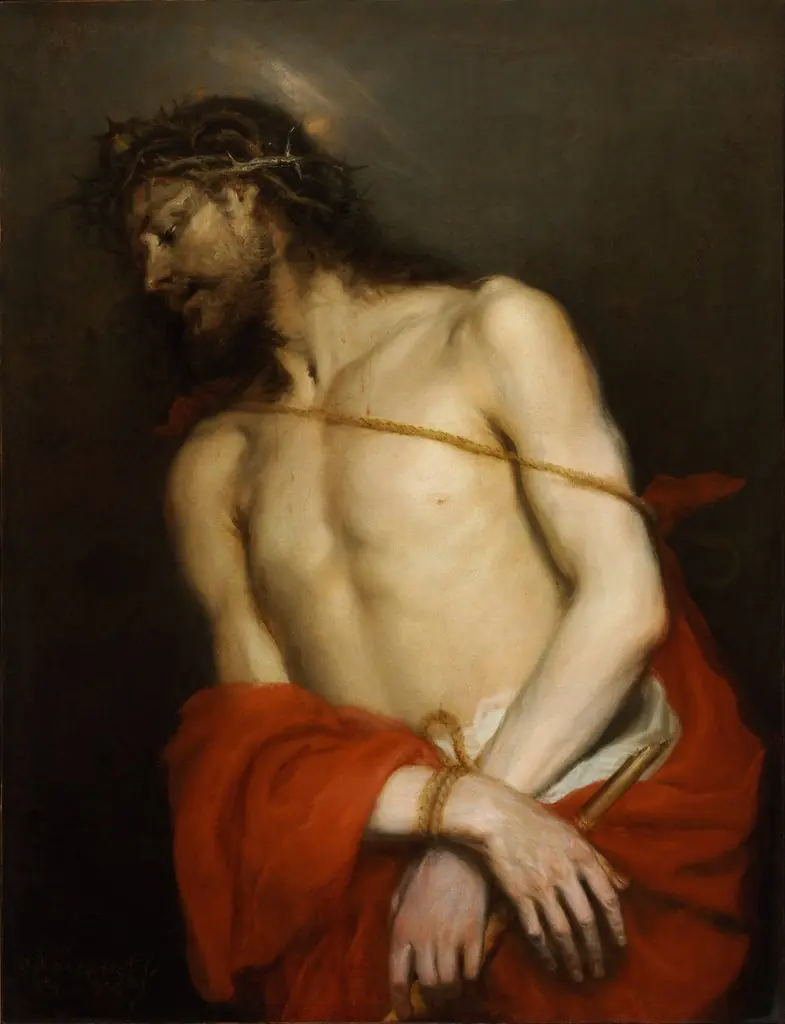
The central figure is a bearded, long‑haired man crowned with thorns, his torso exposed and his arms crossed over his chest, bound by a rope. His downcast gaze and contorted expression convey a blend of physical pain and resigned sorrow, inviting contemplation of the Passion’s human suffering.
Technique & Style
Sodoma employs chiaroscuro, contrasting a dark, undefined background with a luminous foreground to model the body and emphasize volume. The composition balances refined, High‑Renaissance structural clarity with the elongated forms and emotional intensity characteristic of early Mannerism, reflecting his synthesis of Roman and Sienese artistic traditions.
History & Provenance
Active mainly in Siena with periods in Rome, Il Sodoma produced the painting during the later phase of his career. After remaining in private hands for centuries, the canvas entered the collection of the Pinacoteca di Brera in the 19th century, where it has been conserved and exhibited as part of the museum’s Renaissance holdings.
Artist & collection
Artist
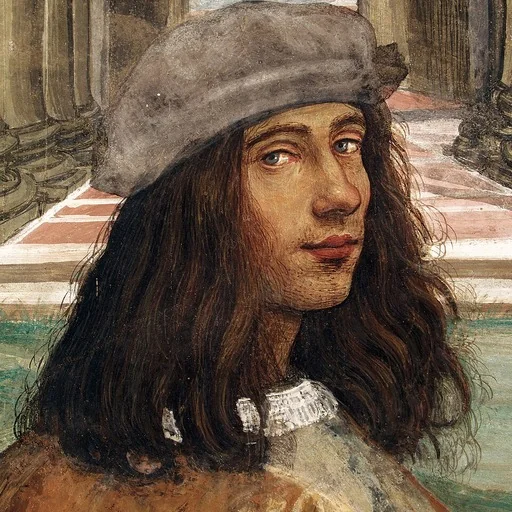
Il Sodoma was the name given to the Italian Renaissance painter Giovanni Antonio Bazzi.