Artwork
Louis XIII
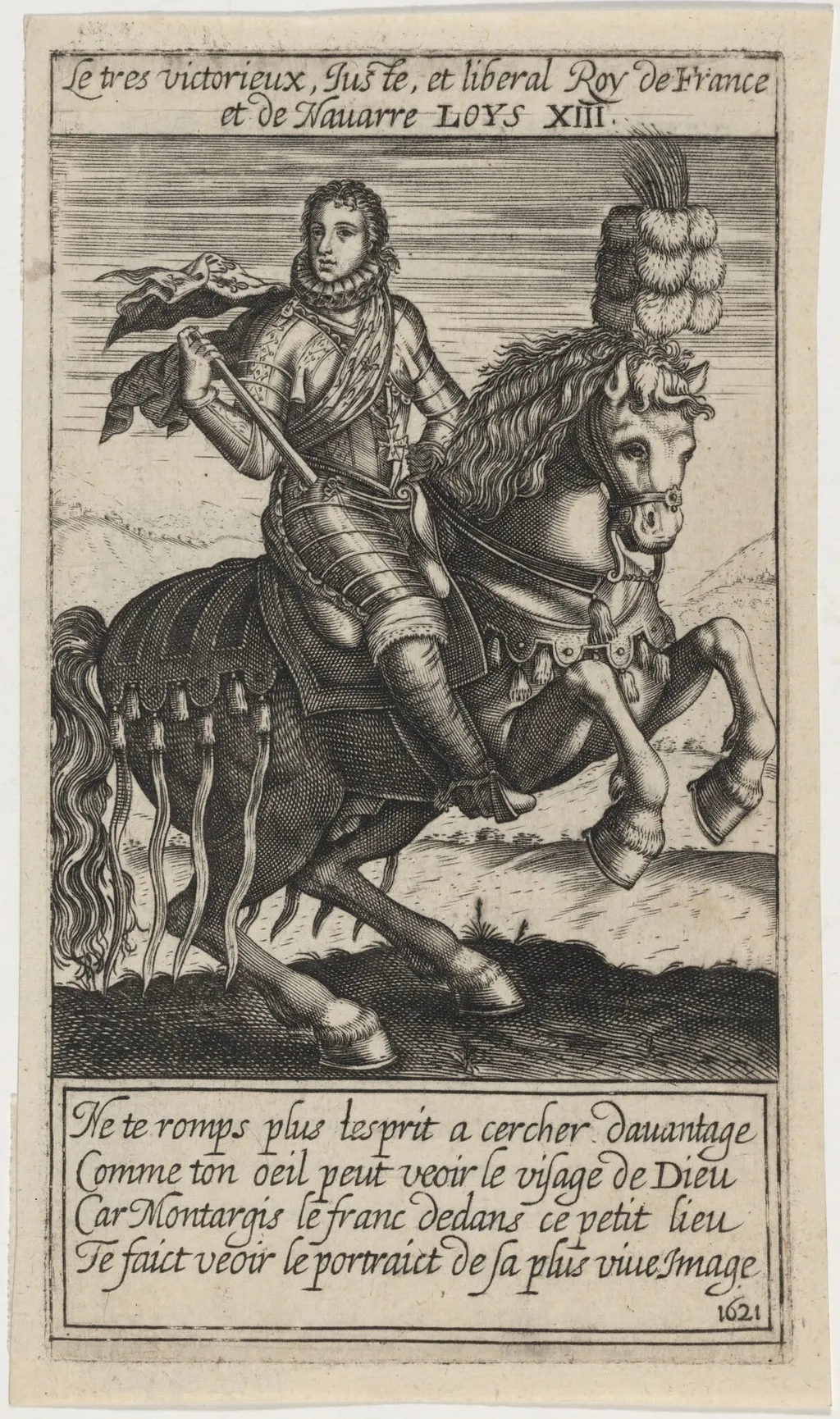
Louis XIII is an ink print by the Baroque artist Unknown. It dates from 1621 and is held in the collection of the National Gallery of Art.
About this work
Overview
Delicate cross-hatching renders texture in fabric, metal, and terrain, enhancing the sense of depth and kinetic energy inherent in the composition.
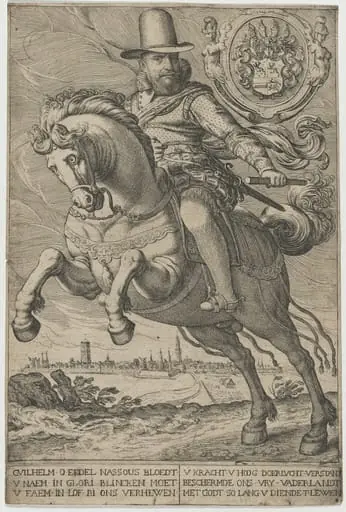
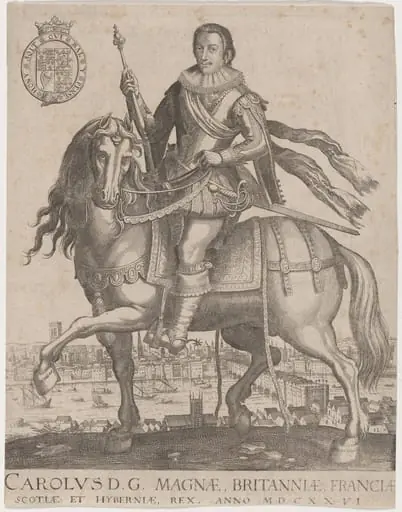
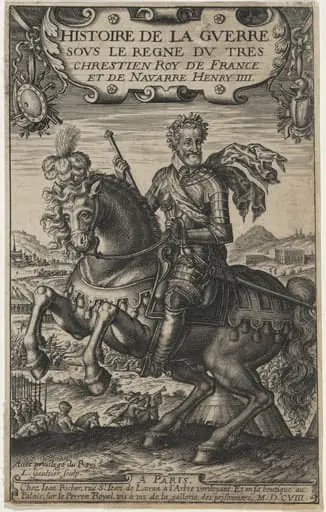
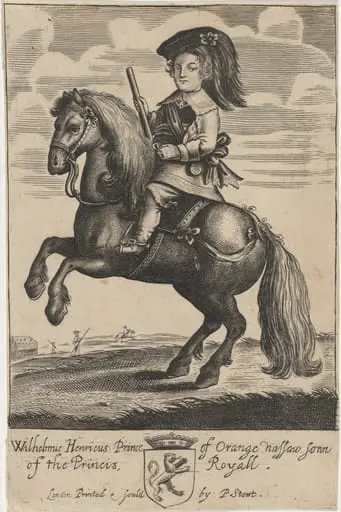
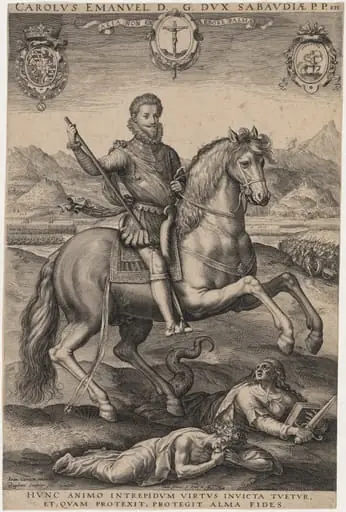
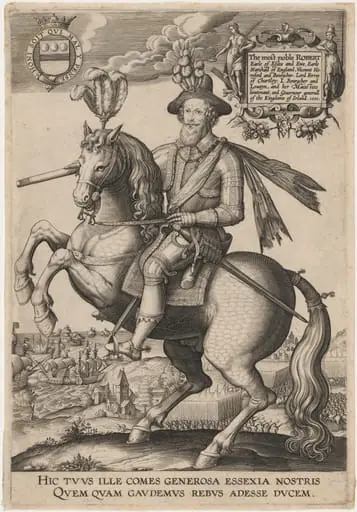
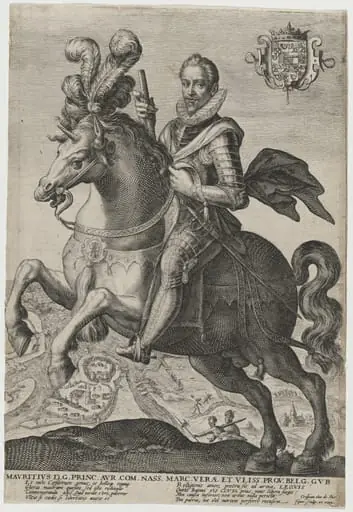
This engraving portrays Louis XIII on horseback, captured mid-motion as the animal rears upright. The king, clad in armor and clutching a banner, gazes leftward, suggesting directional movement. The landscape behind—rolling hills and distant water—frames the scene without overwhelming it. Delicate cross-hatching renders texture in fabric, metal, and terrain, enhancing the sense of depth and kinetic energy inherent in the composition.
Subject & Meaning
The image presents Louis XIII not in ceremonial repose but in dynamic action, aligning him with ideals of martial leadership. The raised flag may symbolize authority or military command, while the rearing horse conveys power and control. The composition avoids overt allegory, instead emphasizing the monarch’s physical presence and readiness, reflecting early 17th-century ideals of royal vigor and sovereign authority.
Technique & Style
Executed in fine-line engraving, the work employs meticulous cross-hatching to model form and suggest texture across armor, horsehide, and landscape. Shadows are built through layered lines rather than tone, creating a crisp, linear realism. The artist balances detail with compositional flow, guiding the eye along the rider’s diagonal posture and the horse’s arched neck to sustain a sense of impending motion.
History & Provenance
The print likely originated in the 1620s or 1630s, during Louis XIII’s reign, as part of a broader effort to circulate royal imagery through print. Engravings like this were distributed to nobility and institutions to reinforce the king’s public persona. Its survival suggests it was valued in private collections or royal archives, though its exact origin and engraver remain undocumented in widely accessible records.
Context
In early 17th-century France, engraved portraits of monarchs served political and propagandistic ends, often distributed alongside official decrees or ceremonial publications. This image aligns with a tradition of equestrian portraiture rooted in Renaissance ideals, adapted to French absolutism. Unlike later Baroque exuberance, its restraint reflects the period’s preference for dignified, controlled representation over theatrical display.
Legacy
Though not widely reproduced today, this engraving exemplifies the role of print in shaping early modern monarchy. Its technical precision and restrained dynamism influenced later French royal portraiture, particularly in the transition from courtly symbolism to more naturalistic representation. As a surviving artifact of state imagery, it offers insight into how visual media reinforced political authority before the age of mass photography.
Artist & collection

 Domestic Scene
 Giacomo and Cardinal Marco, investing Andrea, Abbot of San Zeno, with his Benefice
 The Nymph of Fontainebleau
 Portrait of a Woman
 Madonna and Child with Saints in the Enclosed Garden
 Venus and Minerva
 Family Group of Four on Sofa
 Wall painting from Room H of the Villa of P. Fannius Synistor at Boscoreale