Artwork
Henry IV
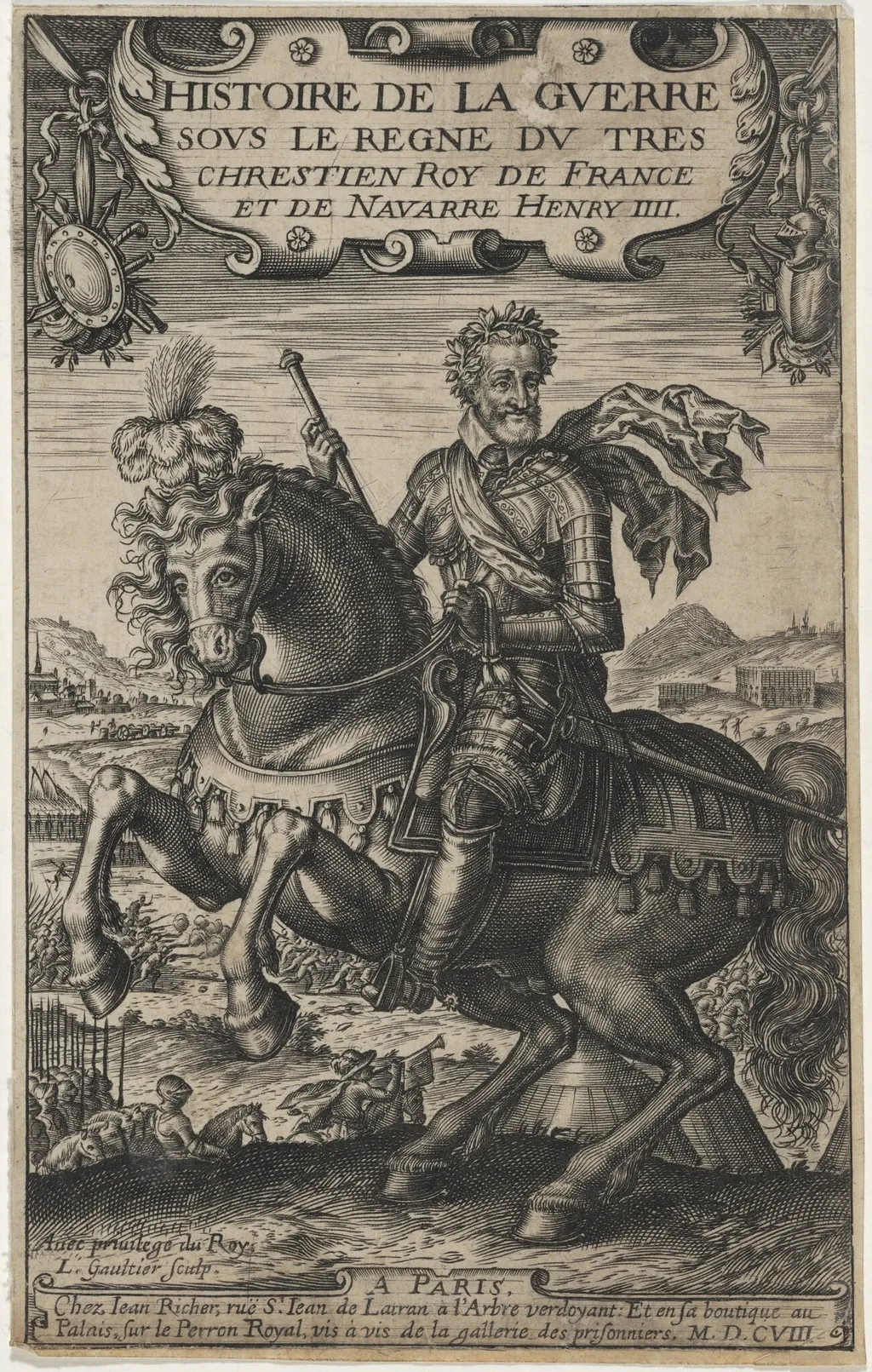
Henry IV is an ink print by the Renaissance artist Léonard Gaultier. It dates from 1601 and is held in the collection of the National Gallery of Art.
About this work
Overview
Executed in fine-line engraving, the work belongs to a broader body of portraiture and historical subjects he produced, often derived from his own compositions.
Léonard Gaultier, a French engraver born in Mainz around 1561 and active in Paris until 1641, created this 1601 portrait of Henry IV as a standalone print. Executed in fine-line engraving, the work belongs to a broader body of portraiture and historical subjects he produced, often derived from his own compositions. Gaultier’s technical precision and disciplined draftsmanship align him with Northern European printmakers of his era, particularly those working in the tradition of the Wierix and van de Passe families.
Subject & Meaning
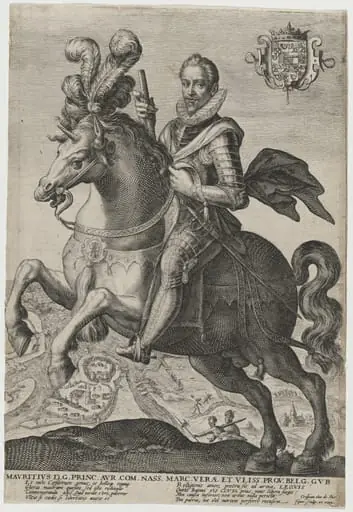
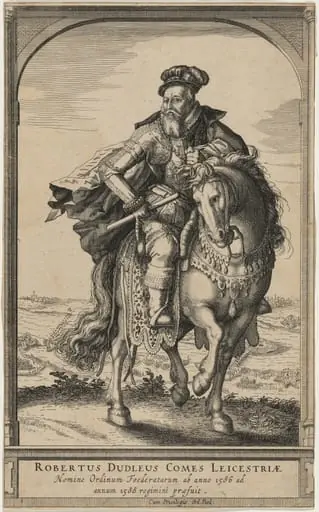
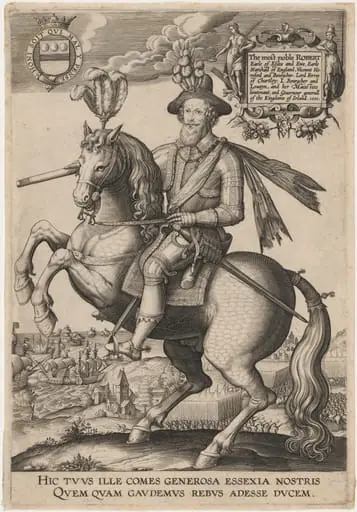
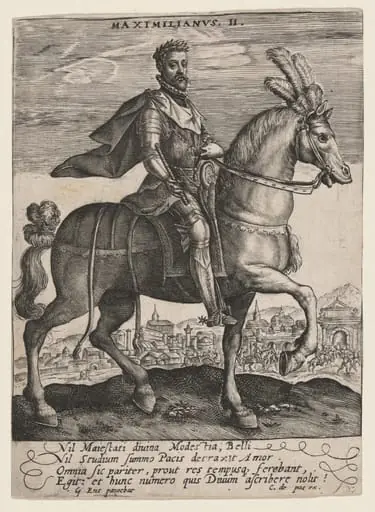
The engraving portrays King Henry IV of France mounted on a rearing horse, clad in armor and brandishing a sword. The dynamic pose suggests martial authority and movement, reinforcing his public image as a warrior-king. Though the landscape behind is indistinct, the focus remains firmly on the monarch’s presence, emphasizing his role as a figure of leadership and military vigor during a turbulent period in French history.
Technique & Style
Gaultier employed fine, controlled lines to render texture in the horse’s mane, armor, and clothing, creating a sense of volume and motion through hatching and cross-contouring. The composition is tightly framed, with minimal background detail to direct attention to the central figure. His style is methodical and restrained, avoiding theatricality in favor of clarity and formal dignity, typical of early 17th-century French engraving practices.
History & Provenance
The print was made in 1601, during the early years of Henry IV’s reign, likely to circulate his image among elites and officials. Gaultier’s works were widely collected; a substantial number entered the library of the Abbé de Marolles in the mid-17th century, where they were cataloged and preserved. This particular engraving survives in several institutional collections, testament to its continued interest as a historical document and artistic artifact.
Context
Created shortly after Henry IV’s conversion to Catholicism and his consolidation of power following the Wars of Religion, this portrait served as visual propaganda, affirming his legitimacy and strength. Engravings like this were key tools for disseminating royal imagery before photography, allowing monarchs to project authority across regions. Gaultier’s role as a printmaker placed him at the intersection of art, politics, and public communication in early modern France.
Legacy
Gaultier’s engravings, including this portrait, remain important for understanding the visual culture of early Bourbon France. While not widely known today outside specialist circles, his technical skill and consistent output contributed to the development of French printmaking. His works continue to be studied for their historical accuracy and as examples of how portraiture was used to reinforce political narratives in the pre-modern era.
Artist & collection
Artist
Léonard Gaultier, or, as he sometimes signed himself, Galter, a French engraver, was born at Mainz about 1561, and died in Paris in 1641.