Artwork
Charles I
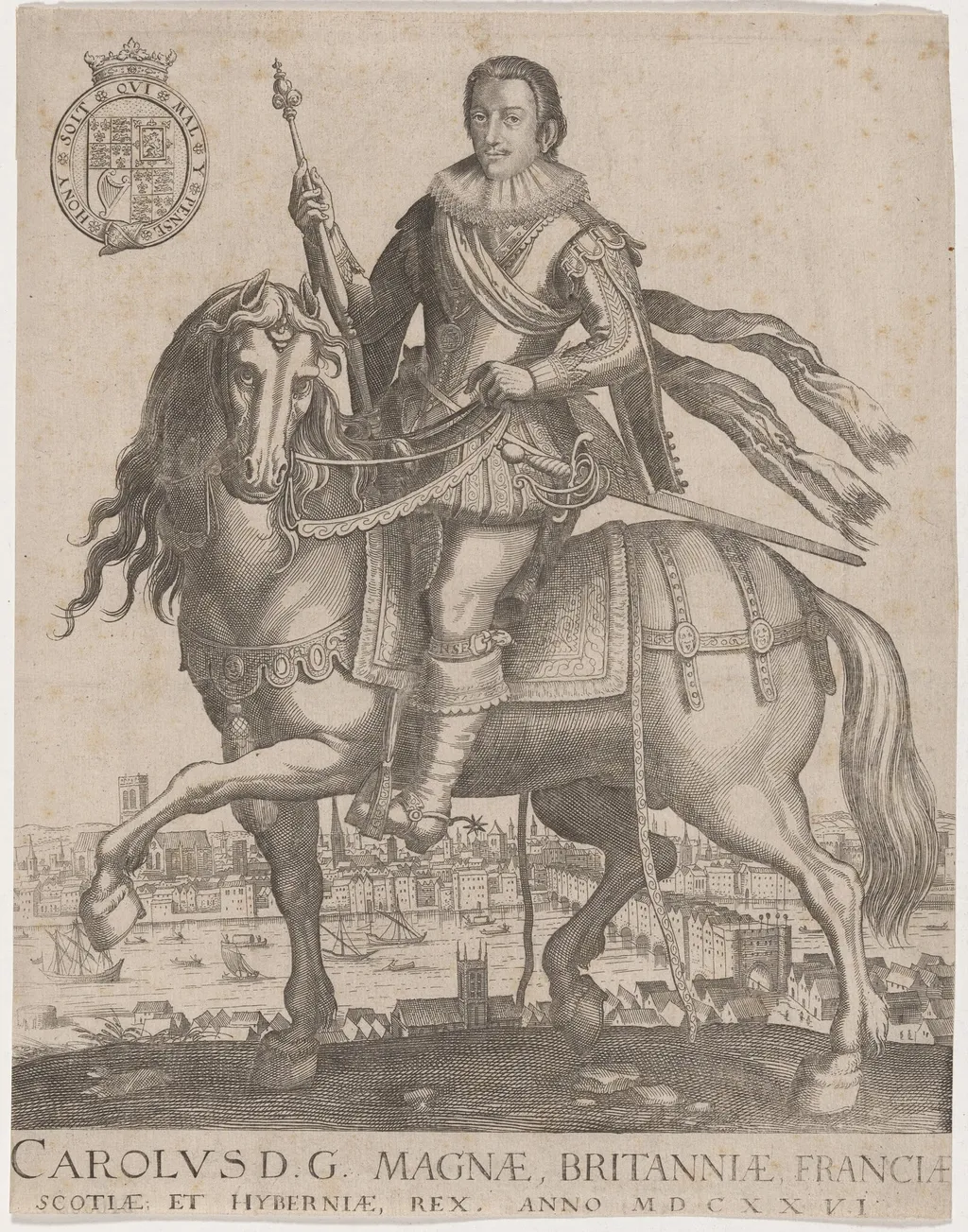
Charles I is an ink print by the Romanticist artist Unknown 19th Century. It dates from 1850 and is held in the collection of the National Gallery of Art.
About this work
Magnae*, which likely refers to Charles I, though the engraving itself looks older than the 19th century.
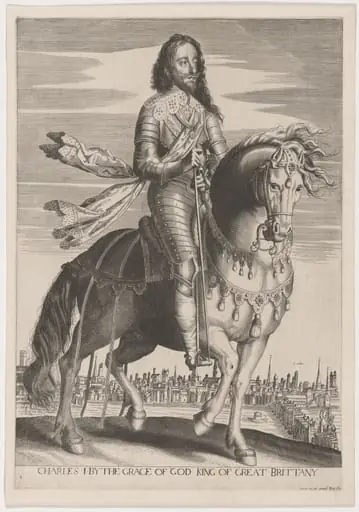
This engraving shows a man on horseback holding a scepter, dressed in fancy armor and a cape. His horse has detailed tack and stands on a rocky shore with a small town in the background. The man’s face is serious, and the whole scene is drawn with fine lines and shading.
The text at the bottom names him *Carolus D.G. Magnae*, which likely refers to Charles I, though the engraving itself looks older than the 19th century. The artist used cross-hatching to create depth and texture.
Look up cross-hatching to see how artists build shadows with lines.
Overview
This engraving depicts Charles I of England mounted on horseback, clad in ornate armor and a flowing cape, holding a scepter as a symbol of authority. The scene is set against a rocky shoreline with a distant town, suggesting a ceremonial or symbolic context. Rendered in fine, precise lines, the work employs cross-hatching to model form and depth, characteristic of 17th-century printmaking techniques. The Latin inscription at the base identifies the subject as 'Carolus D.G. Magnae,' a reference to Charles I as King by Divine Grace.
Subject & Meaning
The portrait presents Charles I not in a domestic or political setting, but as a sovereign in controlled, almost mythic isolation. The horse, armor, and scepter emphasize royal power and martial dignity, while the barren shore and distant town frame him as a solitary figure above the mundane. The serious expression and formal posture convey gravitas, aligning with the Stuart ideal of kingship as divinely ordained and unassailable.
Technique & Style
The artist uses fine, controlled cross-hatching to build tonal gradations and texture, particularly in the folds of the cape, the horse’s harness, and the rocky terrain. Lines are dense yet deliberate, avoiding broad washes in favor of linear precision typical of engraved portraiture. The background is minimally detailed, directing focus to the figure. The composition is symmetrical and static, reinforcing the formality of the subject’s status.
History & Provenance
Though the engraving bears a Latin title associated with Charles I’s reign (1625–1649), its stylistic features suggest it was produced in the mid-17th century, likely during or shortly after his rule. It may have been made for distribution as a political or commemorative image, common among royalist circles. No specific engraver is identified, but its craftsmanship aligns with London-based printmakers active in the 1630s–1640s.
Context
This image emerged during a period of intense political tension in England, when the monarchy’s authority was increasingly challenged. Portraits of Charles I often emphasized his divine right to rule, countering parliamentary criticism. Engravings like this served as visual propaganda, circulating among loyalists to reinforce royal legitimacy. The choice of equestrian imagery recalls classical and Renaissance traditions of leadership.
Legacy
The engraving contributes to a broader visual record of Charles I’s reign, preserving his image in a medium accessible beyond courtly circles. While not as widely known as paintings by Van Dyck, such prints helped shape public perception of the king during and after the Civil War. Its survival reflects the enduring interest in Stuart iconography, even after the monarchy’s temporary collapse.
Artist & collection

Artist

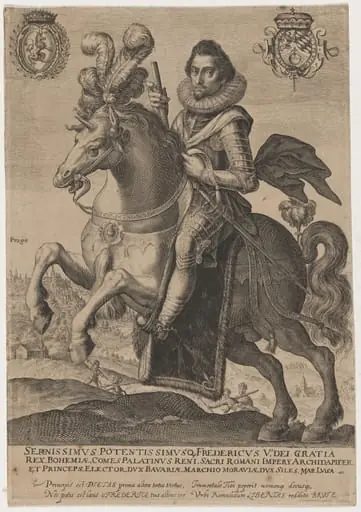 Frederick, King of Bohemia
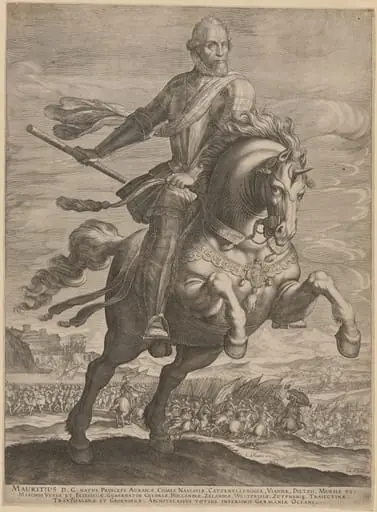 Maurice, Prince of Orange on Horseback
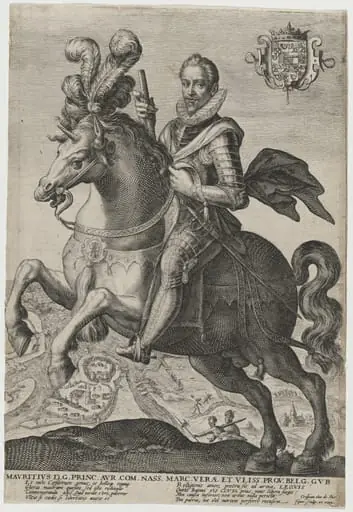 Maurice of Nassau, Prince of Orange
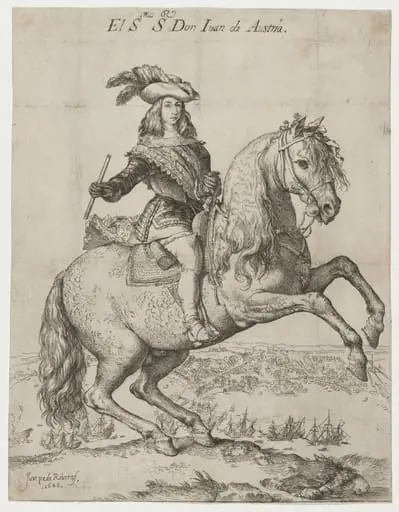 Equestrian Portrait of Don Juan de Austria
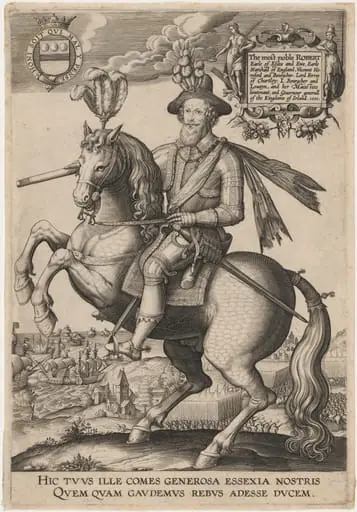 Robert Devereux, Second Earl of Essex
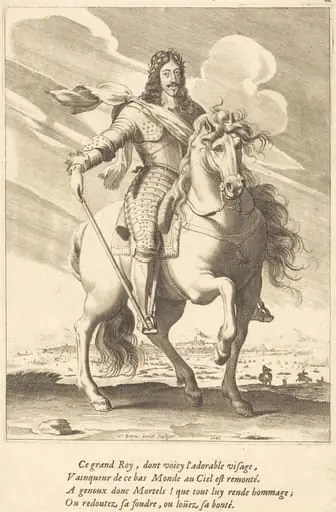 Louis XIII
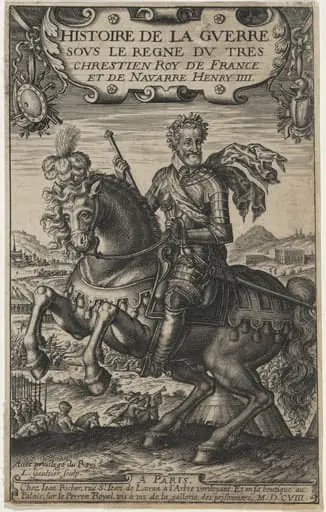 Henry IV
 Philip, Duc d'Orléans, Brother of Louis XIV
 Charles I, King of England, on Horseback
 Maximilianus II
 Louis XIII
 Charles I on Horseback