Artwork
William III as Prince of Orange on Horseback
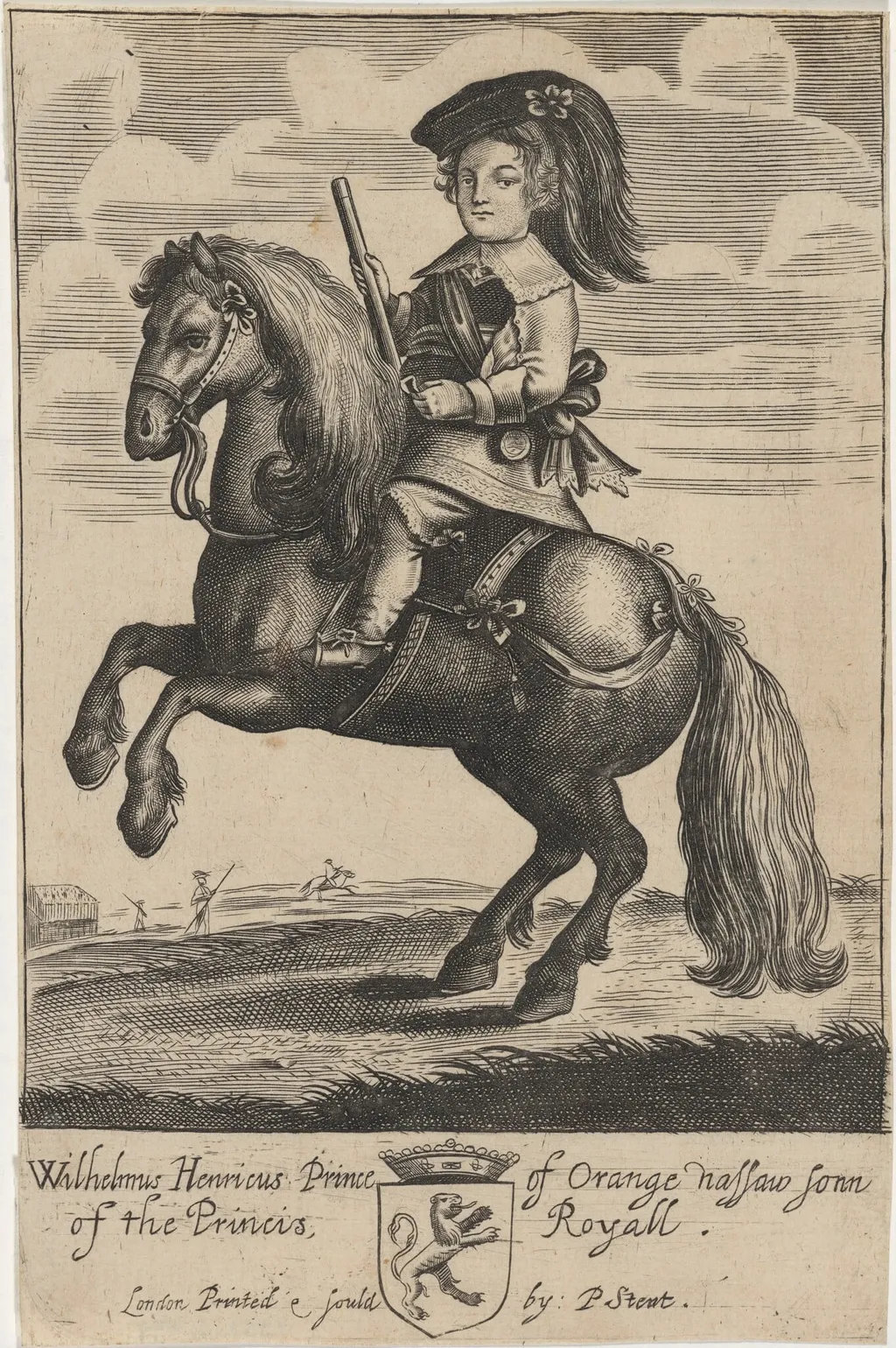
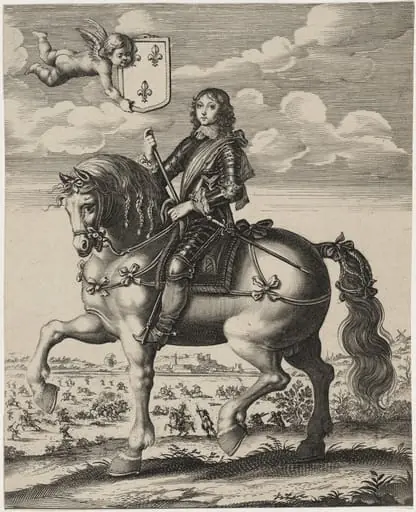
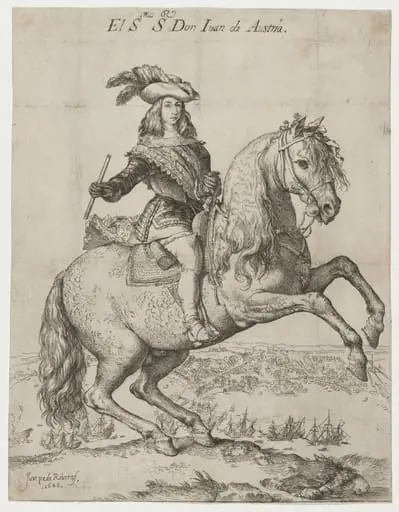
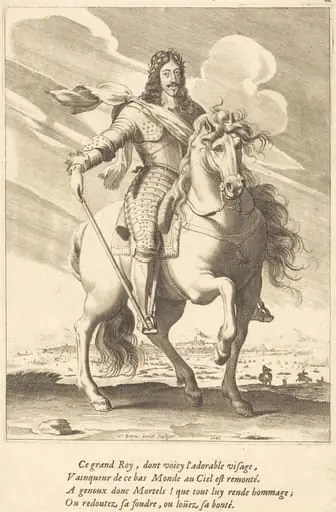
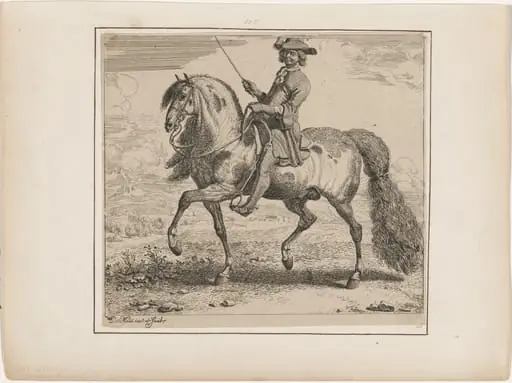
William III as Prince of Orange on Horseback is an ink print by the Romanticist artist Unknown 19th Century. It dates from 1850 and is held in the collection of the National Gallery of Art. This engraving portrays a youthful William III in his capacity as Prince of Orange, mounted on a horse that is rearing up on its hind legs.
About this work
Overview
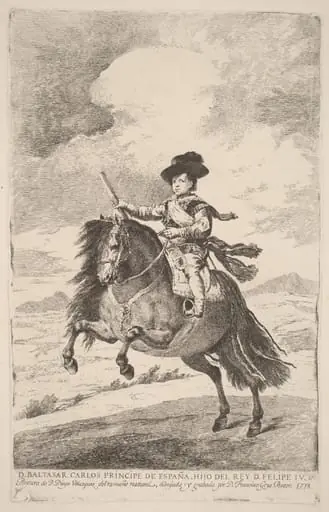
This engraving portrays a youthful William III in his capacity as Prince of Orange, mounted on a horse that is rearing up on its hind legs. The prince, depicted as a boy, wears a hat and coat, holding a stick in his right hand. The foreground scene is set against a background featuring indistinct figures and a building.
Subject & Meaning
The subject, William III, is captured in a youthful portrayal highlighting his title as Prince of Orange. The rearing horse and the prince's stance may symbolize vigor, control, and impending leadership, foreshadowing his future role.
Technique & Style
Executed in a romantic style, the engraving utilizes bold lines, expressive shading, and cross-hatching to achieve depth and texture. These techniques collectively convey a sense of dynamic movement, focusing attention on the central equestrian figure.
Context
The romantic style of the engraving aligns with 17th- to 18th-century European artistic trends that emphasized emotion and drama. This piece may have been part of a broader effort to portray William III in a heroic or anticipatory light during his early years as Prince of Orange.
Legacy
While specific influence or direct legacy of this engraving is not detailed, it contributes to the visual record of William III's early life and the artistic practices of its time, reflecting the romanticization of historical figures in art.
Artist & collection

Artist