Artwork
The Deluge, from the Loggia of the Vatican
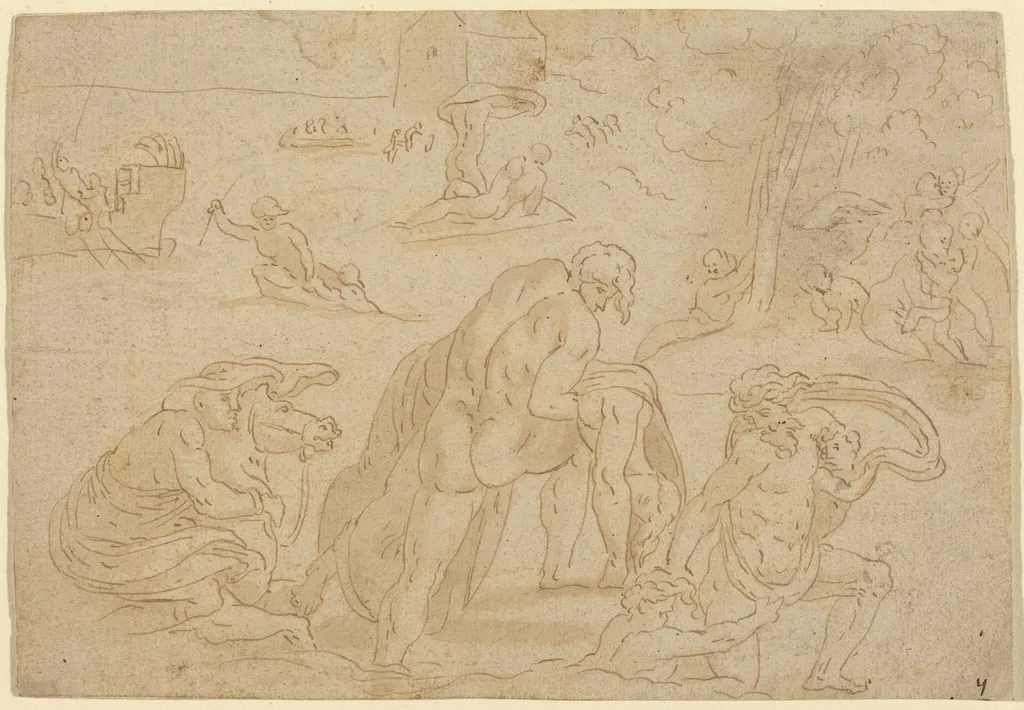
The Deluge, from the Loggia of the Vatican is an ink drawing by the Renaissance artist Unknown. It dates from 1502 and is held in the collection of the National Gallery of Art. This ink drawing captures a moment of violent chaos as figures struggle amid rising waters.
About this work
Overview
This ink drawing captures a moment of violent chaos as figures struggle amid rising waters. Executed with rapid, uneven strokes, it conveys urgency and desperation without decorative detail. The lack of background and minimal modeling focus attention entirely on human motion and distress, suggesting it was a preparatory study rather than a finished work.
Subject & Meaning
The scene depicts a flood narrative, likely inspired by biblical or classical deluge stories. Figures are shown in varied states of collapse, clinging, or sinking, emphasizing helplessness against natural force. The composition avoids heroism or divine intervention, instead centering raw physical struggle as the core theme of survival.
Technique & Style
The artist used loose, fluid pen strokes in brown ink to suggest motion rather than define form. Lines are uneven and hurried, with no shading or refined contours. Figures are reduced to essential gestures, their bodies implied through swift arcs and angular marks, reflecting a working method focused on energy over precision.
History & Provenance
Created within the Vatican’s Loggia, this drawing is part of a group of studies linked to Renaissance artists working under papal patronage. Its material—laid paper and iron-gall ink—aligns with mid-15th to early 16th-century practices. Though unsigned, its style suggests association with workshops engaged in large-scale decorative programs.
Context
During the Renaissance, artists routinely used rapid ink sketches to explore dynamic compositions before executing frescoes or altarpieces. This drawing reflects a broader practice of visual problem-solving, where movement and emotional intensity were tested on paper before being translated into monumental works.
Legacy
As a surviving example of preparatory drawing, it illustrates how Renaissance artists prioritized expressive gesture and narrative clarity in early stages. Its raw quality offers insight into the iterative process behind more polished works, preserving the immediacy of creative thought in an era focused on grand visual storytelling.
Artist & collection

 Domestic Scene
 Giacomo and Cardinal Marco, investing Andrea, Abbot of San Zeno, with his Benefice
 The Nymph of Fontainebleau
 Portrait of a Woman
 Madonna and Child with Saints in the Enclosed Garden
 Venus and Minerva
 Family Group of Four on Sofa
 Wall painting from Room H of the Villa of P. Fannius Synistor at Boscoreale
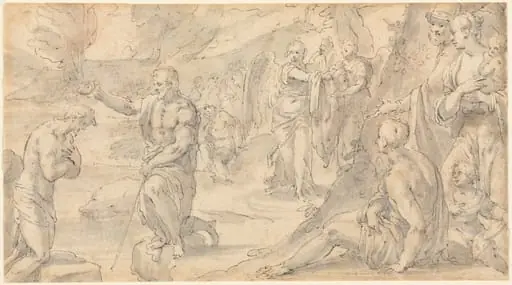 The Baptism of Christ
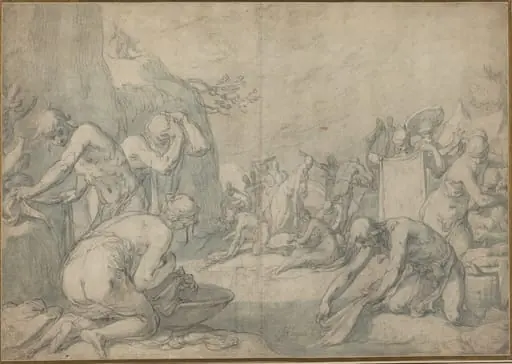 Ritual Washing of the Israelites
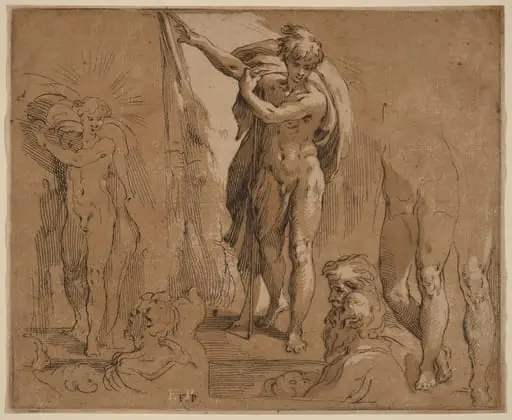 Saint John the Baptist
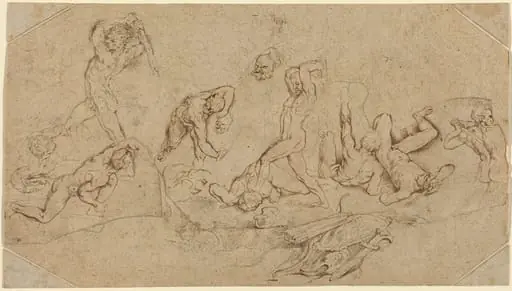 Battle of Nude Men
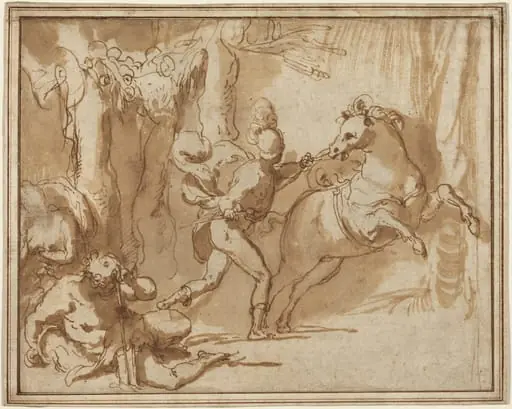 Alexander the Great and Bucephalus
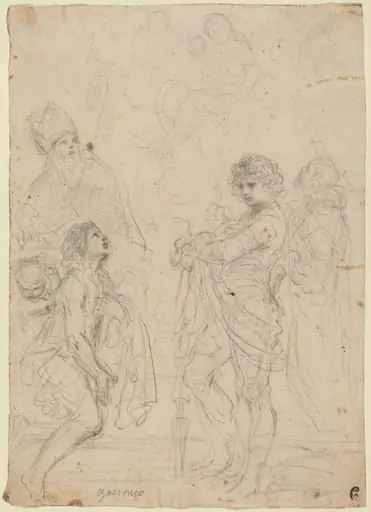 Madonna and Child with Saints Gimignano, John the Baptist, George and Peter Martyr
![Mythological Composition with Chronos and Harpies [recto], by Giovanni Battista Cipriani](https://artifactworldgallery.com/img/giovanni-battista-cipriani--mythological-composition-with-chronos-and-harpies-recto--23e4197a1ba0ae7e-w320.webp) Mythological Composition with Chronos and Harpies [recto]
Mythological Composition with Chronos and Harpies [recto]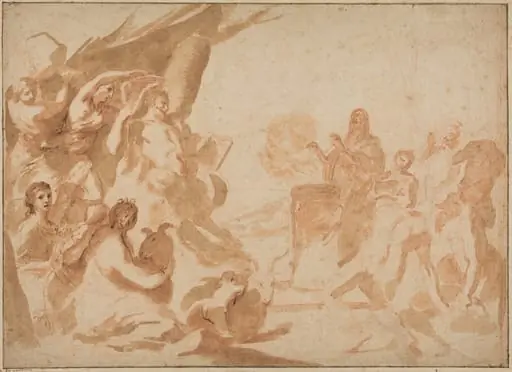 A Sacrifice to Pan
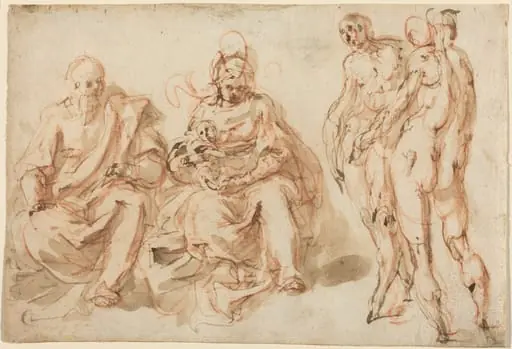 The Adoration of the Shepherds
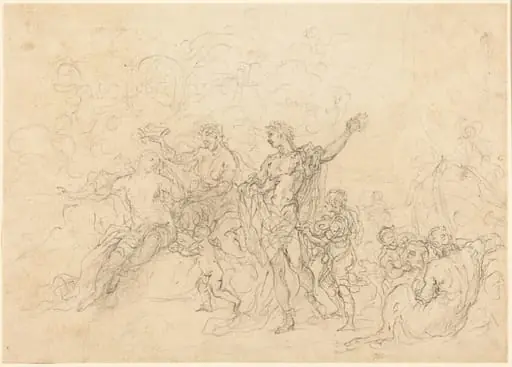 The Marriage of Bacchus and Ariadne
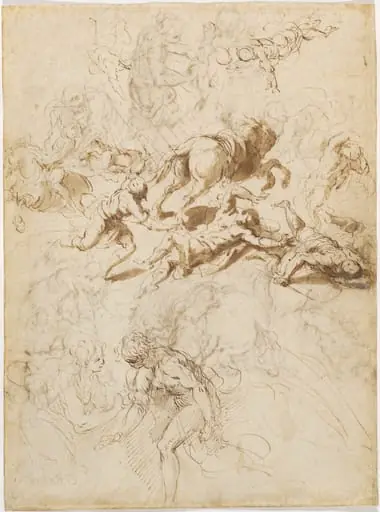 The Conversion of Saint Paul; Adam and Eve
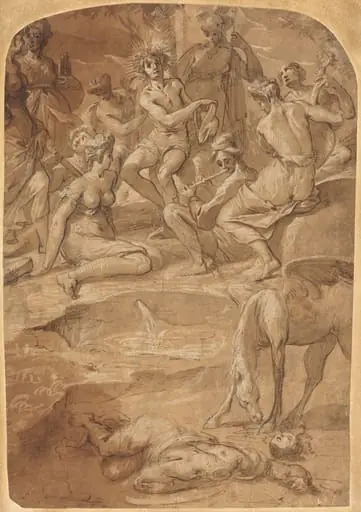 Apollo and the Muses on Mount Parnassus