Artwork
The Seesaw
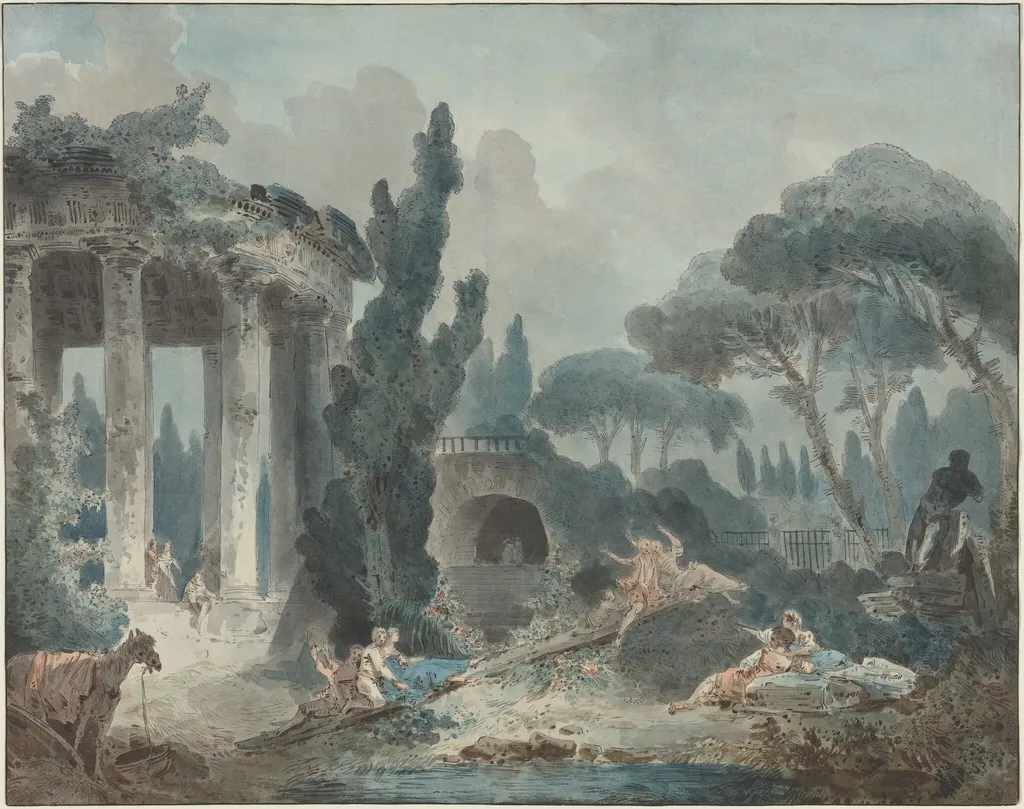
The Seesaw is an ink drawing by the Baroque artist Unknown. It dates from 1770 and is held in the collection of the National Gallery of Art.
About this work
Overview
Soft washes of blue and gray unify the background, while delicate ink lines define foliage and figures with precision and restraint.
This drawing, executed in pen and black ink with watercolor on laid paper, depicts a tranquil garden scene featuring classical ruins and figures engaged in quiet recreation. The composition balances architectural decay with natural elements, creating a mood of serene contemplation. Soft washes of blue and gray unify the background, while delicate ink lines define foliage and figures with precision and restraint.
Subject & Meaning
The scene portrays an idealized leisure moment in a landscaped garden, where figures stroll, rest, or play. The seesaw, a playful device amid classical ruins, introduces a subtle contrast between youthful energy and architectural decay. The figures, dressed in period attire, suggest an aristocratic pastime, yet their calm demeanor evokes a timeless, almost dreamlike pause rather than narrative action.
Technique & Style
The artist employs glazing techniques with watercolor to achieve luminous, atmospheric effects, particularly in the sky and distant trees. Pen ink defines structural elements with fine, controlled lines, while diluted washes suggest depth and soft focus. The paper’s texture enhances the delicacy of the medium, allowing light to subtly interact with the pigments, reinforcing the scene’s airy, ethereal quality.
History & Provenance
The work’s origin and early ownership are not documented in available records. Its medium and style align with 18th-century European drawing practices, particularly those influenced by the picturesque movement. It likely originated as a study or independent work, possibly intended for private collection rather than public display.
Context
Created during a period when landscape drawing flourished as both artistic pursuit and cultural expression, the piece reflects contemporary fascination with ruins, nature, and refined leisure. Such scenes often idealized the past, blending classical motifs with contemporary social rituals, offering viewers a space for imaginative retreat from urban or industrial life.
Legacy
Though not widely exhibited or reproduced, the drawing exemplifies the quiet sophistication of amateur and professional draftsmen of its time. Its restrained palette and focus on mood over drama influenced later generations of landscape artists who sought emotional resonance through subtle tonal variation and compositional balance.
Artist & collection

 Domestic Scene
 Giacomo and Cardinal Marco, investing Andrea, Abbot of San Zeno, with his Benefice
 The Nymph of Fontainebleau
 Portrait of a Woman
 Madonna and Child with Saints in the Enclosed Garden
 Venus and Minerva
 Family Group of Four on Sofa
 Wall painting from Room H of the Villa of P. Fannius Synistor at Boscoreale
 Nudes in a Landscape
 View of an Antique Fountain
![The Judgment of Paris [recto], by Guillaume Lethière](https://artifactworldgallery.com/img/guillaume-lethiere--the-judgment-of-paris-recto--1df8771f117e8a0e-w320.webp) The Judgment of Paris [recto]
The Judgment of Paris [recto] Capriccio of Antique Ruins with Men Gazing at a Classical Orator
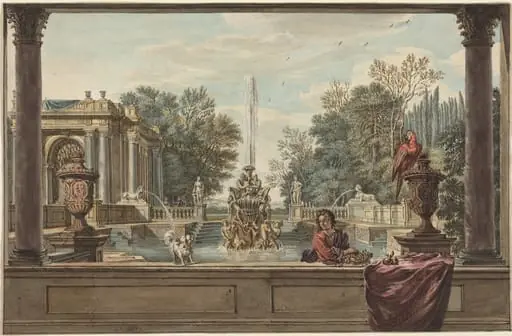 An Italianate Garden with a Parrot, a Poodle, and a Man
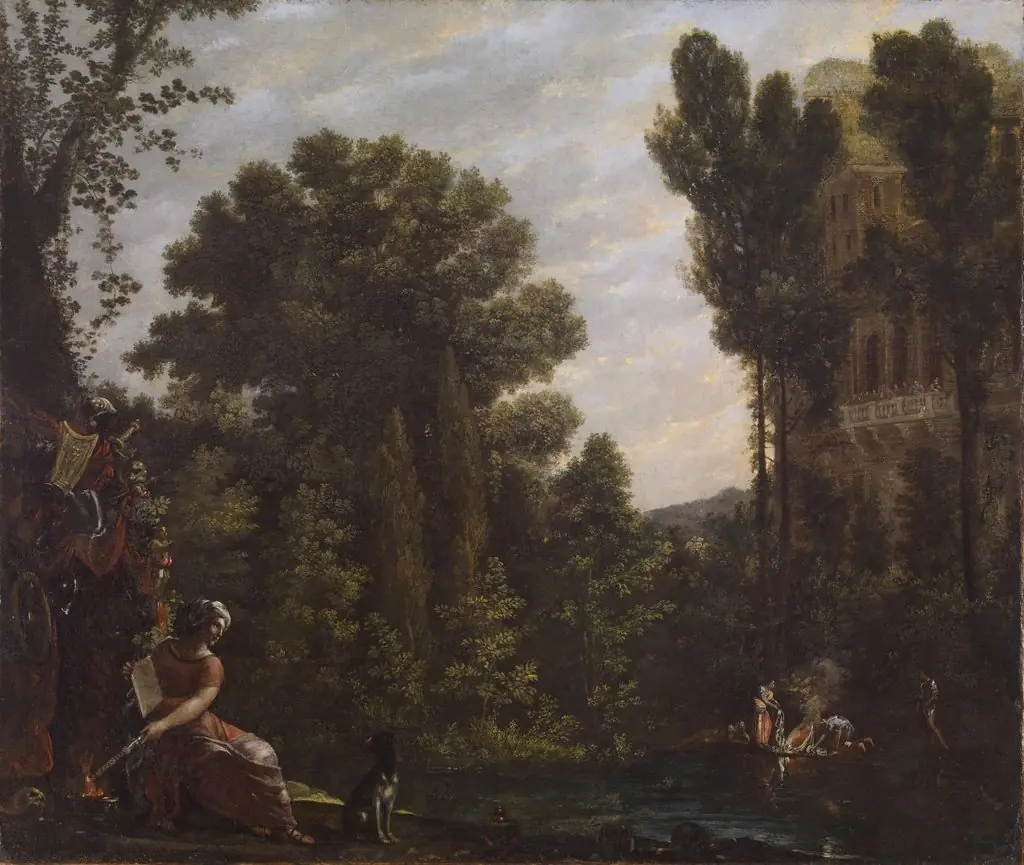 Landscape with a Scene of Witchcraft
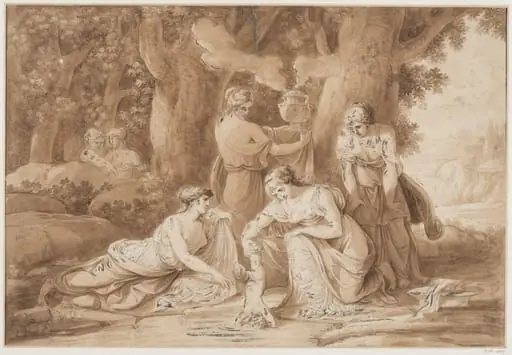 Thetis dipping Achilles
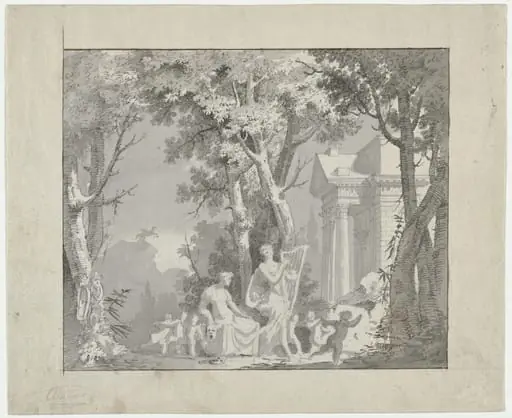 Classical Scene
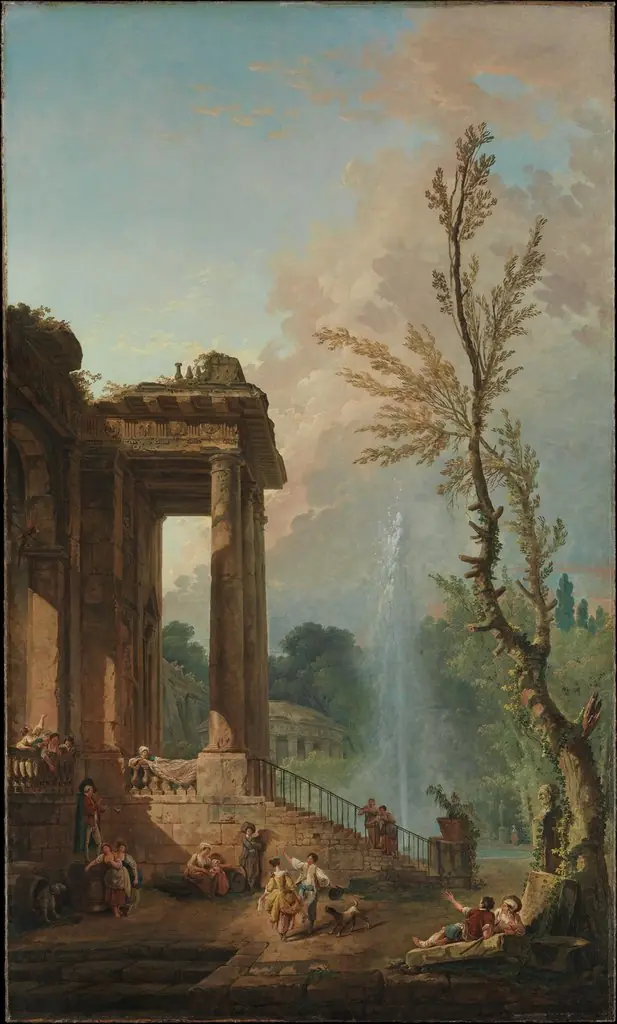 The Portico of a Country Mansion
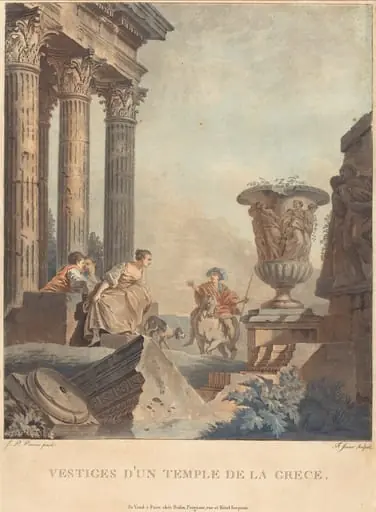 Vestiges d'un temple de la Grece
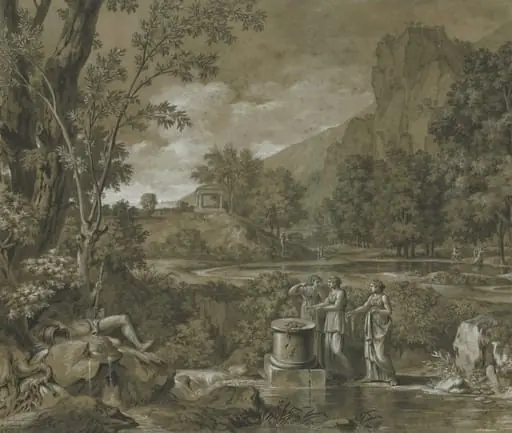 Classical Landscape
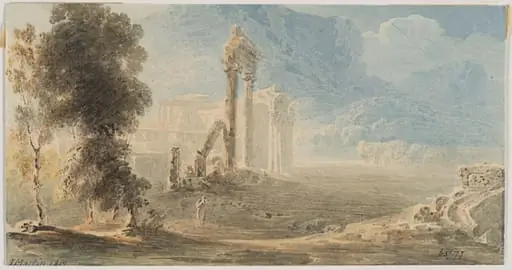 Classical Ruins and Mountains