Artwork
Vanitas Still Life
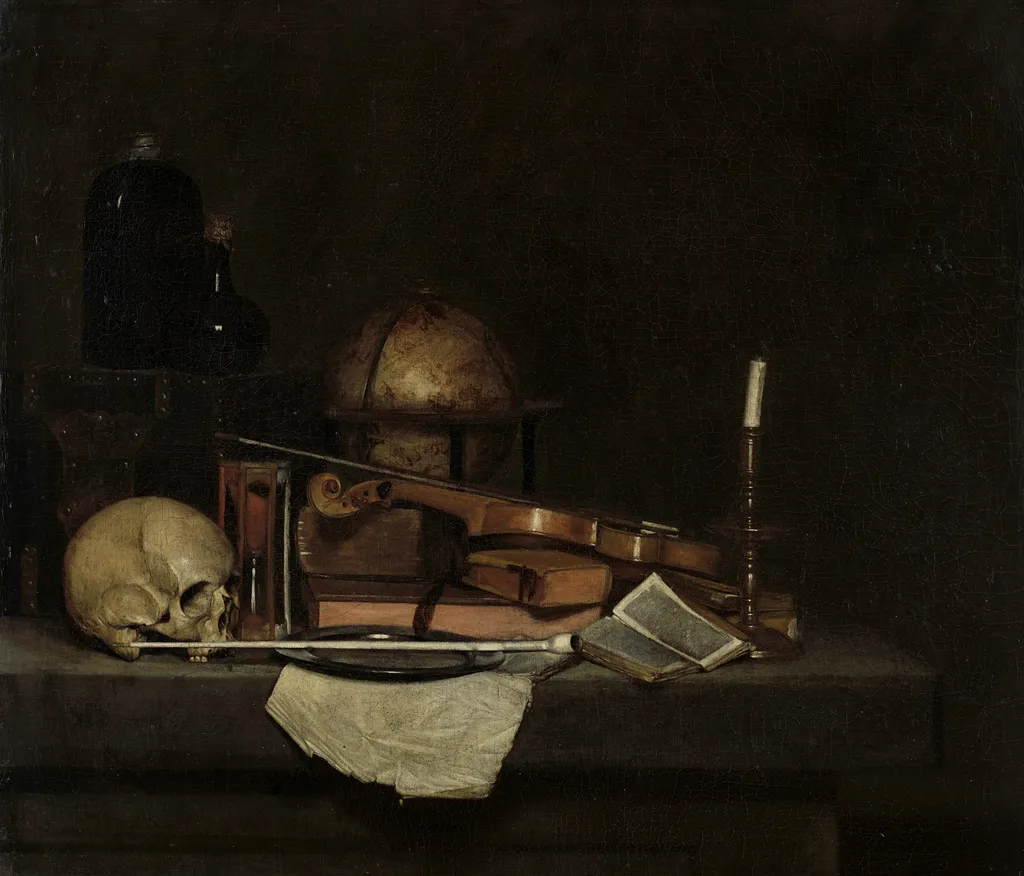
Vanitas Still Life is an oil painting by the Dutch Golden Age artist Anthonie Palamedesz. It dates from 1650 and is held in the collection of the Rijksmuseum.
About this work
Overview
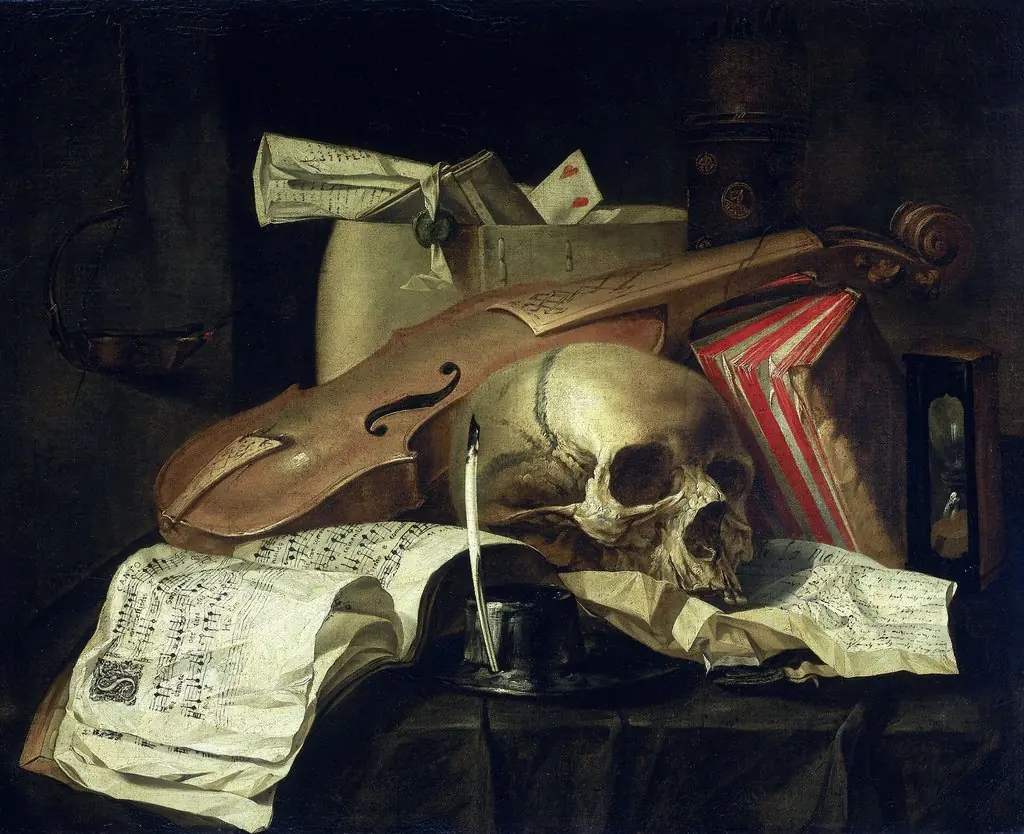
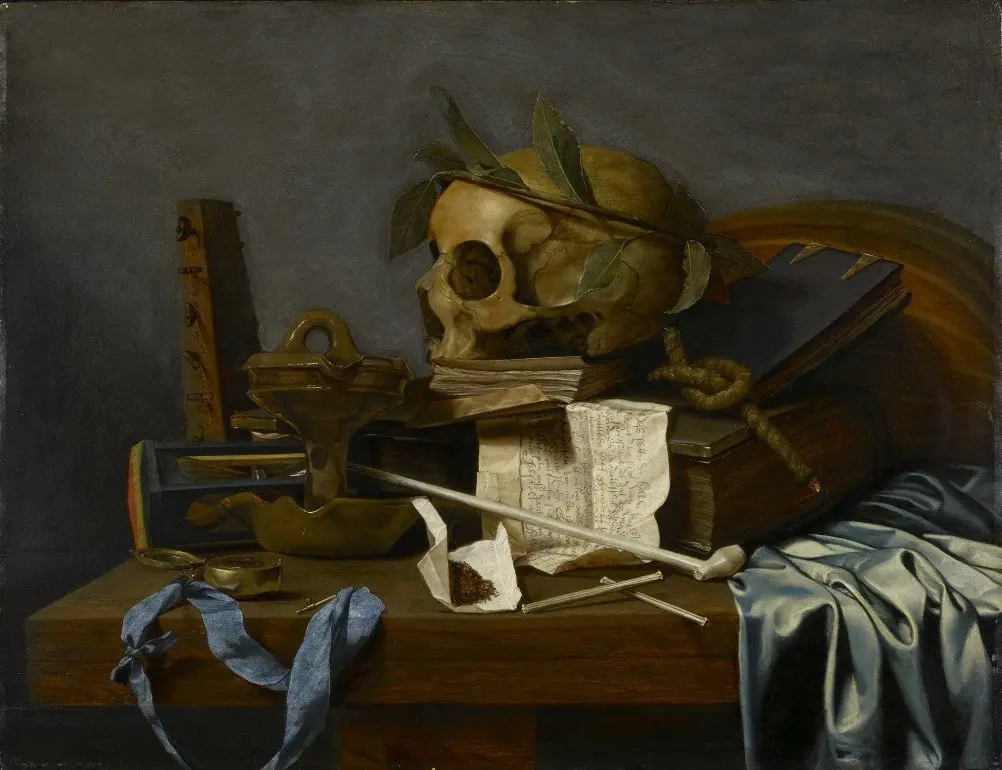
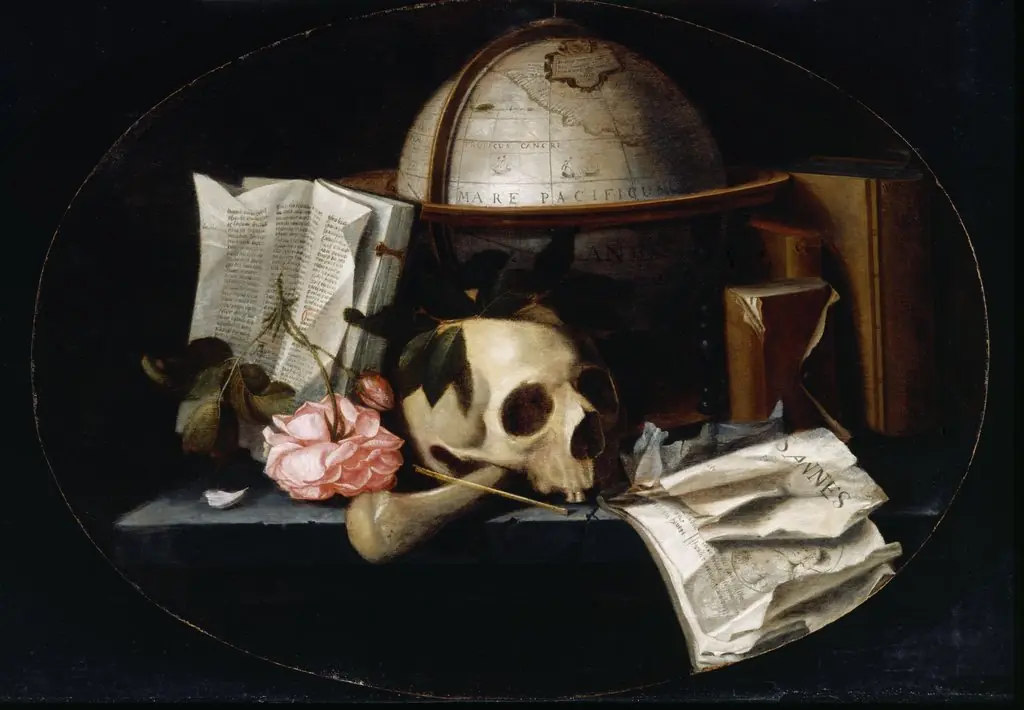
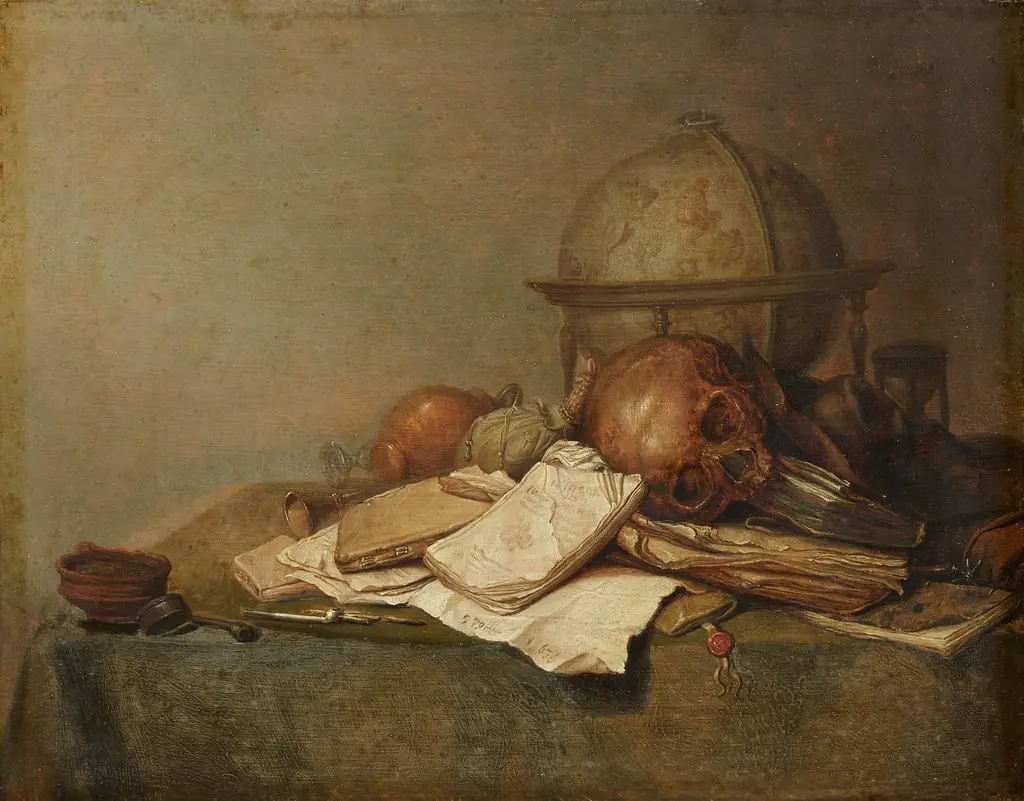
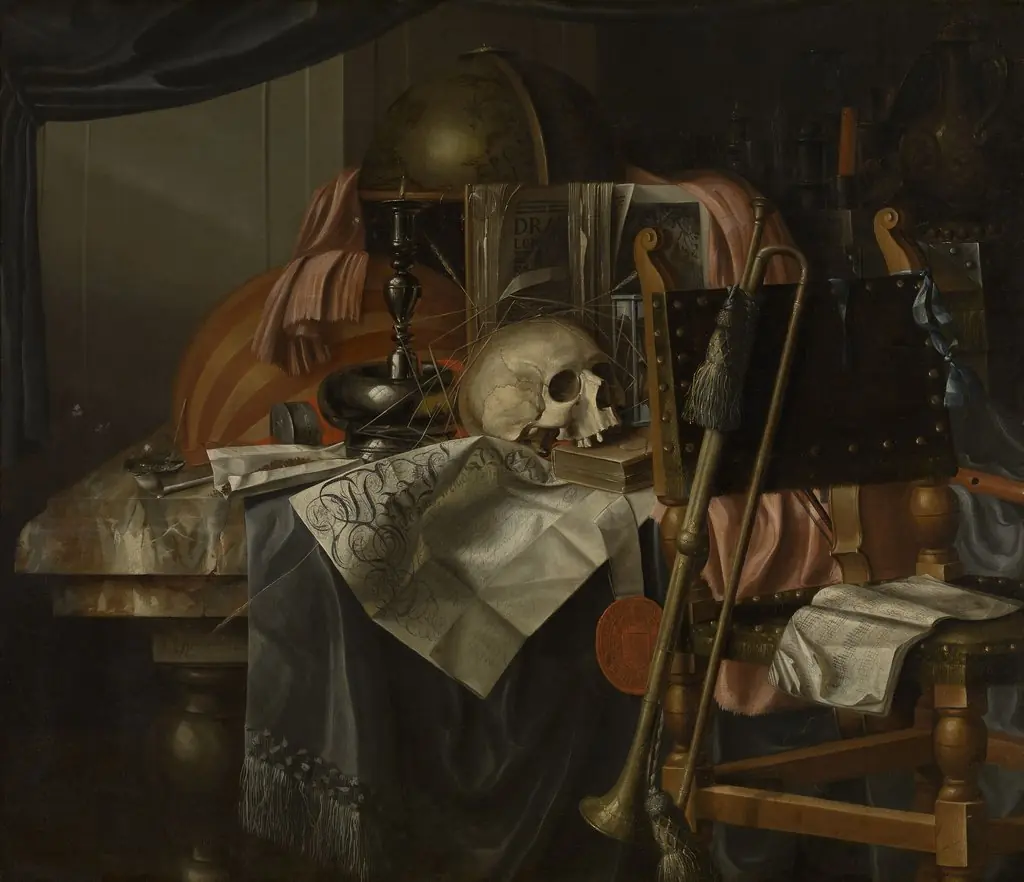
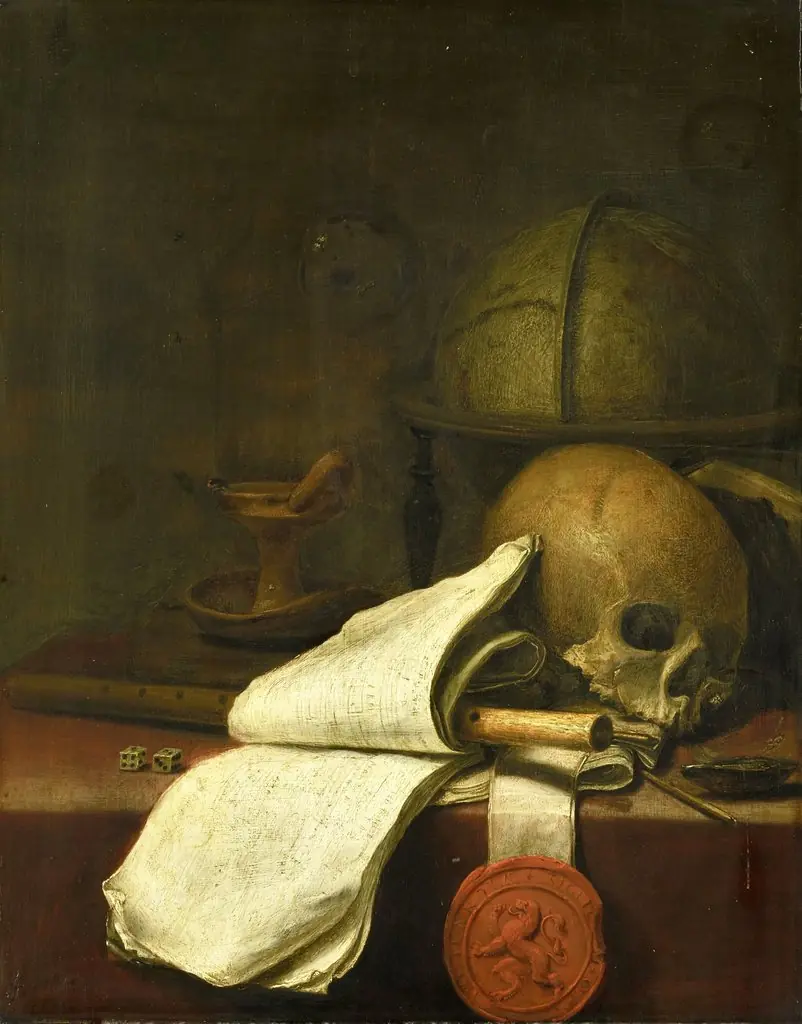
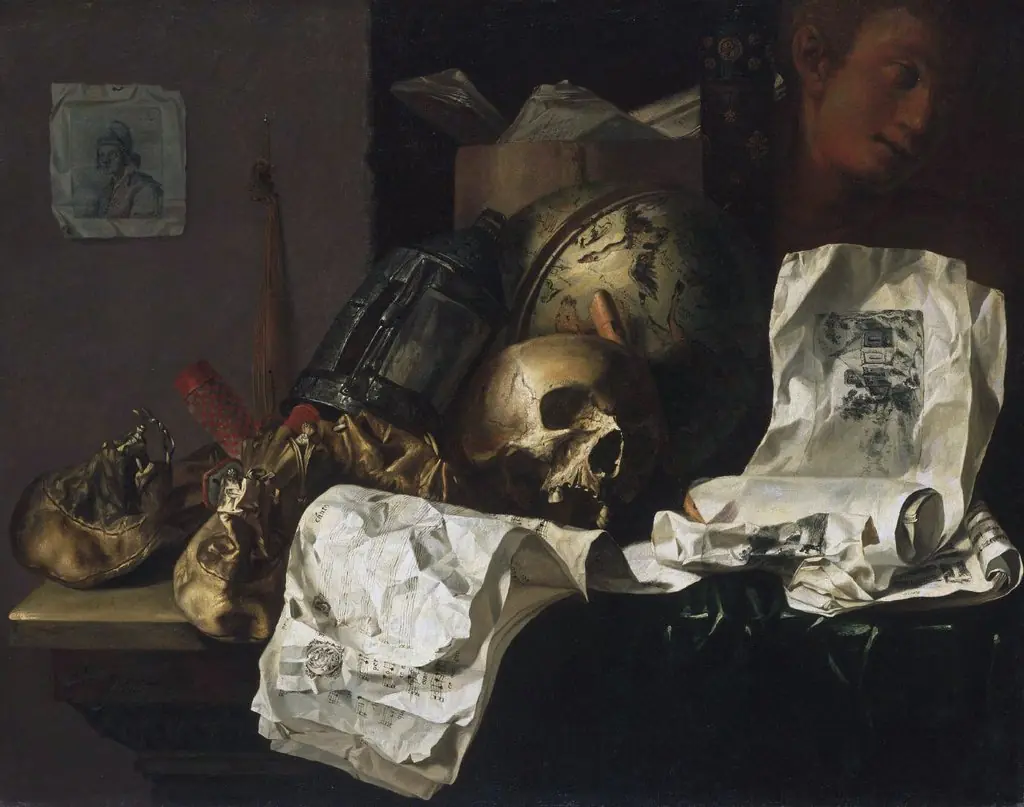
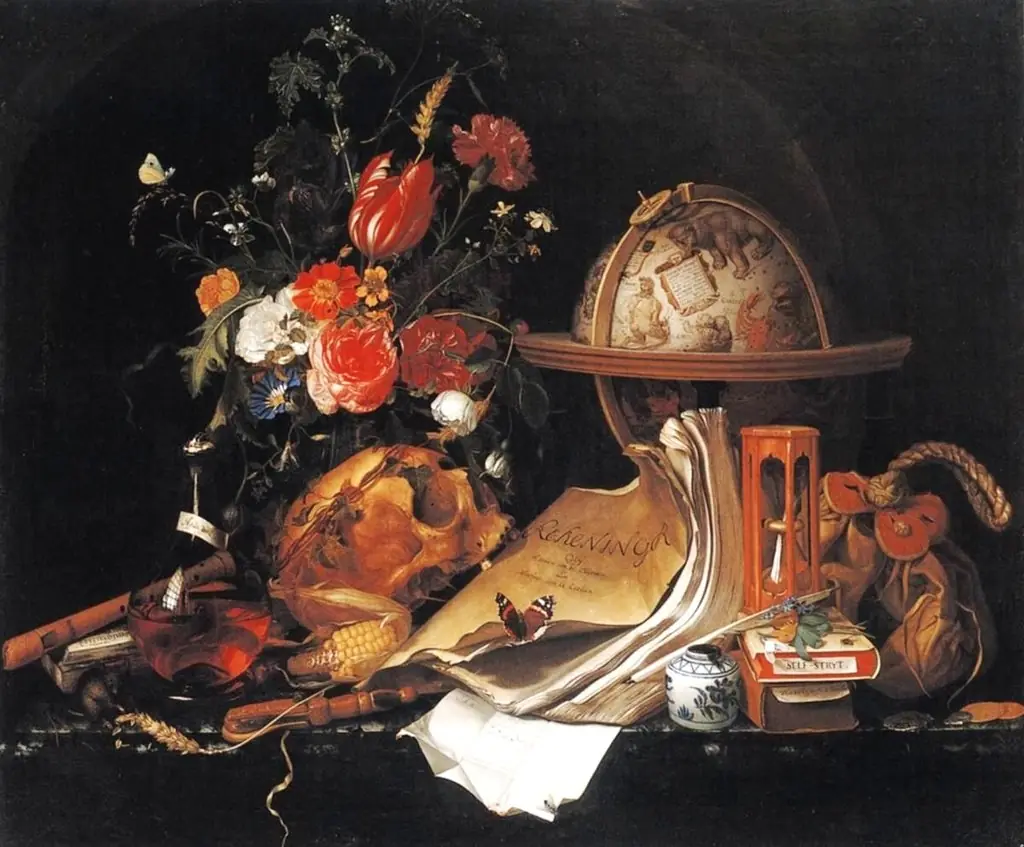
Anthonie Palamedesz., a Dutch painter of the mid‑17th century, created this oil on canvas still‑life around 1650. The work exemplifies the vanitas genre, a sub‑type of Dutch Golden Age still‑life that uses symbolic objects to remind viewers of life's fleeting nature. It is presently held in the collection of the Rijksmuseum.
Subject & Meaning
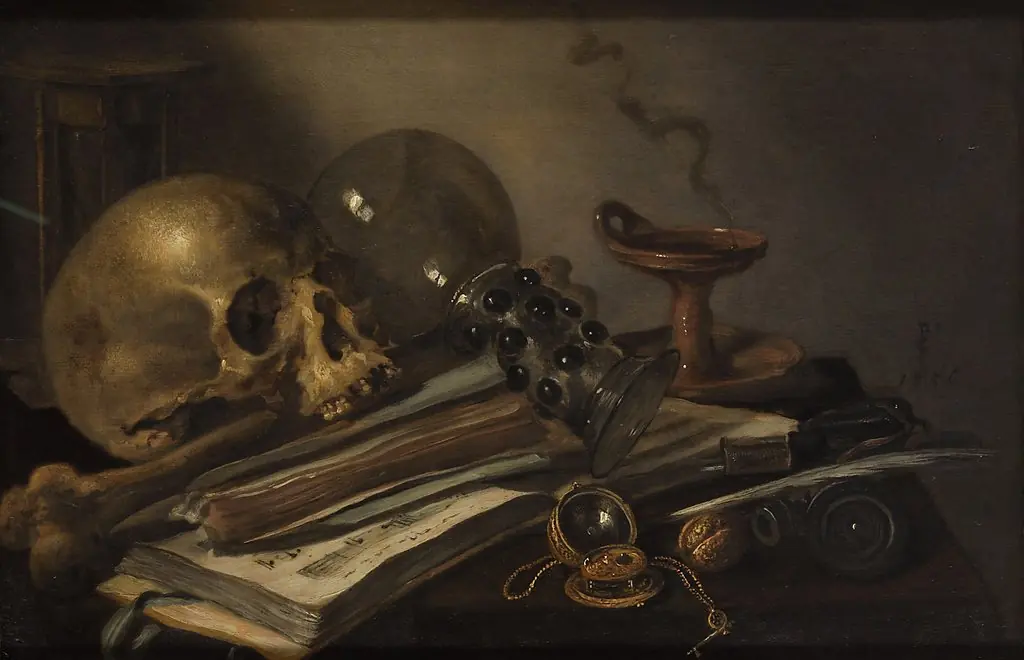
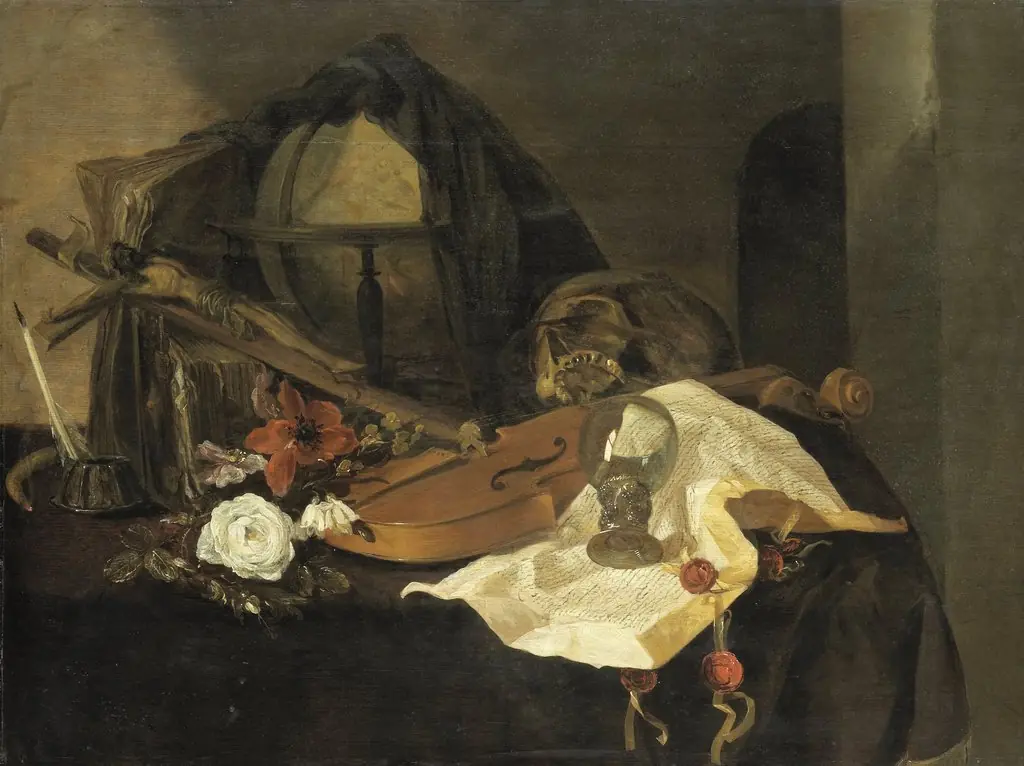
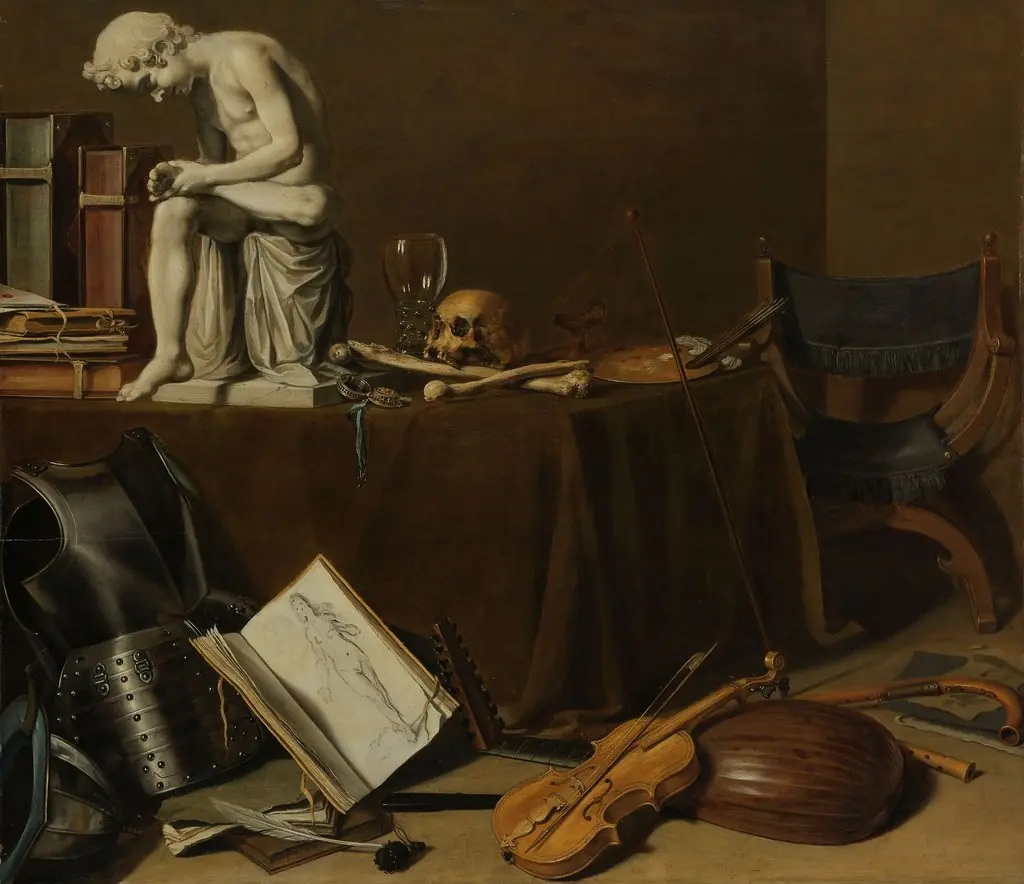
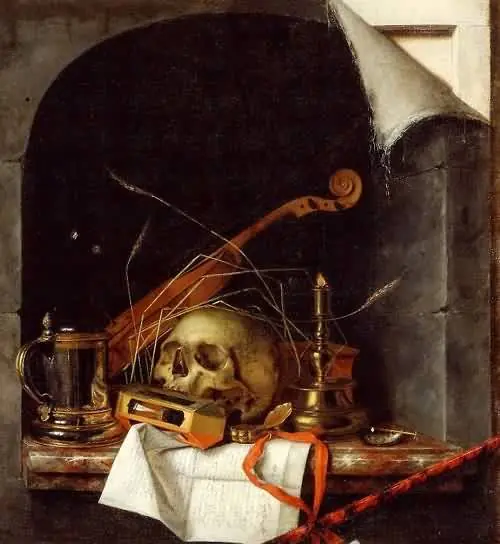
Arranged on a table are a human skull, a violin, an open book and a burning candle, each traditional vanitas emblem. The skull signals mortality, the candle suggests the passage of time, the book hints at knowledge or the written word, and the musical instrument alludes to the transience of pleasure.
Technique & Style
The composition employs strong chiaroscuro, contrasting illuminated surfaces with deep shadows to model the objects and generate a three‑dimensional effect. The foreground skull catches the brightest light, while the violin and book recede into darker space, creating depth and a contemplative mood.
History & Provenance
Painted circa 1650, the piece entered the Rijksmuseum’s holdings in the 20th century, joining a broader collection of Dutch Golden Age works. Its attribution to Palamedesz. reflects his broader oeuvre, which includes portraits, genre scenes, and still‑lifes.
Own this work as a print
Artist & collection
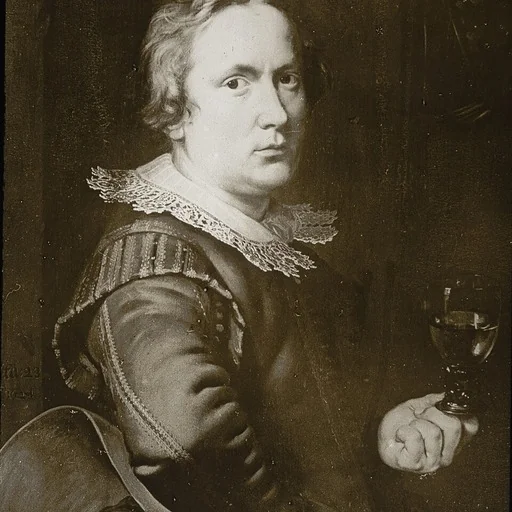
Artist
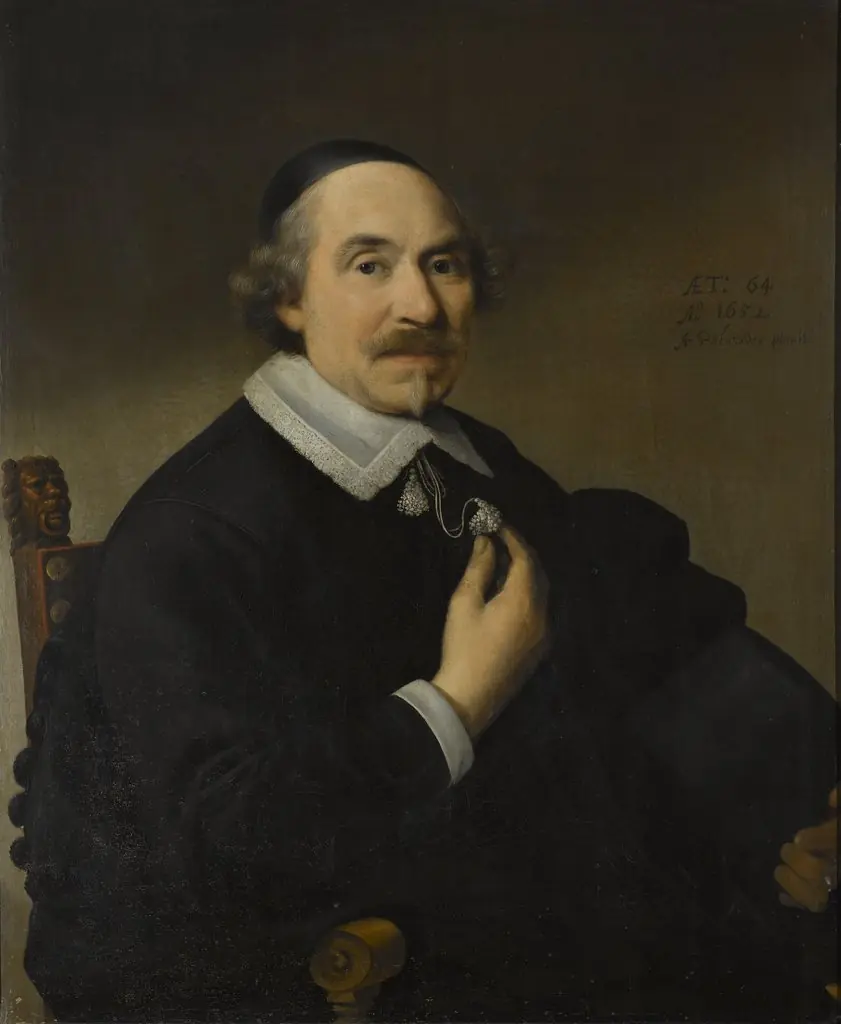
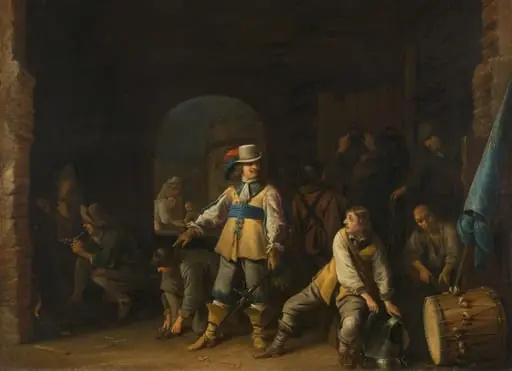
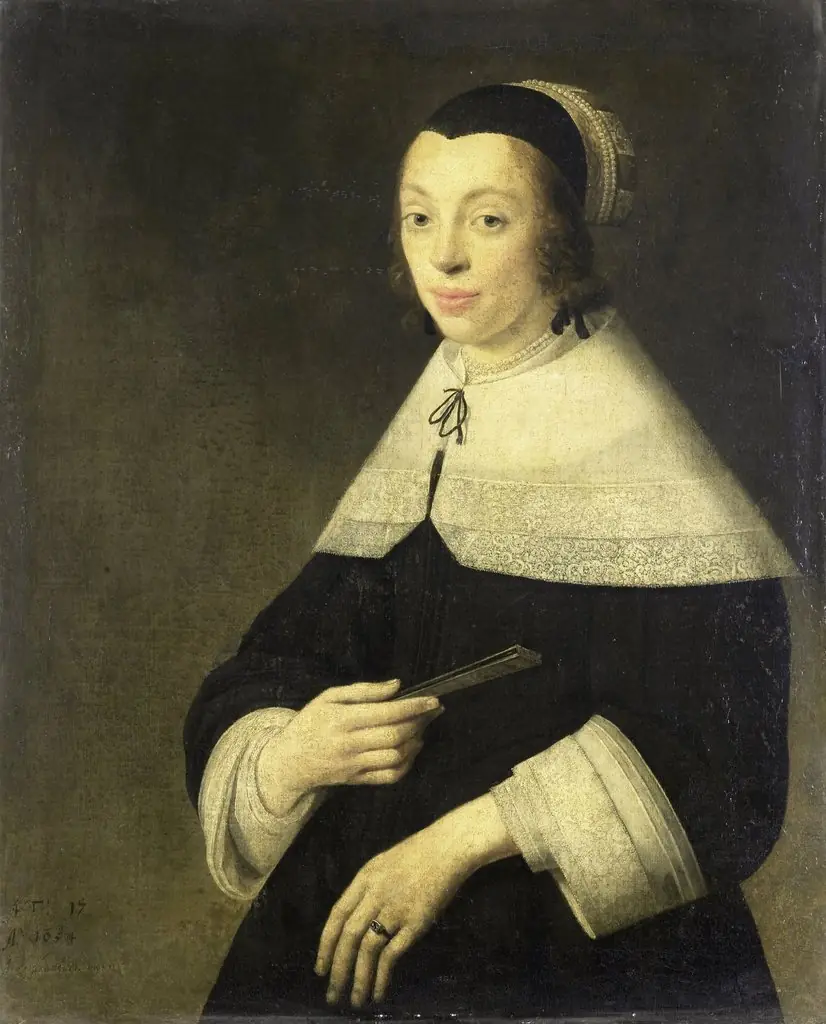
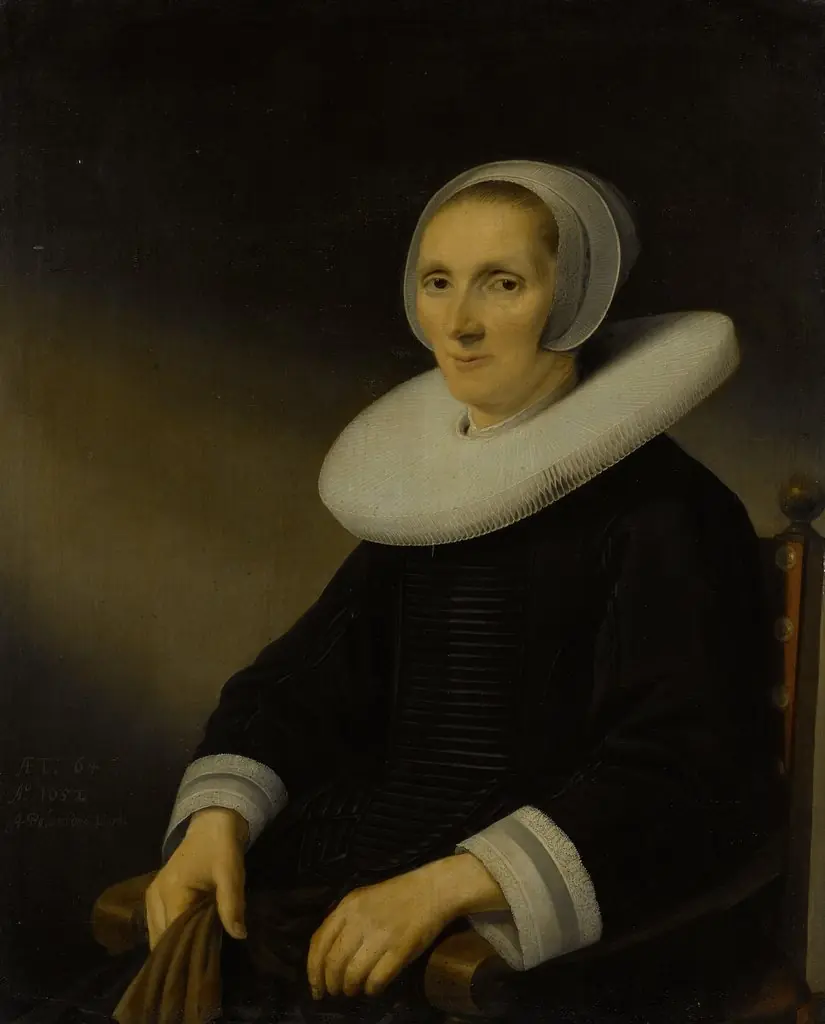
Anthonie Palamedesz., also Antonie Palamedesz, birth name Antonius Stevens, was a Dutch portrait and genre painter.