Artwork
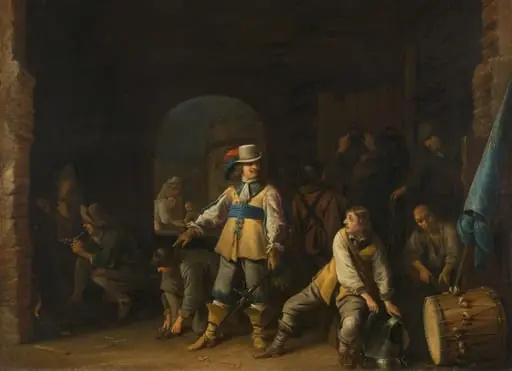
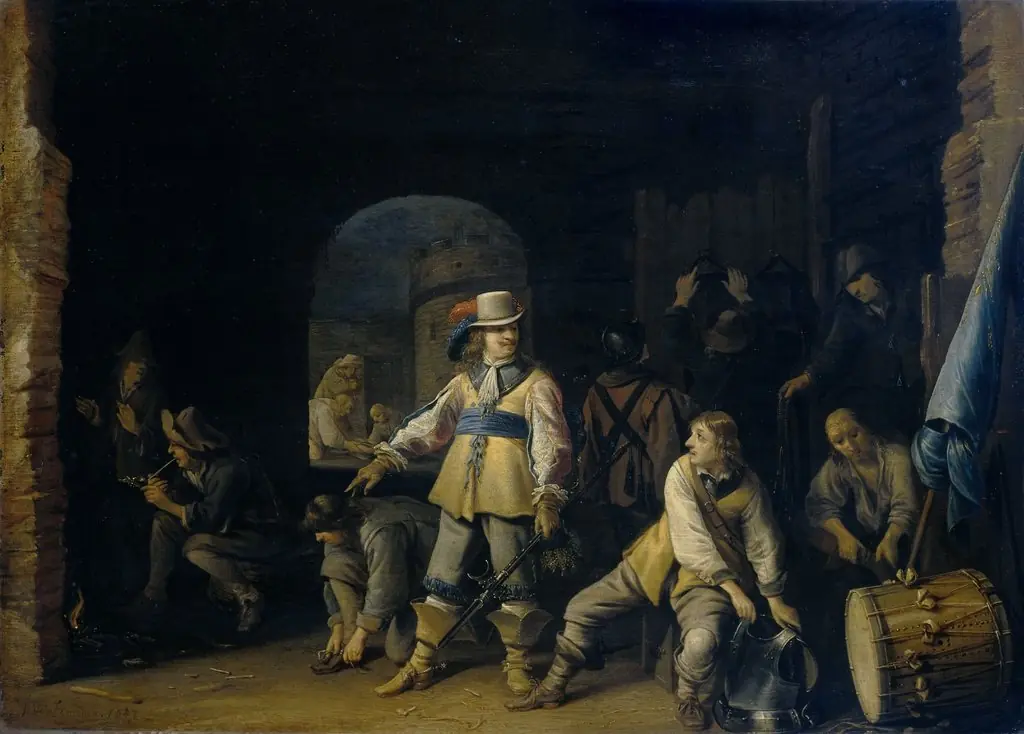
Soldiers Smoking
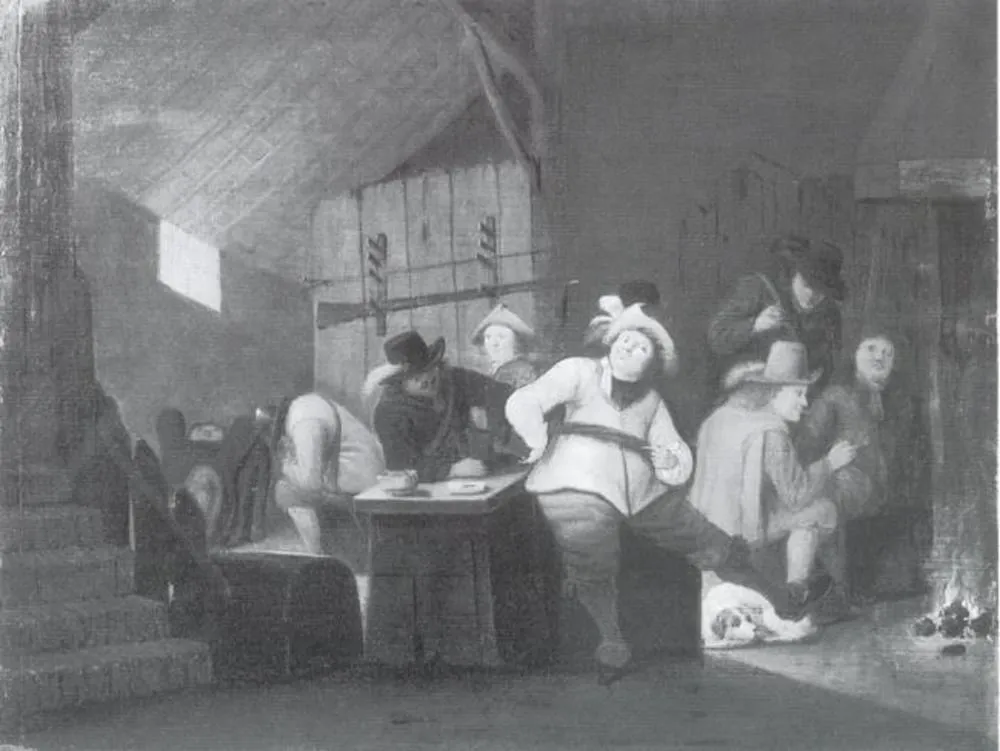
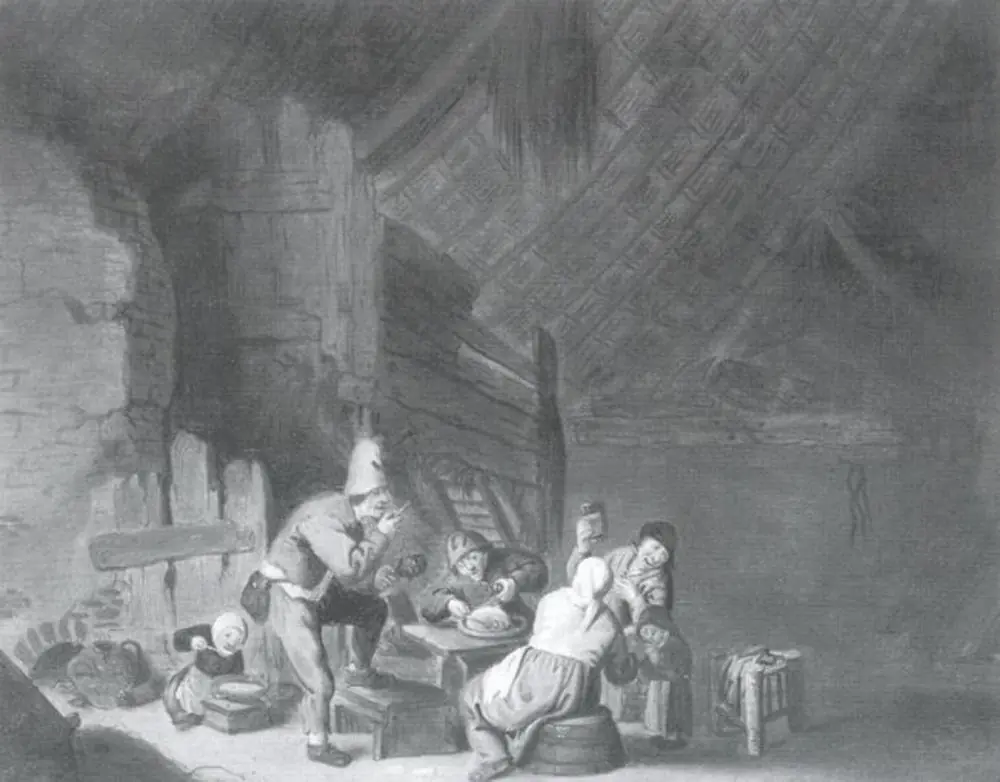
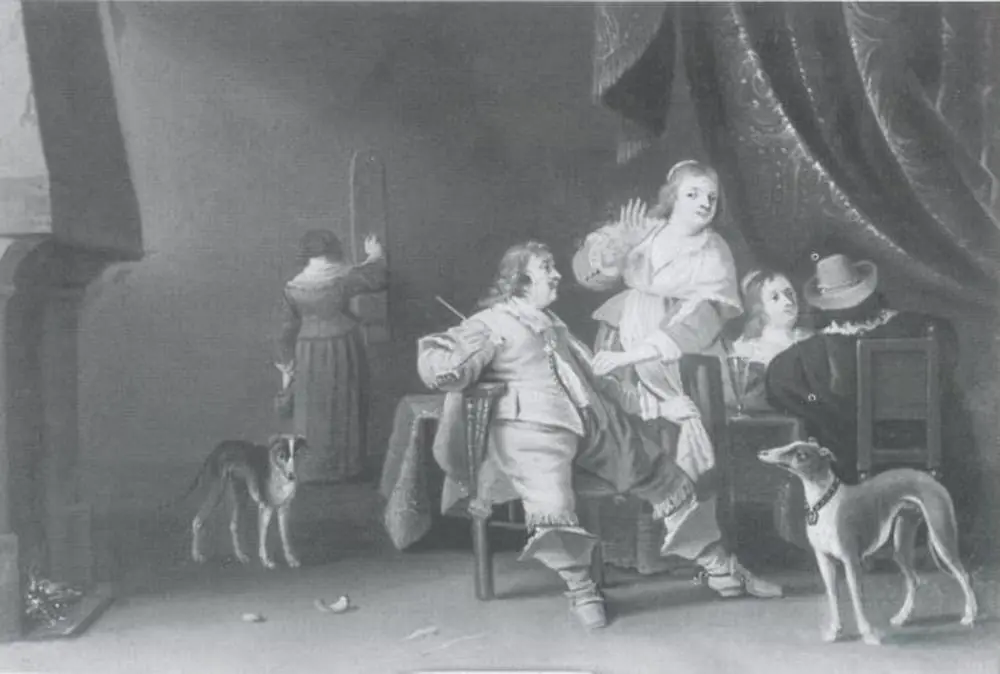
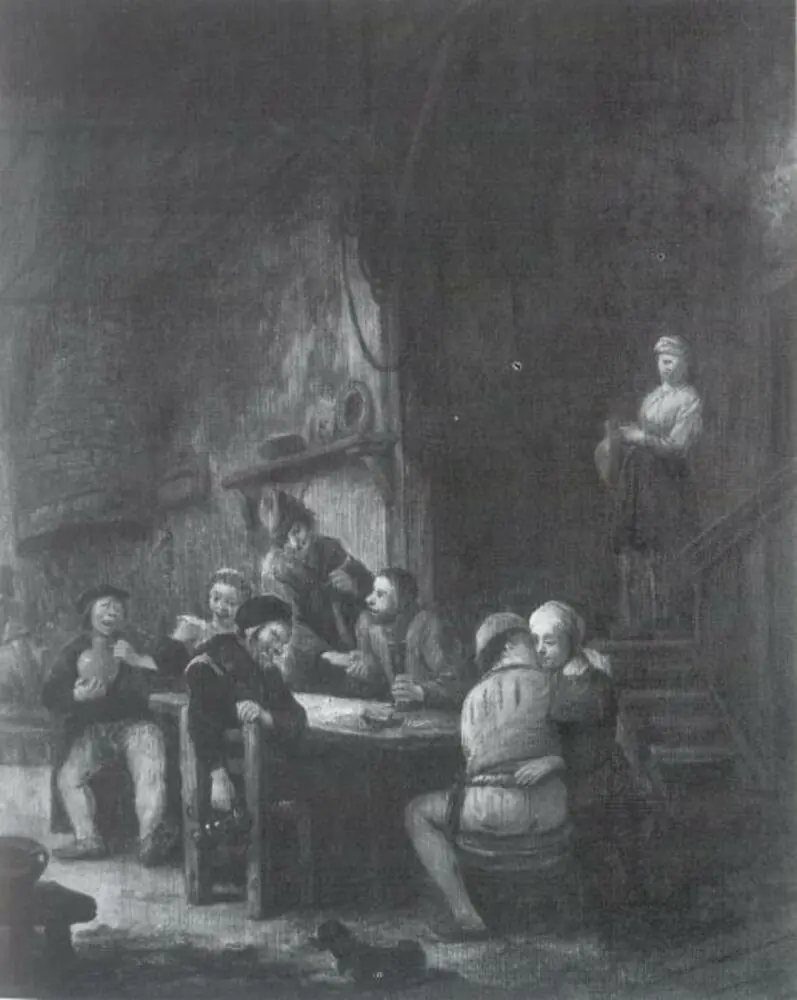
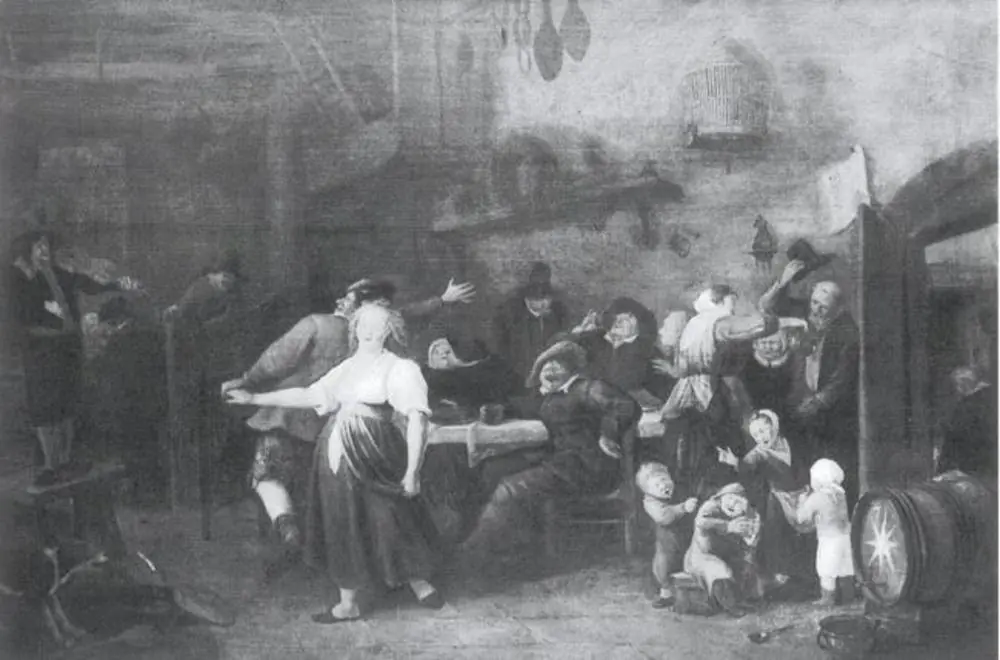
Soldiers Smoking is an oil painting by the Dutch Golden Age artist Anthonie Palamedesz. It dates from 1632 and is held in the collection of the Nationalmuseum.
About this work
The painting captures a moment of everyday life in the 17th century, offering a glimpse into the social habits of the time.
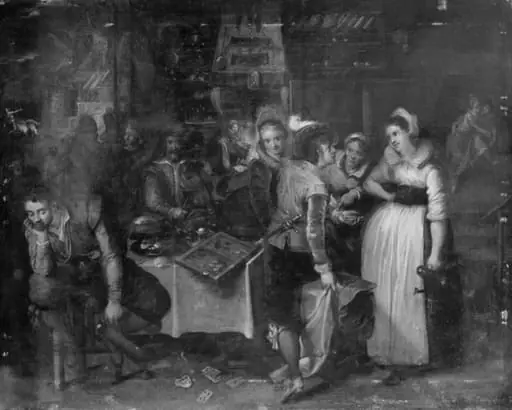
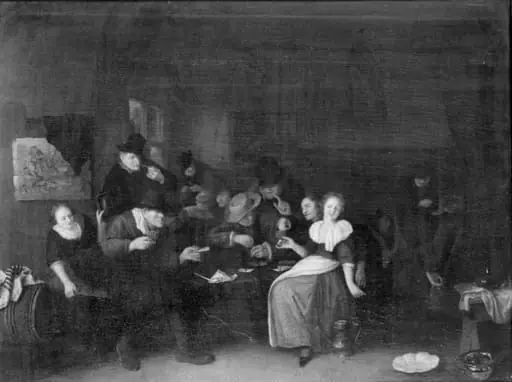
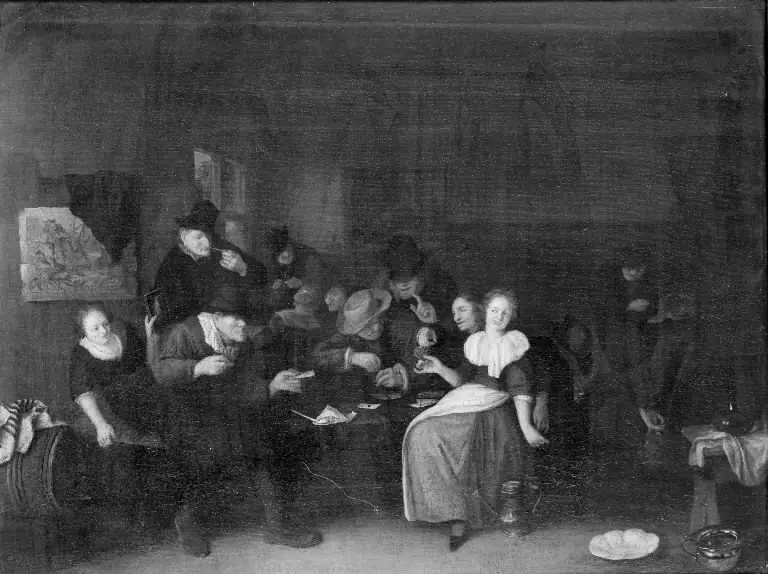
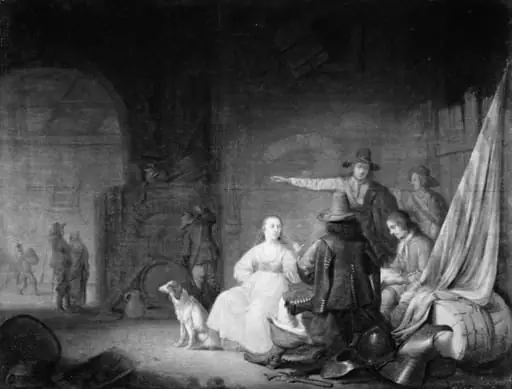
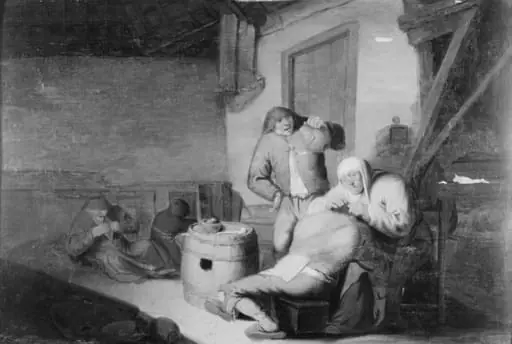
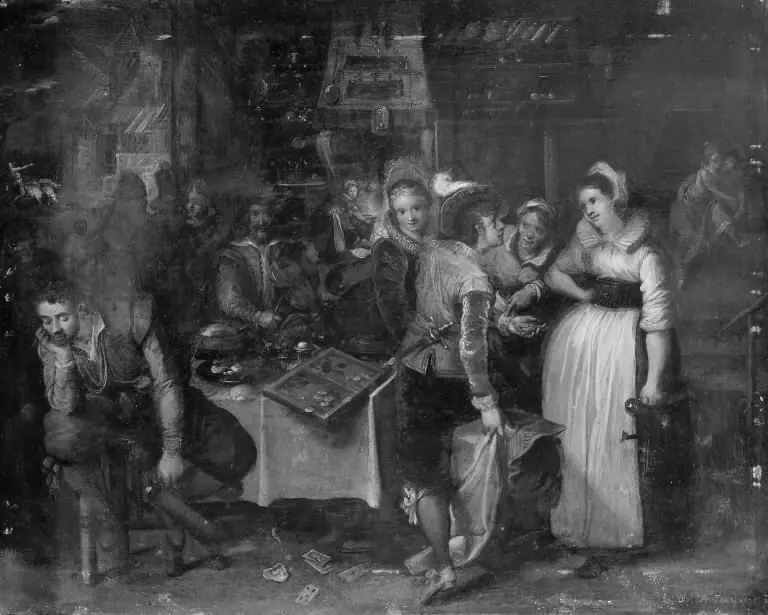
This painting shows a group of men gathered around a table, smoking and drinking. They are dressed in 17th-century clothing, with hats and cloaks. The scene is set in a dimly lit room, with a fireplace in the background.
The men are engaged in lively conversation, with some leaning in to listen or speak. The atmosphere is relaxed and convivial, with a sense of camaraderie among the group. The painting captures a moment of everyday life in the 17th century, offering a glimpse into the social habits of the time.
The use of chiaroscuro, a technique that uses strong contrasts between light and dark, adds depth and drama to the scene. The artist's skillful use of light and shadow creates a sense of warmth and intimacy, drawing the viewer into the scene. If you're interested in learning more about this technique, you might want to look up chiaroscuro.
Overview
An oil painting titled *Soldiers Smoking* was executed by the Dutch artist Anthonie Palamedesz in 1632. The work belongs to the genre‑scene tradition, depicting a casual interior moment rather than a historical or religious narrative. It is part of the collection of the Nationalmuseum in Stockholm.
Subject & Meaning
The canvas presents a group of men in 17th‑century attire—hats, cloaks, and boots—gathered around a low table. They share pipe smoke and drink, their gestures suggesting animated conversation and mutual familiarity. The scene offers a snapshot of everyday social interaction among soldiers, emphasizing camaraderie and leisure.
Technique & Style
Palamedesz employs a pronounced chiaroscuro, contrasting the warm glow of a nearby fireplace with deep shadows that recede into the room’s corners. This handling of light and dark creates a three‑dimensional effect, guiding the viewer’s eye toward the illuminated faces and objects on the table.
History & Provenance
Created in the early 1630s, the painting entered the Nationalmuseum’s holdings at an unspecified later date, where it remains on display. Its provenance prior to acquisition is not extensively documented, but the work reflects the artist’s established reputation for intimate interior scenes.
Context
During the Dutch Golden Age, genre paintings frequently portrayed domestic or tavern settings, reflecting a growing interest in the details of daily life. Palamedesz, known for military and guardroom subjects, integrates this trend by focusing on soldiers in a relaxed, non‑combat environment.
Artist & collection
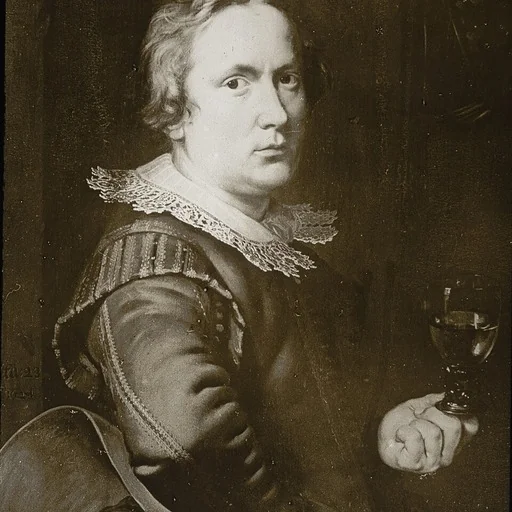
Artist
Anthonie Palamedesz., also Antonie Palamedesz, birth name Antonius Stevens, was a Dutch portrait and genre painter.