Artwork
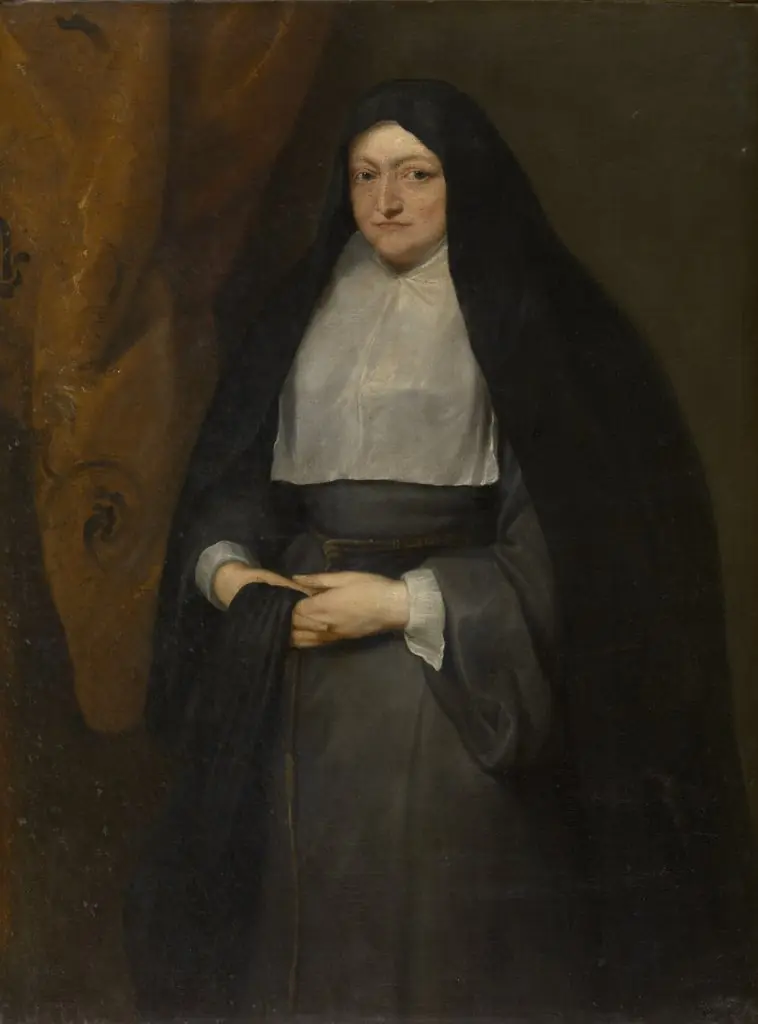
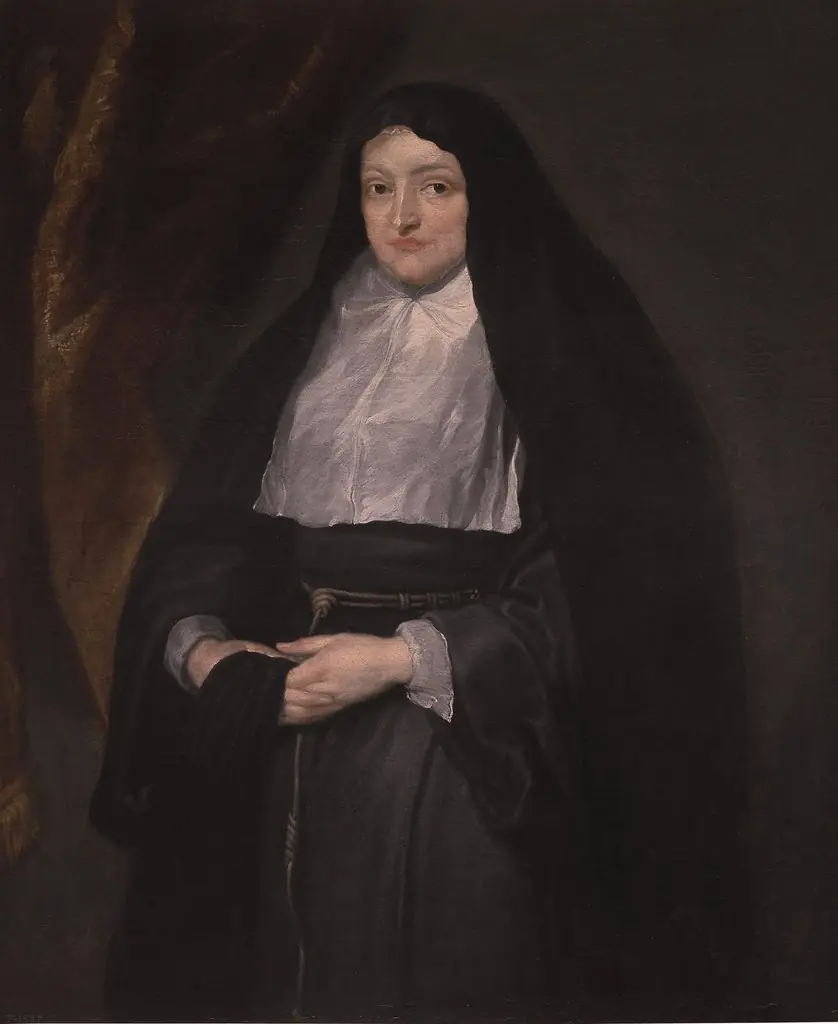
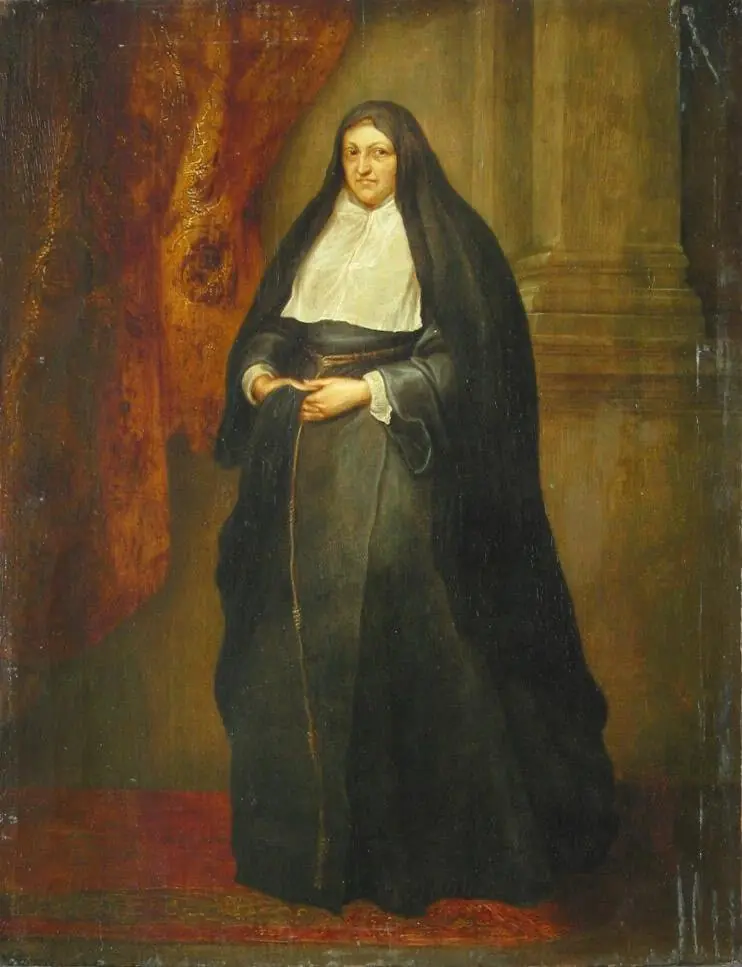
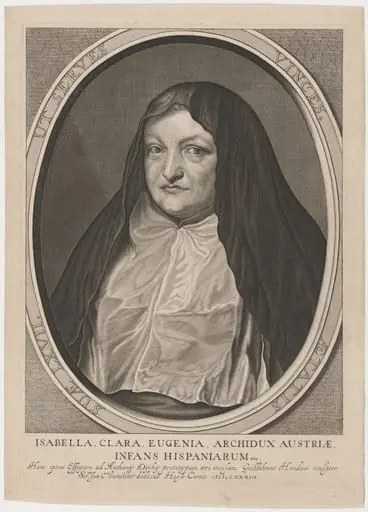
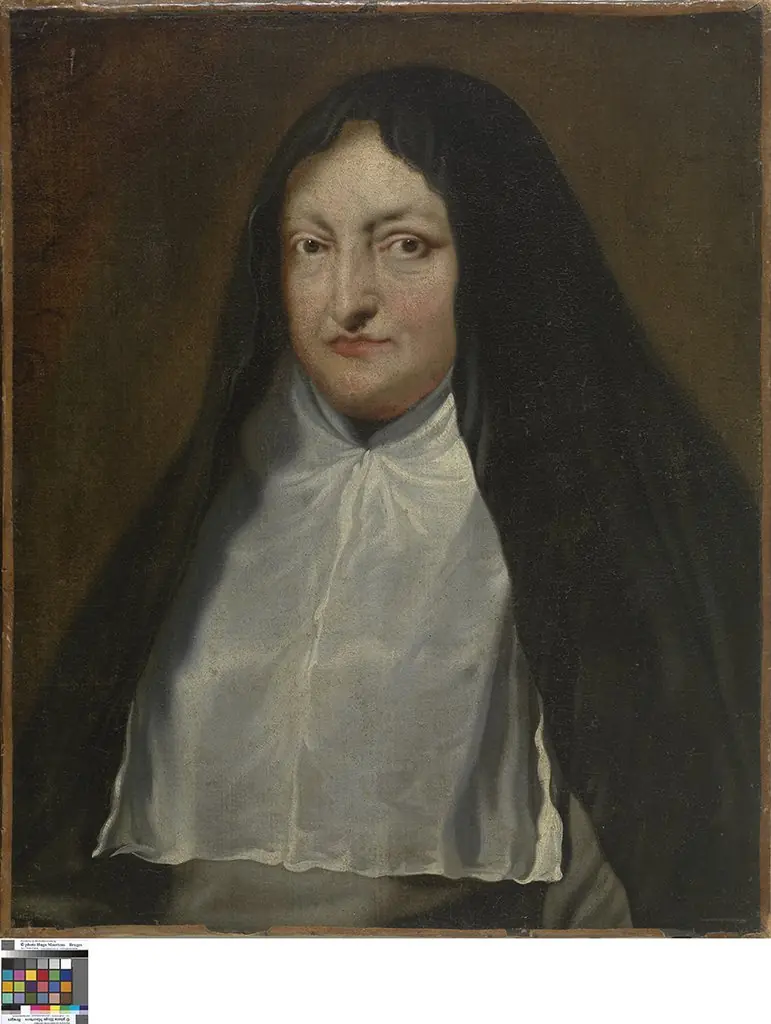
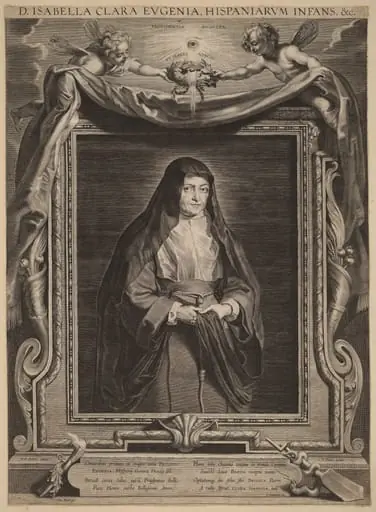
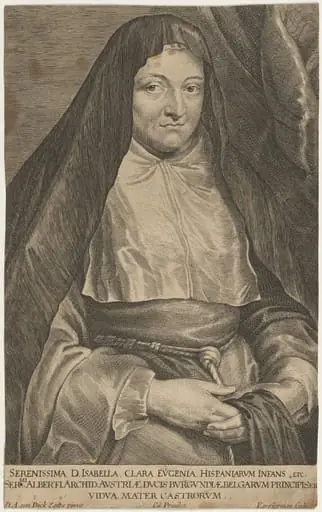
Infantin Isabella Clara Eugenia, portrait as a widow
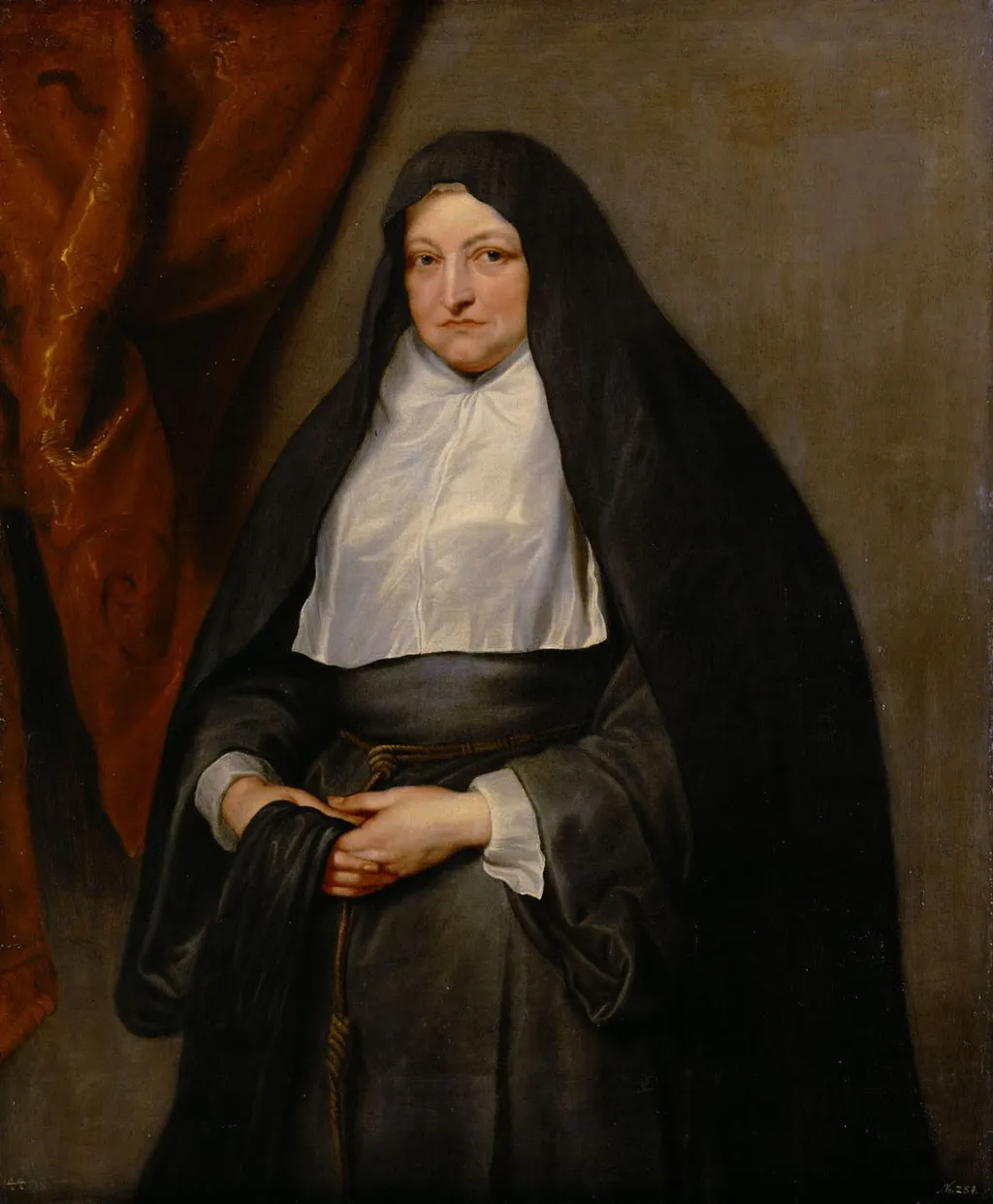
Infantin Isabella Clara Eugenia, portrait as a widow is an oil painting by the Flemish Baroque painting artist Anthony van Dyck. It dates from 1627 and is held in the collection of the Kunsthistorisches Museum.
About this work
Overview
Infantin Isabella Clara Eugenia, portrait as a widow is a 1627 oil painting by Anthony van Dyck, depicting a member of the Spanish Habsburg dynasty in mourning attire.
Subject & Meaning
The subject, Isabella Clara Eugenia of Spain, is portrayed in a state of widowhood, conveyed through her black veil, dark robes, and contemplative expression. The serene yet solemn demeanor suggests a balance between grief and composure.
Technique & Style
Van Dyck employs chiaroscuro, juxtaposing a plain dark background with a subtle red fabric accent, to create a dramatic glow on the subject's skin. This contrasts with the somber tones of her attire, drawing focus to her face.
History & Provenance
Created in 1627 by Anthony van Dyck, a prominent Flemish Baroque painter, the work is now part of the Kunsthistorisches Museum's collection.
Context
Painted during van Dyck's established career, following his mastery of painting by 1617 and collaboration with Peter Paul Rubens, this piece reflects his skill in capturing the nobility of his time.
Artist & collection
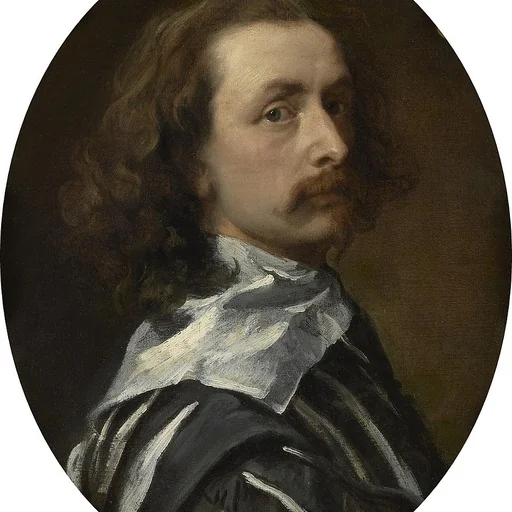
Artist
Sir Anthony van Dyck (; Dutch: Antoon van Dijck ; 22 March 1599 – 9 December 1641) was a Flemish Baroque artist, who became the leading court painter in England after success in the Spanish Netherlands and Italy.