Artwork
Isabella Clara Eugenie as a Nun
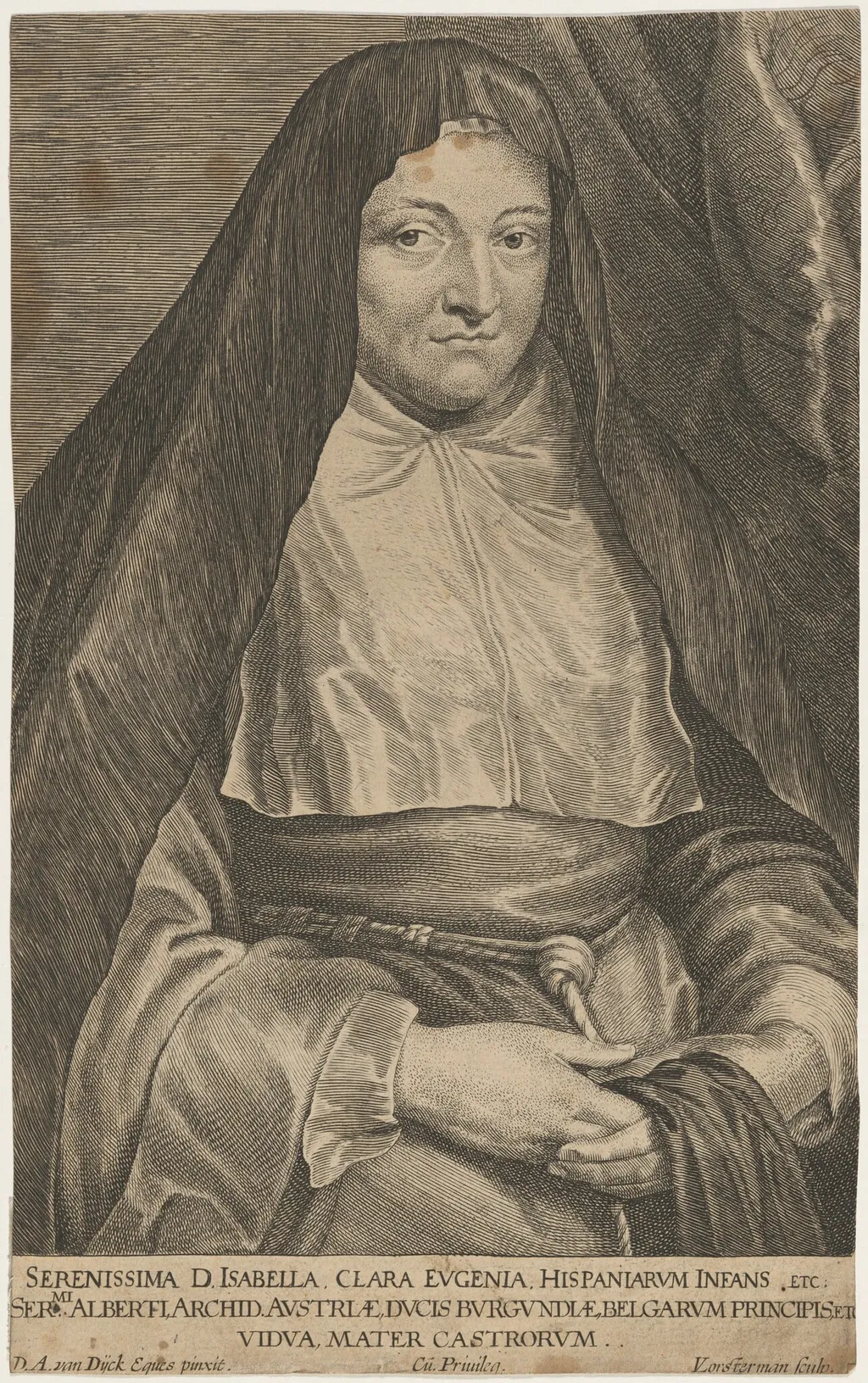
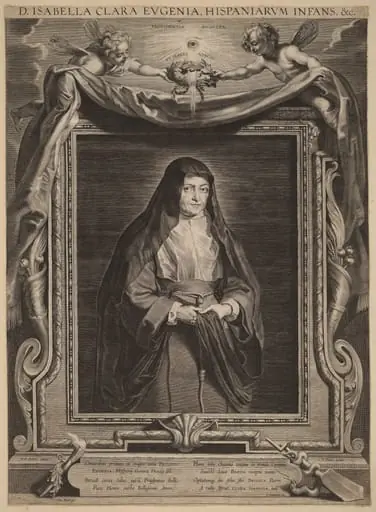
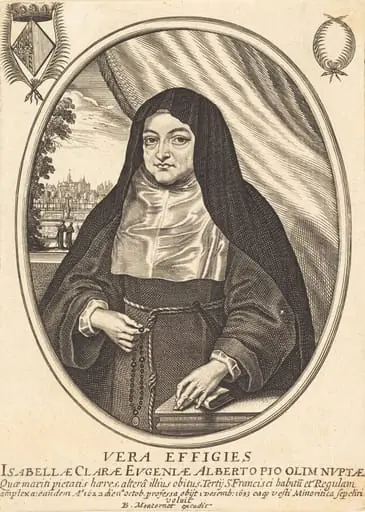
Isabella Clara Eugenie as a Nun is an ink print by the Renaissance artist Lucas Emil Vorsterman. It dates from 1635 and is held in the collection of the Rosenwald Collection.
About this work
Overview
Rendered with precise linear technique, the portrait captures her in a moment of quiet solemnity, her face marked by age and gravity.
Created in 1635 by Lucas Emil Vorsterman, this black-and-white engraving depicts Isabella Clara Eugenie in the attire of a nun. Rendered with precise linear technique, the portrait captures her in a moment of quiet solemnity, her face marked by age and gravity. The composition is tightly framed, focusing attention on her features and the texture of her habit, typical of portrait engravings intended for dissemination among elite audiences.
Subject & Meaning
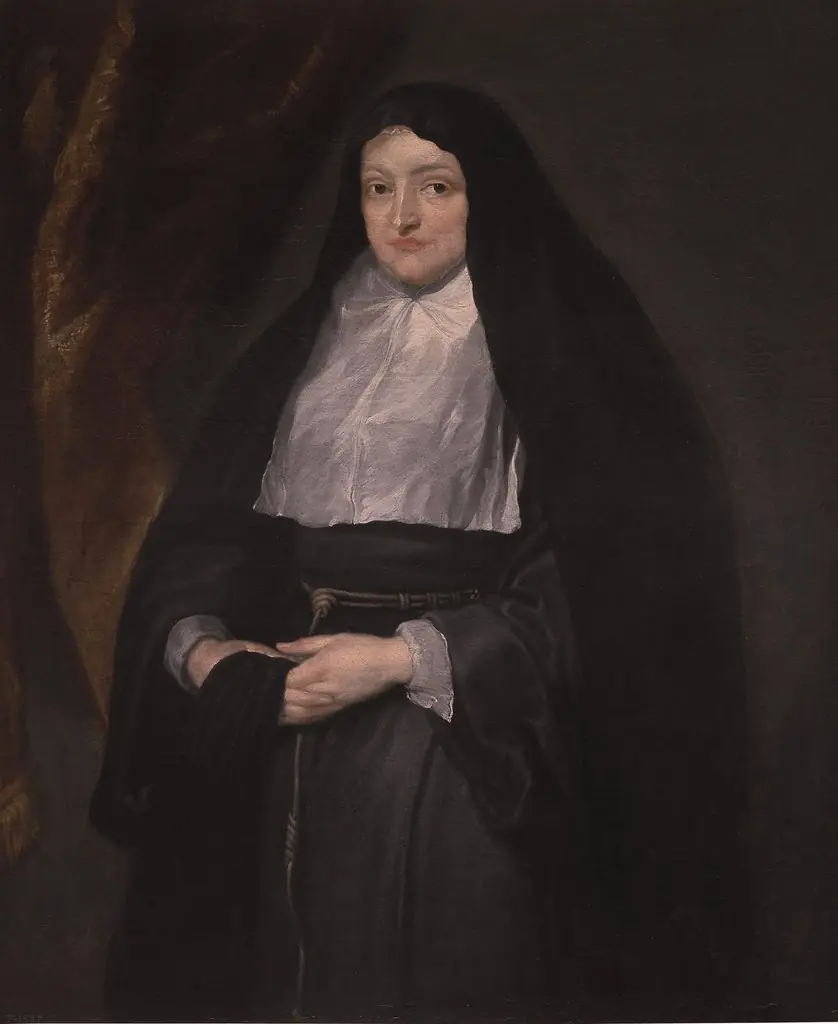
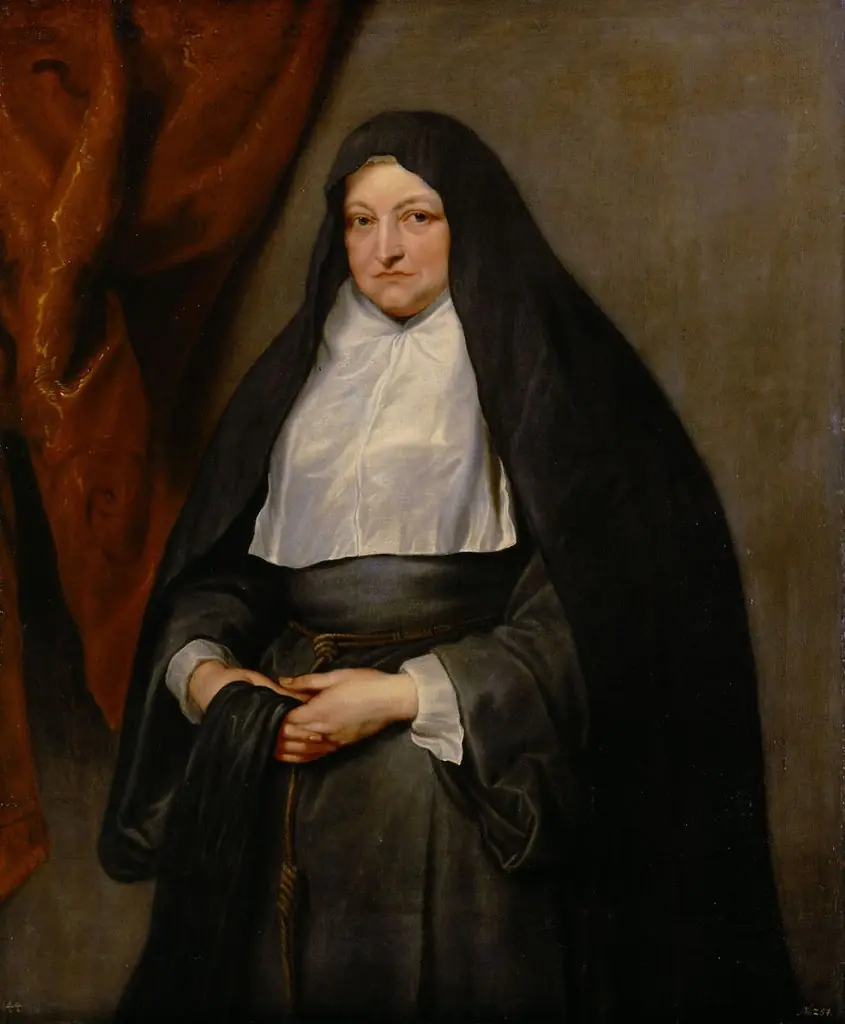
Isabella Clara Eugenie, former sovereign of the Spanish Netherlands, is portrayed not as a ruler but as a religious figure, reflecting her later life in seclusion. Though she never formally took vows, this image aligns her with spiritual devotion, possibly as a symbolic gesture of piety or political retreat. The rosary she holds reinforces the theme of contemplation, transforming her public identity into one of private reverence.
Technique & Style
Vorsterman employed fine, controlled lines and cross-hatching to model form and texture. Shadows on the veil and habit are built through layered strokes, creating depth without tone. The wrinkles on her brow and the folds of fabric are rendered with meticulous precision, characteristic of Northern European engraving traditions. The absence of color emphasizes the austerity of the subject and the medium’s reliance on line alone.
History & Provenance
The engraving was produced during Isabella’s retirement in Brussels, after her political role ended. It likely circulated among court circles and religious institutions as a commemorative image. While the original plate’s early ownership is undocumented, surviving impressions suggest it was reproduced for private collectors and ecclesiastical patrons interested in her legacy.
Context
In early 17th-century Europe, portraits of noblewomen in religious garb were not uncommon, often serving as expressions of piety or dynastic transition. Isabella’s image as a nun coincided with broader Habsburg efforts to reinforce Catholic identity after the Reformation. Vorsterman’s work reflects this cultural moment, merging personal retirement with public religious symbolism.
Legacy
This engraving remains one of the few visual records of Isabella Clara Eugenie in her later years. It influenced later depictions of noblewomen in religious contexts and exemplifies the role of print in shaping posthumous reputations. Though not widely exhibited today, it endures in institutional collections as a quiet testament to the intersection of power, gender, and faith in early modern Europe.
Artist & collection
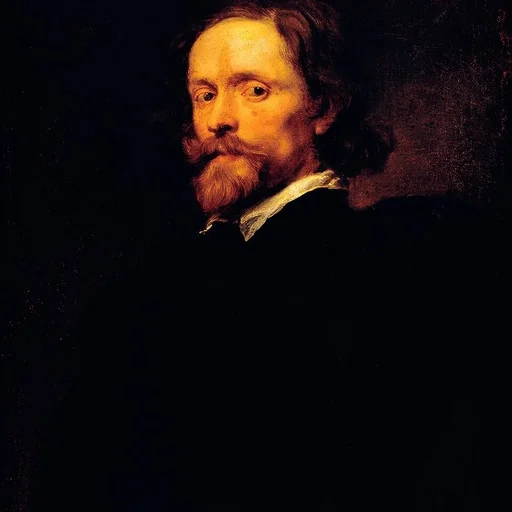
Artist
etching and engraving by Lucas Vorsterman II, NGA 10762), B1977.14.10539 - Yale etc
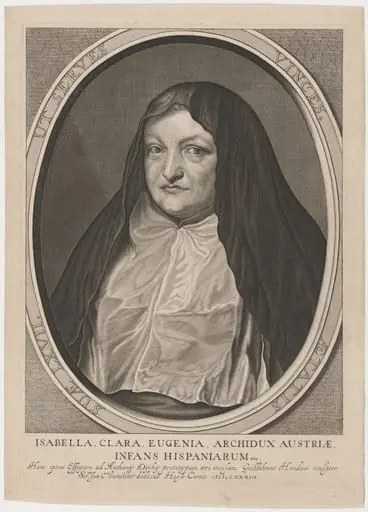 Isabella Clara Eugenia as a Nun
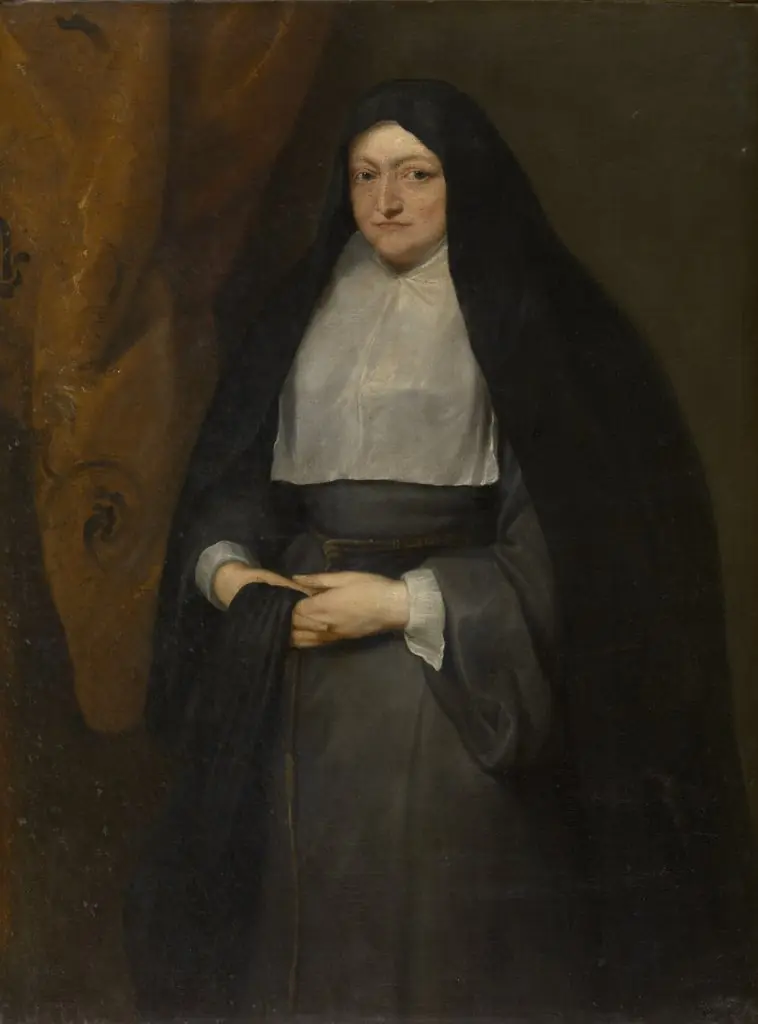 Infante Isabella Clara Eugenia
 Isabella Clara Eugenia, Infanta of Spain
 Portrait of Isabel Clara Eugenia as a nun
 Isabelle Claire Eugénie
 Infantin Isabella Clara Eugenia, portrait as a widow
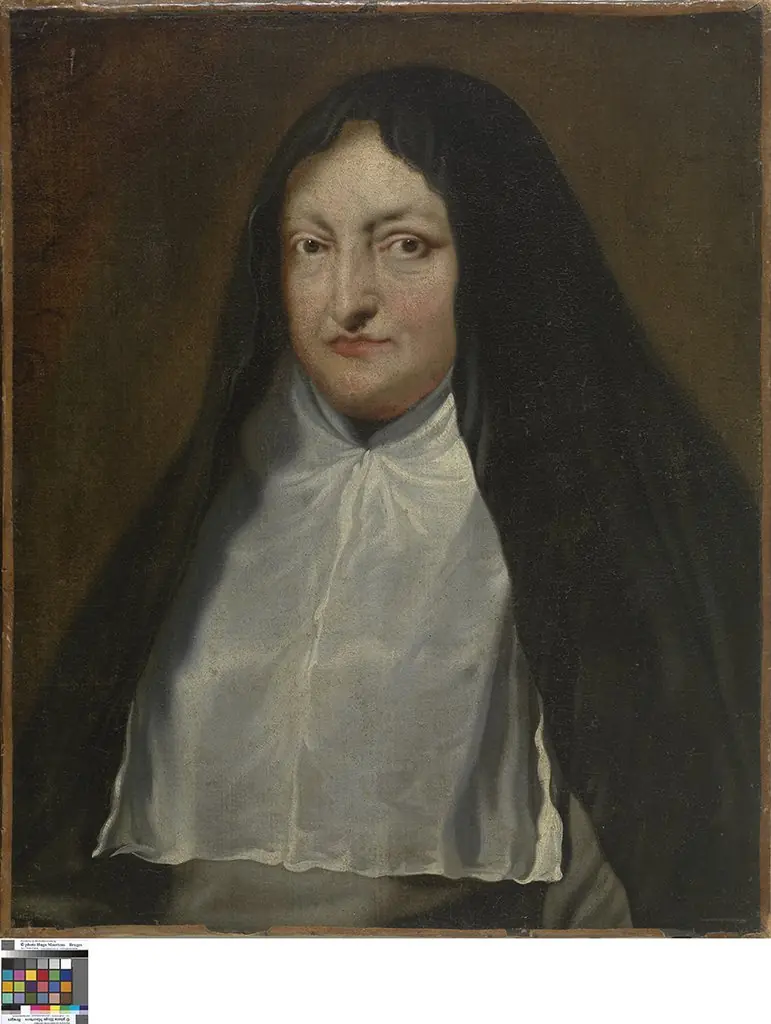 Portrait of Archduchess Isabella Clara Eugenia as Clarisse
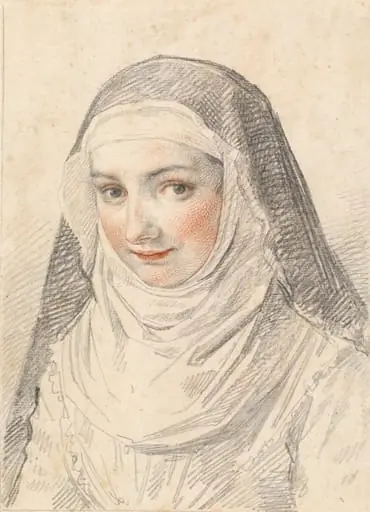 A Young Nun
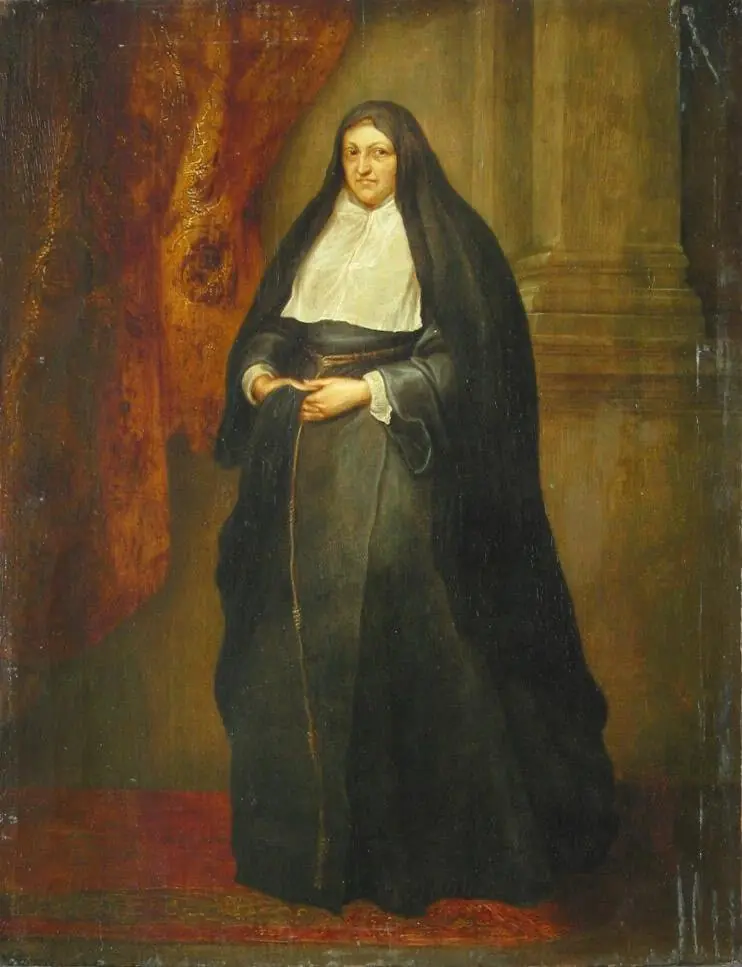 Portrait of Infanta Isabella Clara Eugenia of Spain (1566-1633)
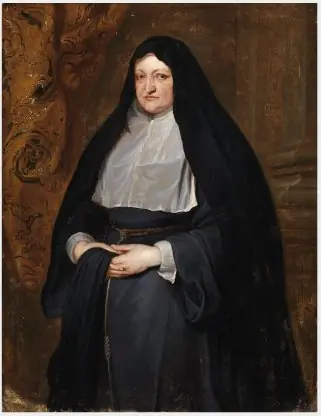 Isabella Clara Eugenia, Archduchess of Austria