Artwork
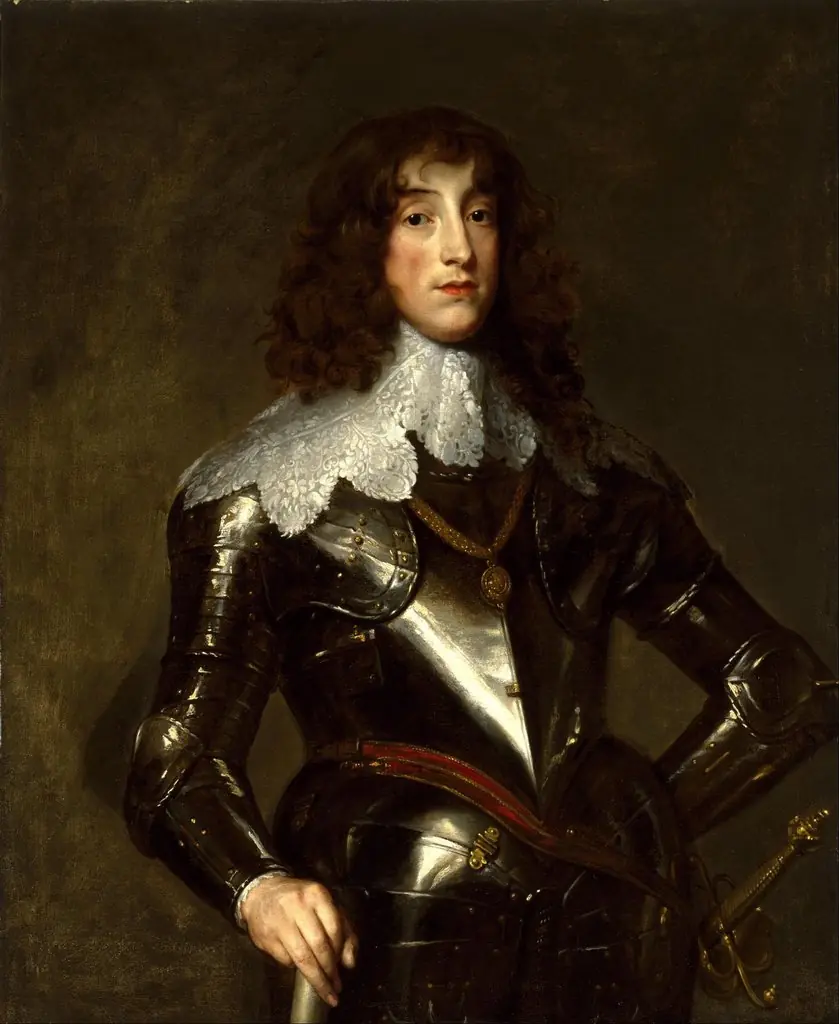
Portrait of a young man in armour
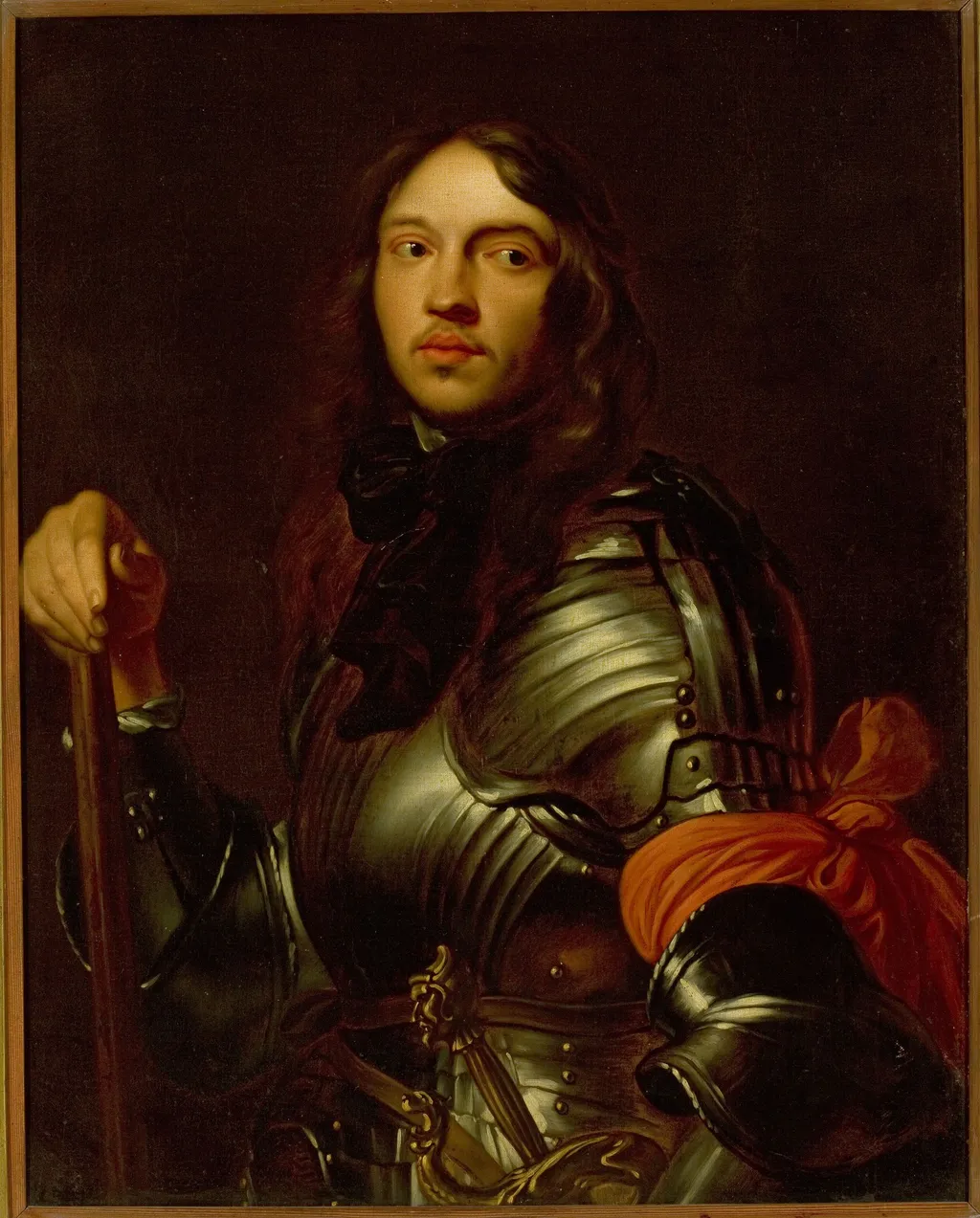
Portrait of a young man in armour is an oil painting by Unknown. It is held in the collection of the National Museum in Warsaw. This oil painting depicts a young man dressed in polished armor, rendered with careful attention to texture and light.
About this work
Overview
This oil painting depicts a young man dressed in polished armor, rendered with careful attention to texture and light.
This oil painting depicts a young man dressed in polished armor, rendered with careful attention to texture and light. His posture is upright and composed, holding a slender staff in his right hand. The dark, unmodeled background isolates the figure, emphasizing his presence. His expression is solemn, eyes directed beyond the frame, suggesting contemplation or alertness. The composition focuses on stillness and dignity rather than action.
Subject & Meaning
The subject appears to be a noble or military figure, his armor and staff indicating status and authority. The absence of overt symbols or heraldry leaves his identity ambiguous, but his demeanor conveys restraint and resolve. The staff may suggest a role as a commander or emissary, while his gaze outward implies engagement with an unseen presence. The portrait invites interpretation as a study of quiet power rather than a record of a specific individual.
Technique & Style
The artist employs fine brushwork to capture the reflective surfaces of the armor, using subtle highlights to suggest metallic sheen. The dark shirt beneath contrasts with the polished metal, adding depth. The hair is rendered with soft, flowing strokes, contrasting the rigid geometry of the armor. The background is left largely unworked, enhancing the figure’s three-dimensionality. Lighting is even and directional, avoiding dramatic chiaroscuro in favor of clarity and presence.
History & Provenance
The painting’s origins are undocumented in public records, and its early ownership remains unknown. It has been attributed to Northern European artists of the late 16th or early 17th century, based on stylistic parallels with portraiture from the Low Countries. No inscriptions or markings on the frame or reverse provide definitive evidence of commission or subject. Its current location and acquisition history are held in institutional archives but not publicly detailed.
Context
During the late Renaissance and early Baroque periods, portraits of armored figures were common among European elites, often commissioned to assert social standing or martial virtue. While full-length depictions of knights were typical in earlier centuries, this work reflects a shift toward intimate, psychologically nuanced portrayals. The absence of landscape or props aligns it with a growing trend of psychological portraiture focused on character over circumstance.
Legacy
The painting contributes to a broader tradition of European portraiture that values restraint and presence over ornamentation. Its quiet intensity influenced later depictions of military and aristocratic subjects, particularly in regions where understated dignity was preferred over flamboyance. Though not widely reproduced or celebrated in major publications, it remains a representative example of how individual character was conveyed through costume, posture, and gaze in early modern visual culture.
Artist & collection

 Domestic Scene
 Giacomo and Cardinal Marco, investing Andrea, Abbot of San Zeno, with his Benefice
 The Nymph of Fontainebleau
 Portrait of a Woman
 Madonna and Child with Saints in the Enclosed Garden
 Venus and Minerva
 Family Group of Four on Sofa
 Wall painting from Room H of the Villa of P. Fannius Synistor at Boscoreale
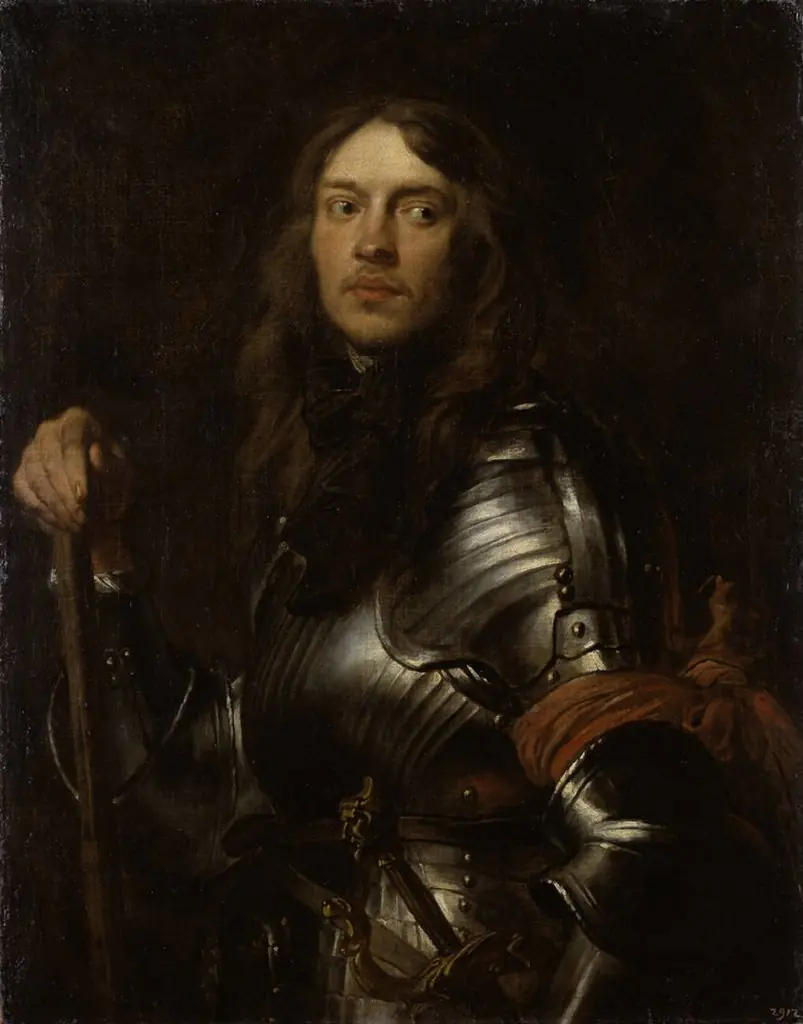 Portrait of a Man in Armour with a Red Scarf
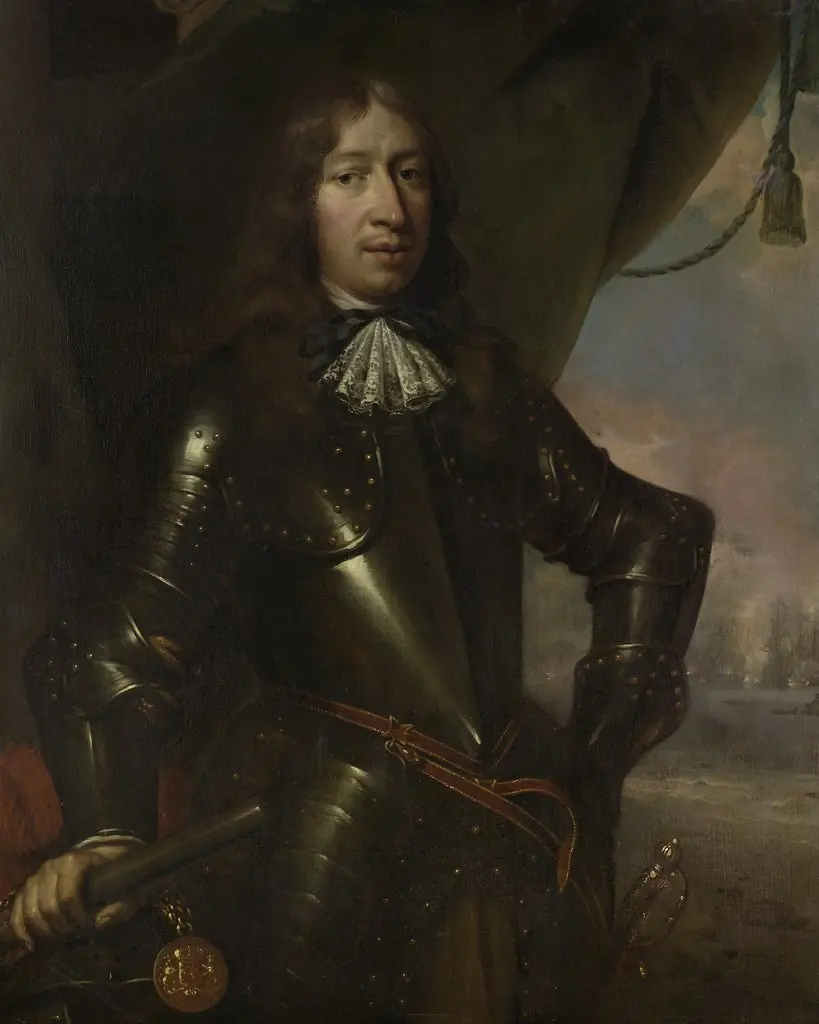 Portrait of Willem Joseph Baron van Ghent (1626-72), vice-admiral
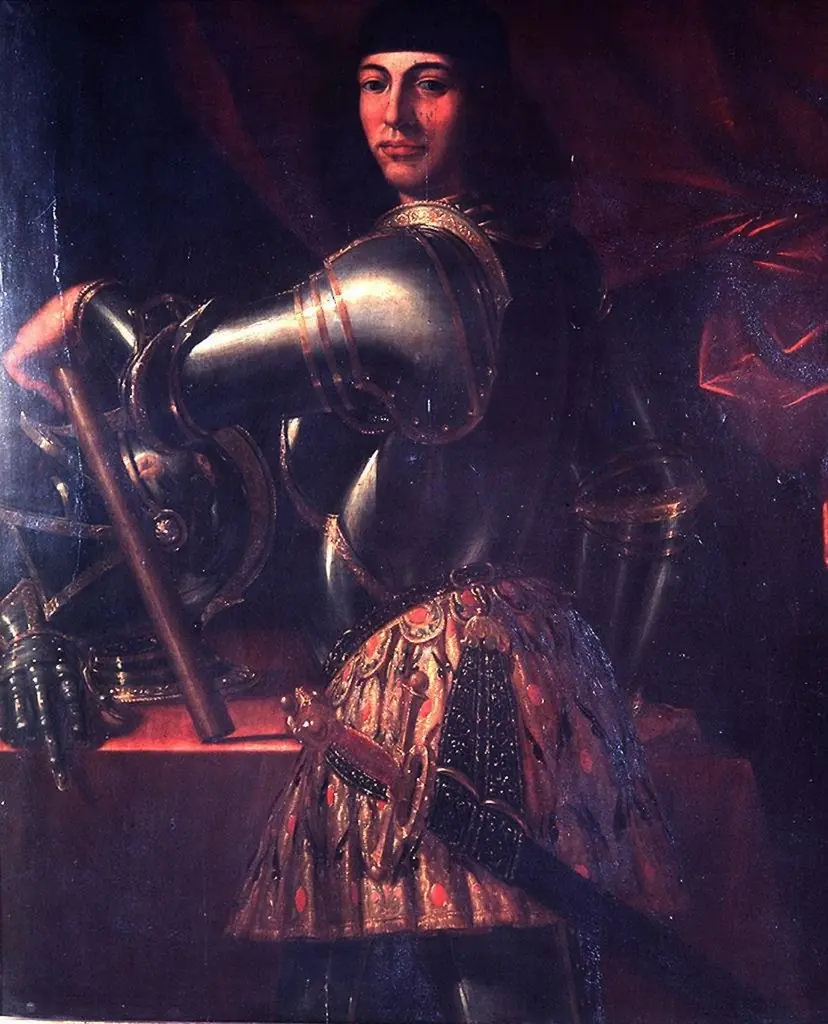 Portrait of Piero di Lorenzo de' Medici
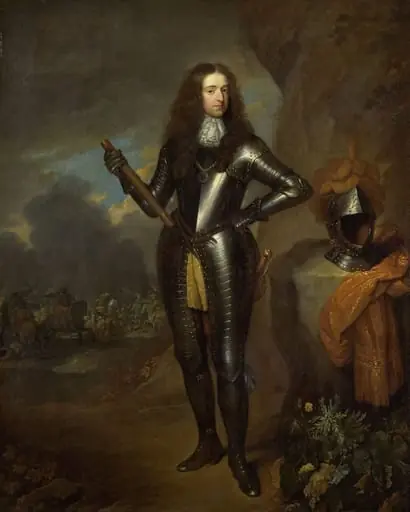 William III (1650-1702), Prince of Orange and since 1689, King of England
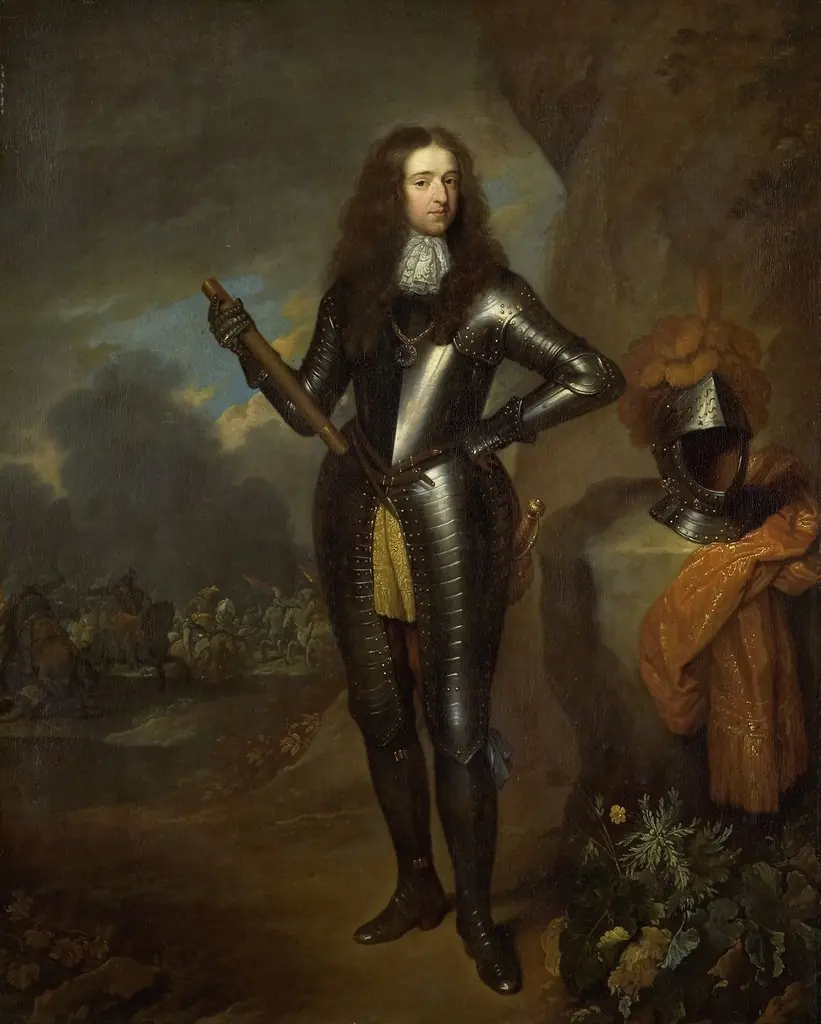 William III (1650-1702), Prince of Orange and since 1689, King of England
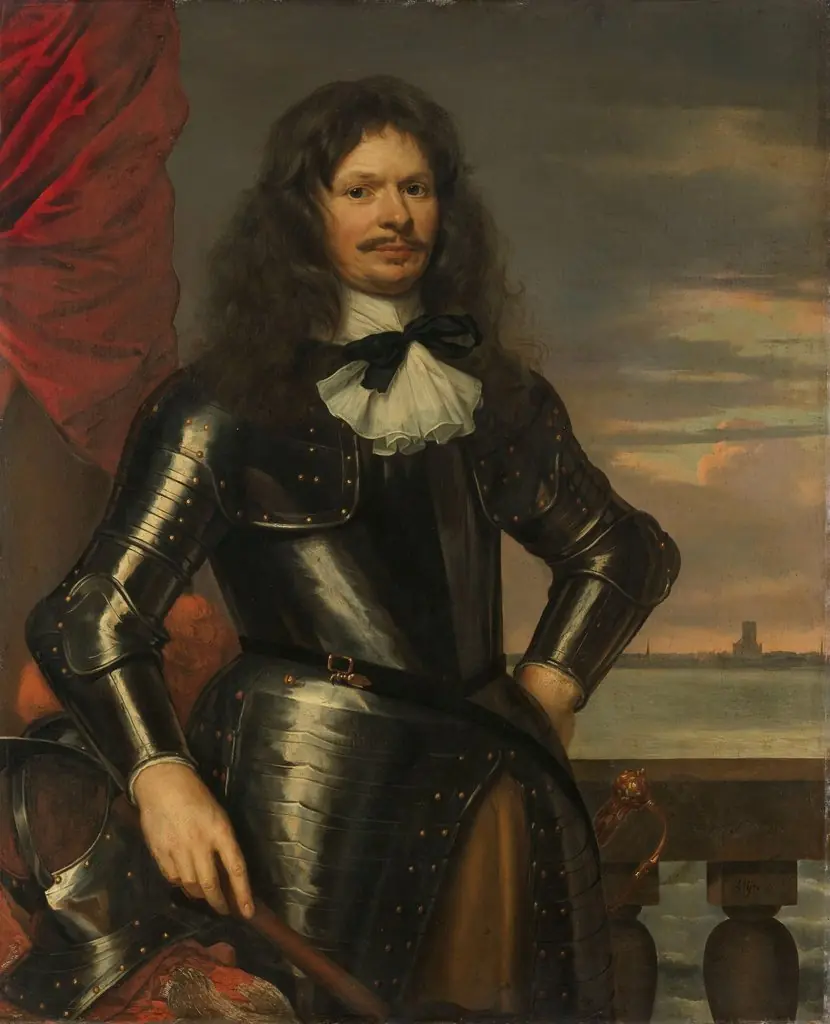 Portrait of Johan van Beaumont. Colonel in the Holland guards and commander of Den Briel
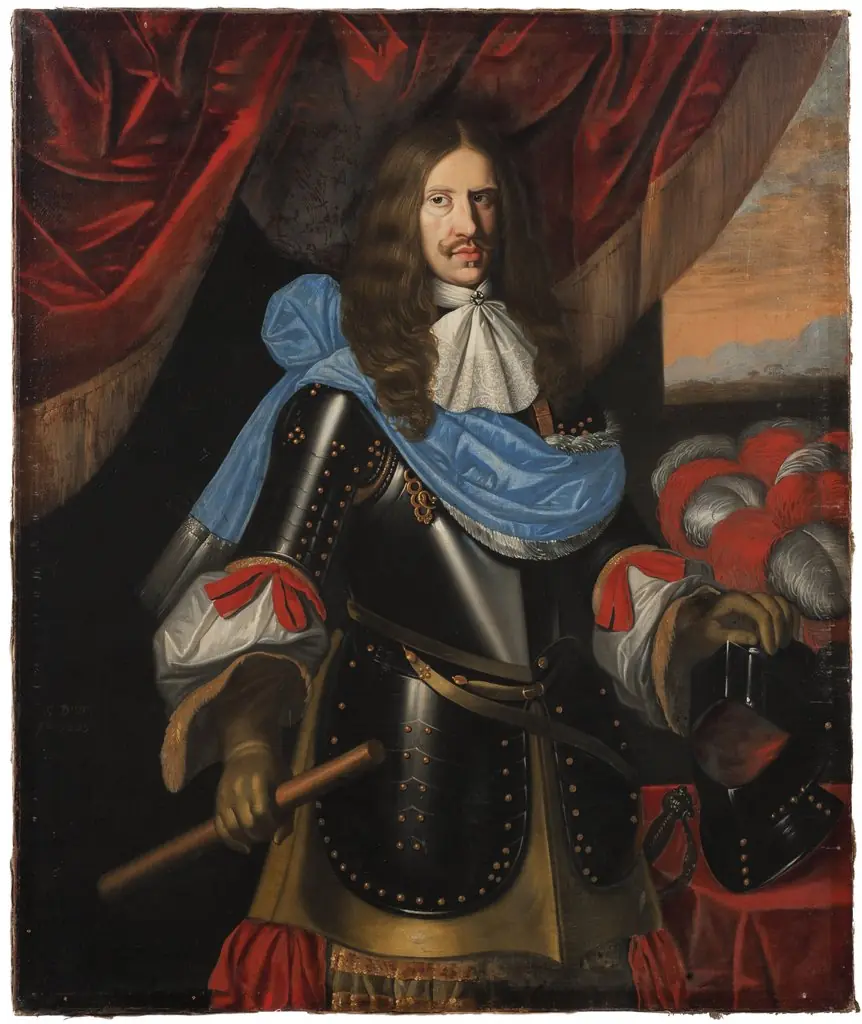 Ludvig VI, 1630-78, lantgreve av Hessen-Darmstadt
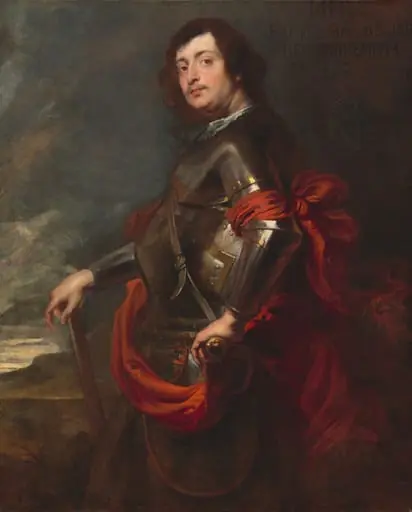 The Prefect Raffaele Raggi
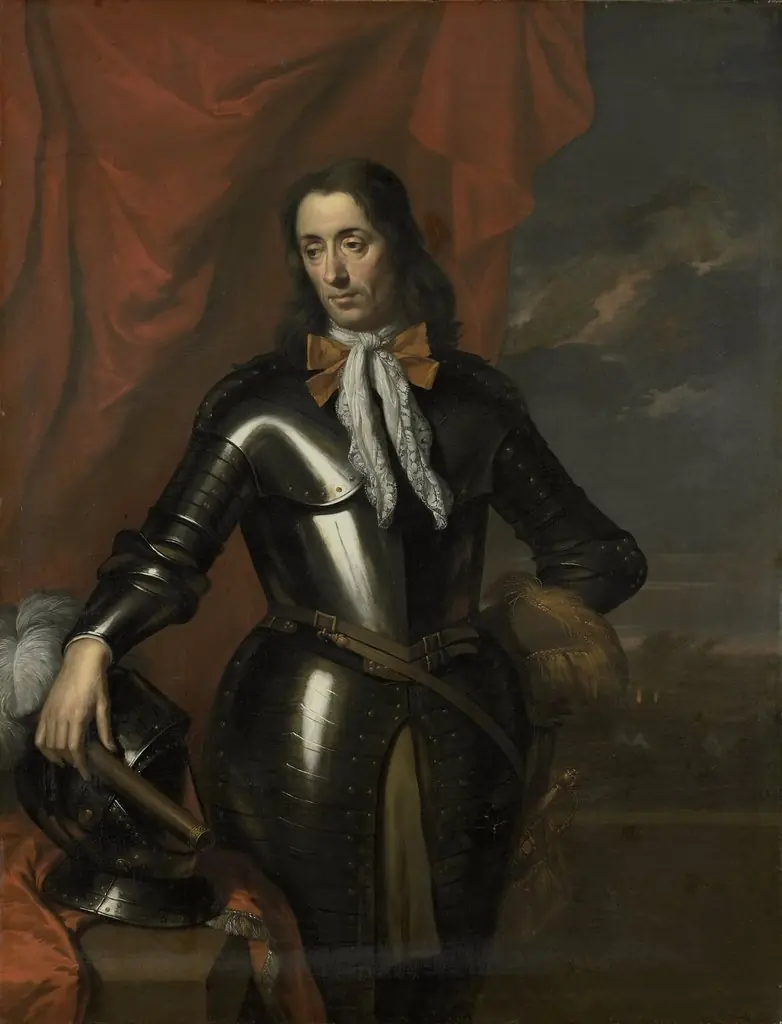 Portrait of Isaac de l'Ostal de Saint-Martin (ca 1629-96), governor of the Dutch East Indies and commander of the garrison at Batavia
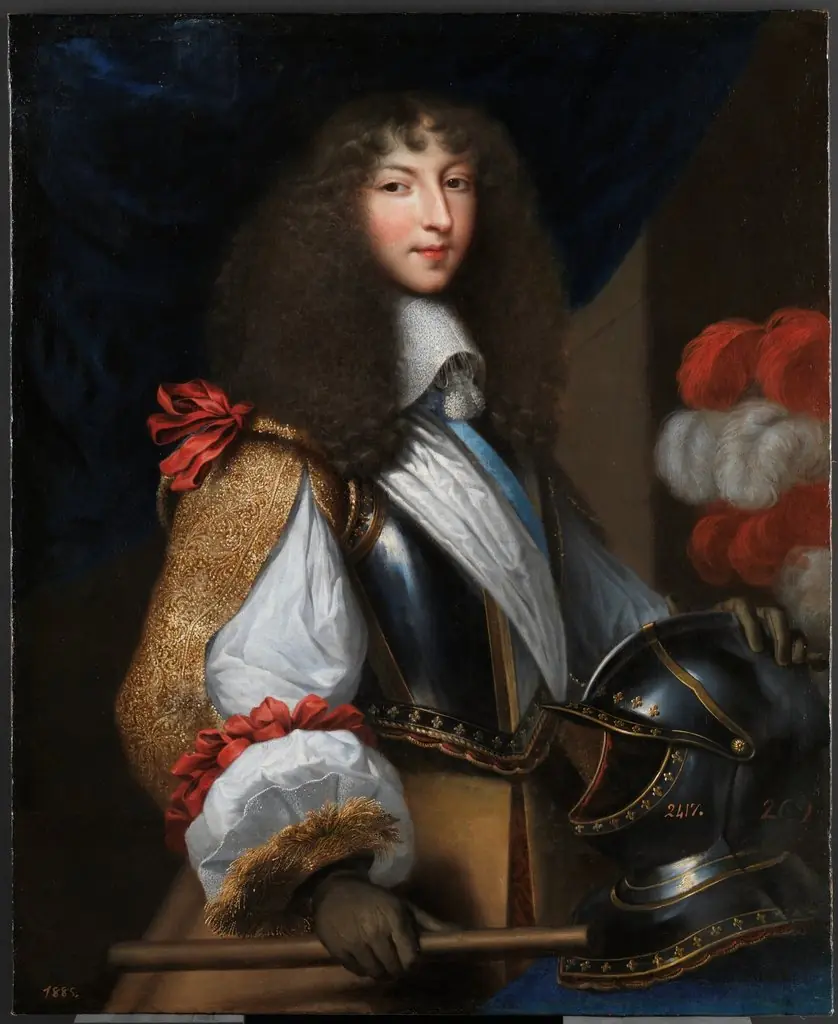 Louis XIV as a young man
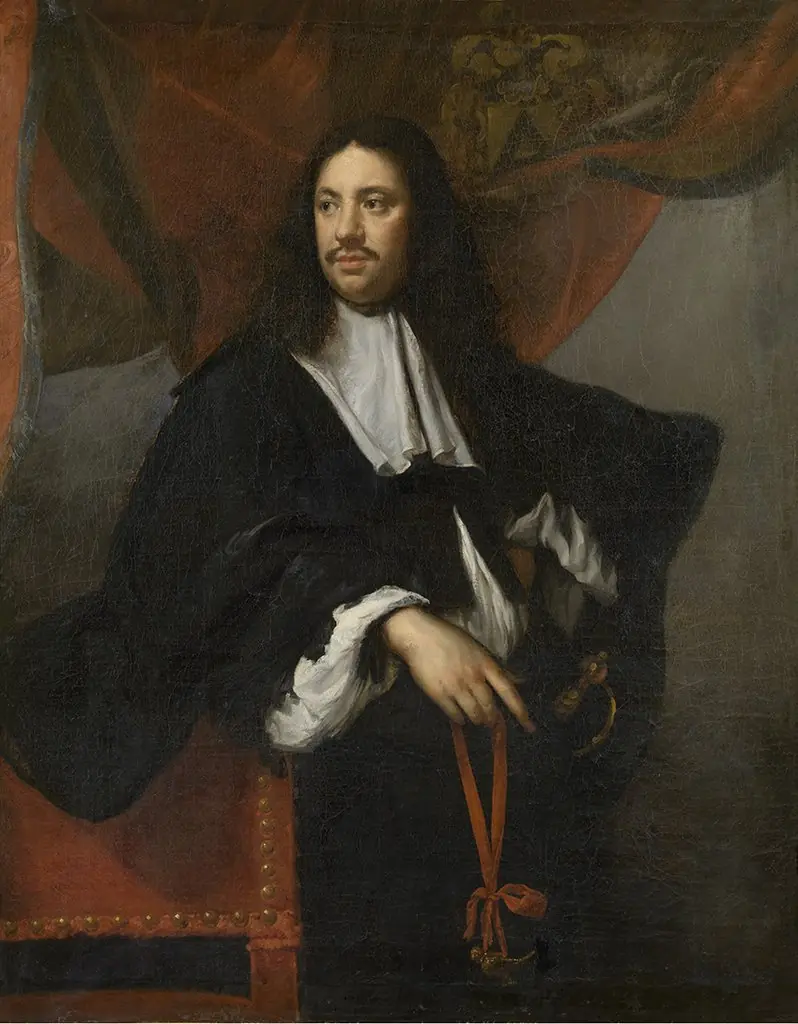 Portrait of Jan-Filips van Boonem, Dean of the Guild of St. George in Bruges
 Charles Louis, Elector Palatine