Artwork
Portrait of Henry Danvers, Earl of Danby
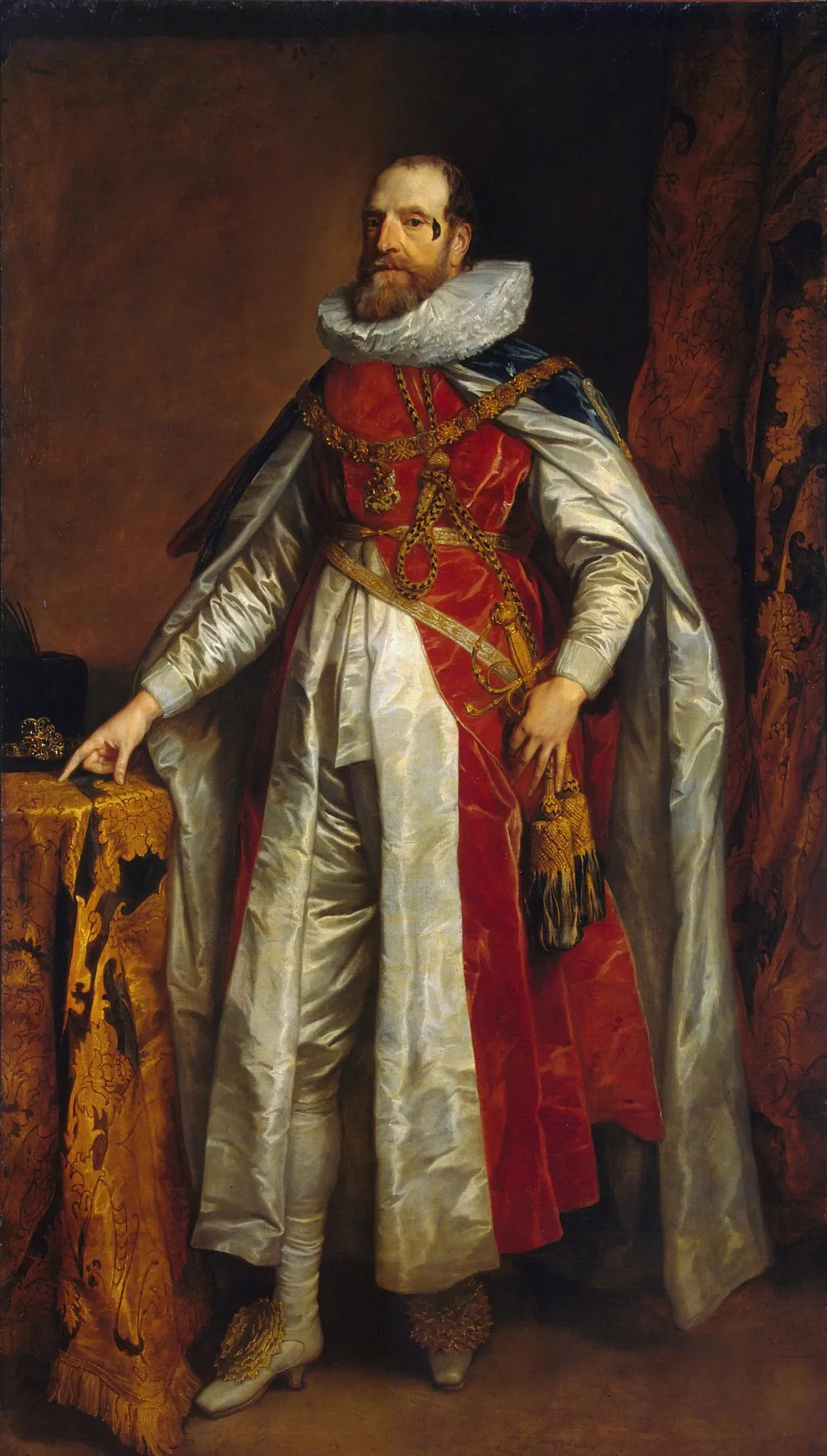
Portrait of Henry Danvers, Earl of Danby is an oil painting by the Flemish Baroque painting artist Anthony van Dyck. It dates from 1639 and is held in the collection of the Hermitage Museum.
About this work
Overview
Van Dyck, trained in Antwerp and later principal painter to the English court, brought a refined elegance to aristocratic portraiture.
Painted in 1639, this oil portrait captures Henry Danvers, Earl of Danby, by the Flemish artist Anthony van Dyck. Van Dyck, trained in Antwerp and later principal painter to the English court, brought a refined elegance to aristocratic portraiture. The work is part of the Flemish Baroque tradition and resides today in the State Hermitage Museum, reflecting the transnational reach of early 17th-century elite imagery.
Subject & Meaning
Henry Danvers is depicted as a nobleman of quiet authority, dressed in sumptuous garments that signal his status without overt display. His composed expression and upright posture convey dignity rather than flamboyance. The inclusion of gold chains and a richly textured robe suggests his position within the peerage, while the restrained background focuses attention on his presence, reinforcing the portrait’s function as a statement of lineage and composure.
Technique & Style
Van Dyck employs chiaroscuro to model the Earl’s face and garments with subtle gradations of light, enhancing three-dimensionality. The silver robe catches highlights against the dark curtain, while the red doublet and gold trim add depth through contrast. Brushwork is precise yet fluid, particularly in the rendering of fabric folds and the soft texture of the beard. The dark background isolates the figure, heightening the visual impact of his attire and bearing.
History & Provenance
Commissioned during van Dyck’s tenure as court painter to Charles I, the portrait reflects the artist’s influence on English aristocratic imagery. After its creation, it entered continental collections, eventually finding its place in the Hermitage Museum’s holdings. Its journey from English nobility to Russian imperial collection illustrates the movement of artworks across European courts in the early modern period.
Context
In the late 1630s, van Dyck’s style dominated elite portraiture in Britain, blending Flemish realism with Italianate grace. The Earl’s attire—layered silks, chains, and a draped cape—echoes continental fashions favored by the Stuart court. Such portraits served not only as likenesses but as tools of political and social representation, aligning the sitter with ideals of nobility cultivated in both England and the Low Countries.
Legacy
The portrait exemplifies van Dyck’s lasting impact on British portraiture, establishing a visual language of restrained grandeur. Its technical mastery and psychological nuance influenced generations of painters. Though not widely exhibited, its presence in the Hermitage underscores its role as a key example of transnational Baroque portraiture, preserving the aesthetic values of an aristocratic era.
Artist & collection
Artist
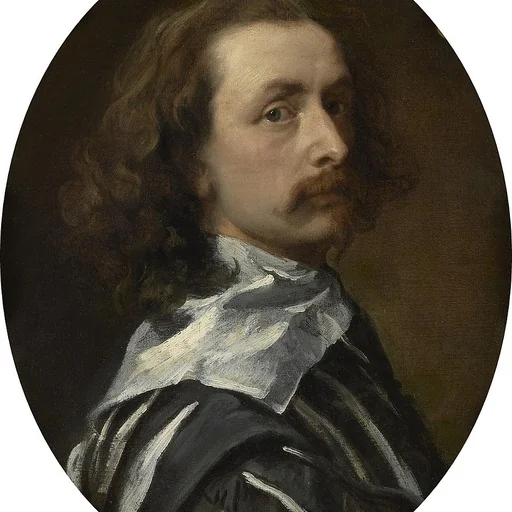
Sir Anthony van Dyck (; Dutch: Antoon van Dijck ; 22 March 1599 – 9 December 1641) was a Flemish Baroque artist, who became the leading court painter in England after success in the Spanish Netherlands and Italy.

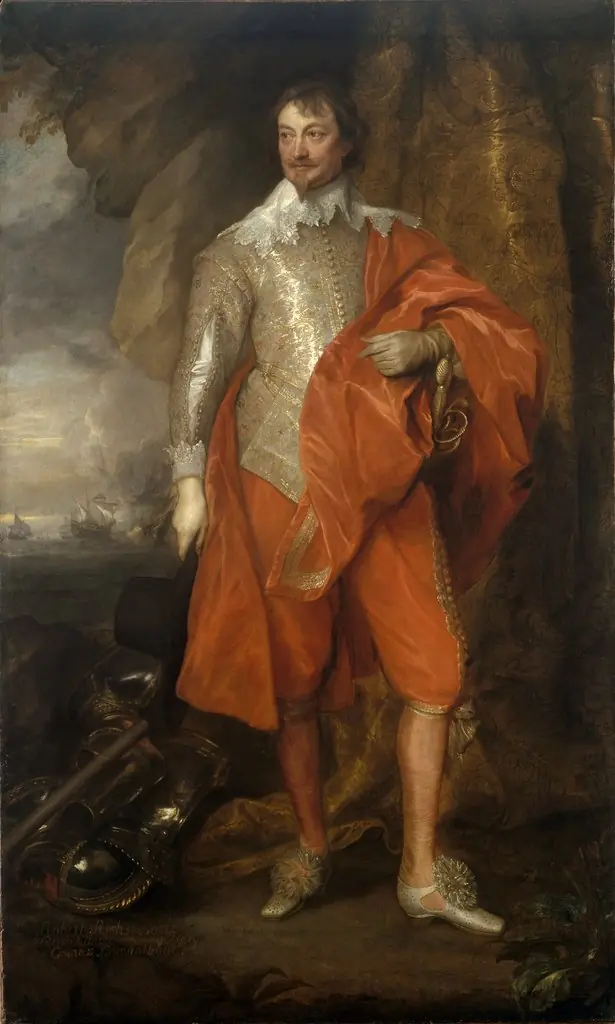 Portrait of Robert Rich, second earl of Warwick
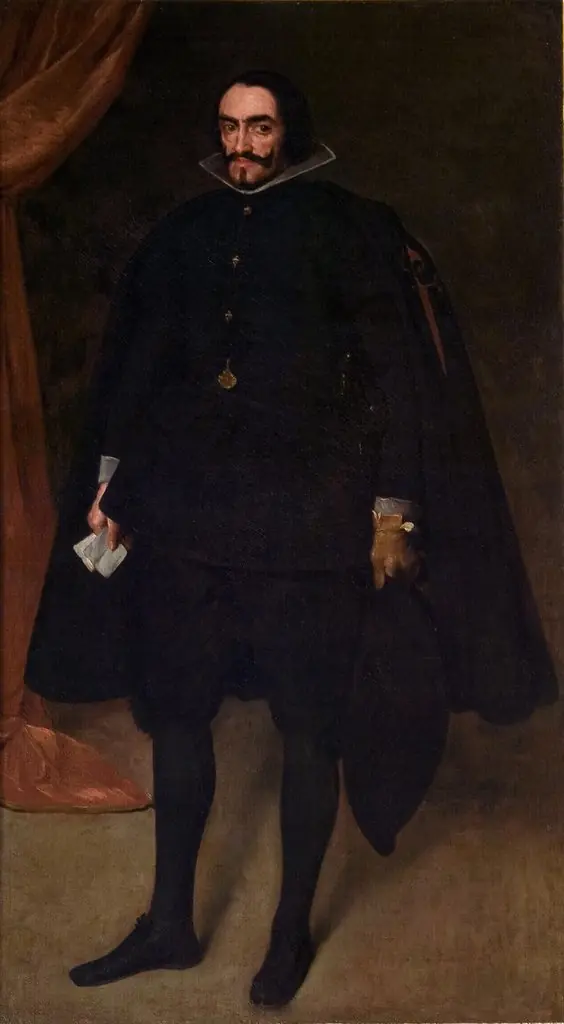 Portrait of a Knight of the Order of Santiago
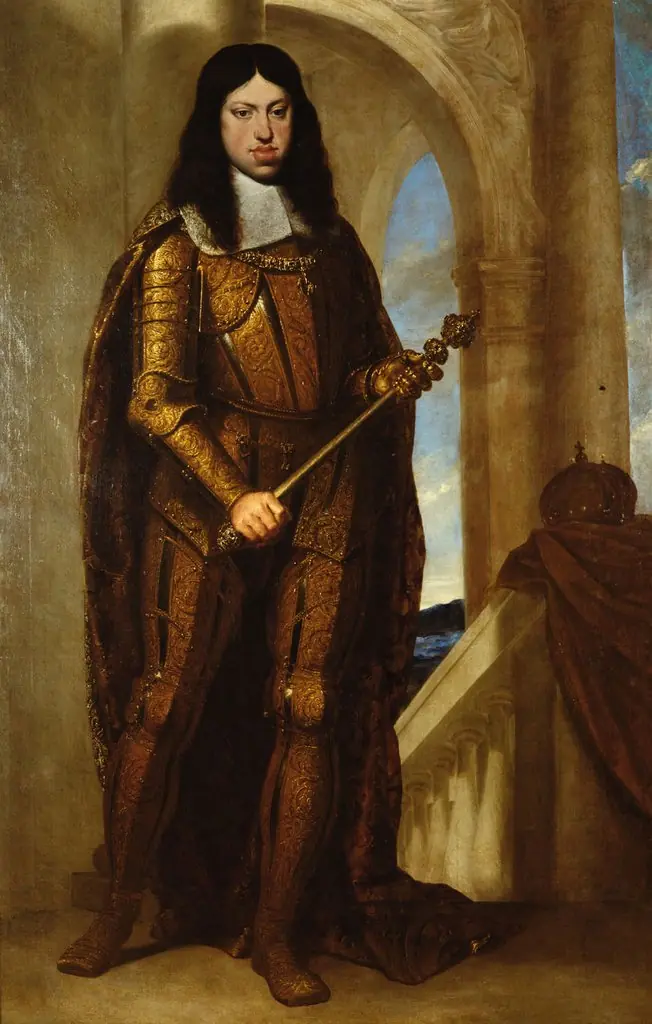 Emperor Leopold I in coronation armor
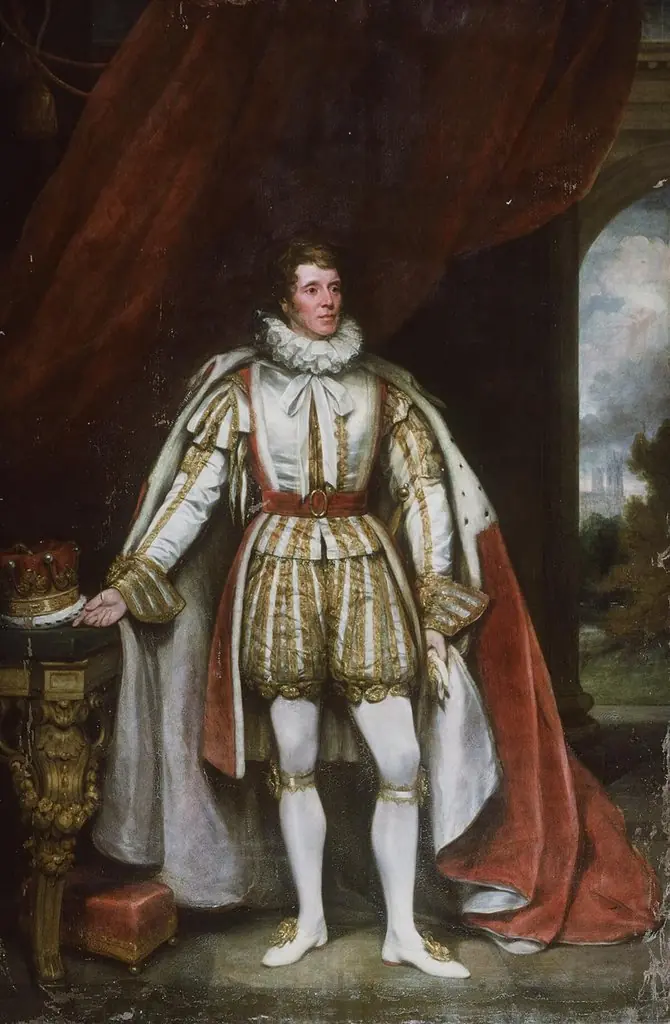 Henry Windham, 2nd Earl of Dunraven
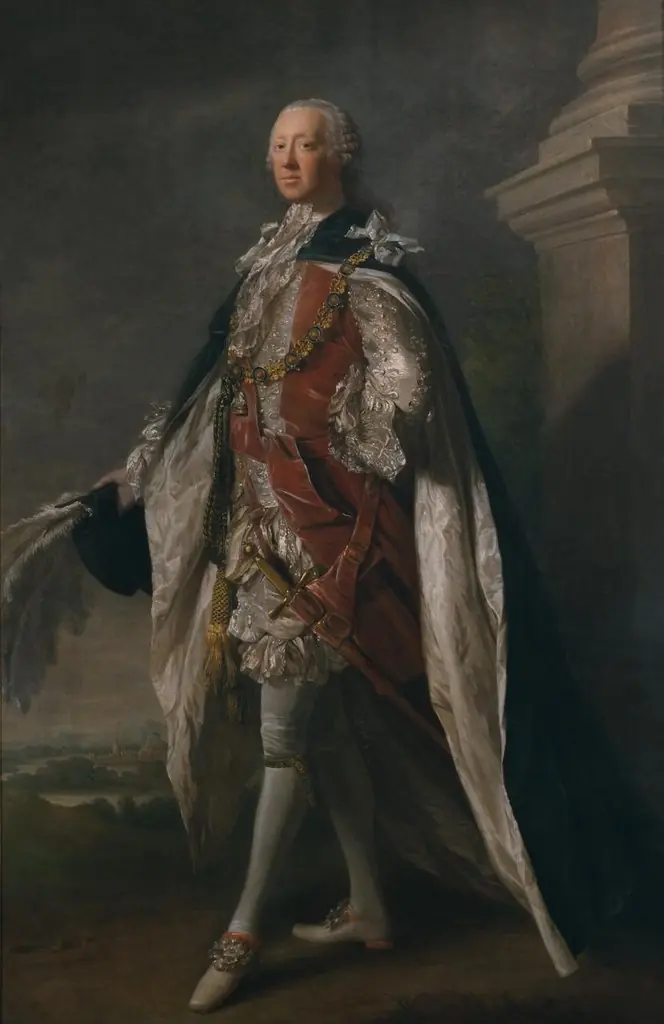 Richard Grenville, 2nd Earl Temple
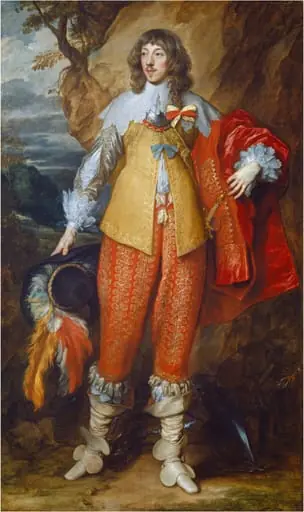 Henri II de Lorraine
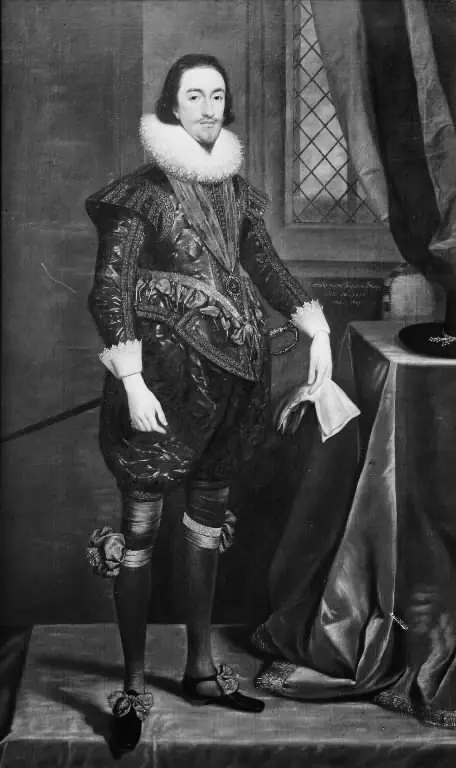 Charles I of England (1600–1649) as Prince of Wales
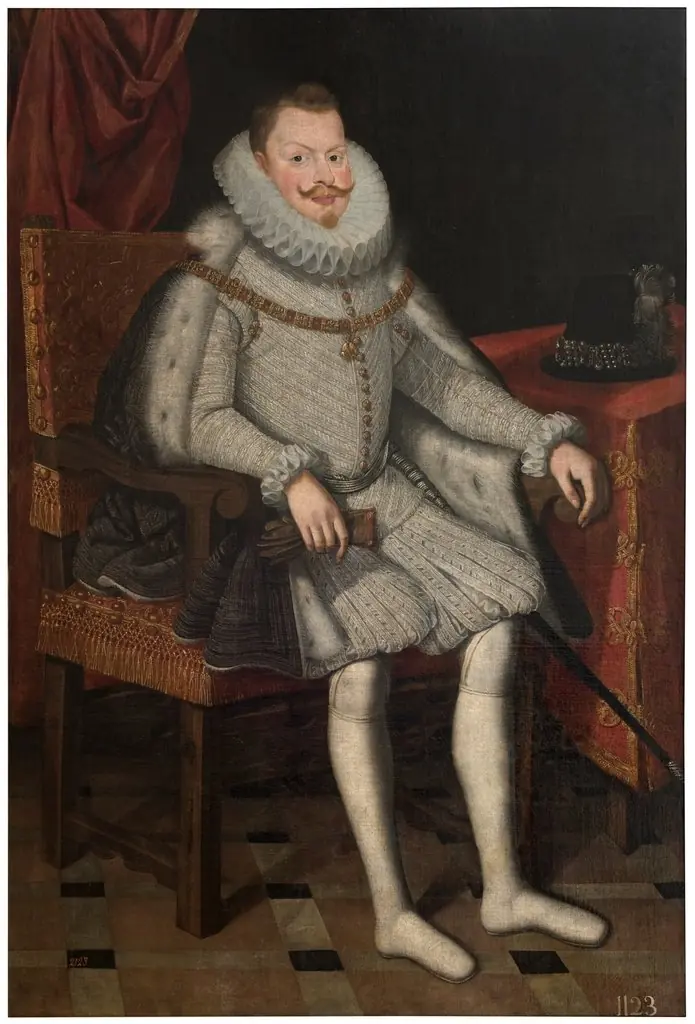 Felipe III rey de España sedente
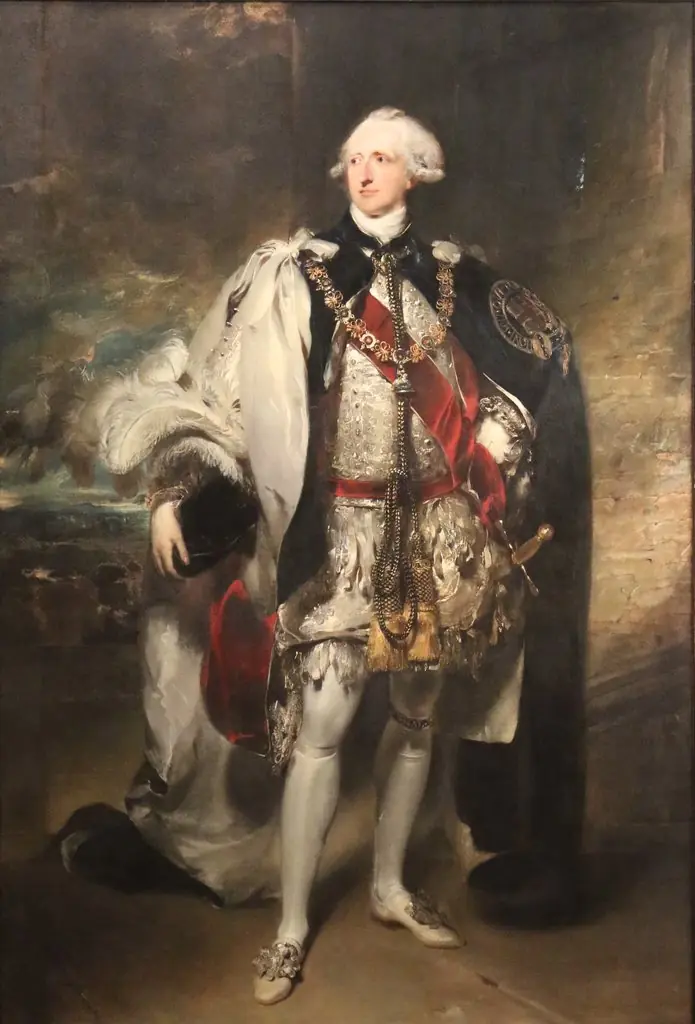 Francis Osborne, 5th Duke of Leeds
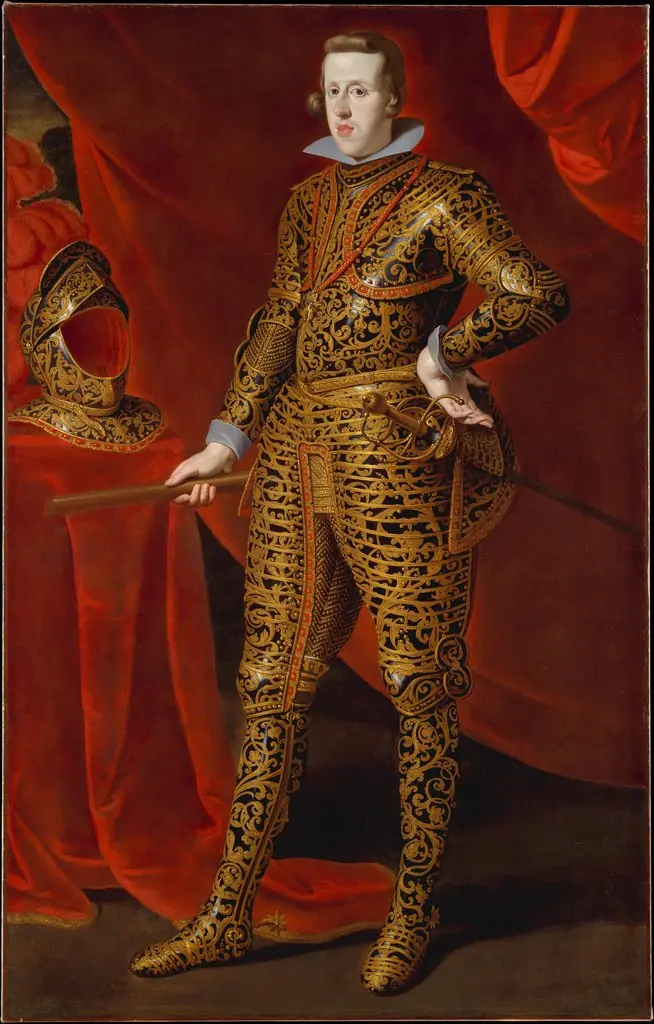 Philip IV (1605–1665) in Parade Armor
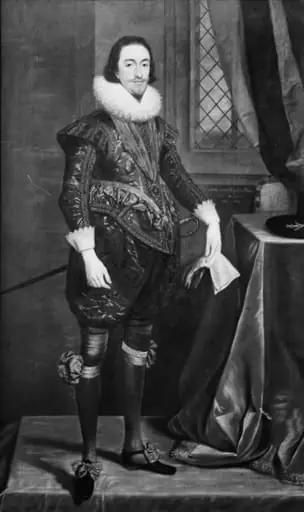 Charles I of England (1600-1649) as Prince of Wales
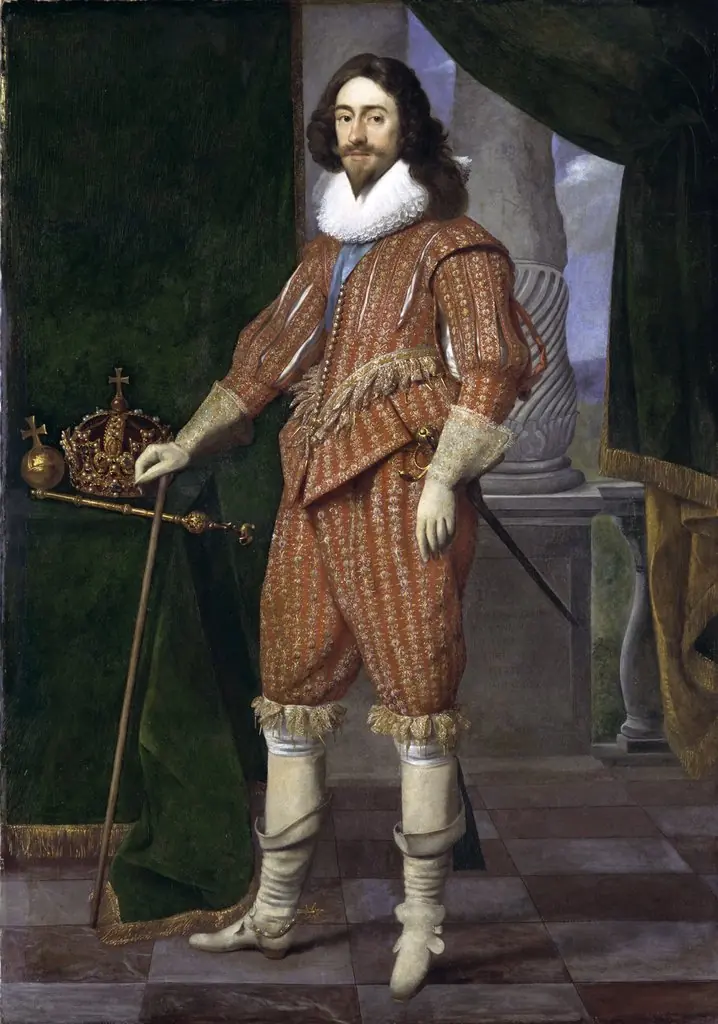 Portrait of Charles I of England