Artwork
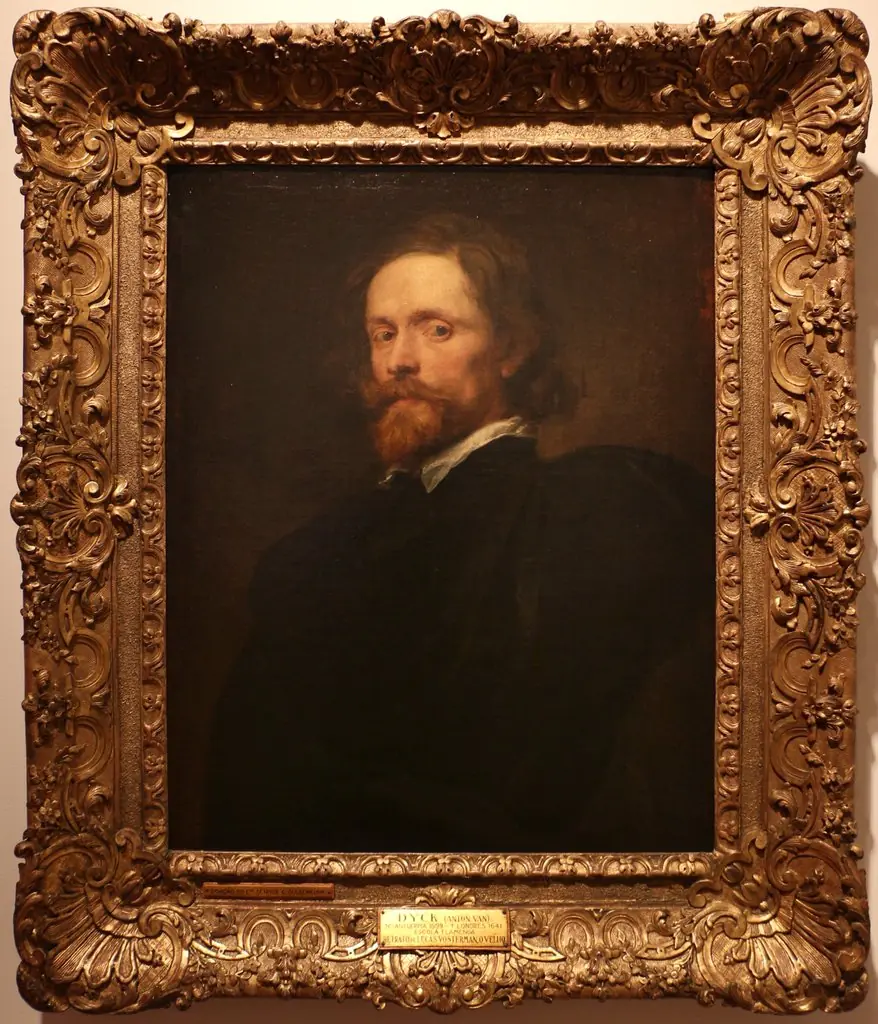
Portrait of Lucas Vorsterman the Elder
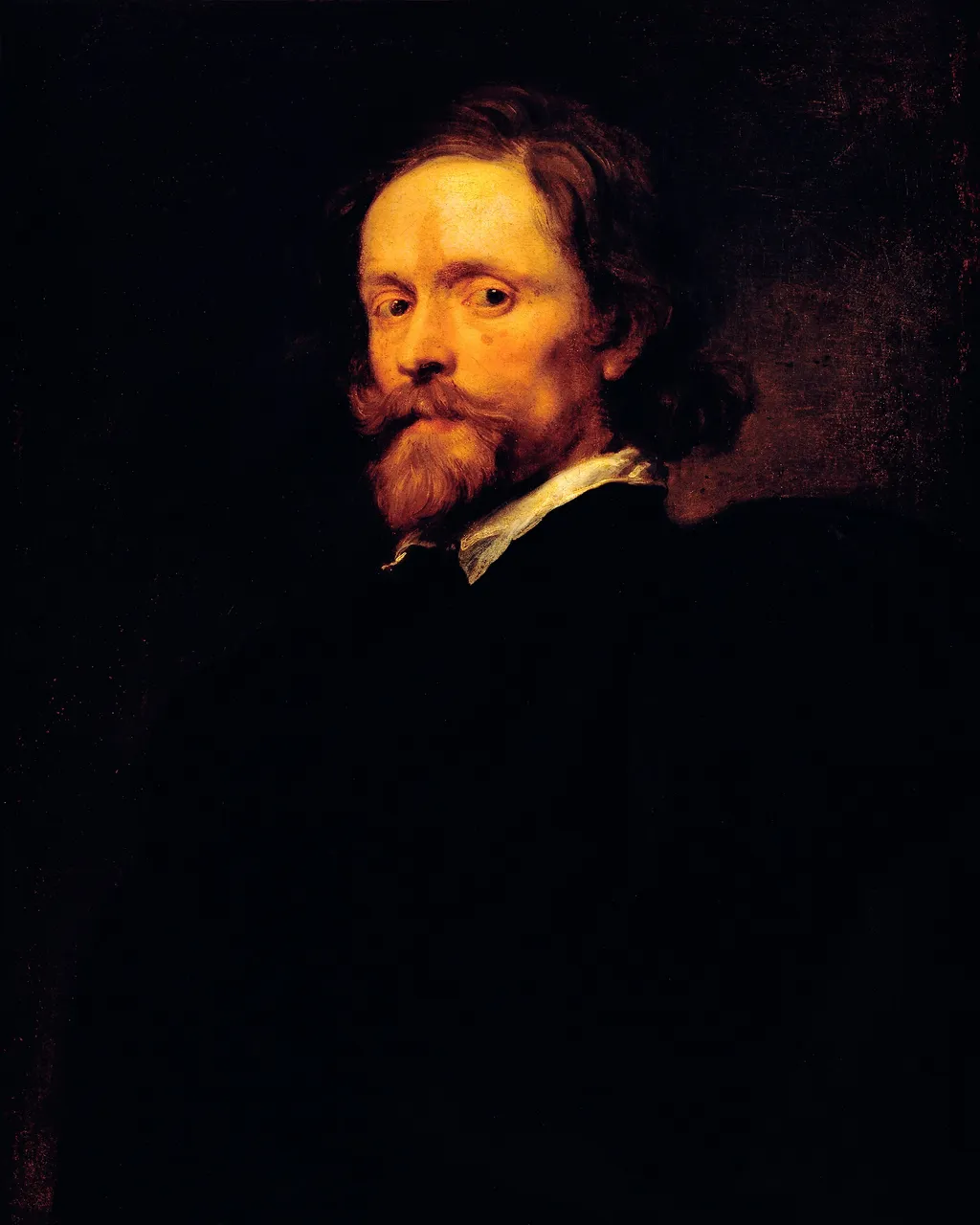
Portrait of Lucas Vorsterman the Elder is an oil painting by the Flemish Baroque painting artist Anthony van Dyck. It dates from 1630 and is held in the collection of the National Museum of Ancient Art.
About this work
If you're interested in learning more about the artist who created this portrait, you might want to explore the works of Anthony van Dyck.
This portrait depicts a man with a prominent mustache and beard, gazing directly at the viewer. He wears a dark jacket over a white shirt, with the collar visible at the neckline.
The man's attire and hairstyle suggest a style from the early 17th century. The artist has used a somber color palette, with the subject set against a dark background that helps to accentuate his features.
If you're interested in learning more about the artist who created this portrait, you might want to explore the works of Anthony van Dyck.
Overview
The Portrait of Lucas Vorsterman the Elder is a 1630 oil painting by Anthony van Dyck, a prominent Flemish Baroque artist. It is part of the National Museum of Ancient Art's collection.
Subject & Meaning
The portrait depicts Lucas Vorsterman the Elder, an engraver, with a direct gaze. His attire, including a dark jacket and white shirt, is characteristic of early 17th-century style. The somber color palette and dark background emphasize his features.
Technique & Style
Van Dyck's use of oil paint and a subdued color scheme creates a formal, introspective atmosphere. The contrast between the subject and the dark background draws attention to his facial features.
History & Provenance
Anthony van Dyck, trained under Peter Paul Rubens, became a master in Antwerp's Guild of Saint Luke by 1617. He created this portrait in 1630, during his successful career as a court artist in England.
Own this work as a print
Artist & collection
Artist
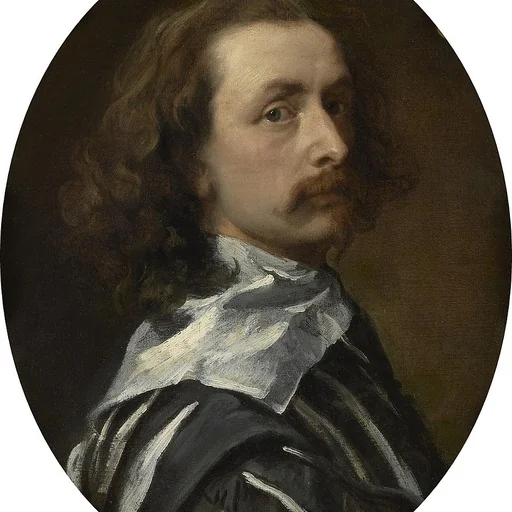
Sir Anthony van Dyck (; Dutch: Antoon van Dijck ; 22 March 1599 – 9 December 1641) was a Flemish Baroque artist, who became the leading court painter in England after success in the Spanish Netherlands and Italy.

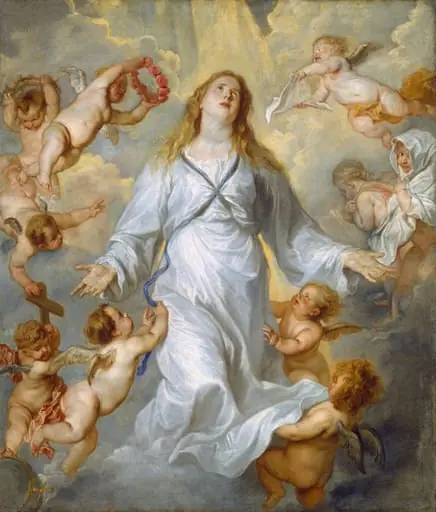
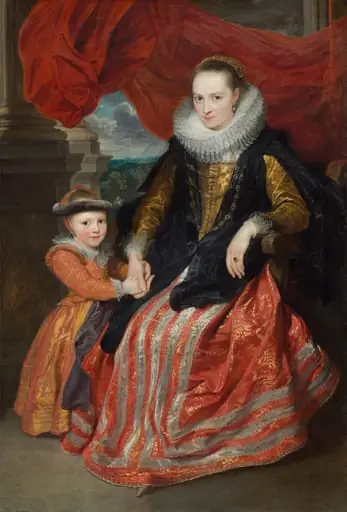
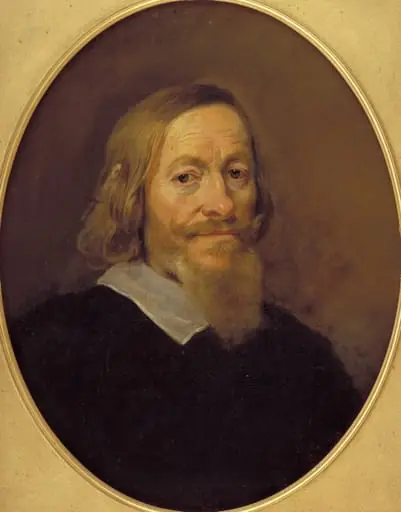 Rigsadmiral Ove Gjedde
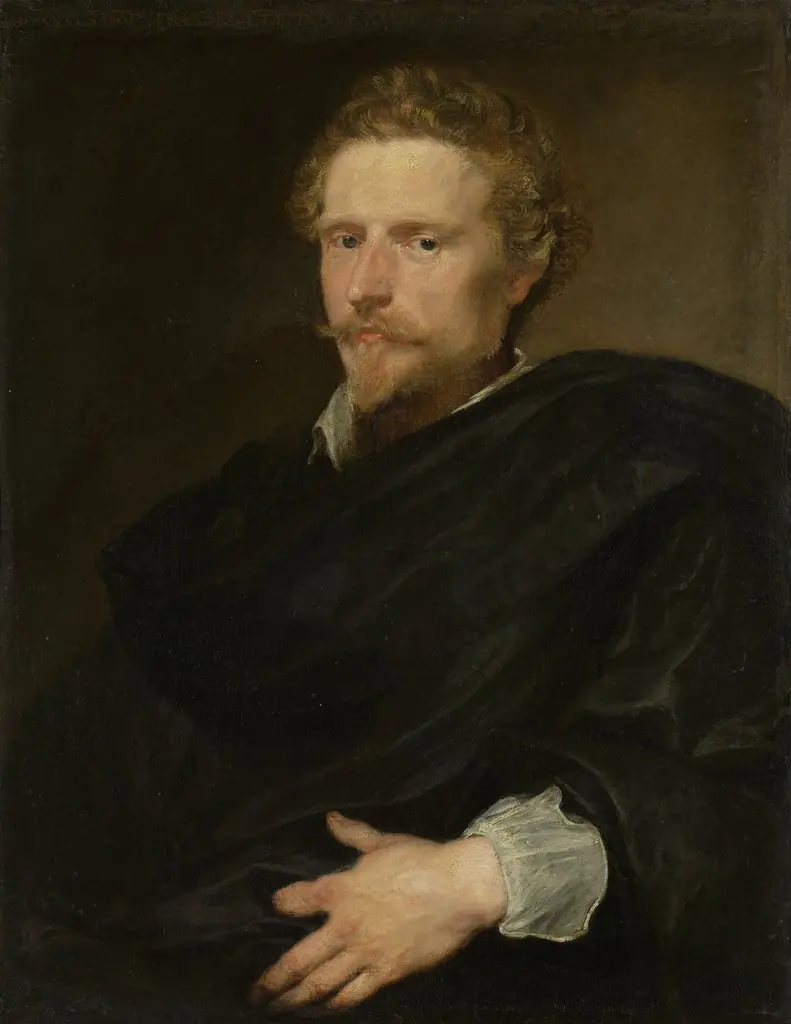 Johannes Baptista Franck (ca. 1599-1663)
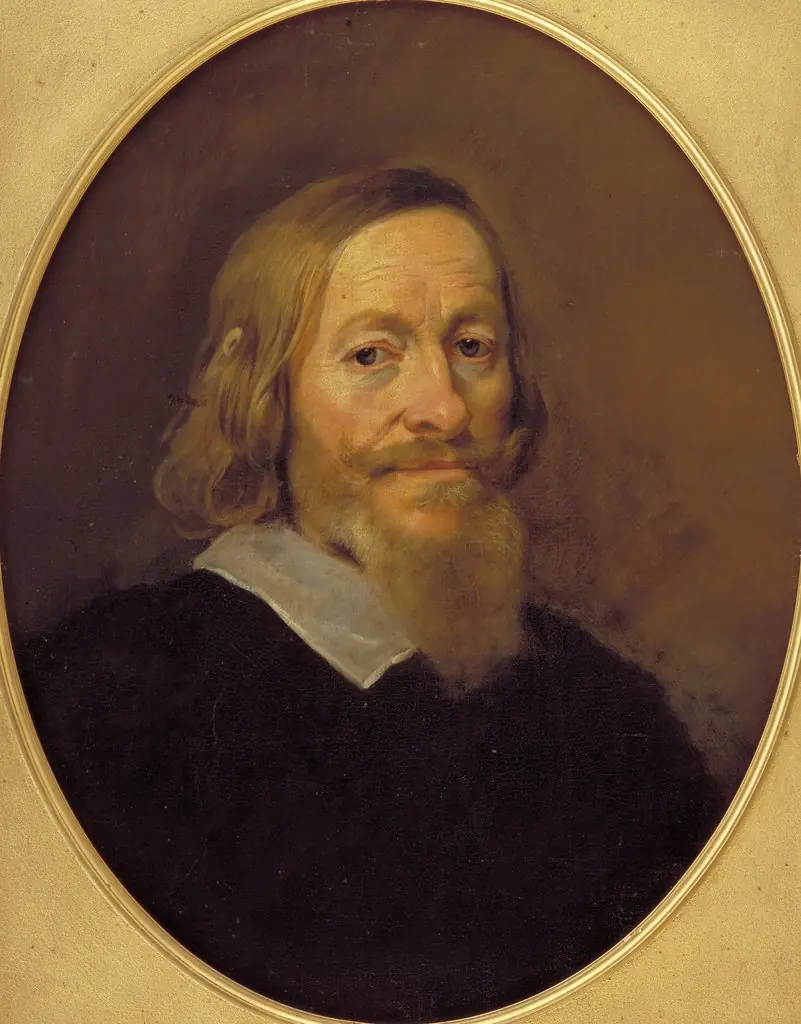 Rigsadmiral Ove Gjedde
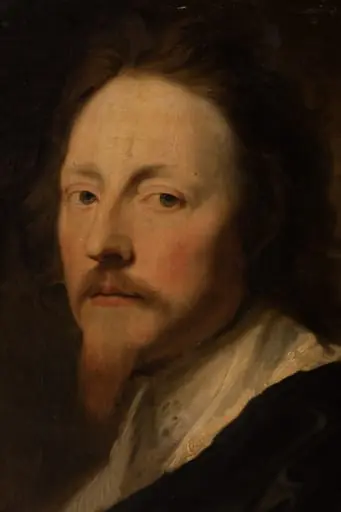 Henrich al IV-lea
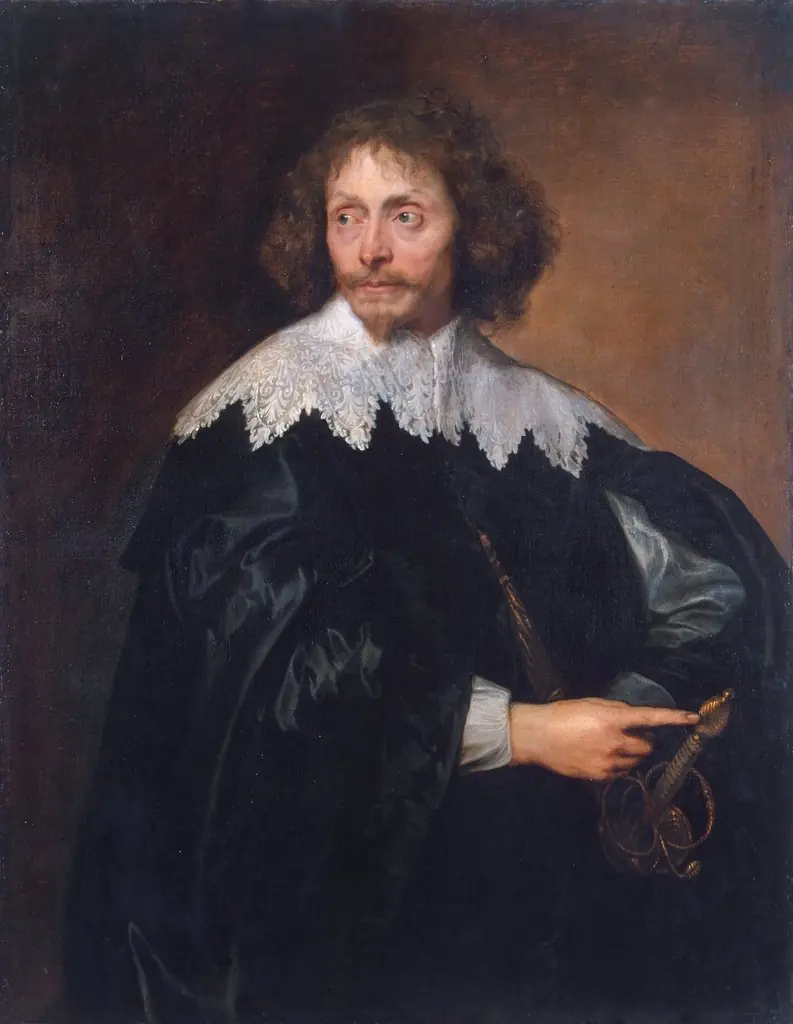 Portrait of Sir Thomas Chaloner
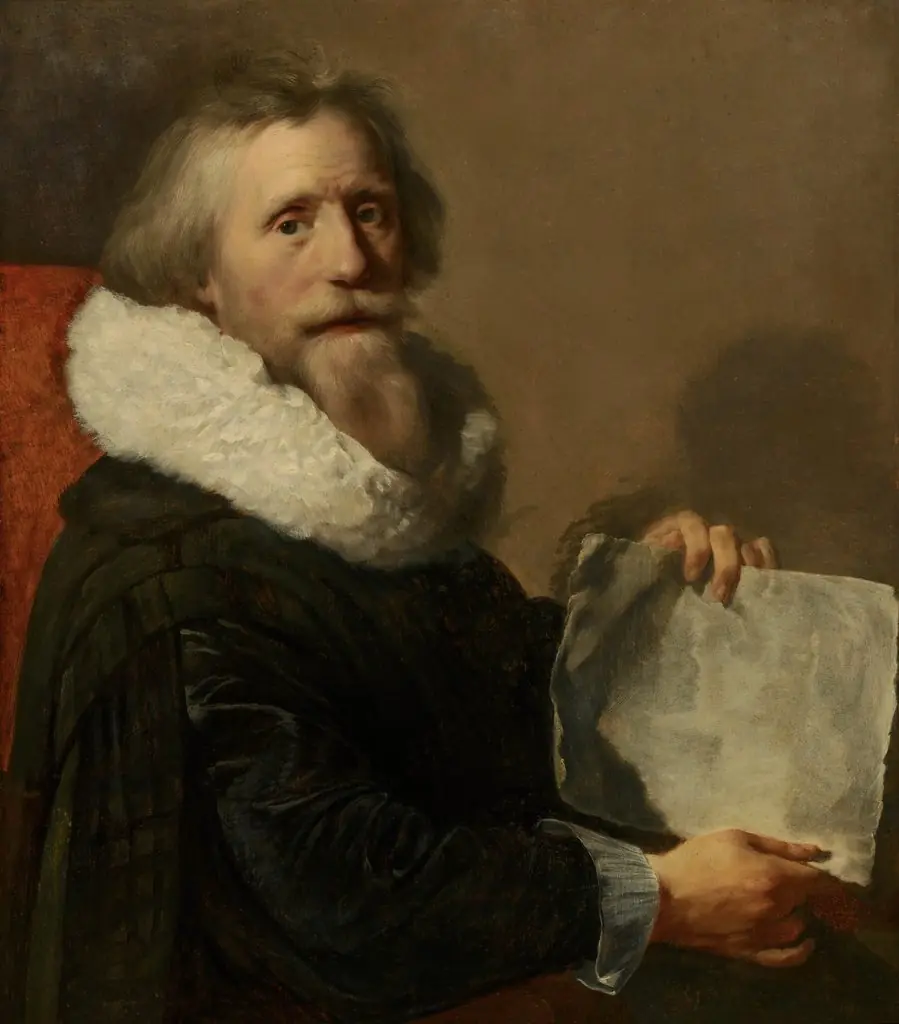 Self-Portrait
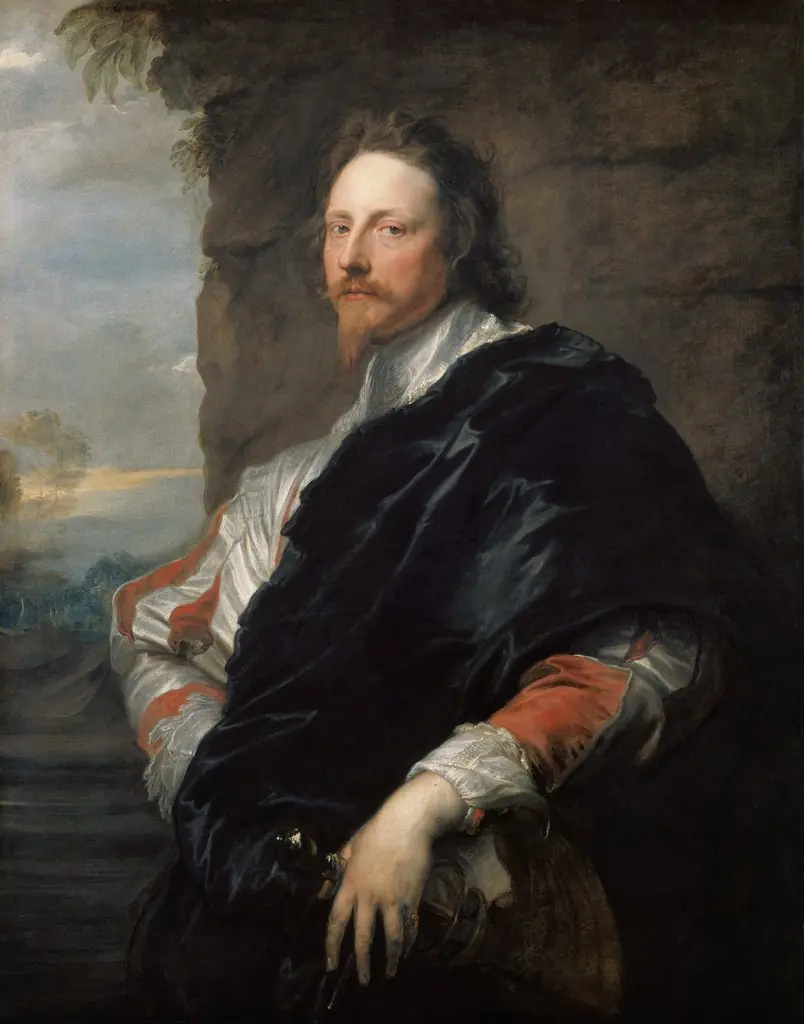 Nicolas Lanier
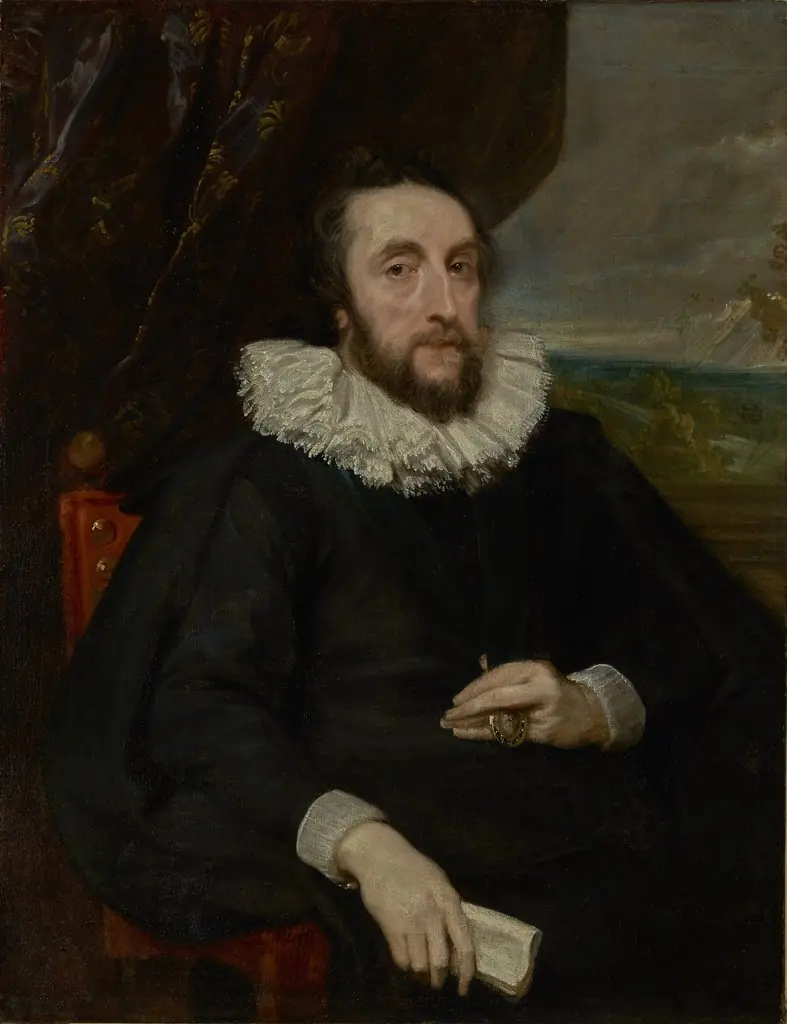 Portrait of Thomas Howard, 21st Earl of Arundel
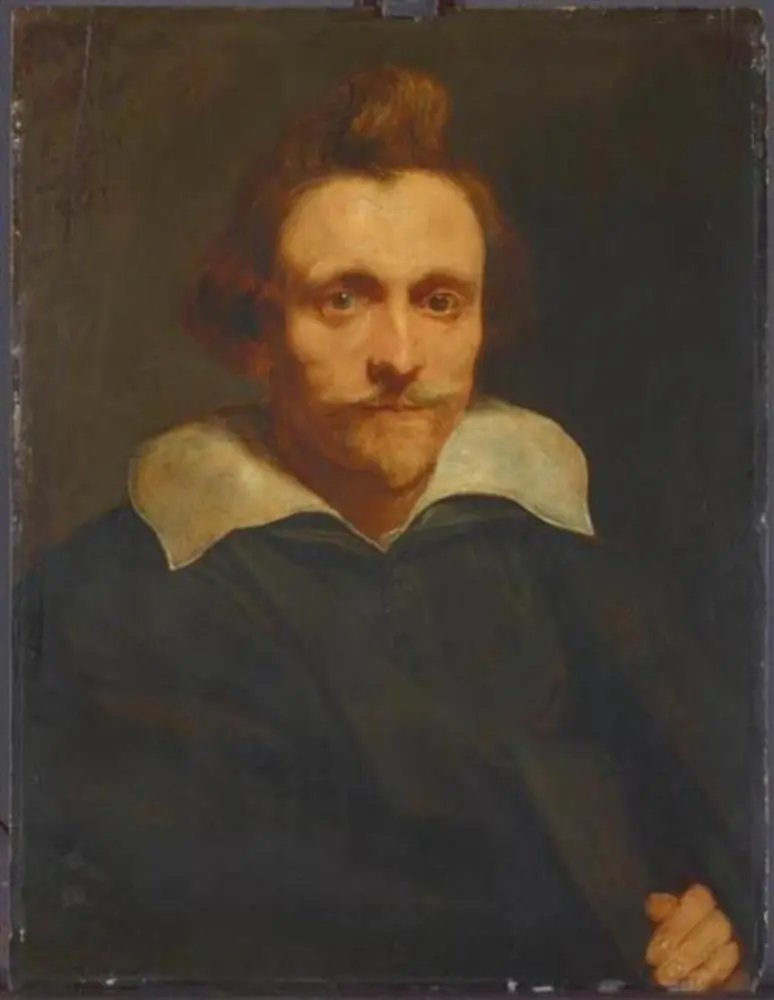 Portrait of a Young Man
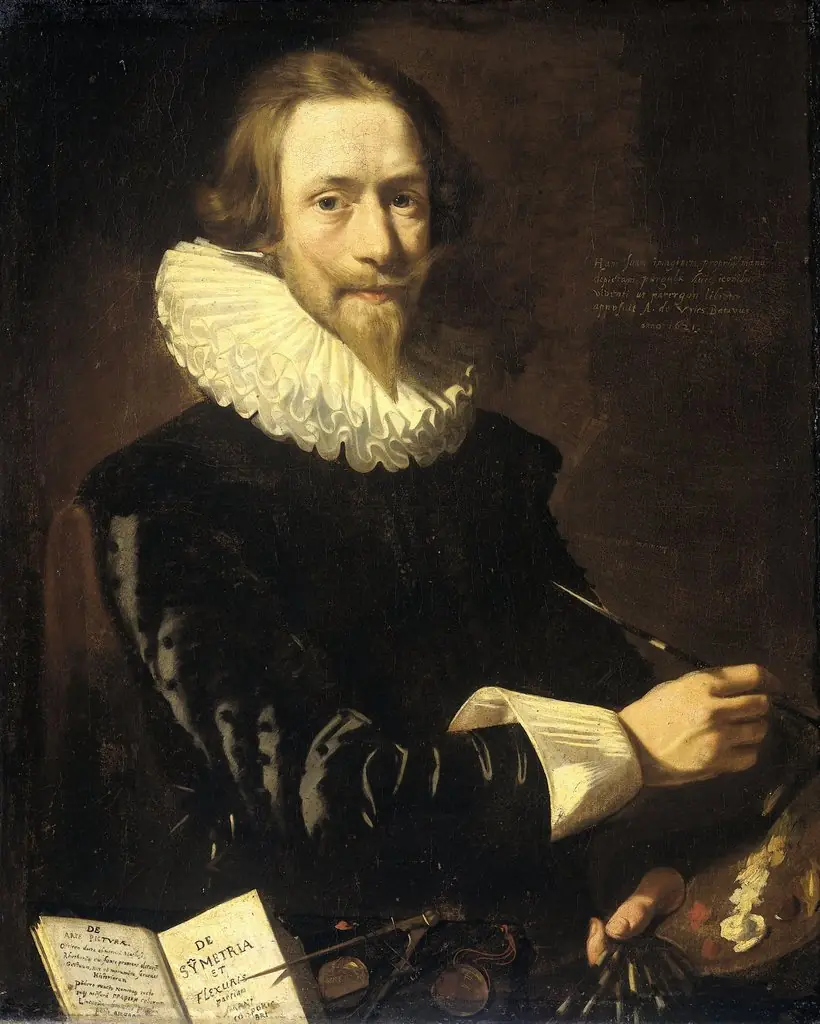 Self-portrait
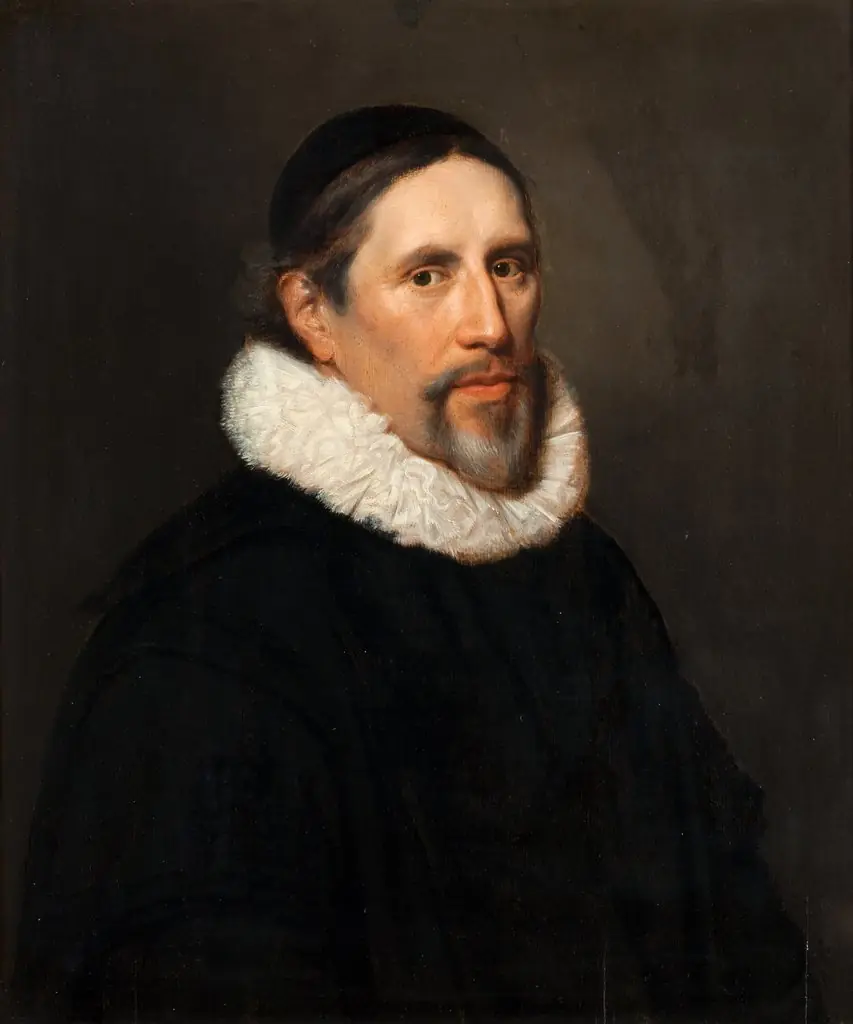 Portrait of Arnoldus Geesteranus (1593-1658)
 Portrait of Lucas Vorsterman