Artwork
Jacomo of Cachiopin (1591 / 92-1659)
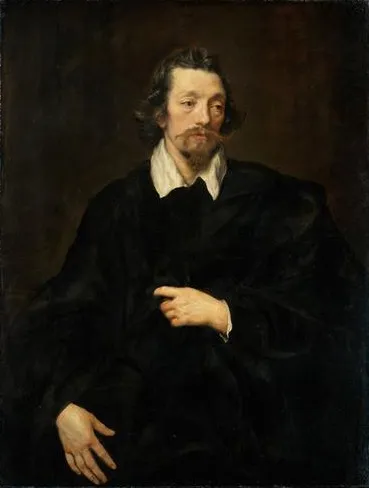
Jacomo of Cachiopin (1591 / 92-1659) is an oil painting by the Flemish Baroque painting artist Anthony van Dyck. It dates from 1634 and is held in the collection of the Kunsthistorisches Museum.
About this work
Overview
Jacomo of Cachiopin is a portrait painted in oil by Anthony van Dyck in 1634. It is a representation of a man, executed in the Flemish Baroque style.
Subject & Meaning
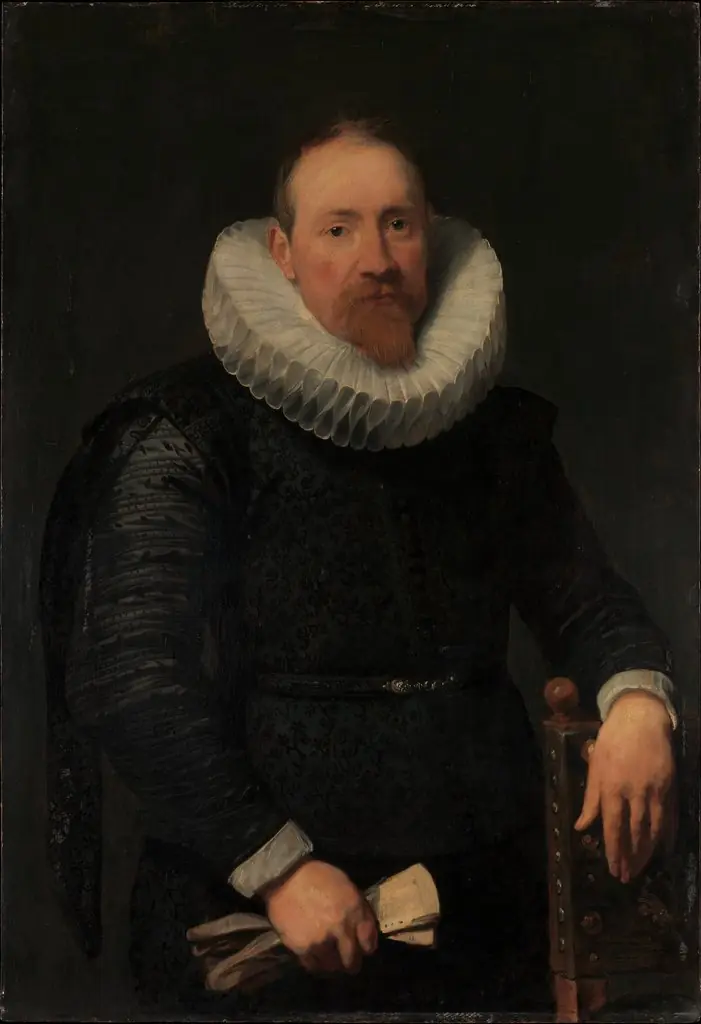
The subject is depicted seated against a plain dark background, wearing a dark robe with a white ruff at his neck. His neatly trimmed curly beard and mustache suggest a dignified individual. The pose, with one hand on his chest and the other pointing outward, may convey a sense of contemplation or introspection.
Technique & Style
The painting showcases van Dyck's use of chiaroscuro, a technique that utilizes strong contrasts between light and dark to create a sense of depth. Soft shadows highlight the subject's face and hands, drawing attention to these areas.
History & Provenance
The portrait is now held in the collection of the Kunsthistorisches Museum. Anthony van Dyck, the artist, was born in Antwerp in 1599 and became a master in the Guild of Saint Luke by 1617, having trained under Peter Paul Rubens.
Artist & collection
Artist
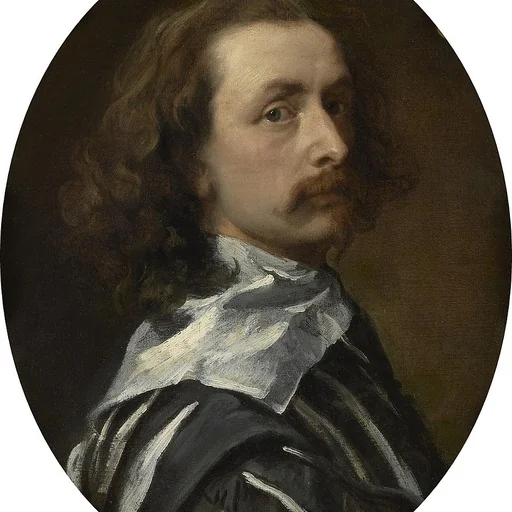
Sir Anthony van Dyck (; Dutch: Antoon van Dijck ; 22 March 1599 – 9 December 1641) was a Flemish Baroque artist, who became the leading court painter in England after success in the Spanish Netherlands and Italy.

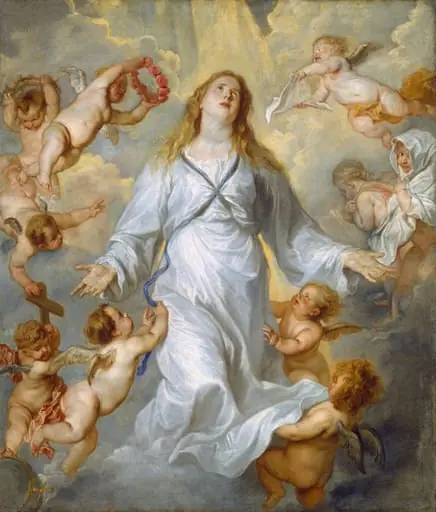
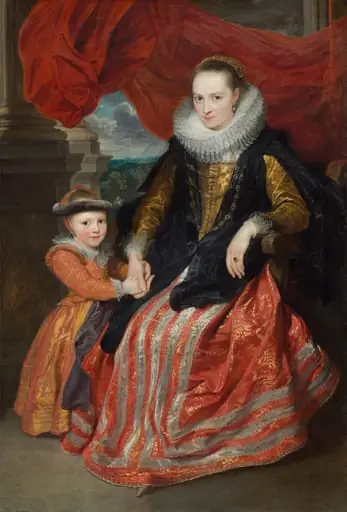
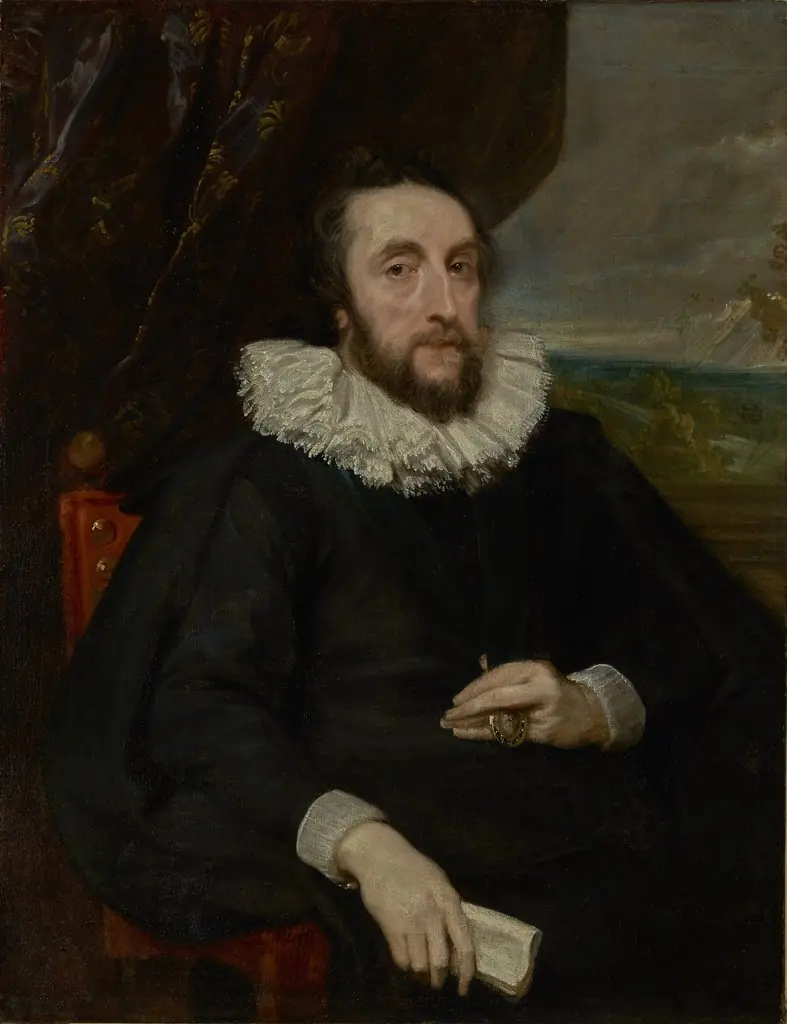 Portrait of Thomas Howard, 21st Earl of Arundel
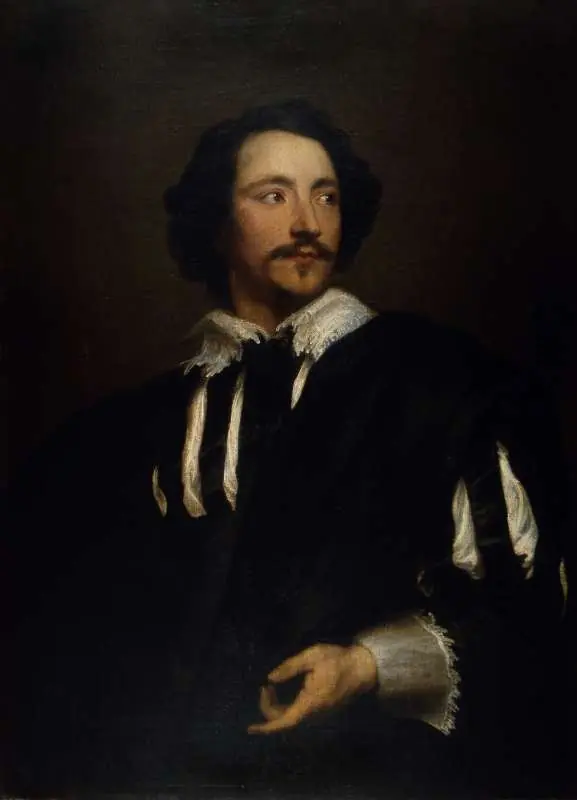 Portrait of Paulus Pontius (1603-1685)
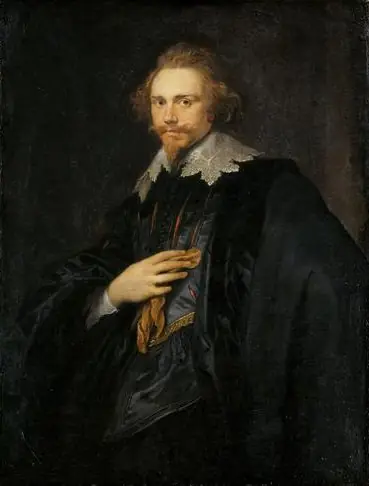 Portrait of a young Man
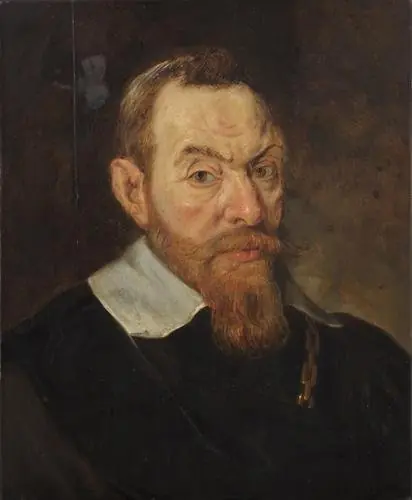 Portrait of a Man wearing a Gold Chain
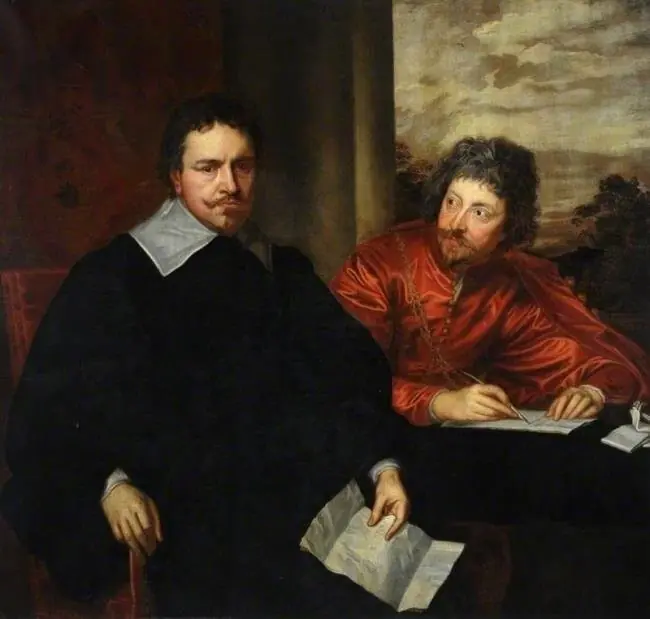 Double Portrait of Thomas Wentworth, 1st Earl of Strafford (1593-1641) with his secretary Sir Philip Mainwaring (1589-1661)
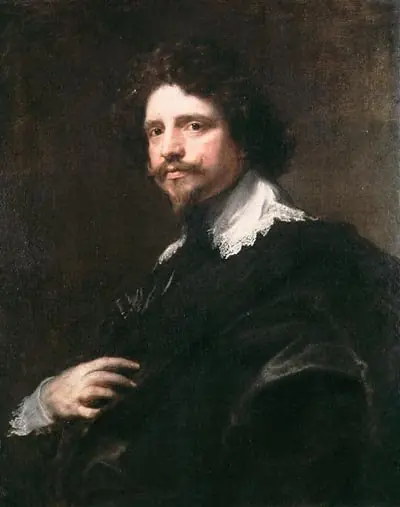 Portrait of Michel Le Blon
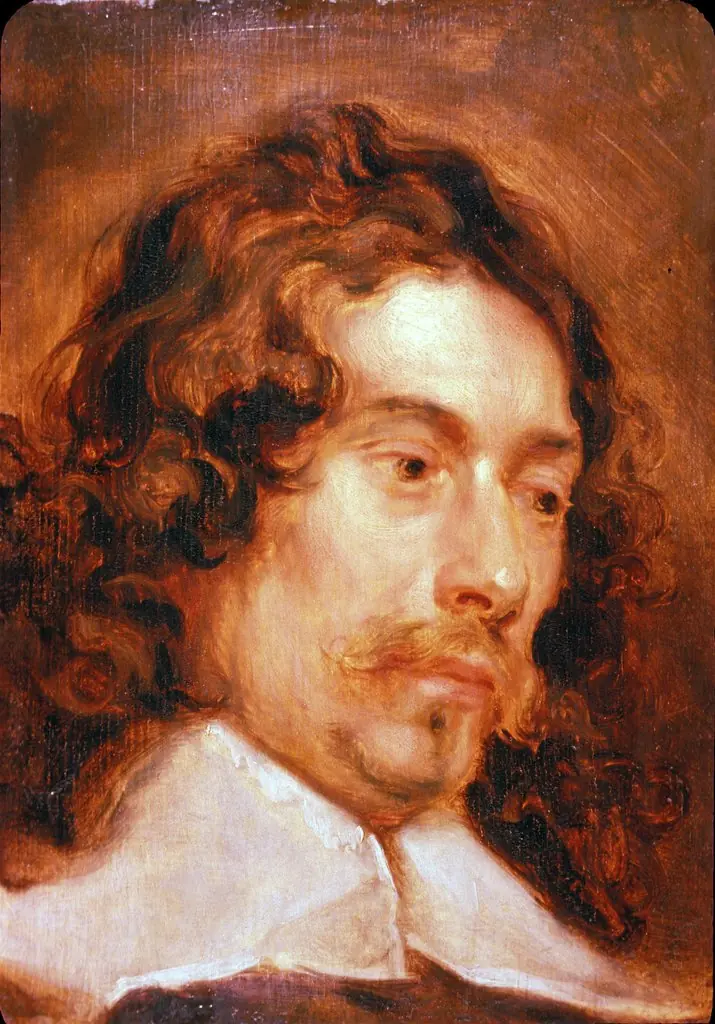 Portrait of a Man
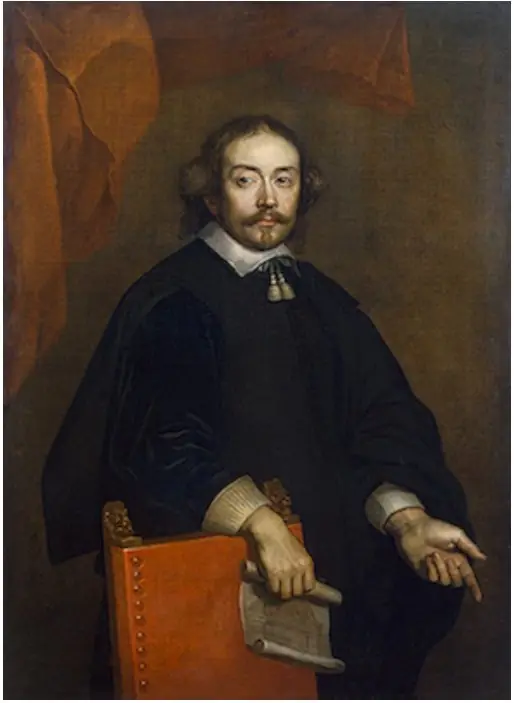 Portrait of the Architect Leo van Heil
 Self-Portrait
 John Digby, 1st Earl of Bristol (1580-1653)
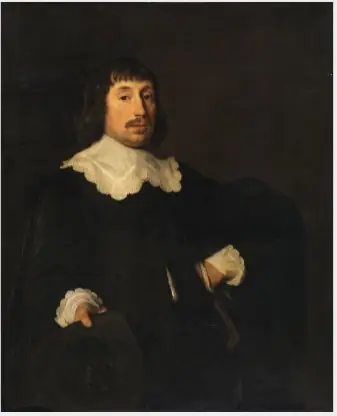 Portrait of a Man
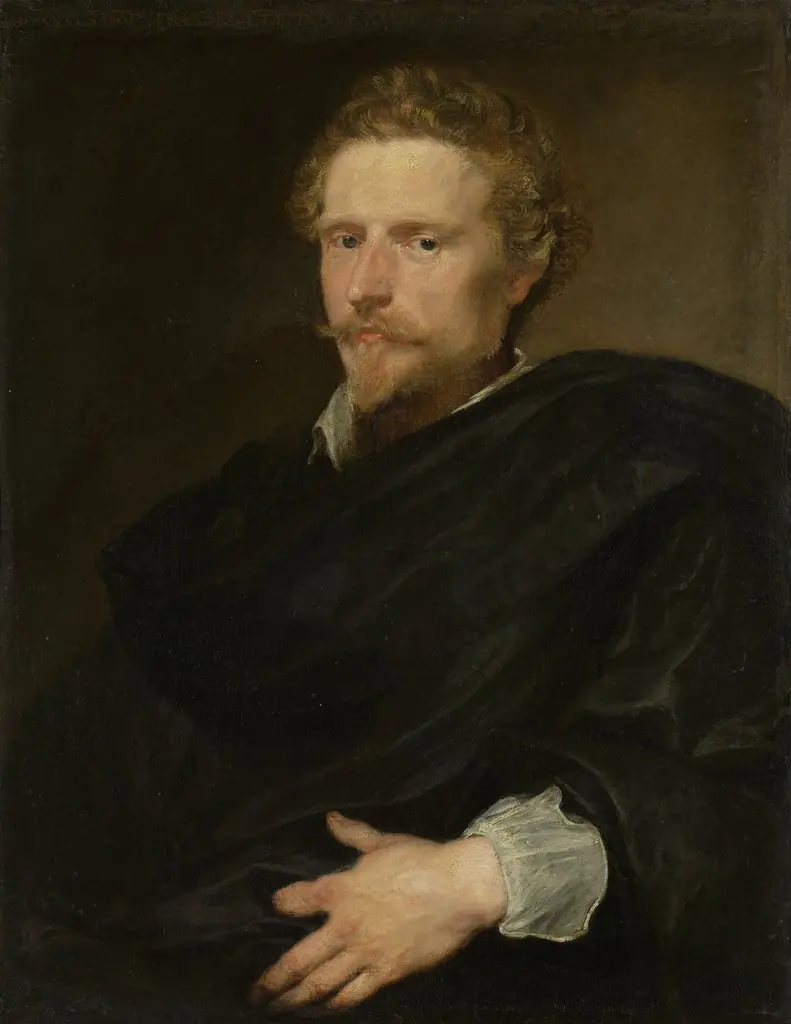 Johannes Baptista Franck (ca. 1599-1663)