Artwork
A Copy of a so-called Portrait of John Scougall (NG 2032)
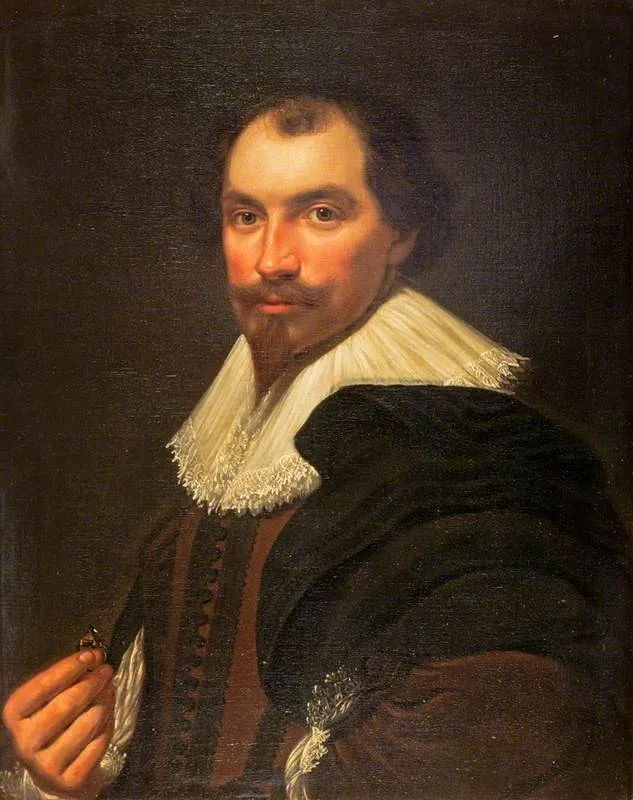
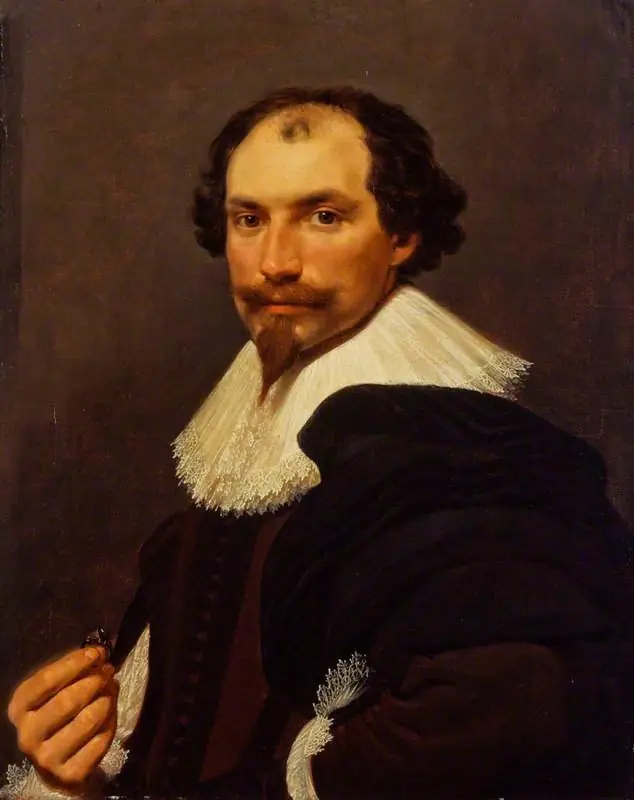
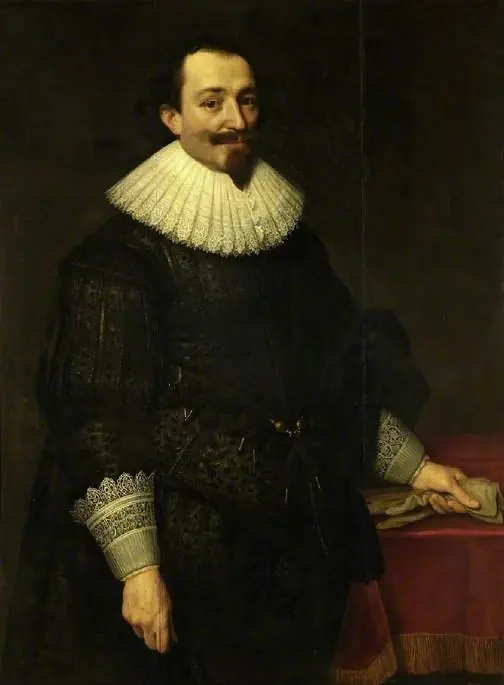
A Copy of a so-called Portrait of John Scougall (NG 2032) is an oil painting by the Rococo painting artist John Medina. It dates from 1760 and is held in the collection of the National Galleries Scotland.
About this work
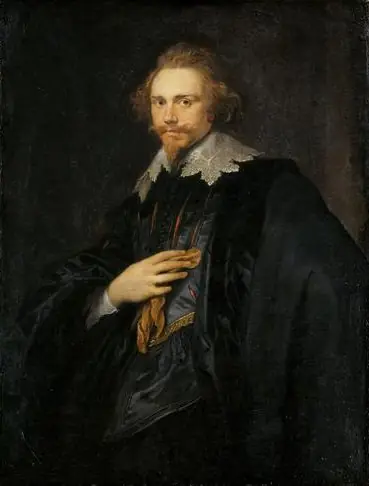
This painting depicts a man in a black and brown outfit, holding a small object in his right hand.
This painting depicts a man in a black and brown outfit, holding a small object in his right hand. He wears a white ruffled collar and has dark hair. The background is dark, which makes the man stand out.
The man's clothing and the style of the painting suggest it was made in the 18th century. The dark background and the man's attire are notable features of the artwork.
To learn more about the techniques used in this painting, explore the glazing technique, which involves applying multiple thin layers of transparent paint to achieve a deep, rich color.
Overview
This oil painting, dated 1760 and attributed to John Medina, is a reproduction of a previously existing portrait. It resides in the Scottish National Gallery under the accession number NG 2032. The work presents a seated male figure in 18th-century dress, rendered with attention to texture and subtle tonal shifts. Its purpose appears to be the preservation or dissemination of an earlier likeness, rather than an original commission.
Subject & Meaning
The sitter is traditionally identified as John Scougall, though this attribution remains unconfirmed. He is depicted in formal attire, suggesting social standing, and holds a small, indistinct object in his right hand—possibly a document or token of office. The restrained expression and direct gaze convey a sense of quiet dignity, typical of portraiture from the period, emphasizing character over narrative.
Technique & Style
The painting employs glazing techniques, with thin layers of transparent oil paint building depth in the dark clothing and rich shadows. The white ruffled collar contrasts sharply against the muted tones, drawing focus to the face. The background is uniformly dark, eliminating distractions and enhancing the three-dimensionality of the figure through chiaroscuro effects.
History & Provenance
The painting entered the Scottish National Gallery’s collection as a copy of a lost or altered original. Its attribution to John Medina, an artist active in Scotland during the mid-18th century, is based on stylistic analysis and documentary records. While the original portrait of Scougall is no longer extant, this version preserves its composition and key details for later study.
Context
In 18th-century Scotland, portraiture often served to affirm familial or professional identity. Copies of existing likenesses were common, especially when originals were damaged or held by distant relatives. Medina’s work reflects this practice, aligning with broader trends in British portraiture that valued accuracy and decorum over flamboyance.
Legacy
Though not an original commission, this copy holds historical value as a record of a lost image and as an example of provincial Scottish portraiture. It contributes to understanding how visual identities were maintained and transmitted before photography. The painting remains a reference point for scholars examining the circulation of portraiture in Enlightenment-era Scotland.
Artist & collection