Artwork
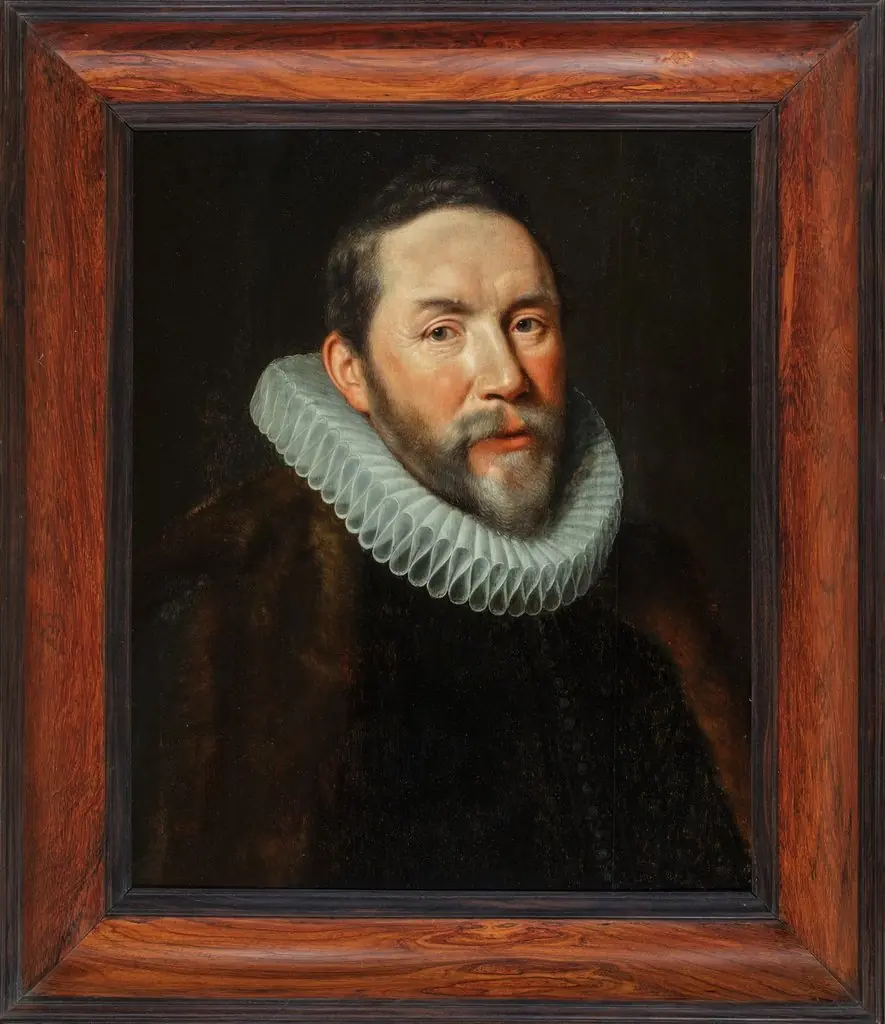
Portrait of Sir Rowland Wandesford (circa 1570 - after 1683)
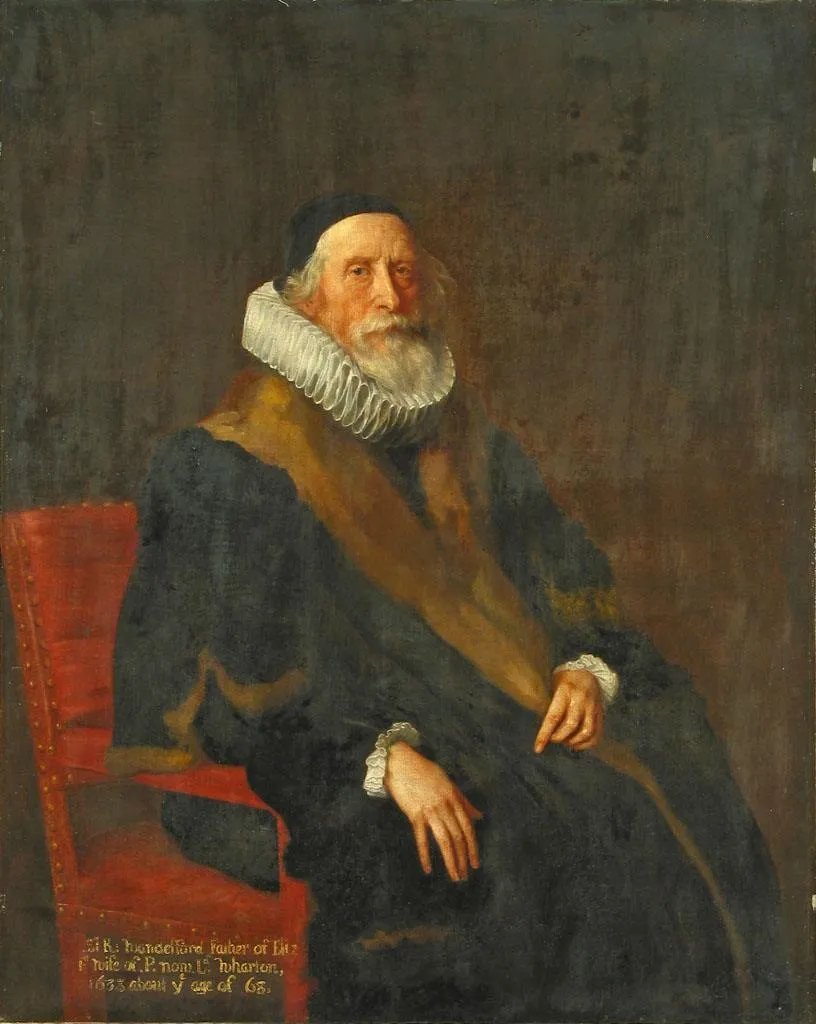
Portrait of Sir Rowland Wandesford (circa 1570 - after 1683) is an oil painting by the Flemish Baroque painting artist Anthony van Dyck. It dates from 1638 and is held in the collection of the Hermitage Museum.
About this work
If you're interested in learning more about the artist who created this painting, you might want to look up Anthony van Dyck.
The painting depicts a man seated in a chair, wearing a dark robe with a brown sash and a white ruffled collar. He has a long white beard and is looking directly at the viewer. The background of the painting is a dark brown color.
The man's attire and the style of the painting suggest that it is a formal portrait from the 17th century. The artist's use of chiaroscuro, a technique that uses strong contrasts between light and dark to create a sense of volume and depth, adds to the overall sense of grandeur and dignity in the painting.
If you're interested in learning more about the artist who created this painting, you might want to look up Anthony van Dyck.
Overview
Anthony van Dyck’s oil portrait of Sir Rowland Wandesford, executed in 1638, is held in the State Hermitage Museum. The work presents the English gentleman seated, dressed in a dark robe trimmed with a brown sash and a white ruffled collar, his long white beard framing a direct gaze toward the viewer.
Subject & Meaning
The sitter, Sir Rowland Wandesford, is rendered with the dignified bearing typical of 17th‑century English aristocracy. His composed posture and solemn expression convey status and authority, while the plain dark background focuses attention on his figure, emphasizing personal identity over narrative context.
Technique & Style
Van Dyck employs a pronounced chiaroscuro, juxtaposing illuminated areas of the face and collar against a deep brown backdrop. This contrast creates a three‑dimensional sense of volume and reinforces the portrait’s solemn tone. The brushwork remains refined, characteristic of the Flemish Baroque painter’s courtly portraiture.
History & Provenance
After its completion in the late 1630s, the painting entered the collection of the State Hermitage Museum, where it remains on display. Its provenance reflects the broader movement of van Dyck’s works into major European royal and public collections during the 18th and 19th centuries.
Artist & collection
Artist
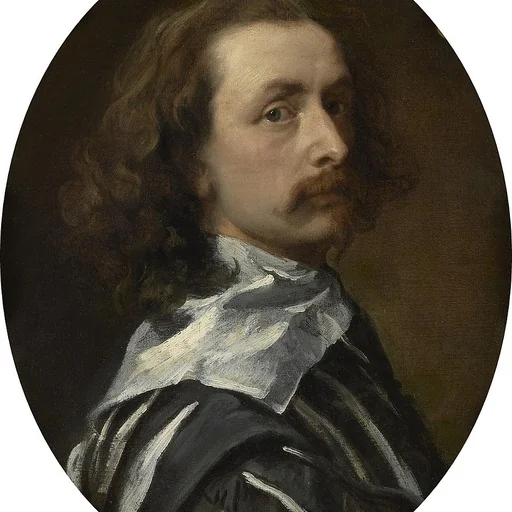
Sir Anthony van Dyck (; Dutch: Antoon van Dijck ; 22 March 1599 – 9 December 1641) was a Flemish Baroque artist, who became the leading court painter in England after success in the Spanish Netherlands and Italy.

 Portrait of Gualtero del Prado
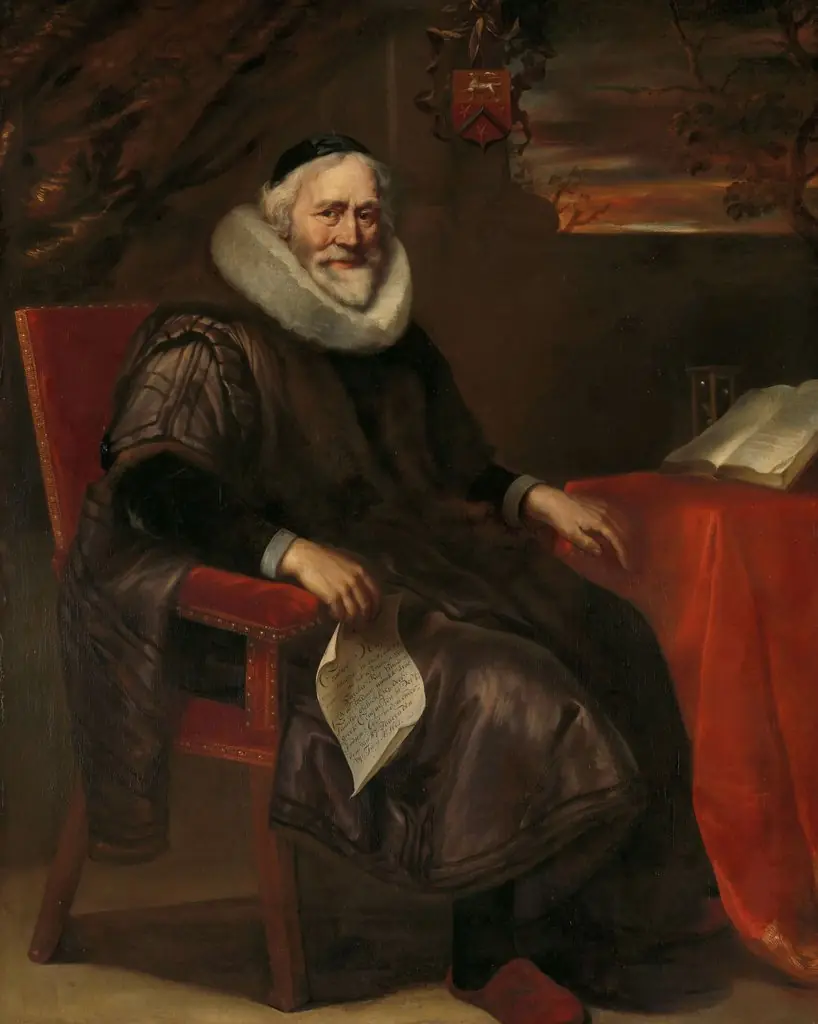 Cornelis Nuyts (1574-1661). Amsterdam merchant
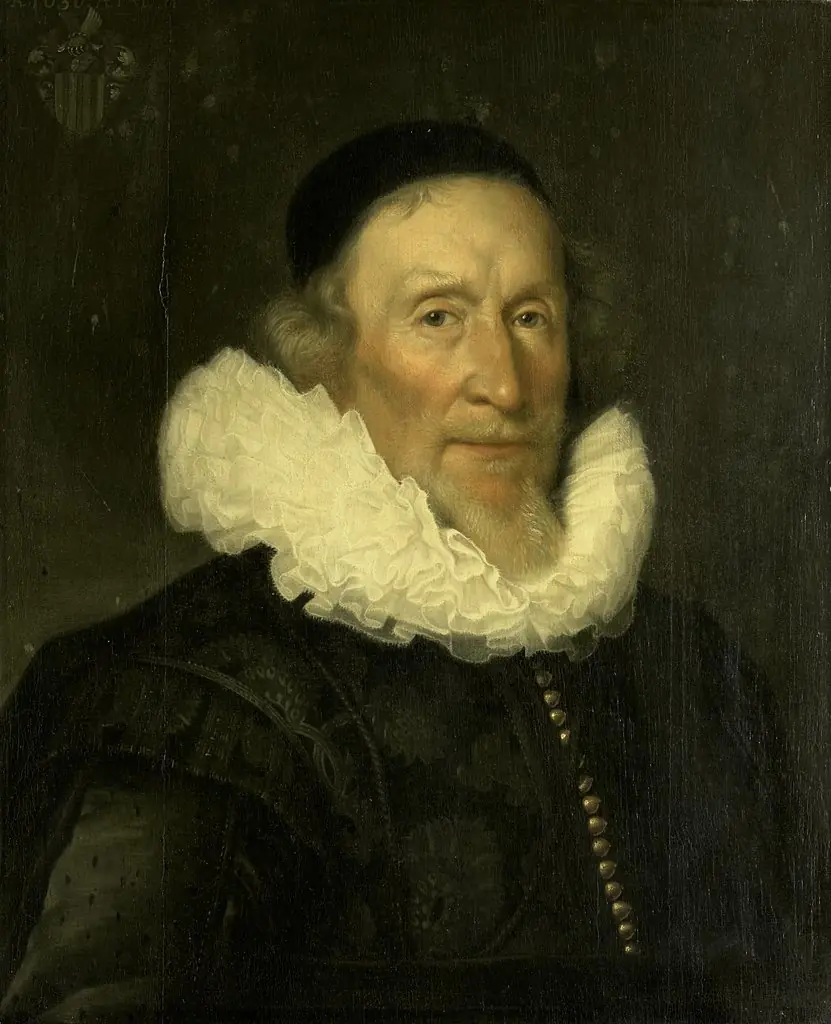 Portrait of Jacob Gerritsz van der Mij (1559/60-1635?)
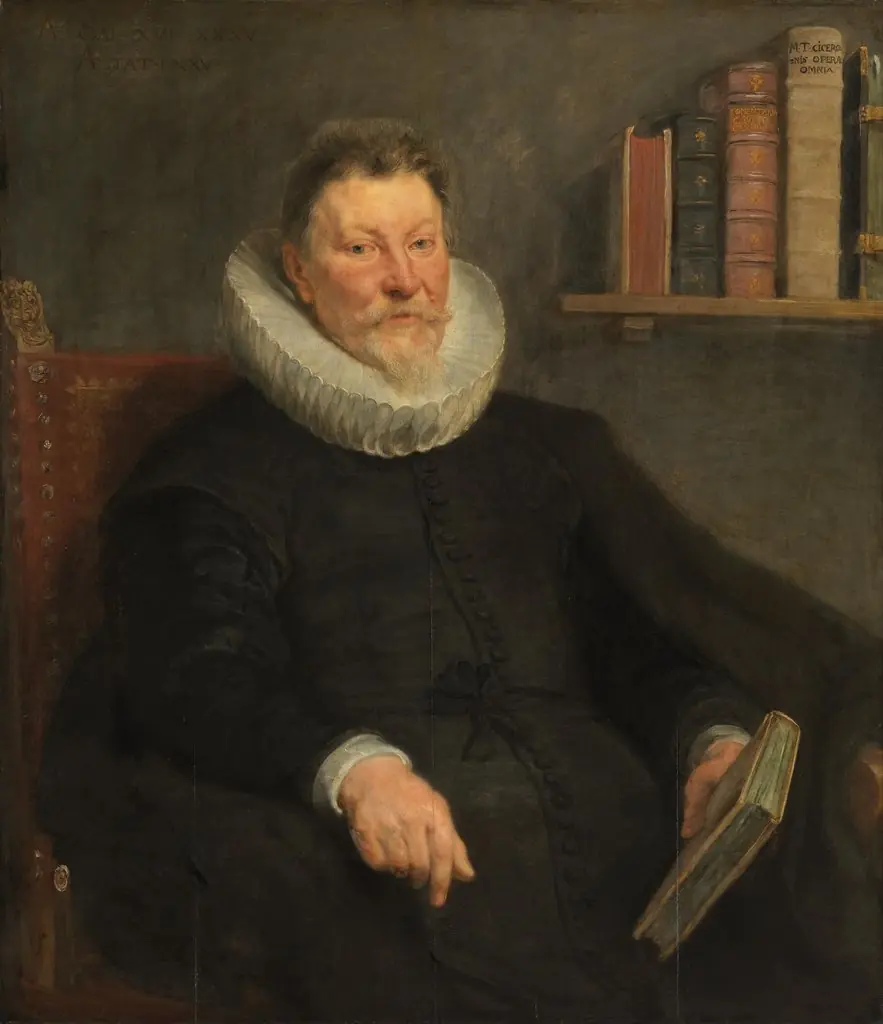 Portrait of Jan Brant
 Untitled
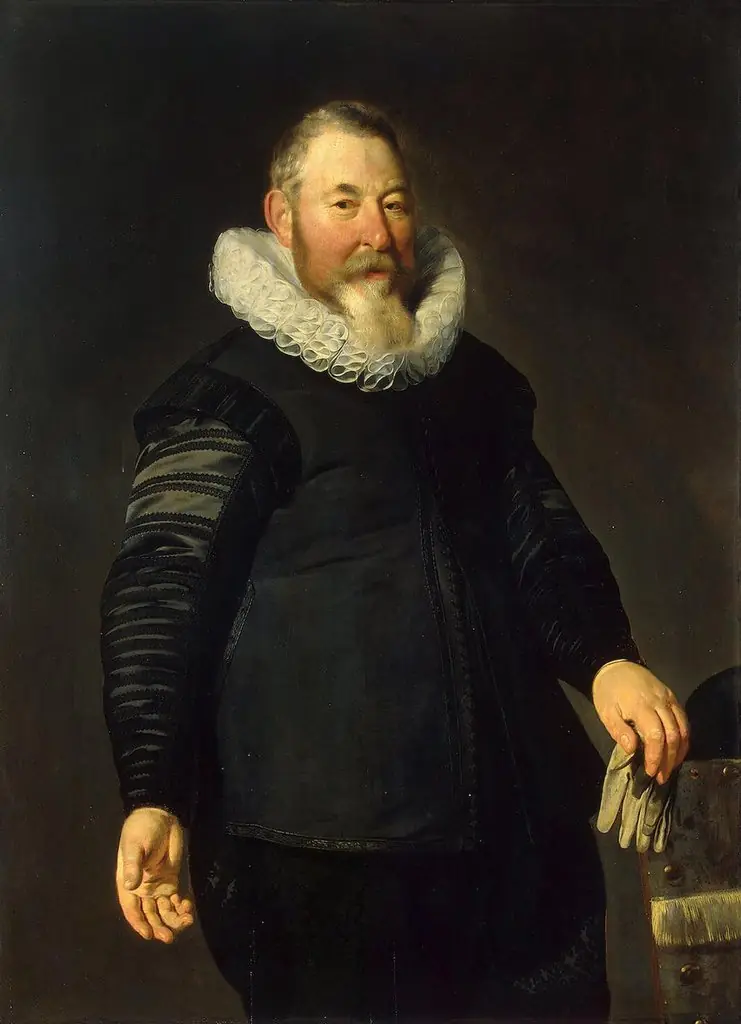 Portrait of a Man
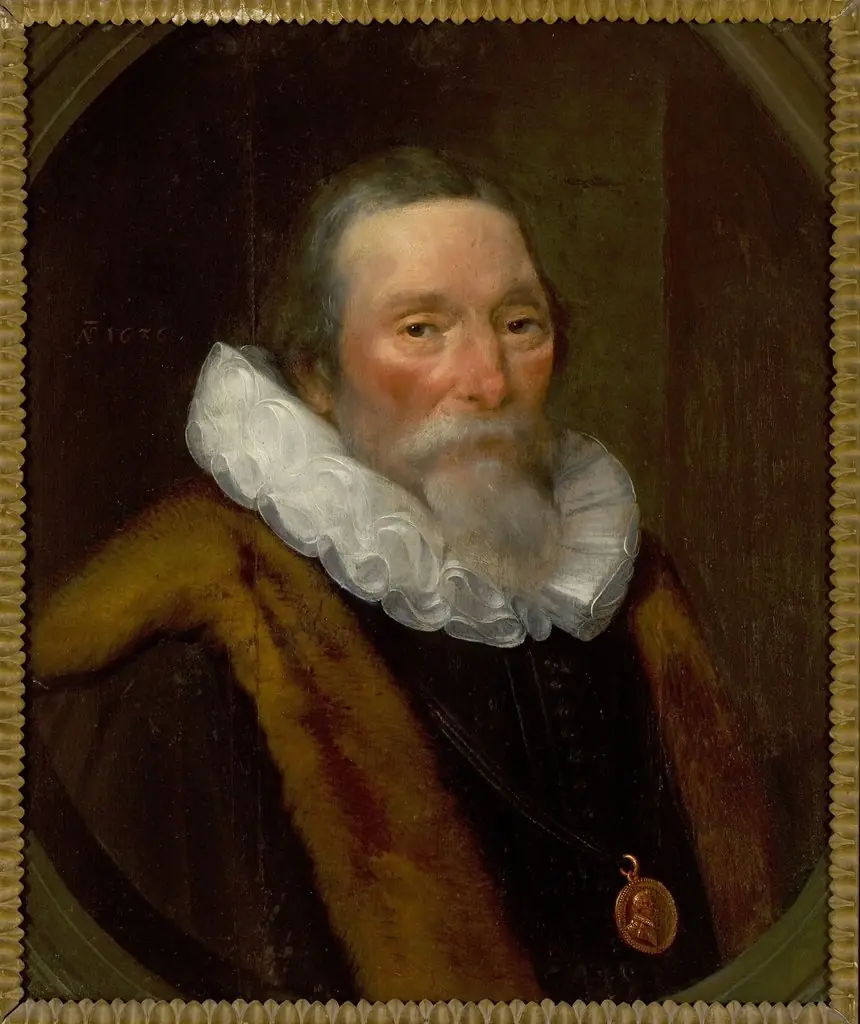 Portrait of a man in a frill with a fur collar
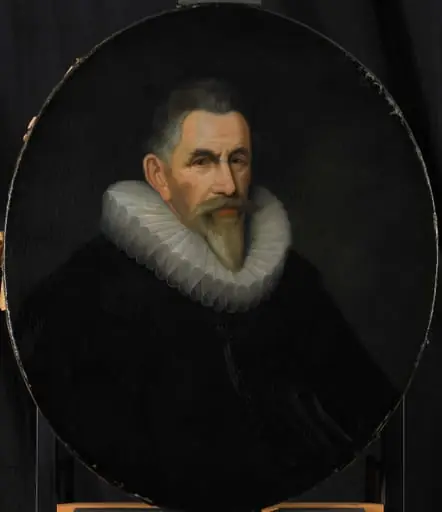 Portrait of Johan van der Veecque, Director of the Rotterdam Chamber of the Dutch East India Company, elected 1602
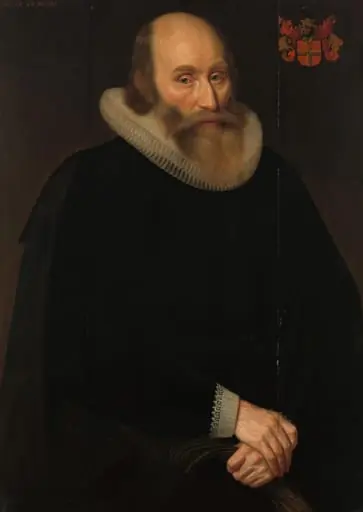 Portrait of Antonius Antonides van der Linden, Physician in Amsterdam
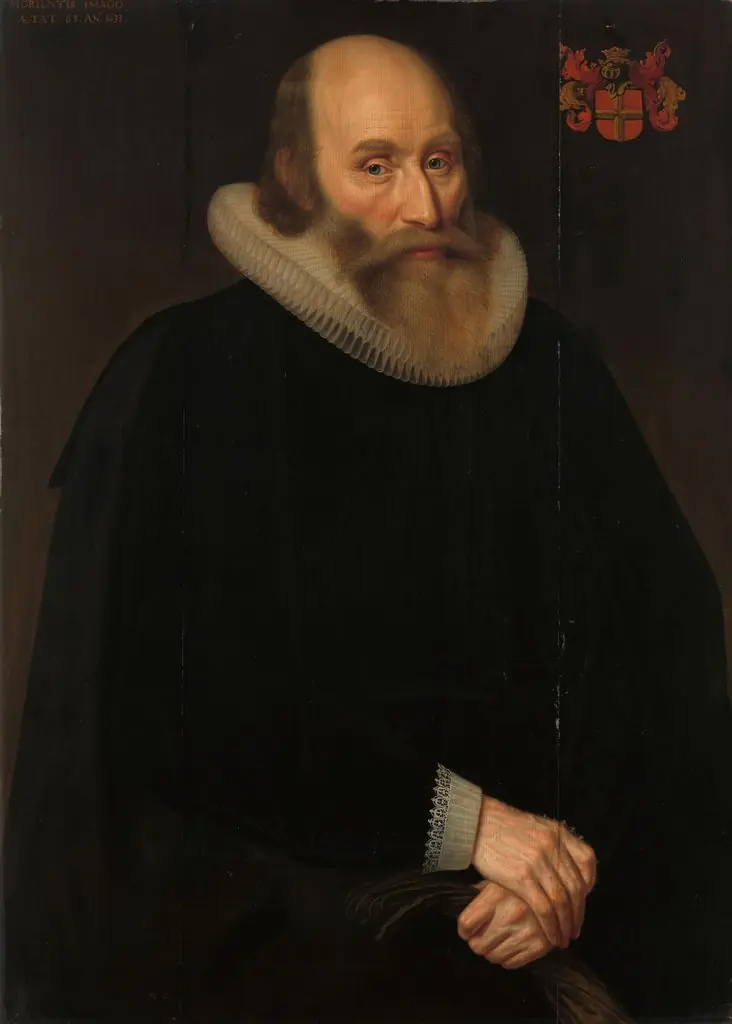 Portrait of Antonides van der Linden (1570-1633), Amsterdam physician
 Portrait of Nicolaes Grevinckhoven (1577-1632)