Artwork
Santa Rosalía de Palermo
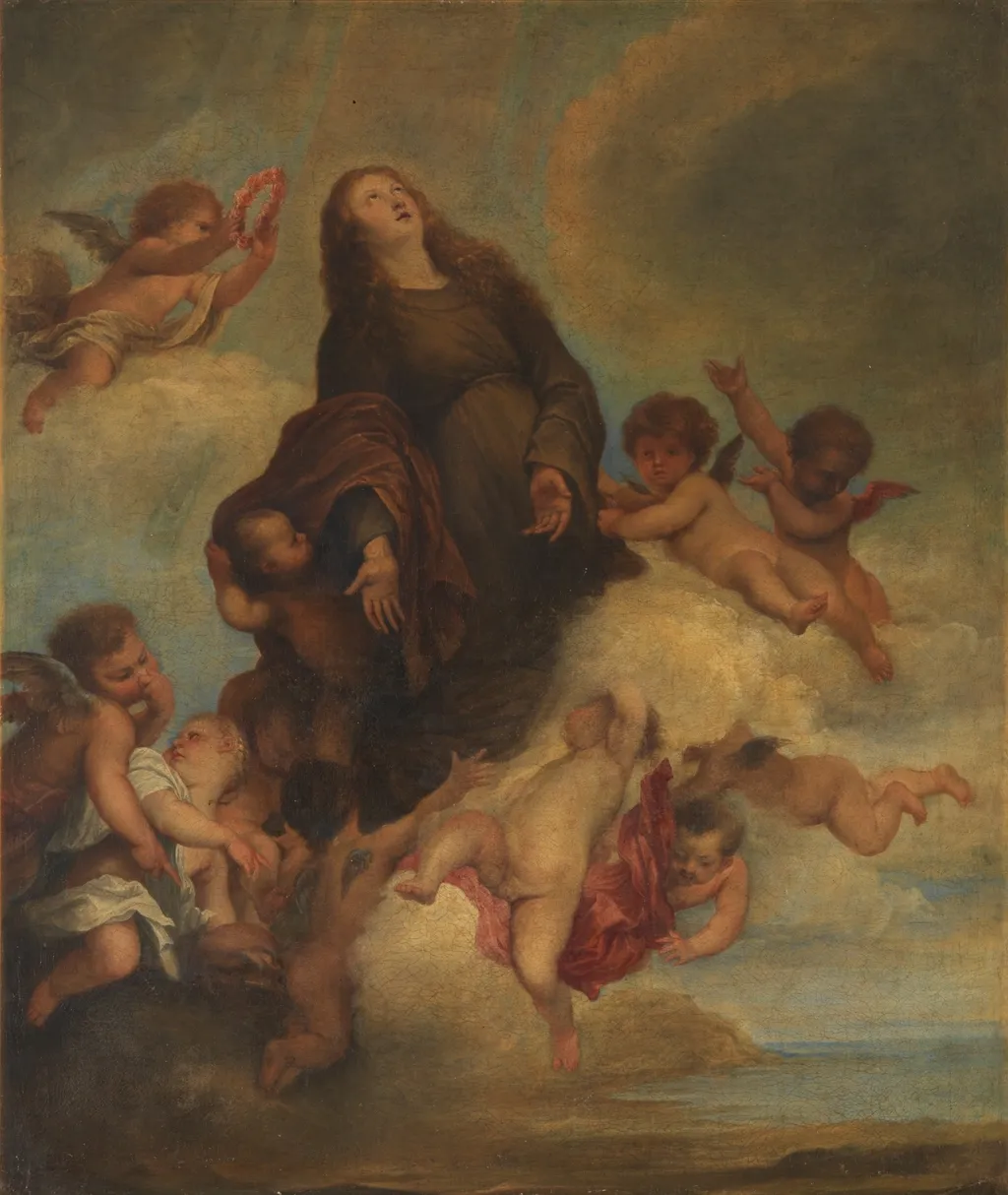
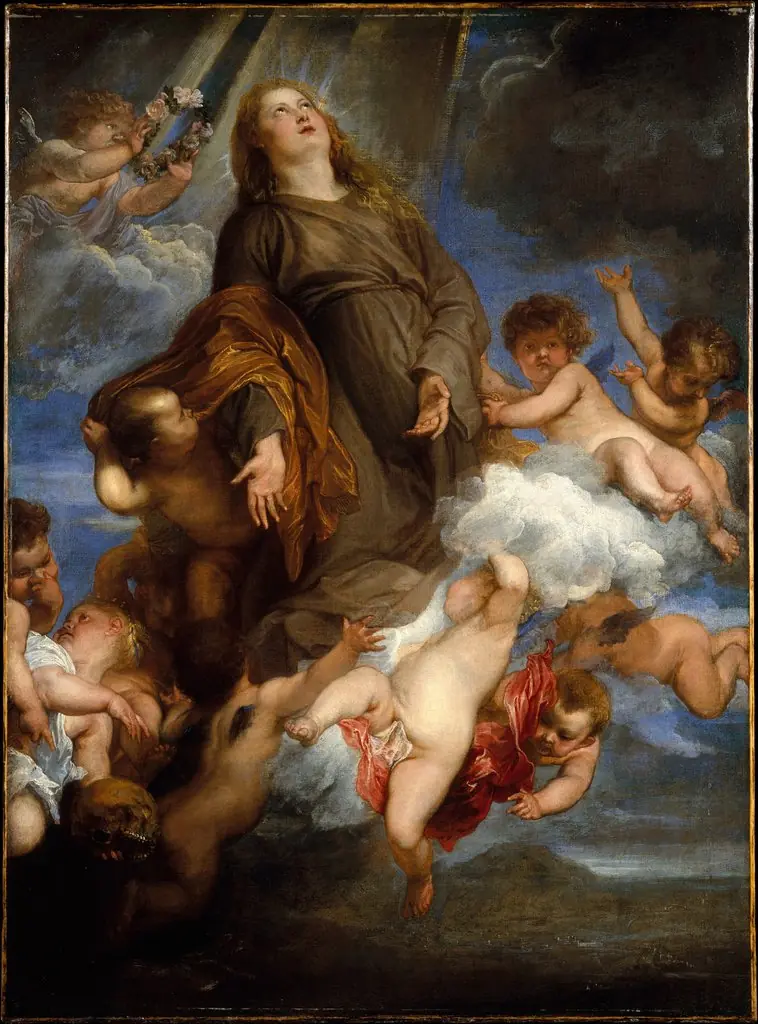
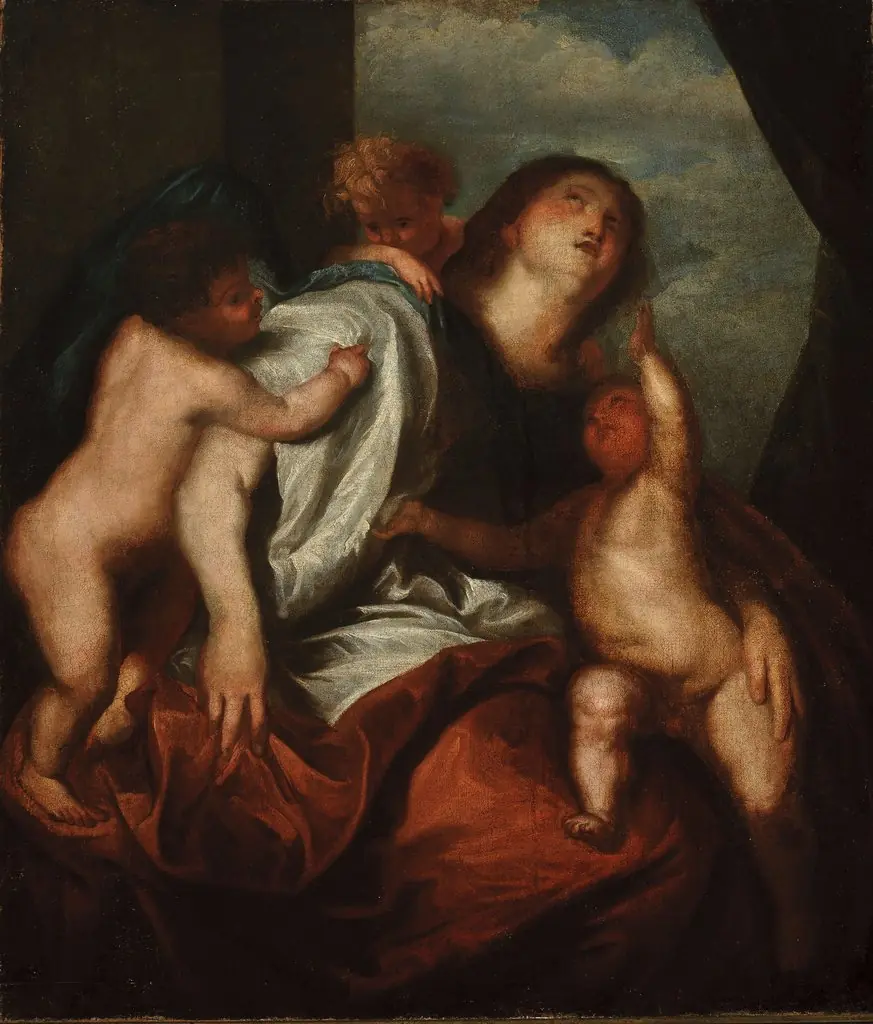
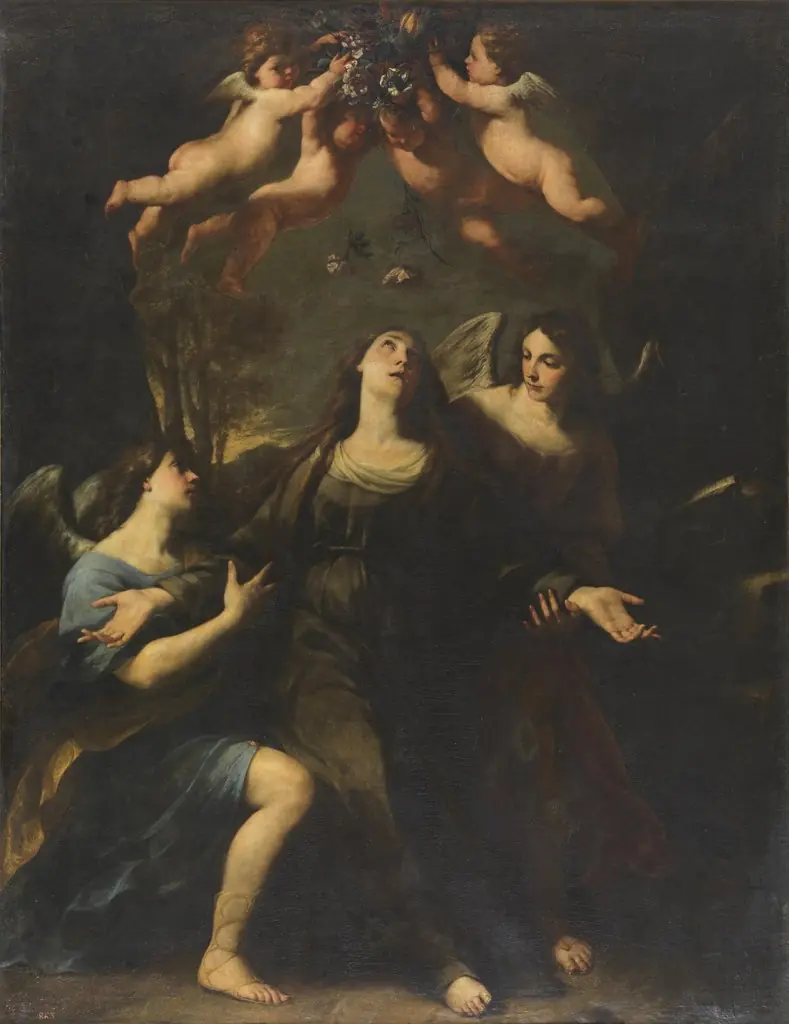
Santa Rosalía de Palermo is an oil painting by the Flemish Baroque painting artist Anthony van Dyck. It dates from 1601 and is held in the collection of the Museo del Prado.
About this work
Overview
Executed in 1624, *Santa Rosalía de Palermo* is an oil painting by Anthony van Dyck, a Flemish artist who rose to prominence during the Baroque period. Originally trained in Antwerp, van Dyck later absorbed influences from Italian art while working in Genoa and Palermo. This devotional work reflects his early engagement with religious subjects before his tenure as a court painter in England.
Subject & Meaning
Here, she is portrayed ascending toward heaven, surrounded by putti—cherubic figures often associated with divine presence.
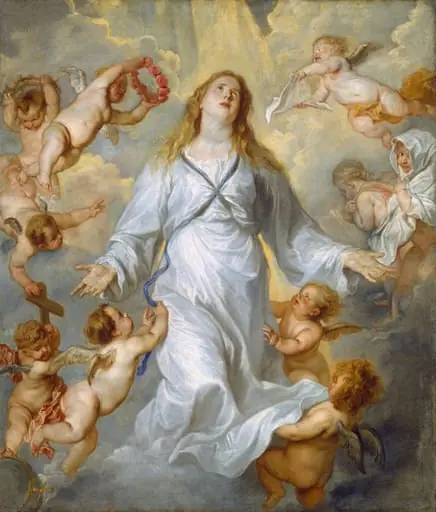
The painting depicts Saint Rosalia, a 12th-century Palermo noblewoman who retreated into ascetic solitude. Here, she is portrayed ascending toward heaven, surrounded by putti—cherubic figures often associated with divine presence. Their playful gestures and the saint’s upward gaze suggest a moment of celestial intercession, reinforcing themes of piety and spiritual transcendence central to Counter-Reformation imagery.
Technique & Style
Van Dyck’s composition balances dramatic chiaroscuro with delicate tonal shifts, characteristic of Flemish Baroque painting. The saint’s dark robes contrast sharply with the luminous putti and cloud-streaked sky, creating a sense of depth. His brushwork ranges from precise detailing in the figures to looser, atmospheric strokes in the background, demonstrating his synthesis of Northern European precision and Italian grandeur.
History & Provenance
Created during van Dyck’s Italian sojourn, the painting was likely commissioned for private devotion or a Palermo religious institution. It entered the Spanish royal collection in the 17th century, possibly through diplomatic exchange or acquisition. The work has remained in the Museo del Prado’s holdings since the museum’s founding in 1819, where it is cataloged as part of the Flemish Baroque collection.
Context
The painting emerged during a period of heightened Catholic devotion, as the Church sought to reaffirm its spiritual authority through art. Van Dyck’s portrayal of Saint Rosalia—Palermo’s patroness invoked during plague outbreaks—aligns with contemporary efforts to promote local saints as intercessors. His use of dynamic composition and emotive figures reflects the Baroque emphasis on engaging viewers through sensory and emotional appeal.
Own this work as a print
Artist & collection
Artist
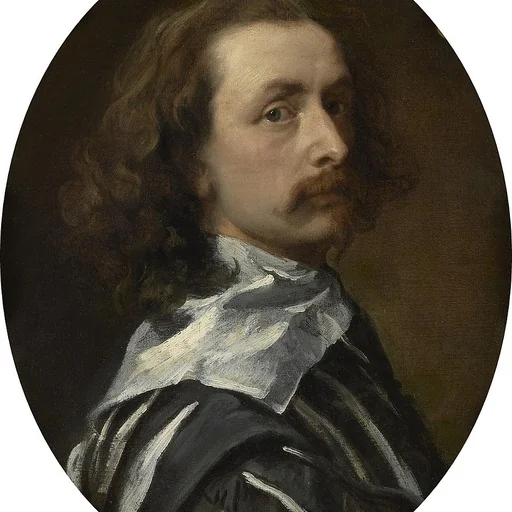
Sir Anthony van Dyck (; Dutch: Antoon van Dijck ; 22 March 1599 – 9 December 1641) was a Flemish Baroque artist, who became the leading court painter in England after success in the Spanish Netherlands and Italy.

 Saint Rosalie Interceding for the Plague-stricken of Palermo
 The Assumption of the Virgin
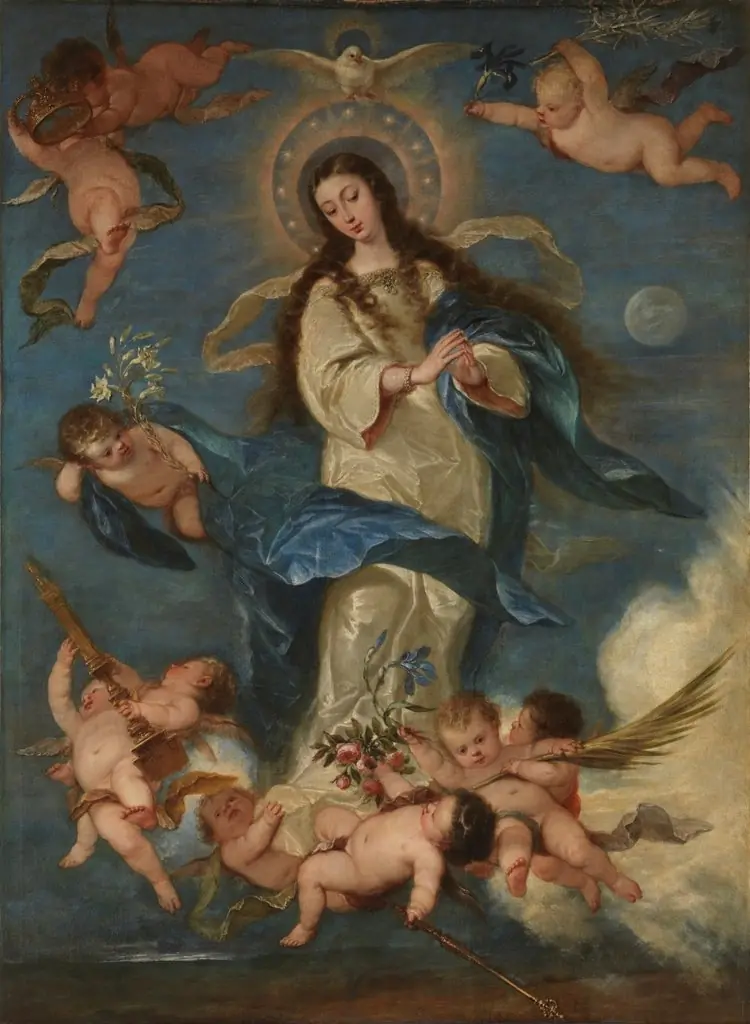 The Immaculate Conception
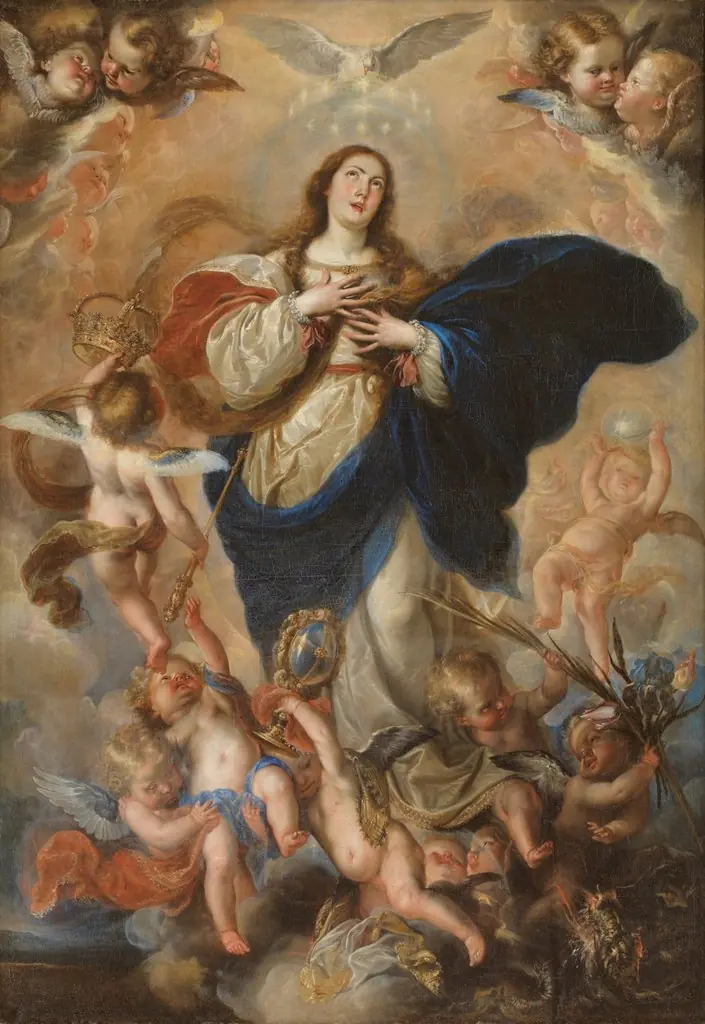 Immaculate Conception
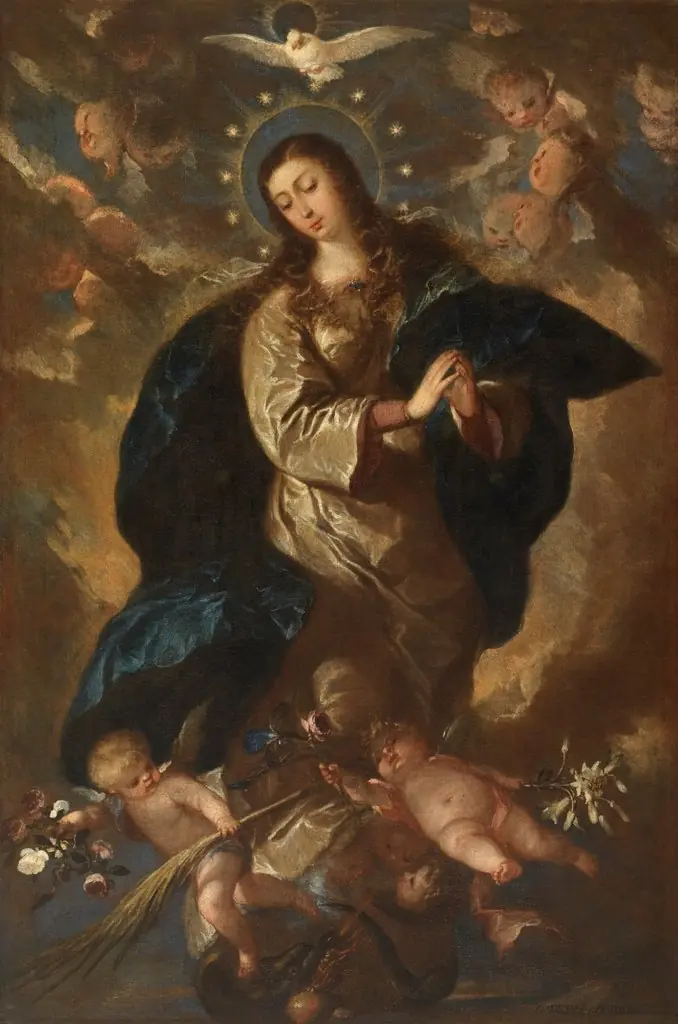 The Immaculate Conception
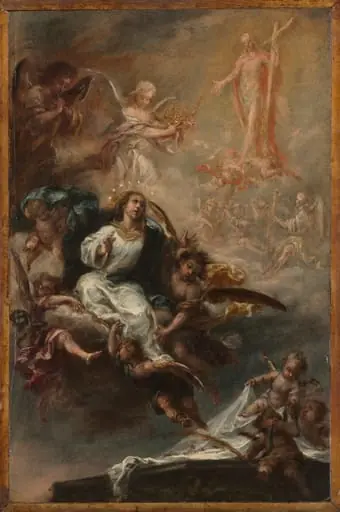 Study for "The Assumption of the Virgin" for San Augustín, Seville
 Charity (Caritas)
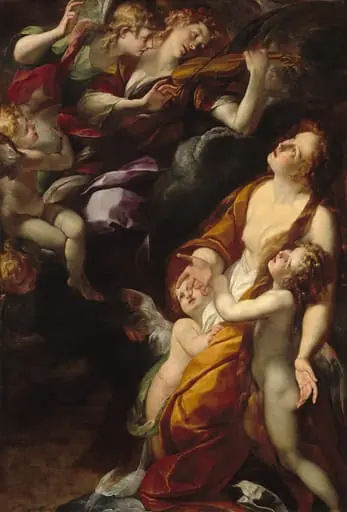 The Ecstasy of the Magdalen
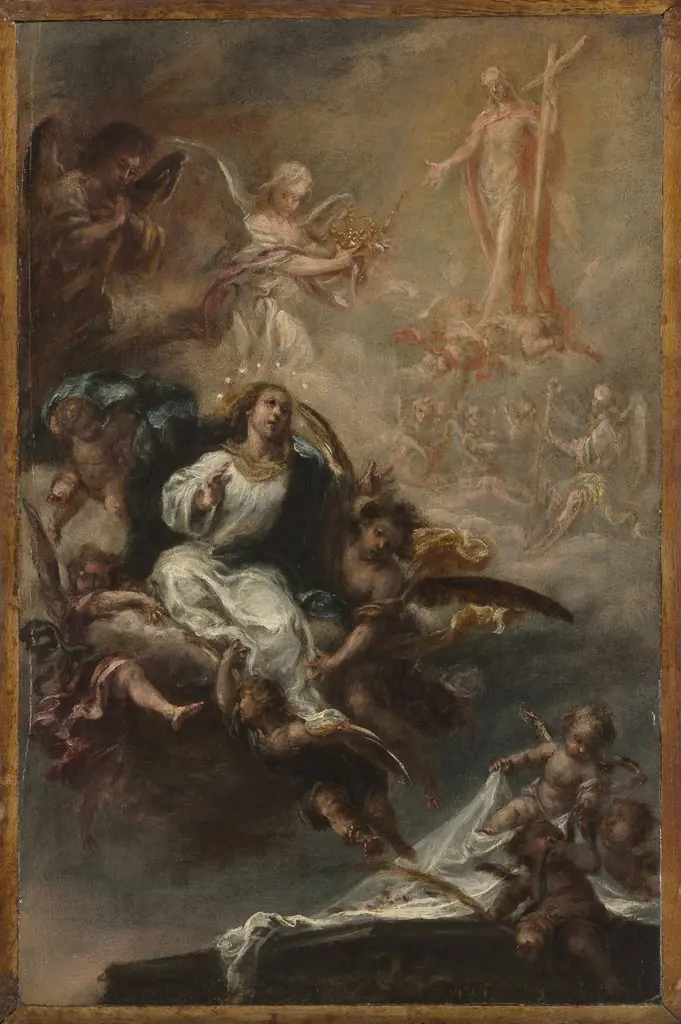 Study for "The Assumption of the Virgin" for San Augustín, Seville
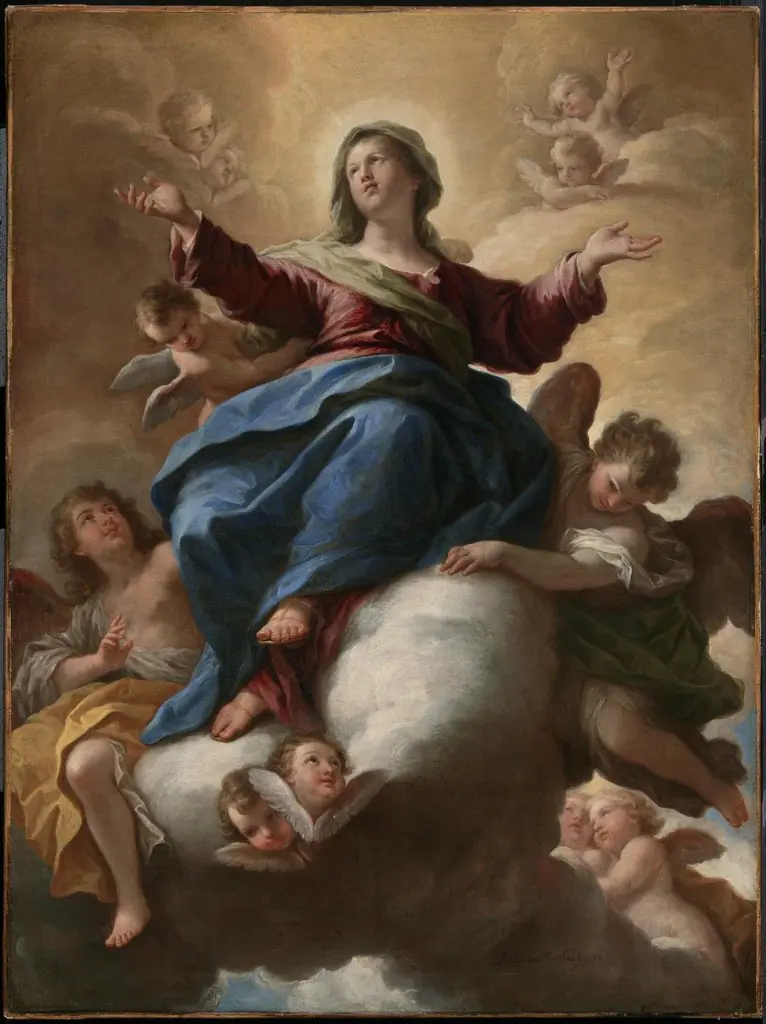 Assumption of the Virgin
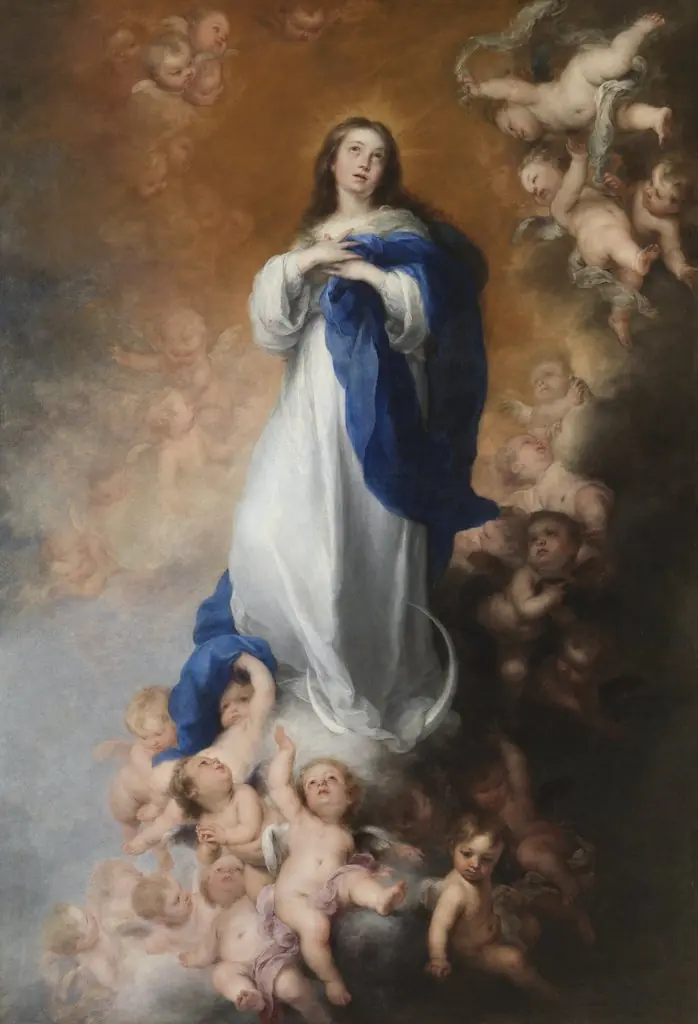 The Immaculate Conception of Los Venerables
 Saint Rosalie of Palermo