Artwork
Philosopher Crates
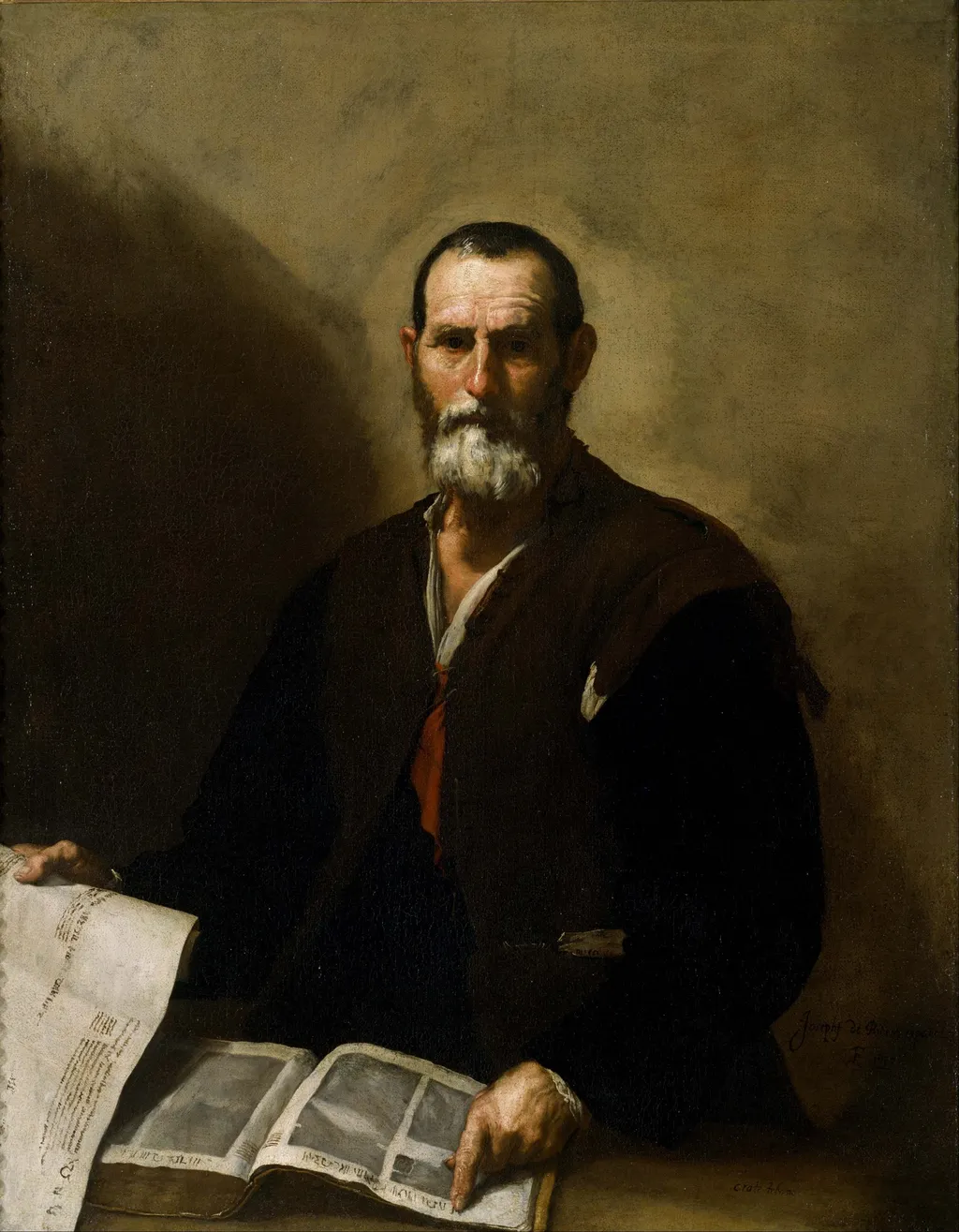
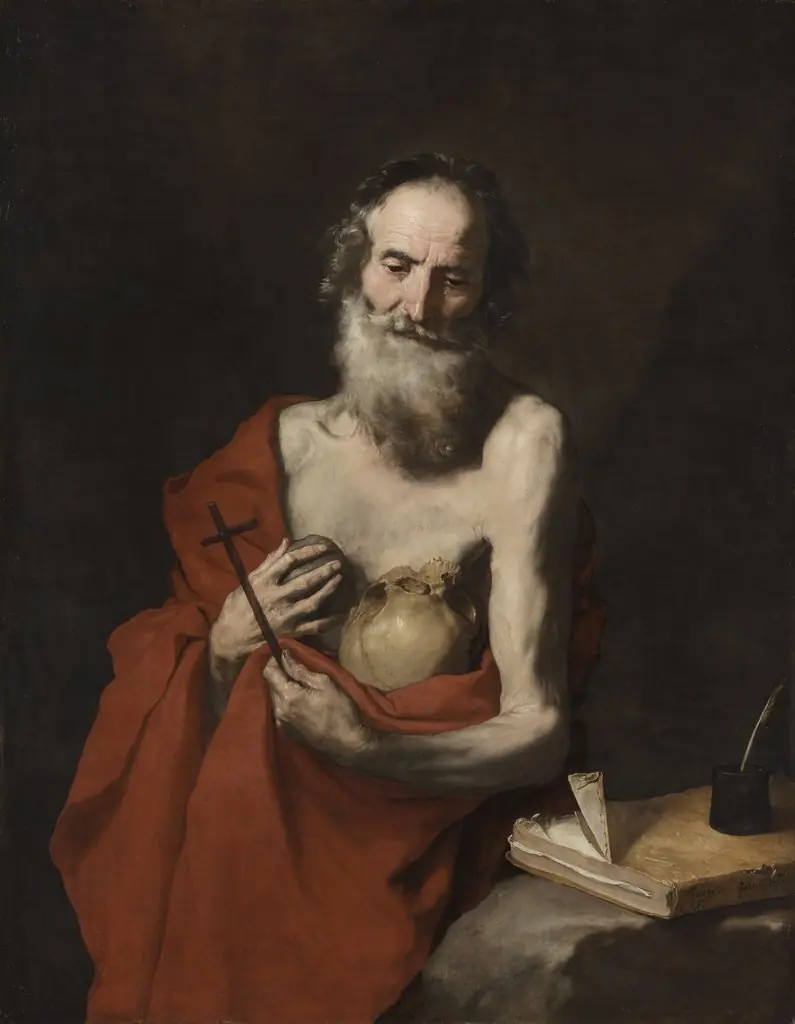
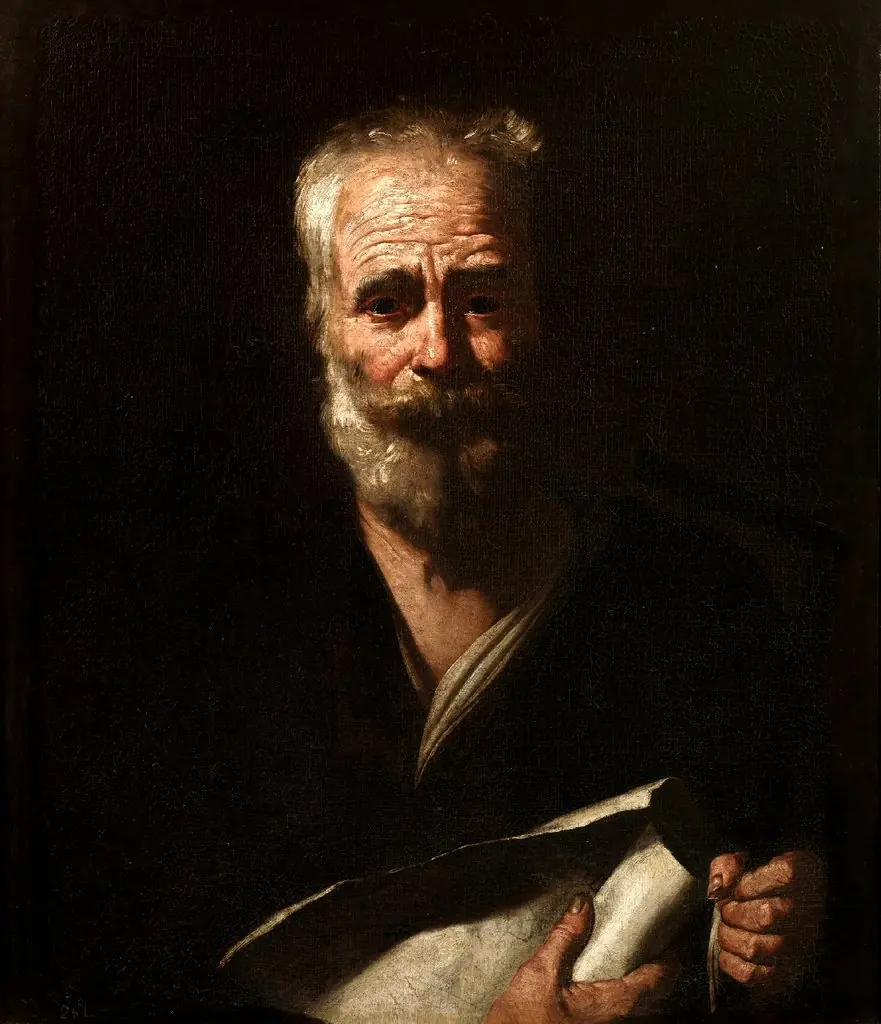
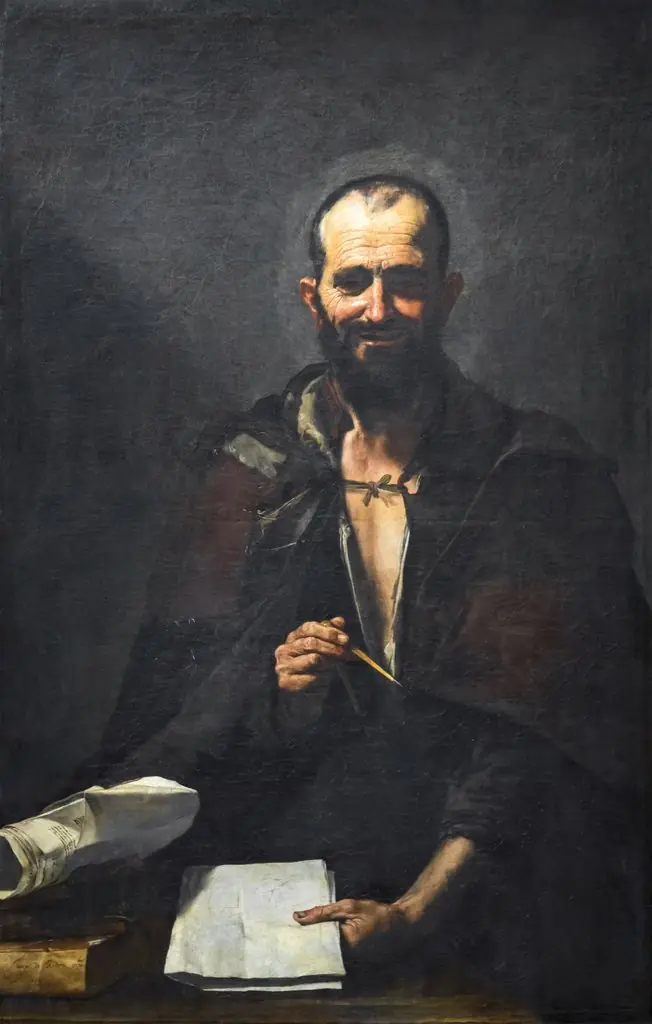
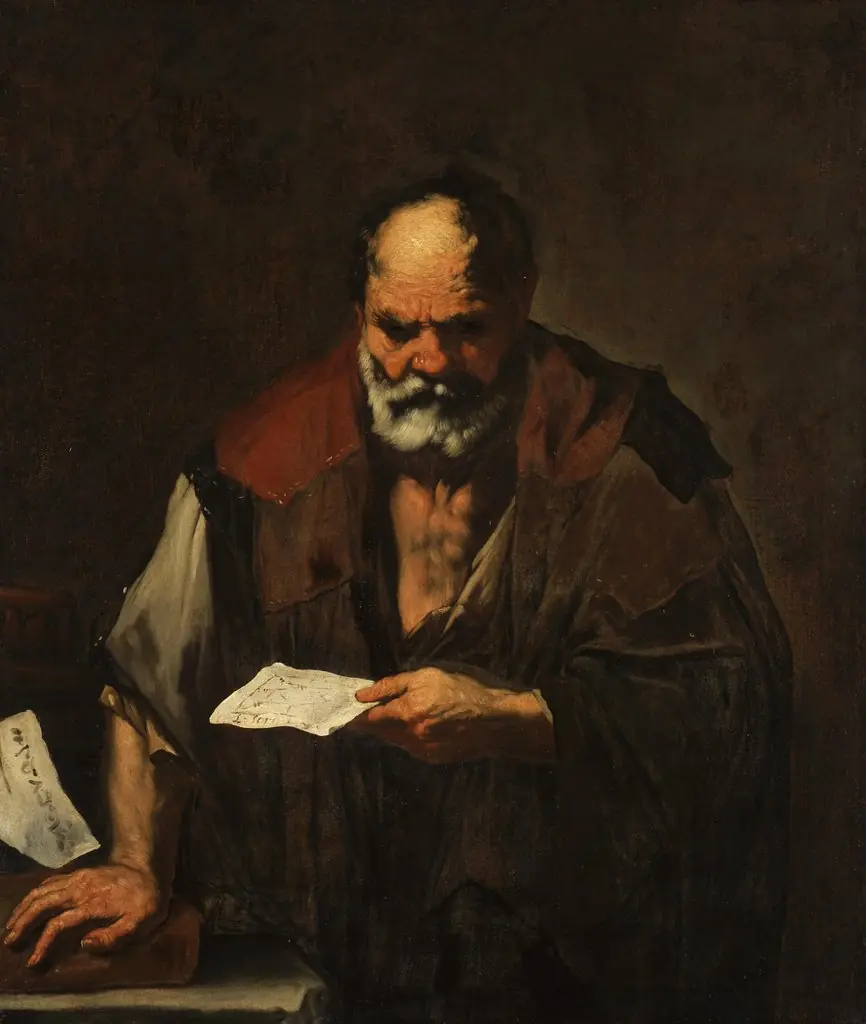
Philosopher Crates is an oil painting by the Early Baroque Italian artist Jusepe de Ribera. It dates from 1636 and is held in the collection of the National Museum of Western Art.
About this work
Overview
Created in 1636, *Philosopher Crates* is an oil painting by Jusepe de Ribera, a prominent figure of the Spanish Baroque who worked chiefly in Naples. The work is part of the National Museum of Western Art’s collection and exemplifies the early Baroque aesthetic that merged Italian influences with Spanish sensibilities.
Subject & Meaning
The canvas portrays an aged Crates of Thebes, a Cynic philosopher, seated at a table and engrossed in a large open volume. His dark hair, flowing white beard, and modest robes convey the dignity of age, while his downward gaze and thoughtful expression suggest a moment of deep contemplation, inviting viewers to share in his intellectual solitude.
Technique & Style
Ribera employs a restrained palette of earth tones, highlighted by a striking red sash that cuts through the darkness. The composition relies on chiaroscuro, using strong contrasts between illuminated flesh and shadowed background to model form and emphasize the philosopher’s focused demeanor. The brushwork is tight around the facial features, loosening in the surrounding drapery.
History & Provenance
Painted during Ribera’s mature Neapolitan period, the piece aligns him with contemporaries such as Zurbarán, Murillo, and Velázquez, who defined Spanish Baroque painting. After remaining in private hands for centuries, the work entered the National Museum of Western Art, where it now serves as a representative example of Ribera’s intellectual portraiture.
Own this work as a print
Artist & collection
Artist
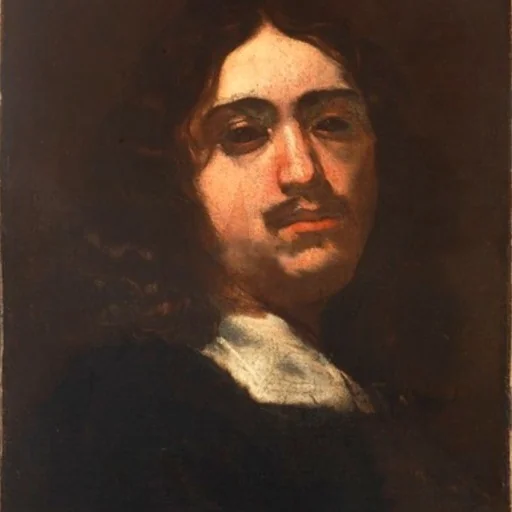
Jusepe de Ribera (Valencian: ; baptised 17 February 1591 – 3 November 1652) was a Spanish painter and printmaker.