Artwork
The Apostle Judas Thaddeus
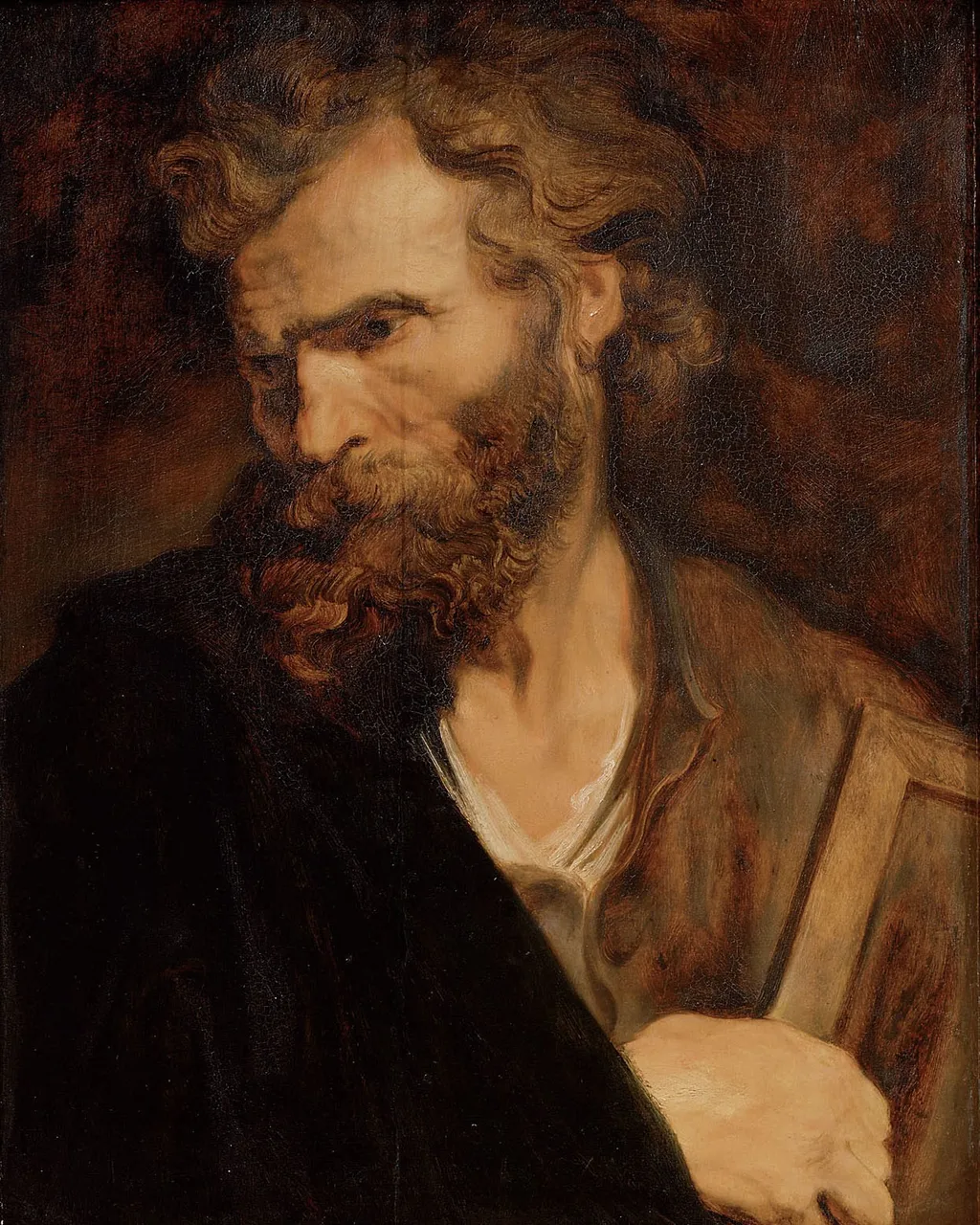
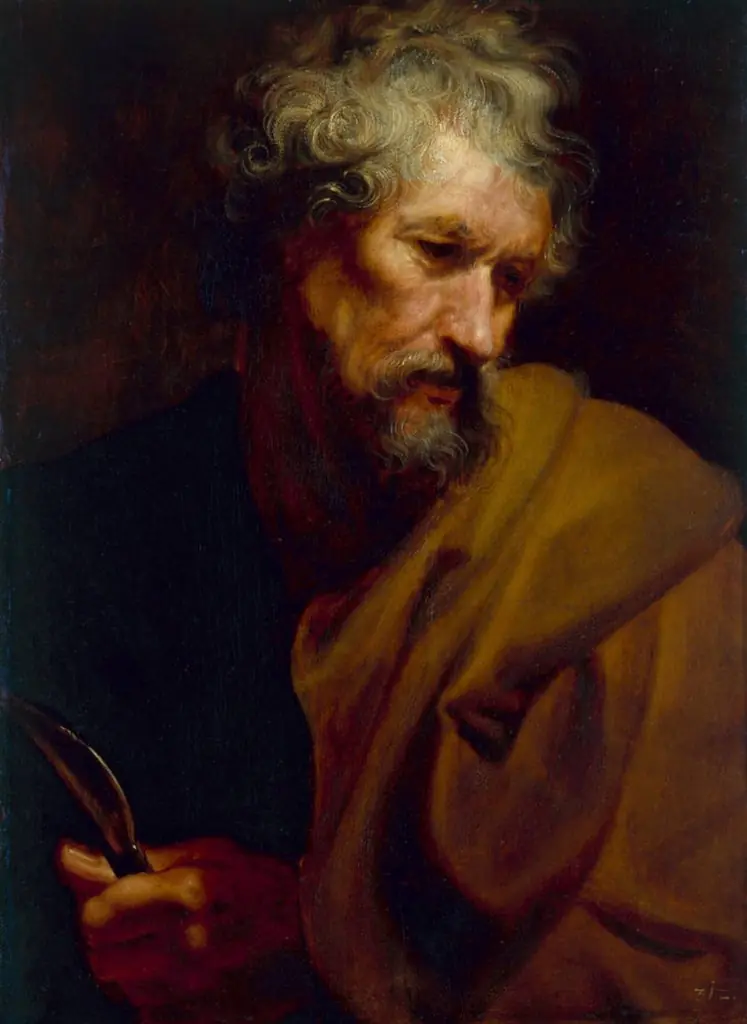
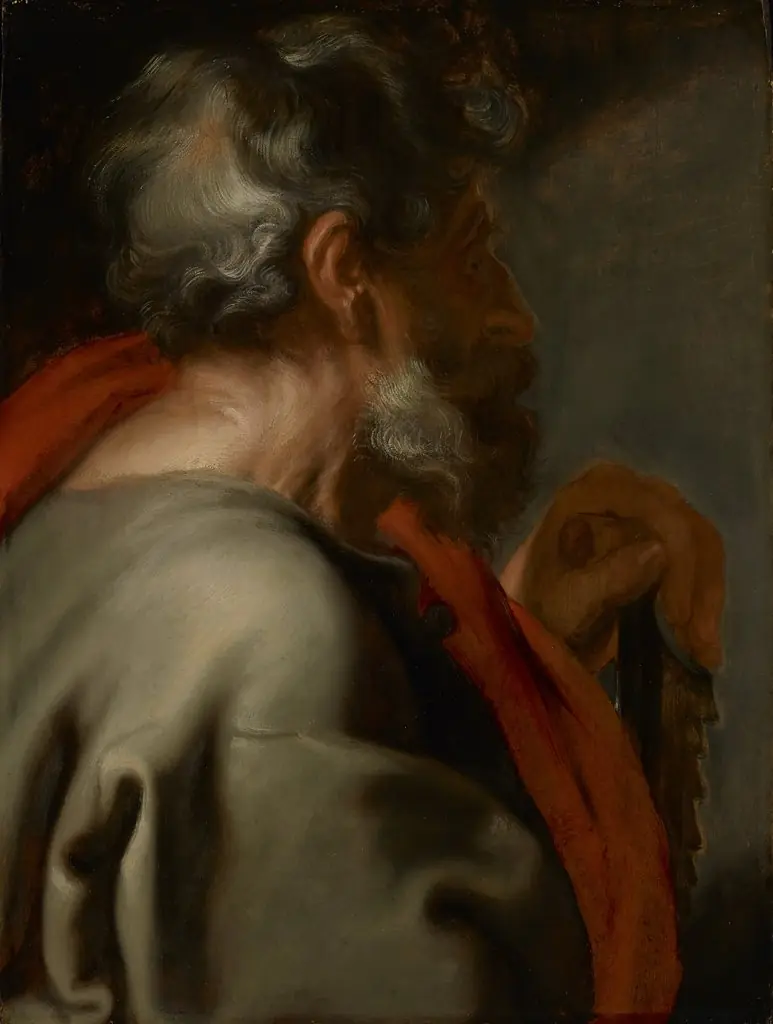
The Apostle Judas Thaddeus is an unspecified painting by the Flemish Baroque painting artist Anthony van Dyck. It dates from 1620 and is held in the collection of the Kunsthistorisches Museum.
About this work
Overview
Created in 1620, this oil painting presents the apostle Judas Thaddeus as a solitary figure rendered in the Flemish Baroque idiom. The work is part of the collection of the Kunsthistorisches Museum in Vienna and exemplifies the early period of Anthony van Dyck’s career before his later appointment as a court painter in England.
Subject & Meaning
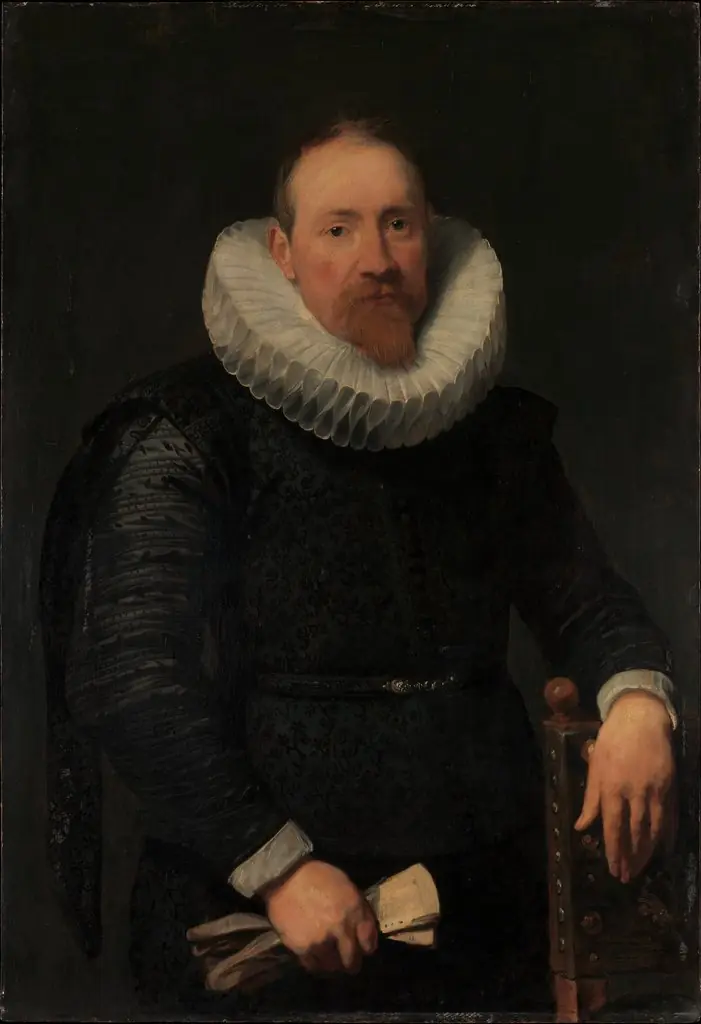
The portrait portrays the biblical figure Judas Thaddeus, identifiable by his solemn gaze and modest attire. The apostle is shown in a contemplative pose, his hand resting on a wooden surface, suggesting introspection and spiritual gravity rather than narrative action.
Technique & Style
Van Dyck employs a pronounced chiaroscuro, allowing light to carve the contours of the subject’s face and beard while the surrounding darkness recedes. This contrast gives the flesh a palpable three‑dimensionality, and the simple, worn robe underscores the painter’s focus on character over ornamentation.
History & Provenance
The painting emerged from van Dyck’s formative years in the Spanish Netherlands, where he absorbed the dynamic compositions of Peter Paul Rubens. After establishing his reputation as a portraitist, van Dyck moved to England, yet works like this remained in continental collections, eventually entering the Viennese museum’s holdings.
Own this work as a print
Artist & collection
Artist
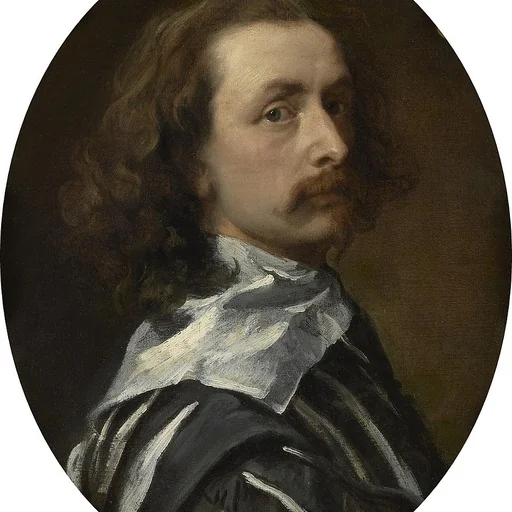
Sir Anthony van Dyck (; Dutch: Antoon van Dijck ; 22 March 1599 – 9 December 1641) was a Flemish Baroque artist, who became the leading court painter in England after success in the Spanish Netherlands and Italy.