Artwork
The Cardinal-Infante Ferdinand of Austria
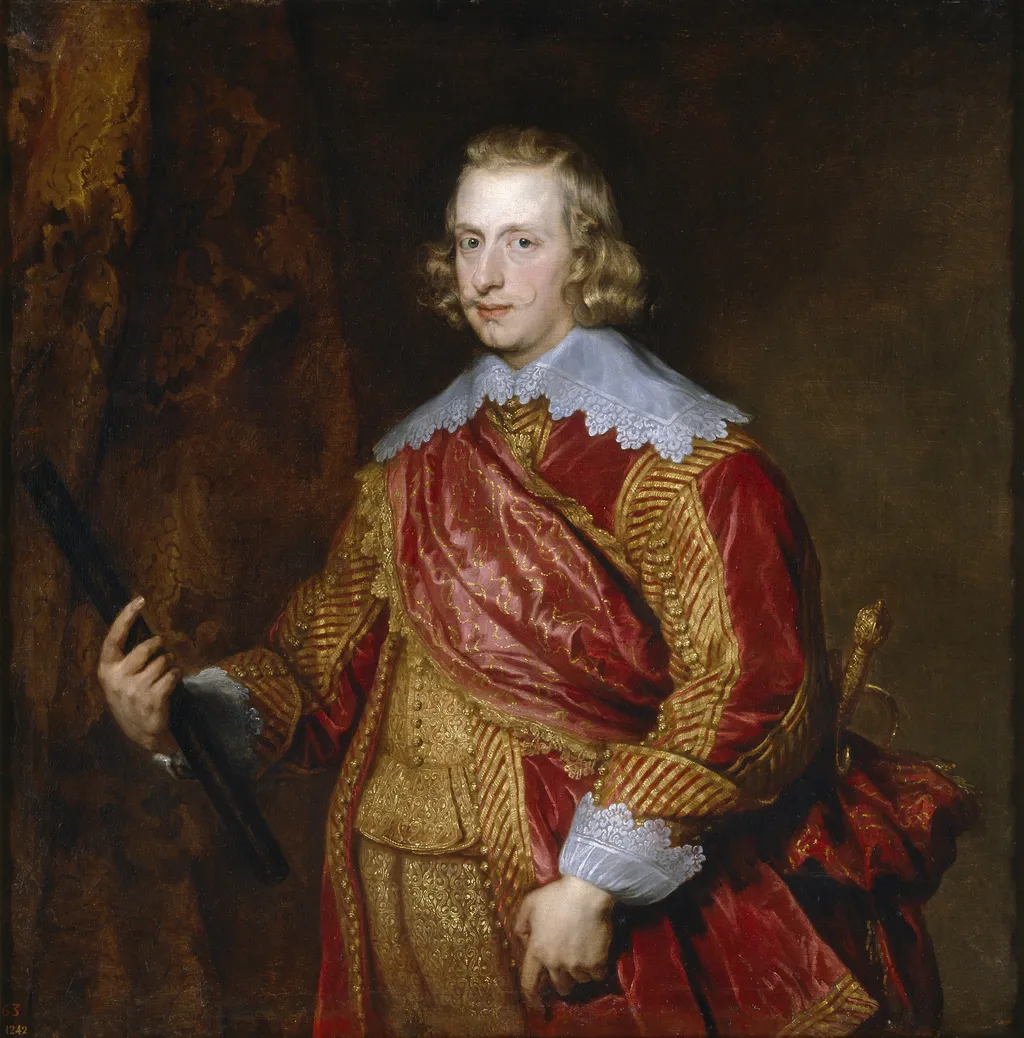
The Cardinal-Infante Ferdinand of Austria is an oil painting by the Flemish Baroque painting artist Anthony van Dyck. It dates from 1634 and is held in the collection of the Museo del Prado.
About this work
Overview
Anthony van Dyck’s 1634 oil portrait presents the Cardinal‑Infante Ferdinand of Austria in a formal pose. The figure stands before a dark, neutral backdrop, his attire rendered in sumptuous red and gold with white lace trim. The composition emphasizes the sitter’s status through fine detail and a restrained yet authoritative presence, characteristic of van Dyck’s court portraiture.
Subject & Meaning
Ferdinand, a younger son of King Philip III of Spain, held both ecclesiastical and military titles, reflected in the portrait by his cardinal’s robes and the sword he grasps. The juxtaposition of religious insignia and martial symbol underscores his dual role as a spiritual leader and a commander, conveying the political and dynastic expectations placed upon him.
Technique & Style
Van Dyck employs chiaroscuro, allowing the illuminated fabrics and the sitter’s face to emerge from a deep, featureless background. The painter’s handling of texture—visible in the sheen of silk, the softness of lace, and the metallic glint of embroidery—demonstrates his mastery of oil medium and his Flemish Baroque sensibility for surface richness combined with compositional clarity.
History & Provenance
After its creation, the portrait entered the Spanish royal collection and eventually became part of the Museo del Prado’s holdings, where it remains on display. Its provenance reflects the close ties between the Spanish court and van Dyck, who served as a court painter for the Habsburgs before moving to England.
Context
The work belongs to a period when van Dyck was consolidating his reputation in the Spanish Netherlands, drawing on his apprenticeship with Peter Paul Rubens while developing a more intimate, psychologically nuanced approach to portraiture. This painting exemplifies the diplomatic function of portraiture in the early 17th century, used to affirm loyalty and status across European monarchies.
Own this work as a print
Artist & collection
Artist
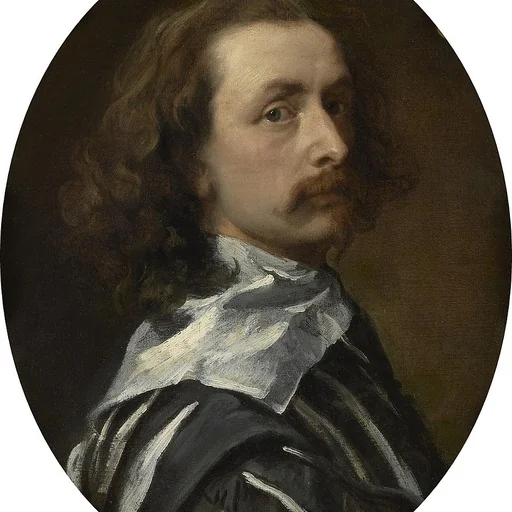
Sir Anthony van Dyck (; Dutch: Antoon van Dijck ; 22 March 1599 – 9 December 1641) was a Flemish Baroque artist, who became the leading court painter in England after success in the Spanish Netherlands and Italy.

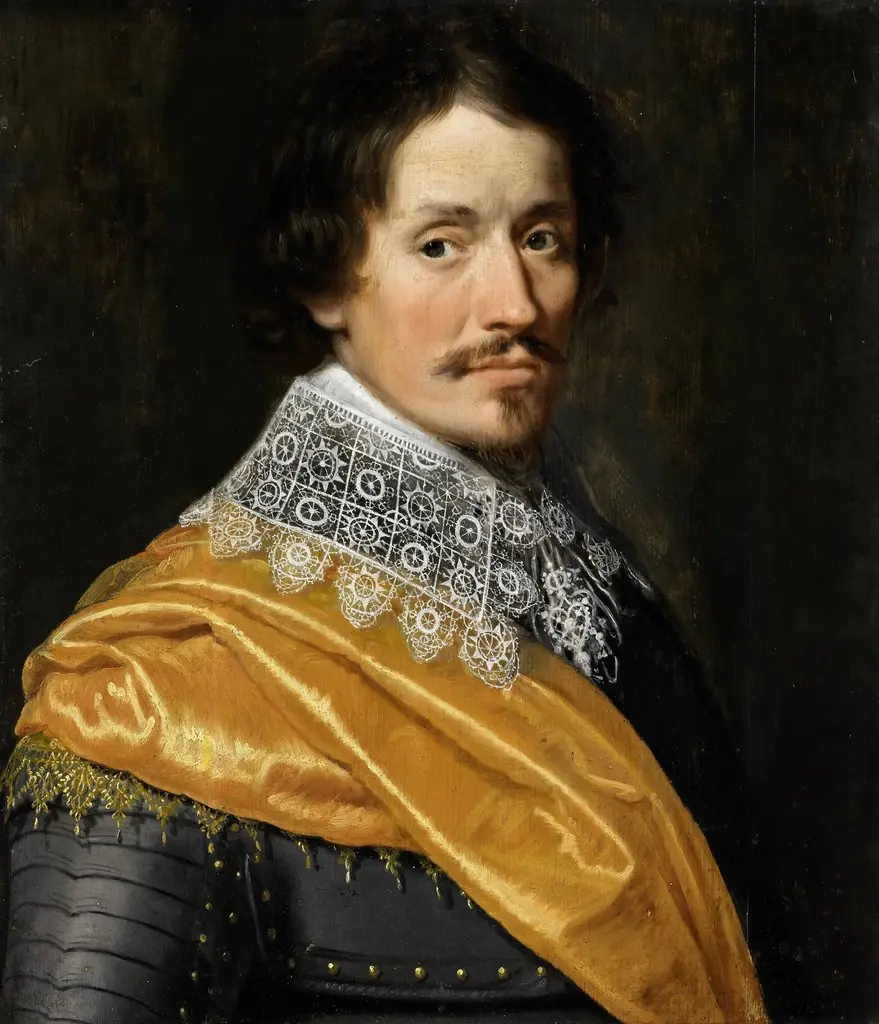 Portrait of an officer
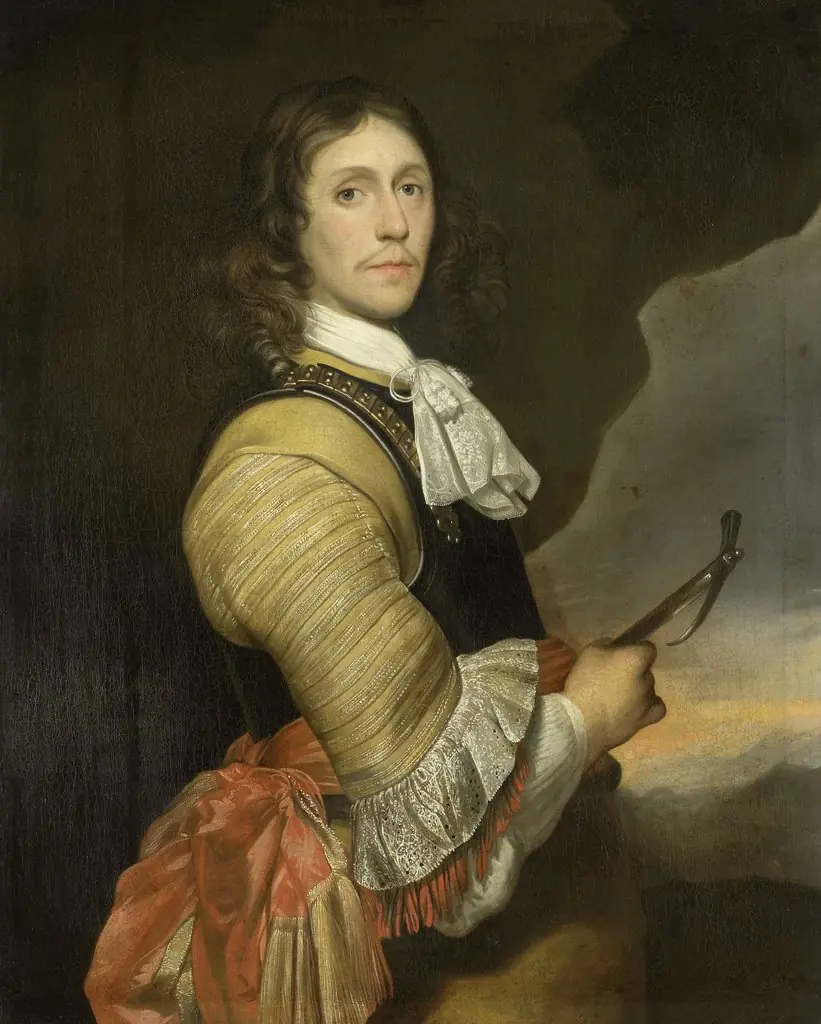 Portrait of an officer
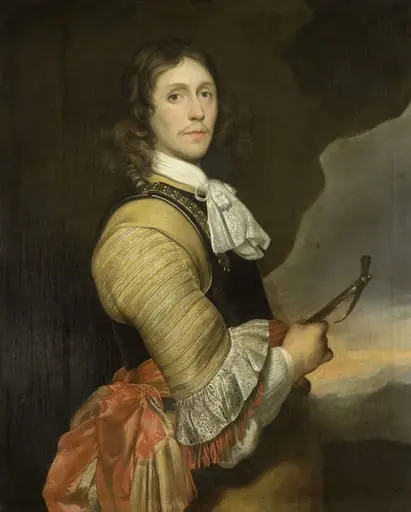 Portrait of a Captain
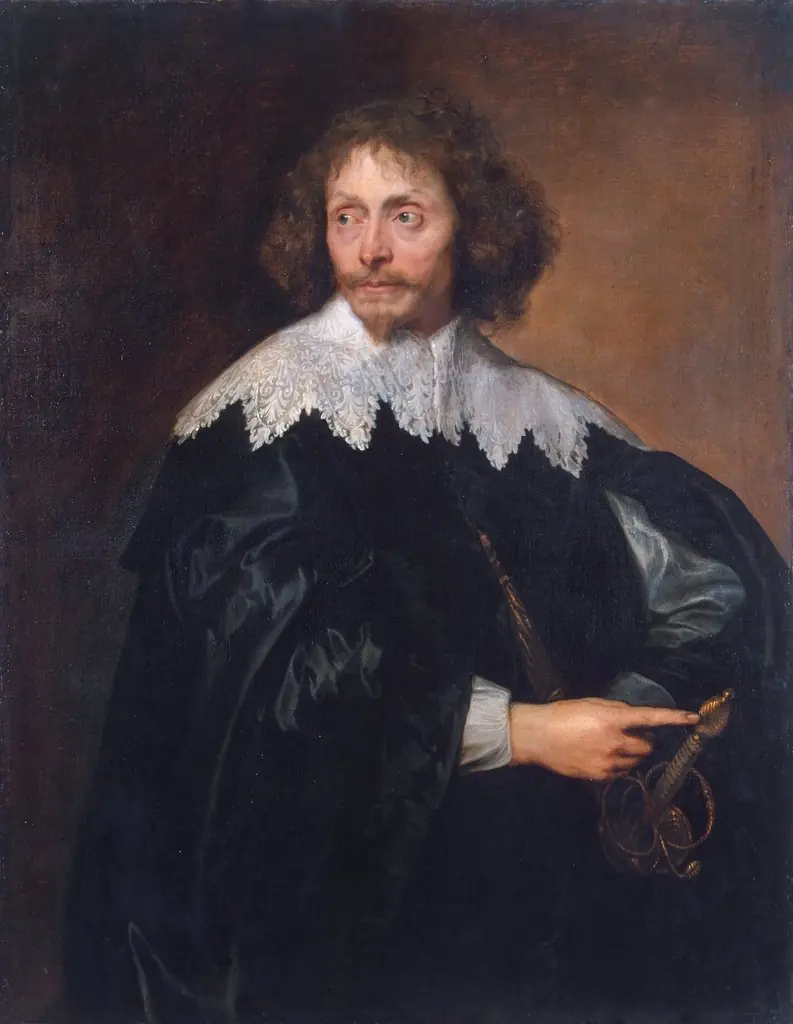 Portrait of Sir Thomas Chaloner
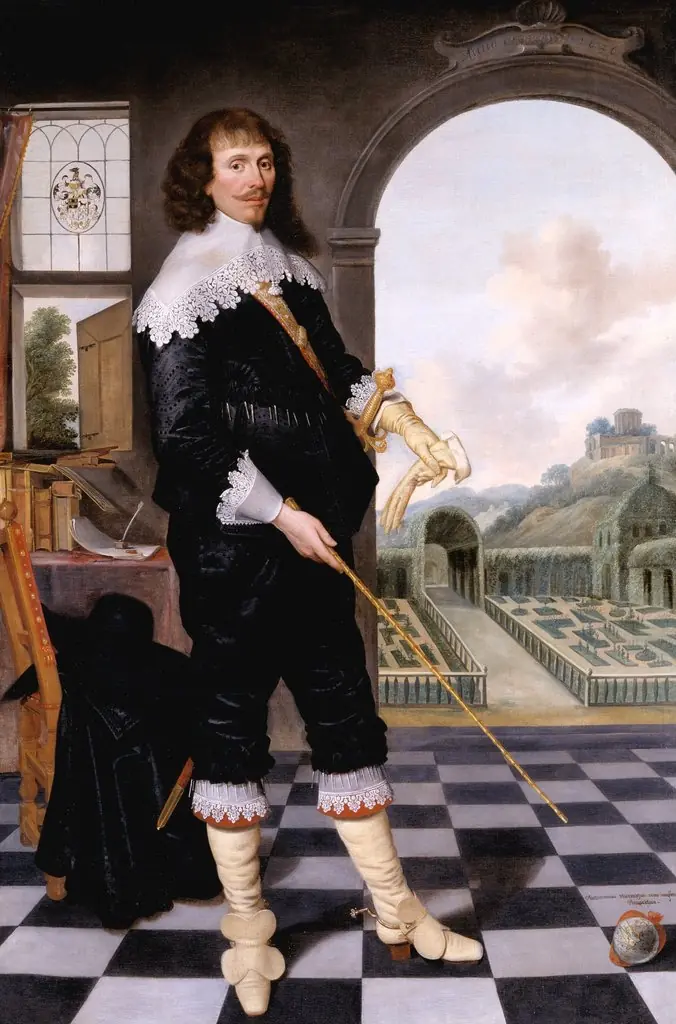 William Style of Langley
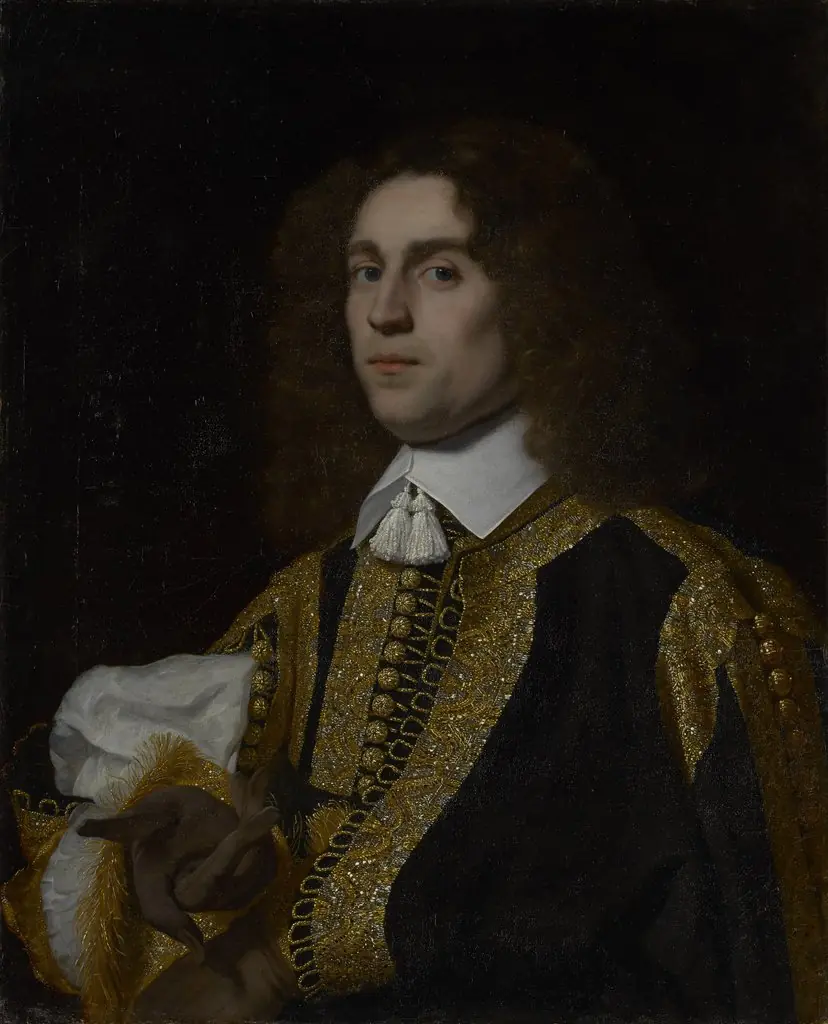 Portrait of a Young Man in Military Costume
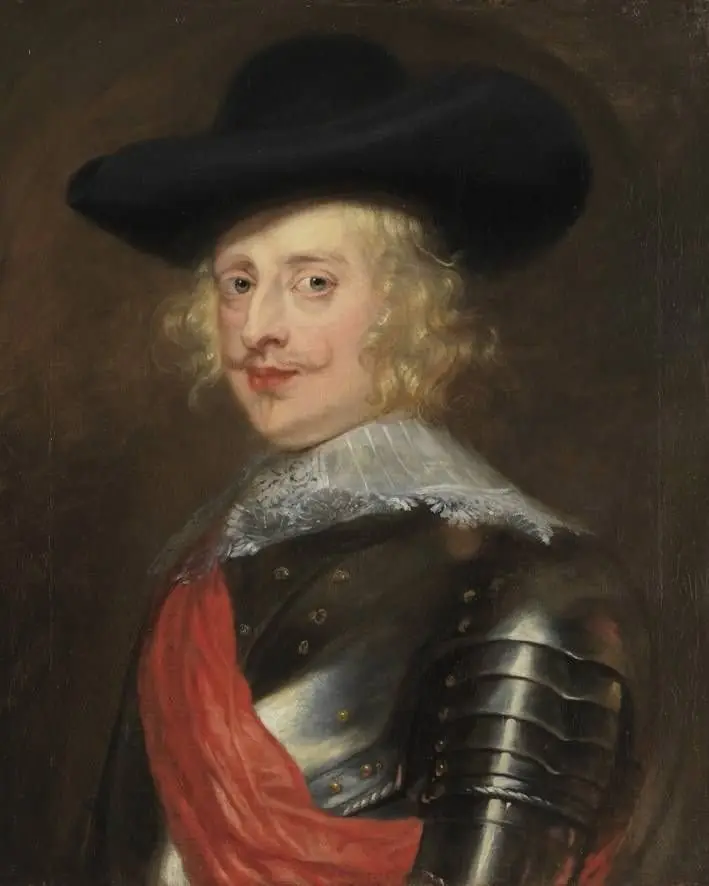 Erzherzog Ferdinand, Kardinal-Infant von Spanien (Kopie nach)
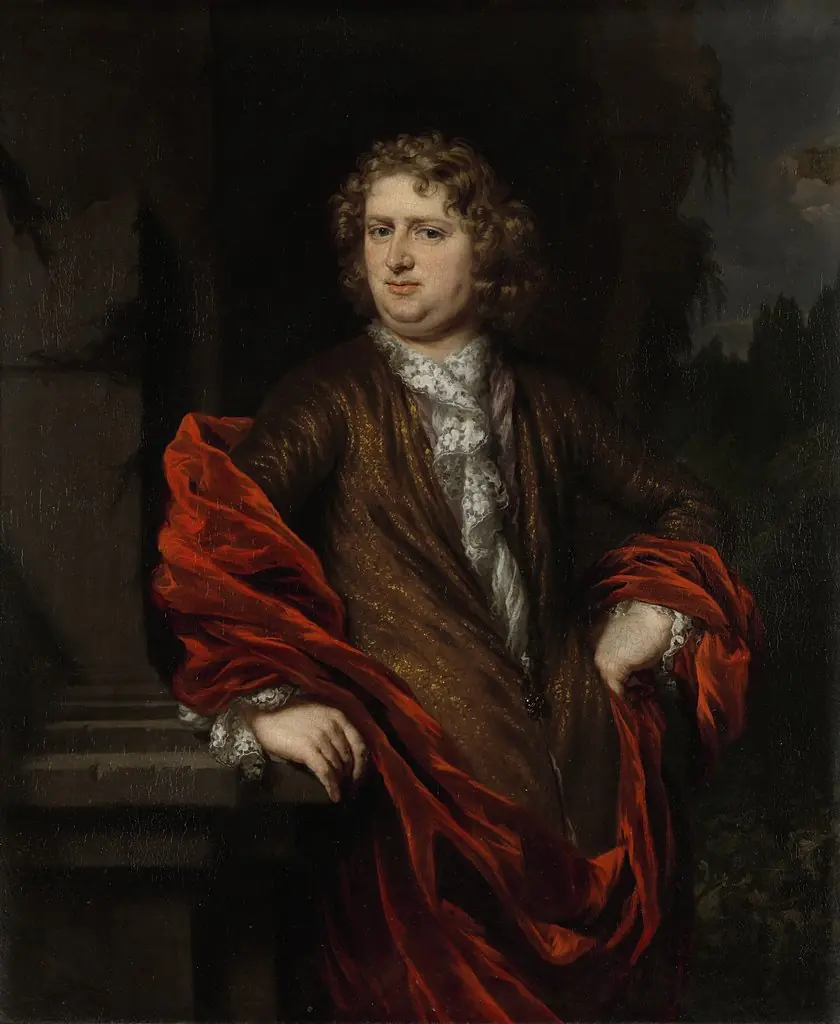 Portrait of Pieter Groenendijk
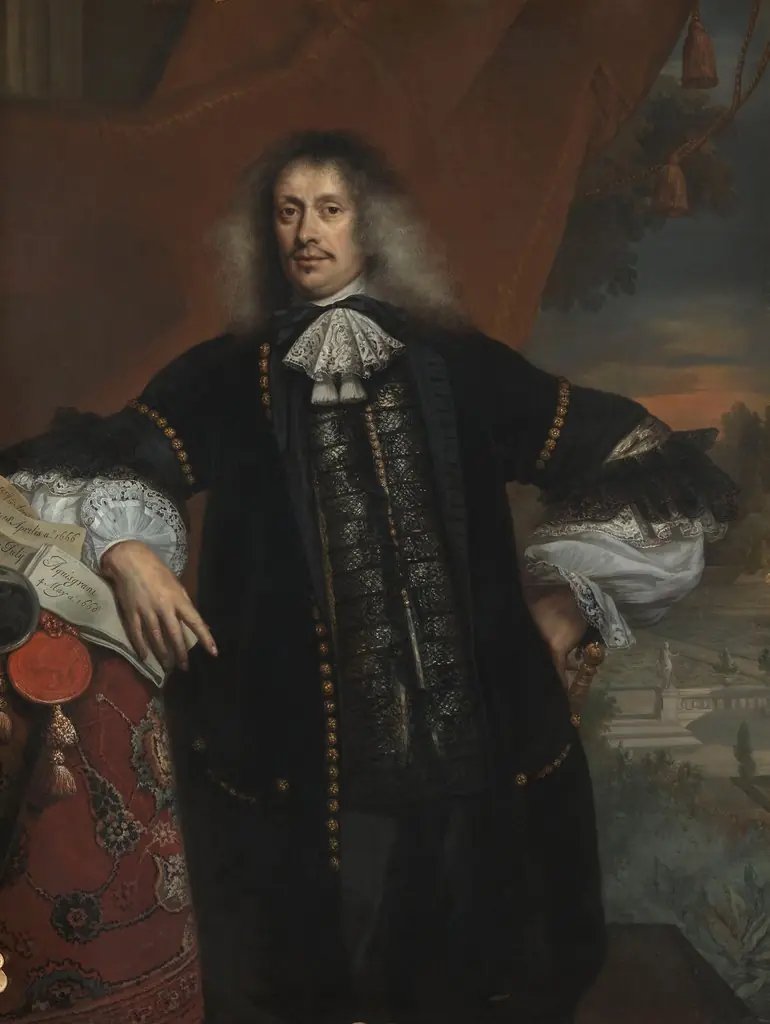 Hieronymus van Beverningk
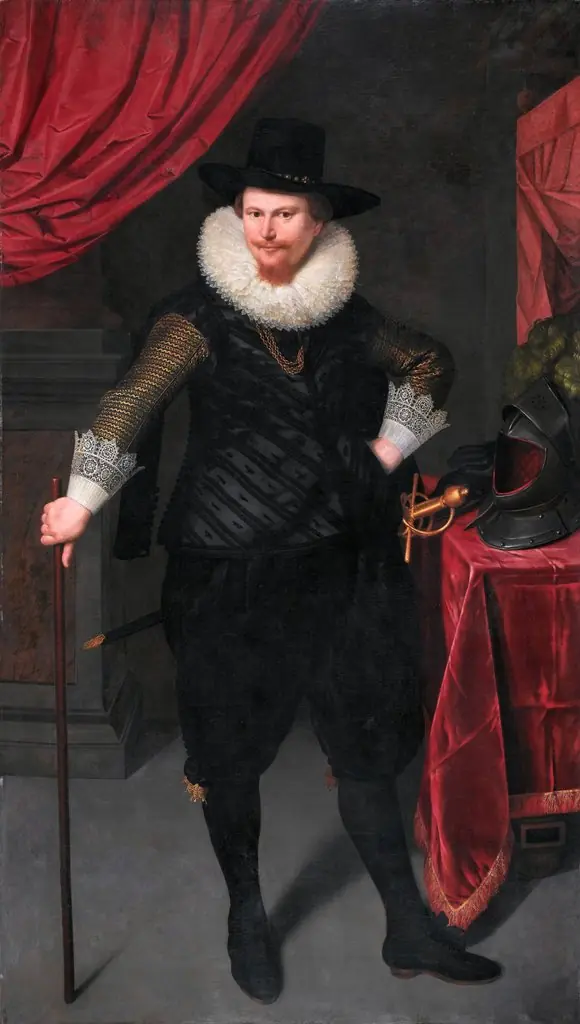 Portrait of Laurens Reael