Artwork
Portrait of a Man
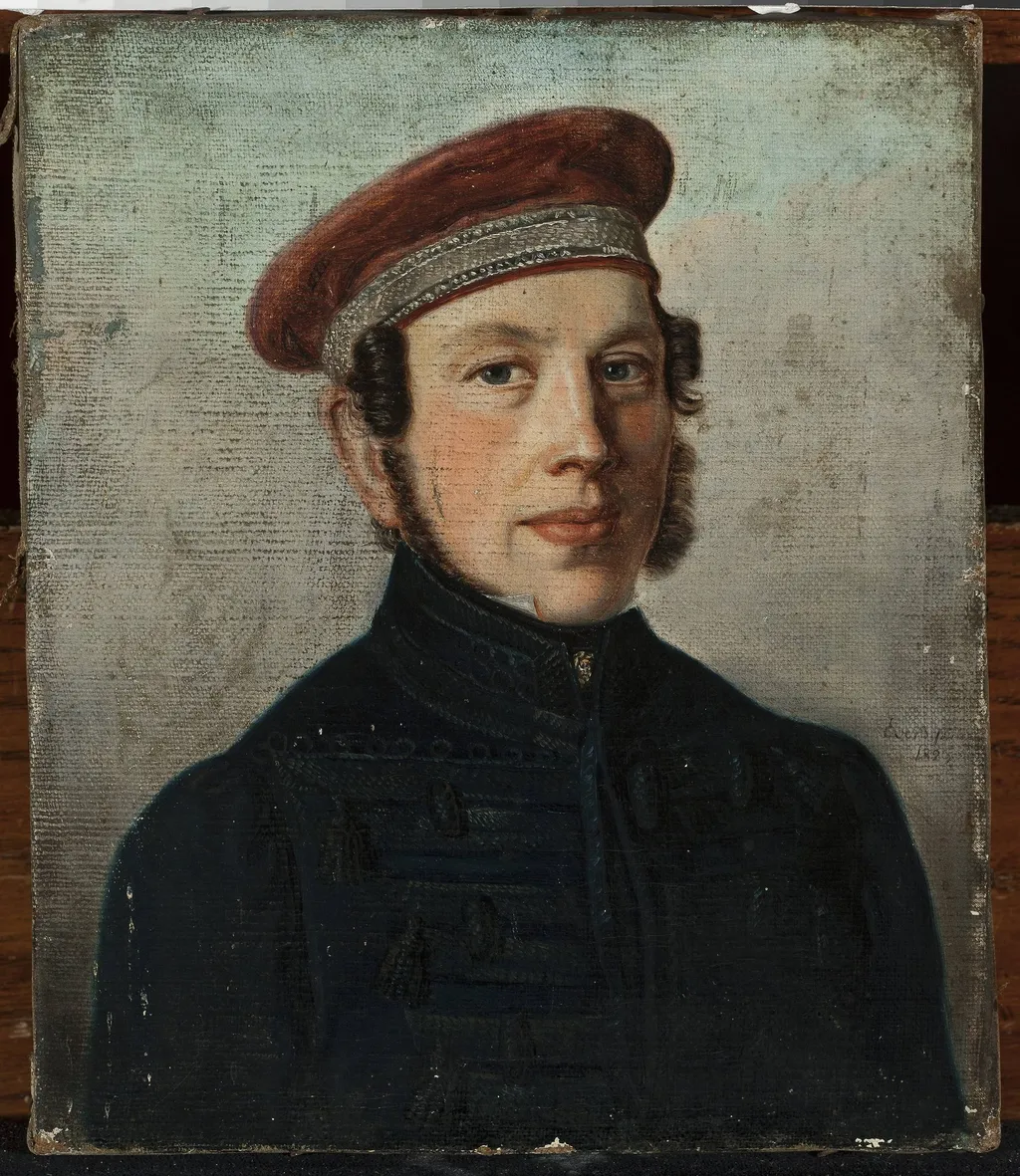
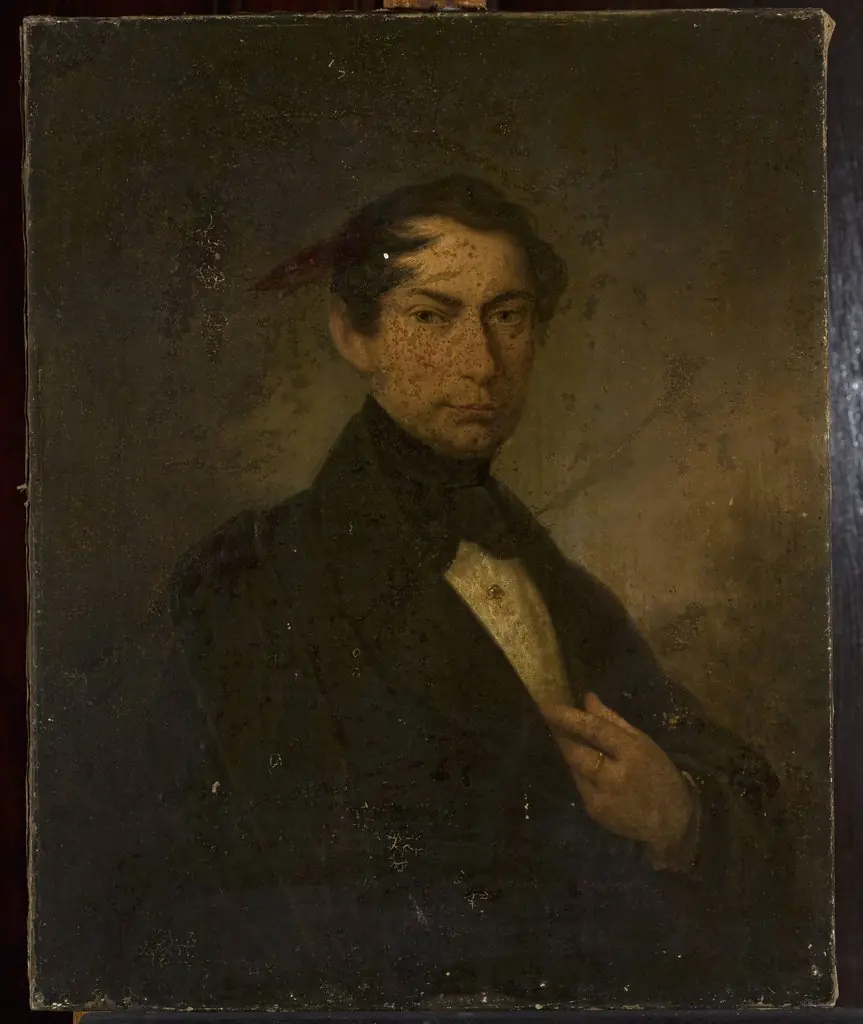
Portrait of a Man is an oil painting by Anton Clemens Albrecht Evers. It dates from 1829 and is held in the collection of the National Museum in Warsaw. Painted in 1829, this oil portrait depicts a man seated from the chest upward.
About this work
Overview
Painted in 1829, this oil portrait depicts a man seated from the chest upward. The work is attributed to Anton Clemens Albrecht Evers, a German artist active in the early 19th century. It resides in the collection of the National Museum in Warsaw, where it is preserved as part of a broader effort to document regional portraiture of the period.
Subject & Meaning
The subject is a man rendered with quiet composure, his gaze direct but unemotional. His attire—a dark jacket and a red cap edged with silver—suggests modest social standing, possibly urban or professional. No symbolic objects or contextual clues are present, indicating the portrait's primary function was to record appearance rather than convey status or narrative.
Technique & Style
Evers employed oil paint with restrained brushwork to achieve a lifelike texture in the skin and fabric. The light background isolates the figure, emphasizing facial detail and the subtle play of shadow across the jacket and cap. The rendering avoids theatricality, favoring a calm, observational realism typical of early 19th-century German portraiture.
History & Provenance
The painting entered the National Museum in Warsaw’s collection in the 19th century, though its exact acquisition path remains undocumented. Its presence in Poland may reflect the movement of artworks across Central European collections during the partitions of Poland, or the museum’s early efforts to gather regional portraiture.
Context
Created during a period when portraiture was increasingly accessible beyond aristocratic patrons, this work reflects the growing middle-class interest in personal representation. Evers, though not widely known, operated within a network of regional artists who documented local figures with quiet precision, away from the grand styles of academic painting.
Legacy
The portrait stands as a modest example of early 19th-century observational portraiture. While Evers’s broader oeuvre is limited in surviving records, this work contributes to the understanding of non-elite representation in Central Europe. It remains a quiet testament to the era’s emphasis on individual presence over grandeur.
Artist & collection
Artist
Anton Clemens Albrecht Evers (1802–1848) was an artist, born in Hanover.

 Προσωπογραφία του Δημητρίου Υψηλάντη
 Portrait of a man
 Portrait of Benedykt Gomóliński
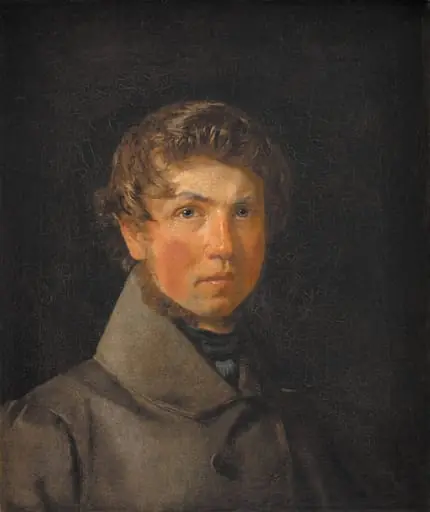 Self-Portrait
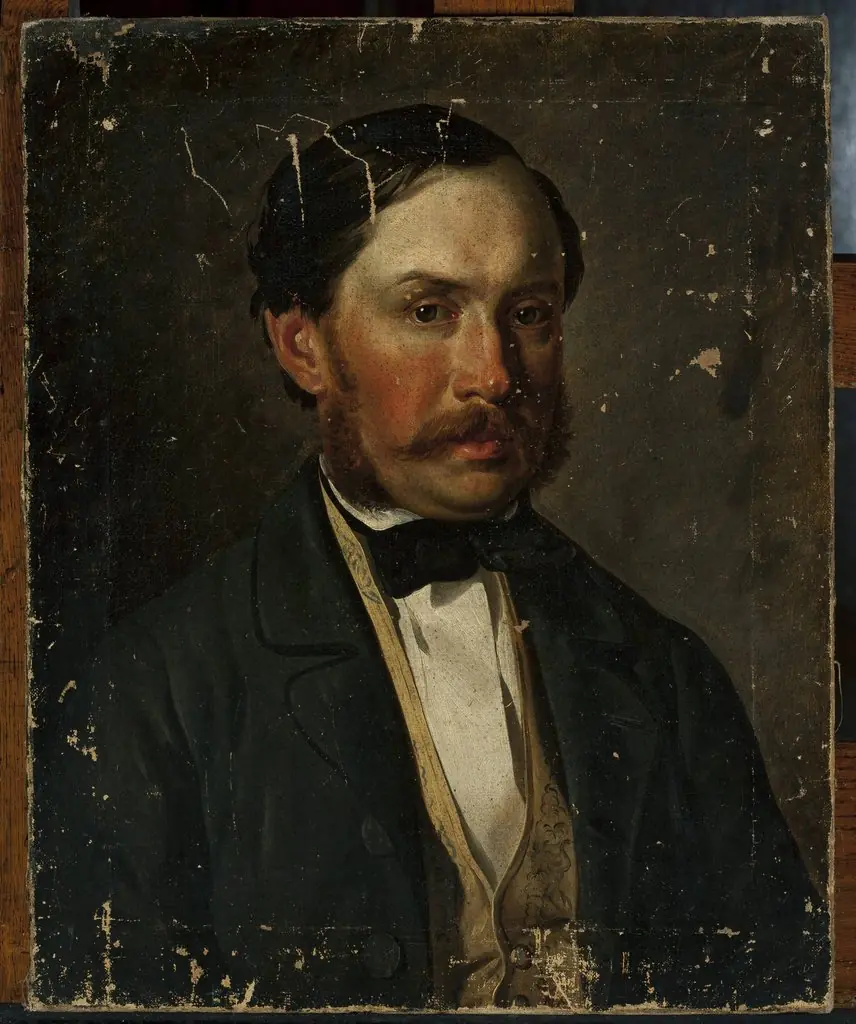 Portrait of Aleksander Odrowąż Bębnowski
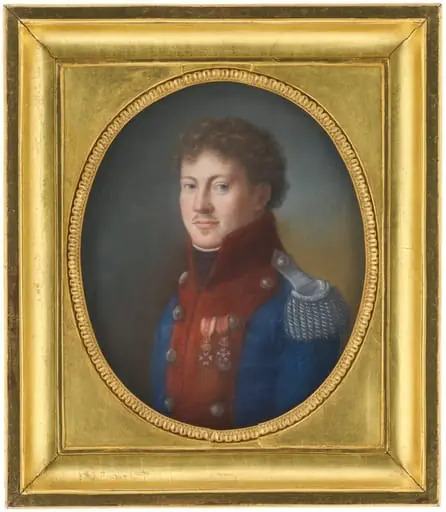 Rittmeister Heinrich Bauer
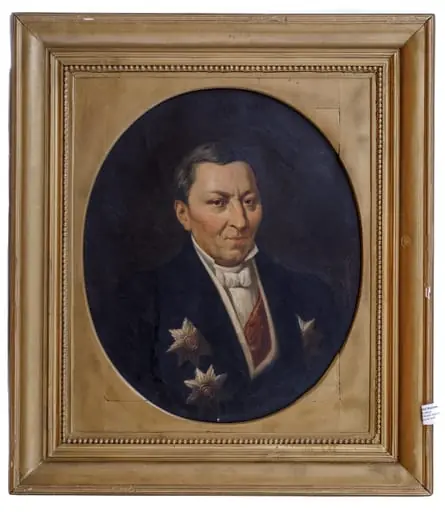 Generalul Mavros Nicolae
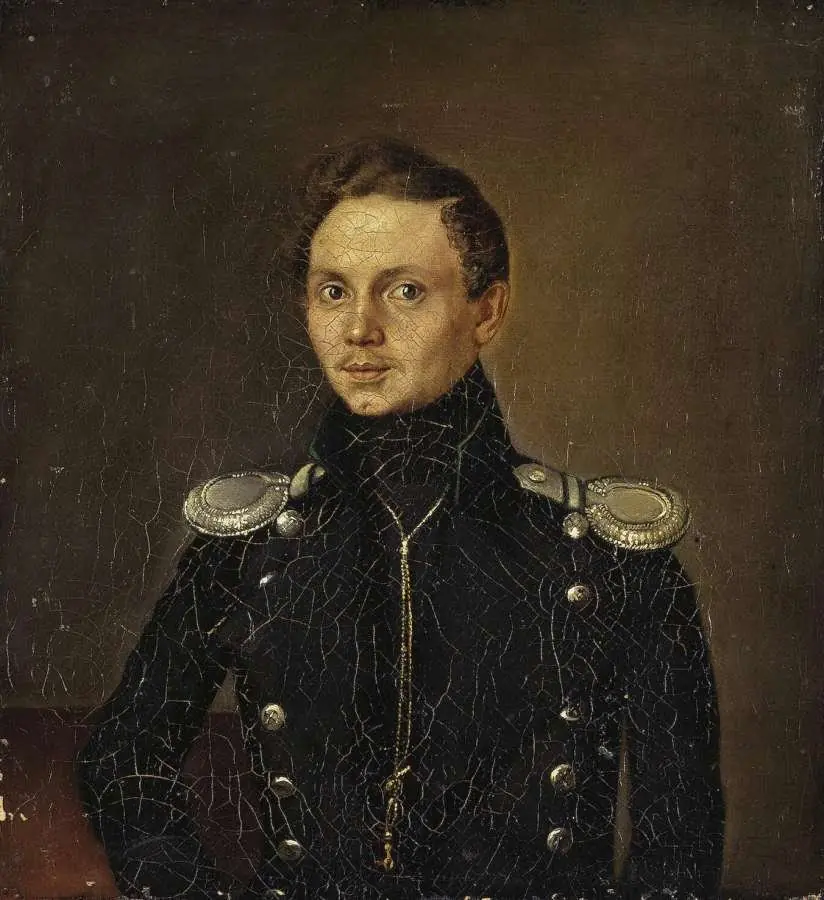 Portrait of Mikhail Lermontov
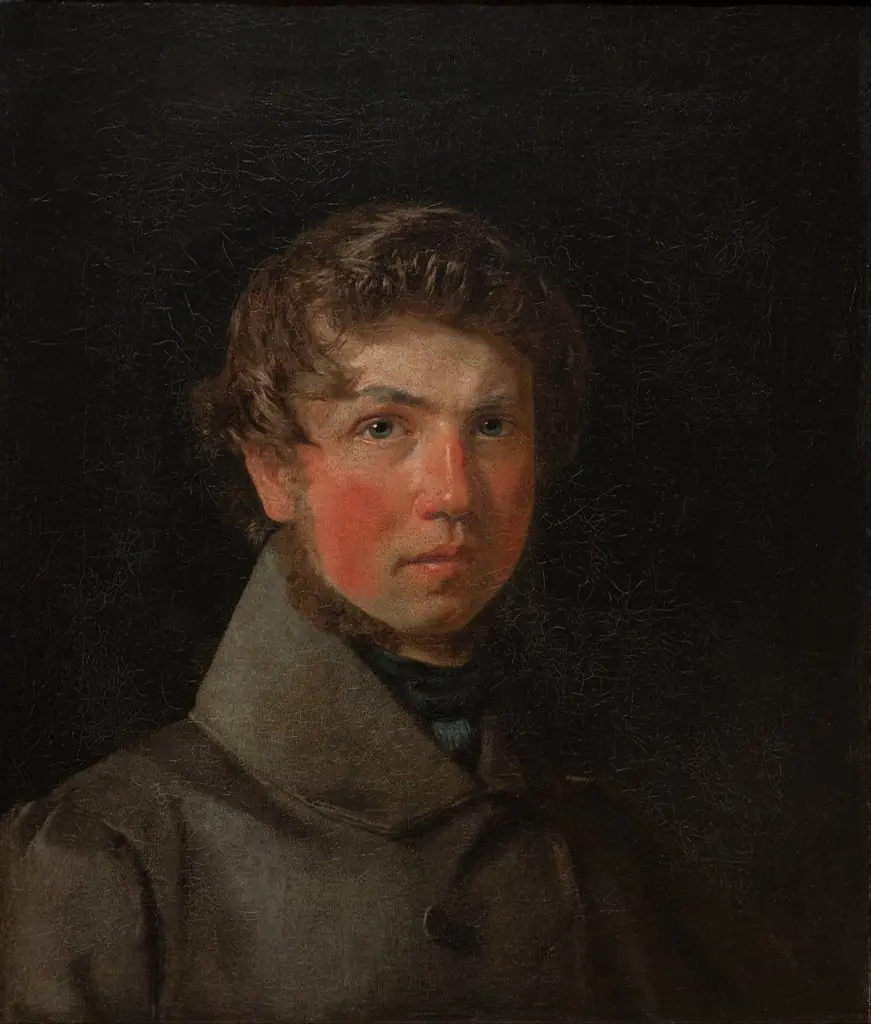 Self-Portrait
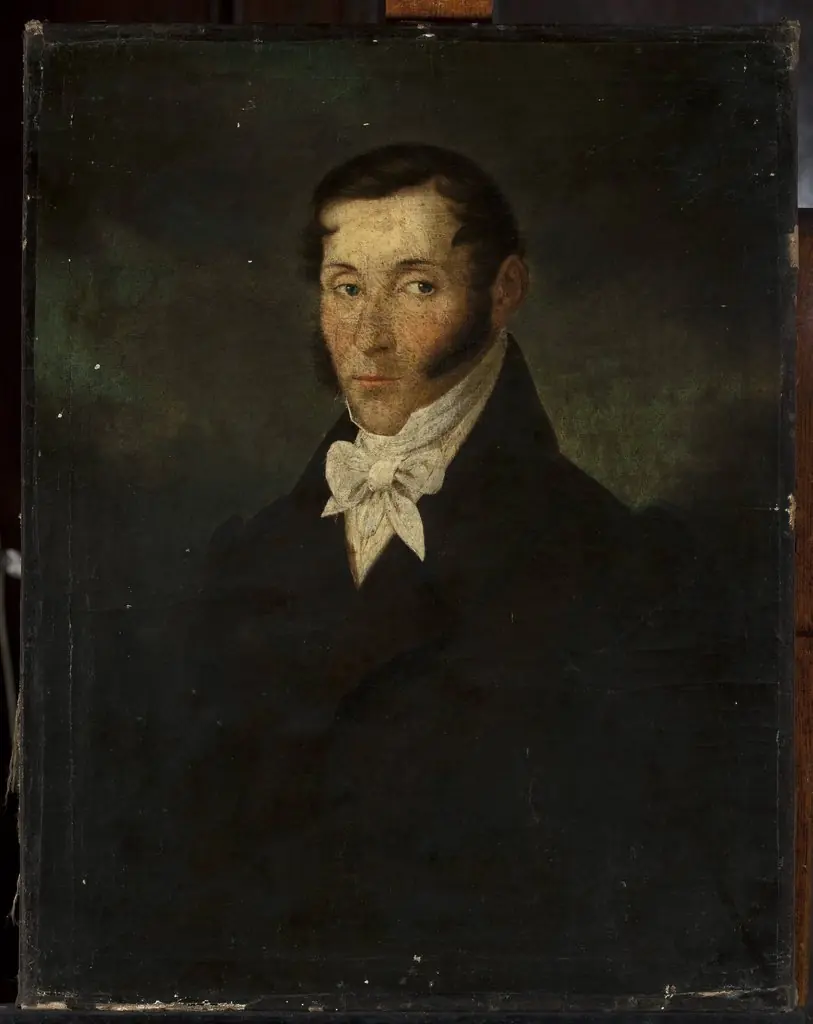 Portrait of Antoni Olechowski
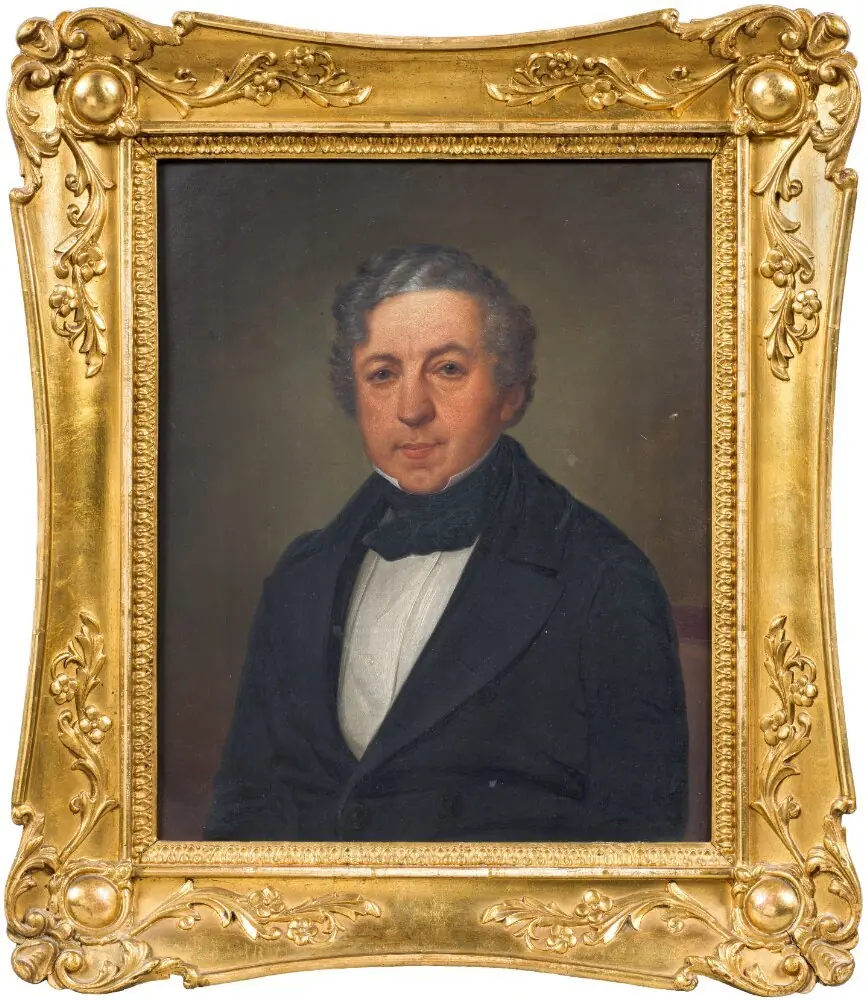 Julius Geber (1816-1876), wholesale dealer, banker, married to Hilda Philipson
 Portrait of Koronat Cyrański