Artwork
Generalul Mavros Nicolae
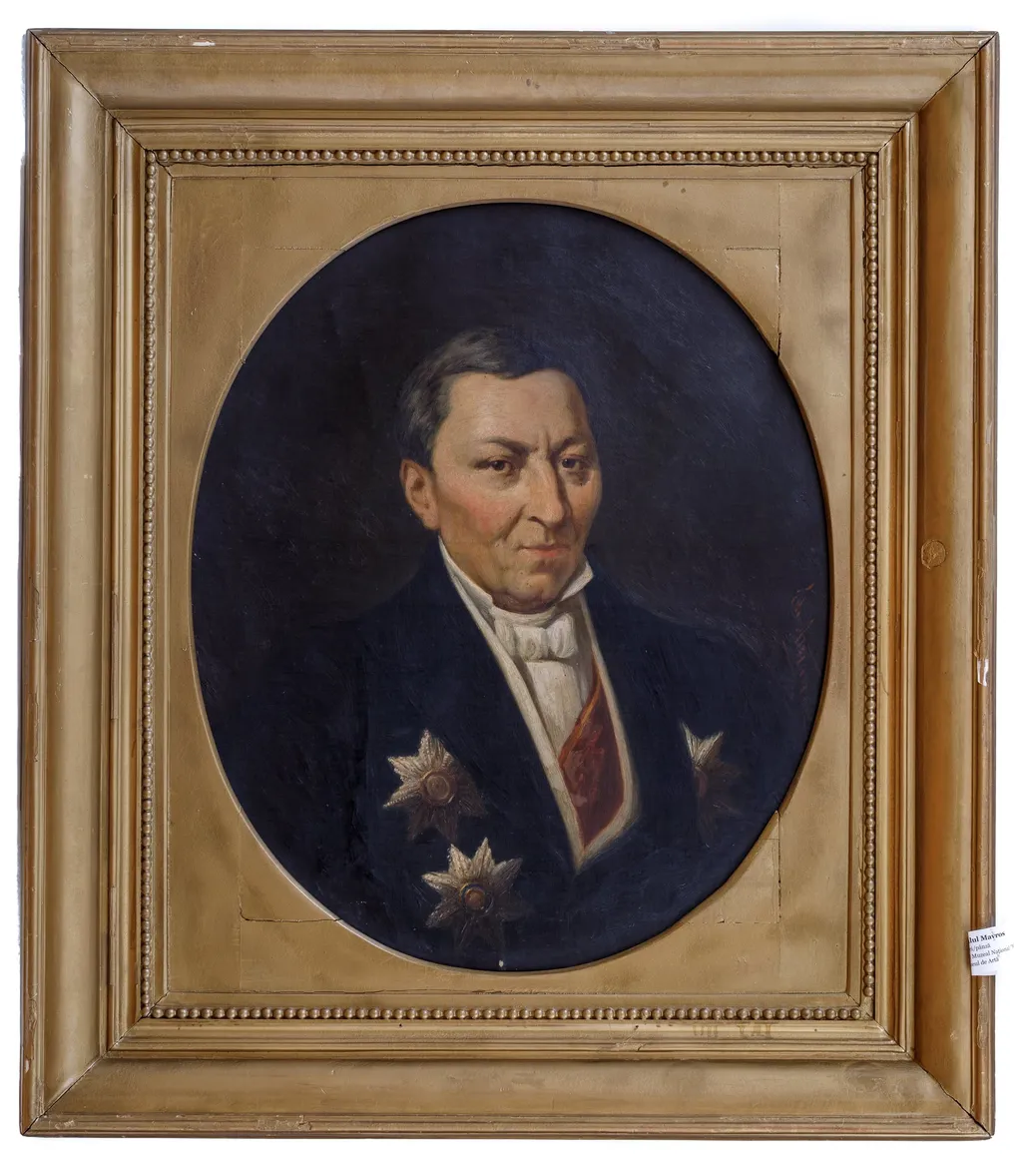
Generalul Mavros Nicolae is an unspecified painting by Theodor Aman. It dates from 1850 and is held in the collection of the Moldova National Museum Complex.
About this work
Overview
Painted around 1850 by Theodor Aman, this portrait depicts General Mavros Nicolae, a Romanian military figure of the mid-19th century.
Painted around 1850 by Theodor Aman, this portrait depicts General Mavros Nicolae, a Romanian military figure of the mid-19th century. The composition is restrained, focusing tightly on the sitter within a dark oval frame. The background is a uniform deep blue, eliminating distractions and directing attention to the figure’s posture and attire. The lighting is subtle but deliberate, enhancing the texture of fabric and the clarity of facial expression.
Subject & Meaning
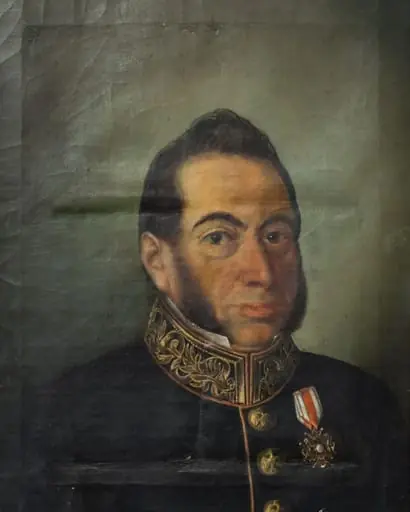
General Mavros Nicolae is portrayed in formal military dress, signifying his rank and public role. The black coat, white cravat, and red sash with a small medal reflect official uniformity, likely tied to state service during a period of national consolidation. His serious expression, slightly furrowed brow, and direct gaze convey authority and solemnity, aligning with the era’s expectations of military leadership and civic duty.
Technique & Style
Aman employs a controlled palette of dark tones punctuated by the red sash and white cravat. The brushwork is precise, particularly in rendering the folds of fabric and the sheen of metal on the medal. Light falls softly across the face and chest, modeling form without dramatic contrast. The background’s uniformity and the oval framing suggest influence from earlier European portraiture traditions, adapted to a Romanian context with restrained elegance.
History & Provenance
The painting was created during Aman’s early career, shortly after his return from studies in Paris. It likely served as a commissioned portrait for a notable figure in the emerging Romanian state. The work remained within Romanian collections, eventually entering the National Museum of Art of Romania. Its preservation reflects its status as an early example of national portraiture in the post-Ottoman era.
Context
In the 1850s, Romania was undergoing political and cultural transformation under foreign influence and internal reform. Portraits like this one helped construct a visual identity for the new national elite. Aman, trained in Western academies, merged European techniques with local subjects, contributing to a distinct Romanian artistic language that balanced tradition and modernity during a period of state formation.
Legacy
This portrait stands as one of Aman’s early contributions to Romanian visual culture. It exemplifies the transition from imported styles to a homegrown artistic voice. While not widely reproduced, it remains a reference point in studies of 19th-century Romanian portraiture, illustrating how military figures were visually codified during the nation’s formative years.
Artist & collection
Artist
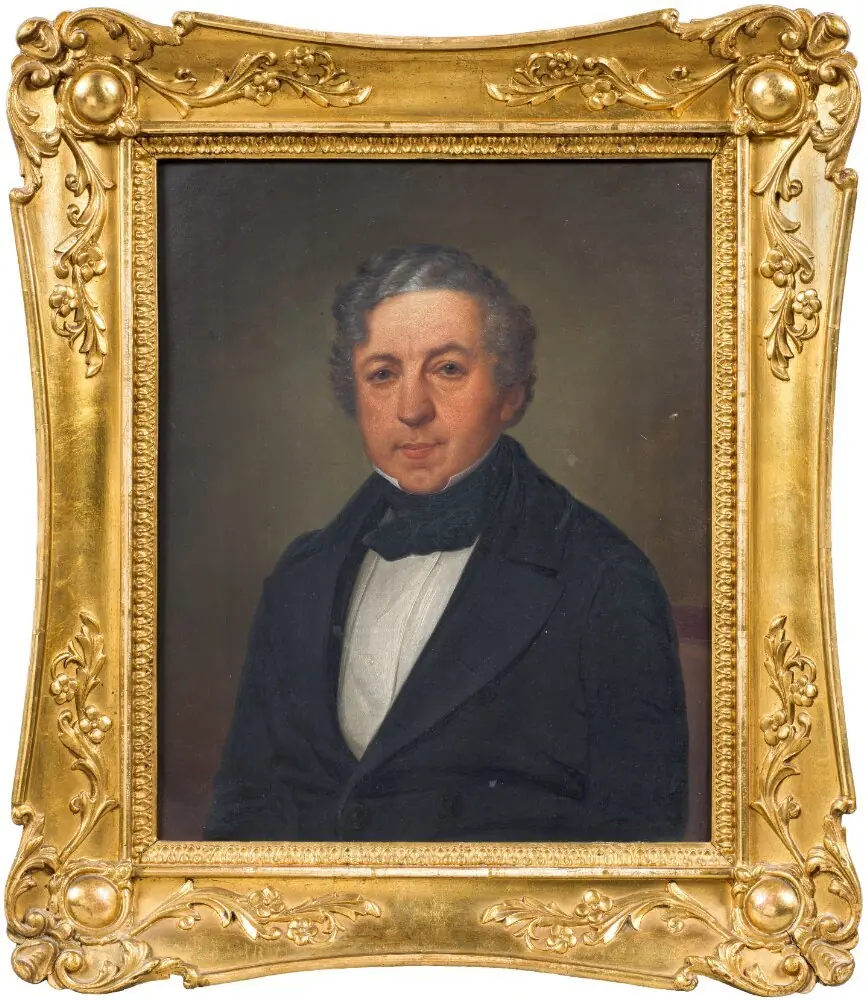 Julius Geber (1816-1876), wholesale dealer, banker, married to Hilda Philipson
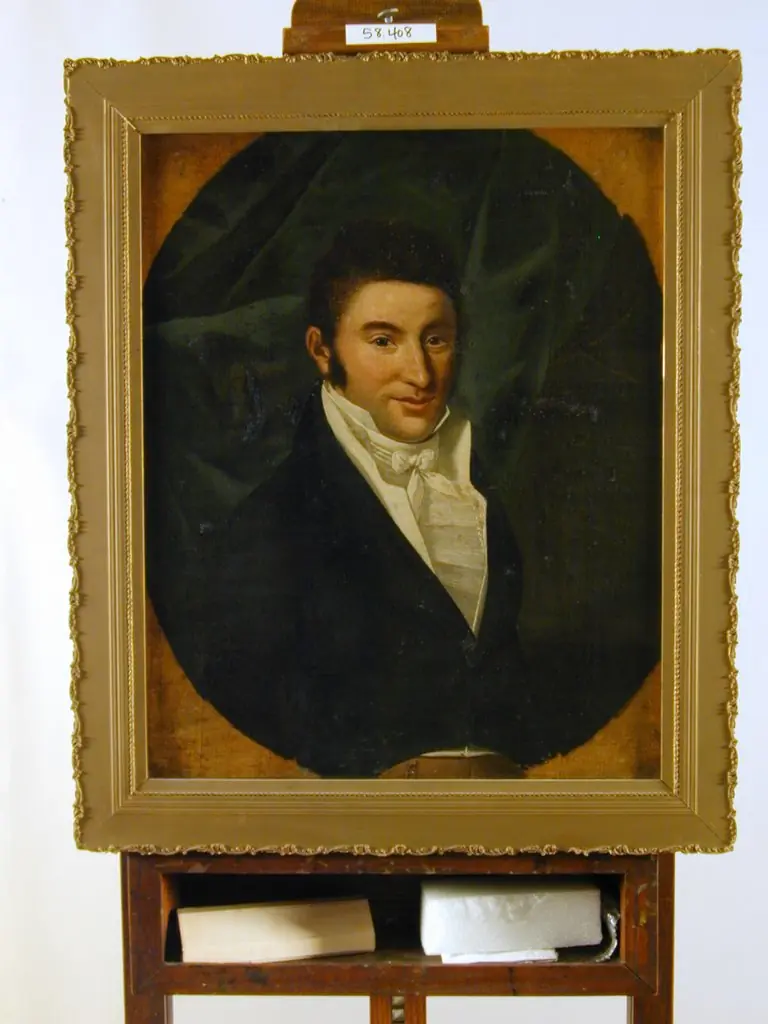 Pieter Onderwater
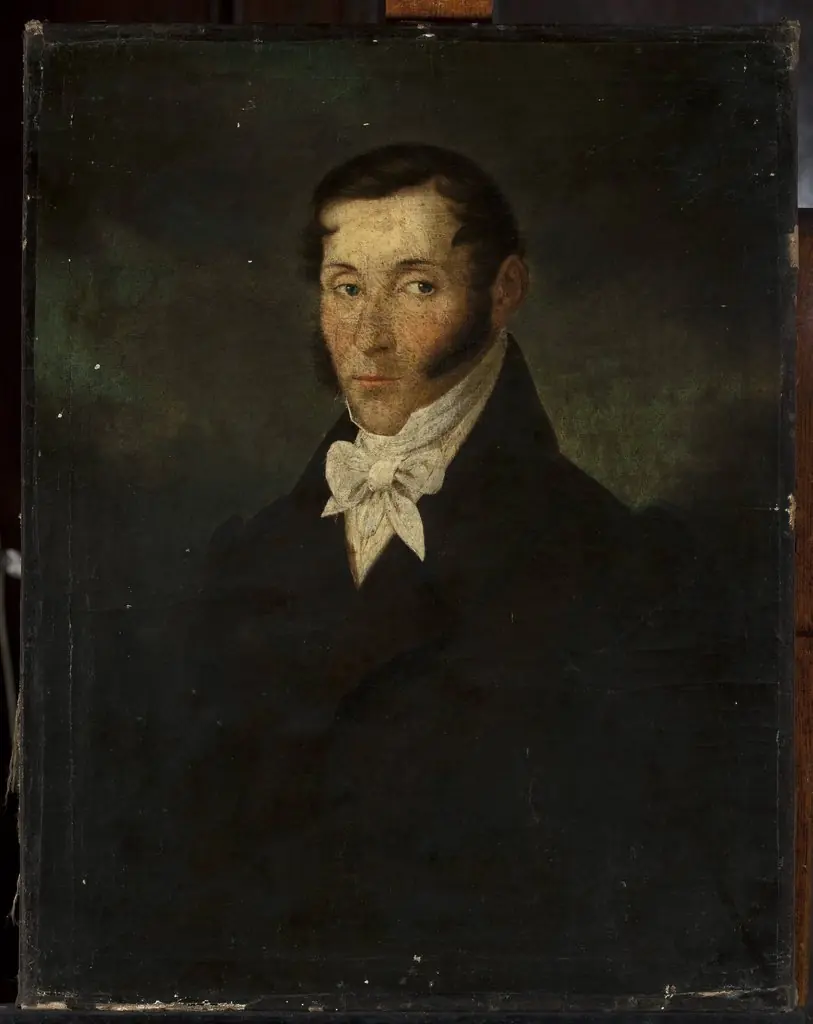 Portrait of Antoni Olechowski
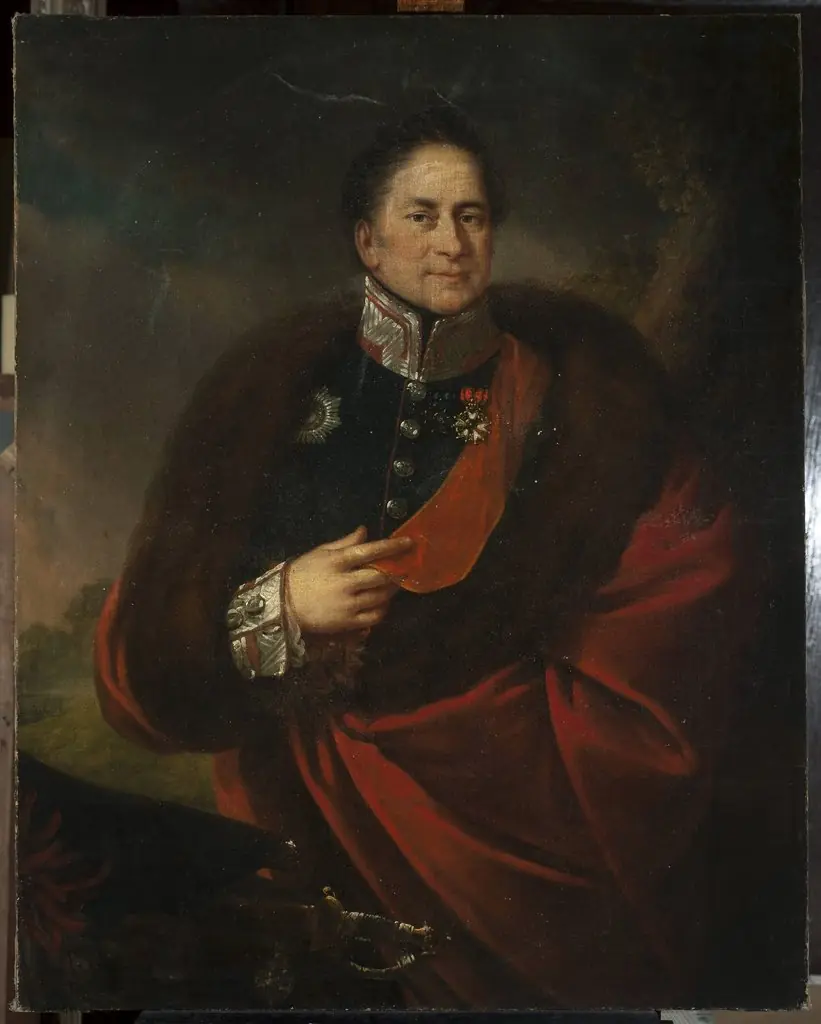 Portrait of general Stanisław Aleksander Małachowski (1770–1849)
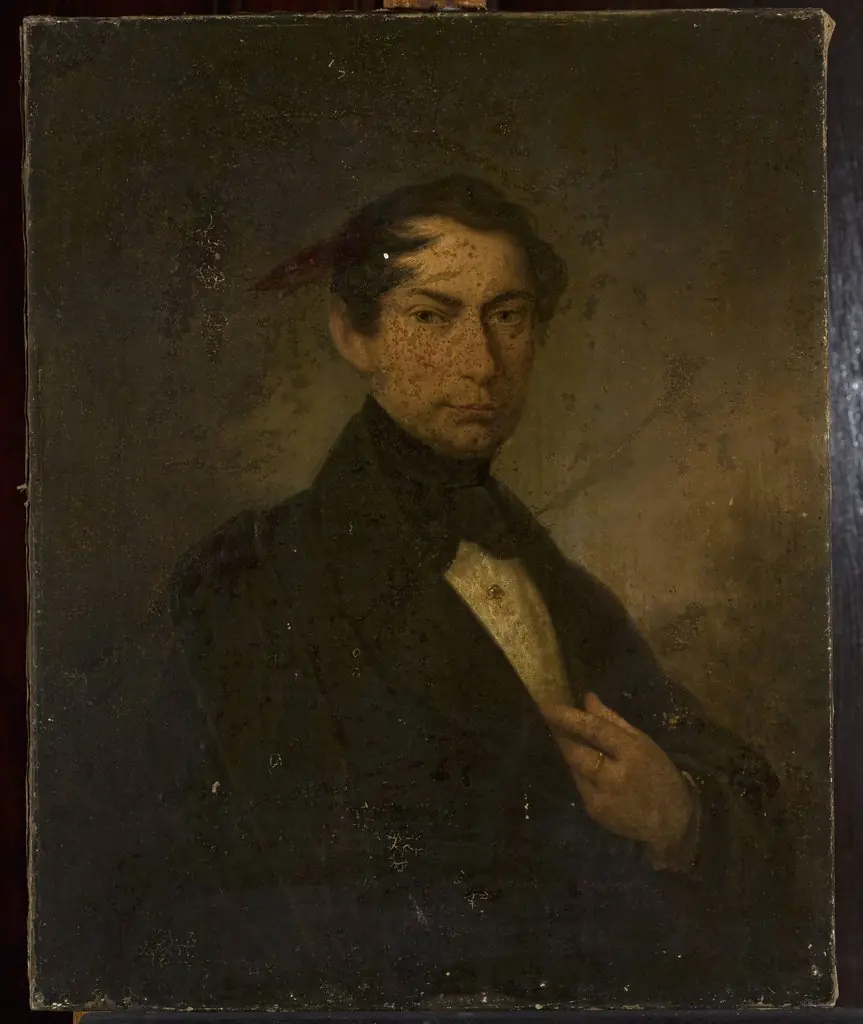 Portrait of Koronat Cyrański
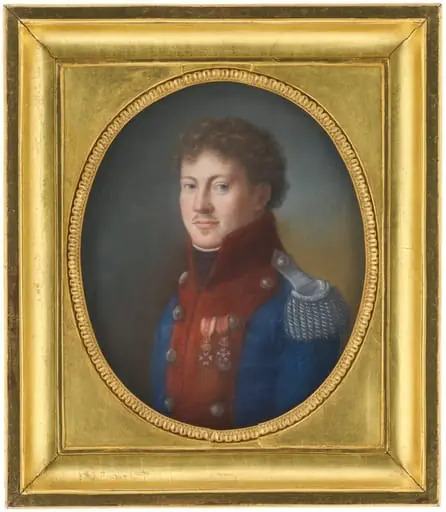 Rittmeister Heinrich Bauer
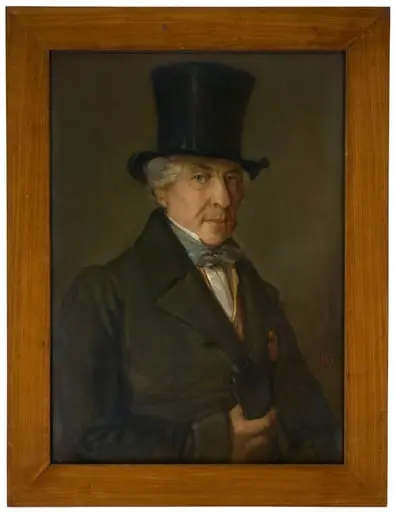 Brustbild von Nikolaus Dold
 Portrait of a man in a coat
 William Sidney Mount
 Portrait of a Man
 Portret (de) militar
 Germain du Cruet, Sr de Barailhon