Artwork
Self-portrait of Anton Graff (1736-1813)
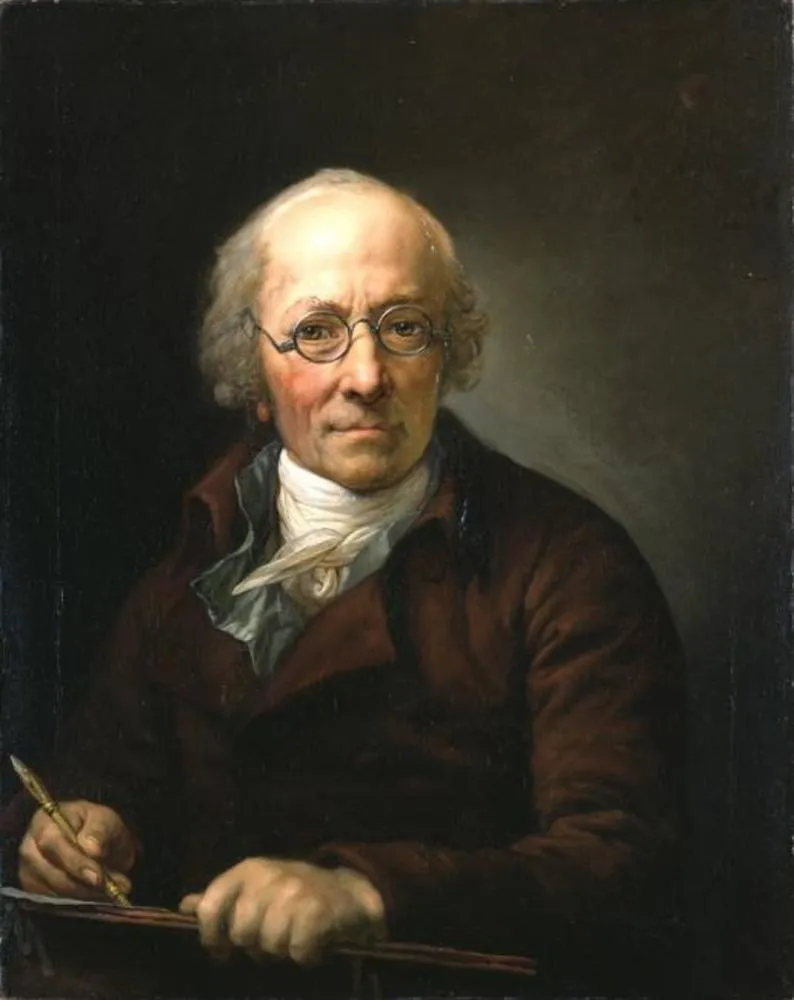
Self-portrait of Anton Graff (1736-1813) is an oil painting by the Rococo painting artist Anton Graff. It dates from 1805 and is held in the collection of the Staatliche Kunstsammlungen Dresden.
About this work
The painting shows an elderly man with white hair and glasses, wearing a dark jacket and white scarf.
The painting shows an elderly man with white hair and glasses, wearing a dark jacket and white scarf. He is holding a pen in his right hand and appears to be writing or drawing. The background is dark, which makes the man stand out.
The man's face is serious, and his eyes seem to be focused on something in front of him. His hair is thinning, and his skin has wrinkles, giving him an aged appearance. The dark background creates a sense of depth and contrast, making the man's features more prominent.
This painting is a self-portrait of Anton Graff, created in 1805. To learn more about the artist's style and techniques, look up Anton Graff.
Overview
Anton Graff painted this self-portrait in 1805, near the end of his life, using oil on canvas. He was a Swiss artist known for his restrained, precise portraits of Enlightenment-era intellectuals and rulers. The work reflects his lifelong engagement with character study rather than ornamentation. It resides today in the Gemäldegalerie Alte Meister in Dresden, part of a broader collection of 18th-century German and Swiss portraiture.
Subject & Meaning
The painting presents Graff as an aging man, his thinning white hair and lined face conveying the passage of time. He holds a pen, suggesting his identity as a draftsman and observer. His focused gaze, directed just beyond the frame, implies quiet concentration rather than performative self-display. The absence of symbols or elaborate attire emphasizes intellectual labor over social status, aligning with Enlightenment ideals of quiet dignity.
Technique & Style
Graff employed a muted palette and smooth, controlled brushwork to render texture and form with subtle precision. The dark, unmodeled background isolates the figure, heightening the emphasis on facial expression and hand gesture. His rendering of skin, fabric, and glass lenses demonstrates a keen attention to light and materiality, characteristic of his transition from Rococo elegance toward a more sober, realist approach in later years.
History & Provenance
The painting remained in Graff’s possession until his death in 1813. It entered the collection of the Gemäldegalerie Alte Meister in Dresden in the 19th century, likely through acquisition from his estate or a direct donation by family. Its inclusion in the museum’s holdings reflects its significance as a personal document by one of the region’s most respected portraitists of the late 18th century.
Context
Graff worked during a period when portraiture shifted from aristocratic grandeur to psychological depth. His subjects included philosophers, scientists, and monarchs, and his style evolved from the decorative tendencies of Rococo toward a more direct, unembellished realism. This self-portrait aligns with broader cultural trends valuing introspection and intellectual identity over external display.
Legacy
Though less widely known today than contemporaries like David or Goya, Graff’s influence endured in German-speaking regions through his teaching and the clarity of his technique. This self-portrait stands as a quiet testament to his lifelong commitment to capturing character with restraint. It remains a key example of how portraiture could convey inner life without theatricality.
Artist & collection
Artist
Anton Graff (18 November 1736 – 22 June 1813) was a Swiss portrait artist. Among his famous subjects were Friedrich Schiller, Christoph Willibald Gluck, Heinrich von Kleist, Frederick the Great, Friederike Sophie…

 Daniel Chodowiecki
 Portrait of a Man
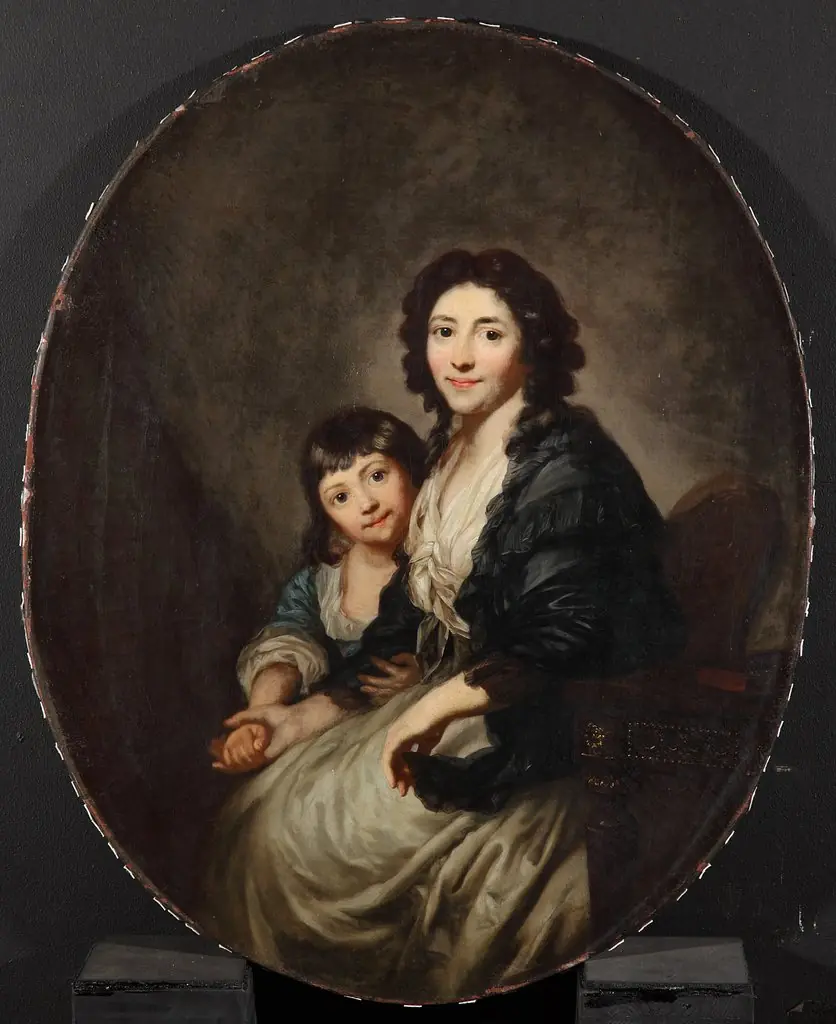 Elizabeth Sophia Augusta Graff, born Sulzer (1753-1812) and her Daughter Caroline Susanne (1781-1828)
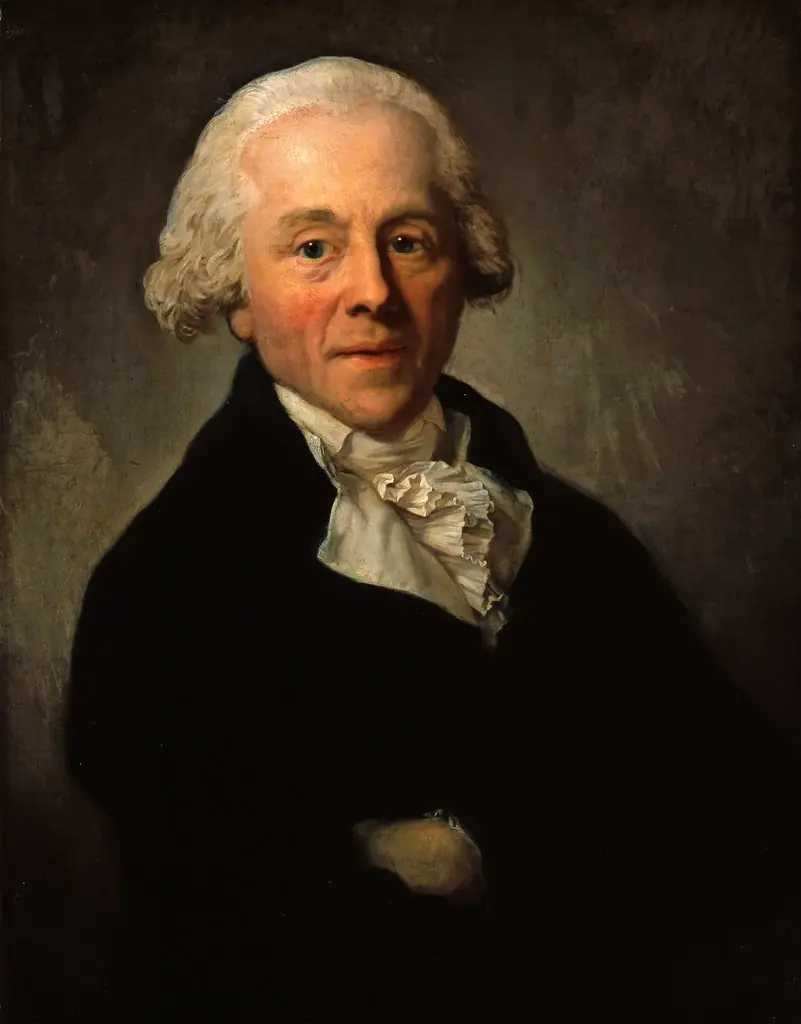 Friedrich Ludolf Hansen (1738-1803)
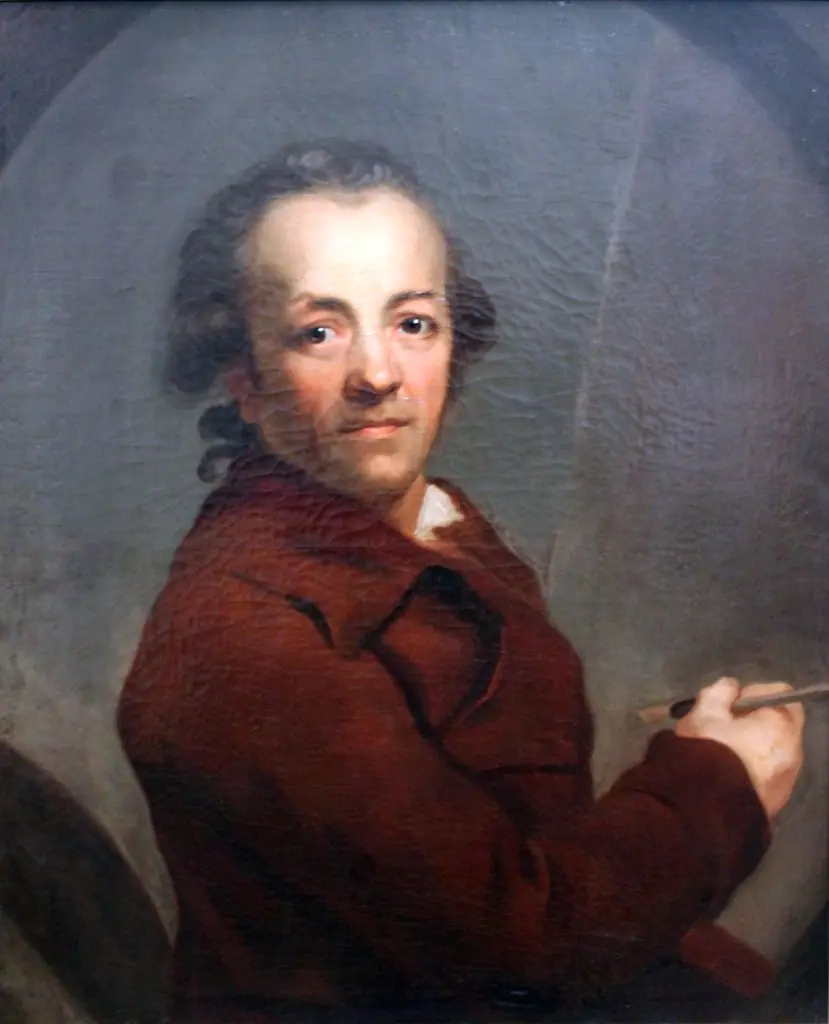 Self-portrait
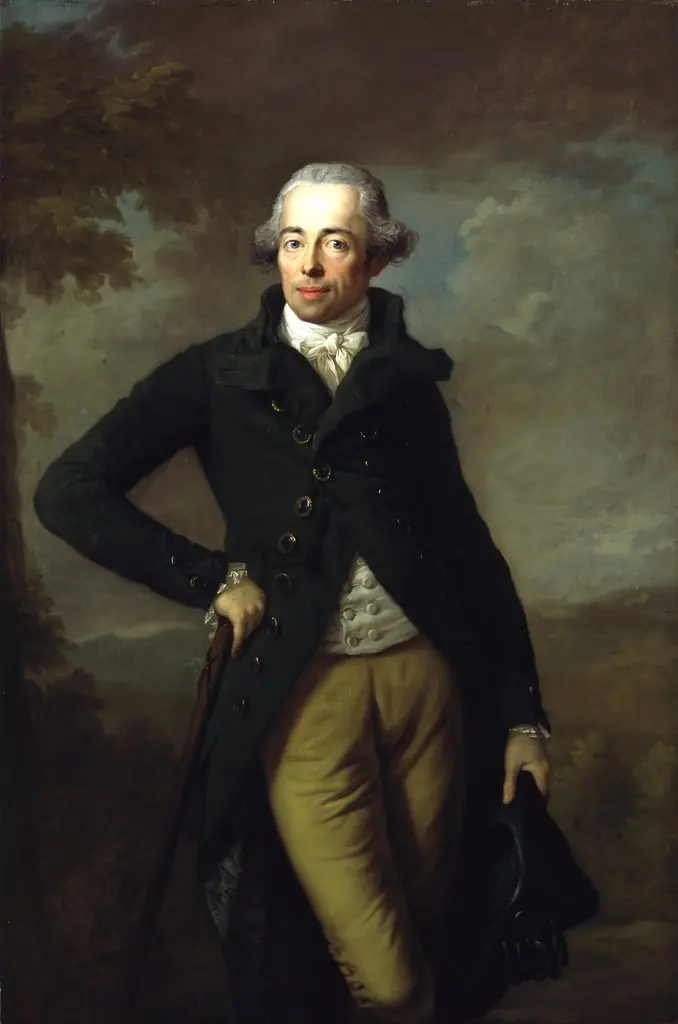 Heinrich XIV. Reuss Elder Line (Reuß ältere Linie) (1749-1799)
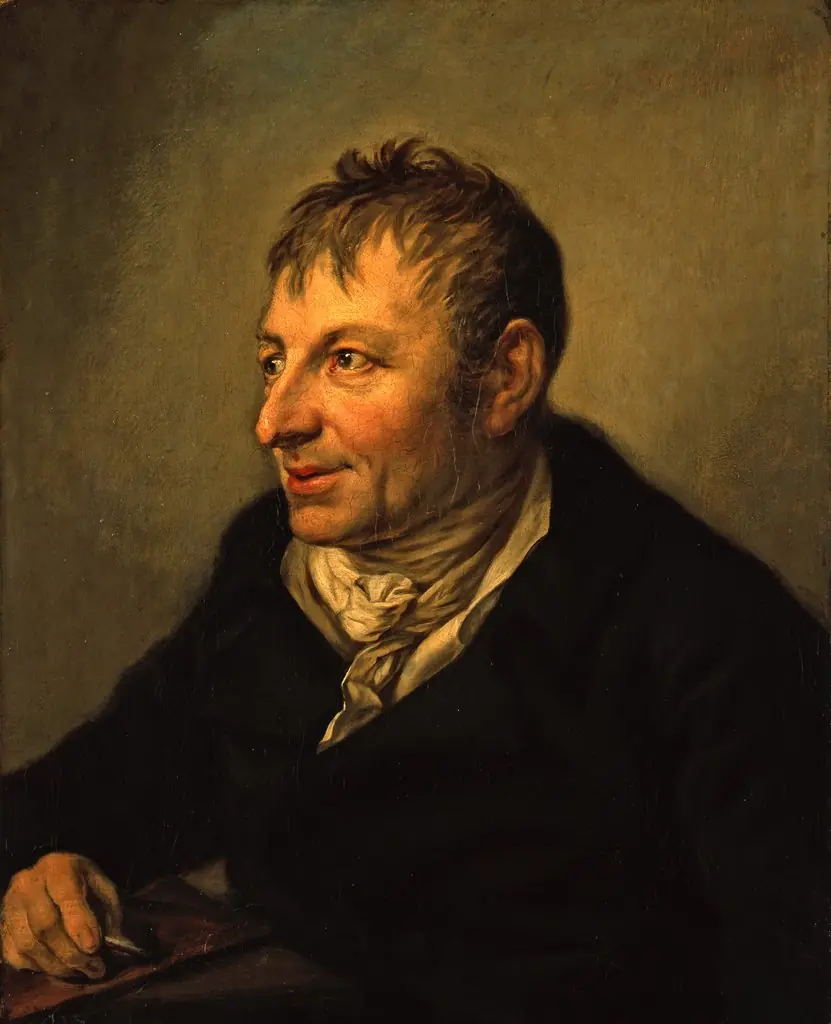 Portrait and History Painter Carl Friedrich Demiani (1768-1828)
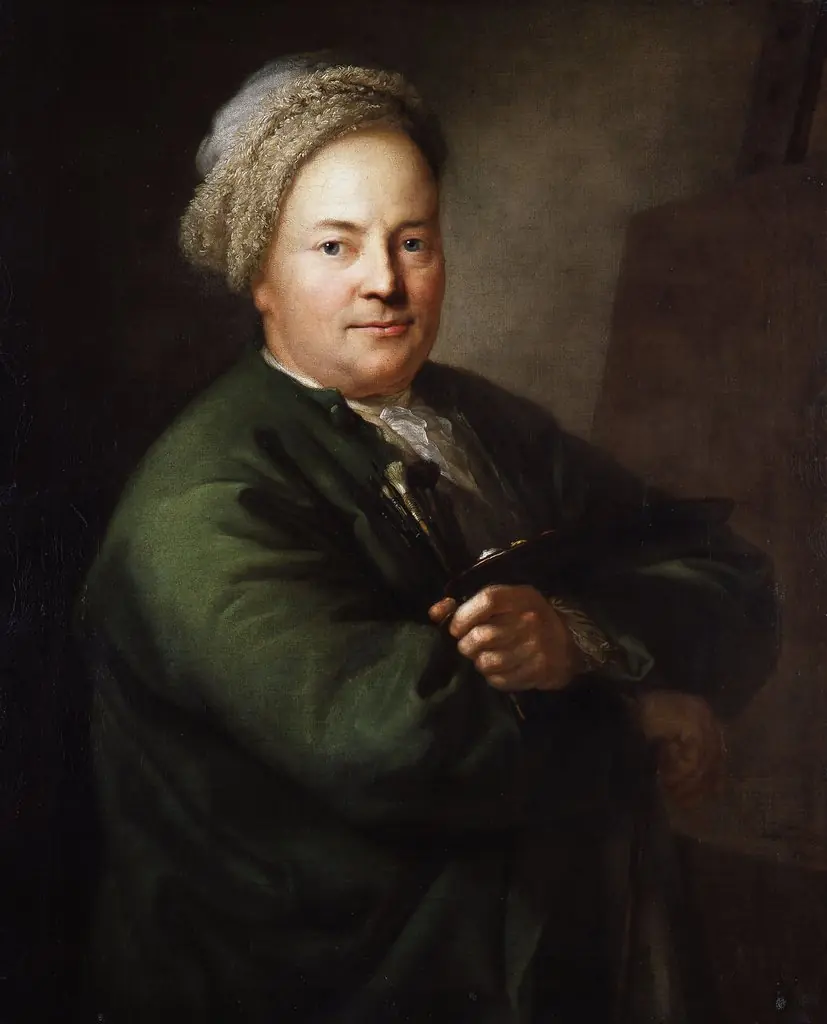 The Painter Christian Wilhelm Ernst Dietrich (1712-1774)
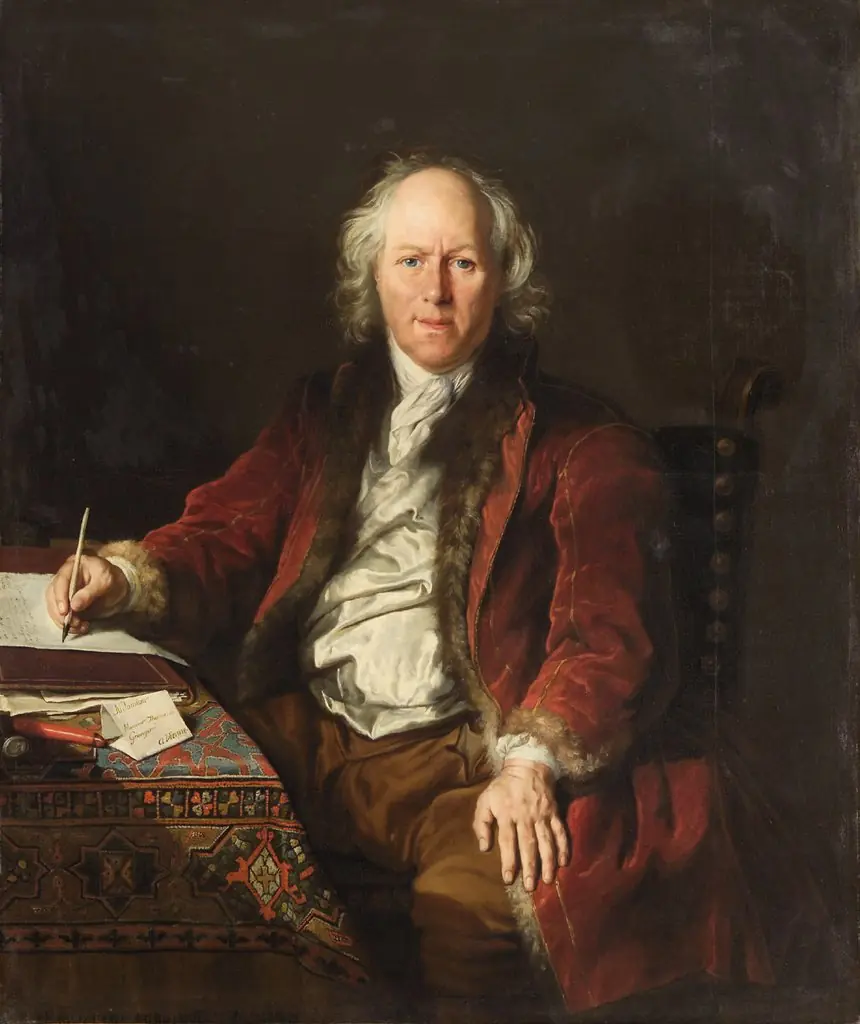 Portrait of Thomas de Granger
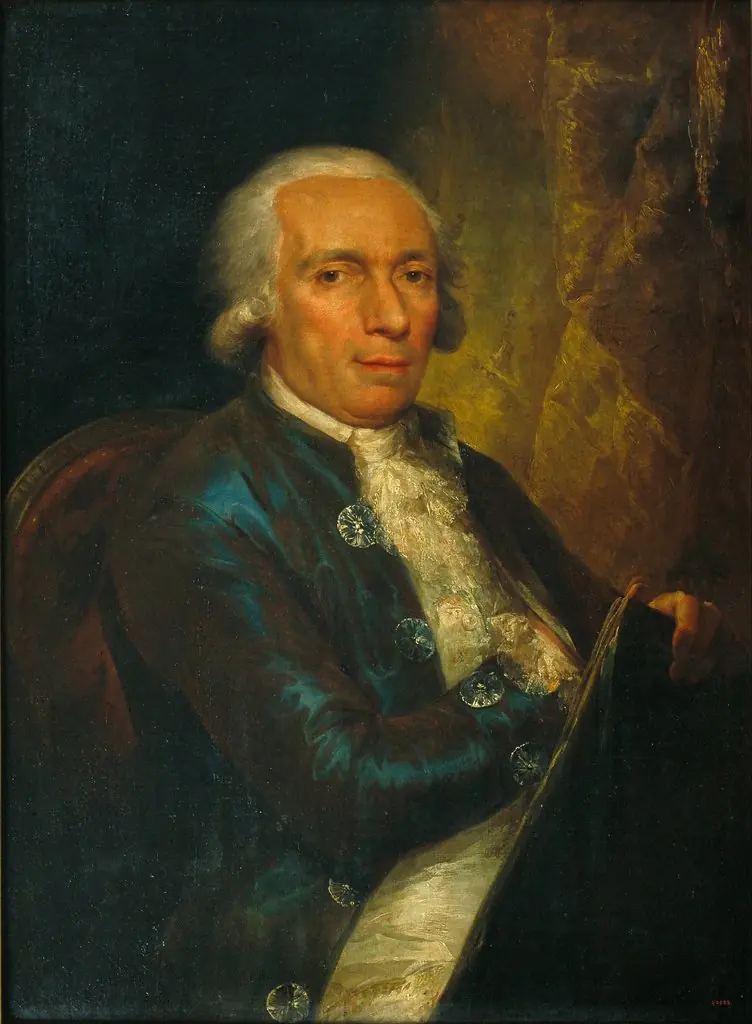 Portrait of the Engraver Pasqual Pere Moles, first director of the Escola de Llotja
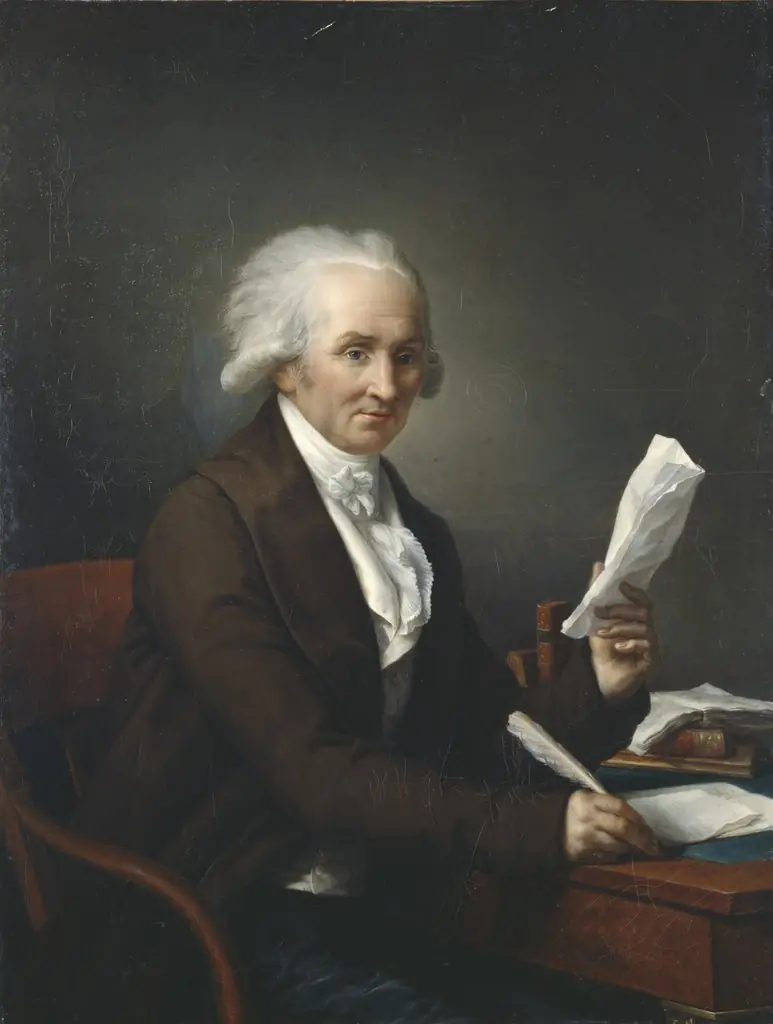 Gentleman in his Study
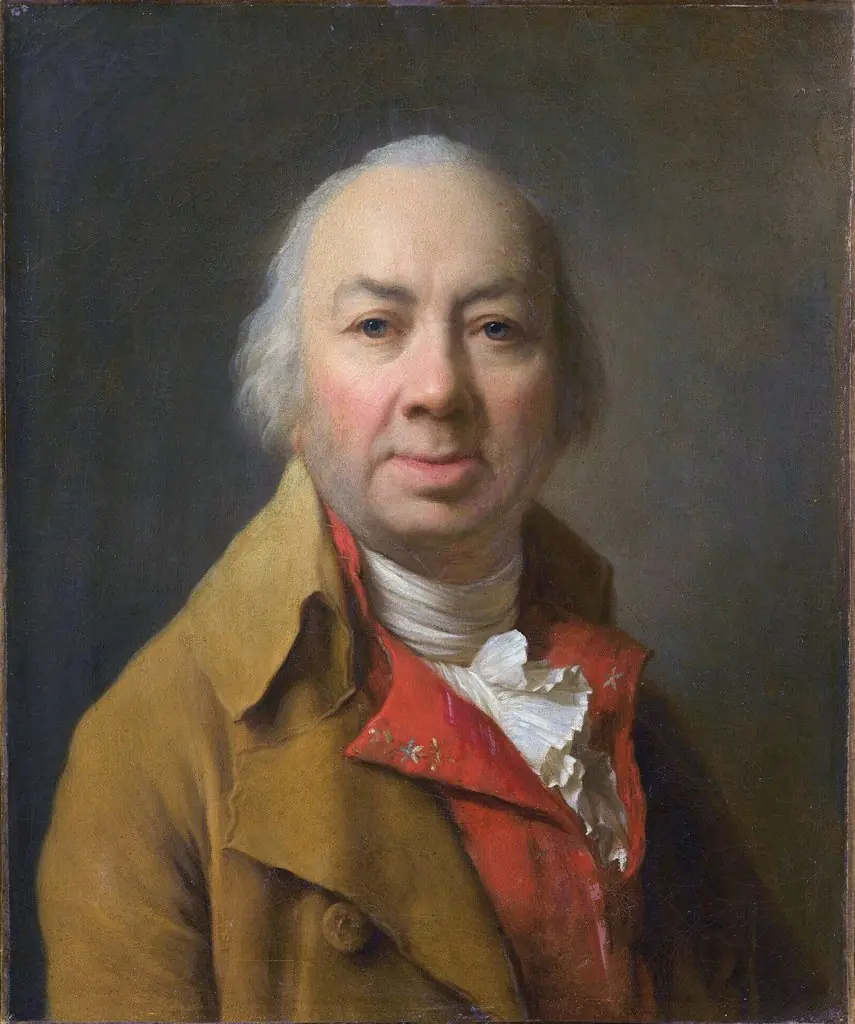 Self-Portrait
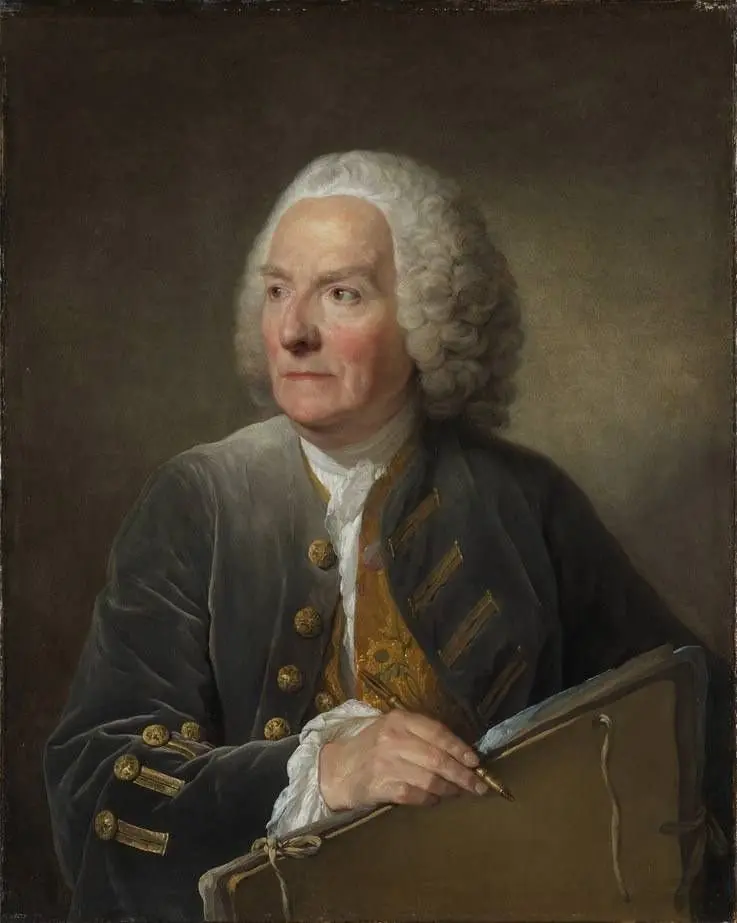 Louis de Silvestre d. J.
 Self-portrait
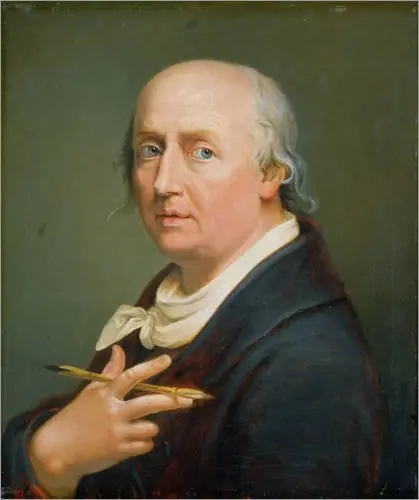 Self portrait of Johann Heinrich Wilhelm Tischbein (1751-1829)
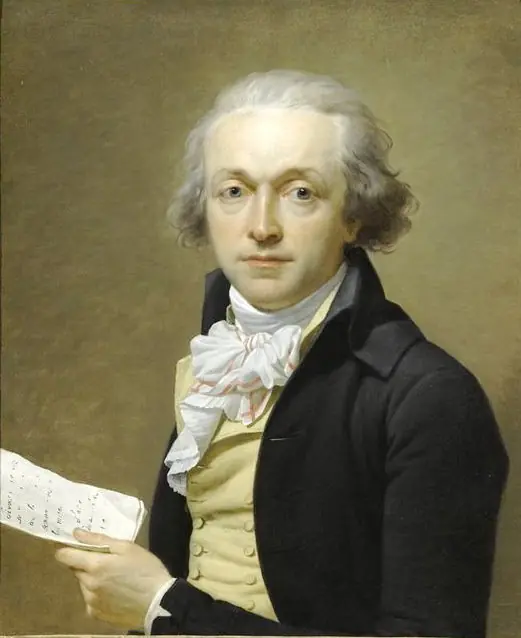 Joseph Delaunay
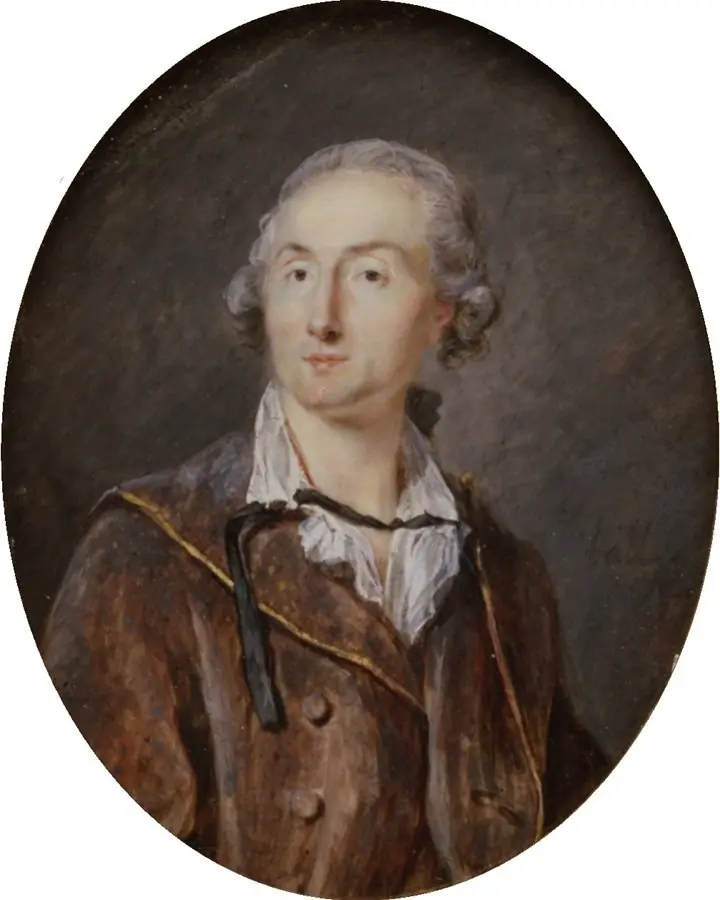 The Painter Louis Joseph Maurice (1730–1820)
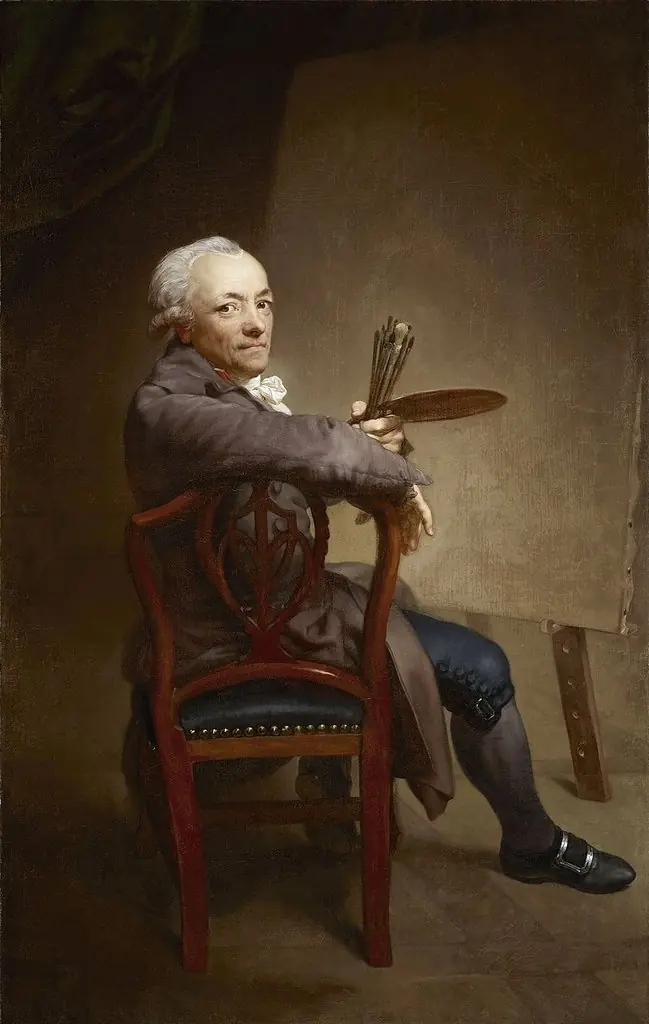 Self-Portrait at the Age of 58