Artwork
Joseph Delaunay
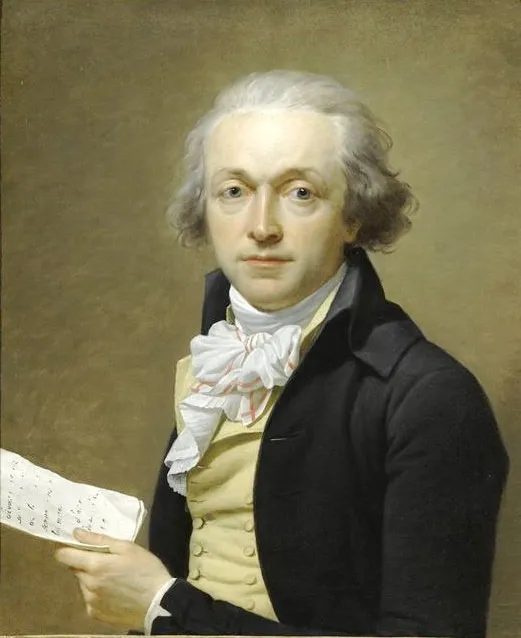
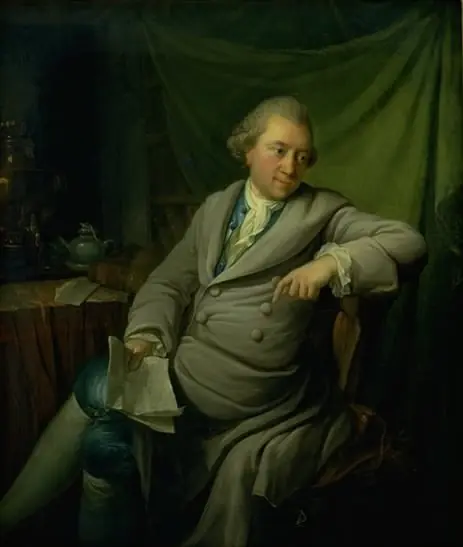
Joseph Delaunay is an oil painting by Jean-Louis Laneuville. It dates from 1797 and is held in the collection of the Palace of Versailles.
About this work
Overview
Jean-Louis Laneuville created this oil-on-canvas portrait in 1797, depicting Joseph Delaunay, a figure of the French Revolutionary era. The painting is held in the collection of the Palace of Versailles. Laneuville, trained in the neoclassical tradition and influenced by Jacques-Louis David, focused primarily on portraiture during a period of political and cultural transformation in France.
Subject & Meaning
Joseph Delaunay is portrayed as a composed, middle-aged man with white hair, dressed in formal 18th-century attire.
Joseph Delaunay is portrayed as a composed, middle-aged man with white hair, dressed in formal 18th-century attire. He holds a letter in his right hand, suggesting communication or official business, though its text is unreadable. His direct gaze and neutral expression convey quiet dignity, reflecting the restrained demeanor valued in post-revolutionary elite portraiture, without overt symbolism or narrative.
Technique & Style
Laneuville employed oil paint to render subtle variations in light and texture, particularly in the fabric of Delaunay’s yellow waistcoat and white cravat. The muted brown background isolates the figure, enhancing three-dimensionality through chiaroscuro. Brushwork is precise yet unobtrusive, emphasizing naturalism over idealization, consistent with the transition from Rococo elegance to neoclassical restraint.
History & Provenance
The portrait entered the collection of the Palace of Versailles shortly after its completion, likely through official or aristocratic channels. Its preservation within a royal residence underscores Delaunay’s social standing, though his specific role in public life remains undocumented. The painting has remained in the same institutional custody since the late 18th century, with no known alterations or reattributions.
Context
Painted during the Directory period, the portrait reflects a society in flux, where former aristocratic norms were being redefined. Delaunay’s attire—elegant but not ornate—aligns with the emerging bourgeois aesthetic. Laneuville’s style, rooted in David’s teachings, avoided revolutionary rhetoric, instead offering a calm, authoritative image suited to a new class of civic leaders.
Legacy
Though not widely exhibited beyond Versailles, the portrait exemplifies the quiet precision of French portraiture in the post-revolutionary decades. Laneuville’s ability to capture individual presence without grandeur influenced lesser-known contemporaries. The work remains a quiet testament to the persistence of personal identity amid political upheaval.
Artist & collection
Artist
Jean-Louis Titon La Neuville, called Jean-Louis Laneuville (French pronunciation: , 26 December 1756, Paris – 26 March 1826, Paris) was a French painter, art dealer and expert.

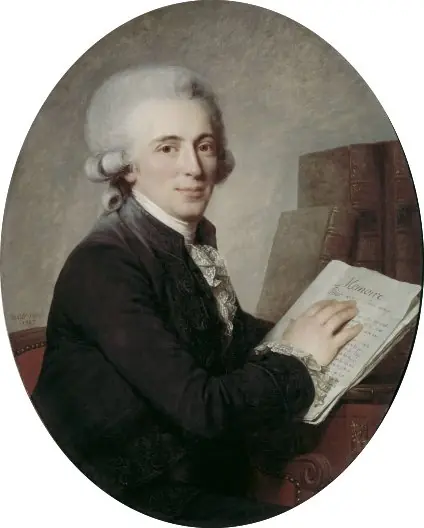 Portrait of Antoine-Omer Talon (1760-1811)
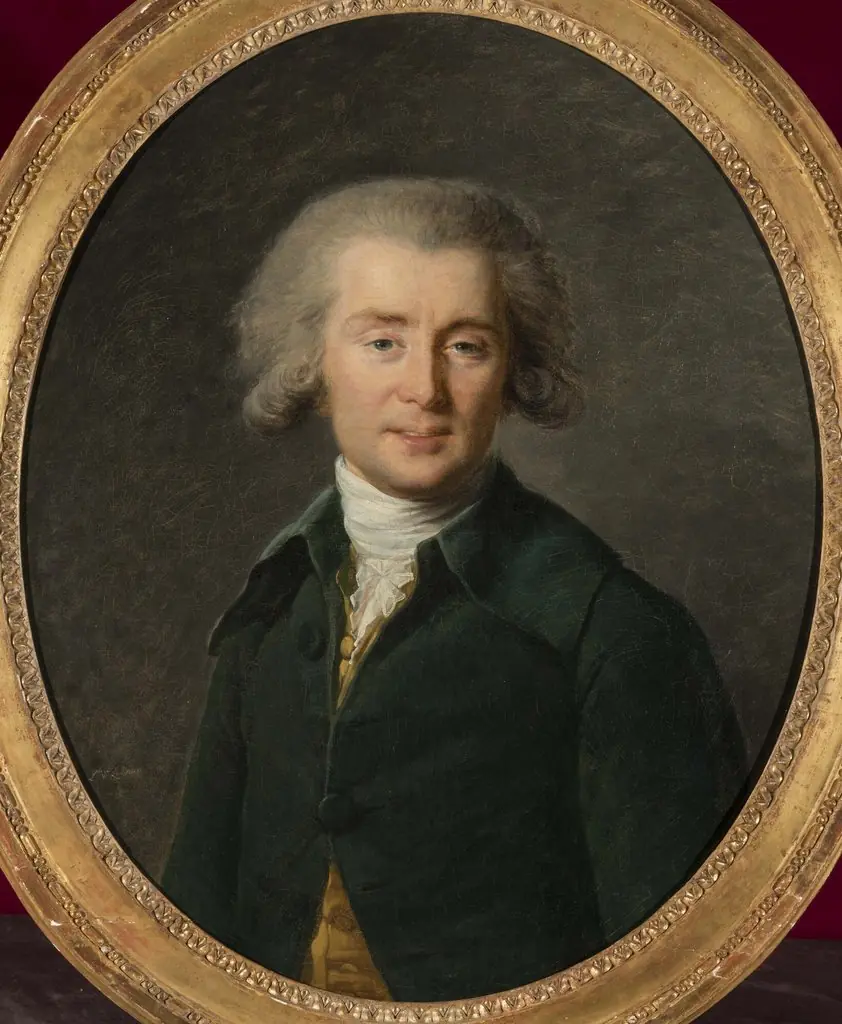 André-Ernest-Modeste Grétry, musician
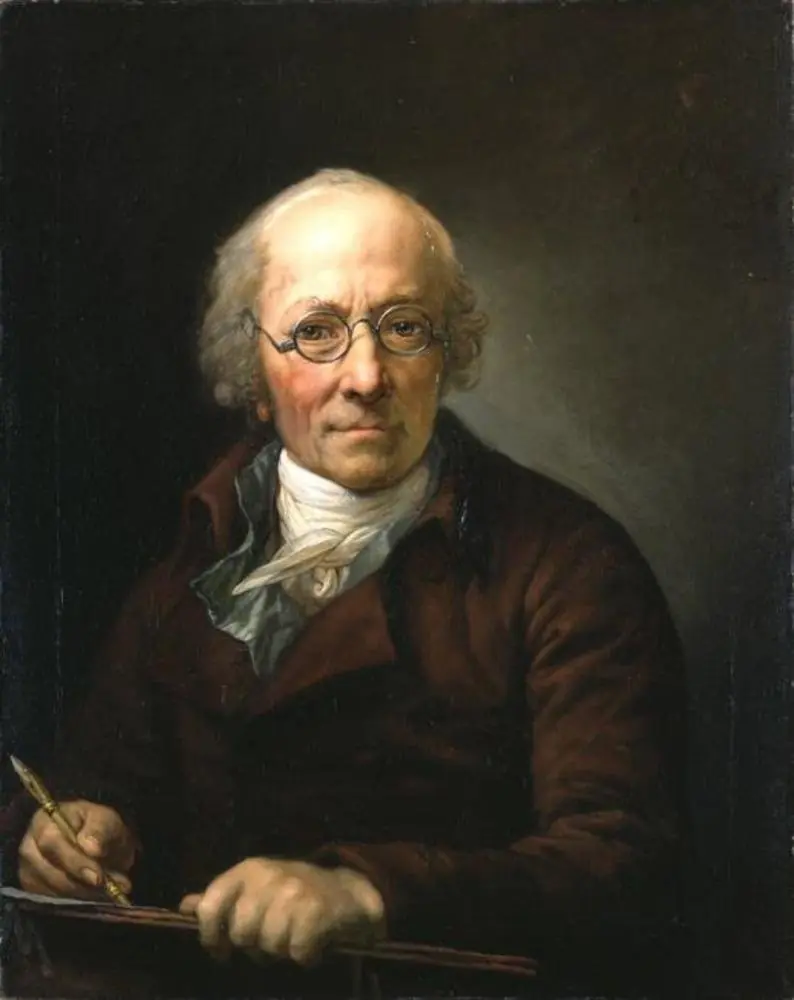 Self-portrait of Anton Graff (1736-1813)
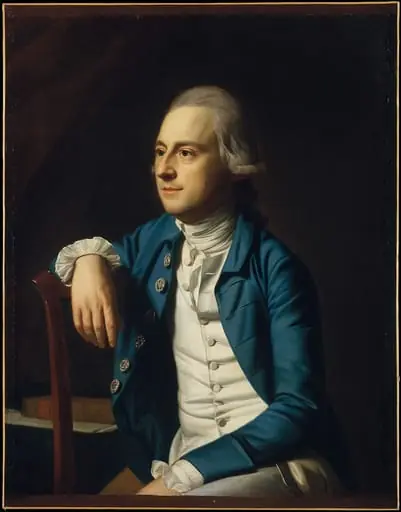 Gulian Verplanck
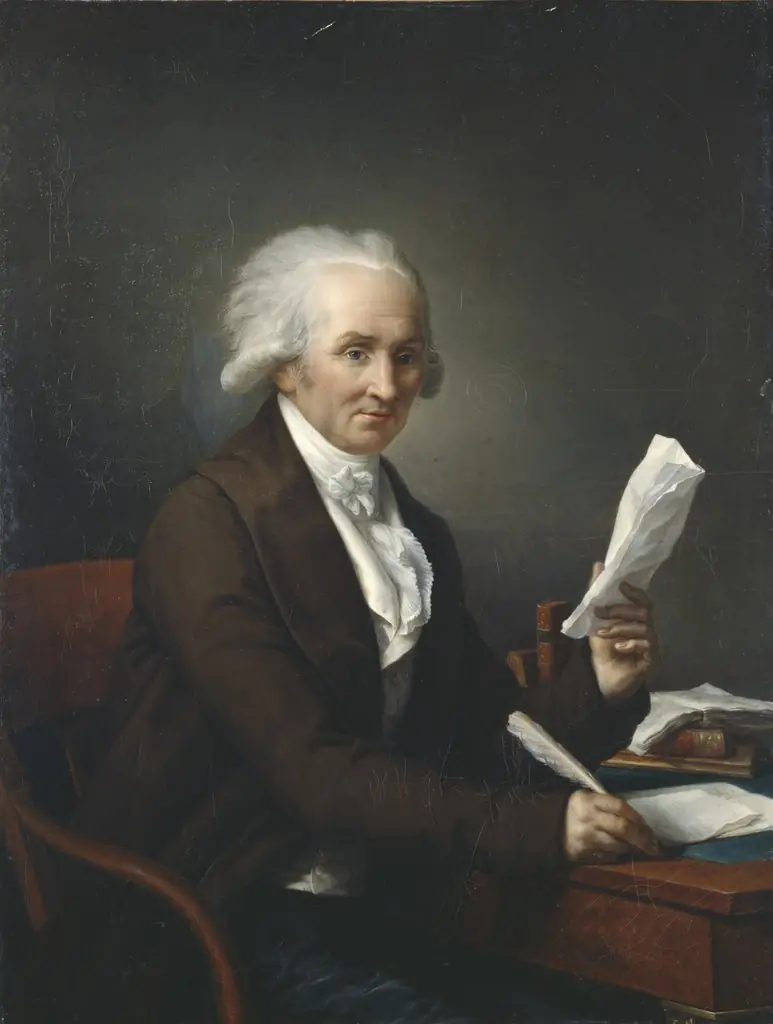 Gentleman in his Study
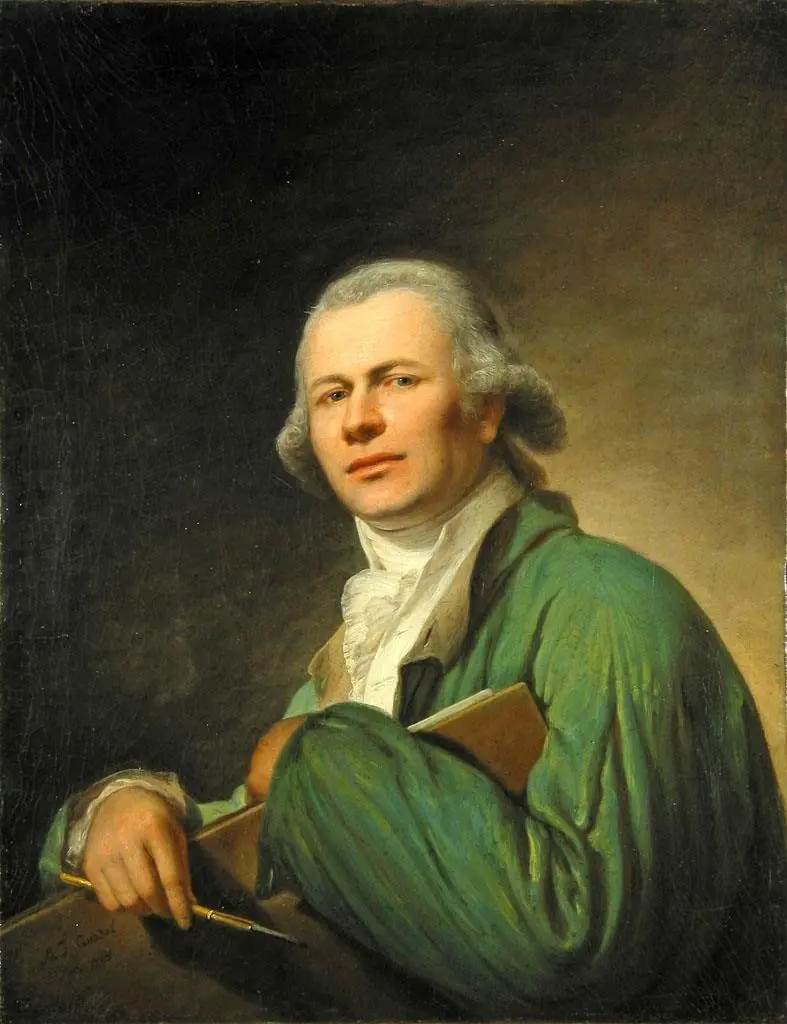 Self Portrait
 Self-portrait
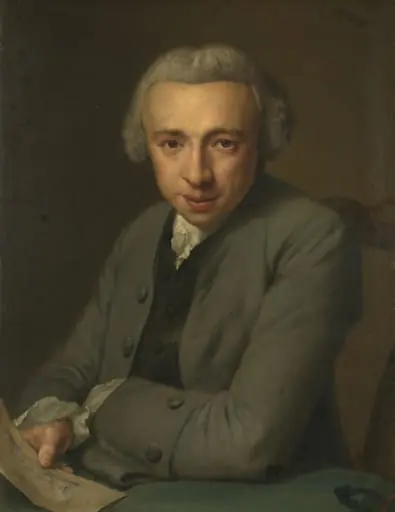 Portrait of Louis Métayer Phz., Goldsmith and Art Collector
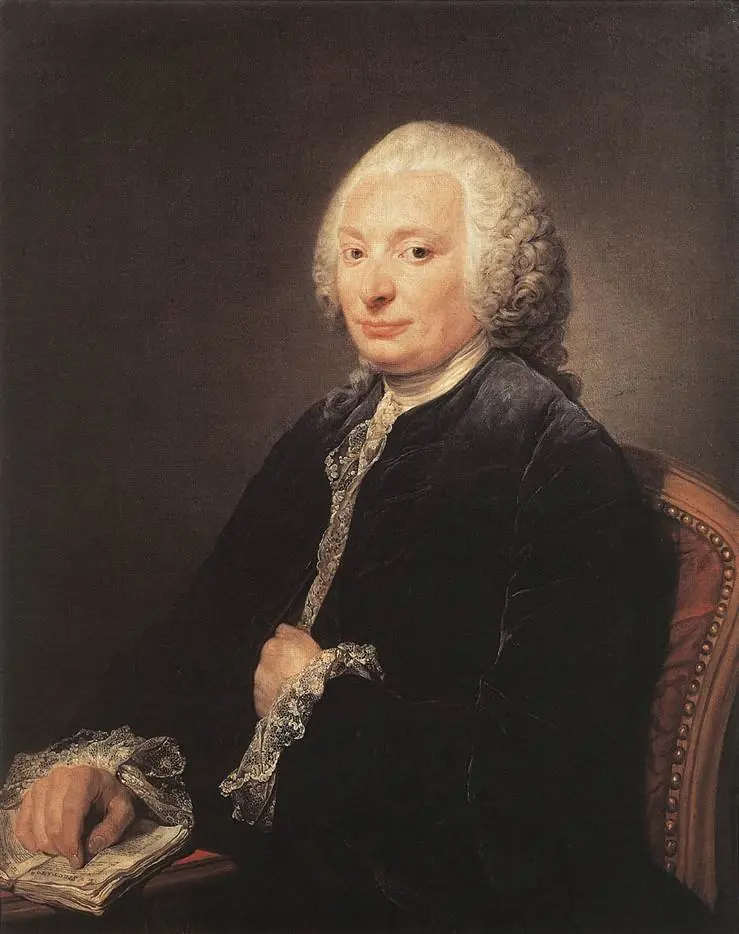 Portrait de George Gougenot de Croissy
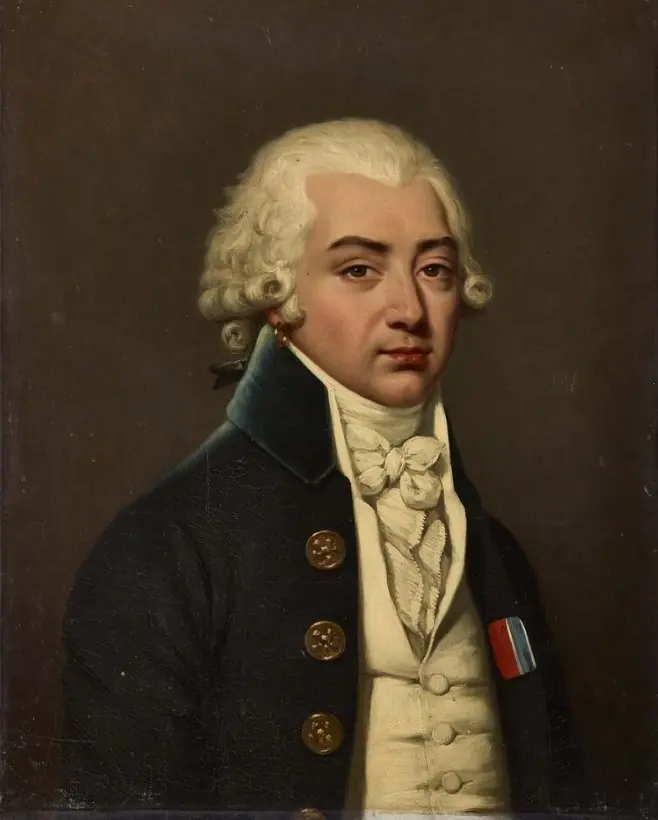 Armand Louis de Gontaut (1747-1793), Duke of Biron
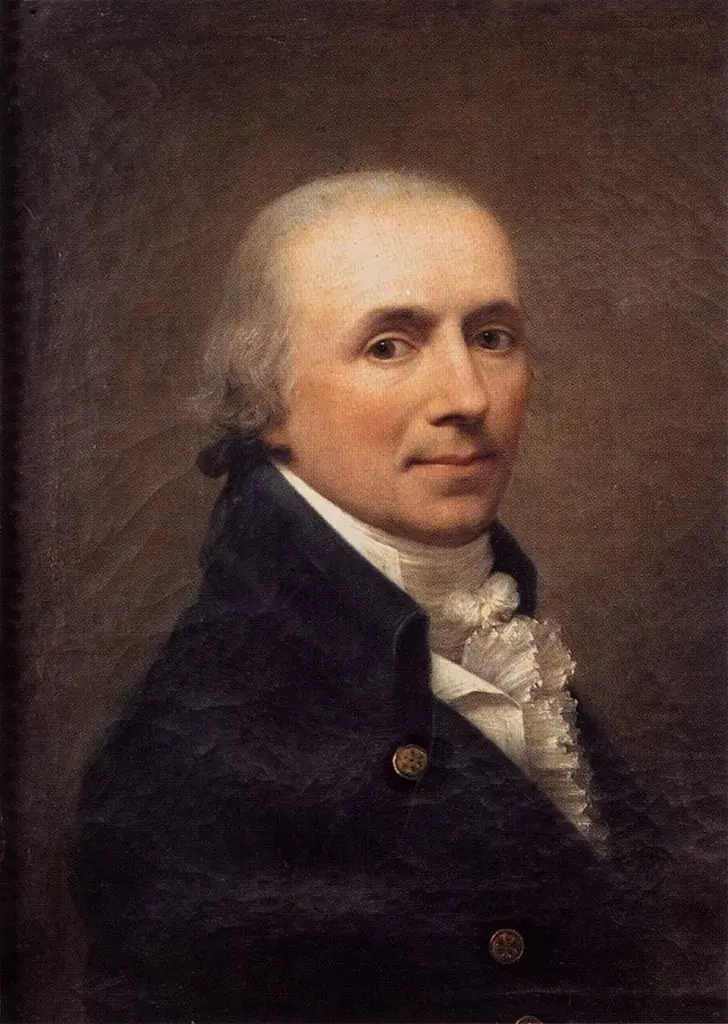 Self-portrait
 Postdirektør, justitsråd Johan Georg Pauli