Artwork
Portrait of Johann Joachim Winckelmann (?)
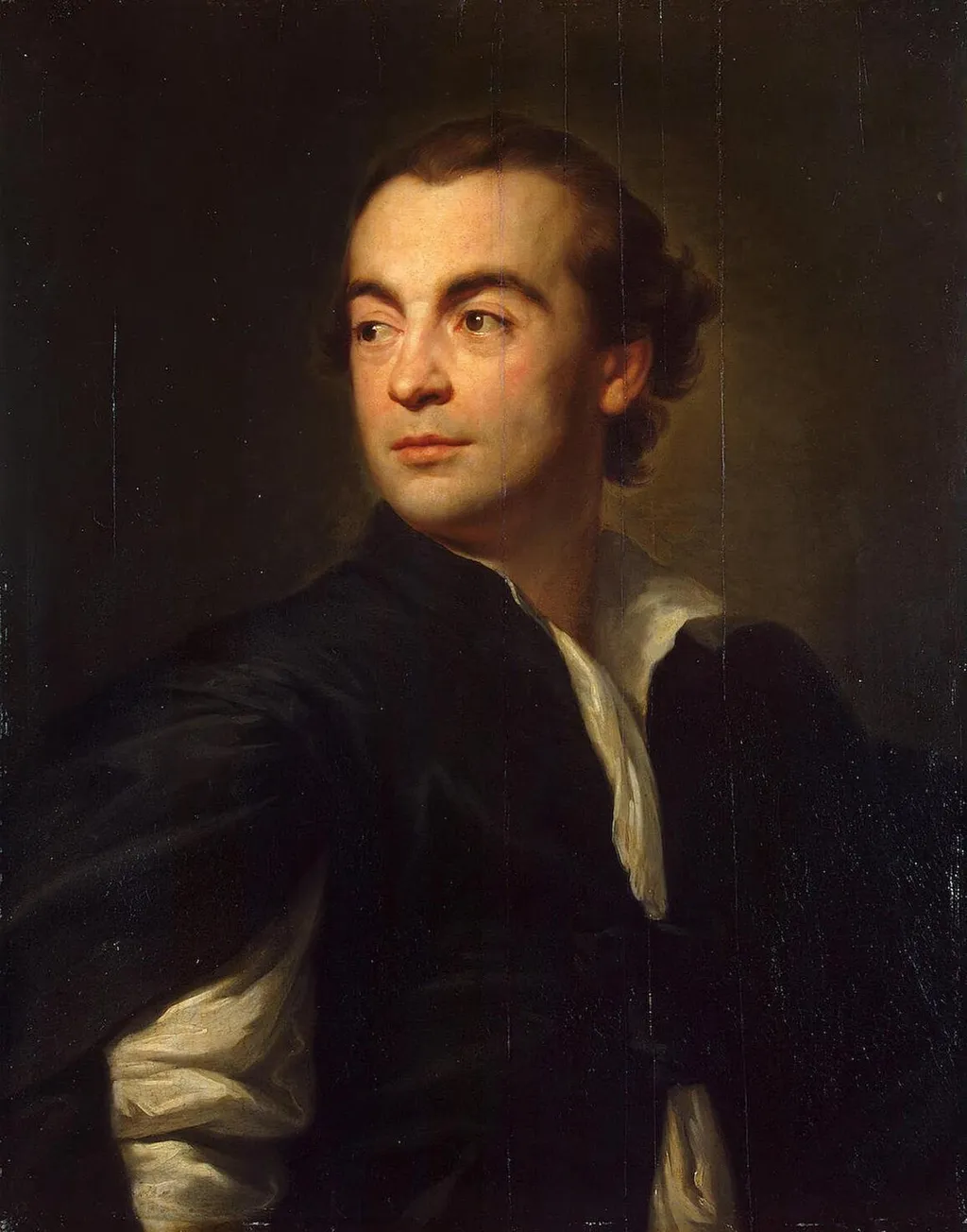
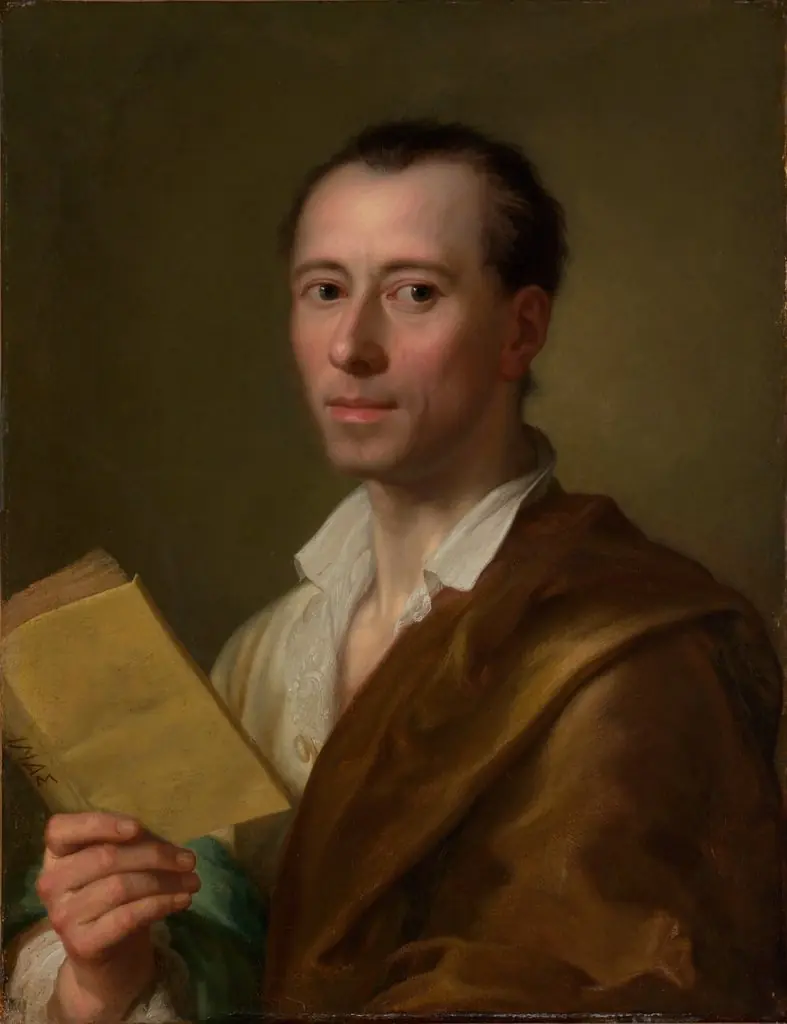
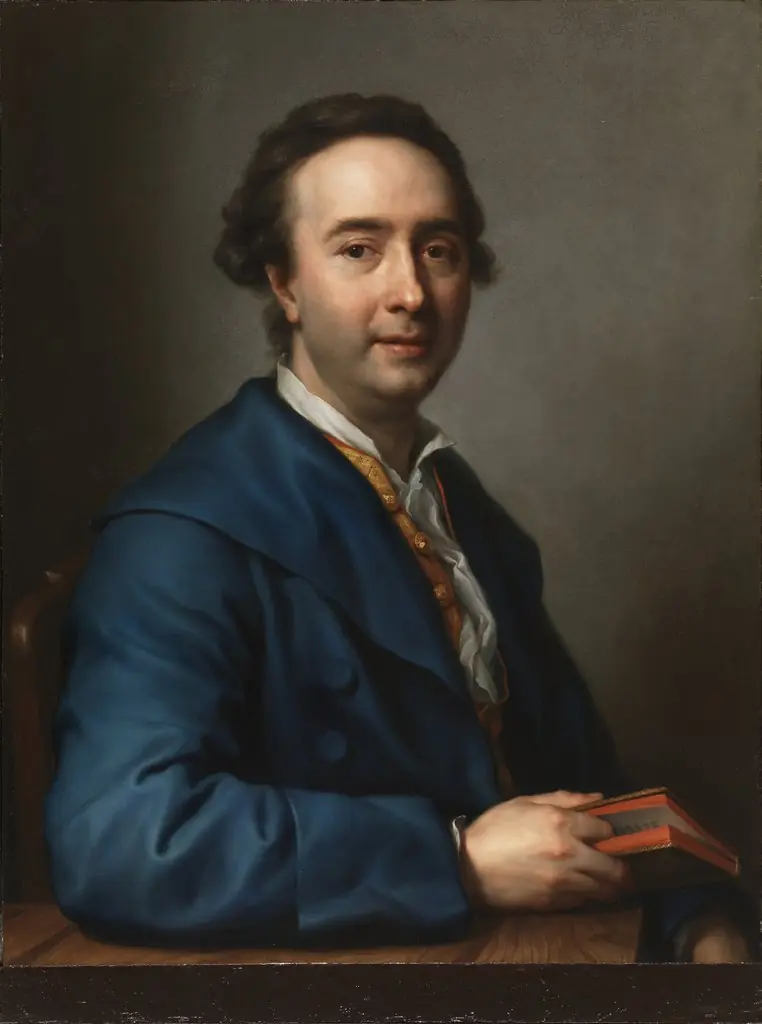
Portrait of Johann Joachim Winckelmann (?) is an oil painting by the Rococo painting artist Anton Raphael Mengs. It dates from 1774 and is held in the collection of the Hermitage Museum.
About this work
Overview
This oil painting, dated 1774, is attributed to Anton Raphael Mengs and depicts a man thought to be the art historian Johann Joachim Winckelmann. The work resides in the State Hermitage Museum in Saint Petersburg. Rendered with restrained elegance, the portrait emphasizes stillness and introspection, using minimal background and focused lighting to isolate the figure.
Subject & Meaning
The sitter, likely Winckelmann, is portrayed without ornamentation or symbolic props, reflecting his intellectual stature rather than social rank. His direct gaze and composed posture convey quiet authority, aligning with Enlightenment ideals of reason and self-possession. The absence of context or narrative suggests an emphasis on inner character over external display.
Technique & Style
Mengs employed smooth, refined brushwork to achieve a polished surface, avoiding visible texture. Soft chiaroscuro models the face and collar, with light gently receding into shadow beneath the chin and around the eyes. The plain black background eliminates distraction, heightening the psychological intensity and reinforcing the portrait’s classical restraint.
History & Provenance
The painting entered the Hermitage collection in the late 18th century, possibly through imperial acquisition during Catherine the Great’s patronage of Neoclassical art. Its attribution to Winckelmann, while widely accepted, remains tentative due to lack of definitive documentation. The work has been consistently cataloged as a portrait of the scholar since at least the 19th century.
Context
Created during the height of Neoclassicism, the portrait reflects Mengs’s alignment with antiquarian ideals and his role in shaping aesthetic theory. Winckelmann’s writings on Greek art were profoundly influential, and this image may have served as a visual counterpart to his scholarly legacy—embodying the calm, contemplative persona associated with classical revival.
Legacy
The portrait endures as a quiet emblem of Enlightenment intellectualism. Its restrained composition and psychological depth influenced later academic portraiture, particularly in Germany and Russia. Though not widely exhibited, it remains a key example of how Neoclassical artists translated philosophical ideals into visual form through subtlety rather than grandeur.
Own this work as a print
Artist & collection


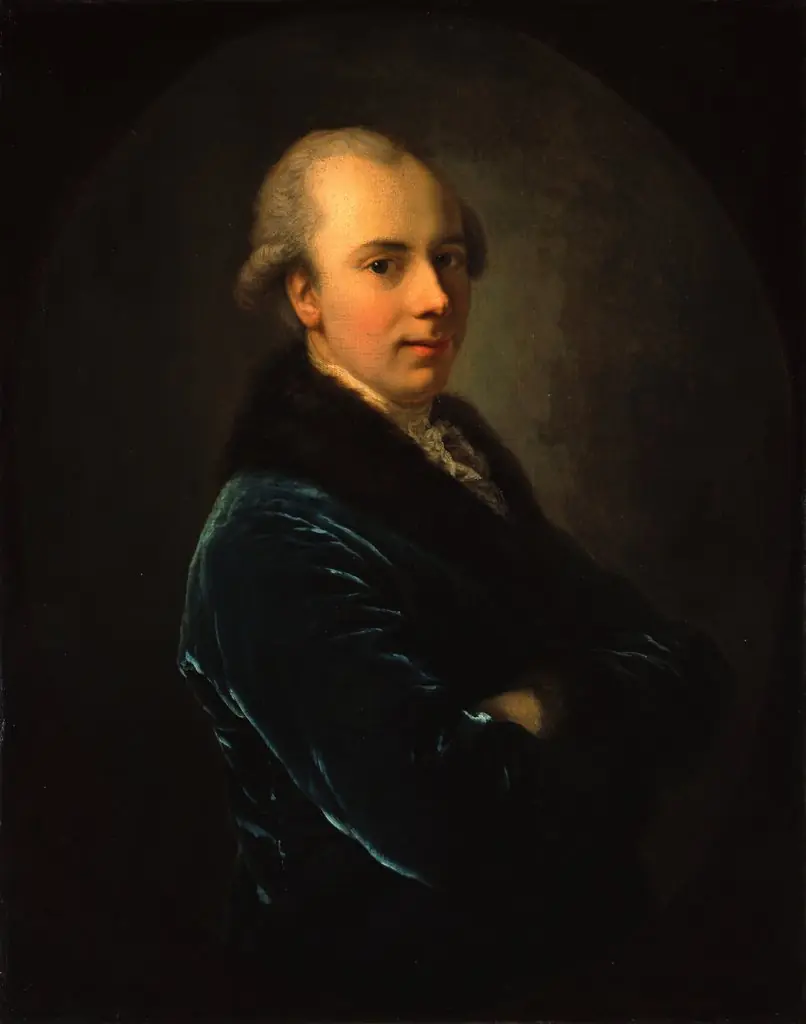 Portrait of Georg Friedrich von Martens
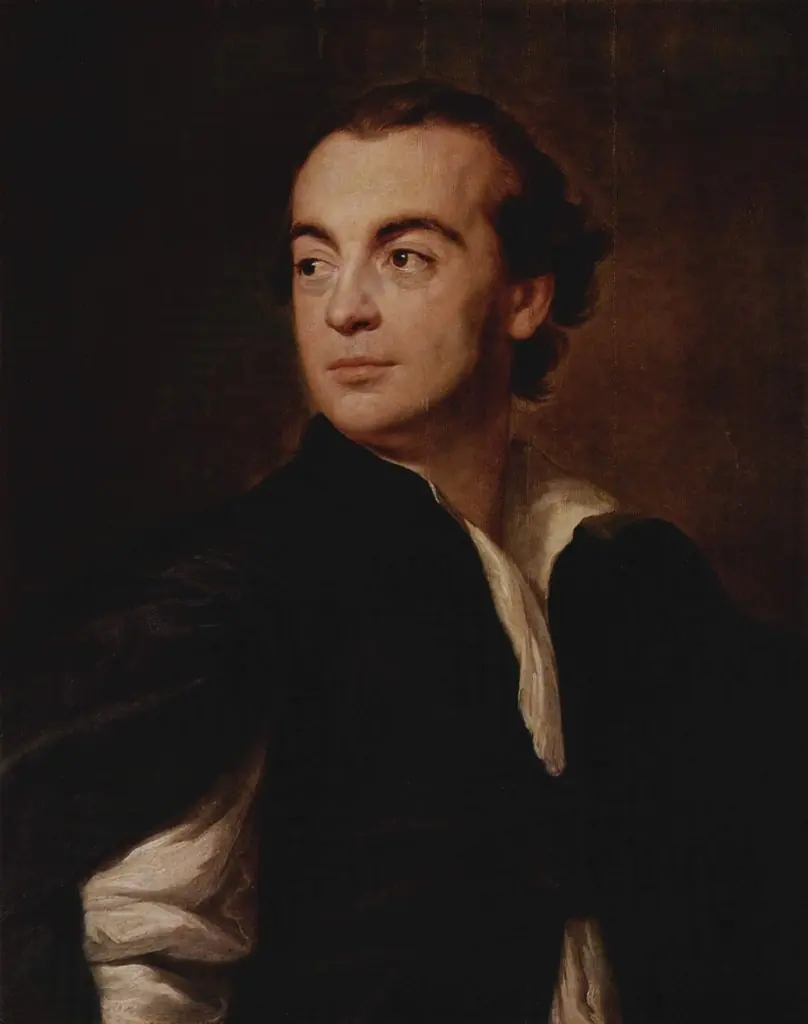 Porträt eines Mannes (Johann Joachim Winckelmann?)
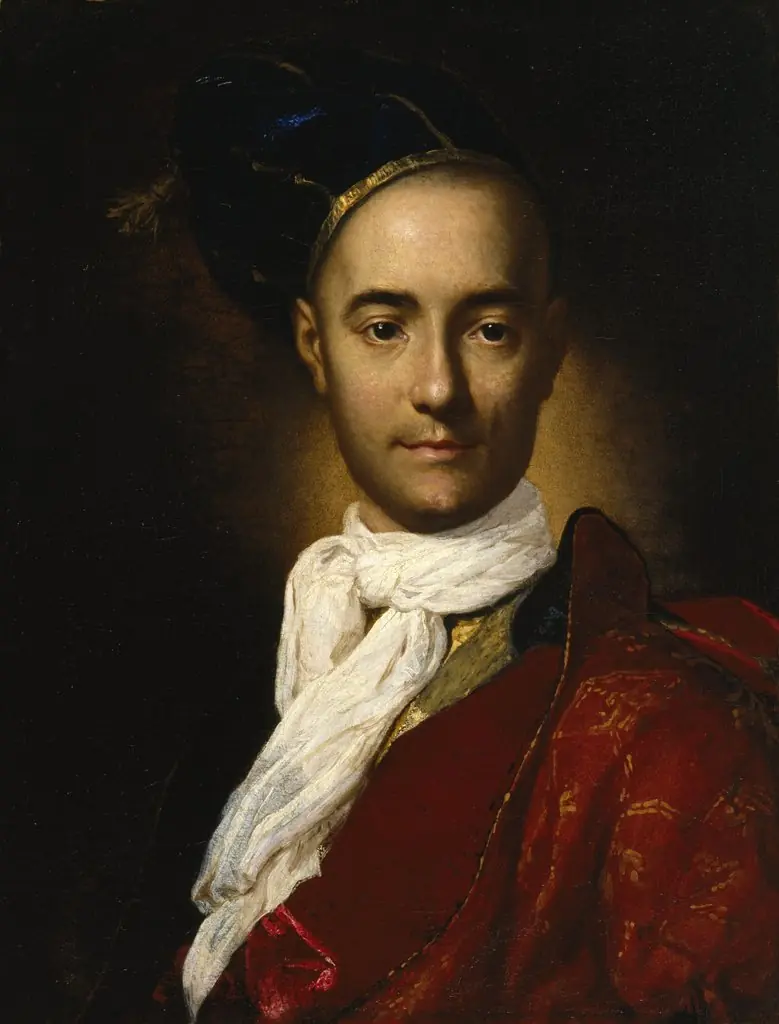 Portrait of a Young Nobleman
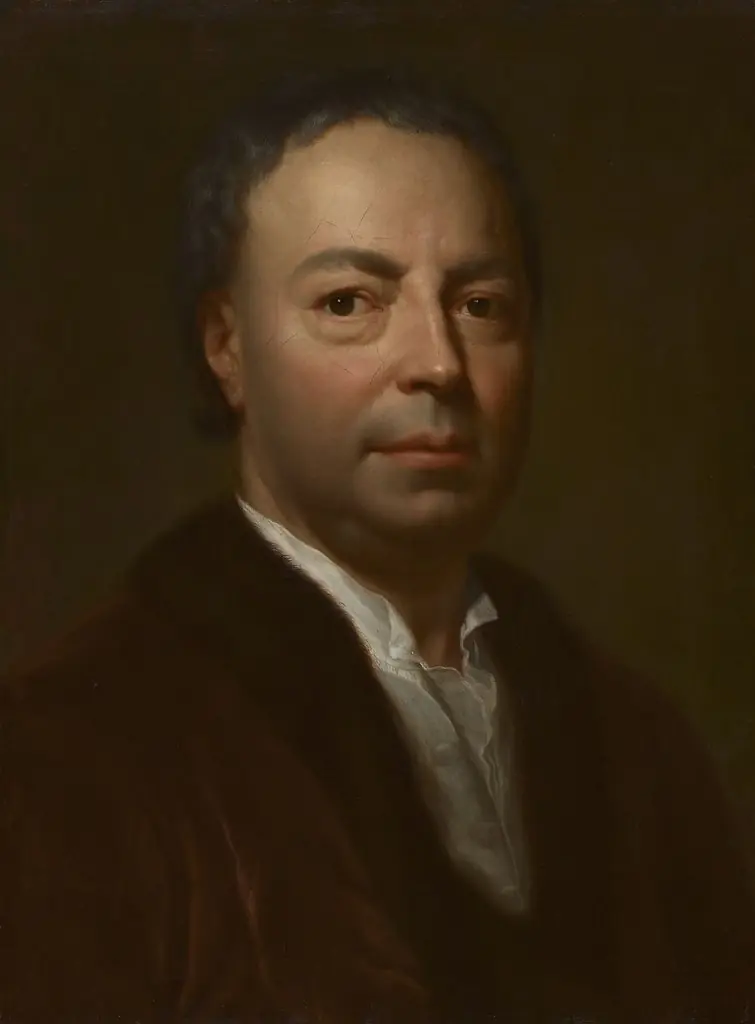 Portrait of the Artist's Father, Ismael Mengs
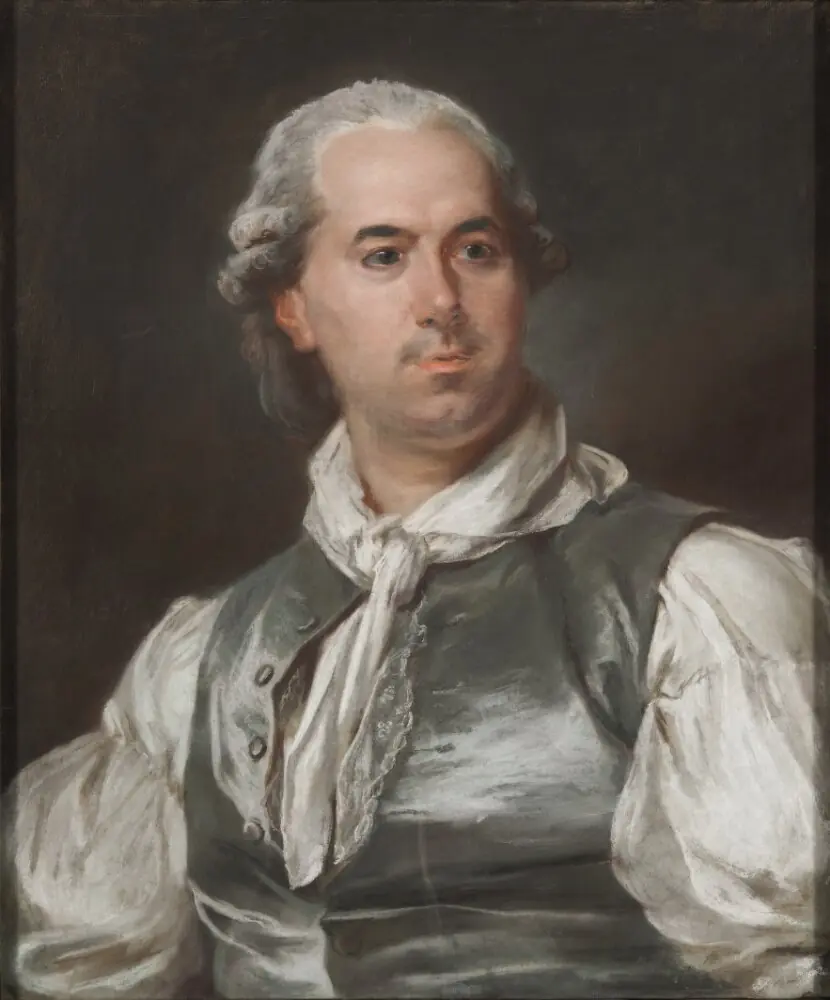 Hubert Robert, Artist and Garden Designer
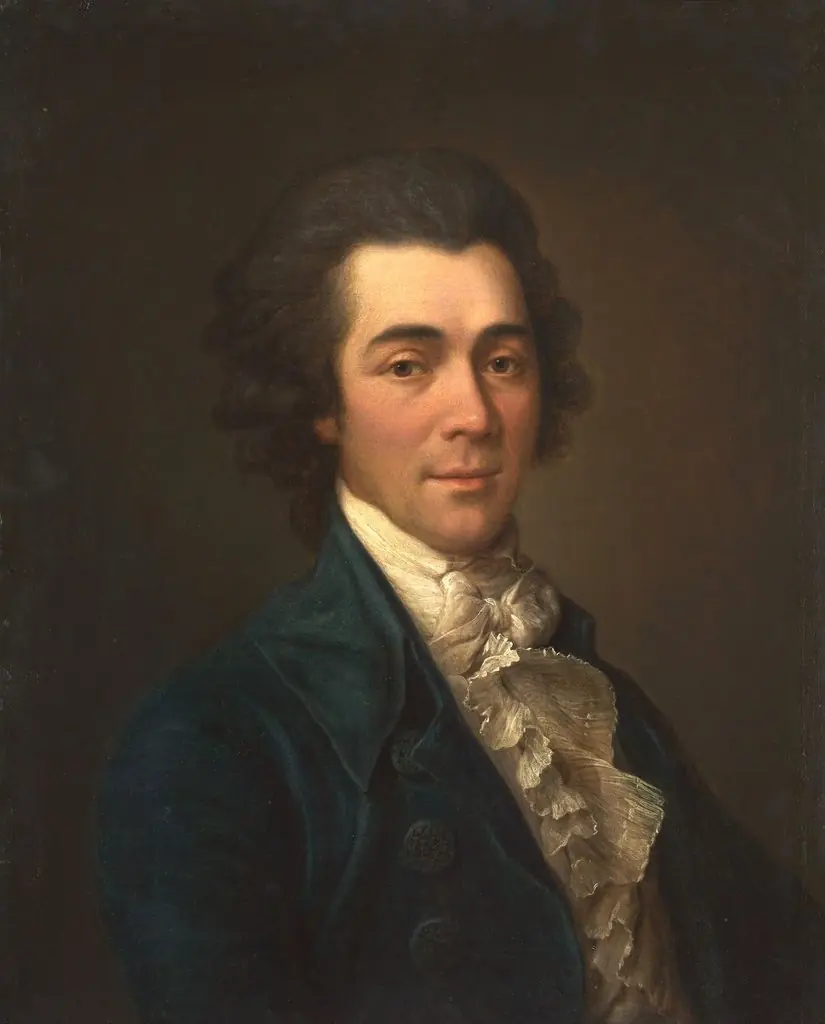 Porträt des Nikolay Alexandrovich Lvov
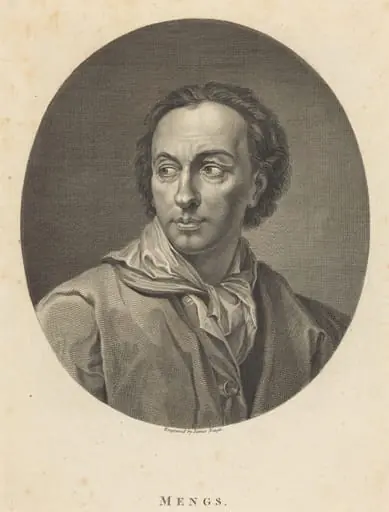 Anton Raphael Mengs
 Portrait of José Nicolás de Azara
 Portrait of a Man
 Omakuva
 Portrait of a Man
 Portrait of Johannes the Steadfast, Elector of Saxony