Artwork
Portrait of pope Clement XIII
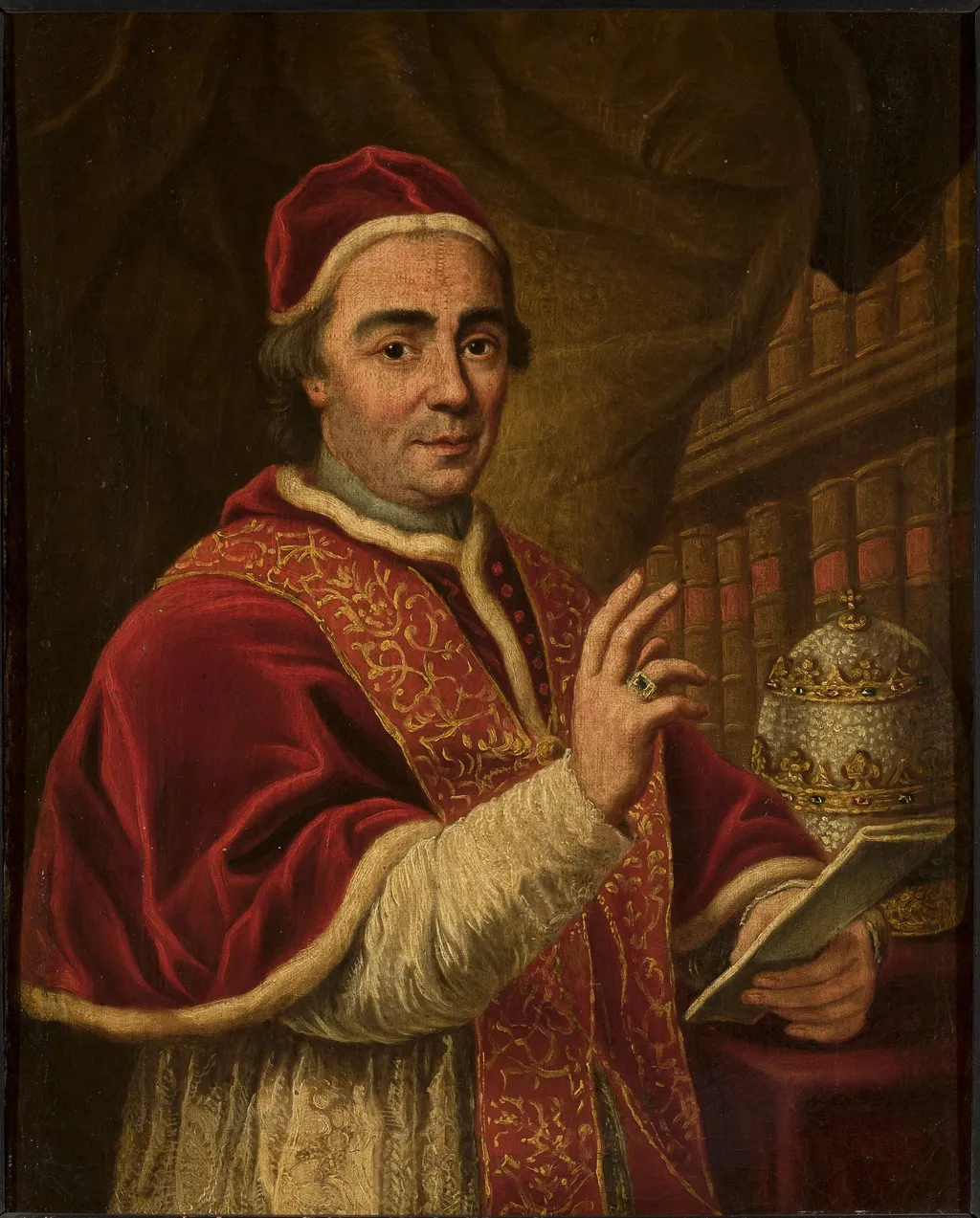
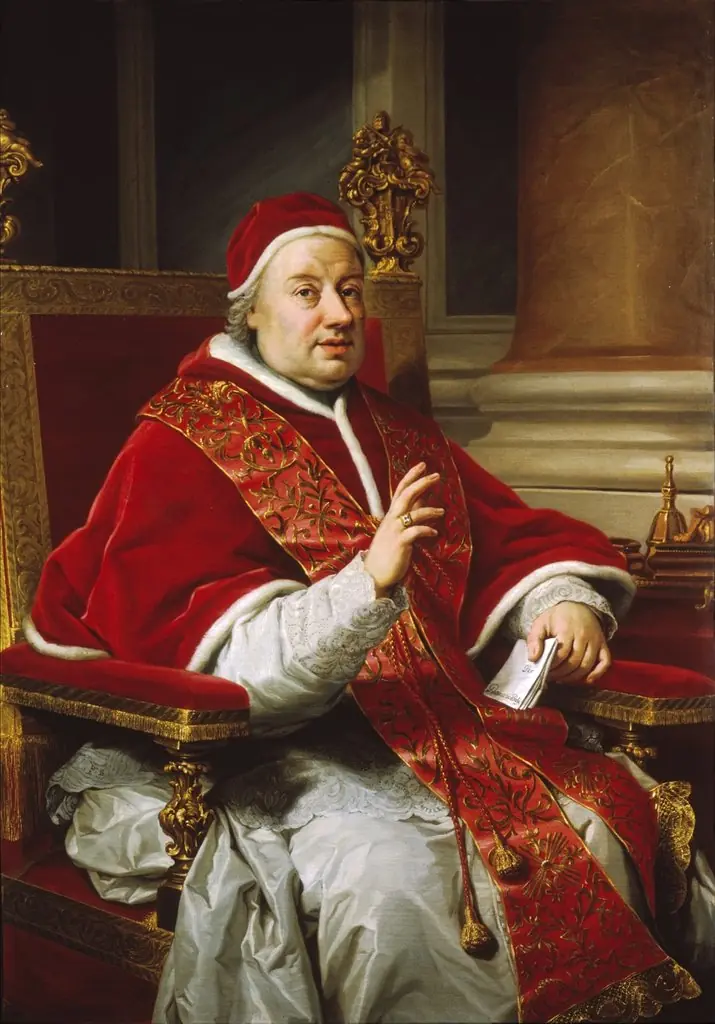
Portrait of pope Clement XIII is an oil painting by the Rococo painting artist Anton Raphael Mengs. It dates from 1775 and is held in the collection of the National Museum in Warsaw.
About this work
Overview
It presents the pope in a moment of quiet authority, surrounded by symbols of his ecclesiastical role and intellectual engagement.
Painted in 1775 by Anton Raphael Mengs, this oil portrait captures Pope Clement XIII in formal papal attire. The work is part of the collection at the National Museum in Warsaw. It presents the pope in a moment of quiet authority, surrounded by symbols of his ecclesiastical role and intellectual engagement. The composition reflects the neoclassical sensibility of its time, emphasizing clarity and restrained grandeur.
Subject & Meaning
The portrait depicts Pope Clement XIII seated, dressed in crimson robes edged with gold, wearing the distinctive red zucchetto. One hand holds a small book, suggesting scholarly or liturgical engagement; the other gestures subtly, as if in instruction. Behind him, a golden papal tiara and rows of books imply both spiritual leadership and intellectual tradition. The imagery conveys authority rooted in learning and doctrine rather than spectacle.
Technique & Style
Mengs employed a refined chiaroscuro to model the pope’s face, using soft gradations of light and shadow to create volume and depth. The brushwork is precise yet unobtrusive, favoring smooth transitions over visible strokes. The rich textures of fabric and metallic details are rendered with restraint, aligning with the neoclassical preference for clarity and harmony over ornamental excess.
History & Provenance
Commissioned during Clement XIII’s papacy, the portrait was likely intended for a religious or royal setting. It entered the National Museum in Warsaw’s collection in the 19th century, possibly through diplomatic or ecclesiastical channels. Its survival through political upheavals in Poland underscores its perceived cultural value, though its exact path to Warsaw remains partially undocumented.
Context
Created in the final years of Clement XIII’s life, the portrait emerged during a period when the papacy sought to reaffirm its intellectual and moral authority amid Enlightenment critiques. Mengs, a leading neoclassical painter, was favored by European courts for his balanced, dignified style. This work reflects the broader trend of using portraiture to project stability and erudition in religious leadership.
Legacy
Though not widely exhibited beyond Poland, the portrait remains a significant example of late 18th-century papal imagery. It exemplifies how religious figures were visually framed as learned custodians of tradition. Mengs’s restrained approach influenced later ecclesiastical portraiture, emphasizing dignity over theatricality, and continues to inform scholarly understanding of papal representation in the Enlightenment era.
Own this work as a print
Artist & collection