Artwork
Ritratto di Maria Giuseppa Carmela di Borbone
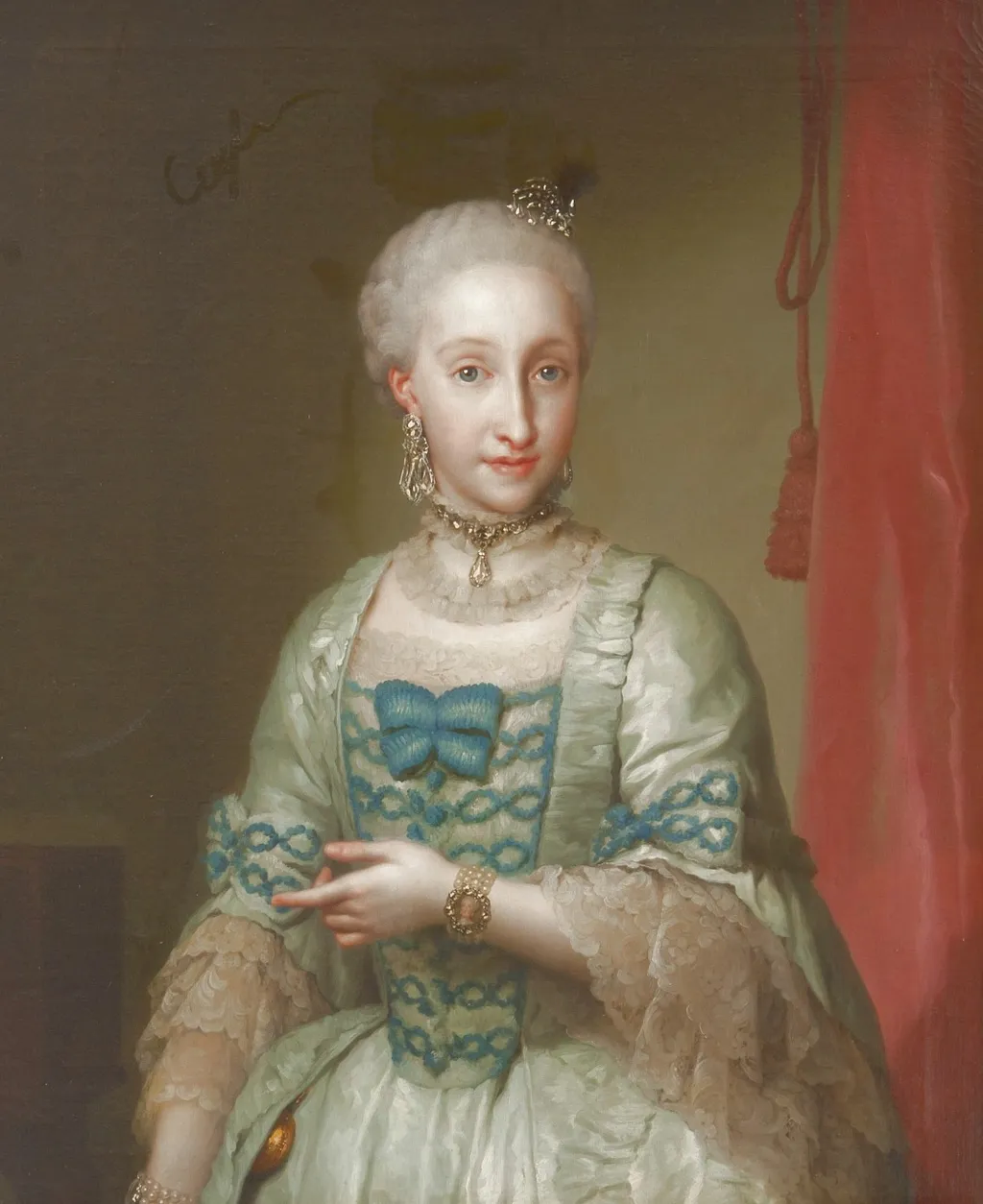
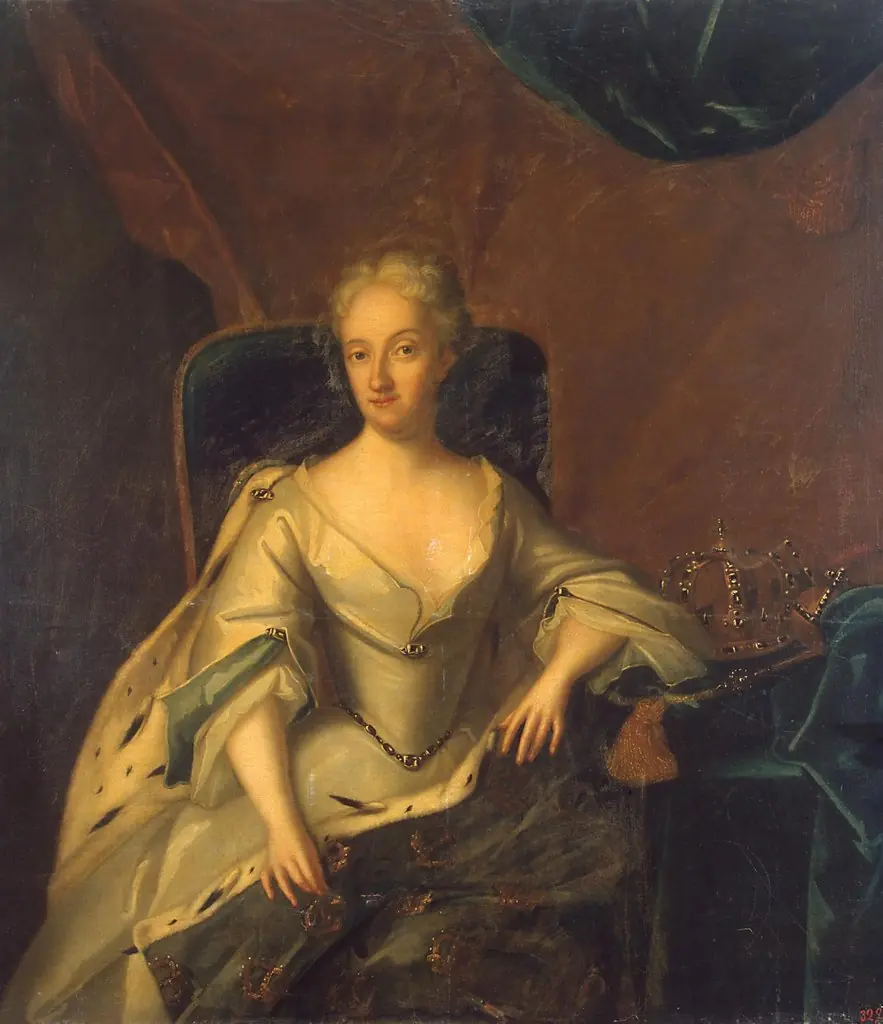
Ritratto di Maria Giuseppa Carmela di Borbone is an oil painting by the Rococo painting artist Anton Raphael Mengs. It dates from 1750 and is held in the collection of the Palace of Caserta. This oil painting, dated around 1750, portrays Maria Giuseppa Carmela di Borbone, a member of the Bourbon family.
About this work
Overview
This oil painting, dated around 1750, portrays Maria Giuseppa Carmela di Borbone, a member of the Bourbon family. Executed by Anton Raphael Mengs, it is part of the collection at the Royal Palace of Caserta in Italy. The work reflects the courtly portraiture tradition of the mid-18th century, emphasizing dignity and refinement through controlled composition and meticulous detail.
Subject & Meaning
The sitter, Maria Giuseppa Carmela, was a princess of the Bourbon dynasty, likely depicted in formal attire to affirm her status.
The sitter, Maria Giuseppa Carmela, was a princess of the Bourbon dynasty, likely depicted in formal attire to affirm her status. Her restrained expression and composed posture convey aristocratic poise rather than emotional display. The elaborate jewelry and lace trim signal wealth and lineage, while the red curtain behind her suggests a ceremonial space, reinforcing her position within the royal hierarchy.
Technique & Style
Mengs employed smooth brushwork and subtle tonal transitions to render fabric textures and skin with quiet realism. The blue bow and lace details are rendered with precision, contrasting against the darker background. The lighting is even and diffused, avoiding dramatic chiaroscuro, in keeping with the emerging Neoclassical preference for clarity and restraint over Baroque flourish.
History & Provenance
Commissioned during the Bourbon court’s residence in Caserta, the portrait was likely created to document royal lineage or as a diplomatic gift. It remained in the palace collection after its completion, passing through successive generations of the family. Its continued presence in the Royal Palace of Caserta confirms its institutional importance within the Bourbon heritage.
Context
Painted during the height of the Bourbon monarchy in southern Italy, the portrait aligns with broader European trends favoring refined, aristocratic imagery. Mengs, trained in Rome and influenced by classical ideals, brought a disciplined aesthetic to court commissions. This work reflects the intersection of dynastic identity and emerging Neoclassical sensibilities in mid-18th-century European portraiture.
Legacy
The portrait endures as a documented example of Mengs’s early court work and a visual record of Bourbon female royalty. It contributes to scholarly understanding of how aristocratic identity was visually constructed in pre-revolutionary Italy. Though not widely exhibited beyond Caserta, it remains a key piece in the palace’s historical collection.
Artist & collection


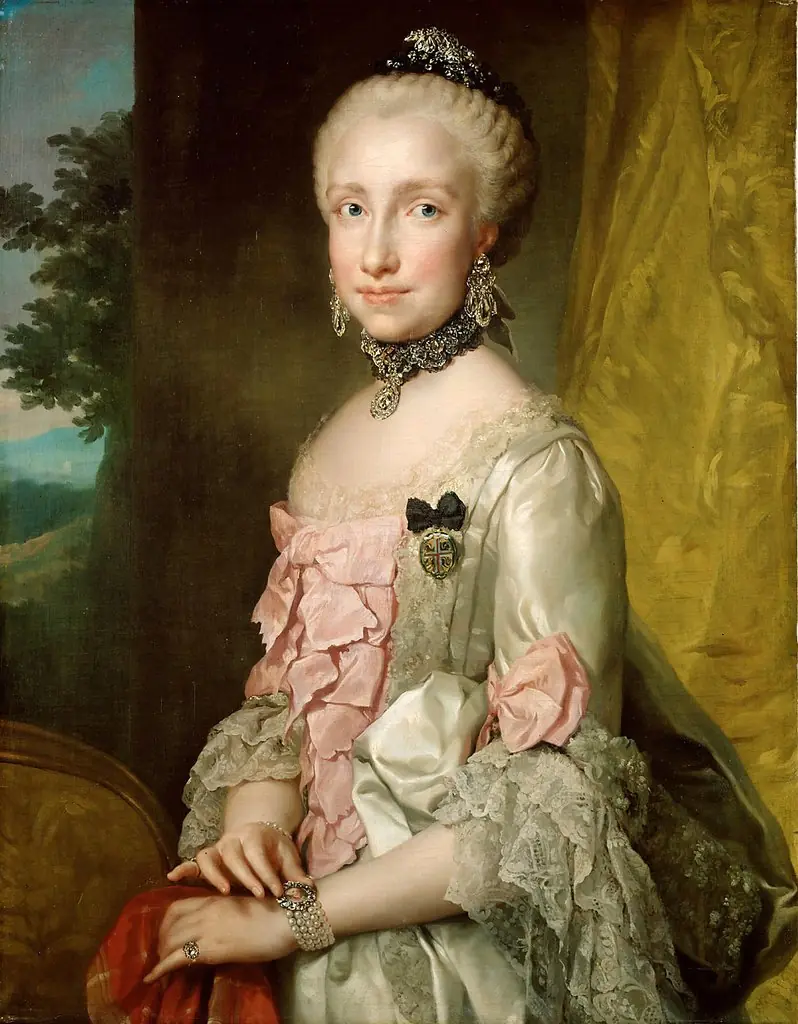 Portrait of Maria Luisa of Spain
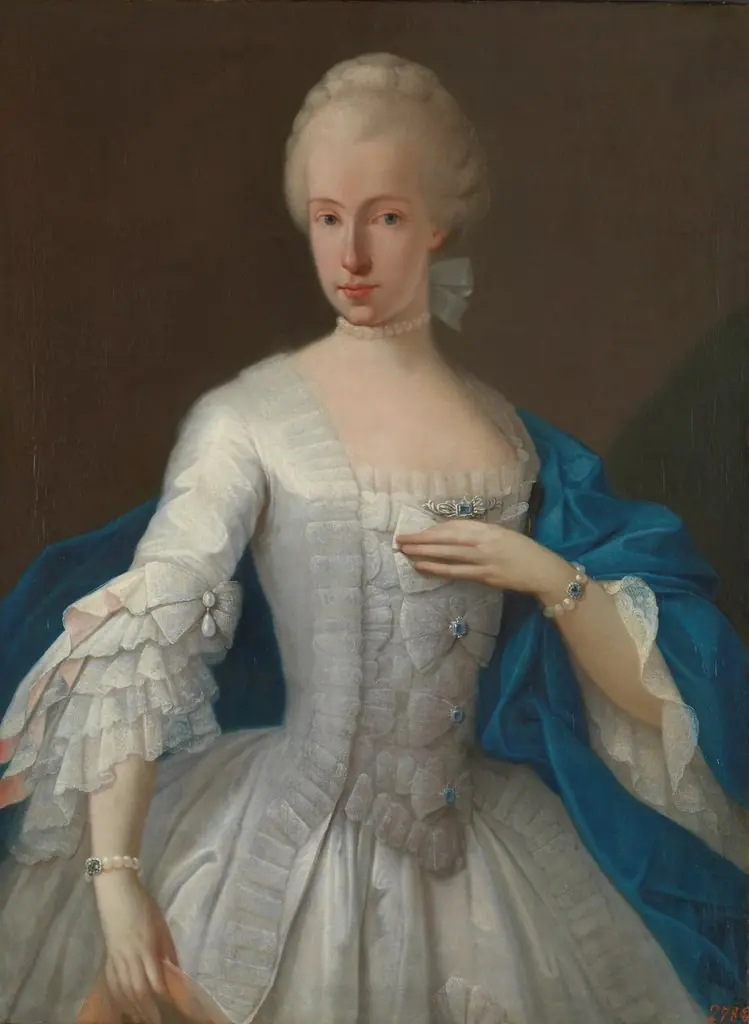 María Luisa de Borbón y Sajonia
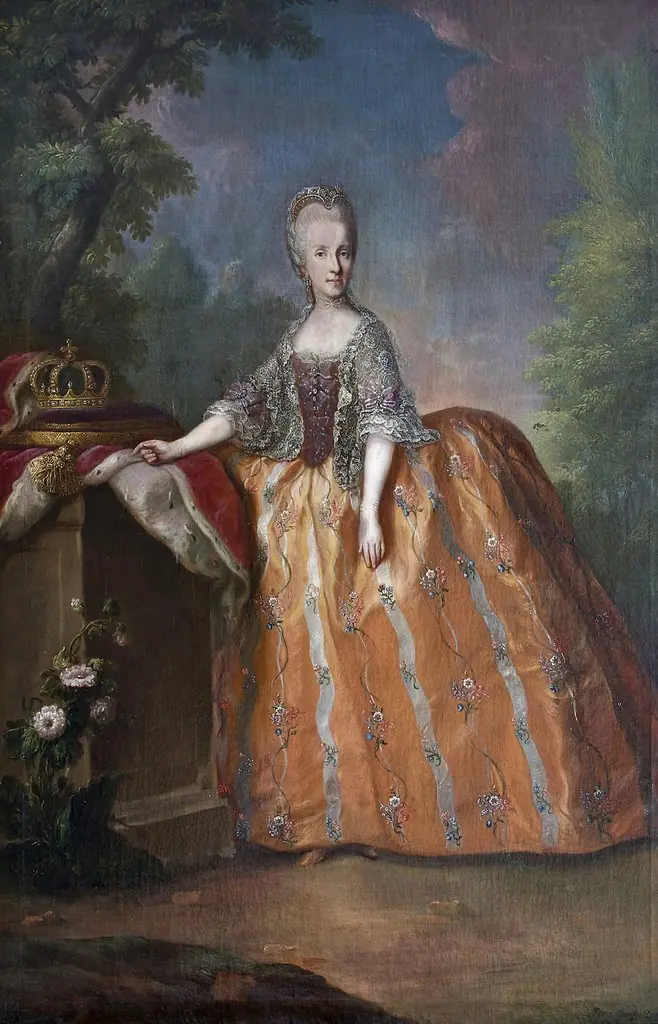 Maria Luisa of Spain, Holy Roman Empress
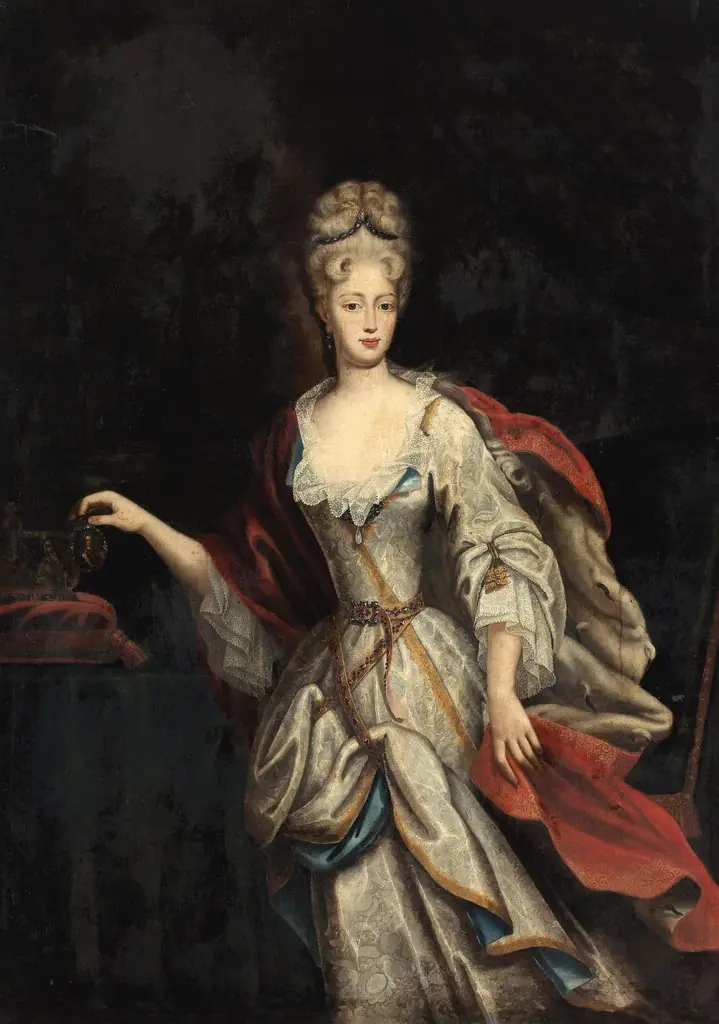 Bildnis einer Fürstin
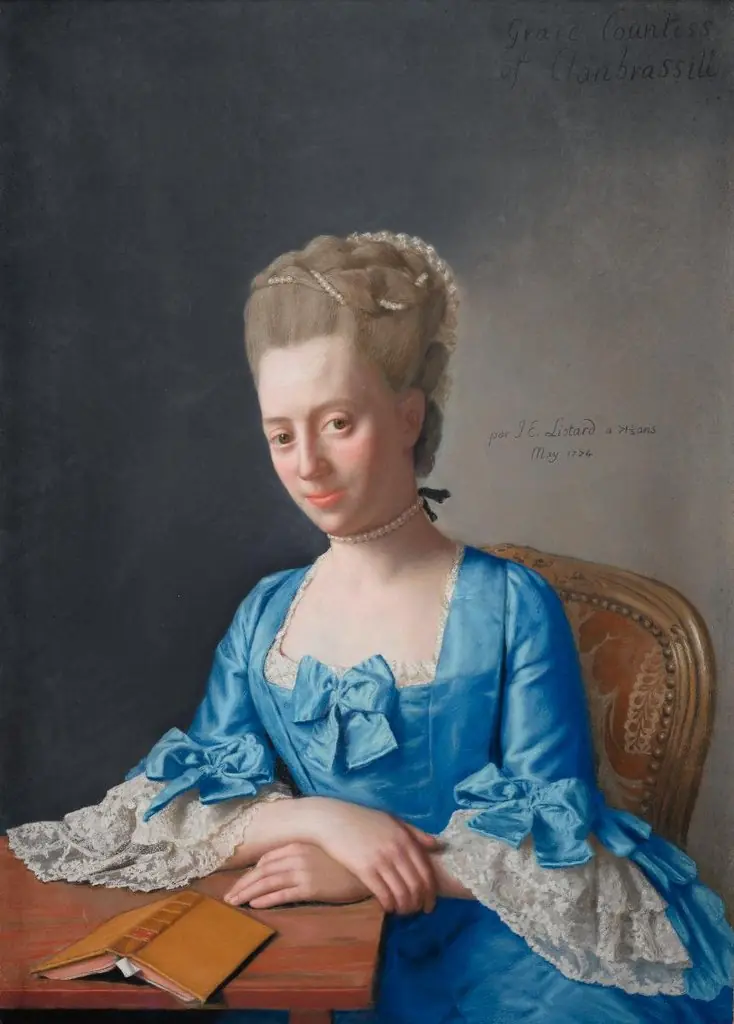 Grace, Countess of Clanbrassil
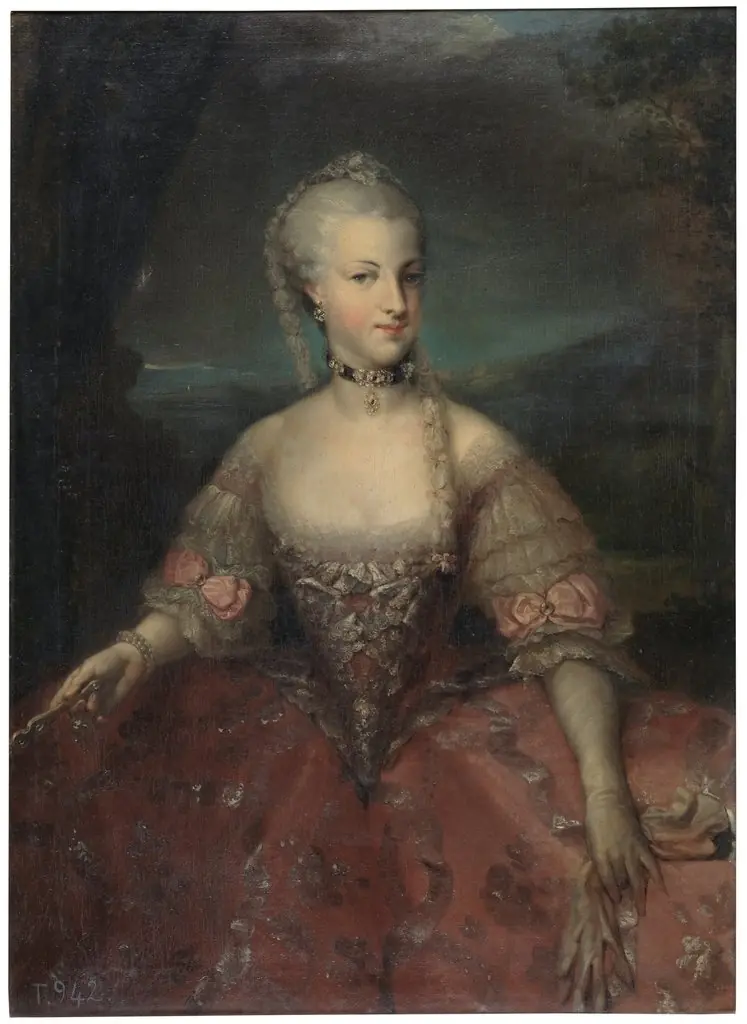 Maria Carolina of Habsburg-Lorraine, Queen of Naples
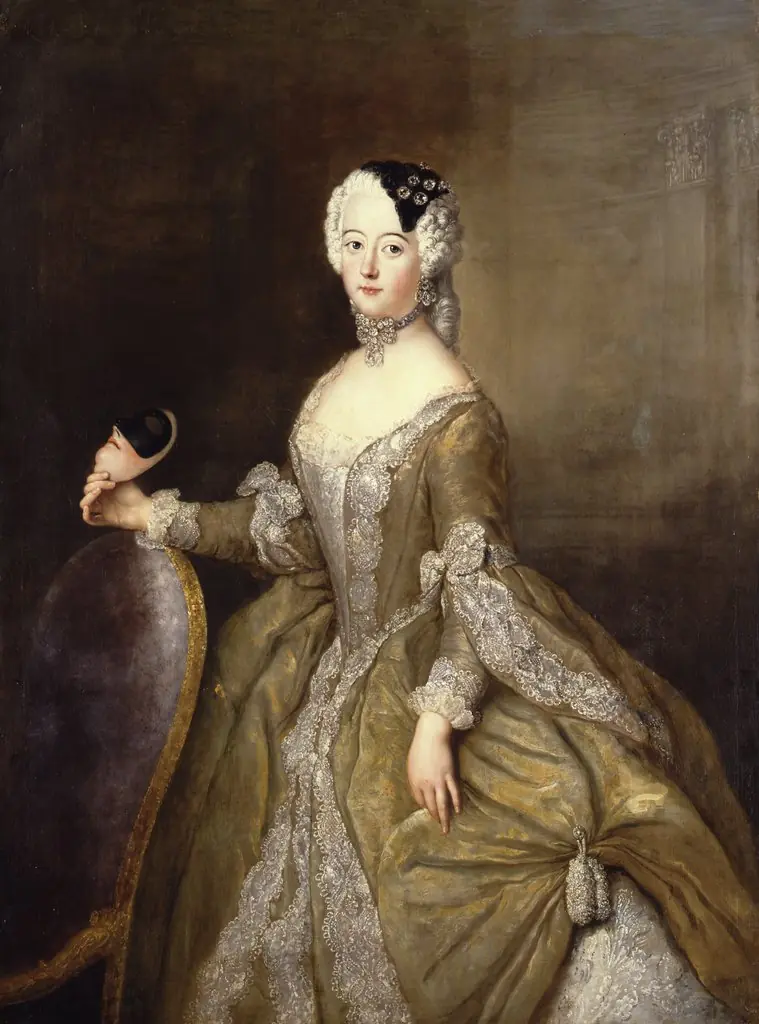 Princess Luise Ulrike of Prussia (1720-1782)
 Tanskan kuningatar Louise
 Portrait of Princess Anastasia Dolgorukaya, née Lodyzhenskaya (1736-1828)
 Philippine Charlotte, Duchess of Brunswick and Lüneburg, born Princess of Prussia
 Naisen muotokuva
 Portrait of Ulrika Eleonora the Younger, Queen of Sweden