Artwork
Portrait of Prince Abbondio Rezzonico as Senator of Rome
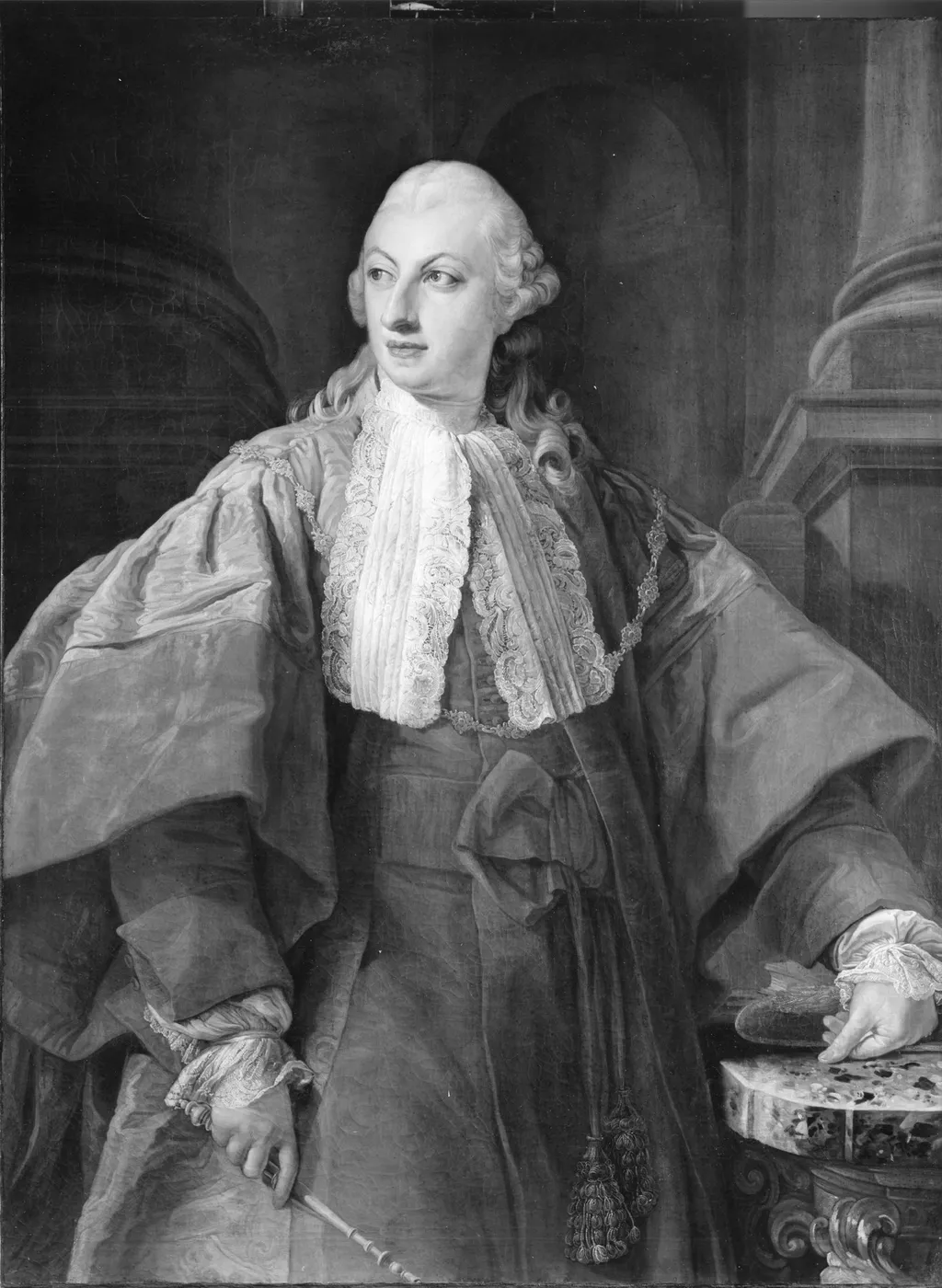
Portrait of Prince Abbondio Rezzonico as Senator of Rome is an oil painting by the Rococo painting artist Pompeo Batoni. It dates from 1765 and is held in the collection of the Walters Art Museum.
About this work
Overview
Executed with precision and restraint, the work aligns with the conventions of 18th-century portraiture favored by European elites.
Painted in 1765 by Pompeo Batoni, this oil portrait captures Abbondio Rezzonico in his role as Senator of Rome. Executed with precision and restraint, the work aligns with the conventions of 18th-century portraiture favored by European elites. Batoni, known for his polished technique and ability to merge individual likeness with symbolic context, rendered Rezzonico as a figure of civic dignity rather than flamboyant nobility.
Subject & Meaning
Abbondio Rezzonico is depicted in formal senatorial attire: a dark coat, lace-trimmed collar, and held scepter, all markers of his political office. The marble table beside him, bearing a book, suggests scholarly engagement and legal authority. The somber background and minimal setting emphasize his institutional role over personal identity, reflecting the gravity of public service in papal Rome.
Technique & Style
Batoni employed smooth brushwork and controlled lighting to model the textures of fabric, lace, and marble with quiet realism. The dark, undefined background focuses attention on the figure and the symbolic objects. His composition avoids theatricality, favoring balance and clarity—hallmarks of his approach to portraiture, which blended classical restraint with contemporary elegance.
History & Provenance
Commissioned during Rezzonico’s tenure as senator, the portrait was likely intended for display in a civic or familial setting. It entered the Walters Art Museum’s collection in the early 20th century, having passed through private hands in Europe. Its preservation reflects continued interest in Batoni’s work among American collectors seeking European Old Master paintings.
Context
Batoni was the preferred portraitist for Grand Tour travelers and Italian aristocrats, merging local traditions with international tastes. Rezzonico’s portrait fits within a broader trend of Roman civic leaders commissioning dignified likenesses to affirm their status. The painting responds to a demand for imagery that linked personal achievement with the enduring authority of Rome’s institutions.
Legacy
The portrait stands as a representative example of Batoni’s contribution to European portraiture, where psychological subtlety and symbolic clarity took precedence over ornamentation. It remains a key reference for understanding how political identity was visually constructed in 18th-century Italy, influencing later conventions of official portraiture in the region.
Artist & collection
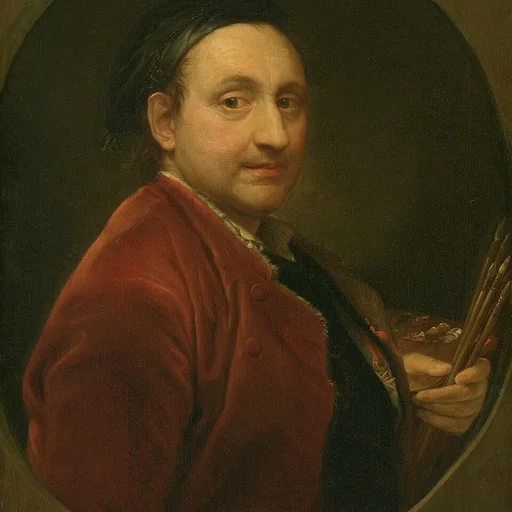
Artist
Pompeo Girolamo Batoni (25 January 1708 – 4 February 1787) was an Italian painter who displayed a solid technical knowledge in his portrait work and in his numerous allegorical and mythological pictures.

 Major General Christopher Nugent (d.1742)
 Mandsportræt
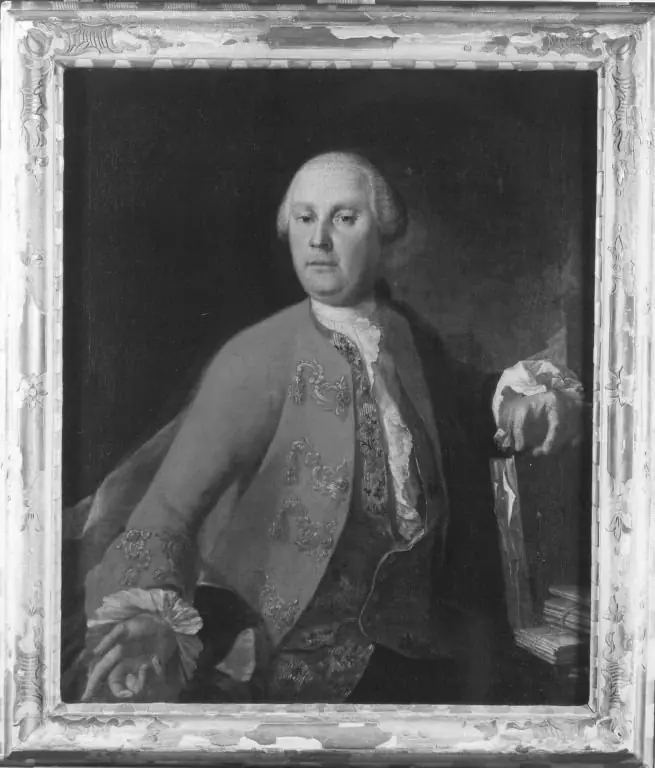 Carl Anton Adam Freiherr von Hagn
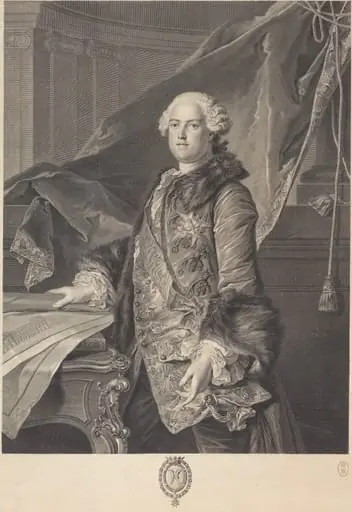 Marquis de Marigny
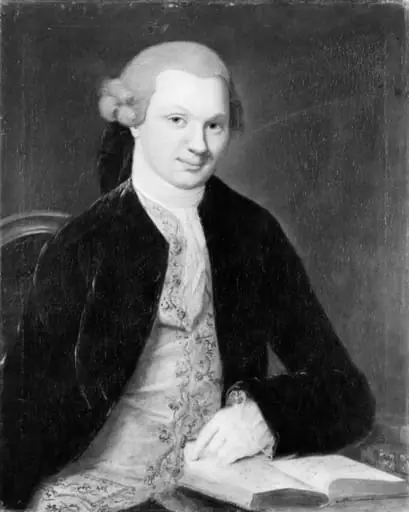 Mandsportræt
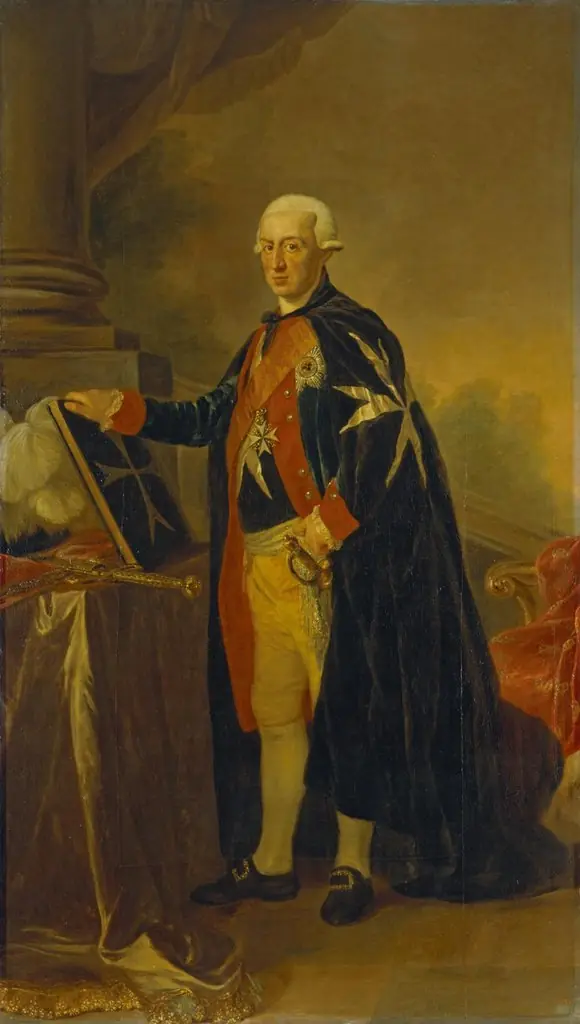 Portrait of Prince Augustus Ferdinand of Prussia
 Portræt af J. J. Brandt
 Portrait of a German prince
 Kurfürst Max III. Joseph von Bayern (zugeschrieben)
 Portræt af en kunstner
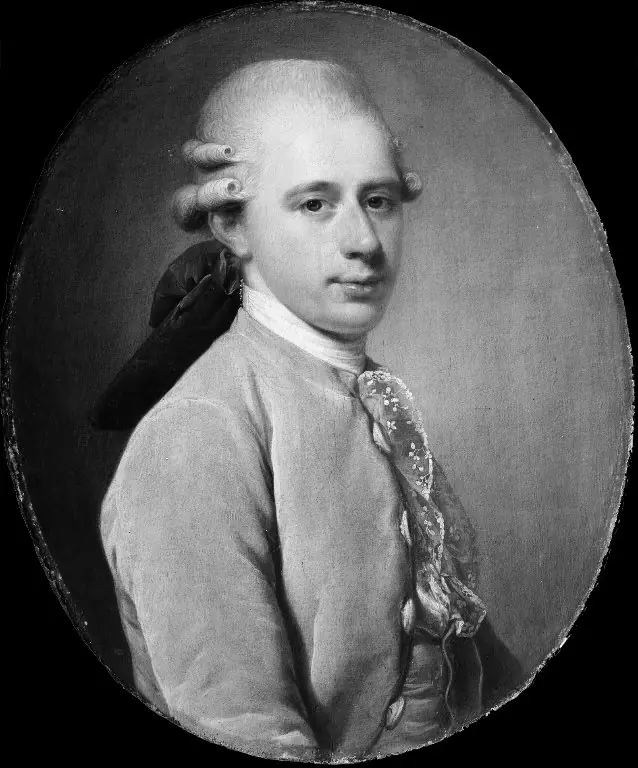 Generalpostdirektør Frederik Hauch som ung
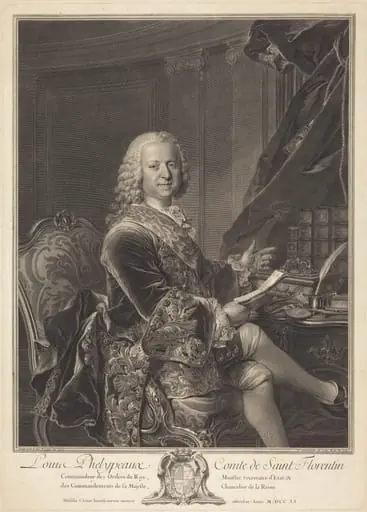 Louis Phelypeaux, comte de Saint Florentin