Artwork
André Hercules, Cardinal de Fleury
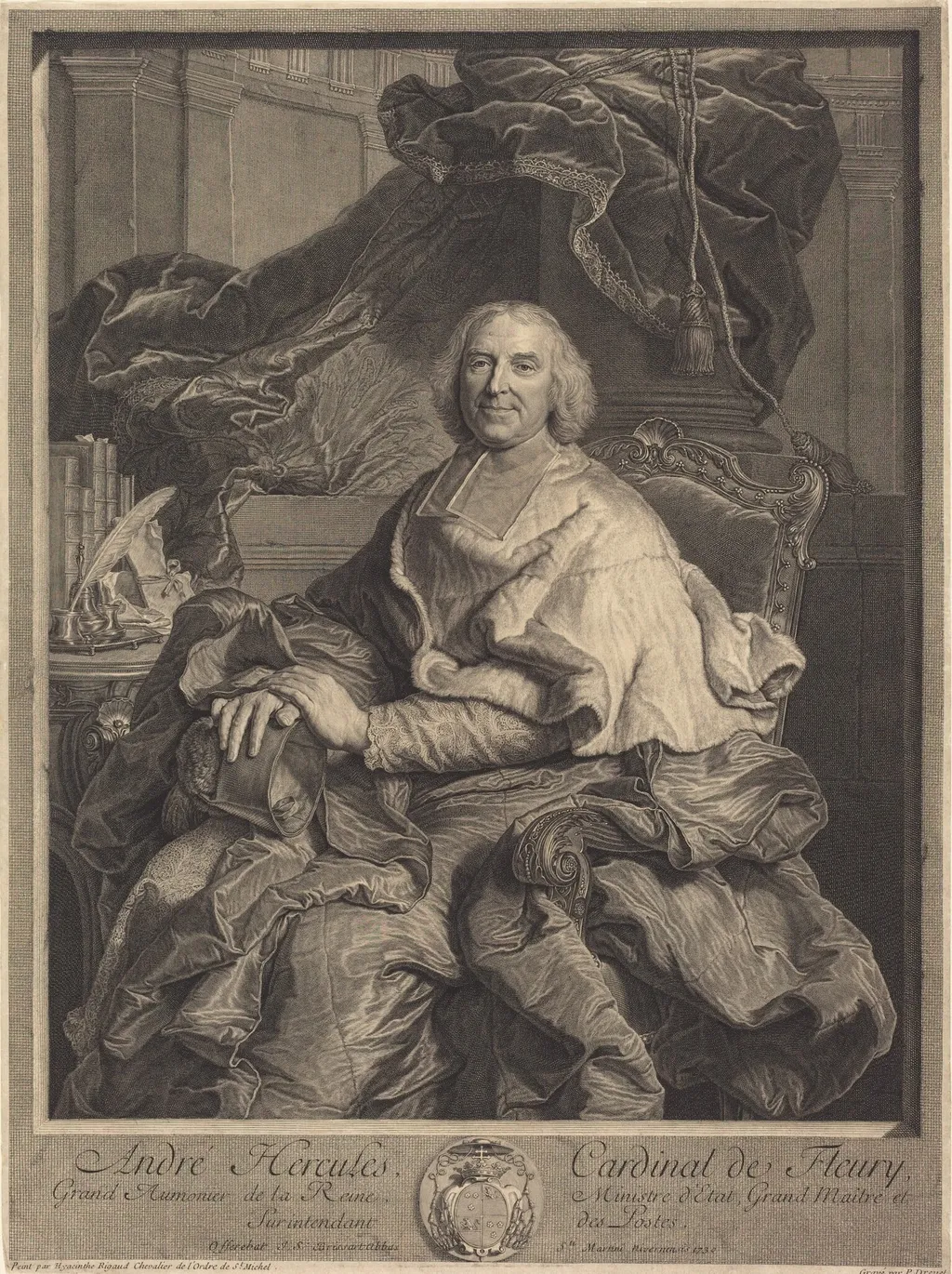
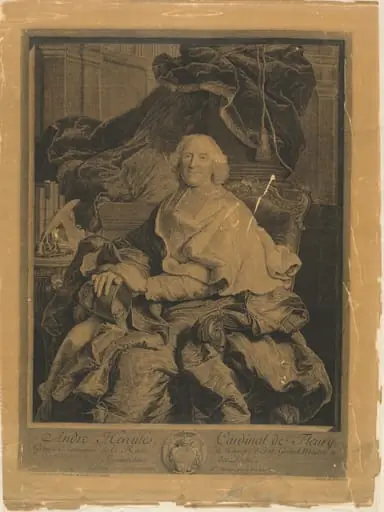
André Hercules, Cardinal de Fleury is an ink print by the Baroque artist Pierre Drevet. It dates from 1730 and is held in the collection of the National Gallery of Art.
About this work
The artist, Pierre Drevet, made this engraving in 1730, which was a common way to make copies of paintings back then.
This painting shows a man, André Hercules, Cardinal de Fleury, in formal clothing.
He's dressed in old-fashioned robes and has a serious expression.
The artist included many details in the Cardinal's clothes and surroundings.
The Cardinal's pose and clothes suggest he's a powerful man.
The artist, Pierre Drevet, made this engraving in 1730, which was a common way to make copies of paintings back then.
You can learn more about the technique used to create this image by looking into engraving.
Overview
Pierre Drevet’s 1730 engraving presents André Hércules, Cardinal de Fleury, in formal ecclesiastical attire. Executed on laid paper, the print belongs to the portrait tradition of early‑18th‑century France, offering a detailed visual record of the cardinal’s appearance and status.
Subject & Meaning
The image portrays the cardinal in solemn pose, his robes rendered with precise folds that emphasize his authority within the church hierarchy. The serious expression and dignified bearing convey the gravitas associated with his political and religious role during the reign of Louis XV.
Technique & Style
Drevet employed line engraving, a labor‑intensive process that incises fine, parallel lines into a metal plate before transferring the image onto laid paper. The technique allows for delicate rendering of textures—particularly the intricate detailing of fabric and ornamental elements—characteristic of French portrait engravers of the period.
History & Provenance
Created in 1730, the print reflects the Drevet family’s long‑standing reputation as premier portrait engravers in France, a lineage that spanned more than a century. The work likely served both as a means of disseminating the cardinal’s likeness and as a collectible item for connoisseurs of contemporary portraiture.
Context
During the early 1700s, engraving functioned as the principal method for reproducing and circulating images of notable figures. Drevet’s portrait of Cardinal de Fleury fits within this practice, providing a visual counterpart to painted portraits and reinforcing the cardinal’s public presence across the kingdom.
Artist & collection
Artist
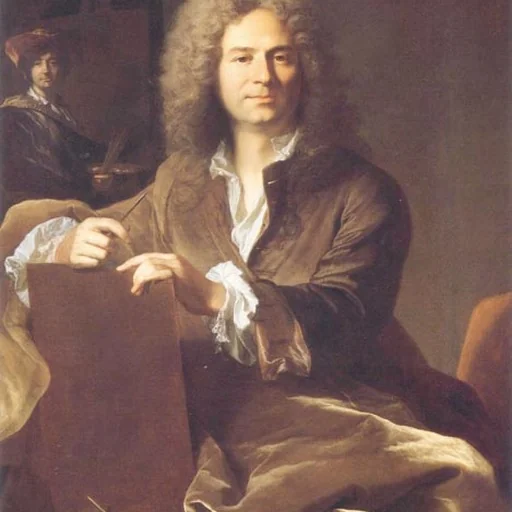
The Drevet Family were leading portrait engravers of France for over a hundred years. Their fame began with Pierre, and was sustained by his son, Pierre-Imbert, and by his nephew, Claude.

 Sericulture (The Process of Making Silk)
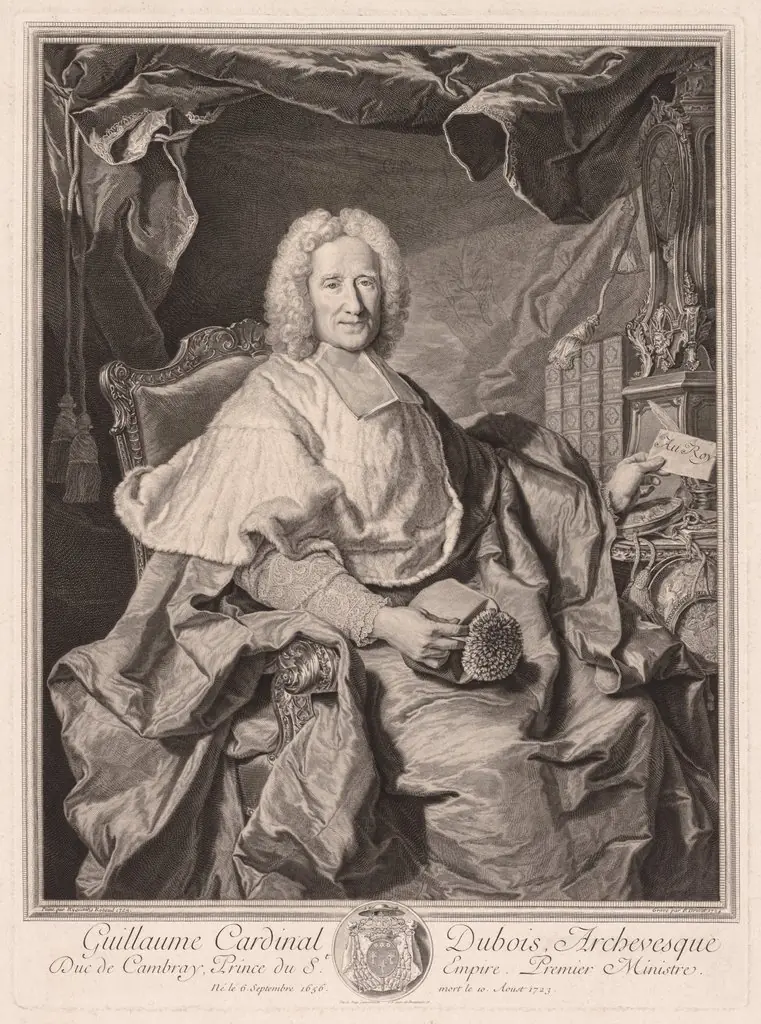
 Cardinal Dubois
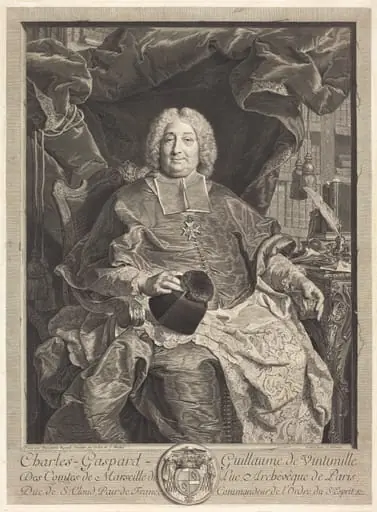 Charles-Gaspard-Guillaume de Vintimille du Luc, Archbishop of Paris
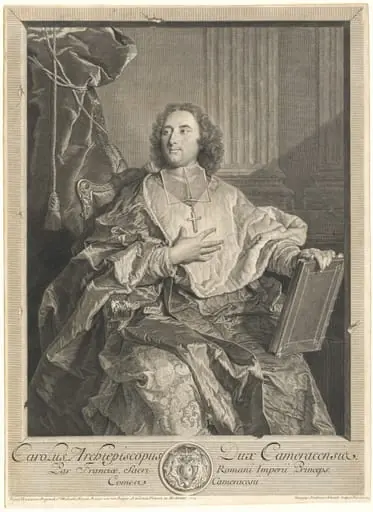 Monseigneur Louis-Charles d'Orléans de Saint-Albin, Archbishop of Cambrai
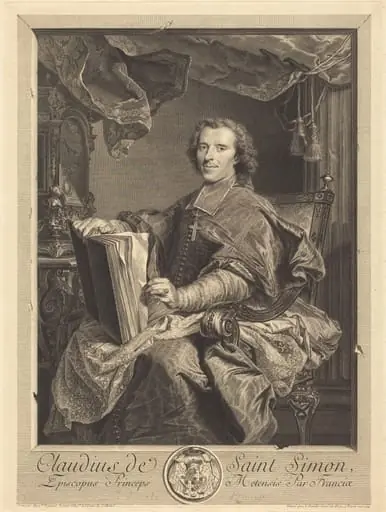 Claudius de Saint-Simon, Prince-Evêque de Metz
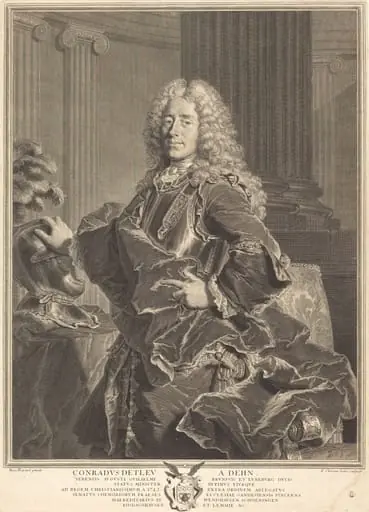 Conradus Detleu von Dehn
 Monseigneur Charles de Saint-Albin, Archbishop of Cambrai
 Sebastiano Ricci
 Jacques-Benigne Bossuet