Artwork
Erziehung des Kurprinzen Johann Wilhelm
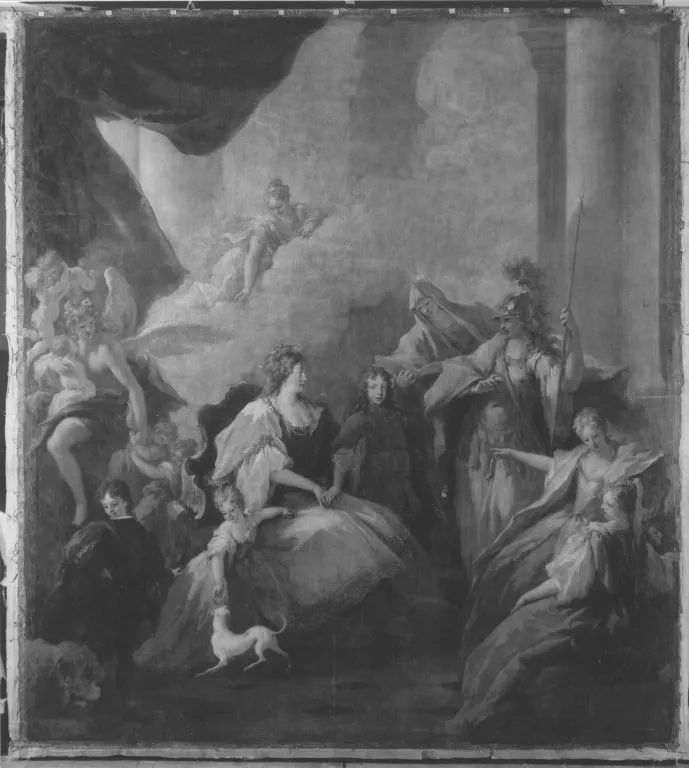
Erziehung des Kurprinzen Johann Wilhelm is an unspecified painting by the Rococo painting artist Giovanni Antonio Pellegrini. It dates from 1708 and is held in the collection of the Bavarian State Painting Collections.
About this work
Overview
Pellegrini, trained in Venice, brought Italian decorative traditions to German-speaking courts, merging classical grandeur with theatrical composition.
Painted in 1708 by Giovanni Antonio Pellegrini, this work portrays the education of Johann Wilhelm, Elector Palatine, as a youthful heir. Commissioned for a noble court, it reflects the transnational nature of early 18th-century artistic patronage. Pellegrini, trained in Venice, brought Italian decorative traditions to German-speaking courts, merging classical grandeur with theatrical composition. The painting now resides in Munich’s Alte Pinakothek, a testament to its enduring institutional value.
Subject & Meaning
The scene illustrates the moral and intellectual upbringing of a young prince, framed as a divine and aristocratic rite. A maternal figure guides the child’s hand, symbolizing nurture and instruction, while a standing male figure with a spear suggests guardianship and martial readiness. Angels and celestial musicians above imply heavenly sanction of the prince’s destined role. The composition merges secular pedagogy with sacred imagery, reinforcing the legitimacy of dynastic rule through divine association.
Technique & Style
Pellegrini employed chiaroscuro to model figures with soft gradations of light and shadow, enhancing spatial depth and emotional weight. His brushwork combines the rich colorism of Veronese with the dynamic movement of Baroque masters like Giordano. The architectural setting, with its soaring columns and vaulted ceiling, evokes classical antiquity, while the swirling angels and draped figures introduce a lyrical, almost theatrical rhythm characteristic of emerging Rococo sensibilities.
History & Provenance
Commissioned during Pellegrini’s tenure at the Palatine court in Düsseldorf, the painting was likely intended for a ceremonial or educational space. It remained within the Wittelsbach collection after Johann Wilhelm’s ascension, eventually transferred to the Alte Pinakothek in Munich during the 19th century. Its continuous presence in royal holdings underscores its role as both political allegory and dynastic artifact.
Context
In early 18th-century Germany, noble courts sought to align themselves with Italian cultural prestige. Pellegrini’s presence in the Rhineland reflected this trend, as German patrons imported Venetian aesthetics to elevate their image. The painting’s fusion of classical architecture, mythological undertones, and courtly ritual mirrors broader European efforts to legitimize authority through visual narratives rooted in antiquity and divine order.
Legacy
Though less widely known than his Italian contemporaries, Pellegrini’s work influenced the decorative style of northern European courts. His synthesis of Venetian color and Baroque dynamism helped shape the visual language of princely education imagery. The painting remains a key example of how art functioned as a tool of political representation, bridging Italian technique with German aristocratic ideals in the decades before full Rococo dominance.
Artist & collection
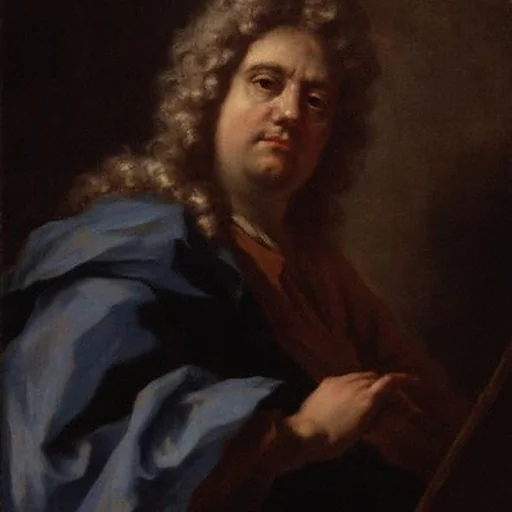
Artist
Giovanni Antonio Pellegrini (29 April 1675 – 2 or 5 November 1741) was one of the leading Venetian history painters of the early 18th century.

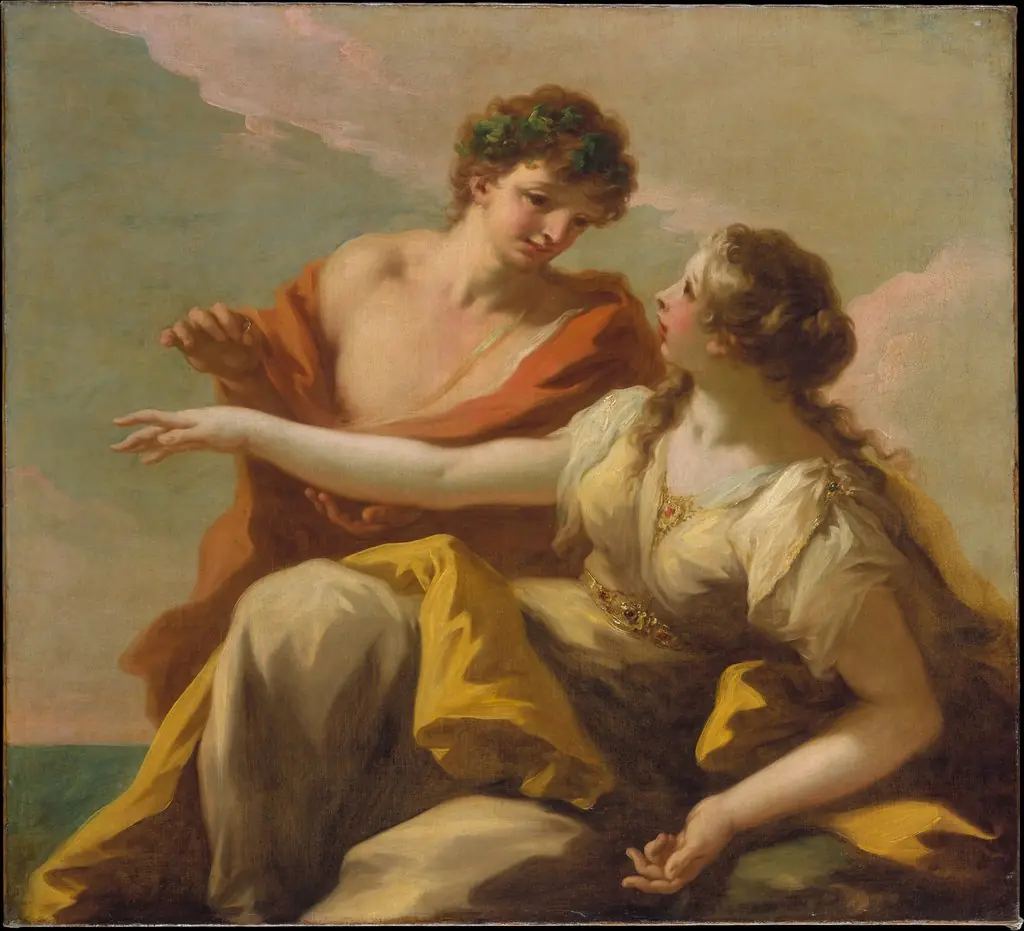 Bacchus and Ariadne
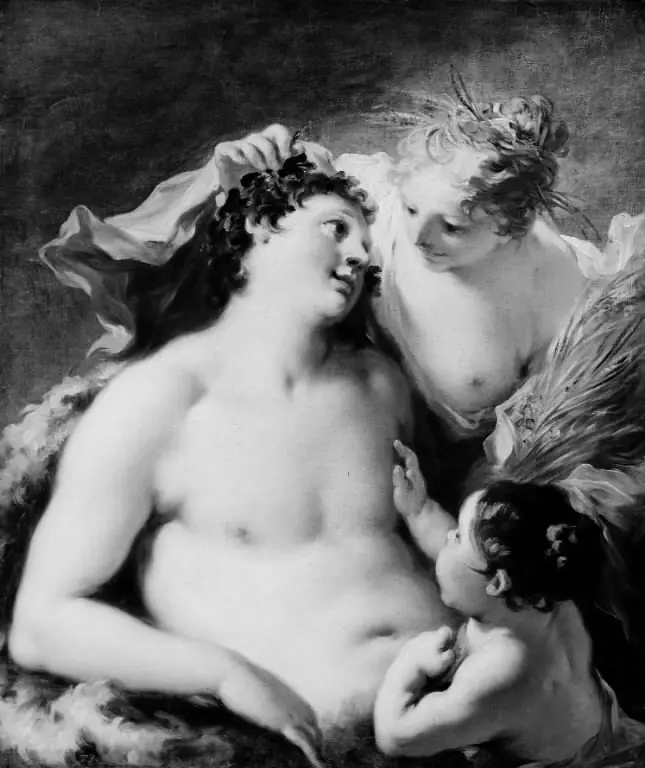 Ceres, Bacchus and Cupid
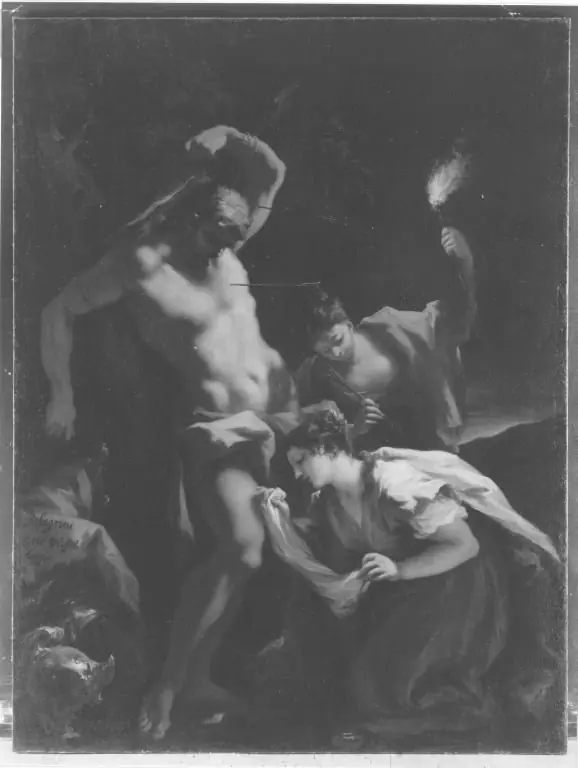 Rettung des hl. Sebastian durch Irene
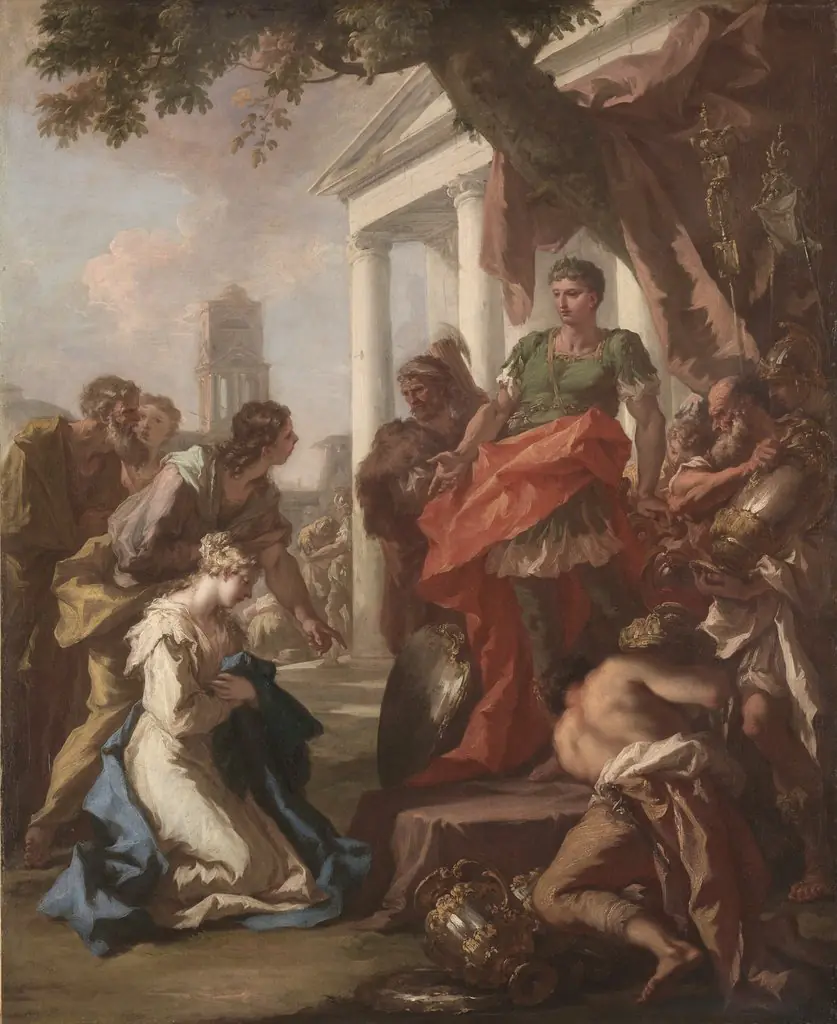 The Continence of Scipio
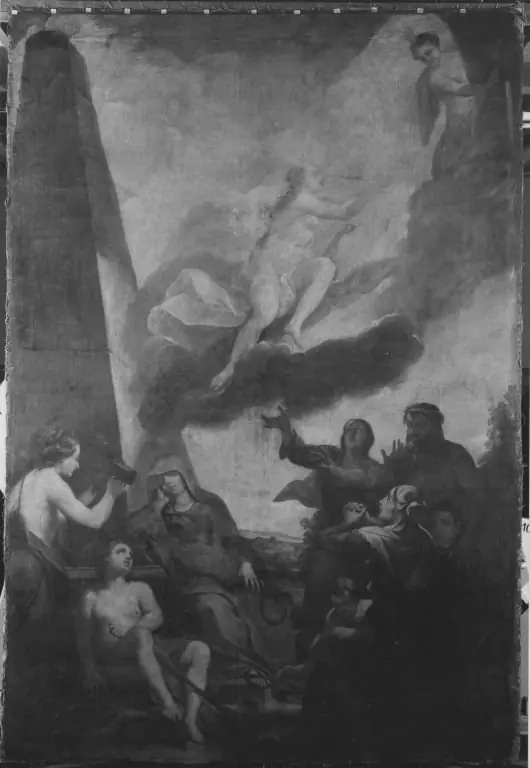 Allegorie auf den Tod einer Fürstin
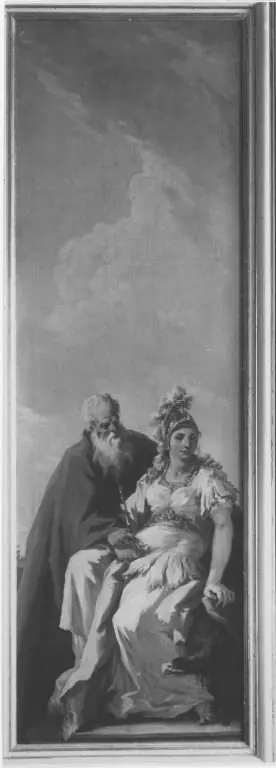 Allegorie: Ein alter Mann ergreift das Szepter
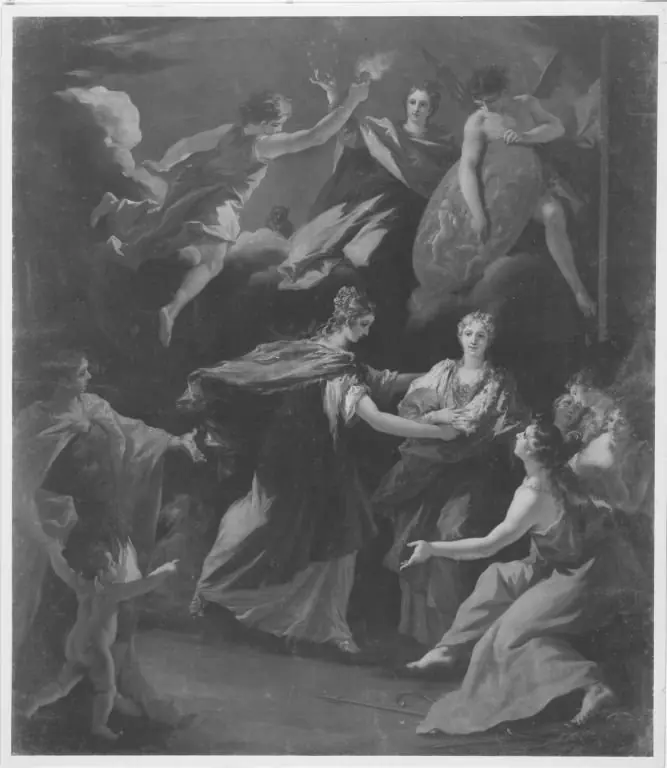 Begrüßung der Kurfürstin Maria Luisa von Toskana
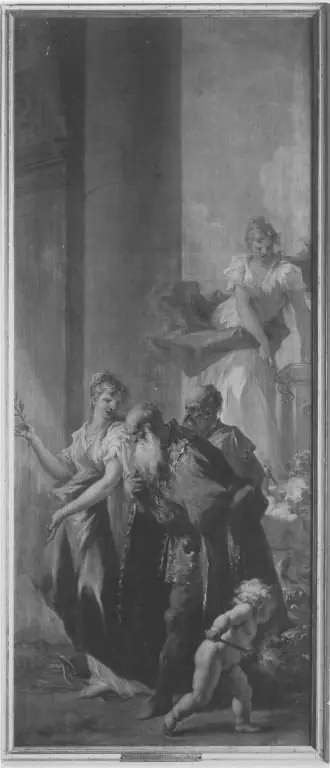 Allegorie der Befreiung vom Joch des Islam (Frieden und Glück unter Johann Wilhelm von der Pfalz)
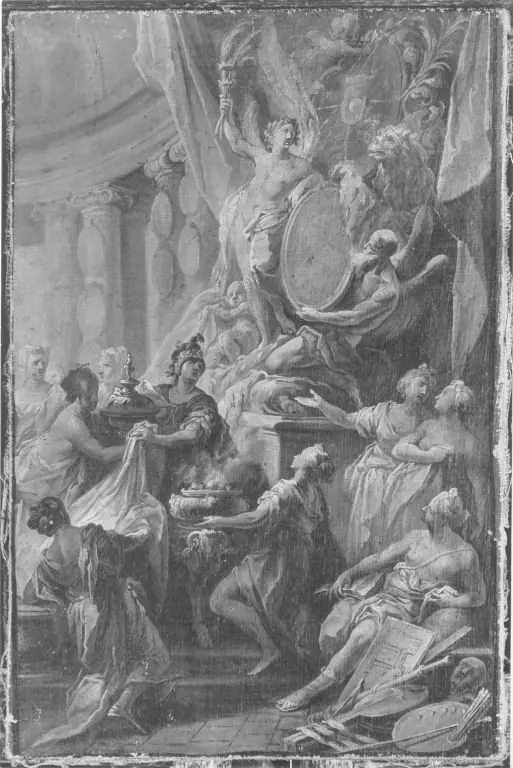 Huldigung an Kurfürst Maximilian III. Joseph von Bayern
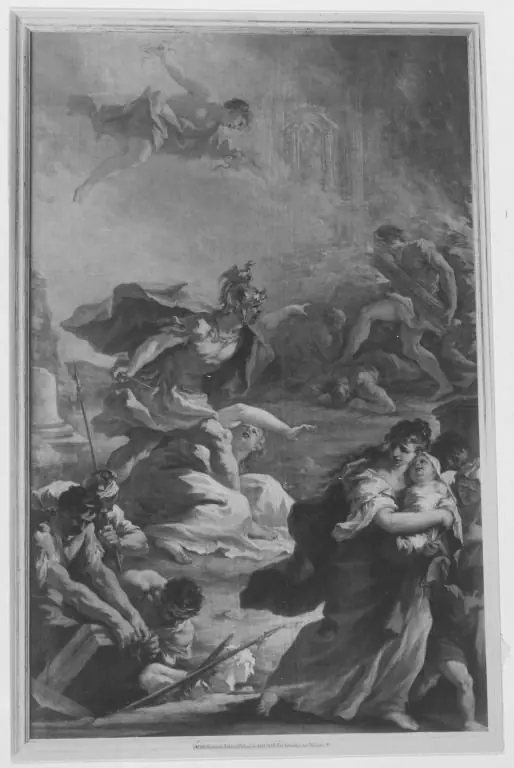 Die Schrecken des Krieges
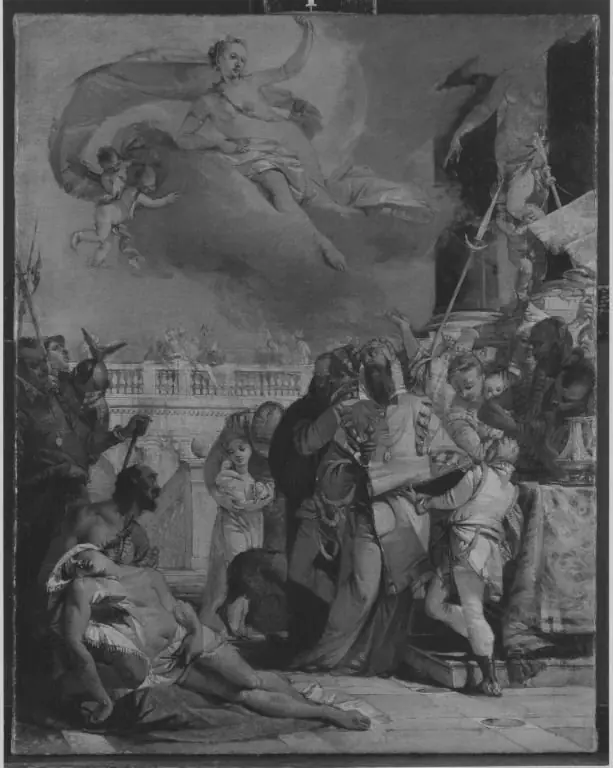 Opferung der Iphigenie
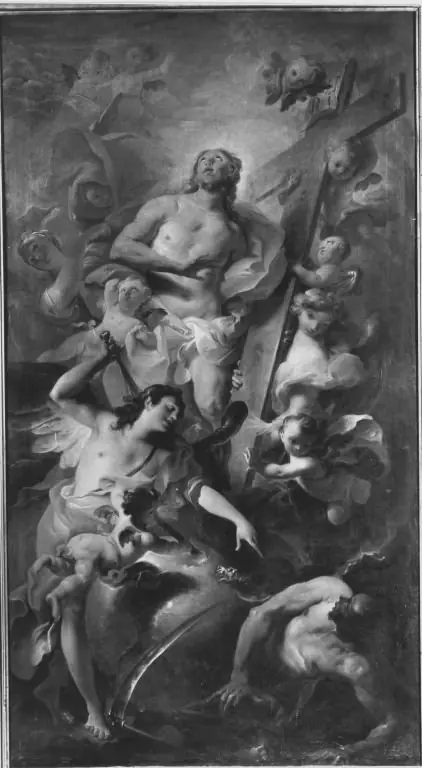 Christus als Überwinder
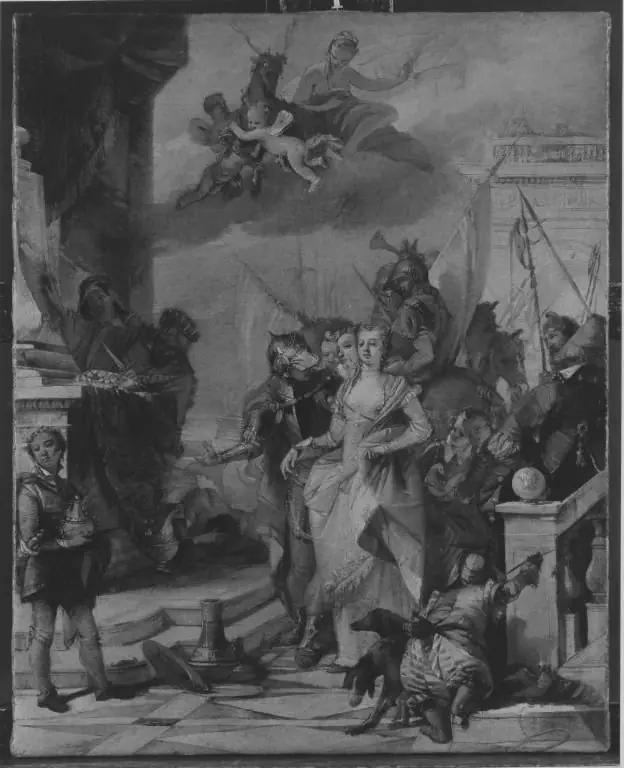 Iphigenie wird zum Tempel geführt
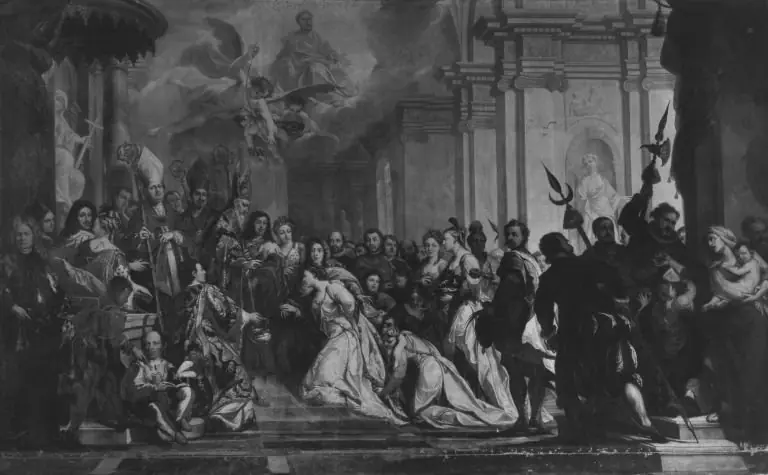 Trauung des Kurfürsten Johann Wilhelm von der Pfalz
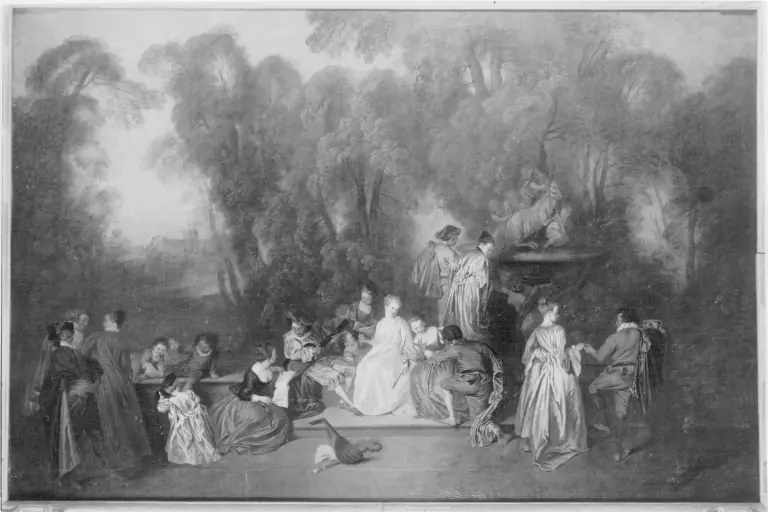 Gesellschaft im Park
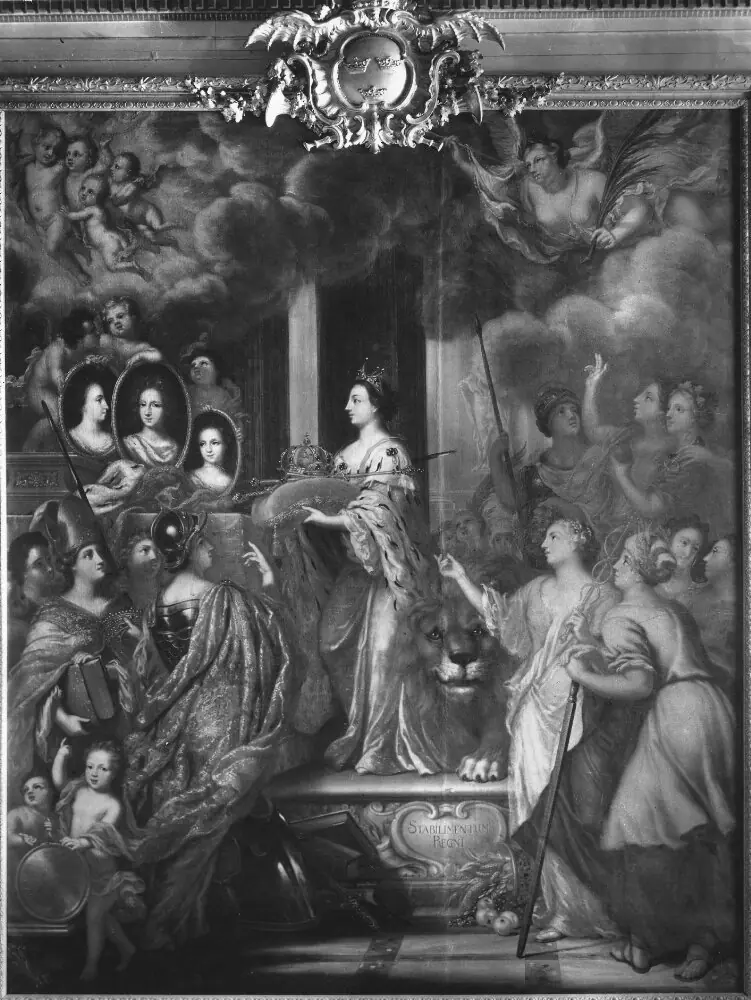 Allegori över rikets befästande genom tronarvingar
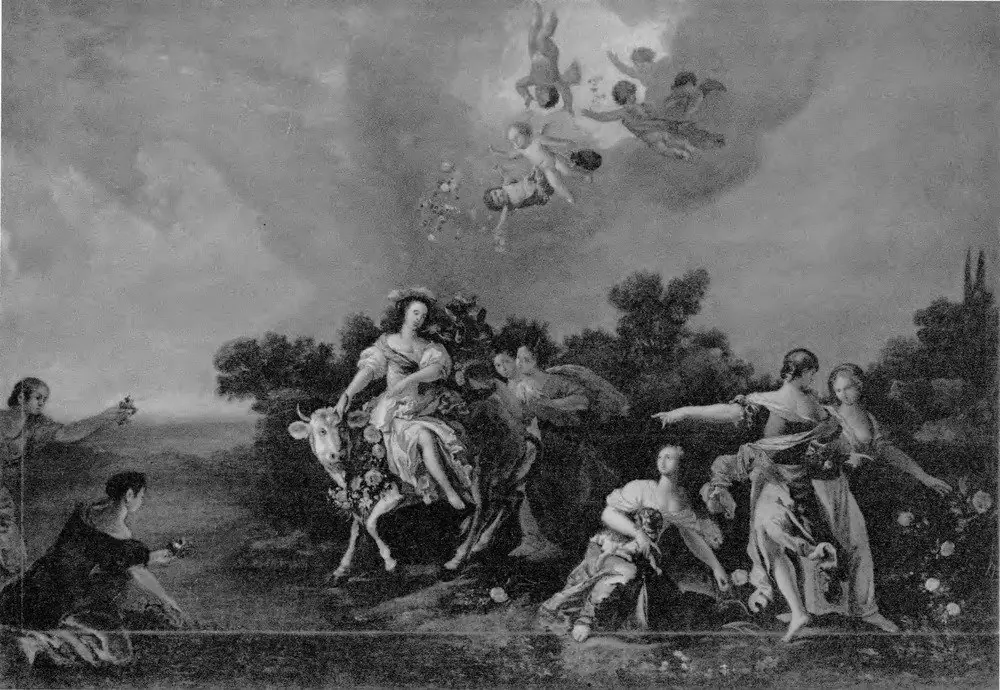 The Rape of Europa
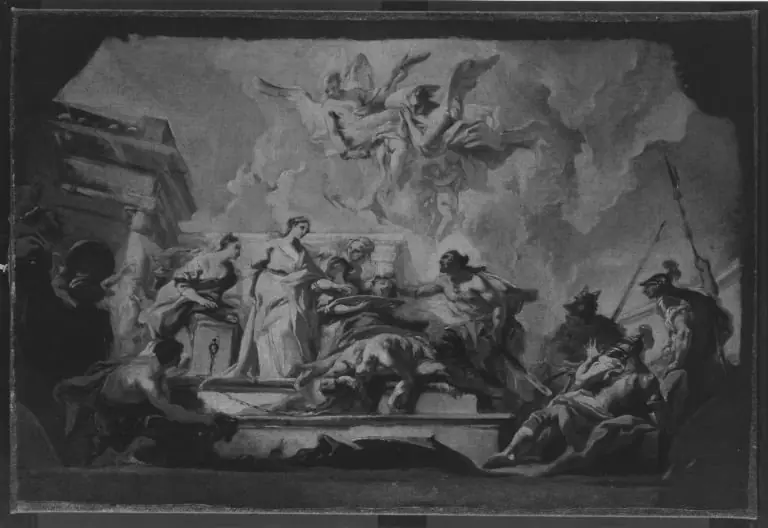 Enthauptung Johannes des Täufers