Artwork
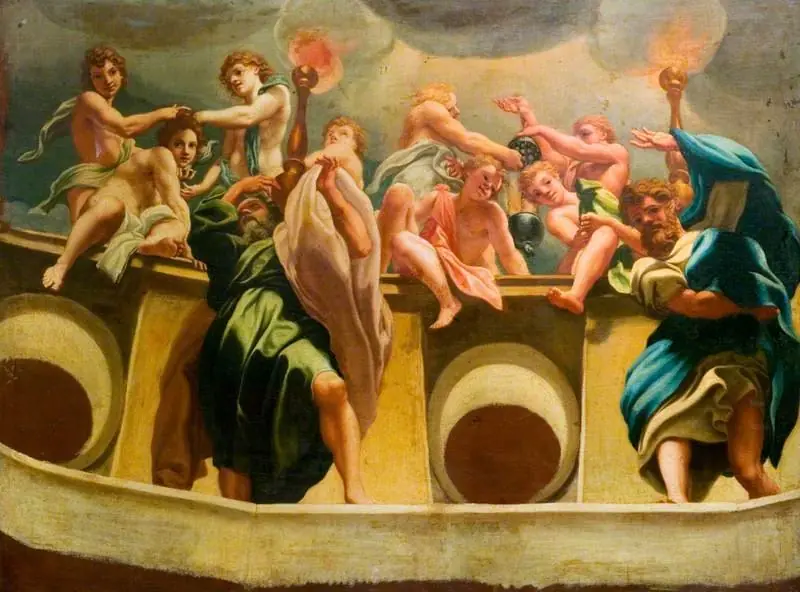
Apostles and Angels at the Assumption (copy of the fresco in the cupola of Parma Cathedral)
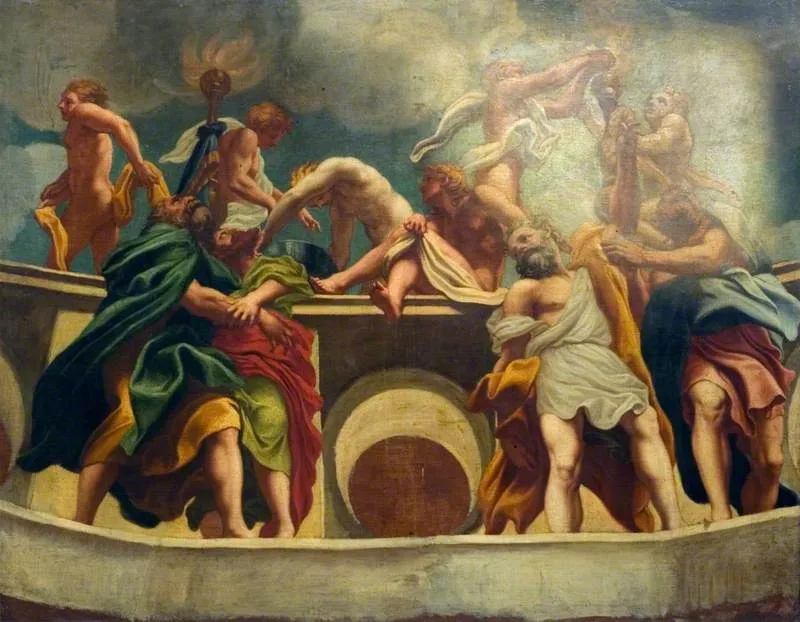
Apostles and Angels at the Assumption (copy of the fresco in the cupola of Parma Cathedral) is a tempera painting by Correggio. It dates from 1521 and is held in the collection of the Victoria and Albert Museum.
About this work
Overview
This tempera painting is a reduced-scale copy of the fresco Antonio da Correggio painted for the cupola of Parma Cathedral around 1521.
This tempera painting is a reduced-scale copy of the fresco Antonio da Correggio painted for the cupola of Parma Cathedral around 1521. Executed on panel, it captures the celestial moment of the Virgin Mary’s ascent, as witnessed by apostles and angels below. The work resides in the Victoria and Albert Museum, serving as a study or devotional replica of the original ceiling composition, preserved in its architectural context.
Subject & Meaning
The scene depicts the Assumption of the Virgin, with apostles gathered in awe beneath her rising form. Angels hover in the upper register, their gestures guiding the viewer’s gaze upward. The figures are arranged in a dynamic, spiraling composition, emphasizing divine movement and spiritual elevation. Their postures—outstretched arms, upward glances—convey reverence and wonder, reinforcing the theological theme of transcendence.
Technique & Style
Rendered in tempera on panel, the painting employs soft, blended tones of beige, muted blue, and earthy browns to suggest atmospheric depth. Correggio’s handling of light and drapery creates a sense of weightlessness, despite the medium’s typically rigid nature. Figures are modeled with subtle gradations, and the sky is rendered with delicate washes, enhancing the illusion of celestial space without overt perspective.
History & Provenance
The painting was likely produced shortly after Correggio completed the Parma Cathedral fresco, possibly as a preparatory study or a devotional object for private use. It entered the Victoria and Albert Museum’s collection in the 19th century, having passed through private European holdings. Its survival as a copy offers insight into how Correggio’s monumental ceiling work was disseminated and appreciated beyond its original architectural setting.
Context
In early 16th-century Italy, religious imagery often served both liturgical and educational roles. Correggio’s fresco in Parma was revolutionary for its illusionistic ceiling design, influencing later Baroque artists. This tempera copy reflects the demand for portable versions of such grand compositions, allowing clergy and patrons to engage with the imagery in domestic or chapel settings where large-scale frescoes were impractical.
Legacy
Though a copy, this work preserves key elements of Correggio’s innovative approach to spatial illusion and emotional expression in sacred subjects. It contributes to understanding how his style was transmitted and adapted in the decades following the original fresco’s completion. The painting remains a quiet testament to the enduring impact of his vision on devotional art across Italy and beyond.
Artist & collection

Artist
Antonio Allegri da Correggio (August 1489 – 5 March 1534), usually known as just Correggio (, also UK: , US: , Italian: ), was an Italian Renaissance painter who was the foremost painter of the Parma school of the High…

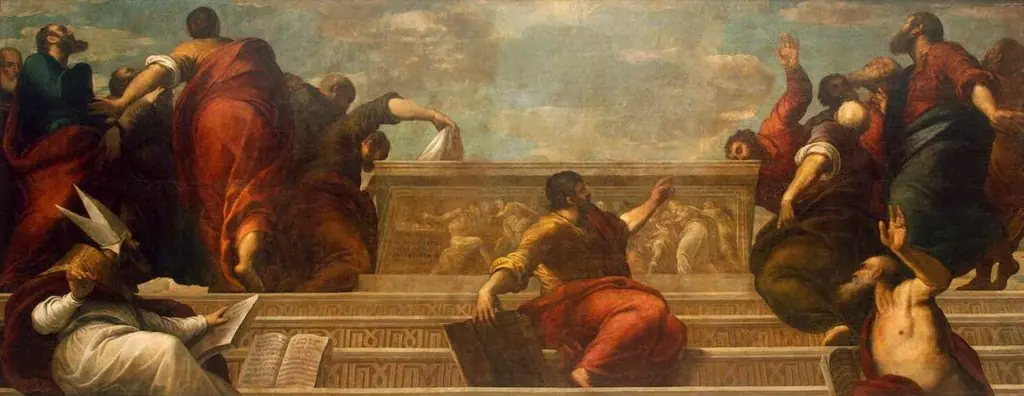 Apostles at the Virgin's Tomb
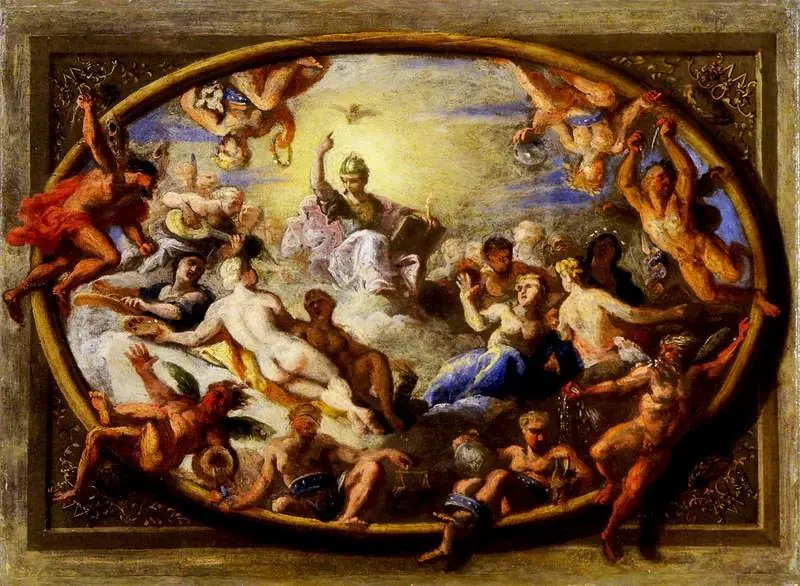 Minerva with Allegorical Figures of the Arts and Sciences (sketch for the ceiling of the Banqueting House, Hampton Court Palace)
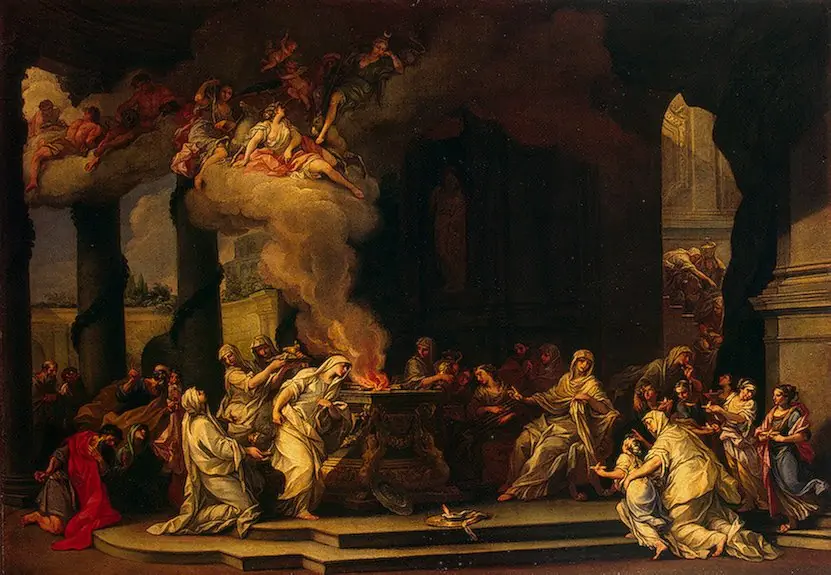 Dedication of a New Vestal Virgin
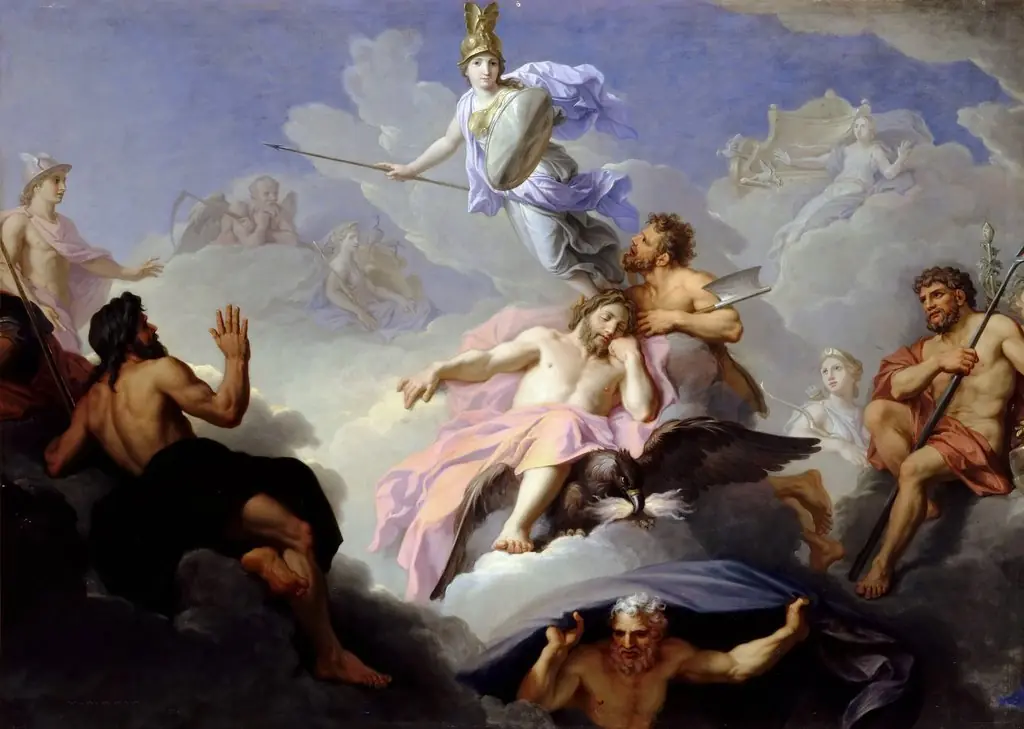 The Birth of Minerva
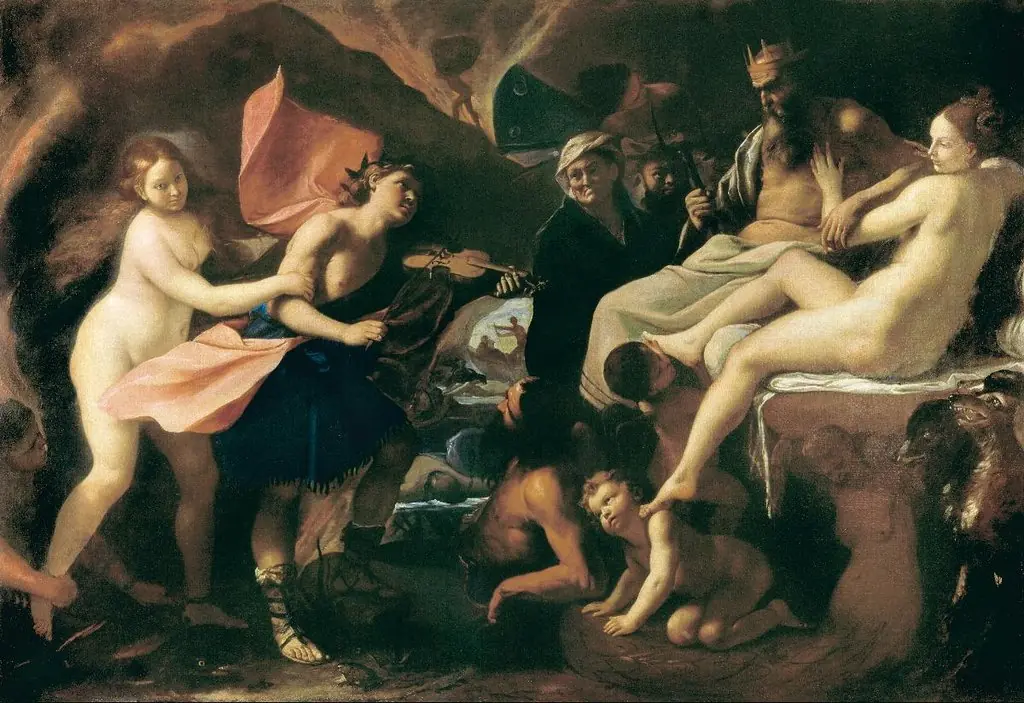 Orfeo nell’ade
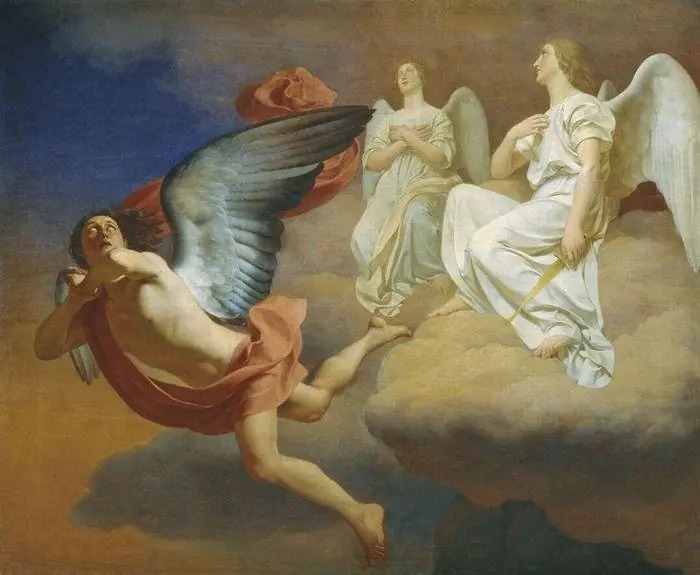 Abaddon and the Angels
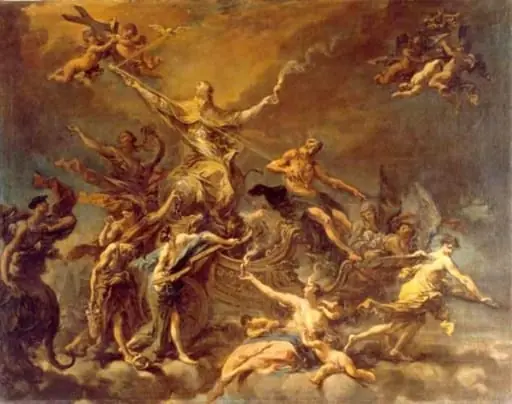 Triumful credinței
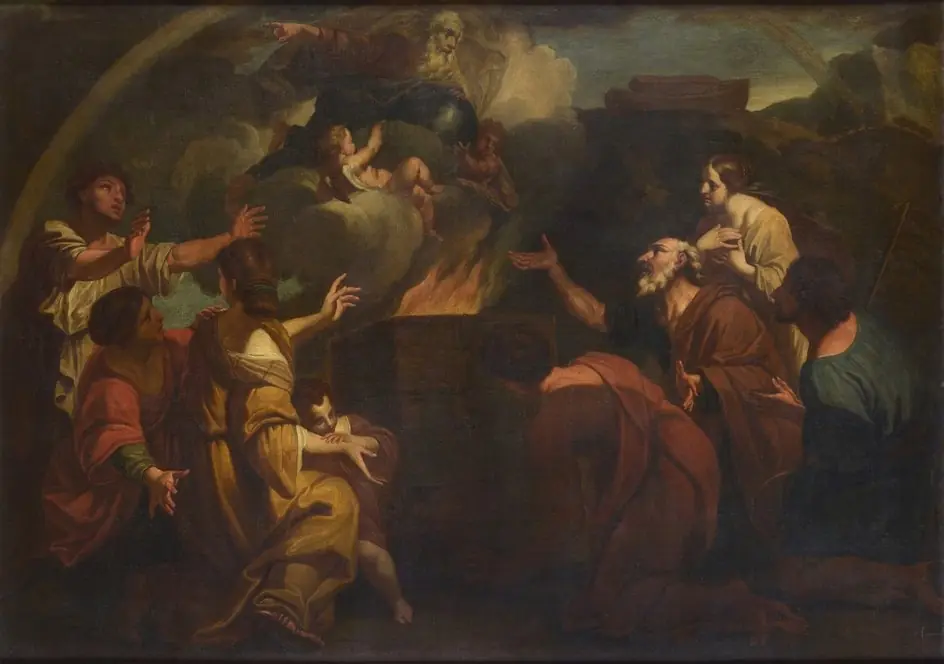 The Sacrifice of Noah
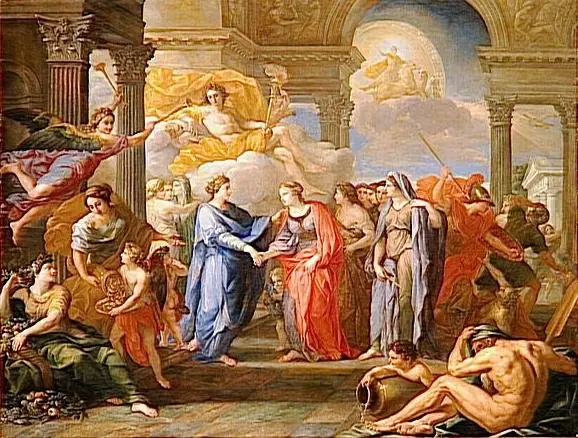 Allégorie de l'alliance du dauphin de France avec Marie-Anne-Victoire de Bavière
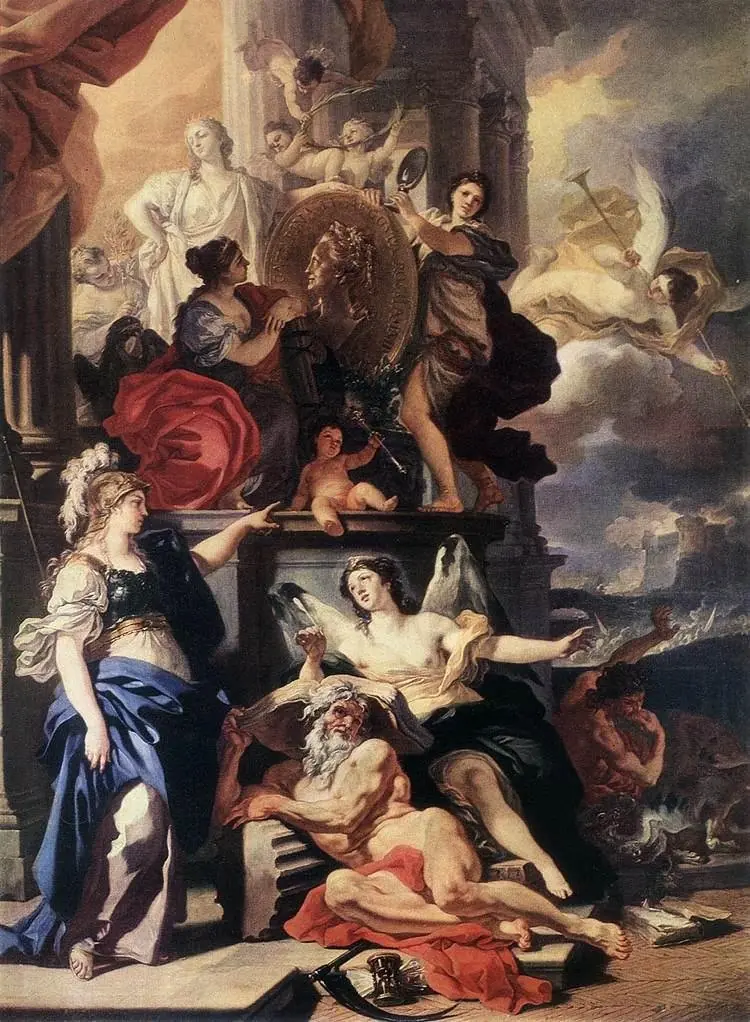 Allegory of Rule
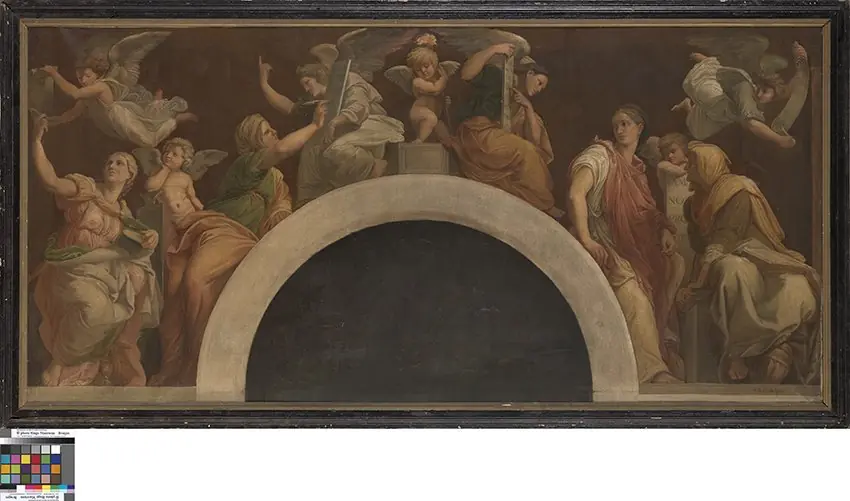 Allegorie
 Apostles and Angels at the Assumption (copy of the fresco in the cupola of Parma Cathedral)