Artwork
The Sacrifice of Noah
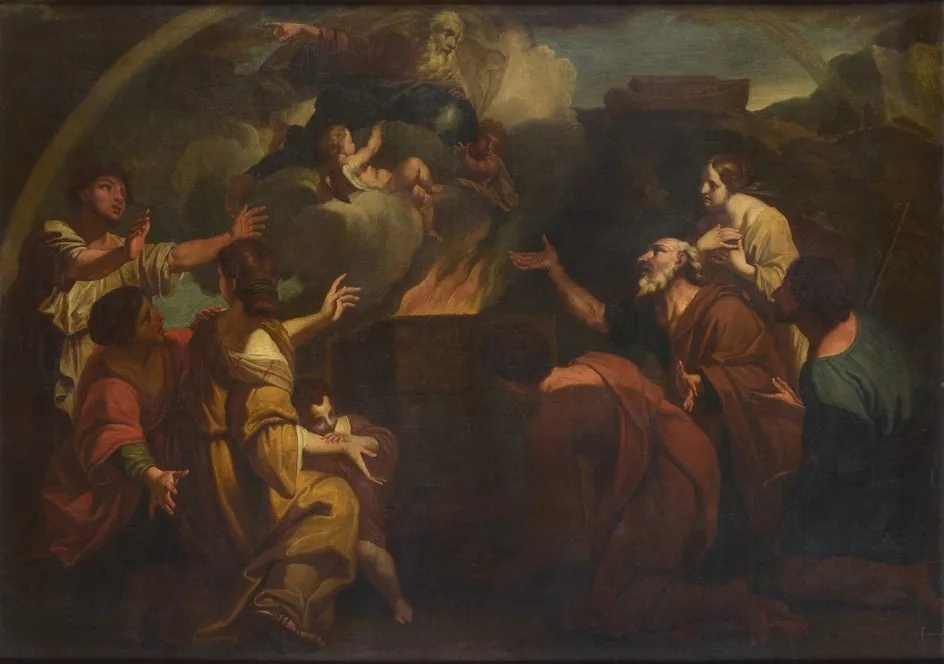
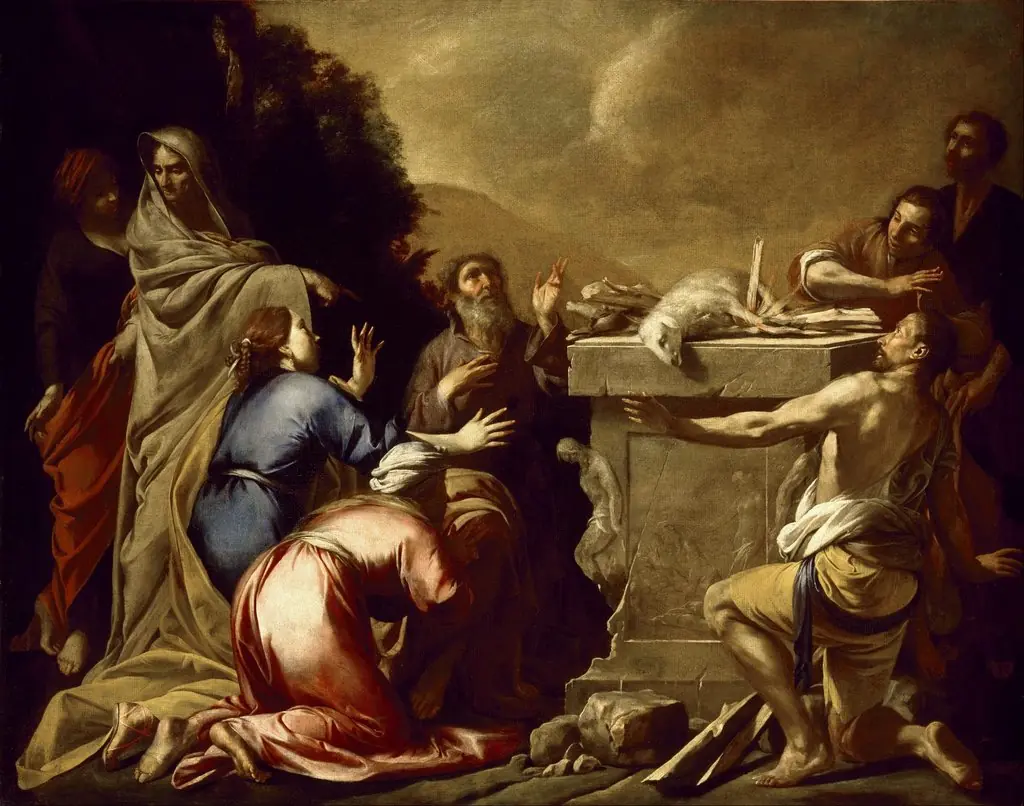
The Sacrifice of Noah is an oil painting by the Early Baroque Italian artist Carlo Maratta. It dates from 1690 and is held in the collection of the Ashmolean Museum.
About this work
Overview
Created in 1690 by the Roman painter Carlo Maratta, this oil on canvas portrays the moment after the biblical flood when Noah presents his offering. Executed during the early Baroque period, the work reflects Maratta’s reputation for a refined, classicizing approach that appealed to ecclesiastical patrons of the time.
Subject & Meaning
The composition centers on a group gathered around a modest fire, where a kneeling figure presents the sacrifice while others watch, some with arms extended in supplication. The scene conveys a collective act of gratitude and reverence, emphasizing the covenantal themes of renewal and divine promise inherent in the Noah narrative.
Technique & Style
Maratta employs a pronounced chiaroscuro, using strong contrasts of light and shadow to model the figures and give the rocky landscape a palpable depth. The drapery of the robes is rendered with smooth, idealized folds, while the distant building and sparse trees provide a subdued backdrop that reinforces the central ritual.
History & Provenance
As a leading artist for papal and aristocratic commissions, Maratta produced this painting for a religious patron in Rome, though the original commission details remain undocumented. The work has since entered a public collection, where it is displayed as an example of late 17th‑century Italian Baroque painting.
Artist & collection
Artist
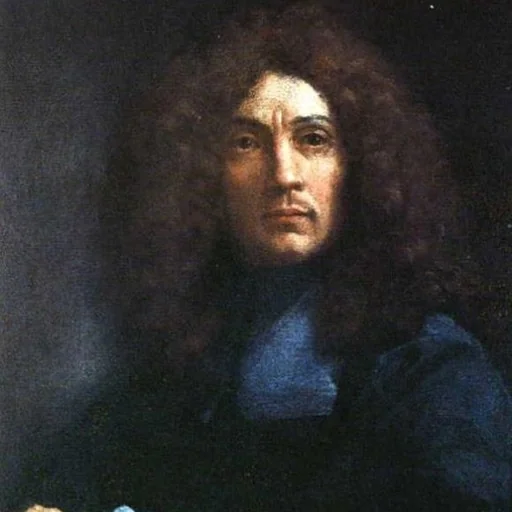
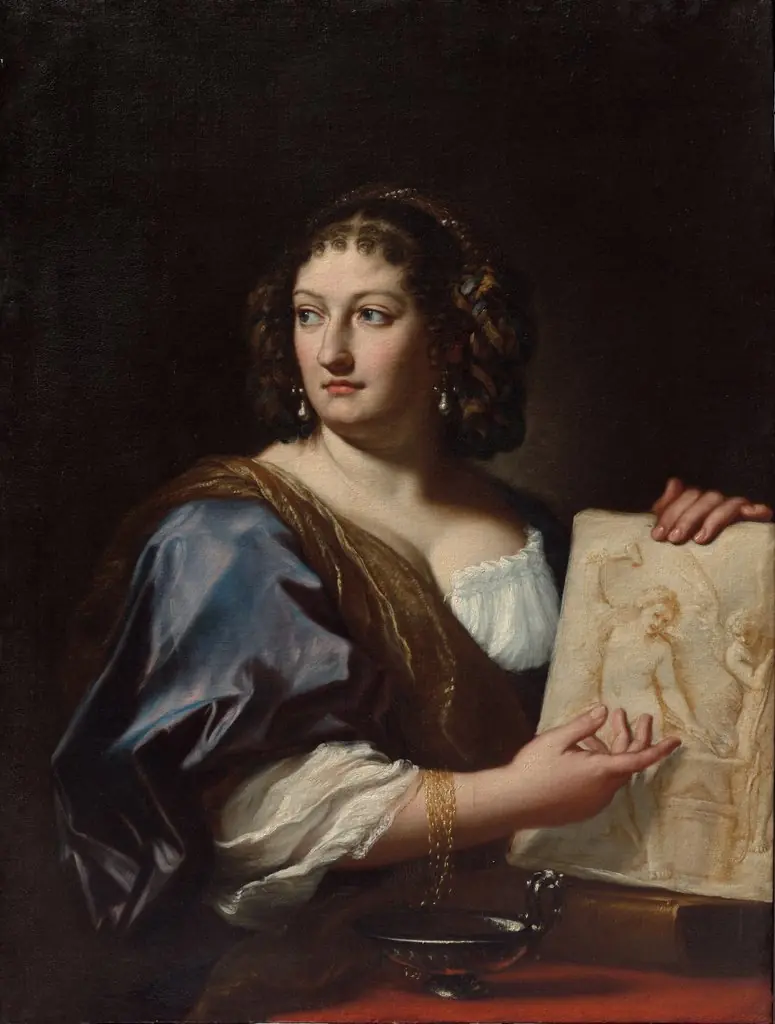
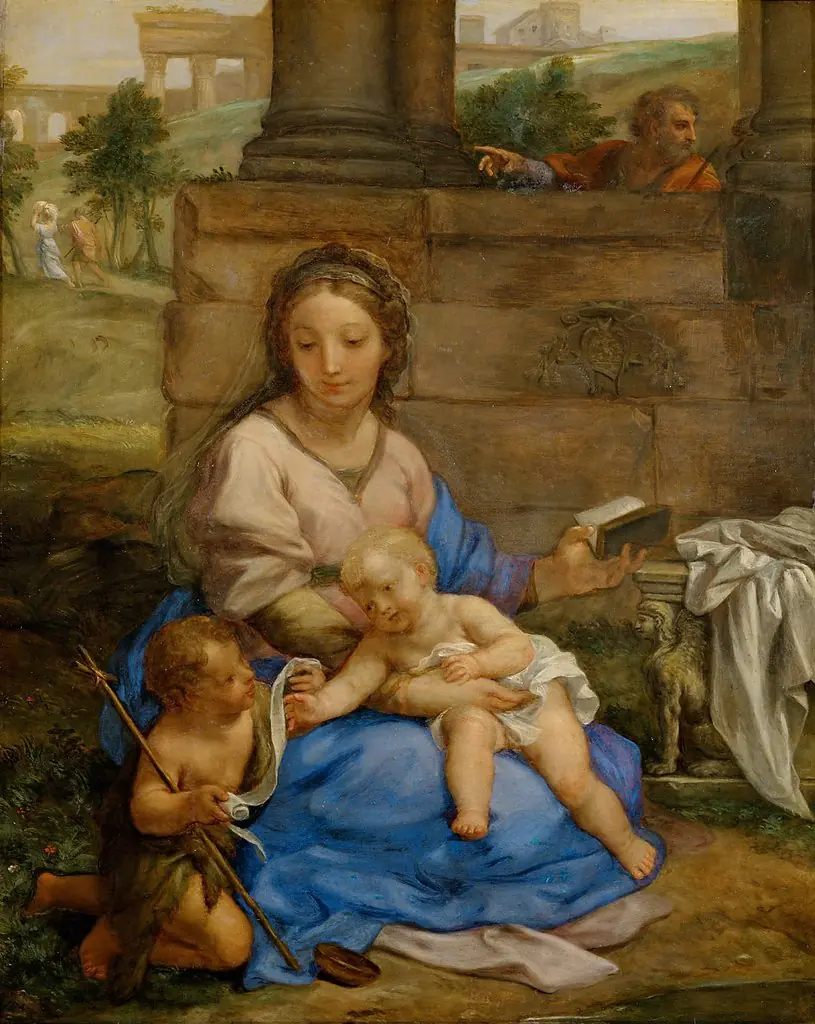
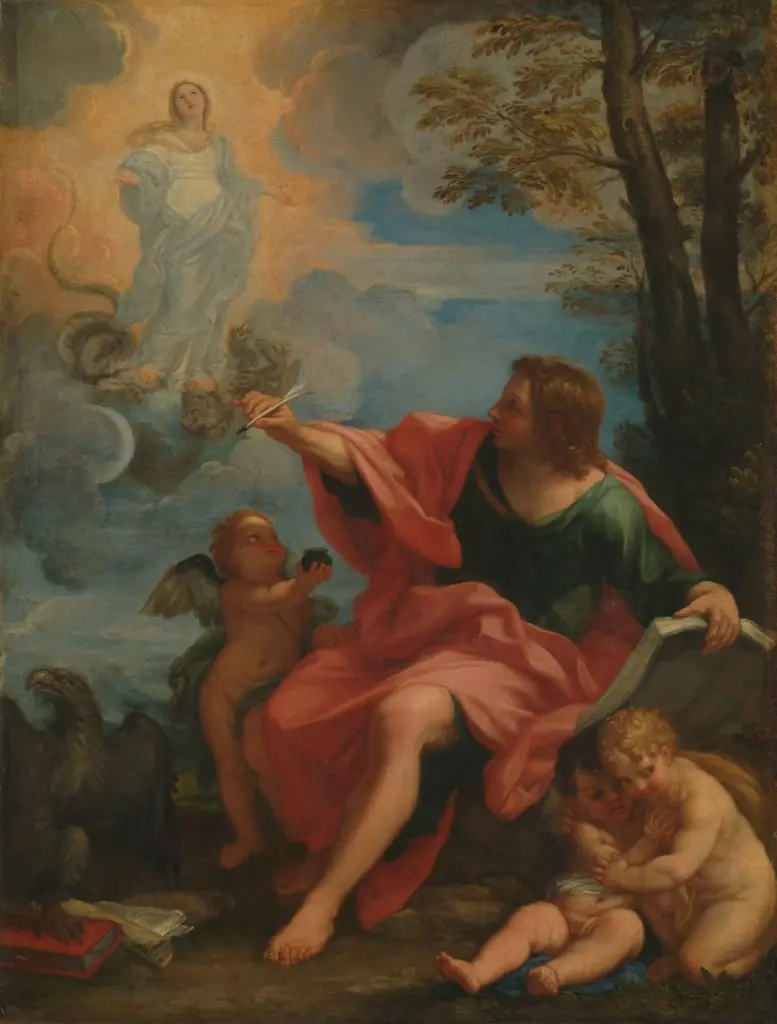
Carlo Maratta or Maratti (18 May 1625 – 15 December 1713) was an Italian Baroque painter and draughtsman, active principally in Rome where he was the leading painter in the second half of the 17th century.

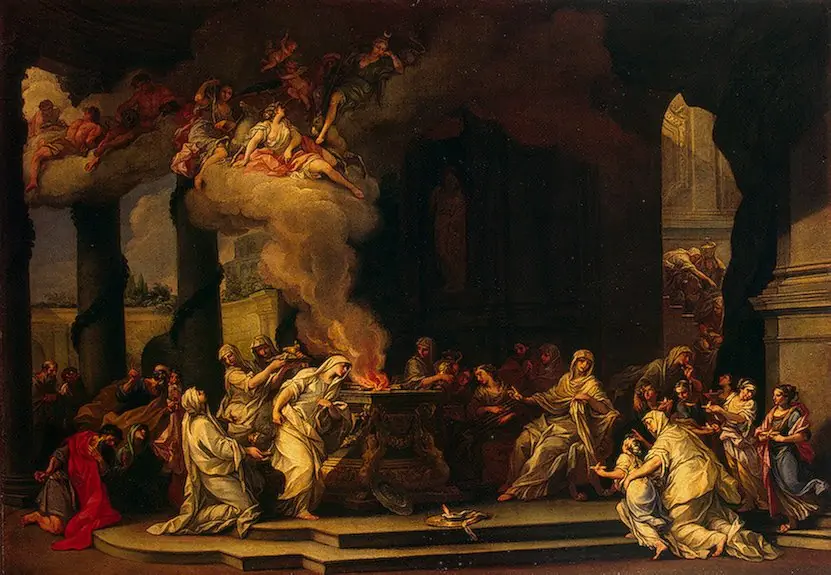 Dedication of a New Vestal Virgin
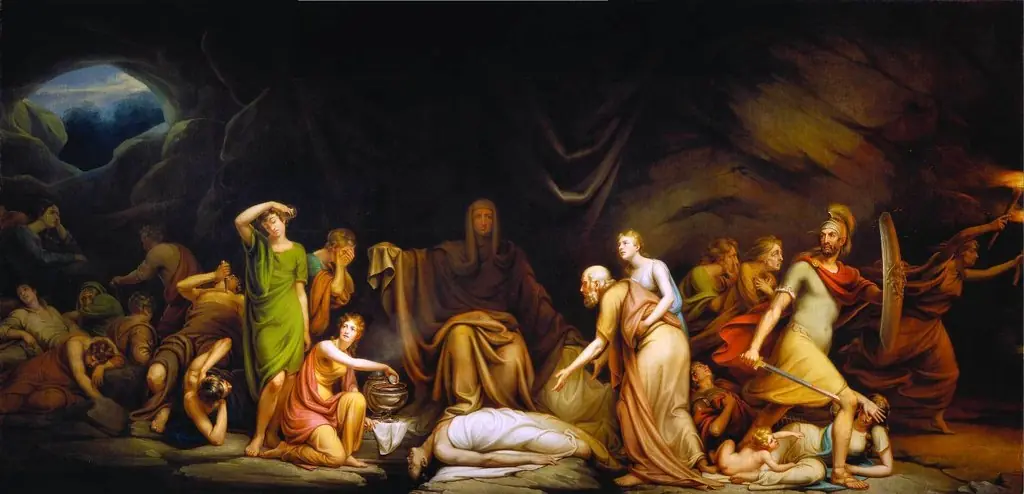 The Court of Death
 Apostles and Angels at the Assumption (copy of the fresco in the cupola of Parma Cathedral)
 Dante and Vergil
 Opfer an Silen
 Moses Shown the Promised Land
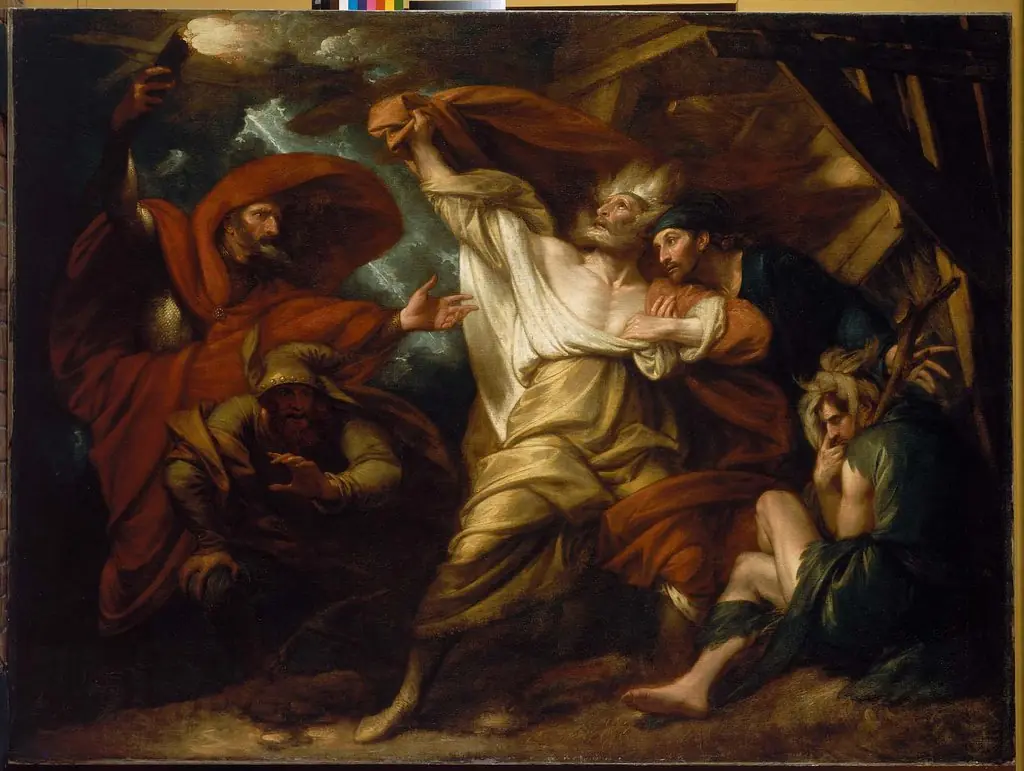 King Lear
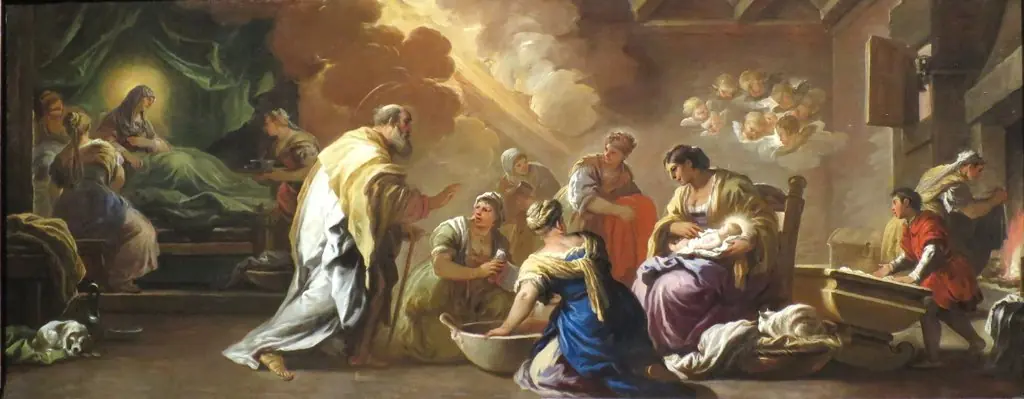 Birth of the Virgin
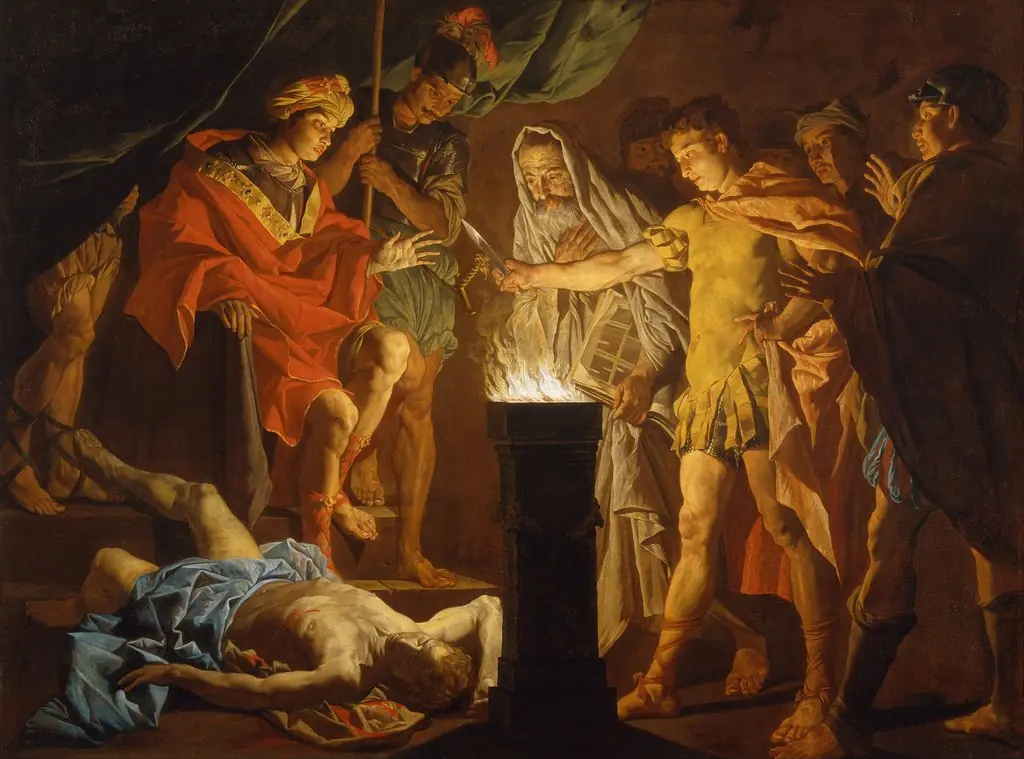 Mucius Scaevola in the presence of Lars Porsenna
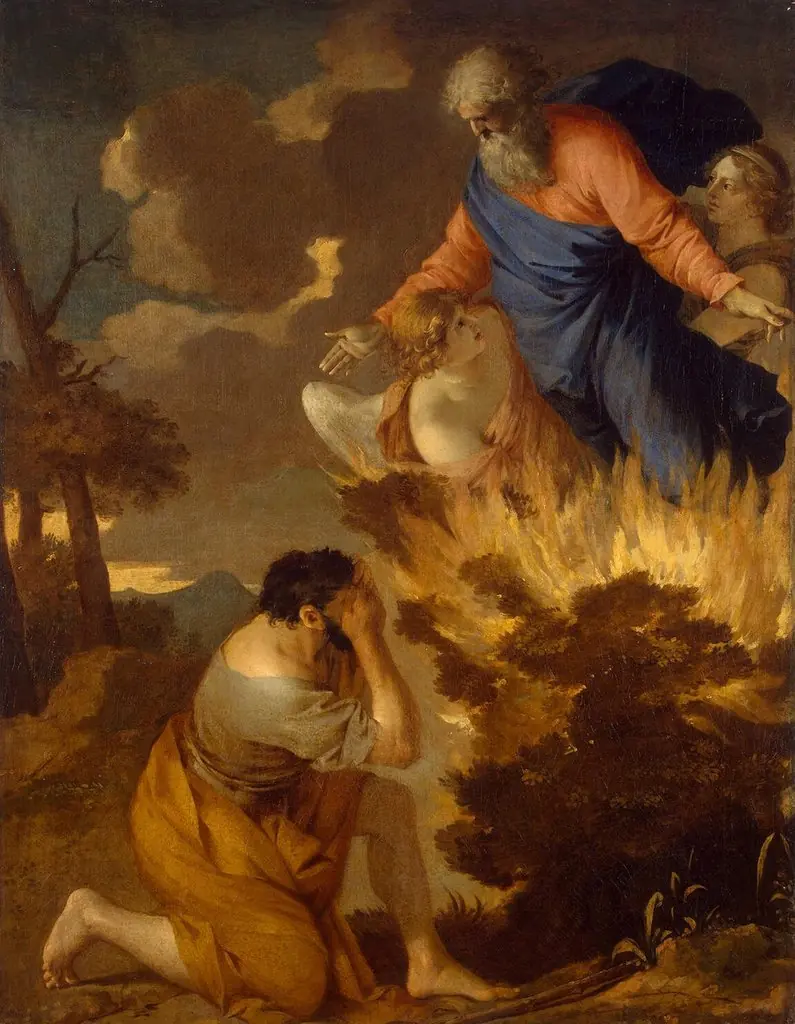 Moses and the Burning Bush
 Orfeo nell’ade
 The Sacrifice of Noah