Artwork
The Sacrifice of Noah
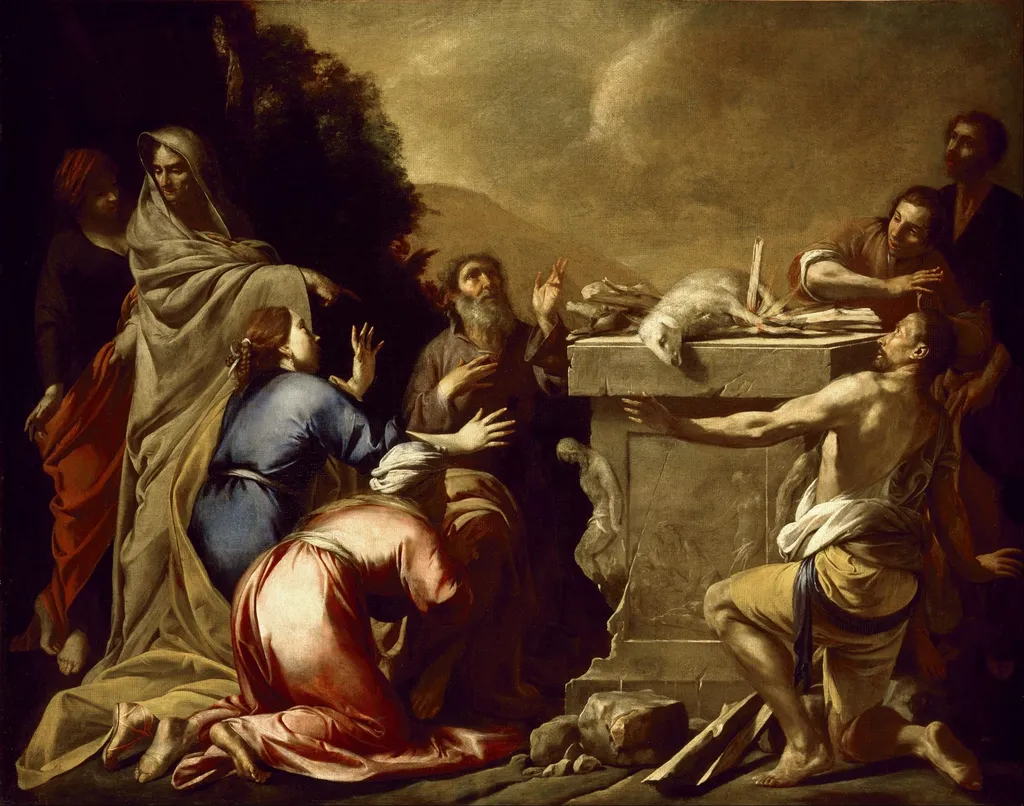
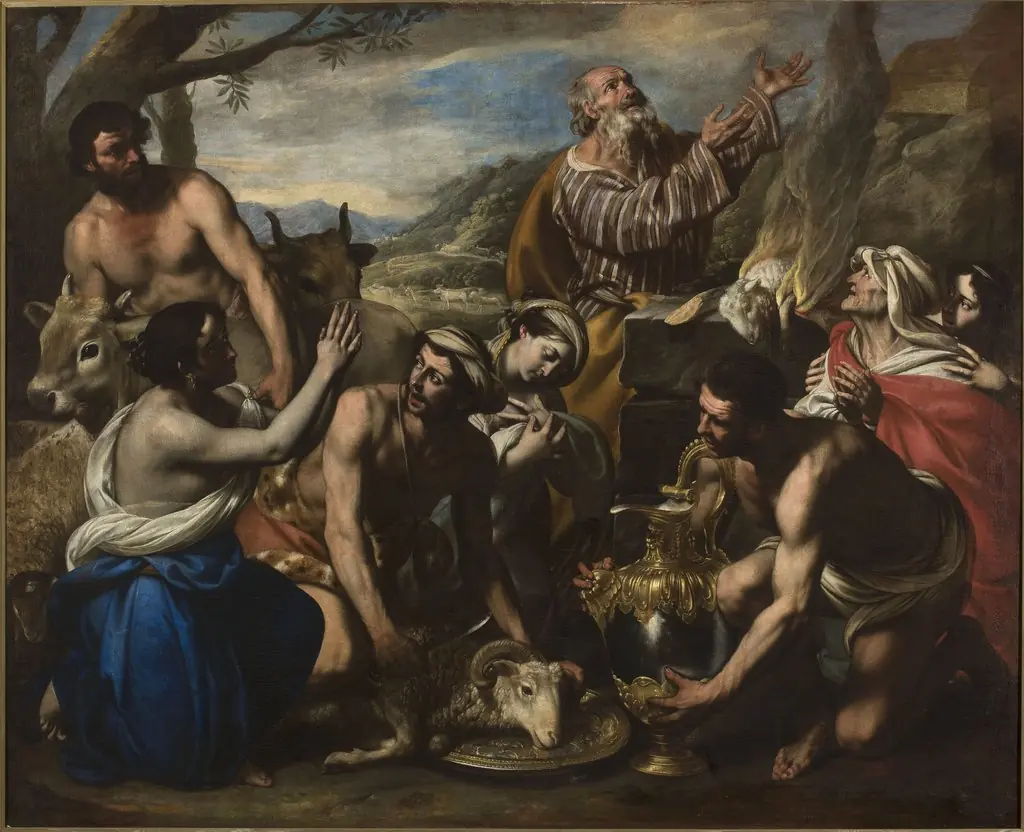
The Sacrifice of Noah is an oil painting by the Early Baroque Italian artist Antonio de Bellis. It dates from 1666 and is held in the collection of the Museum of Fine Arts, Houston.
About this work
Overview
Bellis, a prominent figure in 17th-century Naples, employed the chiaroscuro techniques characteristic of Caravaggio’s followers.
Painted around 1666 by Antonio de Bellis, a Neapolitan artist active in the early Baroque period, this oil-on-canvas work illustrates the biblical moment of Noah’s sacrifice after the flood. Bellis, a prominent figure in 17th-century Naples, employed the chiaroscuro techniques characteristic of Caravaggio’s followers. The painting is part of the permanent collection at the Museum of Fine Arts, Houston, where it remains a quiet example of regional Italian religious art from the era.
Subject & Meaning
The scene captures Noah and his family offering a burnt sacrifice to God following the receding waters of the flood. A slaughtered animal, likely a lamb, rests on a stone altar, surrounded by figures in draped garments, some kneeling, others raising their hands in prayer. The composition emphasizes gratitude and divine covenant, reflecting the theological significance of the moment as described in Genesis. The solemnity of the figures underscores a collective act of devotion and renewal.
Technique & Style
Bellis uses strong contrasts of light and shadow to model forms and direct attention toward the altar, a hallmark of Caravaggesque influence. The dark, indistinct background isolates the figures and their ritual, enhancing the scene’s intimacy and gravity. Robes are rendered with textured brushwork, while the sky and distant trees suggest depth without elaborate detail. The palette is muted, favoring earth tones and subdued hues to reinforce the solemn mood.
History & Provenance
The painting’s early history is undocumented beyond its attribution to Bellis, who worked primarily in Naples during the mid-17th century. It entered the Museum of Fine Arts, Houston’s collection in the 20th century, likely through acquisition from a private European source. No records of its commission or original location are known, but its style aligns with devotional works produced for private chapels or religious institutions in southern Italy.
Context
In mid-17th-century Naples, religious imagery dominated artistic production, shaped by Counter-Reformation ideals and the widespread influence of Caravaggio’s naturalism. Bellis operated within this milieu, creating works that balanced emotional intensity with restrained composition. Unlike grand altarpieces, this painting suggests a smaller-scale devotional purpose, perhaps intended for contemplation rather than public display.
Legacy
Though not widely exhibited or studied today, the painting exemplifies the regional adaptation of Caravaggio’s style in southern Italy. It contributes to the understanding of lesser-known Neapolitan artists who sustained religious painting traditions during a period of artistic transition. Its preservation in Houston allows continued access to a quiet, unassuming expression of Baroque piety.
Own this work as a print
Artist & collection
Artist
Antonio de Bellis (c. 1616 – c. 1656) was an Italian painter from Naples, active in the Baroque period. Along with Jusepe de Ribera, Bernardo Cavallino and Massimo Stanzione he was one of the major artists working in…

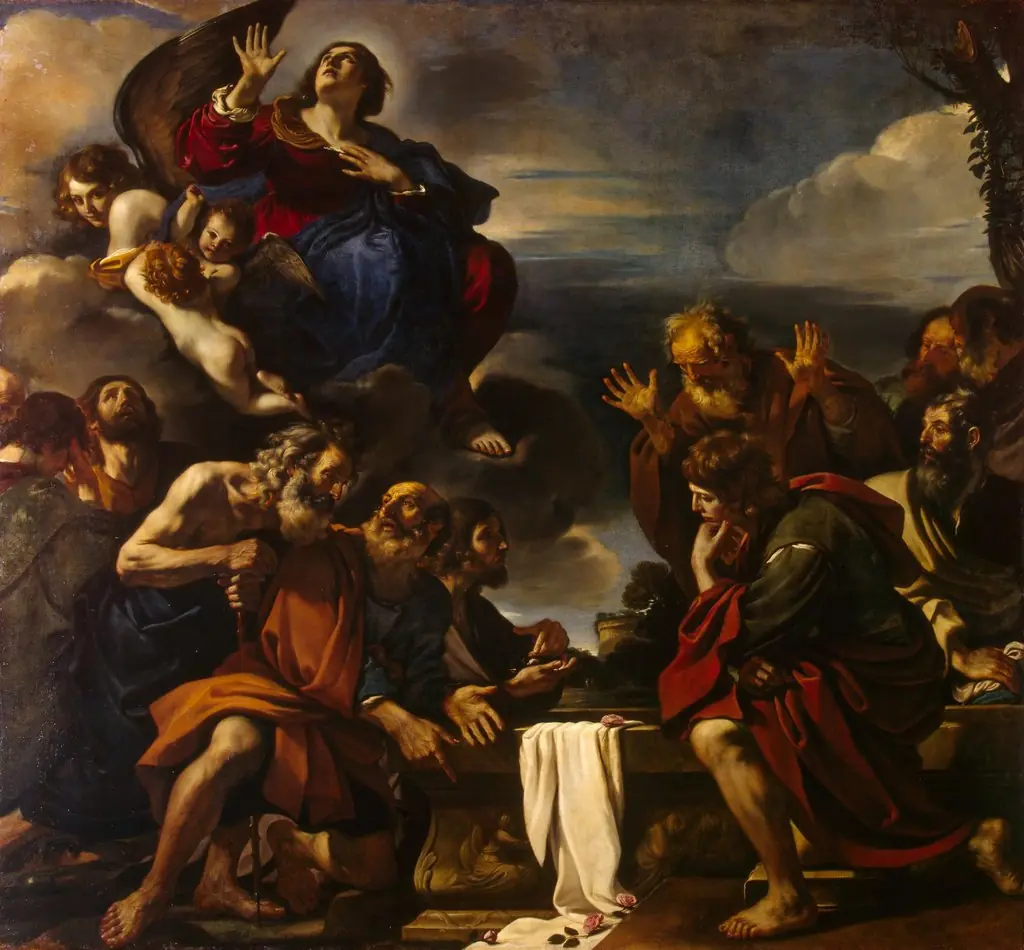 Assumption of the Virgin Mary
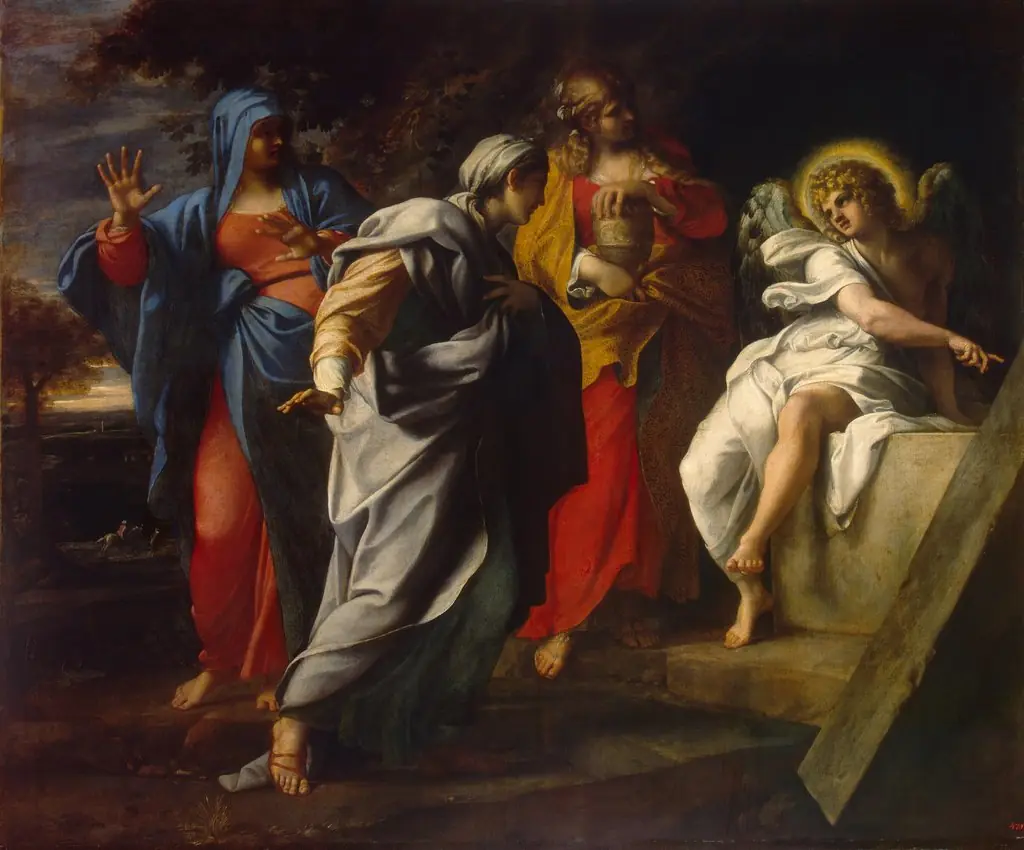 Holy Women at Christ' s Tomb
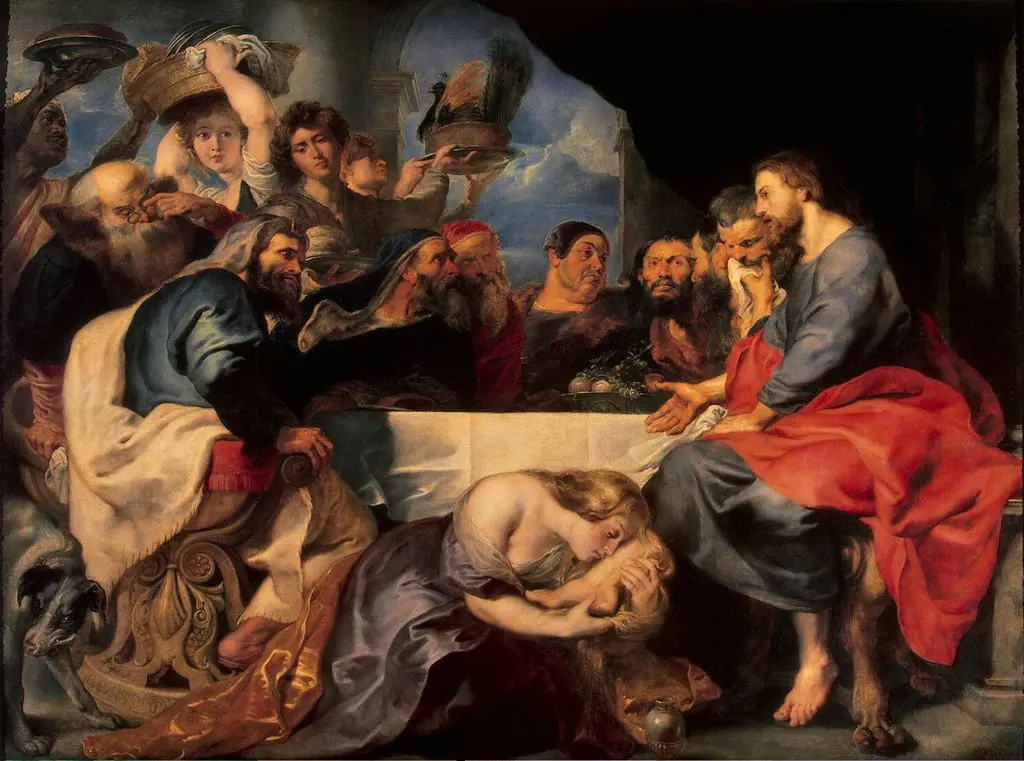 Feast in the House of Simon the Pharisee
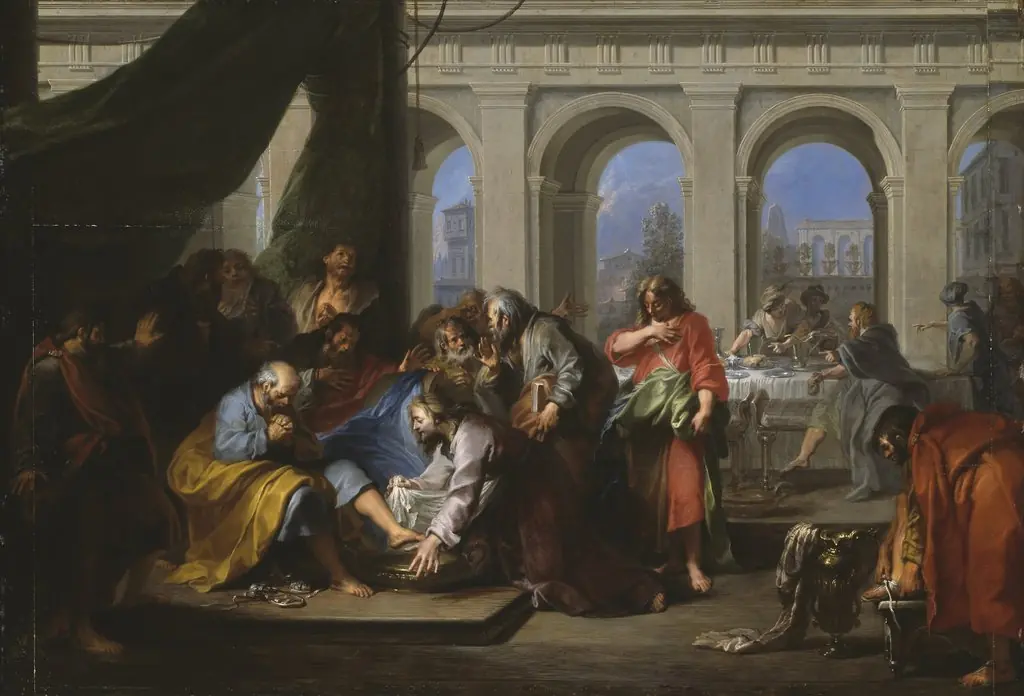 Christ Washing the Feet of His Disciples
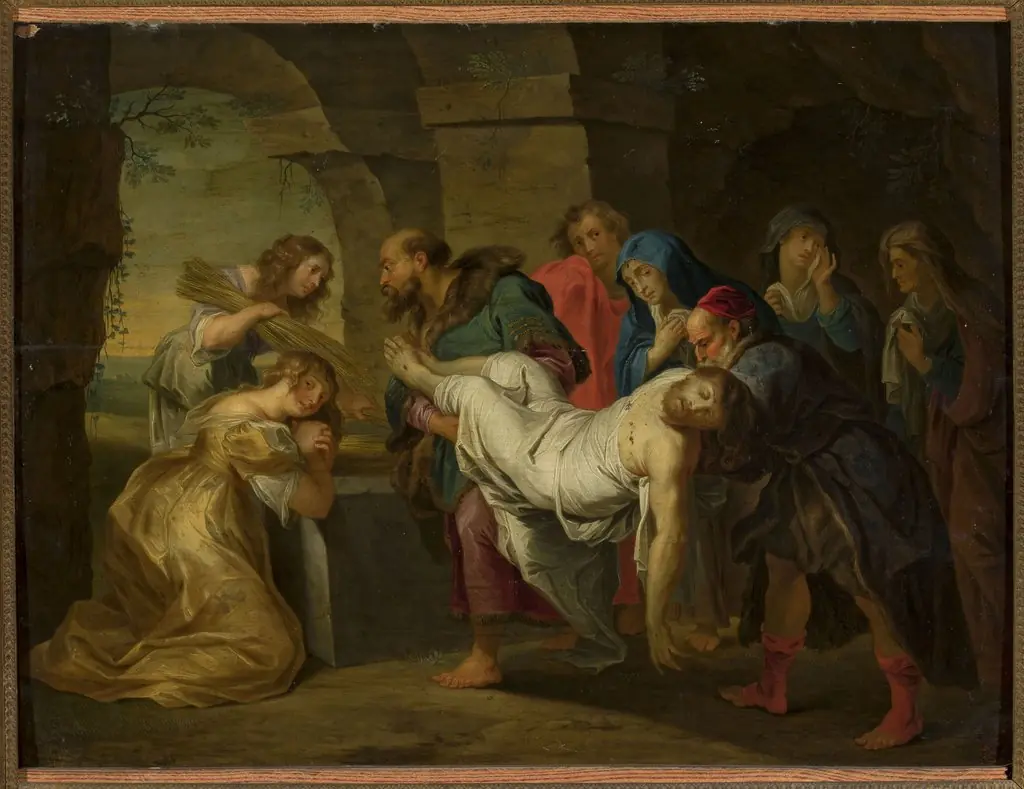 Entombment of Christ
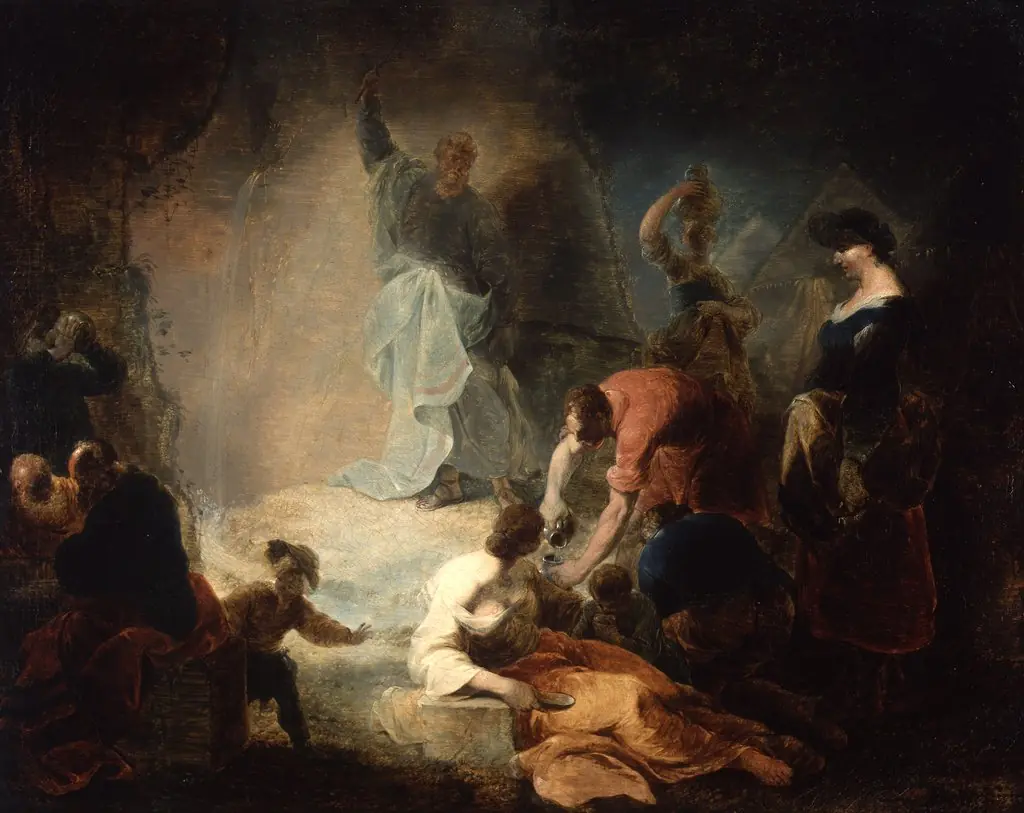 Moses Striking the Rock
 Christ Washing the Feet of His Disciples
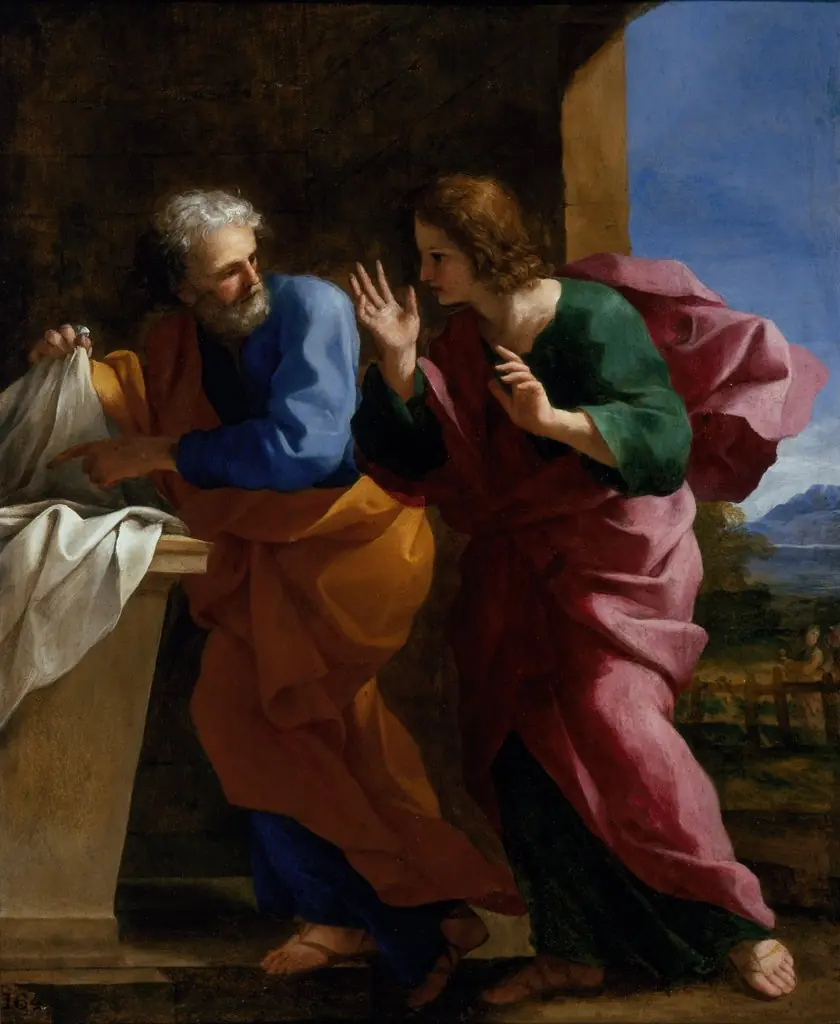 St. John and St. Peter at Christ's Tomb
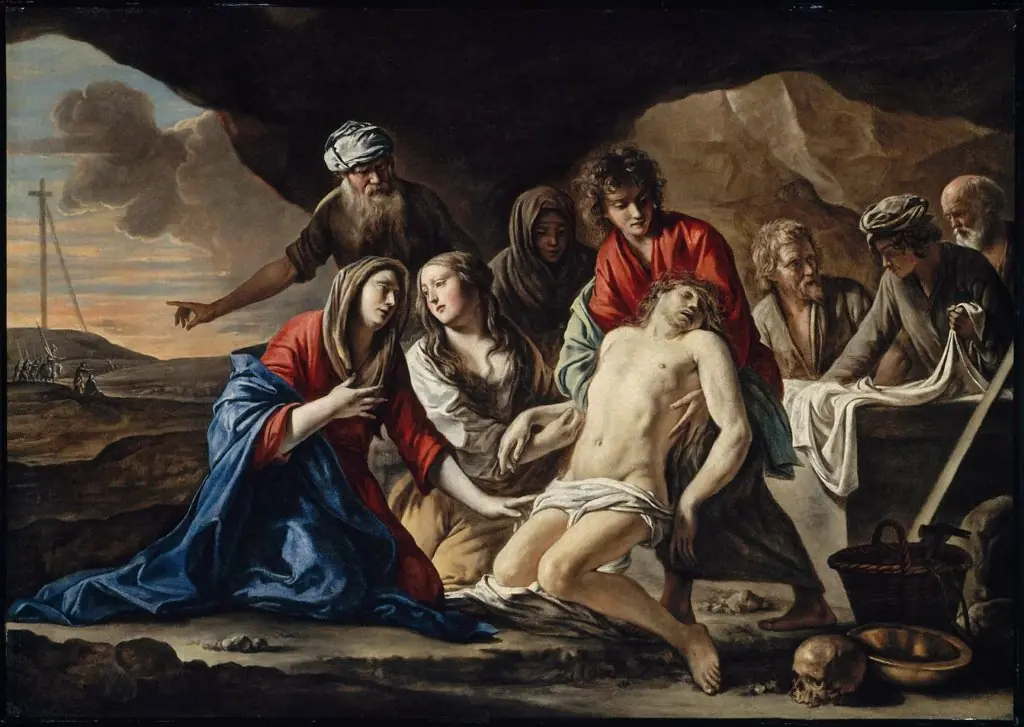 The Entombment of Christ
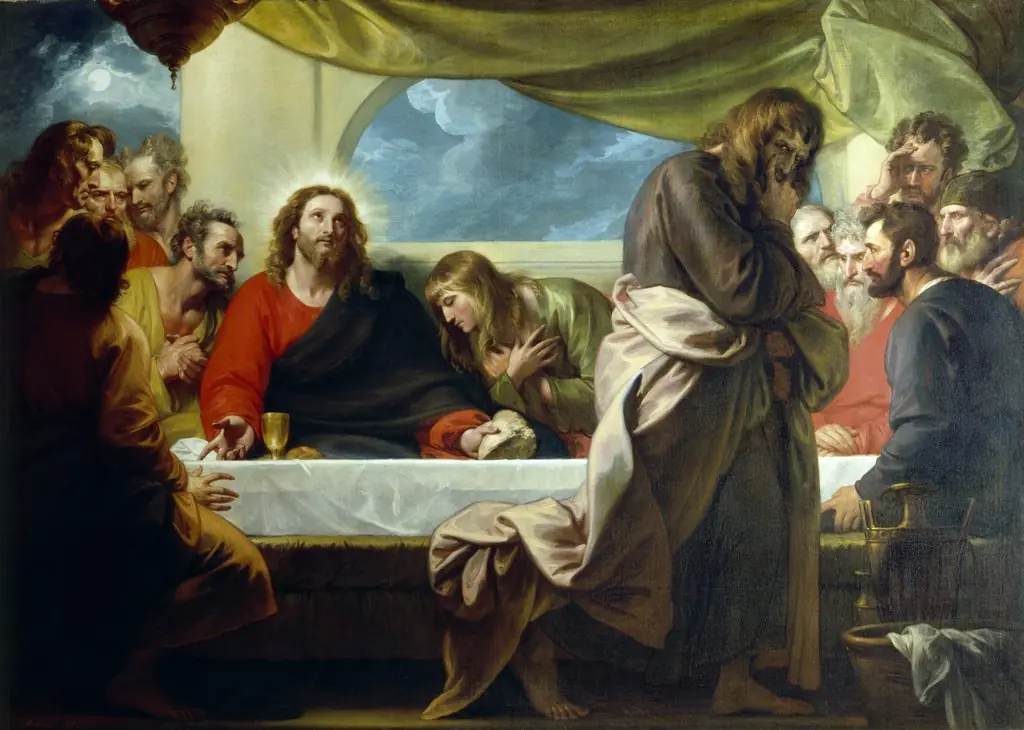 The Last Supper
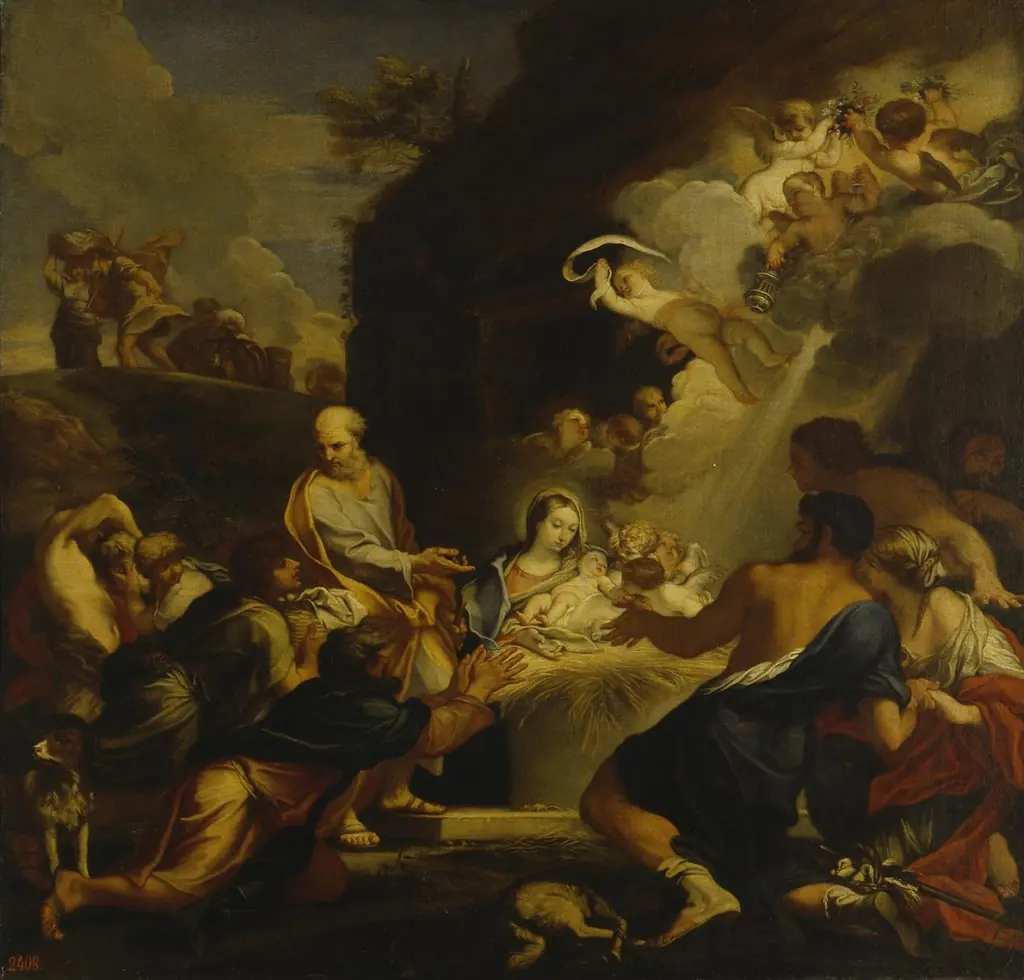 Adoration of the Shepherds
 Sacrifice of Noah