Artwork
Feast in the House of Simon the Pharisee
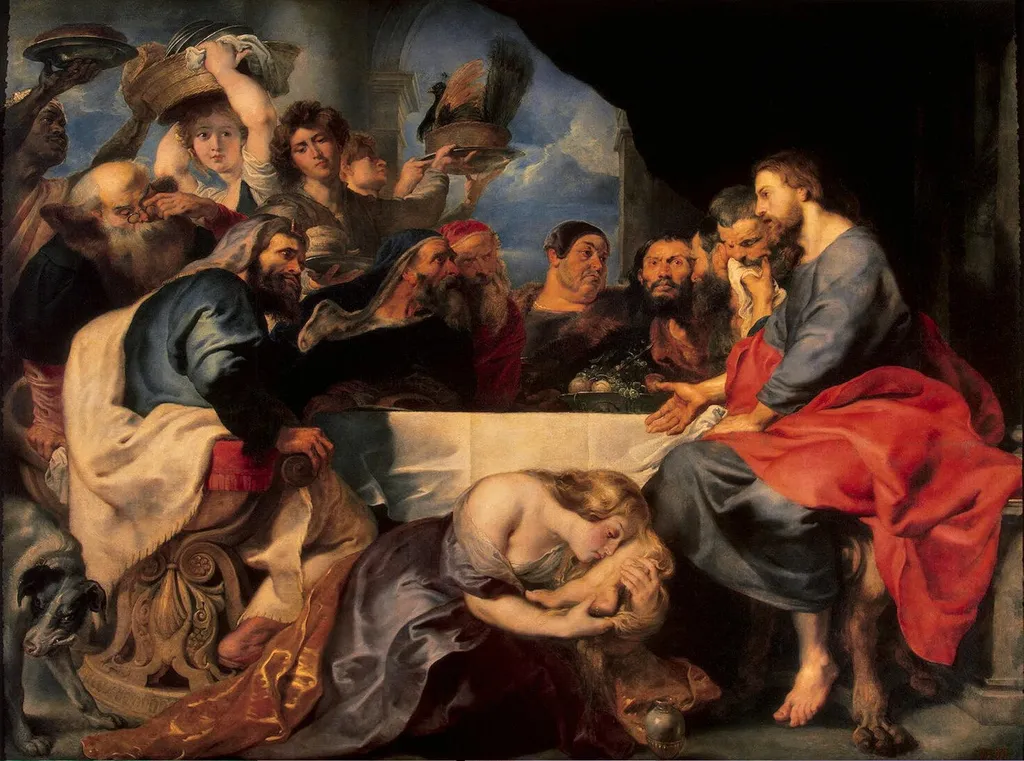
Feast in the House of Simon the Pharisee is an oil painting by the Flemish Baroque painting artist Peter Paul Rubens. It dates from 1619 and is held in the collection of the Hermitage Museum.
About this work
Overview
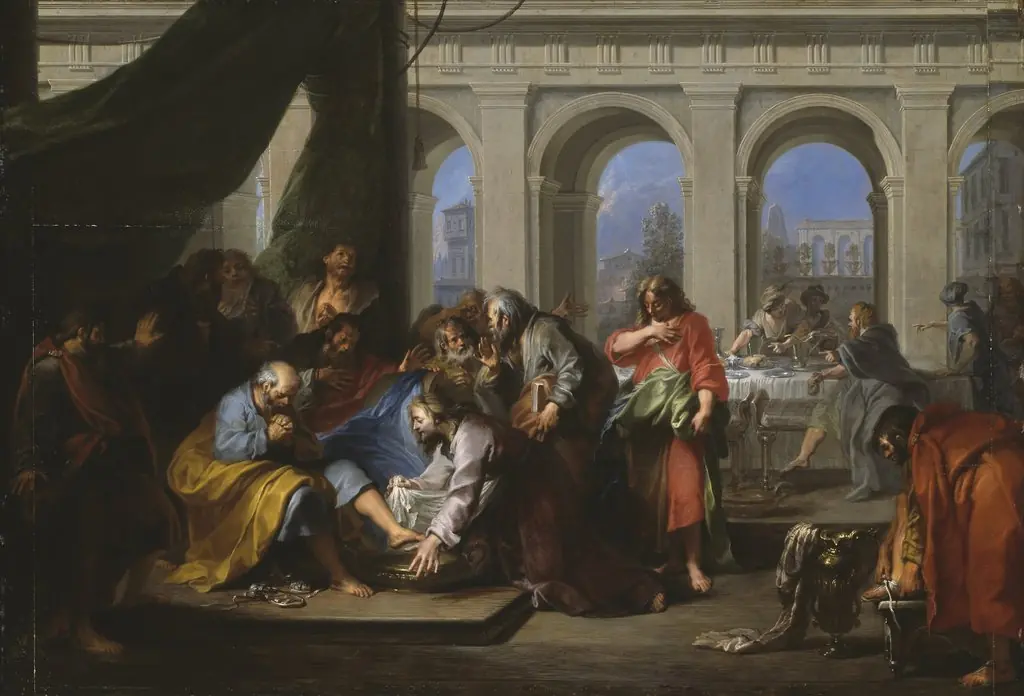
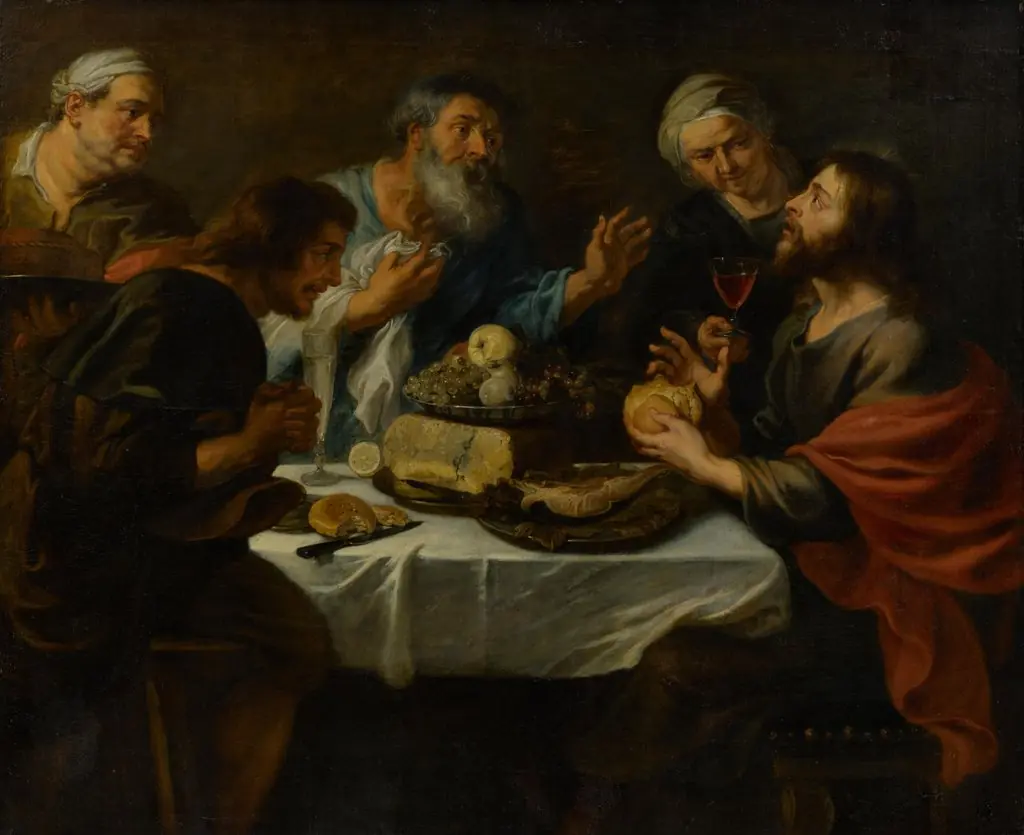
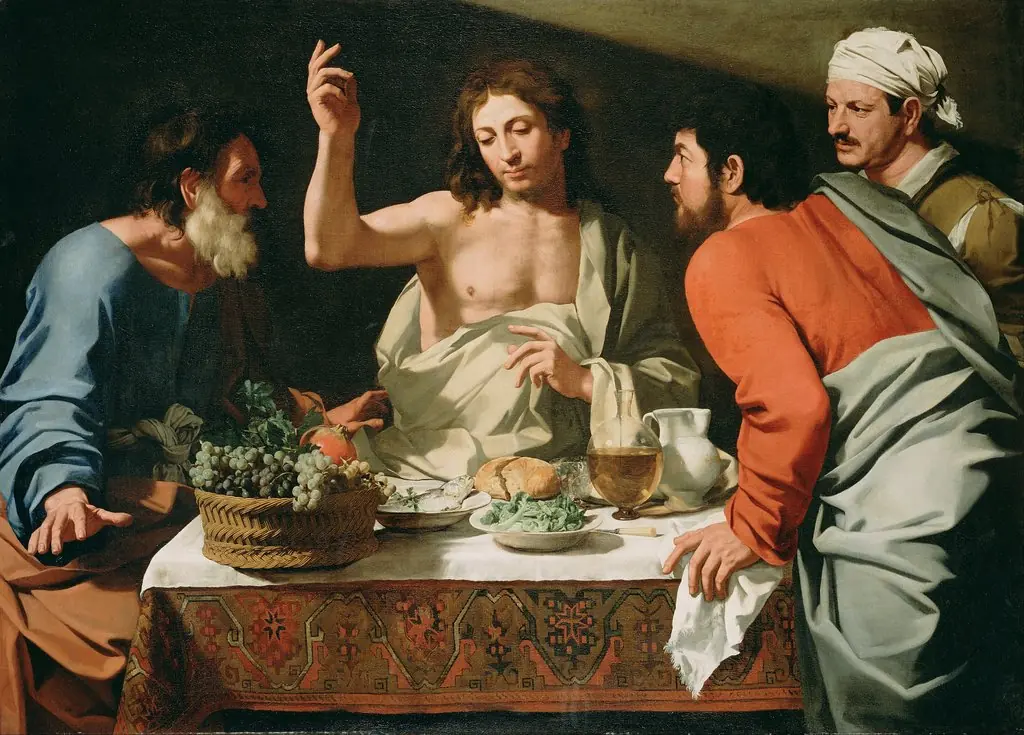
Painted between 1618 and 1620 by Peter Paul Rubens, this oil-on-canvas work illustrates a biblical episode from Luke 7. It captures the moment Jesus is anointed by a woman regarded as a sinner during a meal at the home of Simon the Pharisee. The painting resides in the Hermitage Museum in St. Petersburg, where it remains one of Rubens’s significant religious compositions from his early maturity.
Subject & Meaning
The scene portrays Jesus accepting the humble act of a woman who anoints his feet with perfume, contrasting her devotion with the judgmental silence of the Pharisees. The moment underscores Jesus’s teaching on forgiveness, later articulated in the Parable of the Two Debtors. Rubens emphasizes emotional tension through gesture and gaze, highlighting moral contrast rather than mere narrative.
Technique & Style
Figures are arranged in a sweeping arc around the central figure of the woman, their gestures and drapery conveying movement and psychological depth.
Rubens employs dynamic composition and rich color to animate the crowded interior. Figures are arranged in a sweeping arc around the central figure of the woman, their gestures and drapery conveying movement and psychological depth. The textures of silk, stone, and food are rendered with tactile precision, characteristic of his Flemish Baroque style, blending Venetian color with Northern attention to detail.
History & Provenance
Commissioned during Rubens’s post-Italian sojourn, the painting entered the Russian imperial collection in the early 18th century, likely through diplomatic or royal acquisition. It has remained in the Hermitage since at least the 1740s, documented in palace inventories. Its survival through wars and political upheavals reflects its recognized importance within the imperial holdings.
Context
Created during Rubens’s peak years in Antwerp, the work aligns with Counter-Reformation efforts to depict biblical scenes with emotional immediacy and grandeur. The emphasis on mercy and humility resonated with Catholic teachings of the time. Rubens’s synthesis of classical architecture and contemporary dress situates the sacred event within a recognizable, opulent world.
Legacy
The painting exemplifies Rubens’s ability to merge theological narrative with human drama, influencing later Baroque religious art. While not widely reproduced in popular culture, it remains a key reference in studies of 17th-century Flemish painting and the visual interpretation of biblical mercy. Its presence in the Hermitage ensures continued scholarly engagement.
Artist & collection
Artist
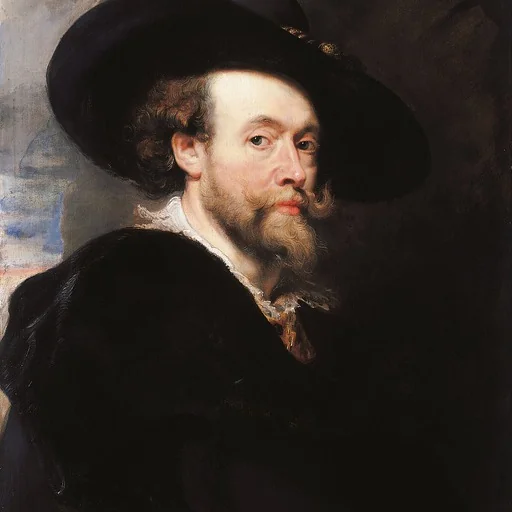
Sir Peter Paul Rubens ( ROO-bənz; Dutch: ; 28 June 1577 – 30 May 1640) was a Flemish artist and diplomat.