Artwork
Rafaela Flores Calderón
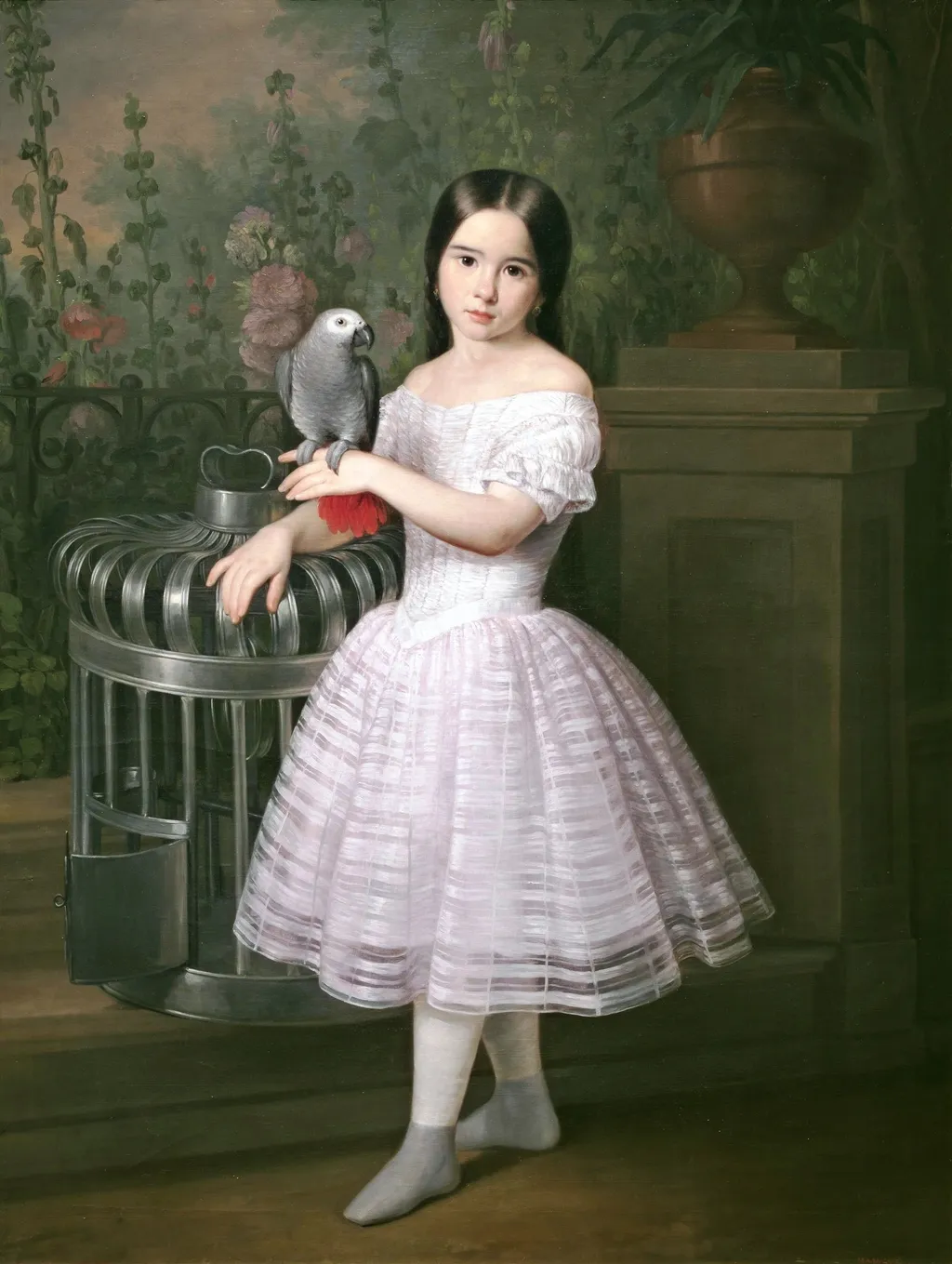
Rafaela Flores Calderón is an oil painting by Antonio María Esquivel. It dates from 1842 and is held in the collection of the Museo del Prado.
About this work
Overview
Esquivel, a Spanish artist associated with Romanticism, specialized in intimate portraiture that emphasized psychological presence over idealized form.
Antonio María Esquivel painted Rafaela Flores Calderón in 1842 using oil on canvas. The portrait is part of the Museo del Prado’s permanent collection. Esquivel, a Spanish artist associated with Romanticism, specialized in intimate portraiture that emphasized psychological presence over idealized form. This work captures a young girl in a quiet, domestic moment, reflecting the era’s interest in personal identity and emotional nuance.
Subject & Meaning
The subject, Rafaela Flores Calderón, is depicted as a child holding a gray parrot with a distinctive red tail feather. She stands before a metal birdcage with a heart-shaped handle, suggesting themes of captivity and tender care. Her off-the-shoulder dress and bare feet evoke youthful vulnerability, while the garden backdrop implies a sheltered, natural world. The composition conveys innocence not through sentimentality, but through quiet observation and restrained gesture.
Technique & Style
Esquivel employed soft, blended brushwork to render the girl’s skin and fabric, creating a tactile realism. The parrot’s feathers and the cage’s metallic surfaces are rendered with precise detail, contrasting with the looser, atmospheric treatment of the garden behind. The palette is muted, dominated by whites, grays, and earth tones, reinforcing the painting’s subdued mood. Light falls gently across the figure, drawing focus to her expression and the bird’s presence.
History & Provenance
Commissioned in 1842, the portrait remained within the Flores Calderón family before entering the Museo del Prado’s collection. Its acquisition aligns with the museum’s 19th-century efforts to document Spanish domestic life through portraiture. The painting’s survival in good condition reflects its early recognition as a significant example of Esquivel’s skill in capturing private, intimate moments rather than public or historical subjects.
Context
In mid-19th century Spain, Romanticism encouraged artists to explore individual character and emotional depth, moving away from rigid academic conventions. Portraits of children, especially those incorporating symbolic elements like pets or cages, became vehicles for exploring themes of innocence, freedom, and domesticity. Esquivel’s work fits within this trend, reflecting broader cultural interests in childhood and the natural world as moral and aesthetic ideals.
Legacy
Though not widely exhibited outside Spain, Rafaela Flores Calderón remains a key example of Esquivel’s contribution to Spanish Romantic portraiture. Its quiet intimacy and attention to psychological subtlety distinguish it from more theatrical contemporaries. The painting continues to inform scholarly discussions on how 19th-century Spanish artists represented childhood, domesticity, and the symbolic use of animals in private life.
Own this work as a print
Artist & collection
Artist
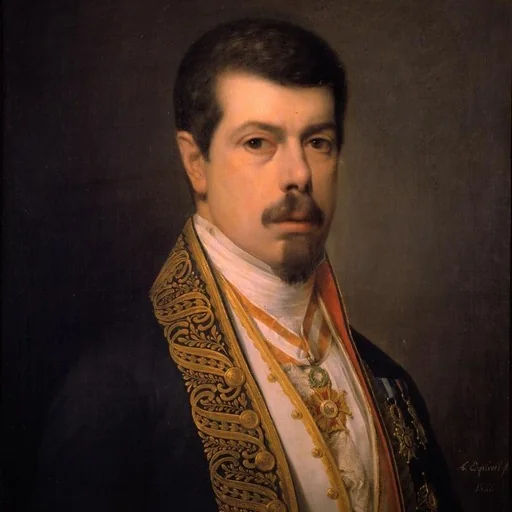
Antonio María Esquivel y Suárez de Urbina (8 March 1806 – 9 April 1857) was a Spanish painter in the Romantic style who specialized in portraits.

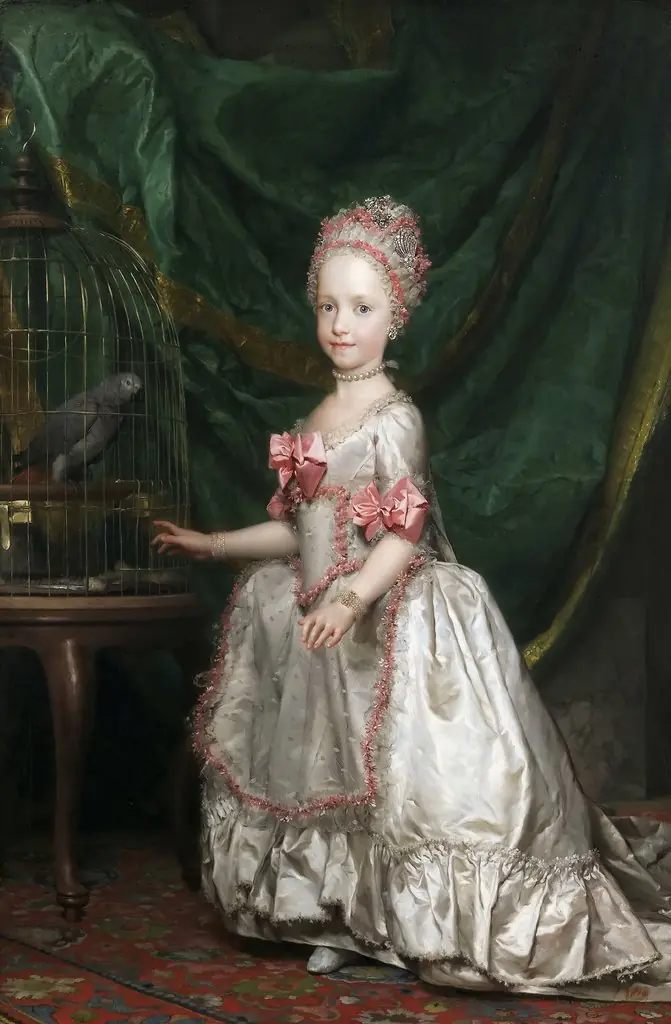 The Archduchess Maria Teresa of Austria
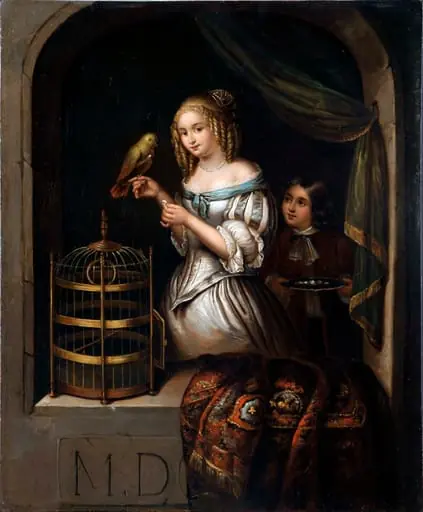 Femeie la fereastră; Femeie cu papagal
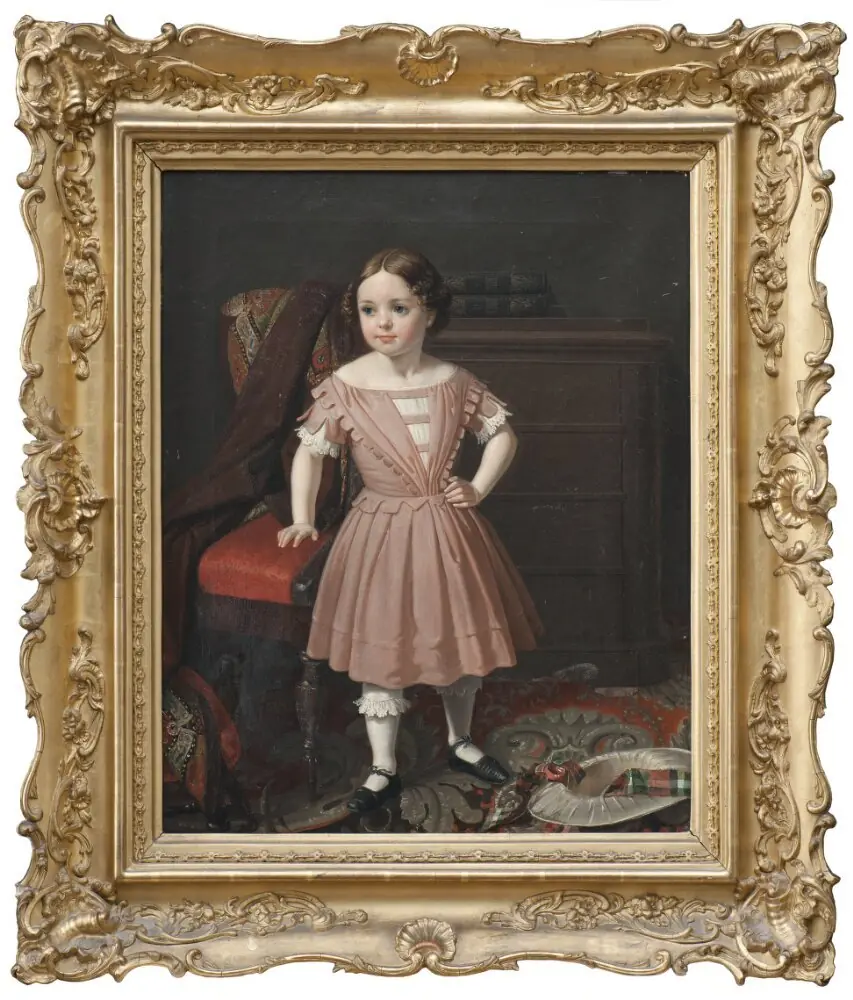 Helena Maria Brusewitz (1849-1932)
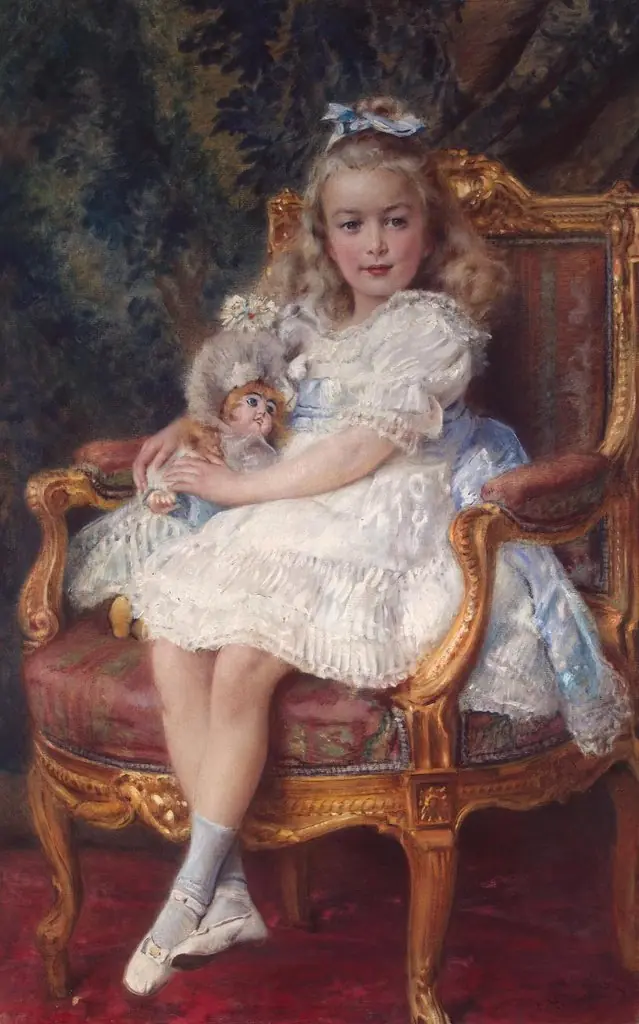 Portrait of Varvara Bibikova
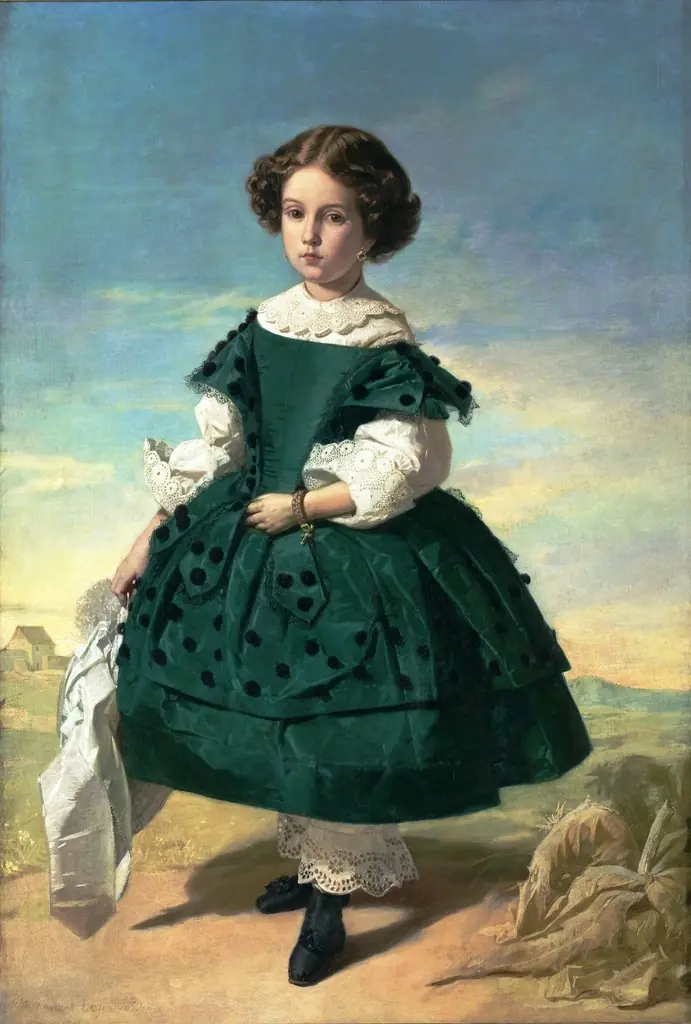 Portrait of a girl
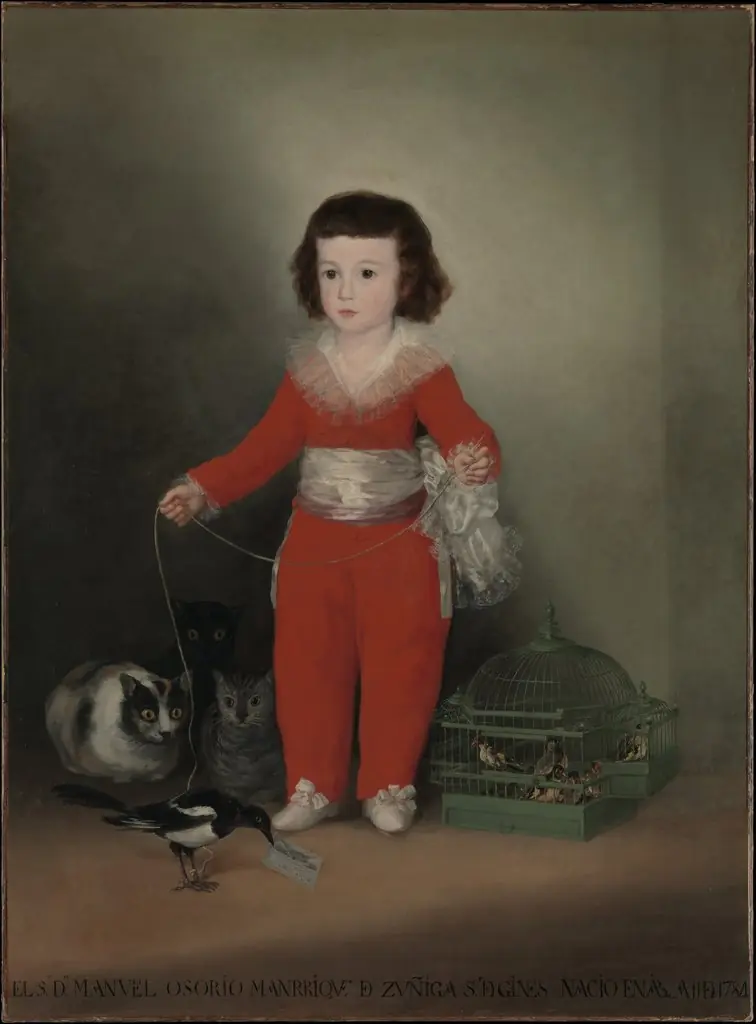 Don Manuel Osorio de Zuniga
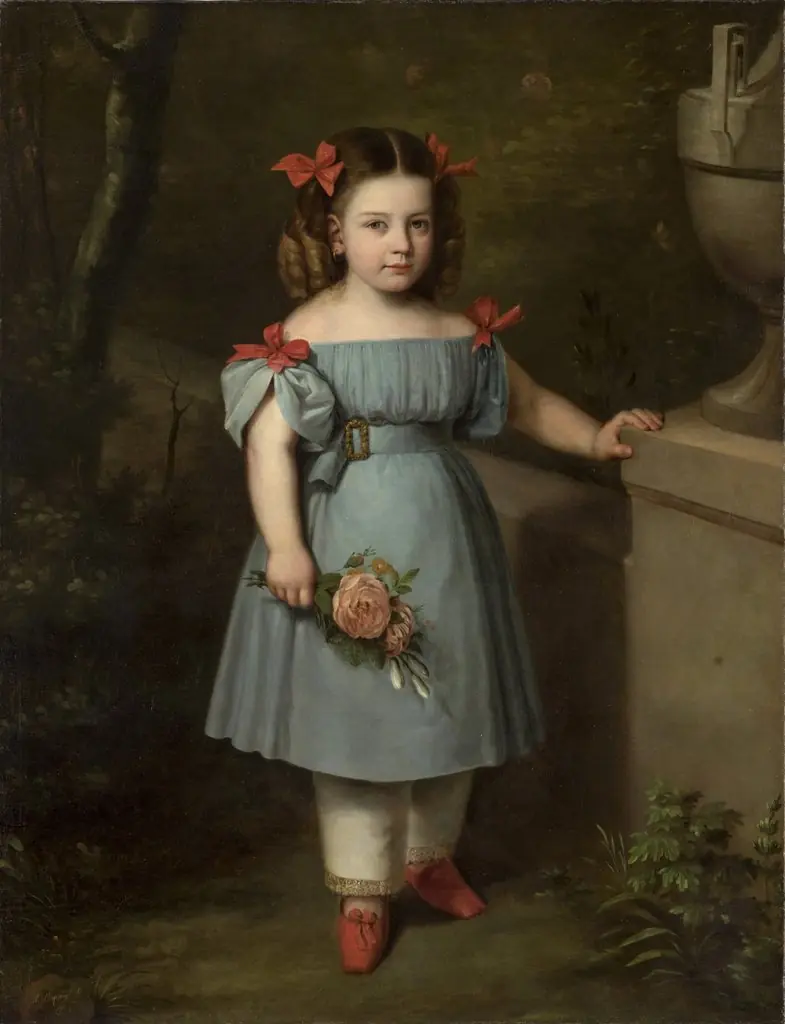 Retrato de niña con rosas
 Hilda Amalia Brusewitz (f. 1853)
 Am I loved?
 Woman feeding a Parrot
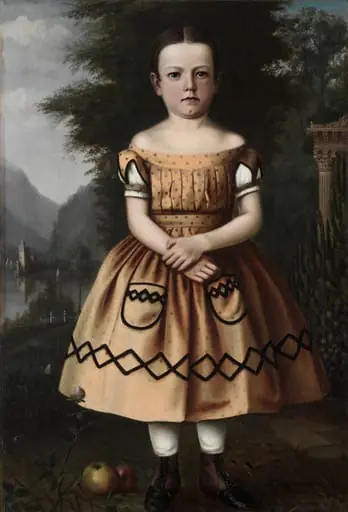 Minnie Willard
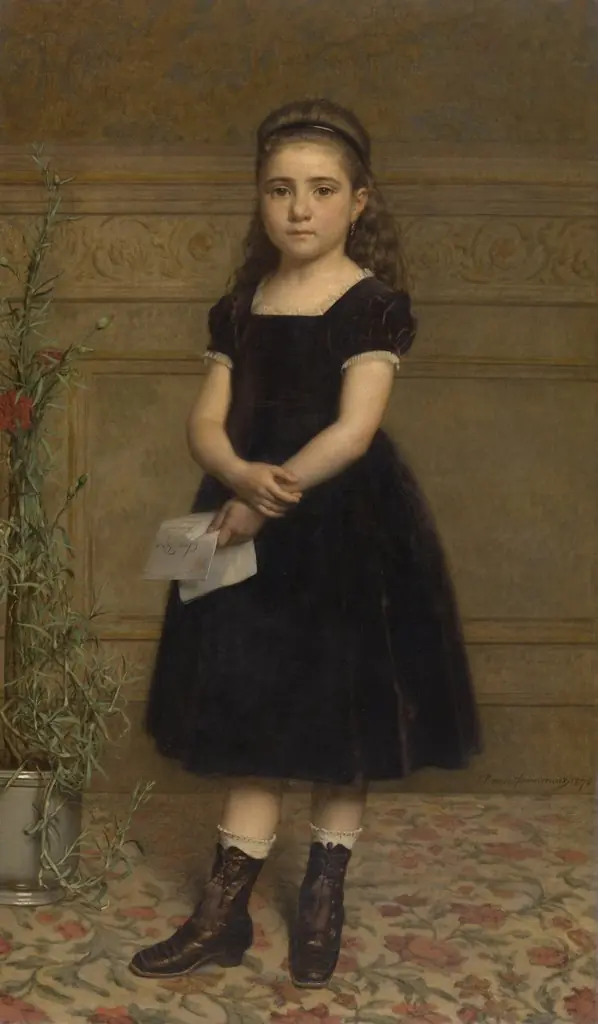 Amélie Baschwitz