Artwork
Femeie la fereastră; Femeie cu papagal
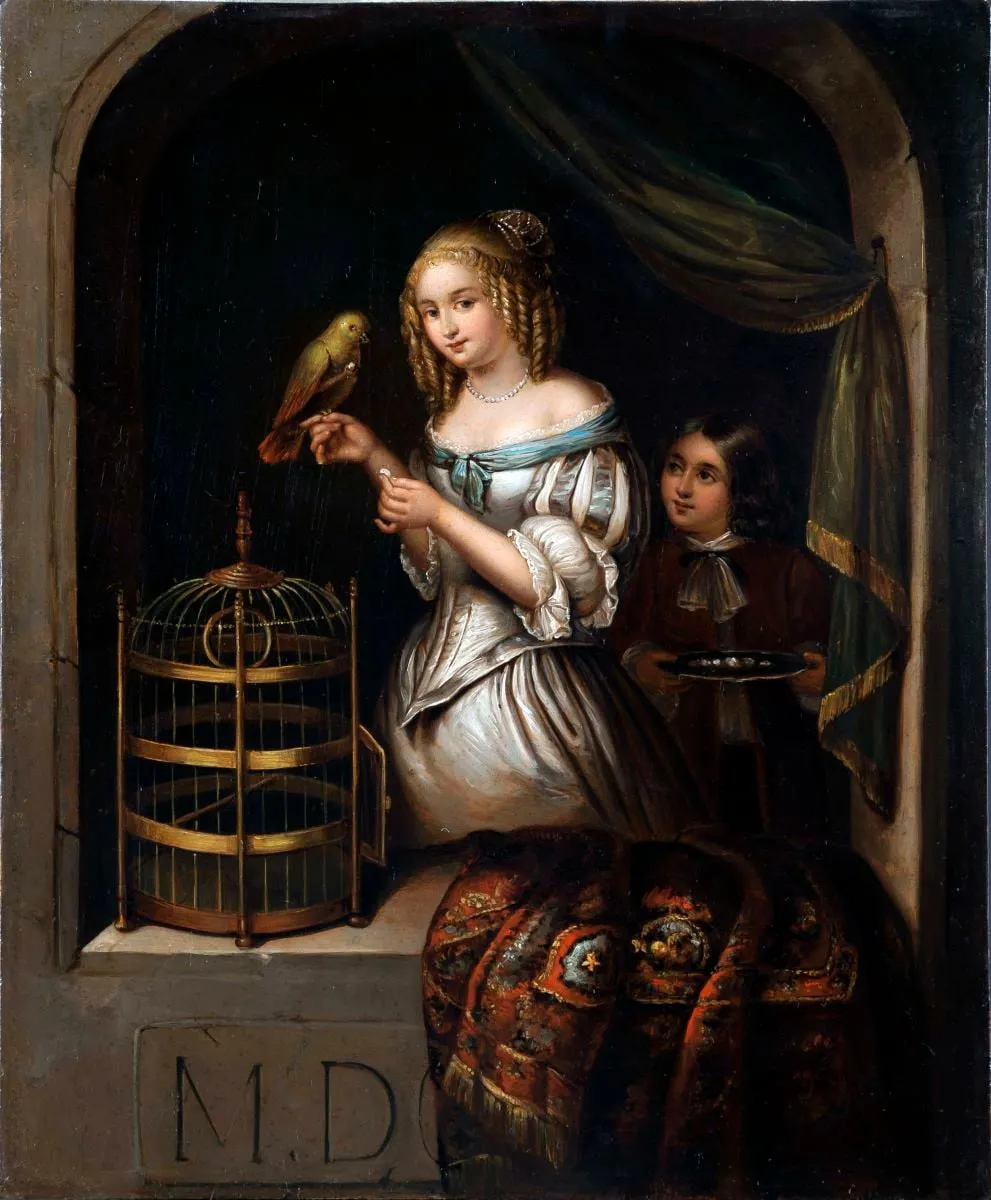
Femeie la fereastră; Femeie cu papagal is an unspecified painting by the Baroque artist Hugo Kołłątaj. It is held in the collection of the National Museum of Art of Romania.
About this work
Overview
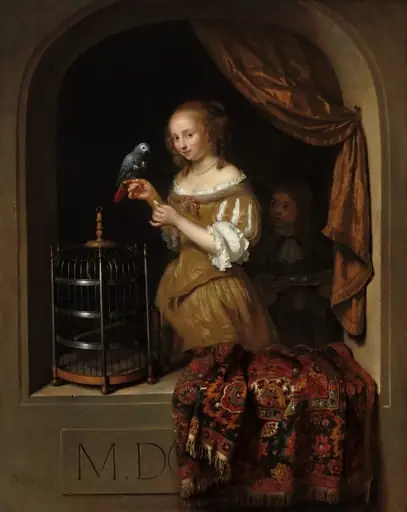
Femeie la fereastră (Woman at the Window) is a painting by Hugo Kołłątaj, depicting a serene domestic scene. A woman in a white dress stands near a window, cradling a vibrant green bird, accompanied by a girl in darker attire holding a tray. The composition balances simplicity with subtle hints of elegance.
Subject & Meaning
The subject revolves around a quiet, intimate moment between two females of possibly different social standings (suggested by their attire). The empty birdcage in the background may symbolize freedom or a moment of pause, while the bird itself could represent beauty or delicacy. The interaction, or lack thereof, between the two figures adds a layer of contemplative ambiguity.
Technique & Style
Kołłątaj employs contrasting lighting to emphasize the woman and the bird against a darker backdrop, creating a sense of depth. The simplicity and elegance of the woman’s dress, juxtaposed with the girl’s practical outfit, are rendered with attention to texture and form, suggesting a blend of realism with a touch of understated elegance.
History & Provenance
Specific historical or provenance details for 'Femeie la fereastră' by Hugo Kołłątaj are not provided in the given context, leaving the painting’s creation date, inspirations, and ownership history unspecified.
Context
Without explicit contextual information, the painting can be broadly situated within late 19th or early 20th-century European art, given the style and subject matter. It may reflect themes of domesticity, class nuances, and the artistic trends of its time, such as the emphasis on everyday life and the use of light.
Legacy
The legacy and impact of 'Femeie la fereastră' on the broader art historical canon or Kołłątaj’s overall body of work cannot be assessed with the provided information, highlighting a need for further research into the artist’s contributions and the painting’s reception.
Artist & collection
Artist
This Polish folk painter worked in the late eighteenth and early nineteenth centuries, creating religious scenes with bold colors and simple shapes.

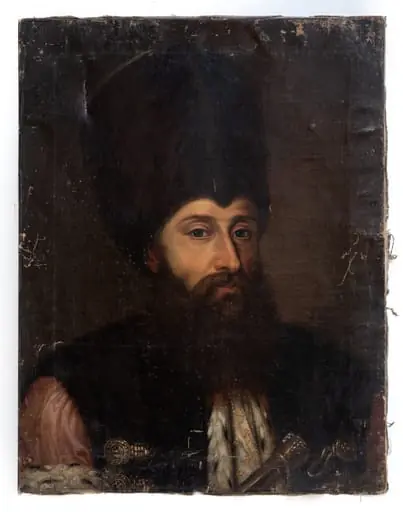 Alexandru Ipsilanti
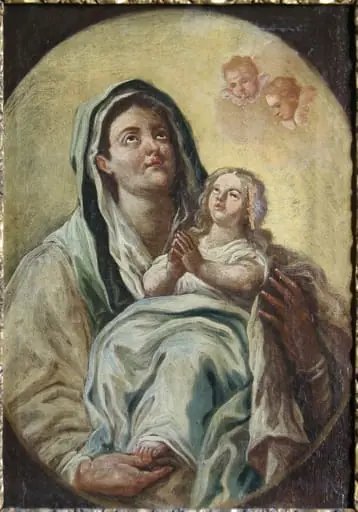 Fecioara Maria cu Pruncul Isus (în Reg. Inv.: Maria cu copilul Isus)
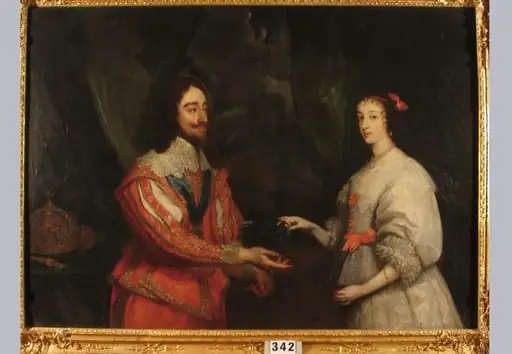 Regele Charles I Stuart al Angliei și soția sa Henrietta Maria de Franța (în Reg. Inv.: Carol I al Angliei și soția sa Henriette din Franța)
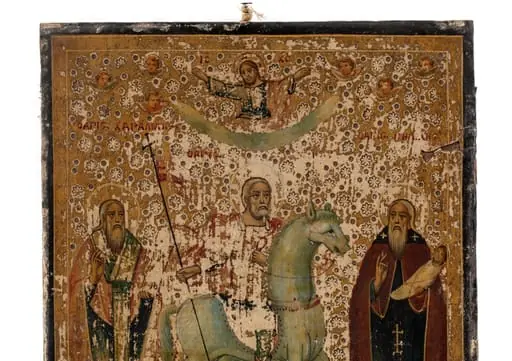 Sfântul Haralambie cu alți doi sfinți
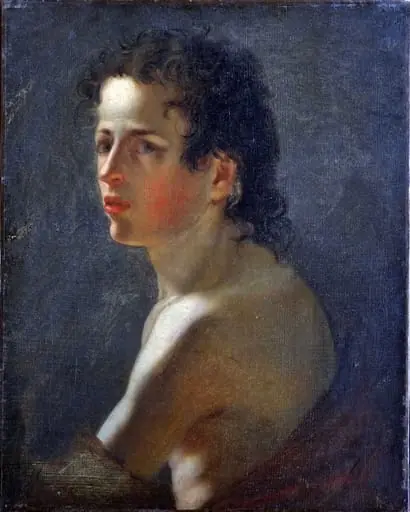 Portret de bărbat
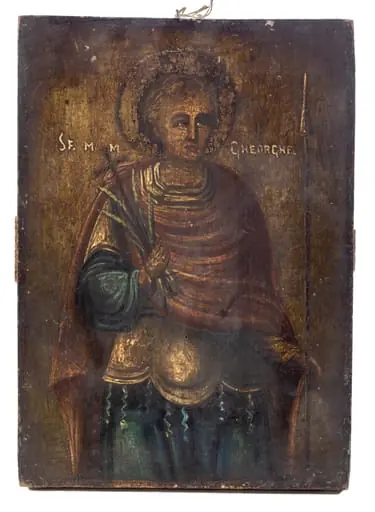 Sfântul Gheorghe
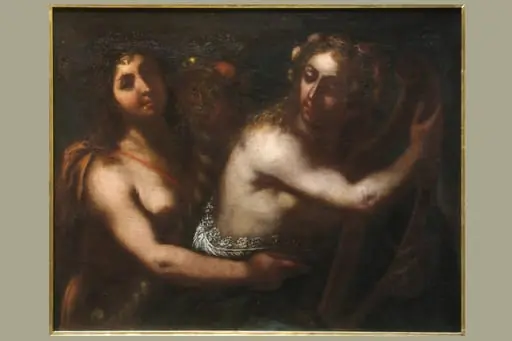 Vertumnus și Pomona (în Reg. Inv.: Vertumnus și Flora)
 Iarnă
Iarnă
 A Woman Feeding a Parrot, with a Page
 Girl with a Parrot
 Am I loved?
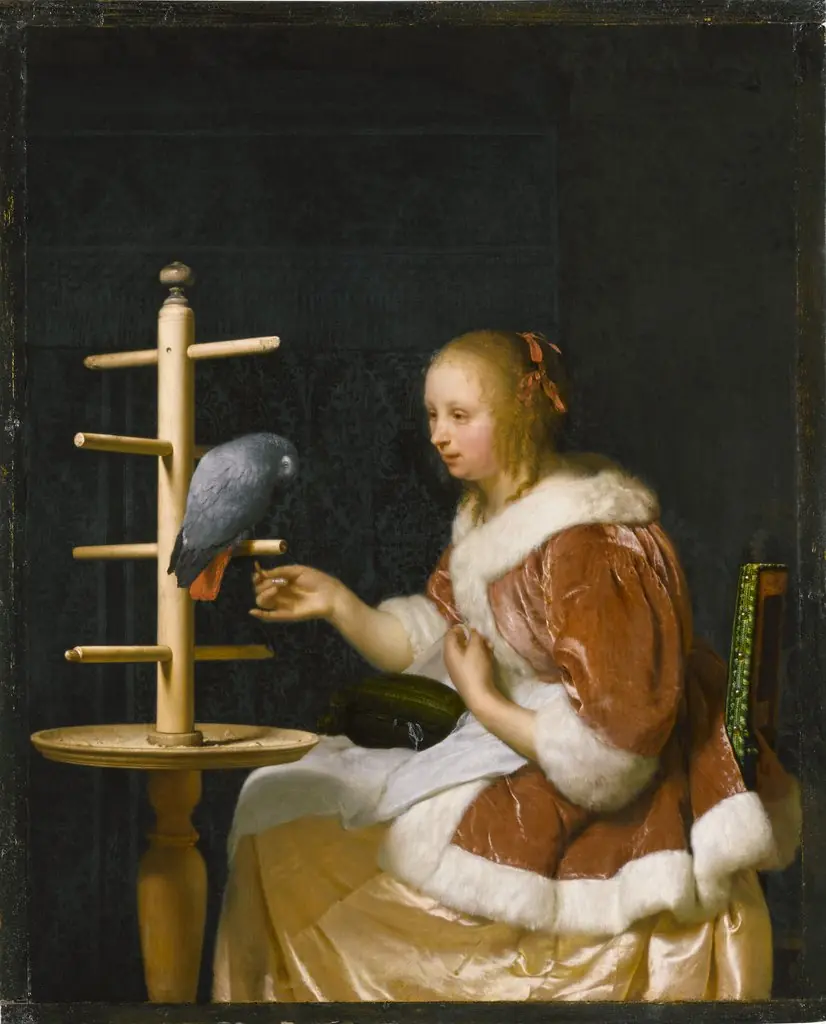 Woman feeding a Parrot
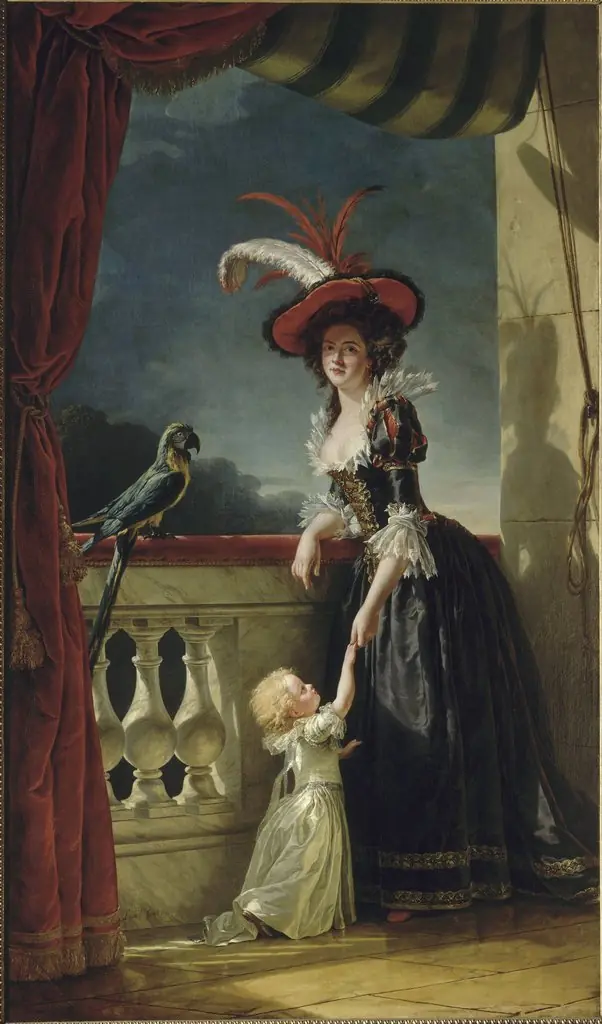 Portrait of Elisabeth of France, Duchess of Parma (1727-1759)
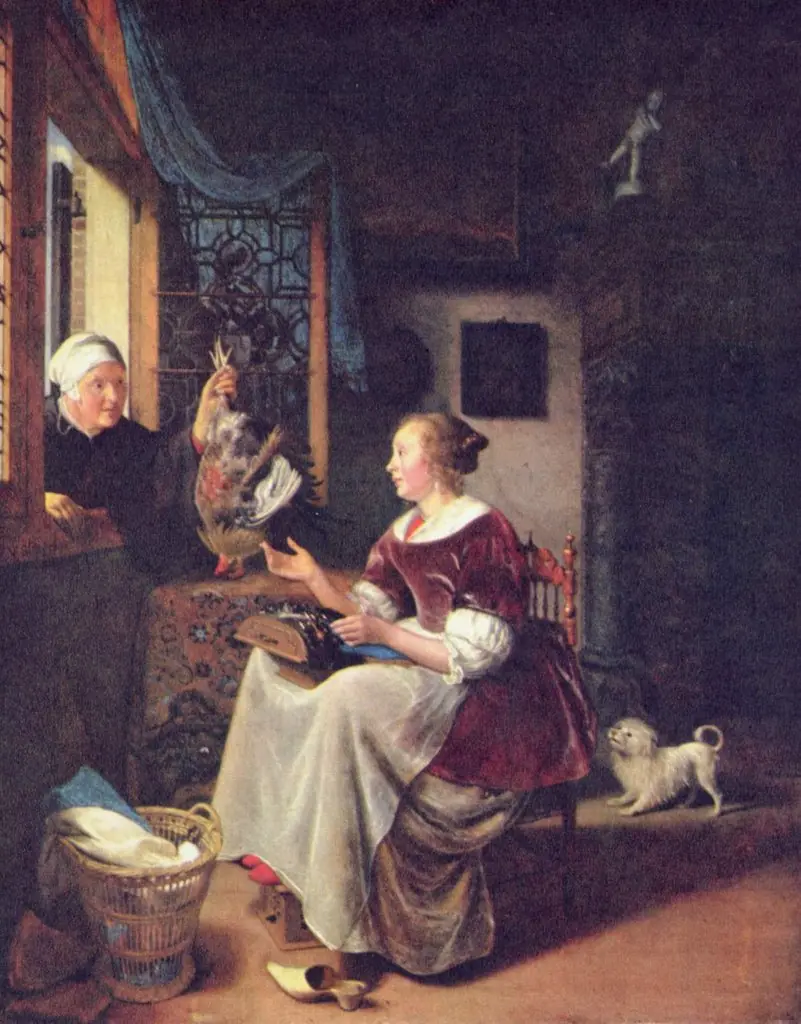 A young lacemaker is interrupted by a birdseller who offers her ware through the window
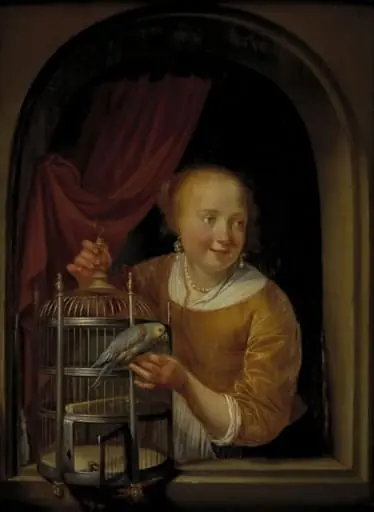 Girl with a Parrot
 The Young Savant Mother
 Allegory of Transience
 Rafaela Flores Calderón
 Femeie cu broboadă
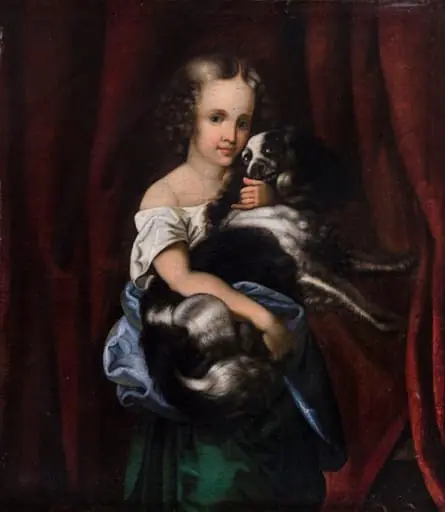 Fetița cu cățel