Artwork
Portrait of a Man
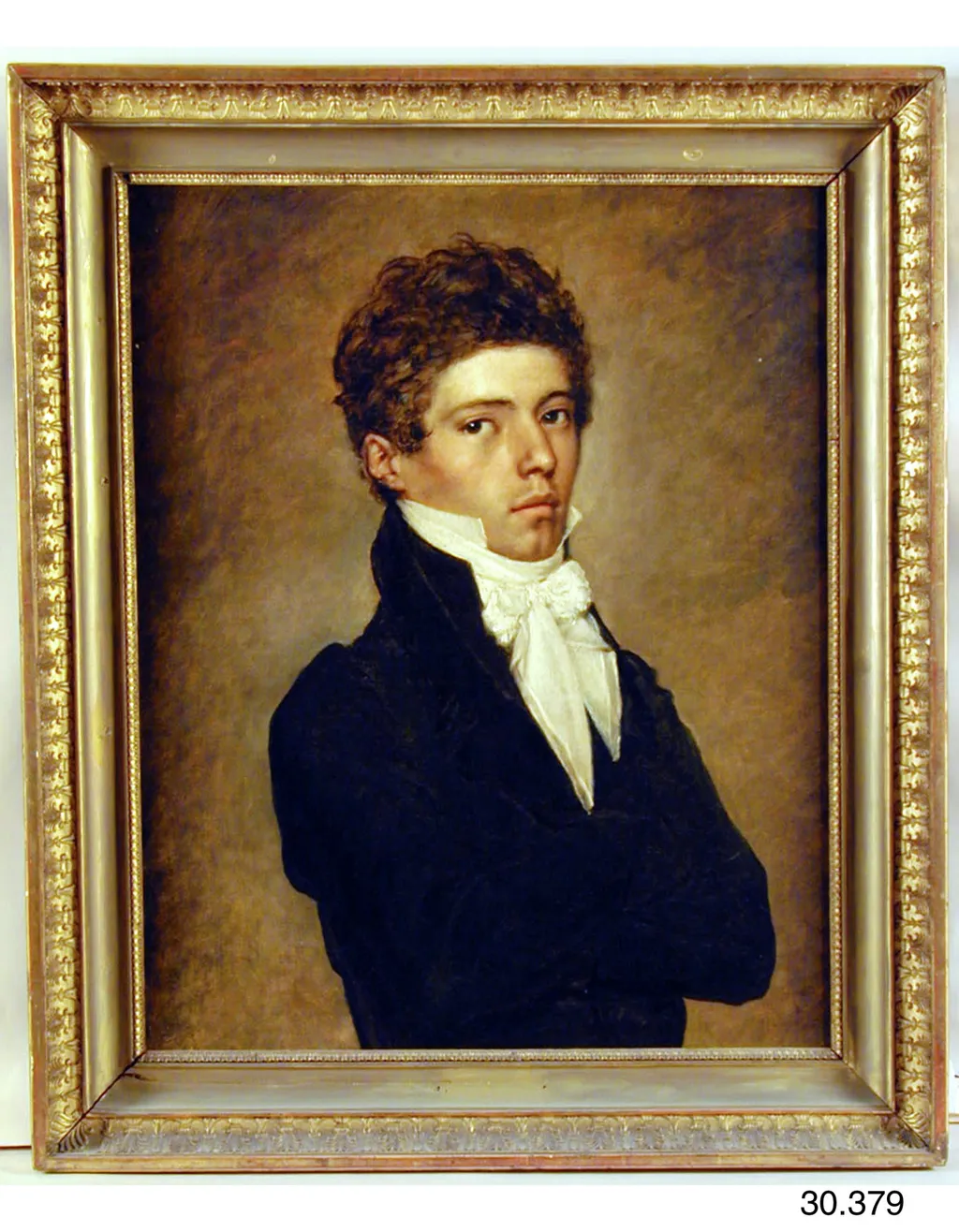
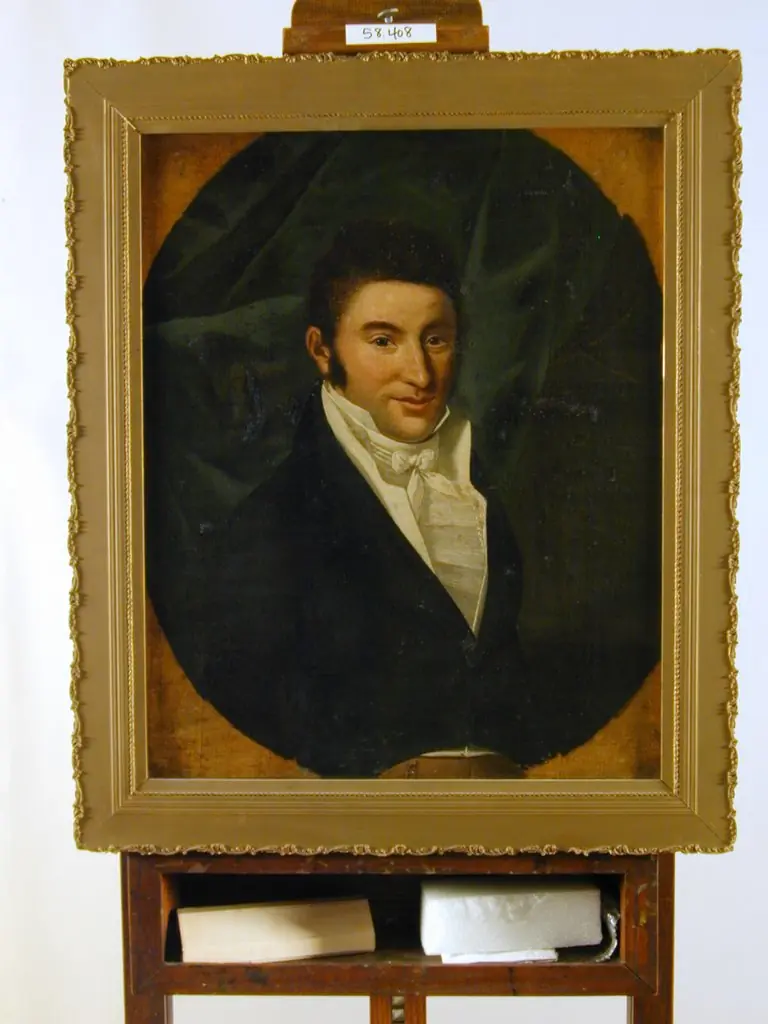
Portrait of a Man is an oil painting by Antoine-Jean Gros. It dates from 1813 and is held in the collection of the Detroit Institute of Arts.
About this work
If you're interested in learning more about the artist behind this portrait, you might want to look up Antoine-Jean Gros.
This portrait depicts a man with dark, curly hair and a serious expression. He is dressed in a black jacket and a white cravat, which is tied in a bow at his neck. The background of the painting is a muted brown color.
The man's attire and hairstyle suggest that the painting was created in the early 19th century. The artist's use of chiaroscuro, a technique that uses strong contrasts between light and dark to create a sense of volume and depth, adds depth and dimension to the portrait.
If you're interested in learning more about the artist behind this portrait, you might want to look up Antoine-Jean Gros.
Overview
Painted around 1813 by Antoine-Jean Gros, this oil portrait captures a man in formal attire against a subdued brown background. Though not a commissioned imperial image, it reflects Gros’s technical precision and his shift from grand historical narratives to intimate portraiture during his established career. The work resides in the Detroit Institute of Arts, representing a quieter facet of his oeuvre beyond his Napoleonic commissions.
Subject & Meaning
The sitter, dressed in a black jacket and white cravat, exudes quiet dignity. His dark, curly hair and restrained expression align with early 19th-century male fashion and bourgeois propriety. No identifying marks or symbols are present, suggesting the subject may have been a private individual rather than a public figure. The portrait emphasizes character over status, inviting contemplation rather than declaration.
Technique & Style
Gros employs chiaroscuro to model the face and neck with subtle gradations of light and shadow, lending volume and presence. The brushwork is controlled yet fluid, particularly in the rendering of the cravat’s folds and the texture of the jacket. The muted background isolates the figure, focusing attention on his form and expression, a hallmark of Gros’s mature portraiture style.
History & Provenance
Created during Gros’s tenure as a court painter under Napoleon, this portrait emerged after his most celebrated historical works. While its early ownership is undocumented, it entered the Detroit Institute of Arts’ collection in the 20th century. Its survival reflects the continued interest in Gros’s non-heroic works, offering insight into his versatility beyond state-sponsored imagery.
Context
In early 19th-century France, portraiture served both social and artistic functions. Gros, trained by David, moved away from Neoclassical rigidity toward a more naturalistic approach. This portrait aligns with a broader trend among French artists to depict individuals with psychological nuance, even as political upheaval reshaped artistic patronage and public taste.
Legacy
Though overshadowed by Gros’s larger historical paintings, this portrait exemplifies his skill in capturing individual presence with restraint. It contributes to understanding his range as an artist and the evolution of French portraiture during the transition from Empire to Restoration. Its quiet intensity continues to inform studies of 19th-century visual culture.
Artist & collection
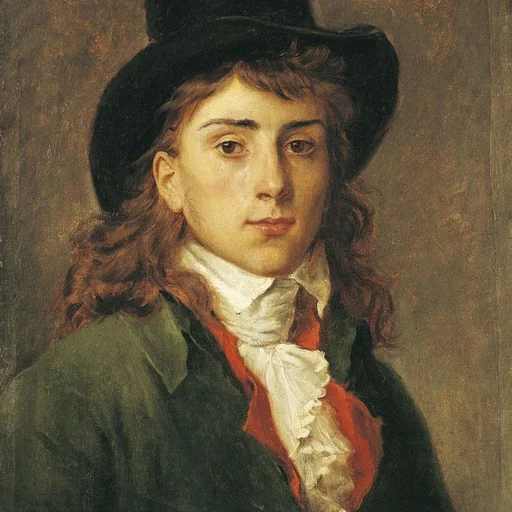
Artist
Antoine-Jean Gros (French pronunciation: ; 16 March 1771 – 25 June 1835) was a French painter of historical subjects.

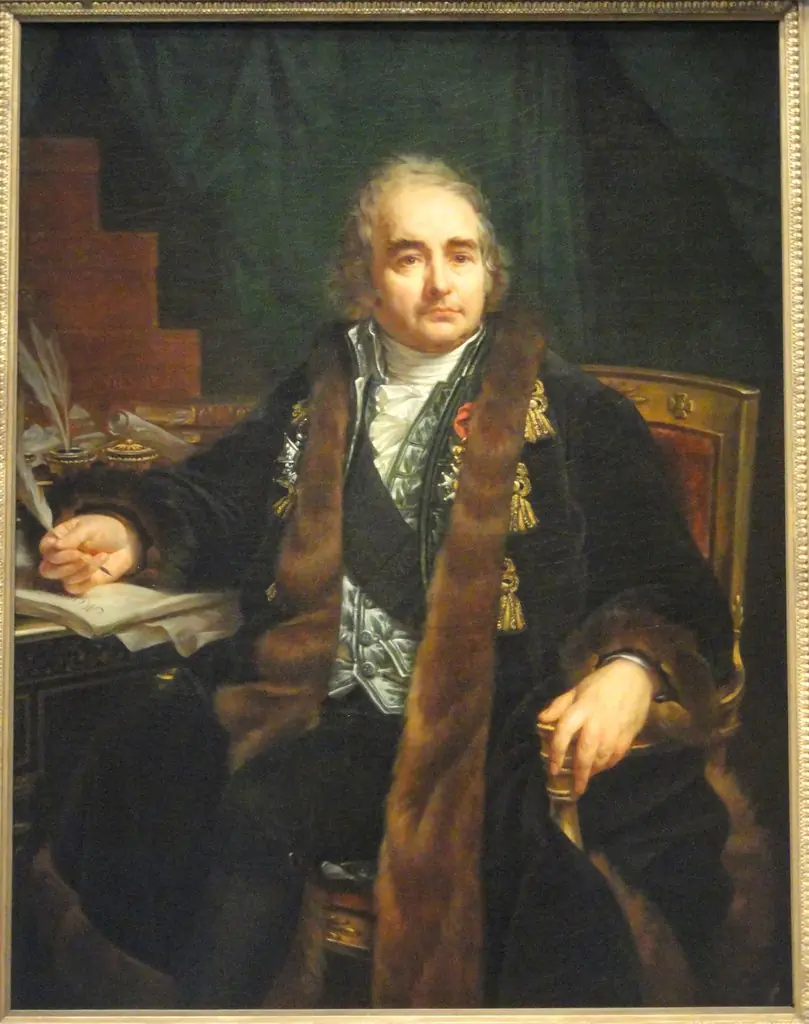 portrait of Jean-Antoine Chaptal
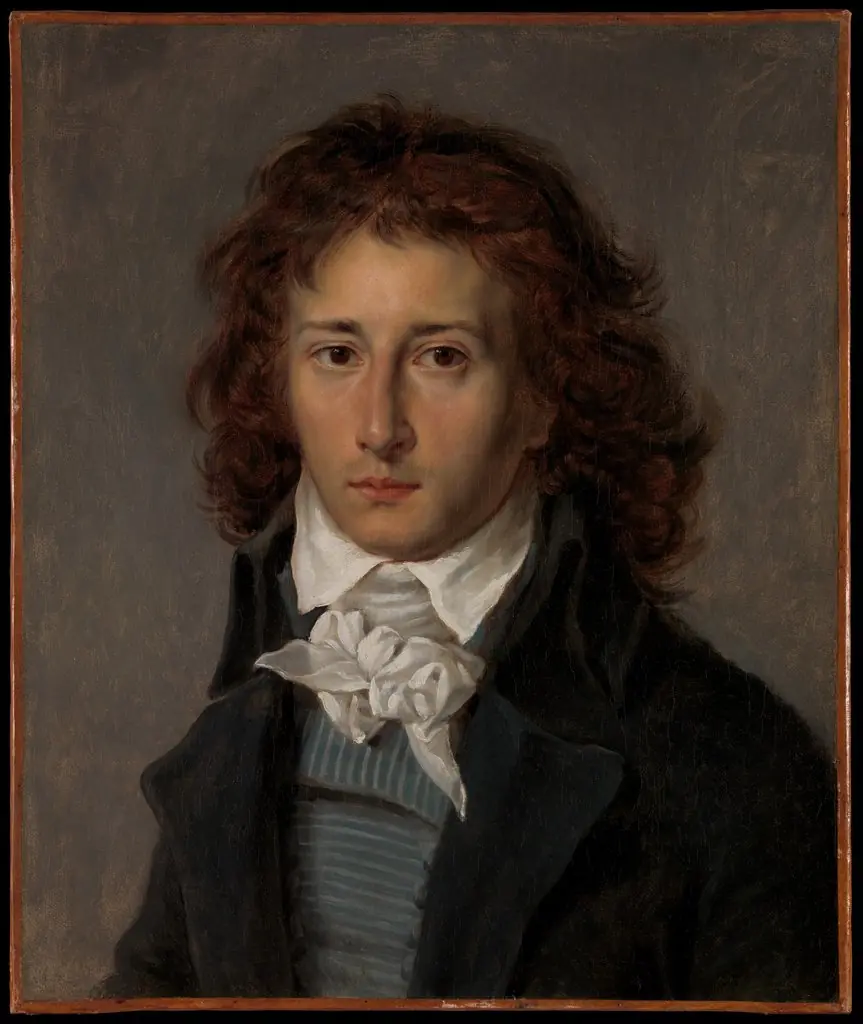 François Gérard (1770–1837), later Baron Gérard
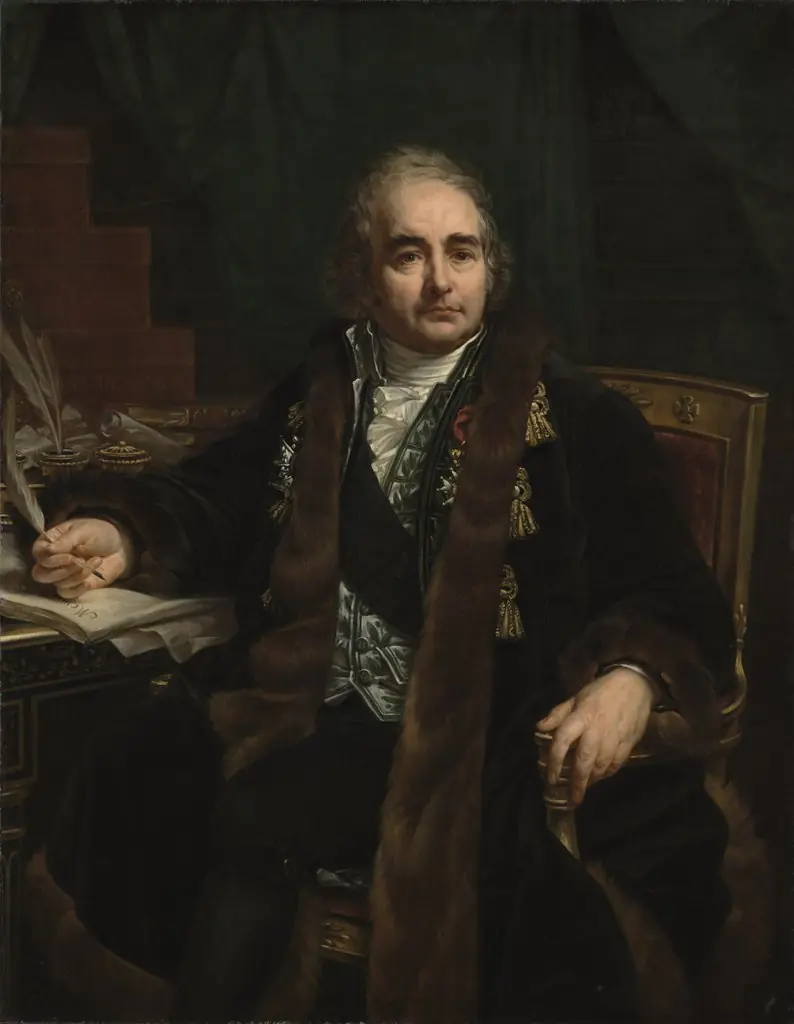 Portrait of Count Jean-Antoine Chaptal
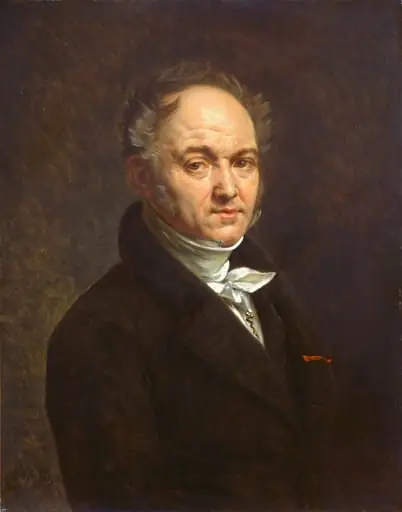 Dr. Vignardonne
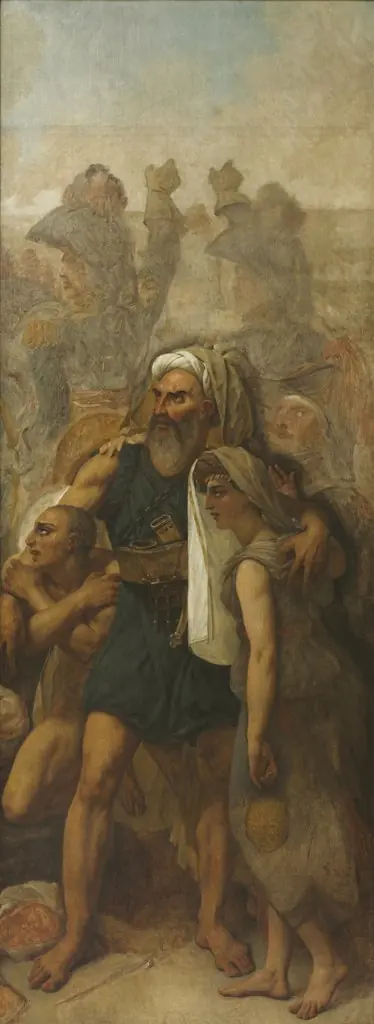 Egyptian Family (Sketch for "The Battle of the Pyramids")
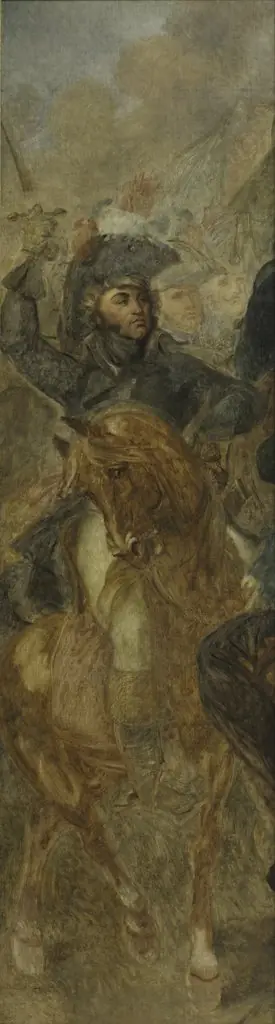 General Jean-Baptiste Kléber (Sketch for "The Battle of the Pyramids")
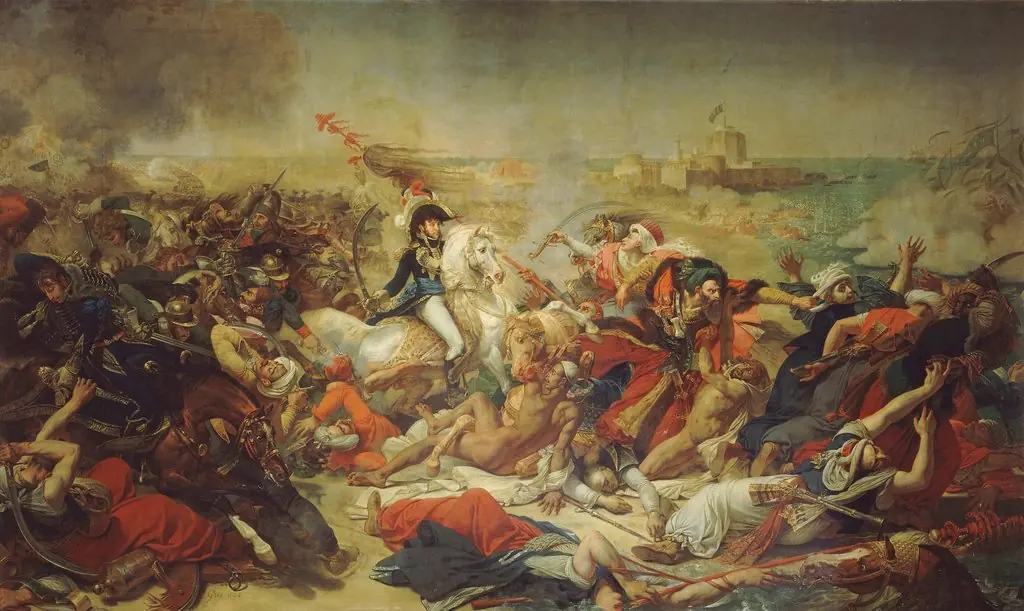 Bataille d'Aboukir, 25 Juillet 1799
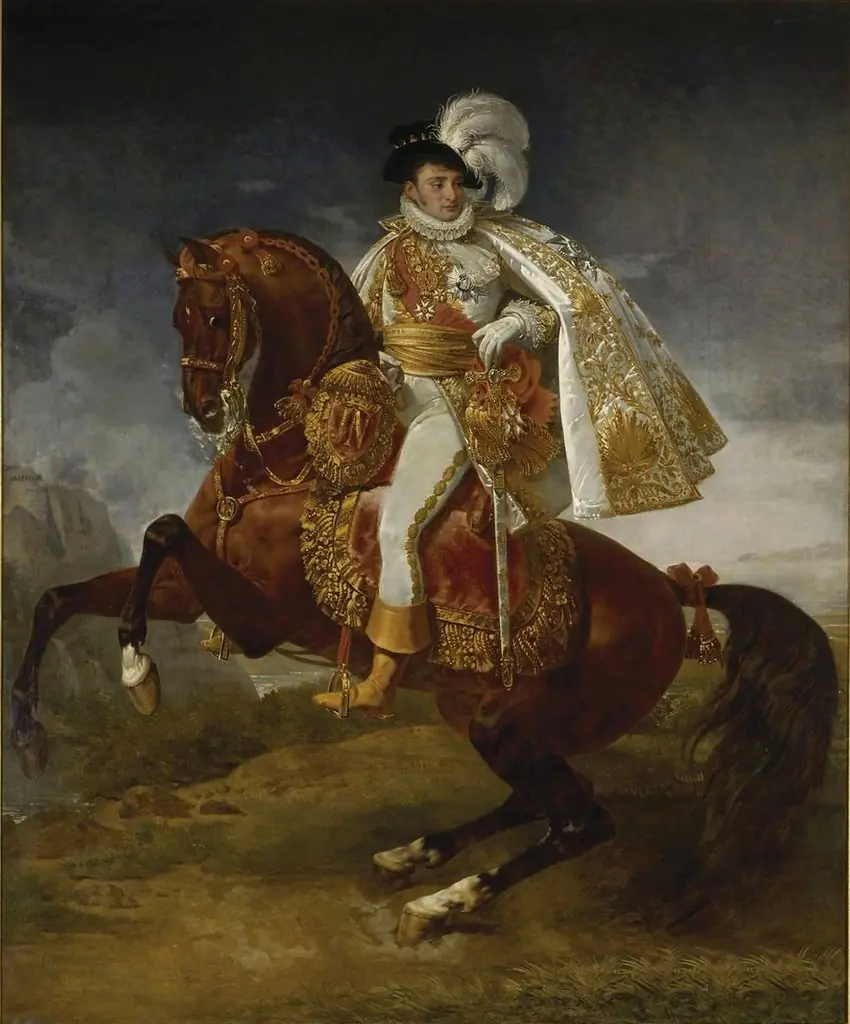 Jérôme Bonaparte, King of Westphalia
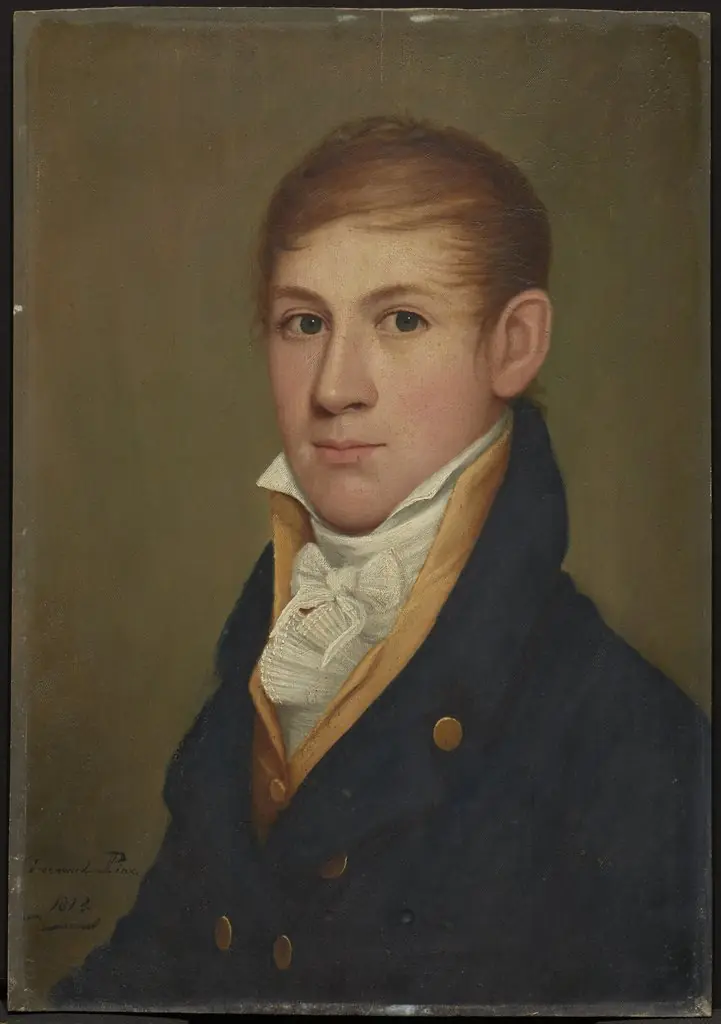 A Gentleman (one of pair of portraits)
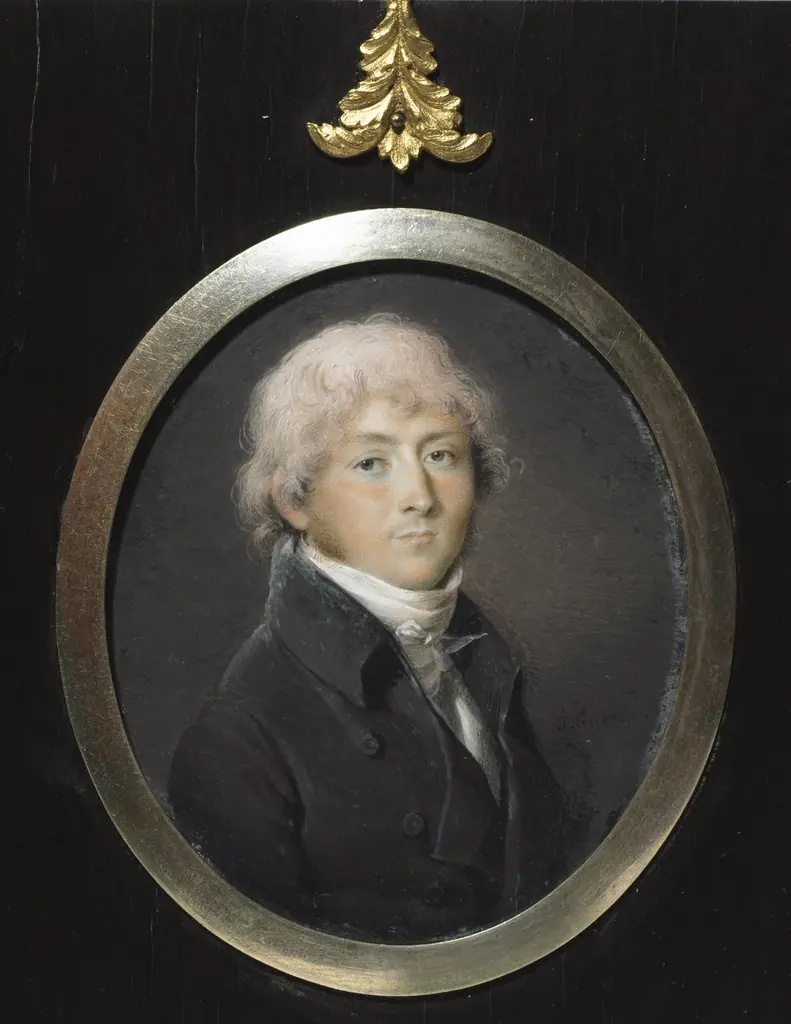 Portrait of a Man
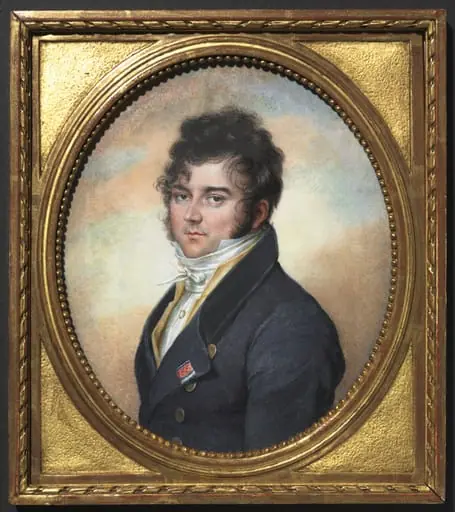 Portrait of a Man
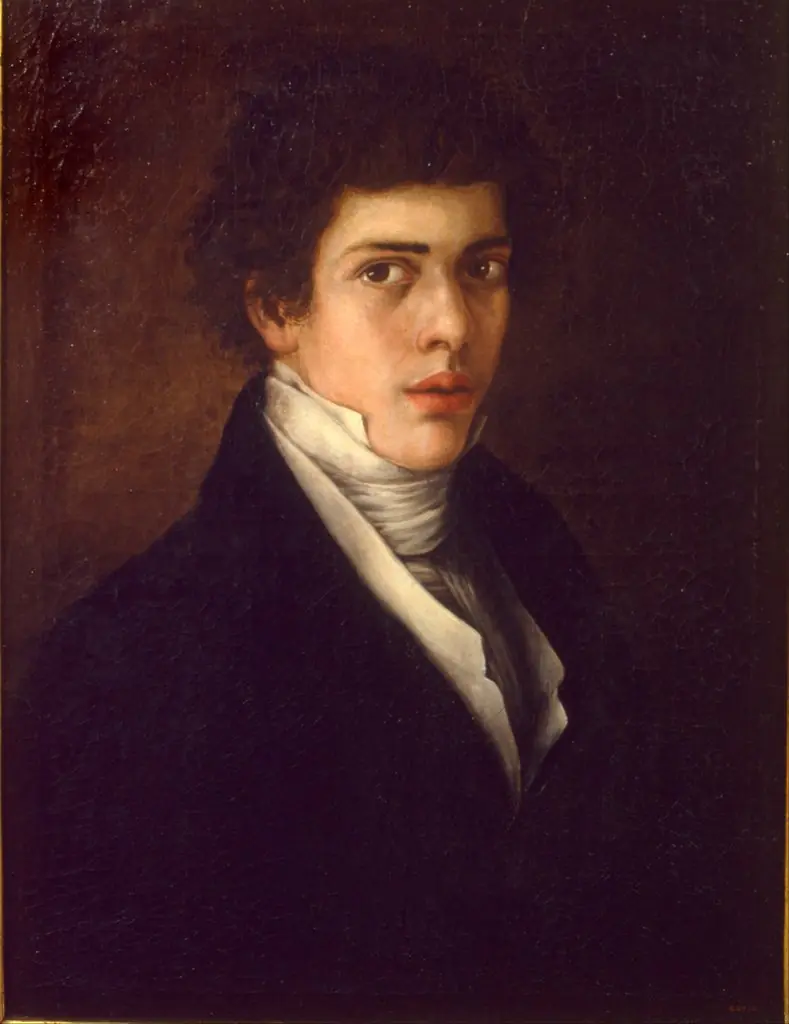 Self-portrait
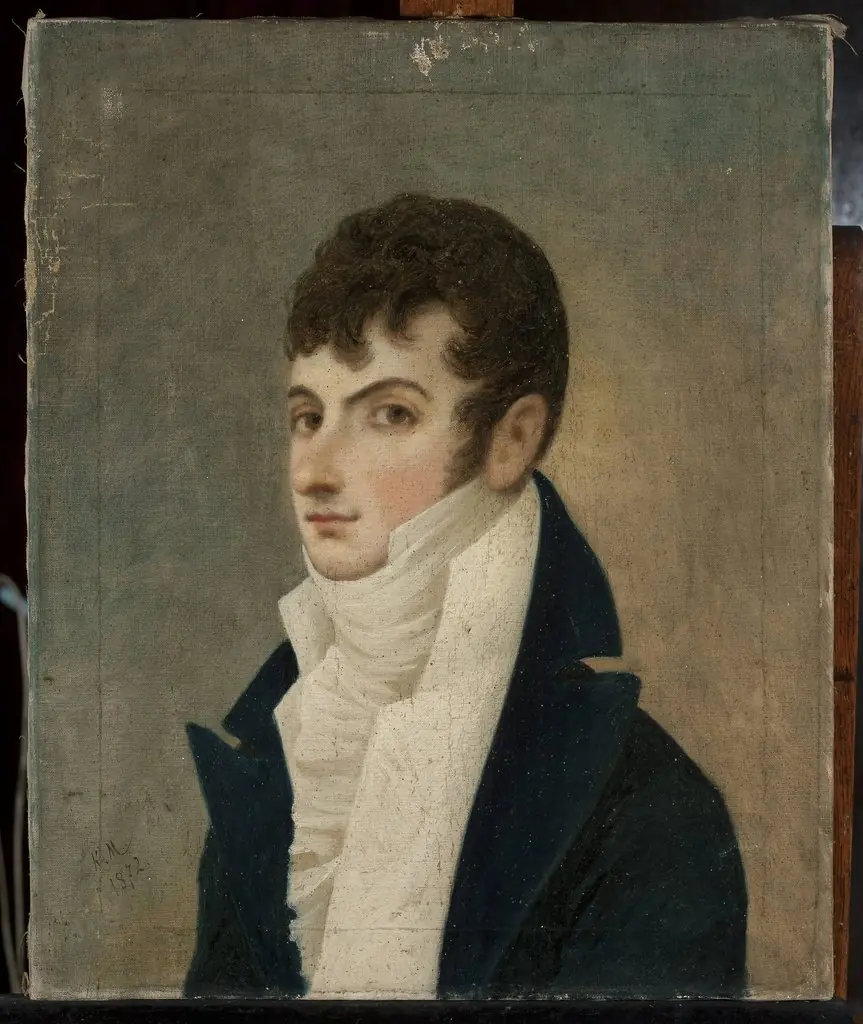 Portrait of Count Paweł Sołtyk, castellan of Sandomierz
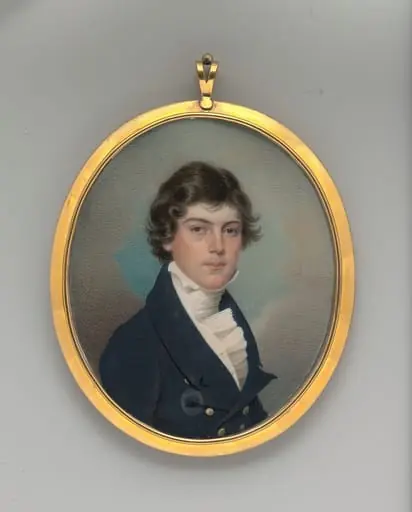 Isaac O'Brien L. McPherson
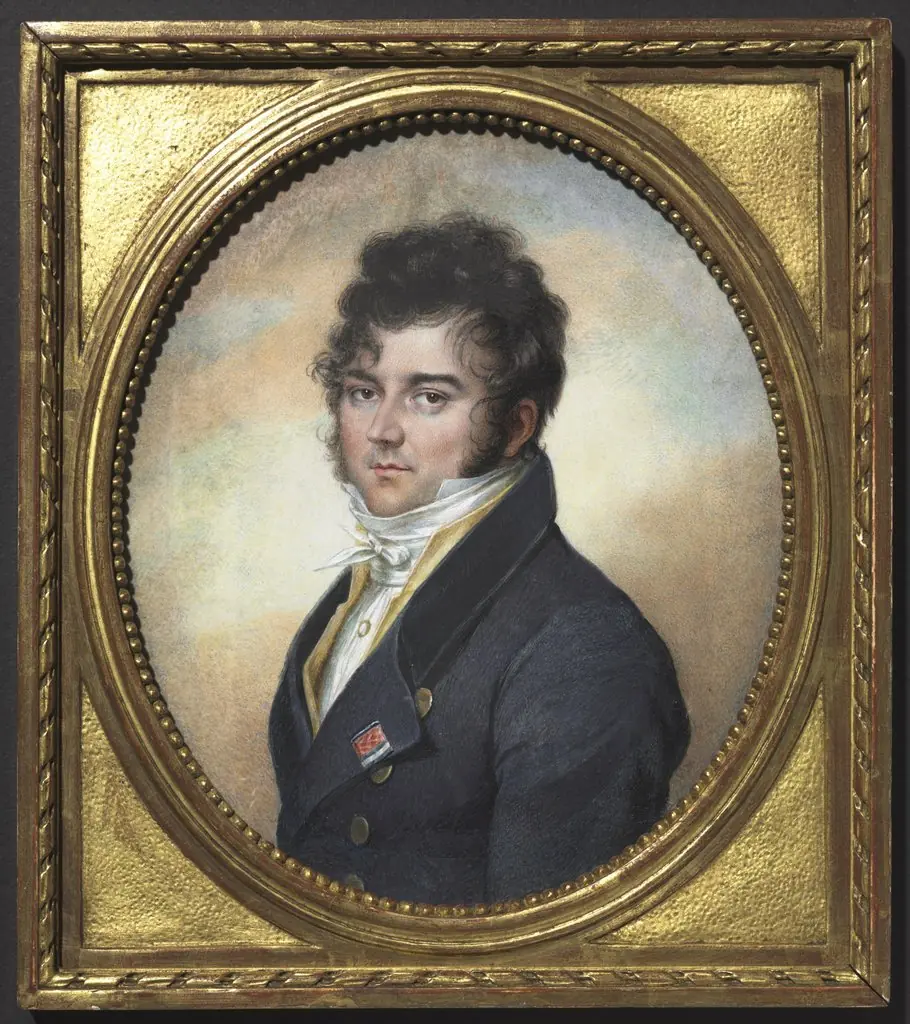 Portrait of a Man
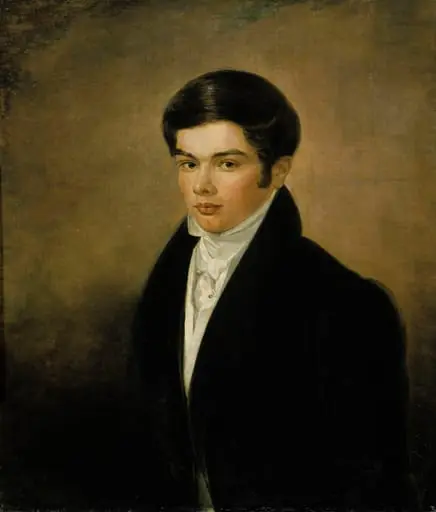 Silkkitehtailija Carl Edvin Lundgren
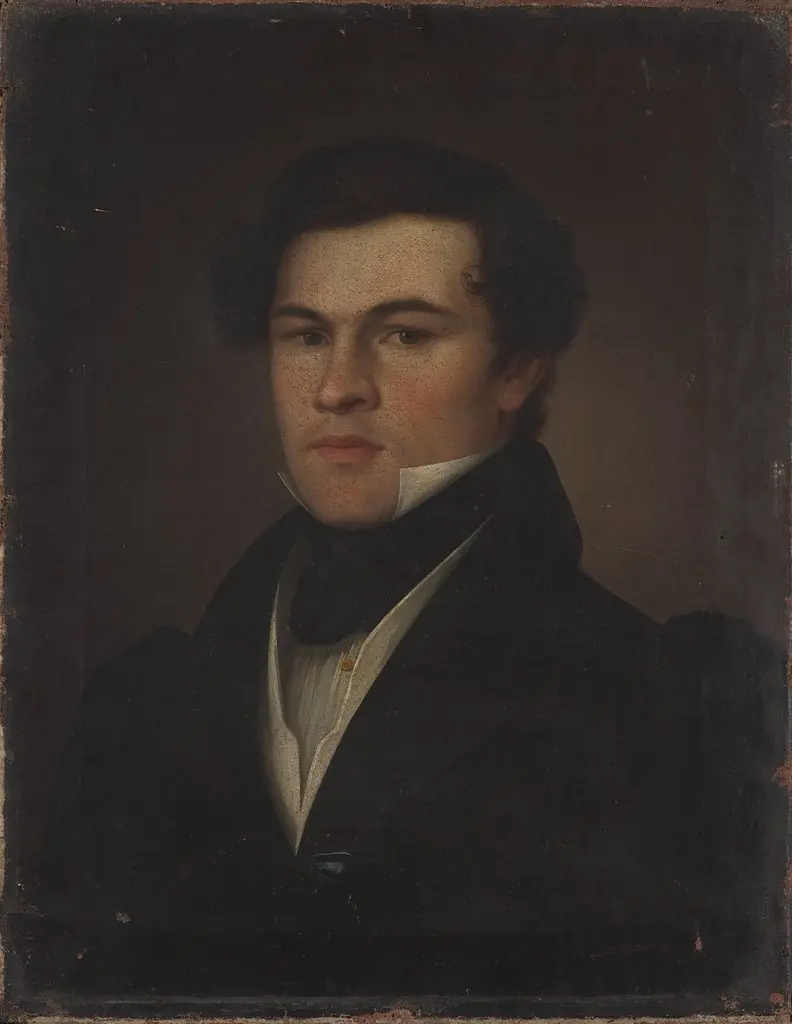 Portrait of Franciszek Ksawery Andrychewicz
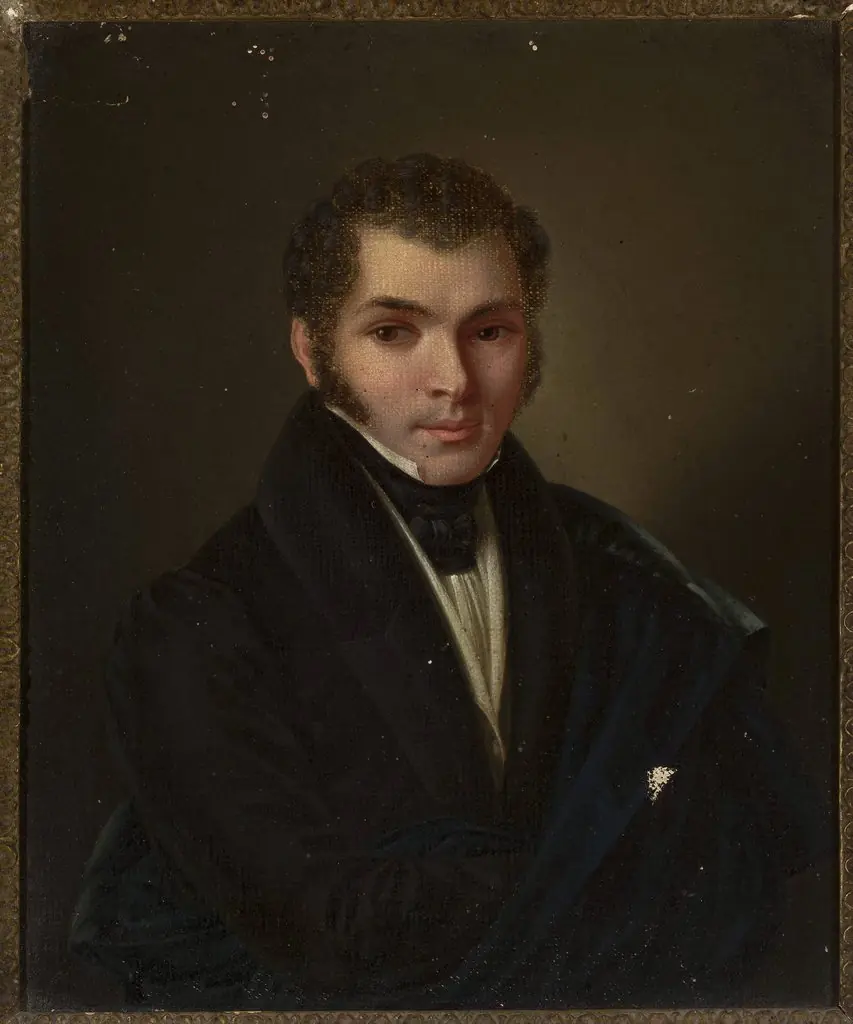 Portrait of Józef Szymanowski
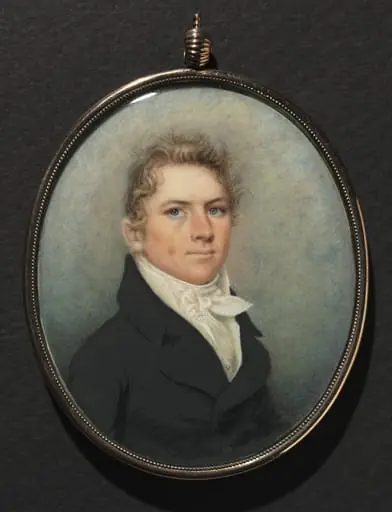 Portrait of a Man
 Pieter Onderwater