Artwork
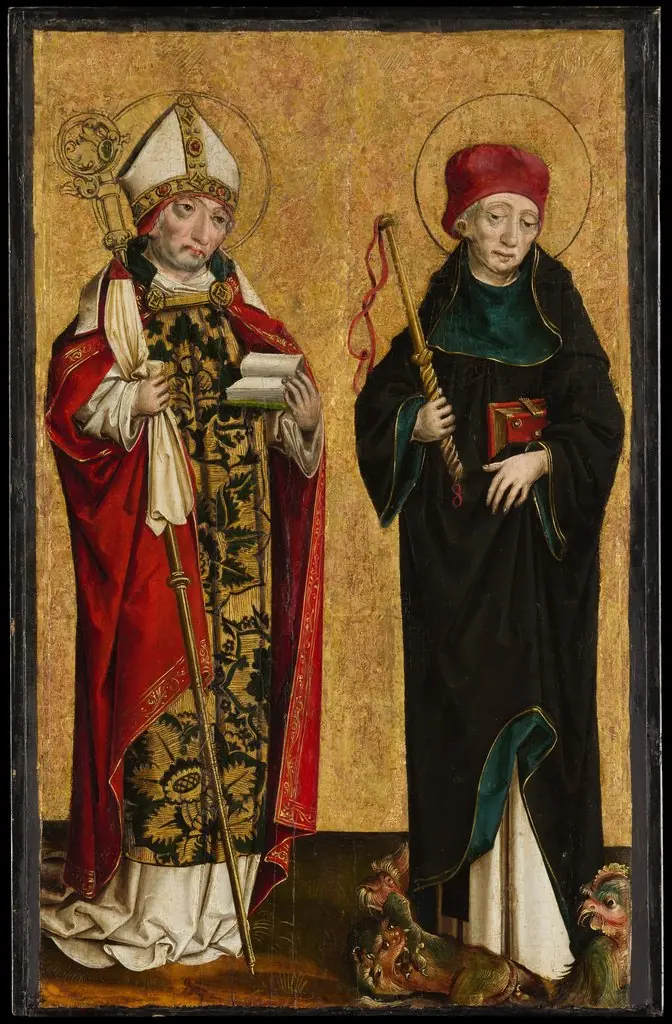
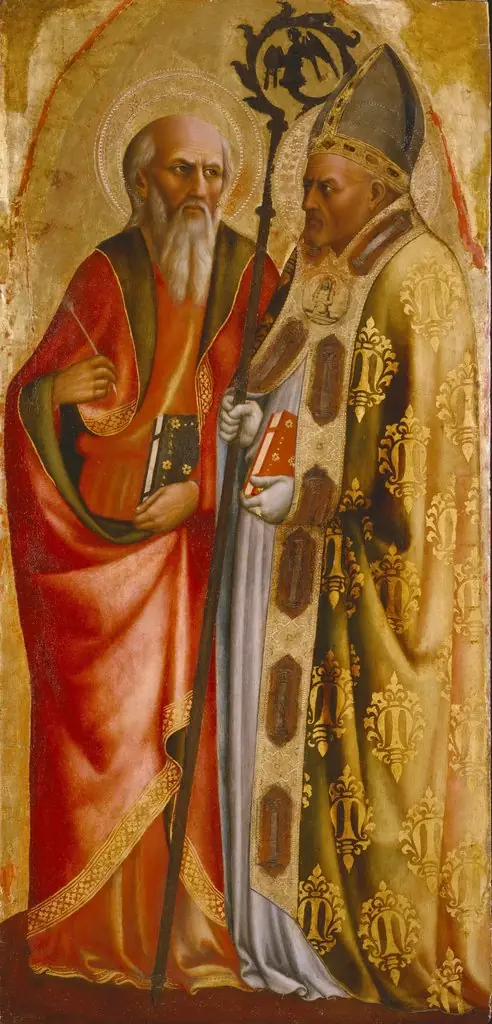
Saints Ludwig of Toulouse and Saint Antonio Abate
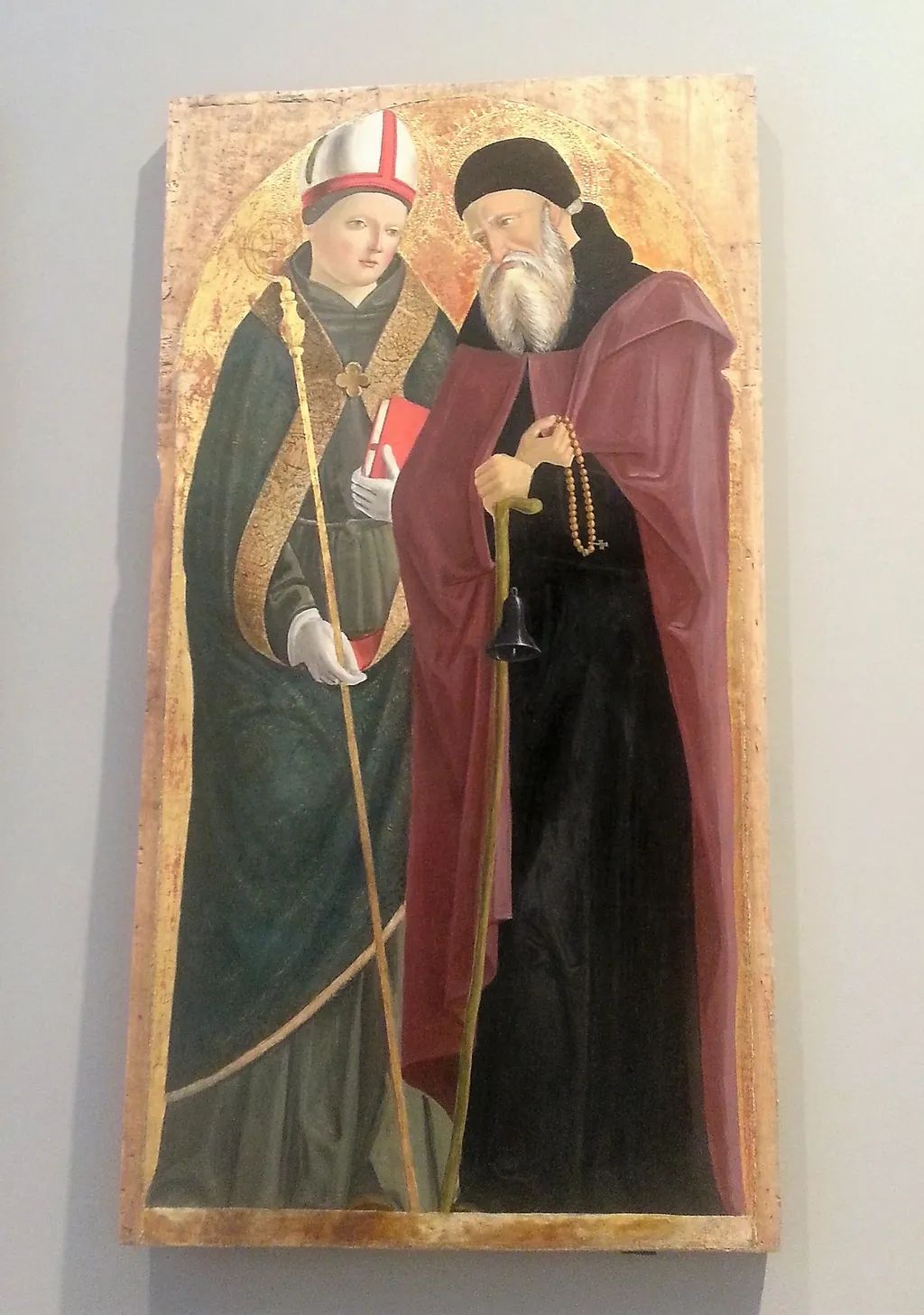
Saints Ludwig of Toulouse and Saint Antonio Abate is a tempera painting by the Northern Renaissance artist Antonio Marinoni. It dates from 1510 and is held in the collection of the Accademia Carrara.
About this work
Overview
Antonio Marinoni’s tempera work, dated to 1510, depicts two saints in a modest composition. The figures stand against a muted brown backdrop, each framed by a subtle circular motif that draws attention to their faces. The painting is part of the collection of the Accademia Carrara, where it remains on display.
Subject & Meaning
The left figure is identified as Saint Ludwig of Toulouse, recognizable by his green habit, gold‑trimmed mantle, and the red book he holds, symbols of his episcopal authority and scholarly reputation. To his right stands Saint Anthony the Abbot, clothed in a black habit with a red cape, clutching a rosary that underscores his role as a hermit and patron of monastic life.
Technique & Style
Executed in tempera, the work relies on layered pigments and a matte finish typical of early sixteenth‑century Italian devotional art. Marinoni employs a restrained palette—greens, blacks, reds, and golds—against a flat, earth‑toned ground, emphasizing the figures’ silhouettes rather than spatial depth. The simple, linear rendering reflects a conventional, iconographic approach.
History & Provenance
Created in 1510, the painting entered the Accademia Carrara’s holdings at an unspecified later date, where it has been conserved as part of the museum’s early Renaissance religious series. No records indicate prior ownership or commissions, suggesting it may have been produced for a local chapel or private devotion.
Artist & collection

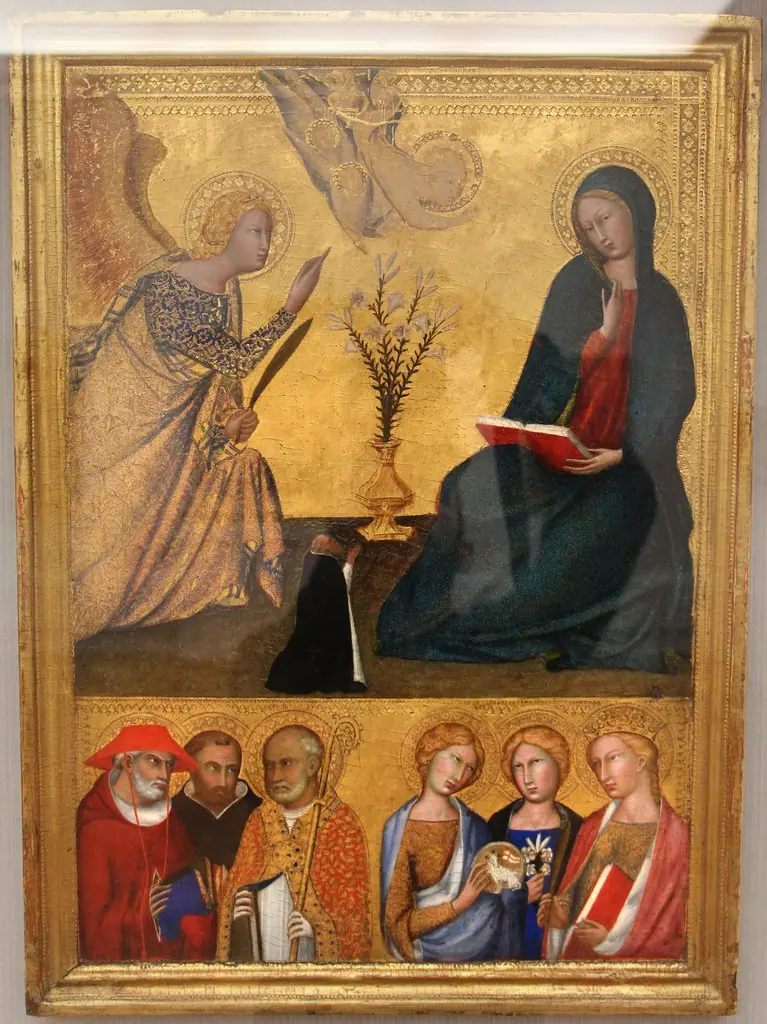 Die Verkündigung an Maria und sechs Heilige
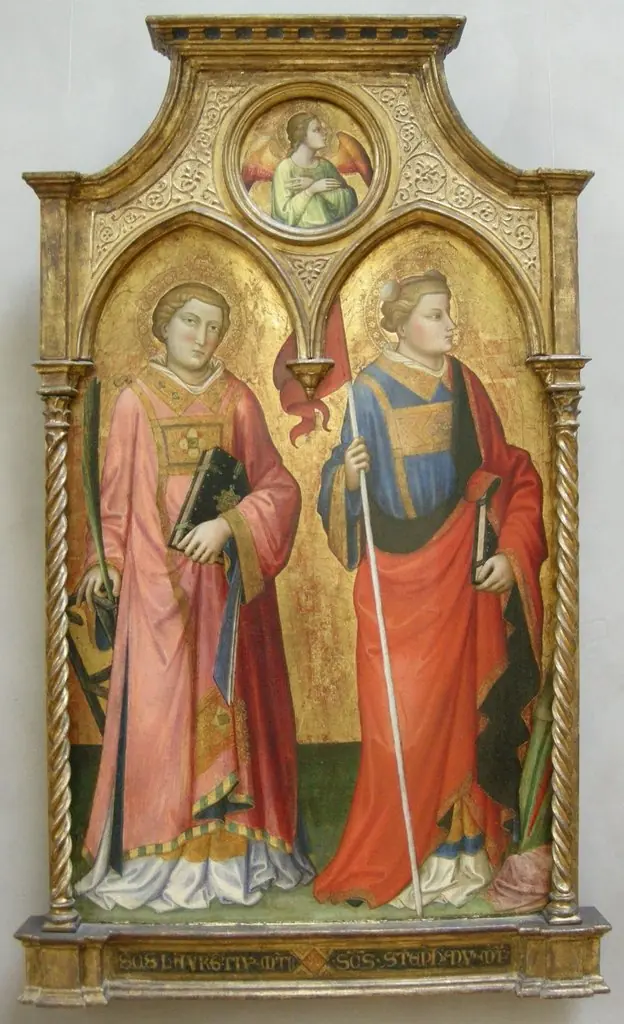 Saints Lawrence and Stephen
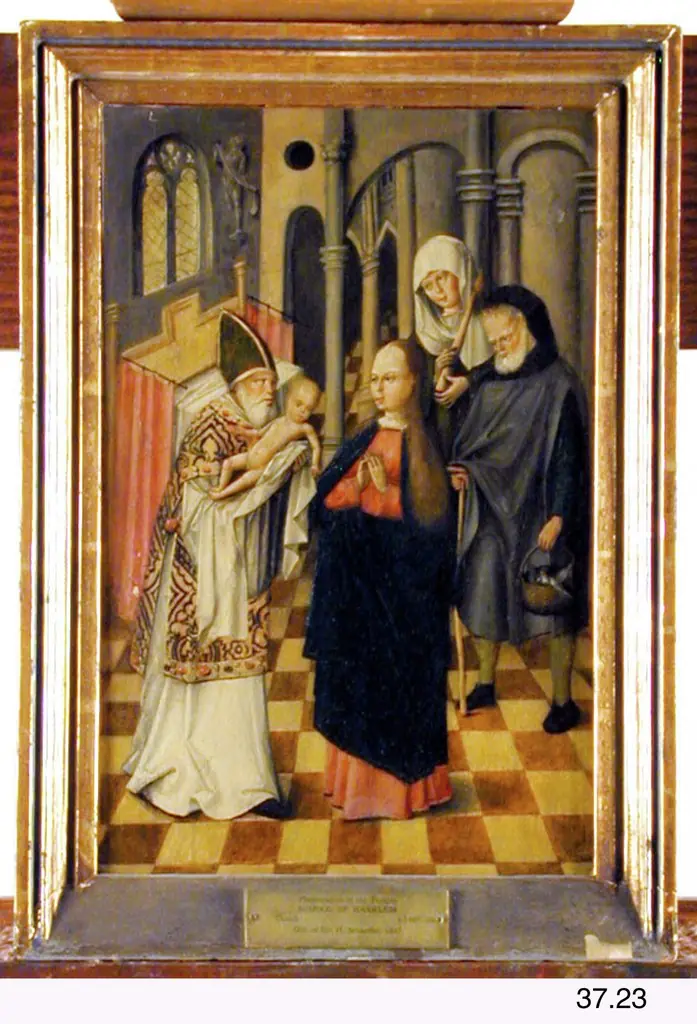 Presentation in the Temple
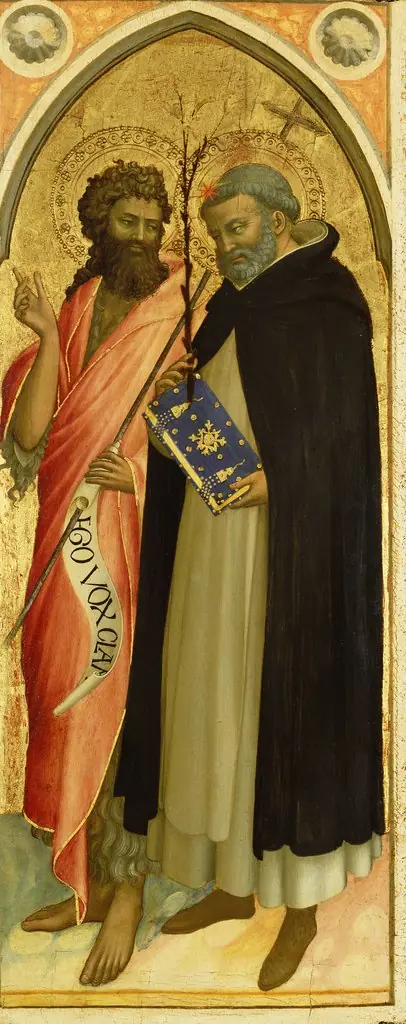 Saint John the Baptist and Saint Dominic
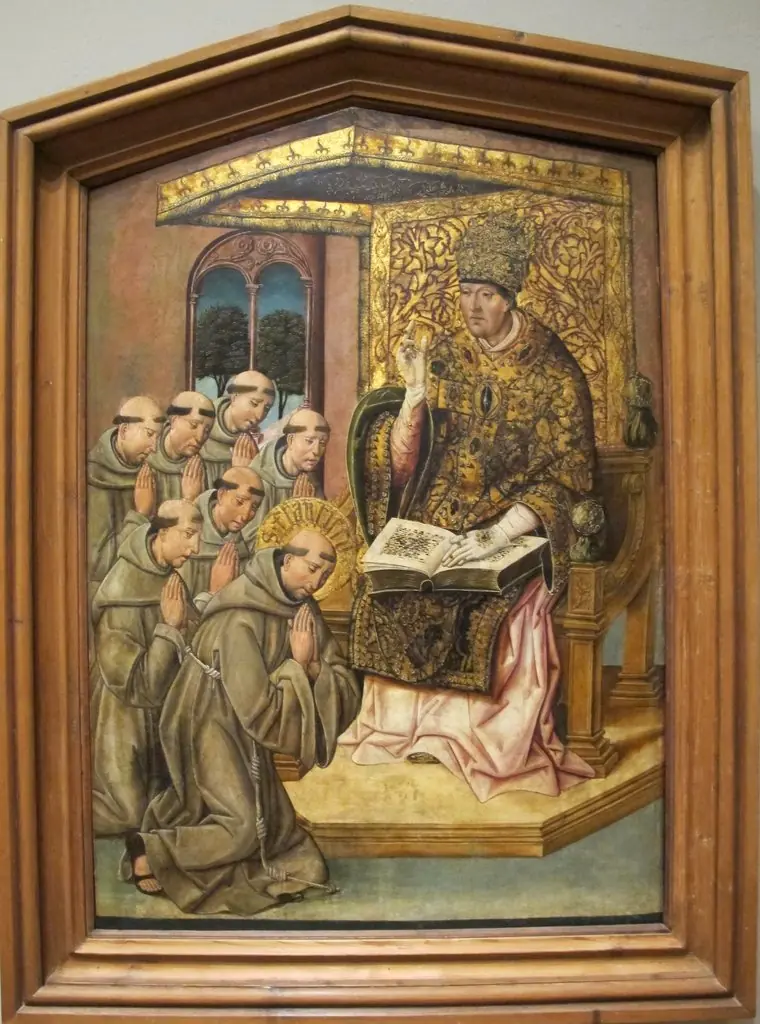 papa onorio III approva la regola francescana
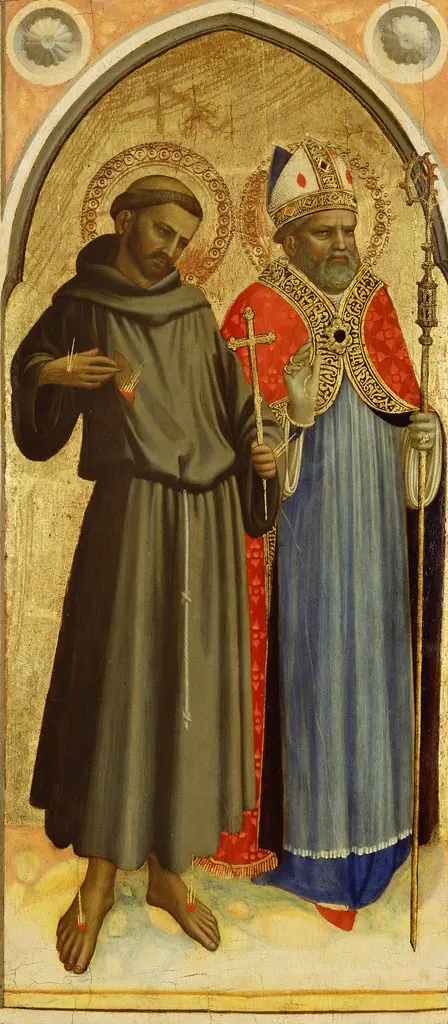 Saint Francis and a Bishop Saint
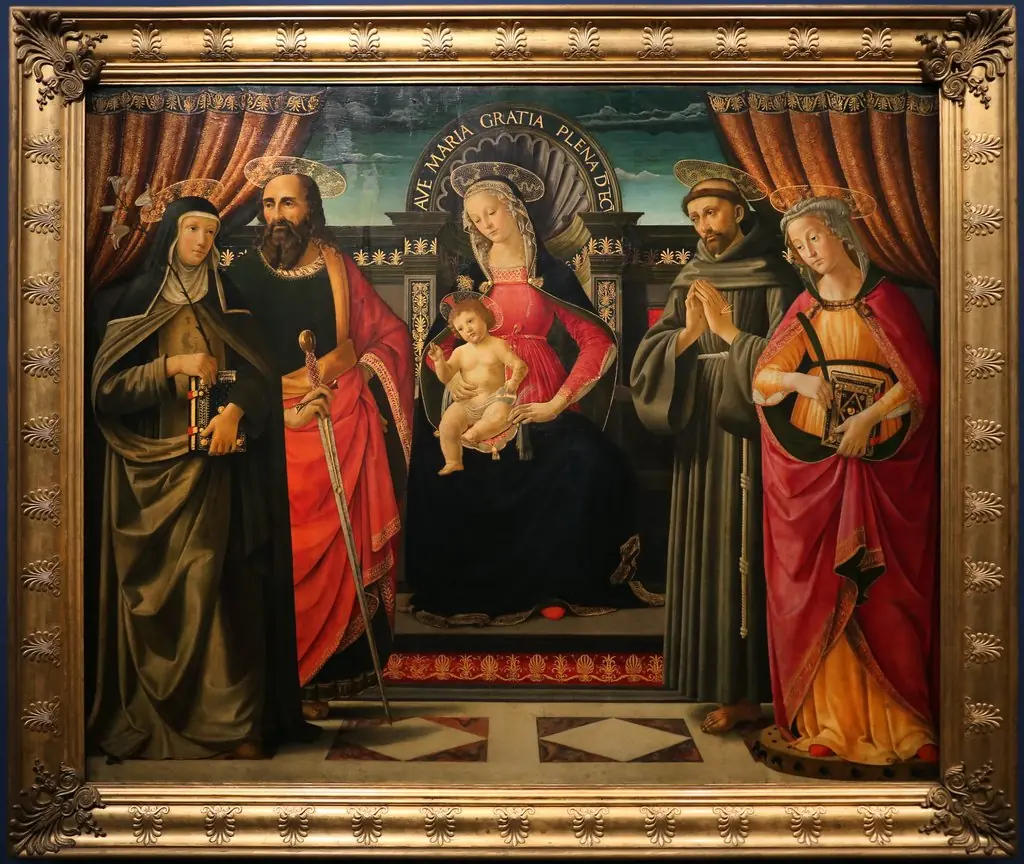 The Virgin with Blessing Child Enthroned and Saints
 Saints John the Evangelist(?) and Martin of Tours