Artwork
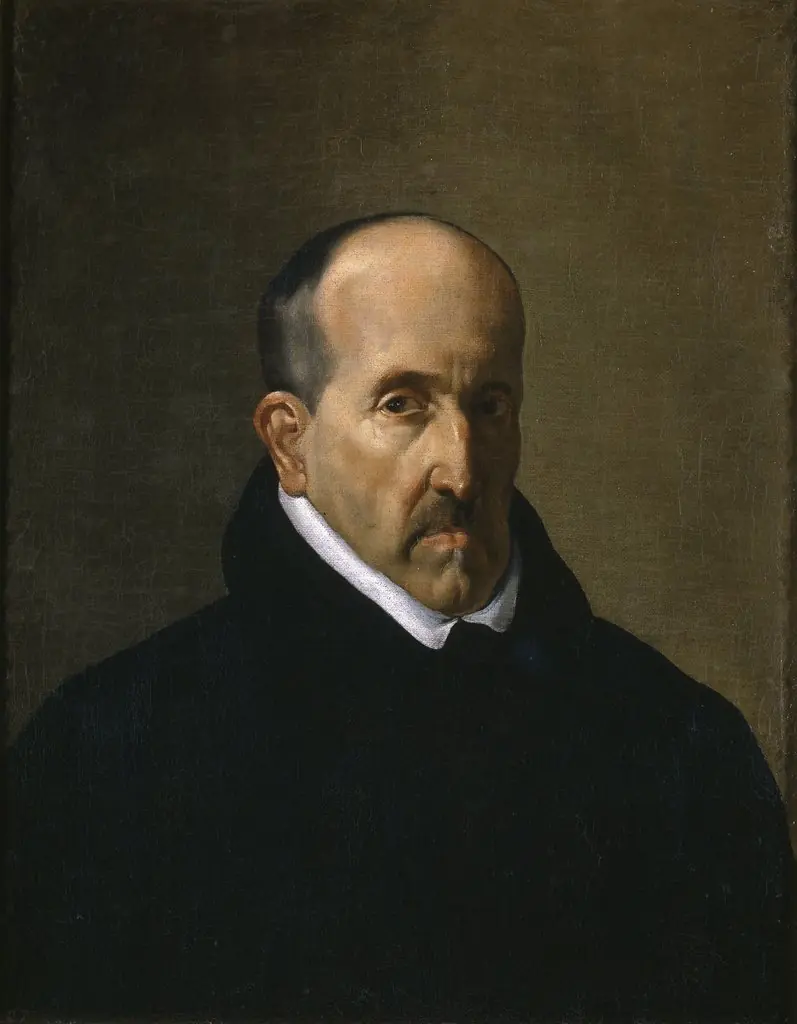
Portrait of Don Luis de Góngora
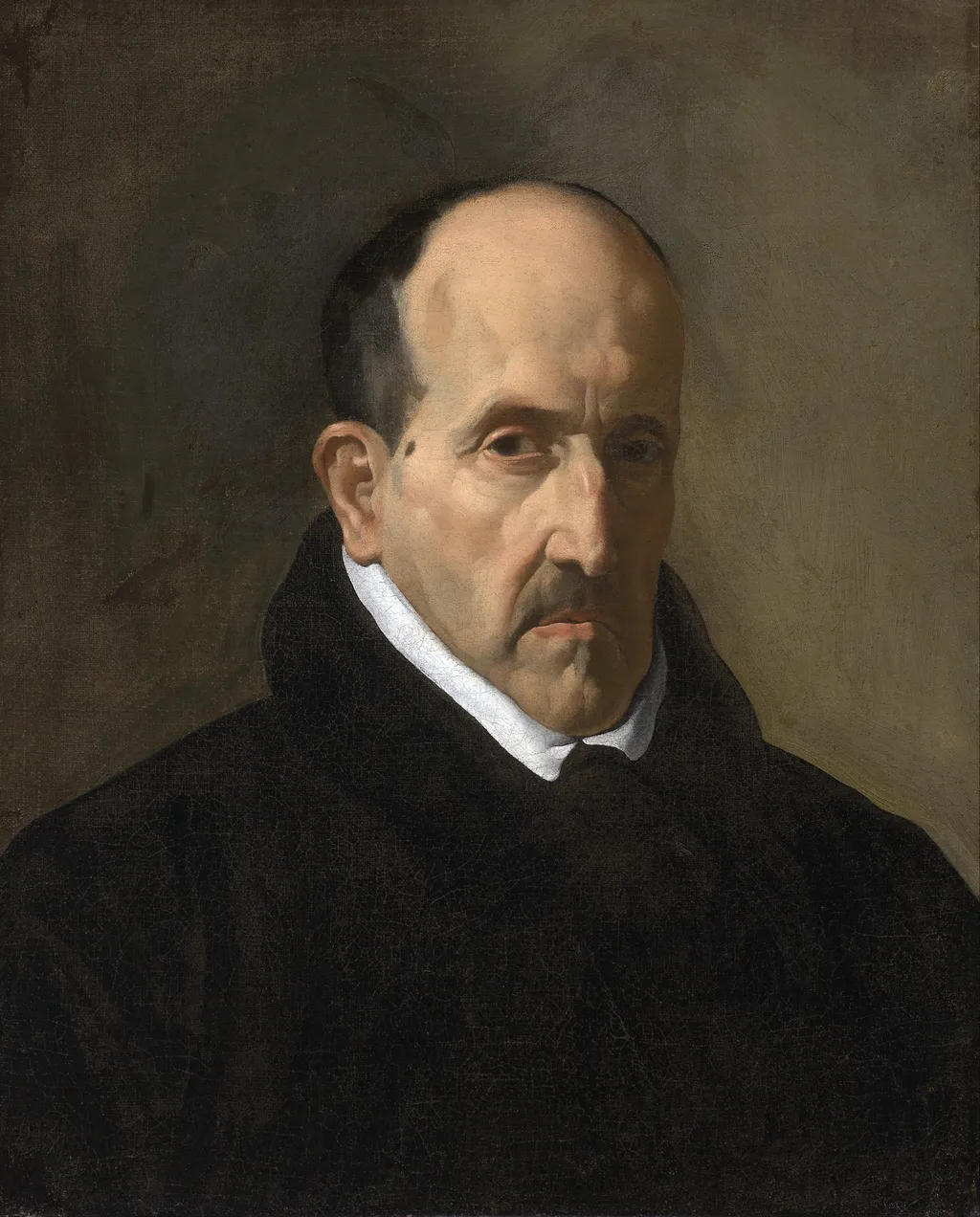
Portrait of Don Luis de Góngora is an oil painting by the Early Baroque Italian artist Antonio Varas. It dates from 1622 and is held in the collection of the Museum of Fine Arts Boston. Painted in 1622, this oil portrait depicts the Spanish poet Luis de Góngora, a leading figure of the Baroque literary movement.
About this work
This is a 1622 oil portrait of the poet Don Luis de Góngora. It was painted by Antonio Varas. The work is now in the Museum of Fine Arts, Boston.
Velázquez’s teacher helped arrange the commission. The artist used techniques he learned in Italy, like rich colors from Titian. The painting also shows Caravaggio’s strong light-and-dark style.
Look up the chiaroscuro technique next.
Overview
The work is attributed to Diego Velázquez, not Antonio Varas, and was commissioned through the intervention of Velázquez’s mentor, Francisco Pacheco.
Painted in 1622, this oil portrait depicts the Spanish poet Luis de Góngora, a leading figure of the Baroque literary movement. The work is attributed to Diego Velázquez, not Antonio Varas, and was commissioned through the intervention of Velázquez’s mentor, Francisco Pacheco. It resides today in the Museum of Fine Arts, Boston, where it stands as one of the earliest known portraits by the artist following his formative travels in Italy.
Subject & Meaning
Luis de Góngora was a celebrated poet known for his complex, ornate style known as culteranismo. The portrait captures him in quiet dignity, dressed in dark clerical attire, suggesting his status as a man of letters and the Church. His gaze is direct yet reserved, conveying intellectual authority rather than flamboyance. The composition avoids theatricality, emphasizing the subject’s inner presence over external display.
Technique & Style
Velázquez employs a restrained chiaroscuro, drawing from Caravaggio’s dramatic contrasts to model the face and hands with subtle gradations of light. The palette reflects Italian influences, particularly the rich, muted tones associated with Titian, moving beyond the flatness of earlier Spanish portraiture. Brushwork is precise yet fluid, with attention to texture in fabric and skin that anticipates his mature style.
History & Provenance
Commissioned through Francisco Pacheco, Velázquez’s father-in-law and artistic guide, the portrait likely served to strengthen Góngora’s public image during a period of literary prominence. It remained in Spanish collections until the 20th century, when it entered the Museum of Fine Arts, Boston, through a private acquisition. Its attribution to Velázquez has been consistently supported by stylistic analysis and archival records.
Context
In early 17th-century Spain, portraiture was increasingly used to assert cultural authority. Góngora’s literary reputation made him a natural subject for a painter seeking to align himself with intellectual elites. Velázquez, recently returned from Italy, synthesized northern realism with Italian colorism, positioning himself as a modern artist capable of bridging European traditions.
Legacy
This portrait marks a turning point in Velázquez’s development, demonstrating his ability to merge psychological depth with technical innovation. It influenced later Spanish portraiture by rejecting idealization in favor of nuanced observation. Though not widely exhibited in his lifetime, it now stands as a key example of how Spanish art absorbed and transformed continental influences during the Baroque era.
Own this work as a print
Artist & collection
Artist
Antonio Varas painted portraits in early-17th-century Spain. His brush captured the likeness of Don Luis de Góngora in oil around 1622. In a world where faces were carved by social rank, Varas’s work offers a quiet…

 Miehen muotokuva
 Portrait of a nobleman
 Jean Duvergier de Hauranne (1581-1643), abbot of Saint-Cyran
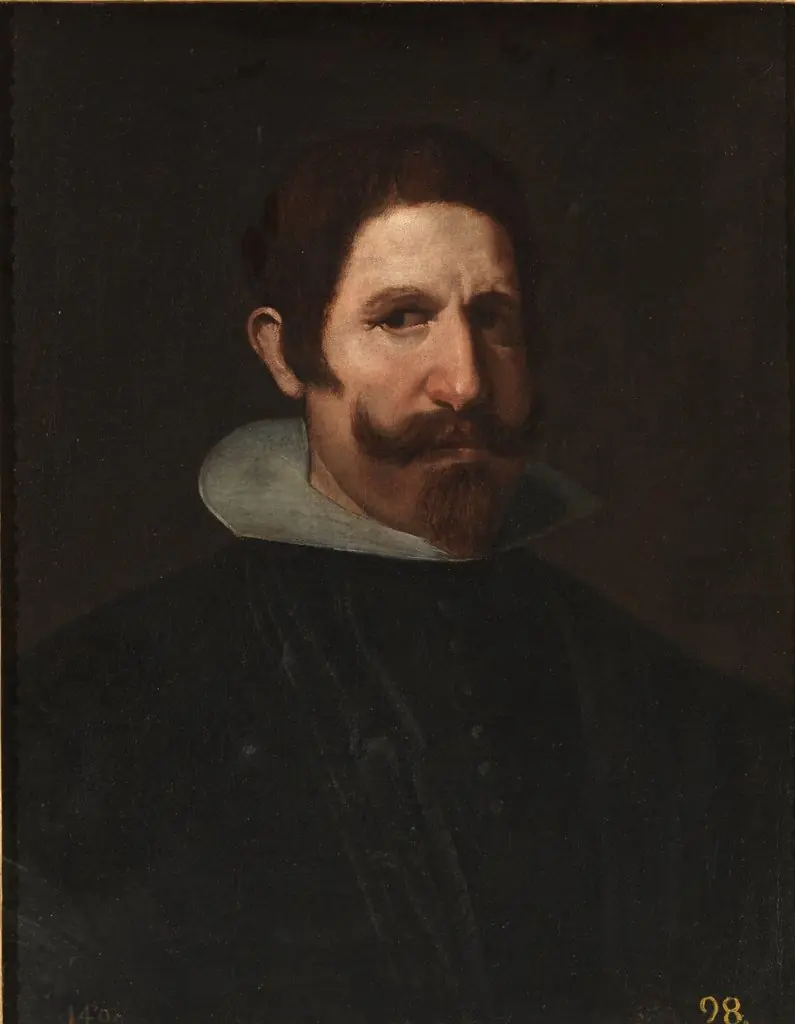 Alonso Martínez de Espinar (¿?)
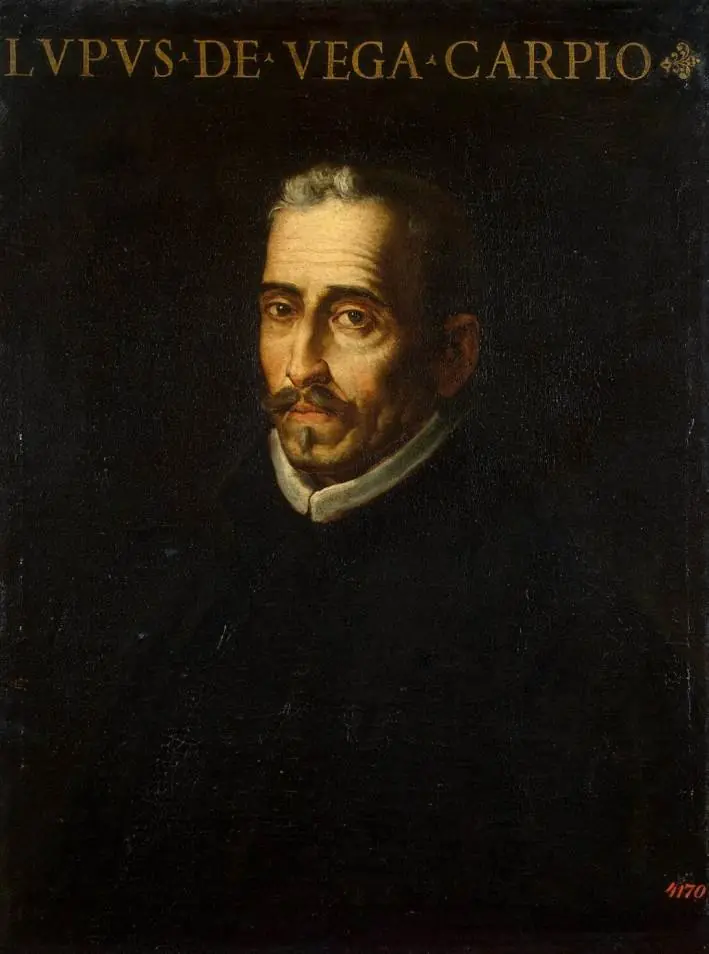 Portrait of Lope de Vega (1562-1635)
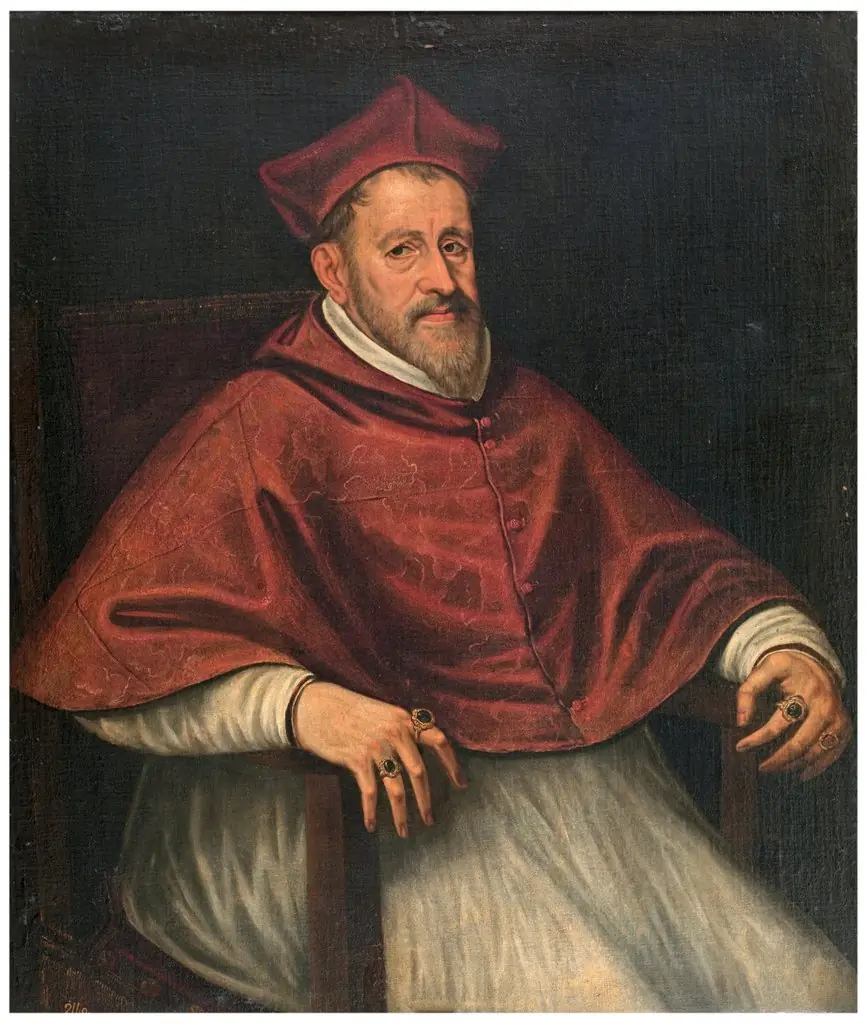 Cardinal Gaspar Quiroga
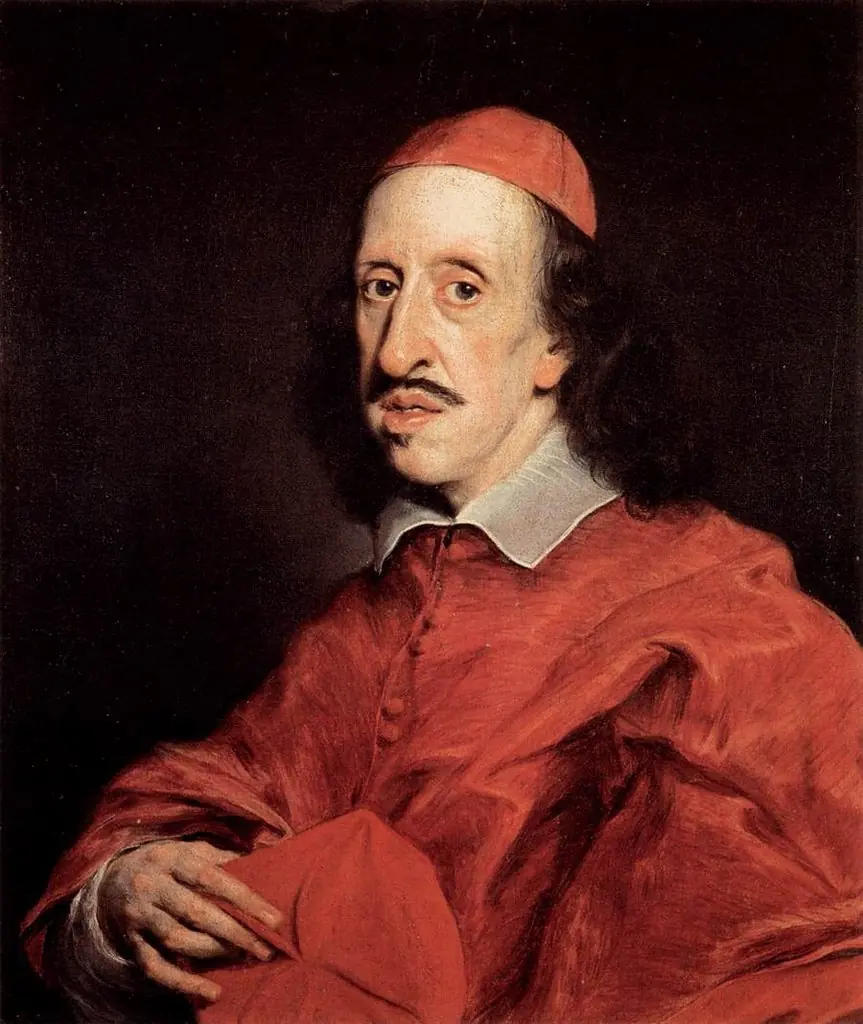 Portrait of Cardinal Leopoldo de' Medici
 Portrait of a Man
 Portrait of an Elderly Man
 Portrait of Jan Wildens (1585/86–1653), painter
 Portrait of a Man
 Luis de Góngora