Artwork
Jean Duvergier de Hauranne (1581-1643), abbot of Saint-Cyran
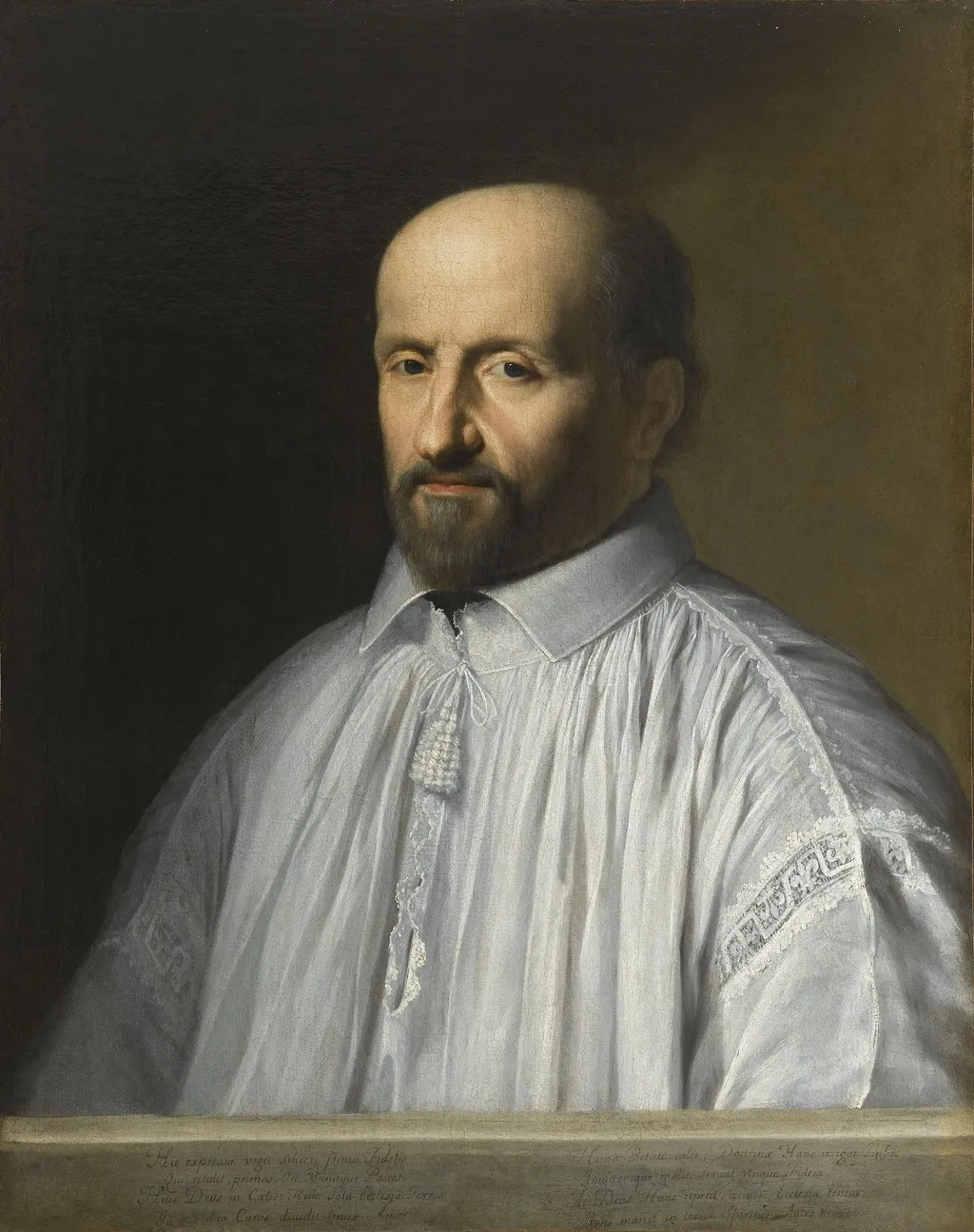
Jean Duvergier de Hauranne (1581-1643), abbot of Saint-Cyran is an oil painting by the French Classical Baroque artist Unknown. It dates from 1700 and is held in the collection of the Palace of Versailles. This oil painting portrays Jean Duvergier de Hauranne, abbot of Saint-Cyran, a prominent French religious figure of the early 17th century.
About this work
The artist's use of chiaroscuro, a technique that uses strong contrasts between light and dark, adds depth and volume to the subject.
The painting depicts a man with a receding hairline and a short beard, wearing a white shirt with a high collar and a lace trim. The background is dark, which makes the subject stand out. The man's attire and the style of the painting suggest that it was created in the 17th century. The artist's use of chiaroscuro, a technique that uses strong contrasts between light and dark, adds depth and volume to the subject. The painting is held at the Palace of Versailles, where it can be viewed by the public.
Overview
This oil painting portrays Jean Duvergier de Hauranne, abbot of Saint-Cyran, a prominent French religious figure of the early 17th century. Rendered in a somber, intimate style, the portrait emphasizes the subject’s contemplative presence. The dark background isolates the figure, focusing attention on his facial expression and attire. Executed with careful attention to texture and light, the work reflects the conventions of French portraiture from the period.
Subject & Meaning
Jean Duvergier de Hauranne was a leading Jansenist theologian and spiritual advisor, known for his influence on religious reform and his association with Port-Royal. The portrait captures him not as a ceremonial figure but as a man of introspection and intellectual rigor. His modest clothing—simple white shirt with lace collar—rejects ostentation, aligning with Jansenist ideals of humility and spiritual austerity.
Technique & Style
The artist employs chiaroscuro to model the face and hands, creating a sense of three-dimensionality against the deep, unbroken background. Fine brushwork defines the delicate lace trim and the texture of the linen collar, while subtle gradations of tone convey the softness of skin and the weight of shadow. The composition is tightly framed, eliminating distractions and reinforcing the psychological intensity of the sitter.
History & Provenance
The painting entered the collection of the Palace of Versailles during the 17th or early 18th century, likely as part of the royal family’s broader interest in religious and political figures of the era. Its presence there suggests it was valued as a historical document as much as a portrait. It has remained in state custody since, preserved as part of France’s cultural heritage.
Context
Created during a period of intense religious debate in France, the portrait reflects the growing influence of Jansenism, a movement emphasizing original sin and divine grace. Portraits of religious leaders like Duvergier were often commissioned to affirm spiritual authority. This work stands apart from grander ecclesiastical images, favoring quiet dignity over ceremonial grandeur.
Legacy
The painting endures as a visual record of a key figure in French Catholic reform. Its restrained aesthetic anticipates later developments in portraiture that valued psychological depth over external splendor. Held in one of France’s most significant royal collections, it continues to serve as a reference point for understanding the intersection of faith, politics, and artistic expression in early modern Europe.
Artist & collection

 Domestic Scene
 Giacomo and Cardinal Marco, investing Andrea, Abbot of San Zeno, with his Benefice
 The Nymph of Fontainebleau
 Portrait of a Woman
 Madonna and Child with Saints in the Enclosed Garden
 Venus and Minerva
 Family Group of Four on Sofa
 Wall painting from Room H of the Villa of P. Fannius Synistor at Boscoreale
 Portrait of Vincenzo Guarignoni
 Portrait of Vincenzo Guarignoni
 Portrait of Don Luis de Góngora
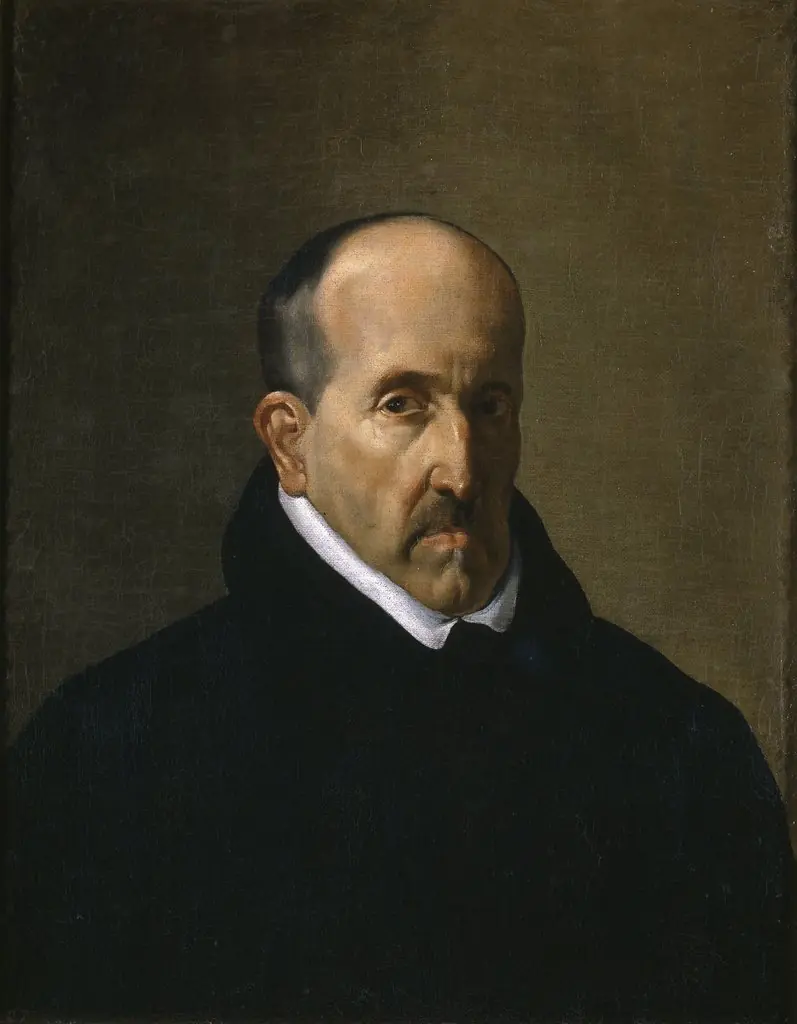 Luis de Góngora
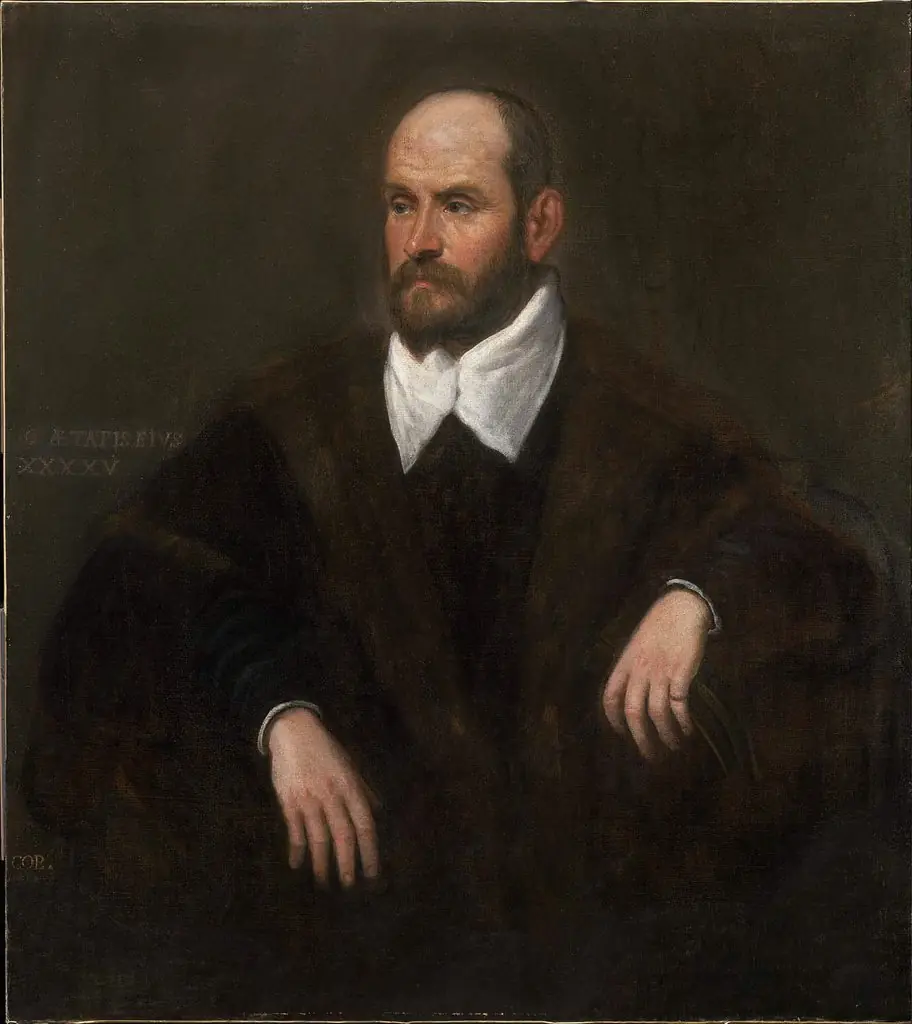 Portrait of a Man
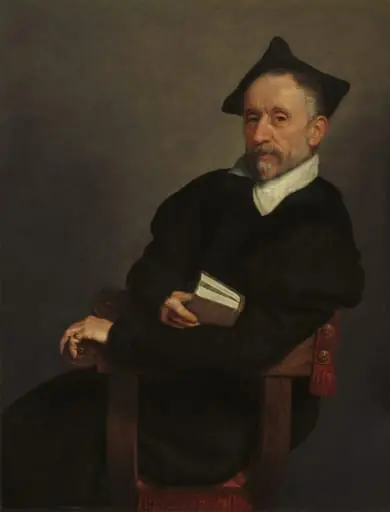 "Titian's Schoolmaster"
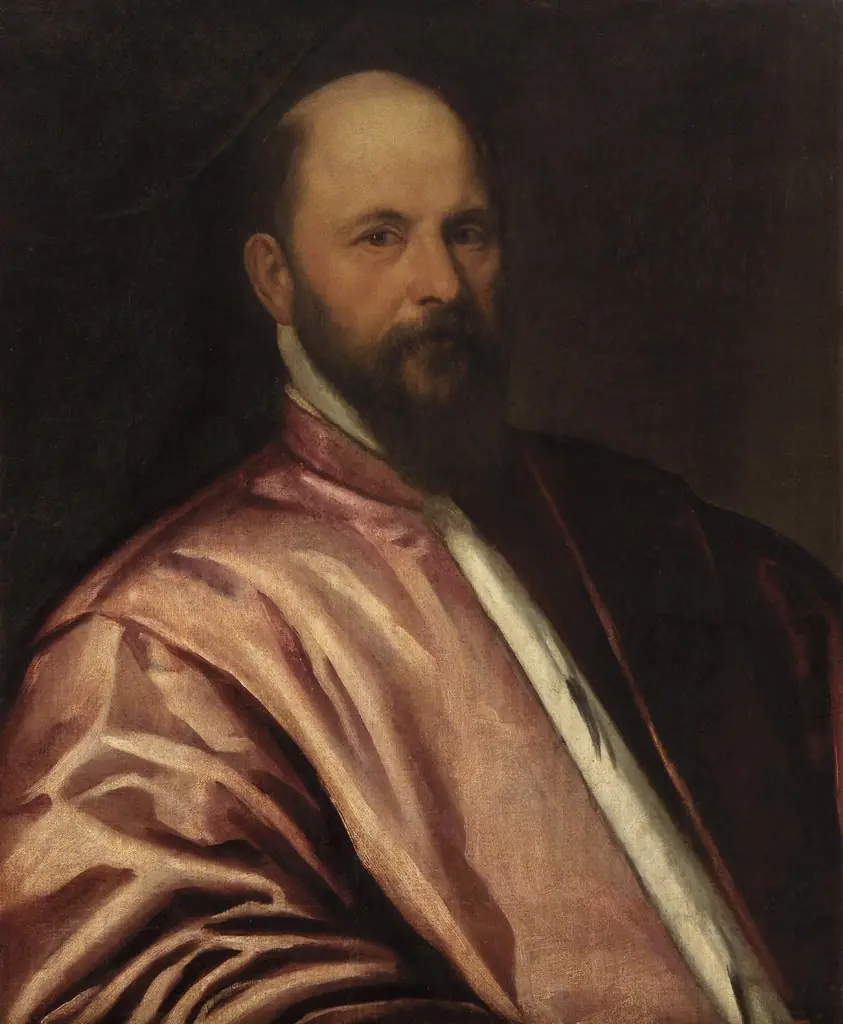 Bildnis eines Prokurators
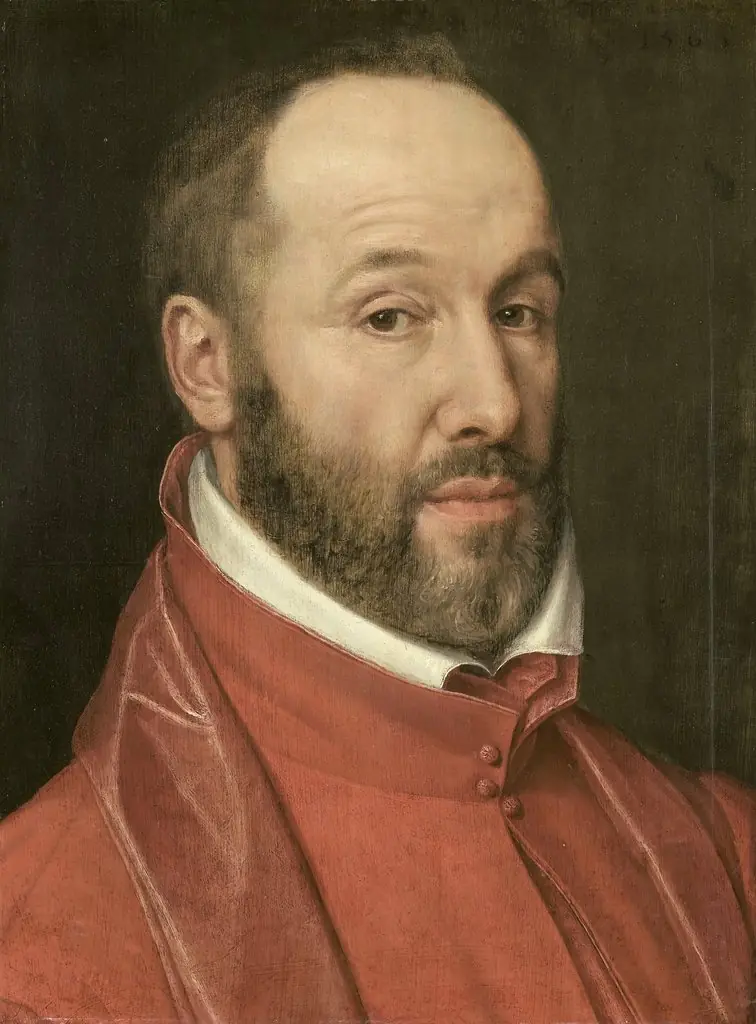 Portrait of Antoine Perrenot, Cardinal de Granvelle, Minister to Charles V and Philip II
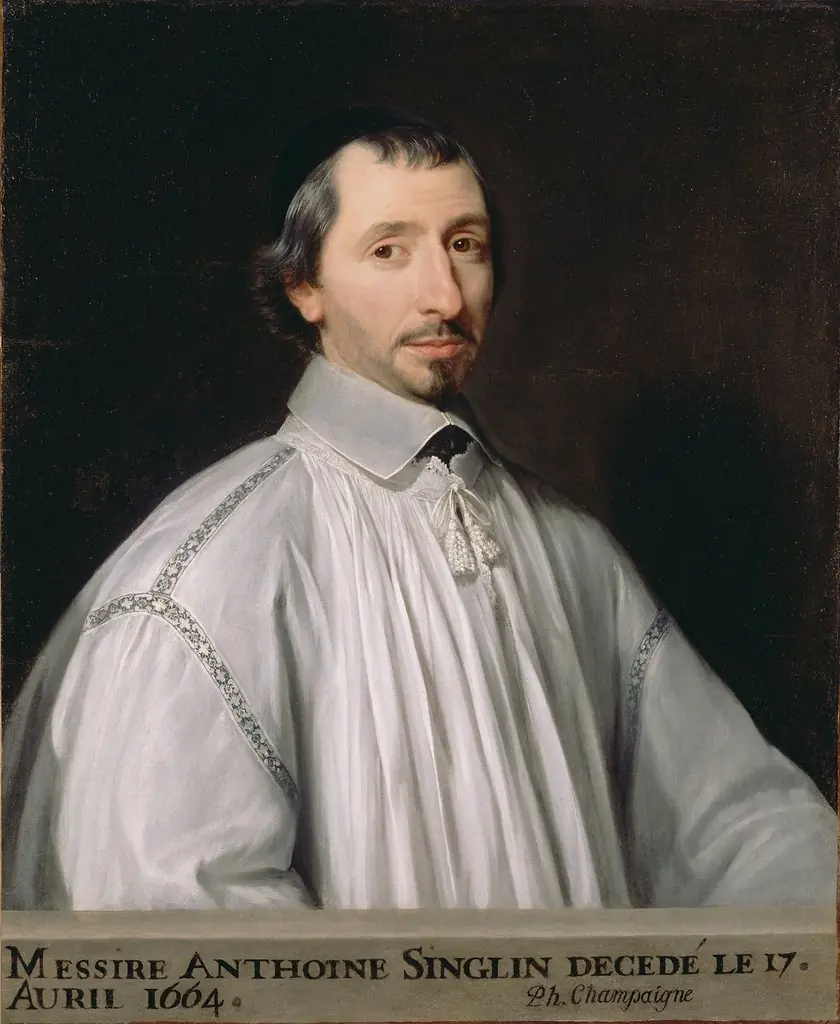 Antoine Singlin
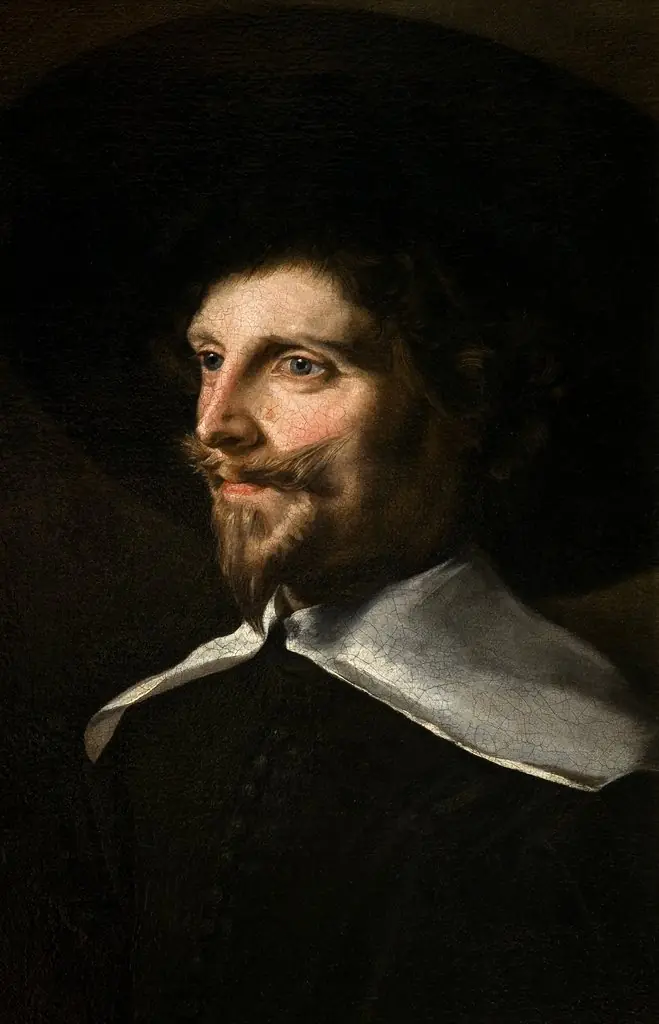 Portrait of a Man in a Hat