Artwork
Luis de Góngora
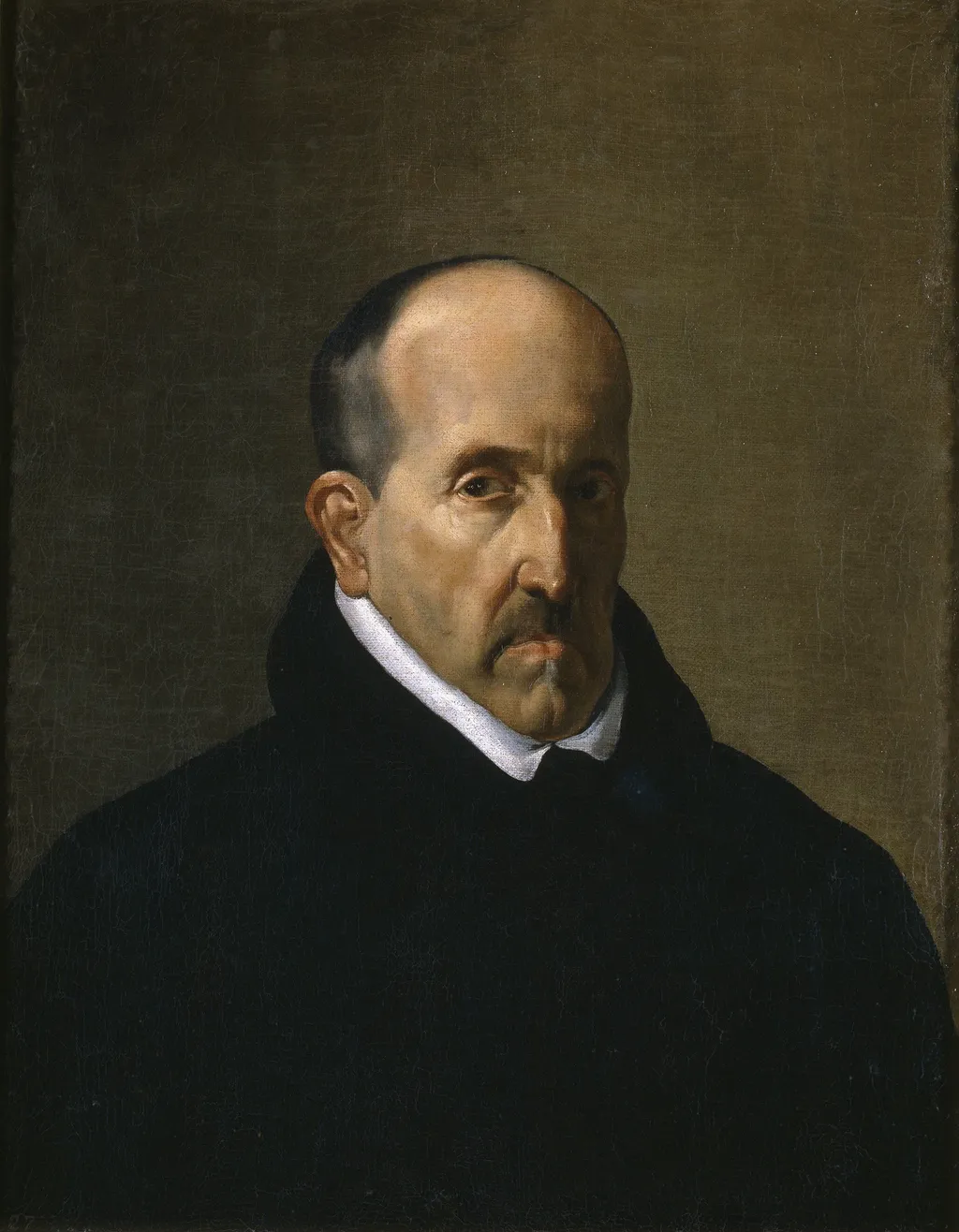
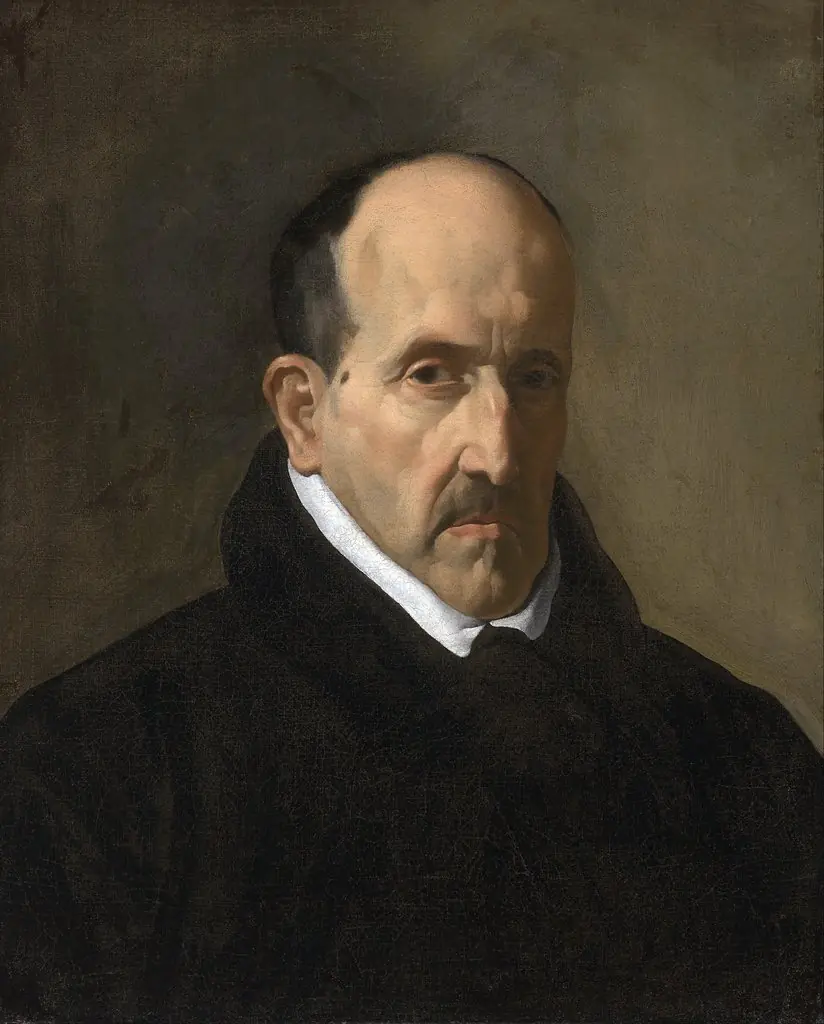
Luis de Góngora is an oil painting by the Early Baroque Italian artist Unknown. It dates from 1622 and is held in the collection of the Museo del Prado.
About this work
The man's attire and the style of the painting suggest that it may be a formal portrait from the 17th century.
This portrait depicts a man with a receding hairline and a dark, pointed beard. He wears a black robe over a white collar, which is visible at the base of his neck. The background of the painting is a muted brown color.
The man's attire and the style of the painting suggest that it may be a formal portrait from the 17th century. The artist has used chiaroscuro to create a sense of depth and dimensionality in the painting.
The use of chiaroscuro in this painting is reminiscent of the work of artist Diego Velázquez.
Overview
This 17th-century oil painting is a formal portrait of a man, identified as Luis de Góngora, characterized by a somber color palette and effective use of chiaroscuro.
Subject & Meaning
The subject, Luis de Góngora, is portrayed in a black robe with a white collar, indicating a position of dignity or intellectual pursuits, given the attire's suggestive association with scholarly or ecclesiastical roles.
Technique & Style
The artist employed chiaroscuro to create depth and dimensionality, with a muted brown background contrasting the subject's attire, evoking a sense of solemnity and intellectual depth, stylistically akin to Diego Velázquez's works.
History & Provenance
While the painting's exact date and artist are not specified, its style and the subject's identification as Luis de Góngora (a prominent 17th-century figure) suggest it was created during his lifetime or shortly after, with possible attributions to artists influenced by Velázquez.
Context
The portrait reflects the artistic and cultural values of 17th-century Spain, where formal portraiture served to convey the status and character of esteemed individuals like Góngora, a major literary figure.
Legacy
As a portrait of a key literary figure, the painting provides a visual counterpart to Góngora's literary legacy, offering insights into the representation of intellectuals during the Spanish Golden Age.
Artist & collection

 Domestic Scene
 Giacomo and Cardinal Marco, investing Andrea, Abbot of San Zeno, with his Benefice
 The Nymph of Fontainebleau
 Portrait of a Woman
 Madonna and Child with Saints in the Enclosed Garden
 Venus and Minerva
 Family Group of Four on Sofa
 Wall painting from Room H of the Villa of P. Fannius Synistor at Boscoreale
 Miehen muotokuva
 Alonso Martínez de Espinar (¿?)
 Fray Diego de Deza y Tavera arzobispo de Sevilla
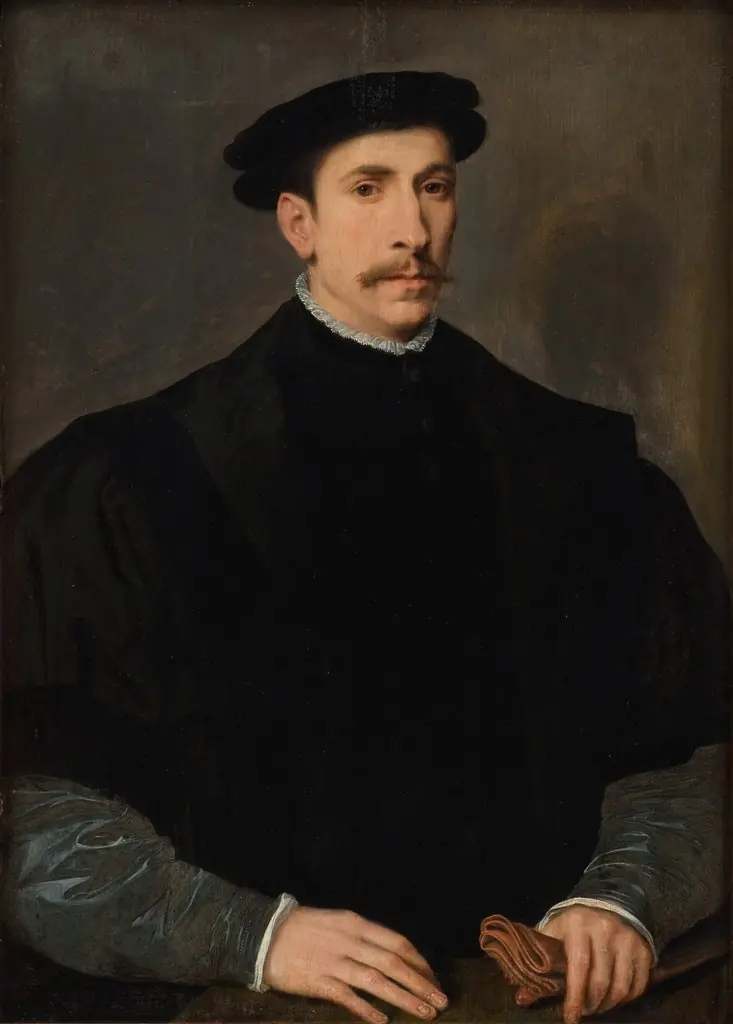 Portrait of a Man
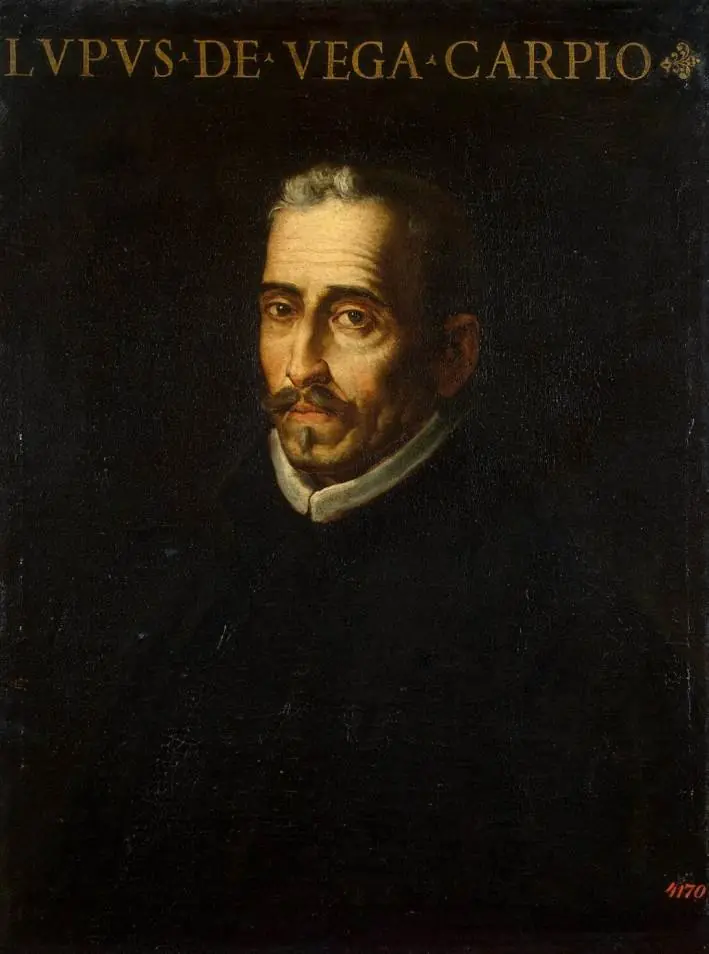 Portrait of Lope de Vega (1562-1635)
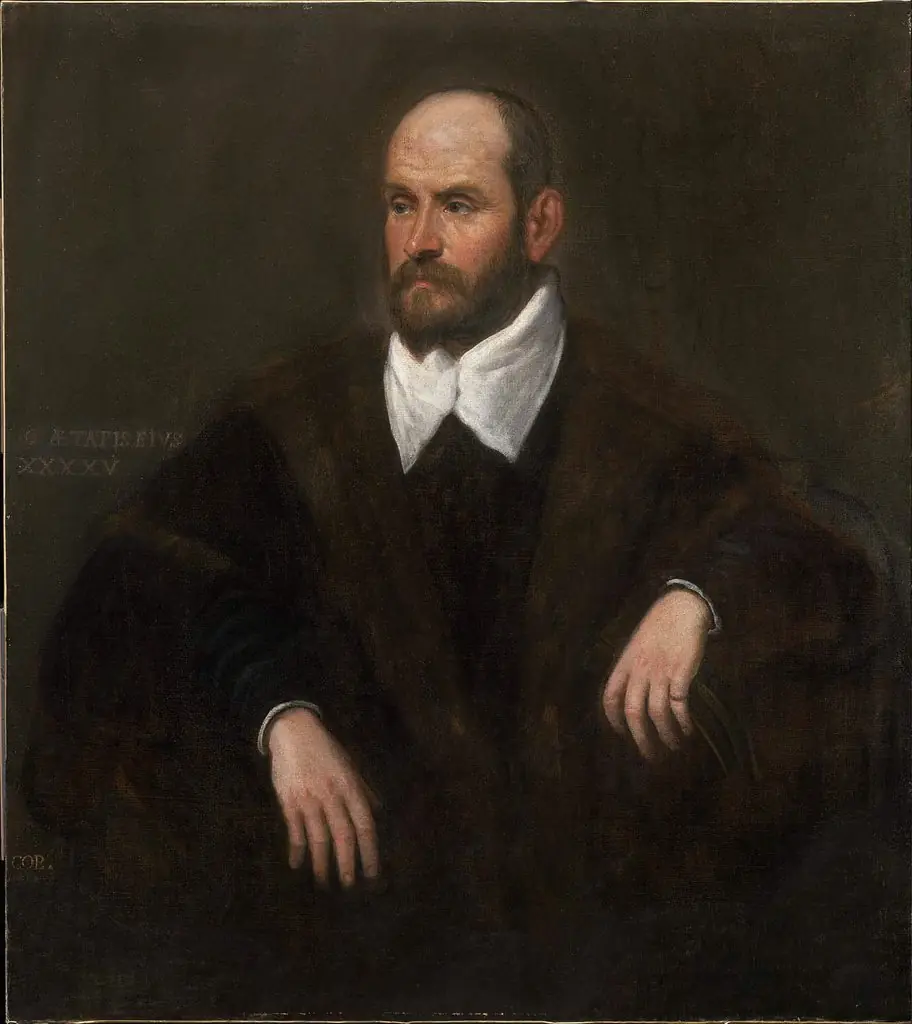 Portrait of a Man
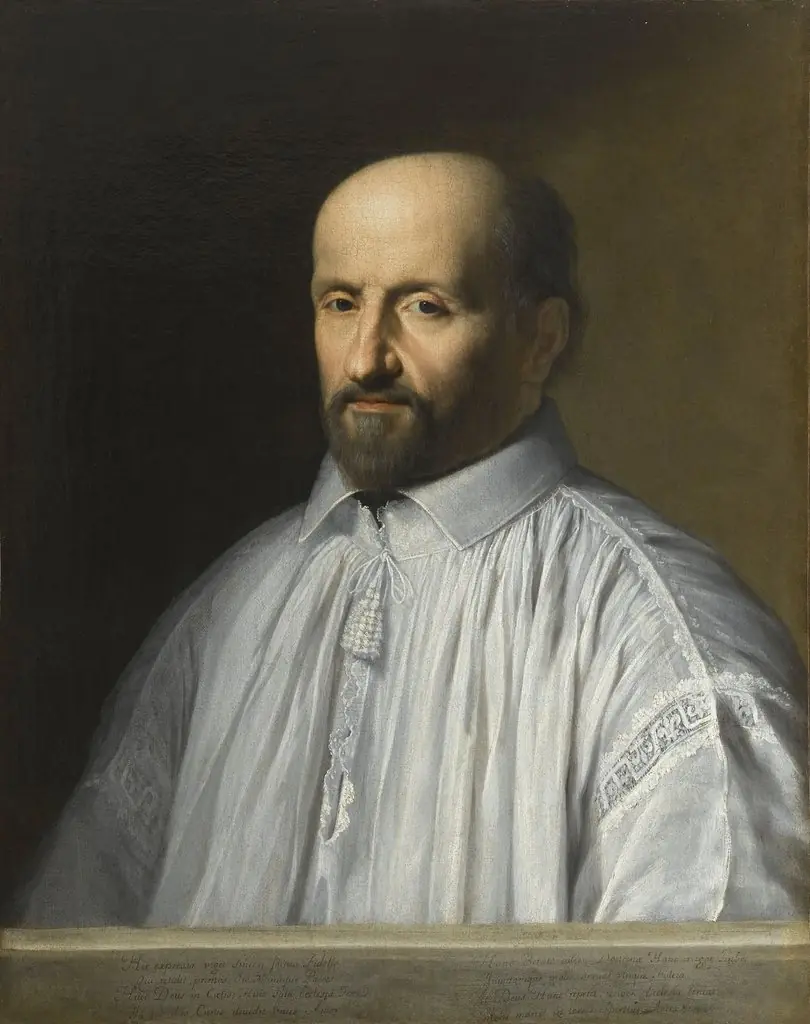 Jean Duvergier de Hauranne (1581-1643), abbot of Saint-Cyran
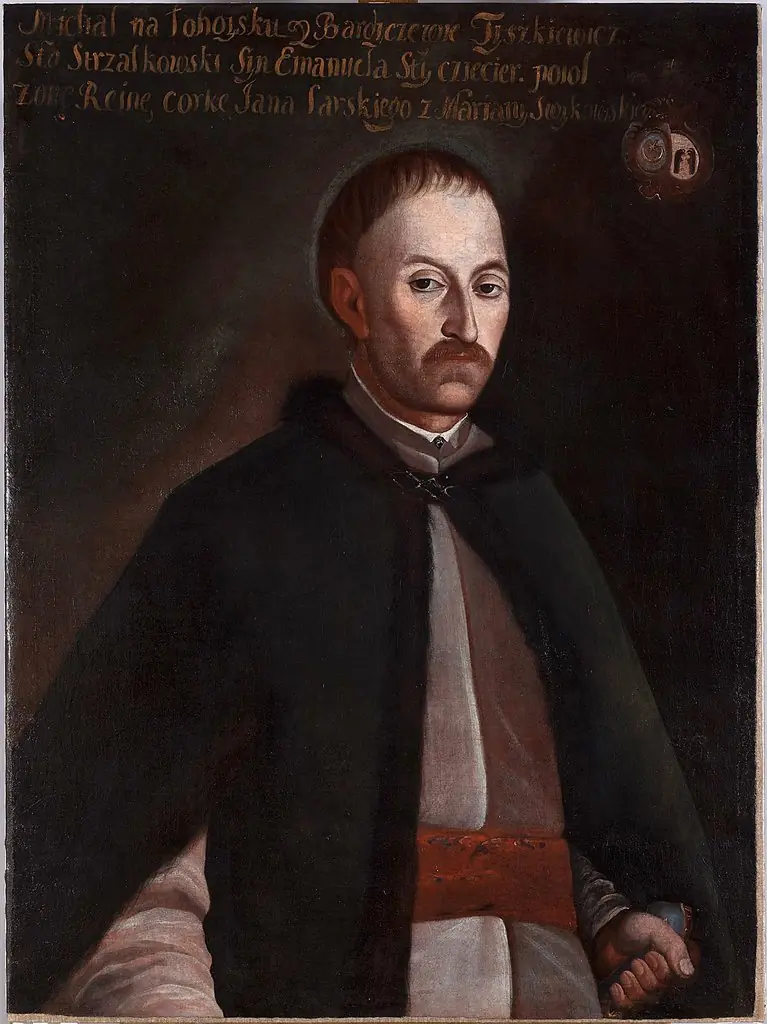 Portrait of Michał Tyszkiewicz, Leliwa coat of arms (?–after 1762), starosta of Strzałków
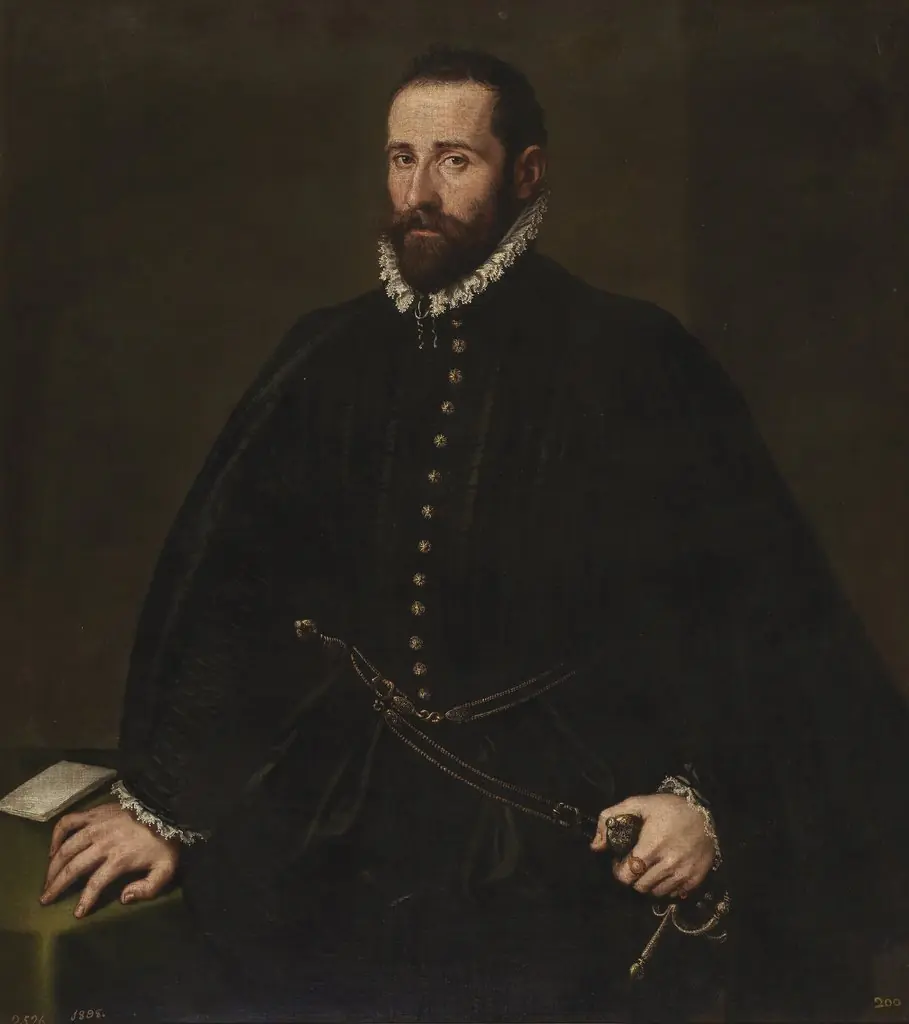 Portrait of a Gentleman
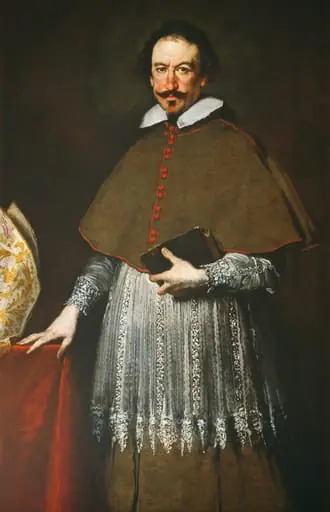 Bishop Alvise Grimani
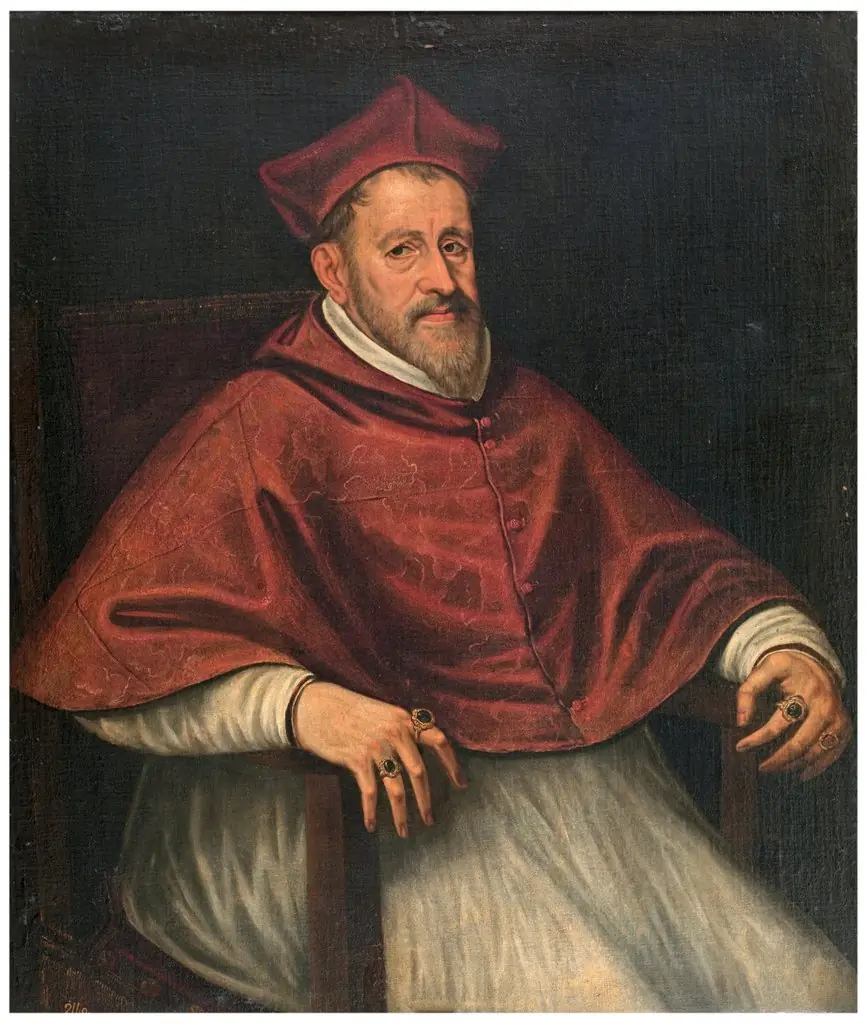 Cardinal Gaspar Quiroga
 Portrait of Don Luis de Góngora