Artwork
Portrait of Lope de Vega (1562-1635)
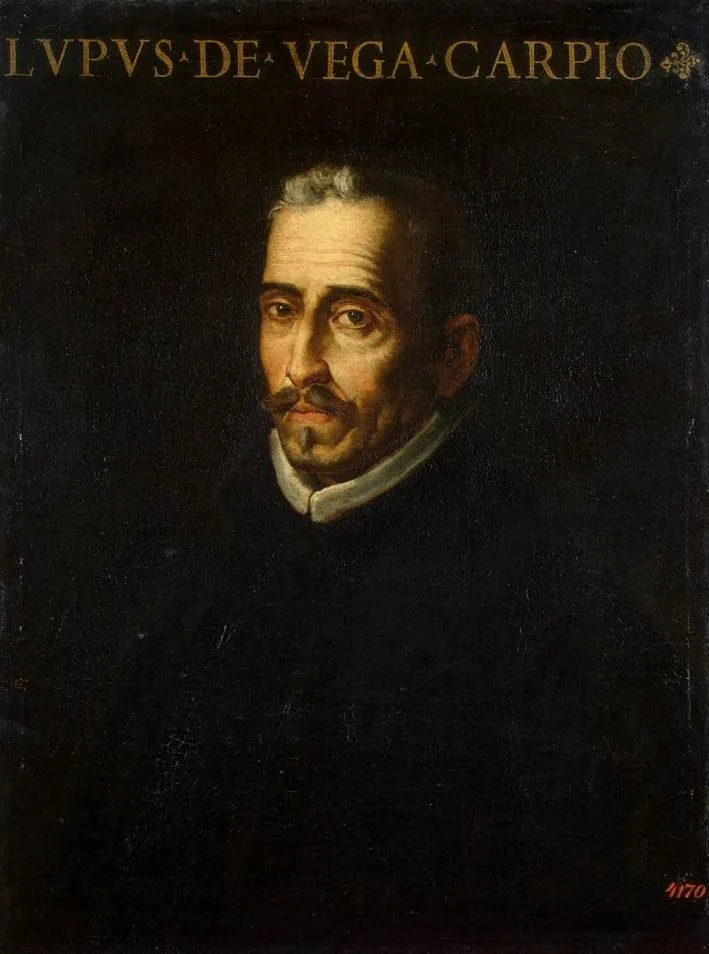
Portrait of Lope de Vega (1562-1635) is an oil painting by the Early Baroque Italian artist Luis Tristán. It dates from 1614 and is held in the collection of the Hermitage Museum. Executed in 1614, this oil on canvas presents the celebrated Spanish writer Lope de Vega.
About this work
Overview
Executed in 1614, this oil on canvas presents the celebrated Spanish writer Lope de Vega. The work is attributed to Luis Tristán, a painter associated with the Spanish mannerist tradition of the early seventeenth century. Currently it forms part of the State Hermitage Museum’s collection in Saint Petersburg.
Subject & Meaning
The sitter is rendered with a neatly trimmed moustache, short curled hair, and a dark jacket framing a crisp white collar. His gaze meets the viewer directly, emphasizing his intellectual presence. As a portrait of one of Spain’s most prolific dramatists, the image underscores his status and personal dignity.
Technique & Style
Tristán employs a pronounced chiaroscuro, using deep shadows against a black background to model the facial features and give the portrait a three‑dimensional quality. The handling of light reflects the early Baroque influence that filtered into Spanish art from Italy, while retaining the refined linearity typical of mannerist practice.
History & Provenance
After its creation, the painting entered various private collections before being acquired by the State Hermitage Museum, where it remains on display. Its attribution to Tristán has been confirmed through stylistic analysis and documentation linking the work to the artist’s known output during his mature period.
Artist & collection
Artist
Luis Tristán de Escamilla, also known as Luis de Escamilla or Luis Rodríguez Tristán (c.1585, Toledo - 1624, Toledo), was a Spanish painter in the mannerist style.

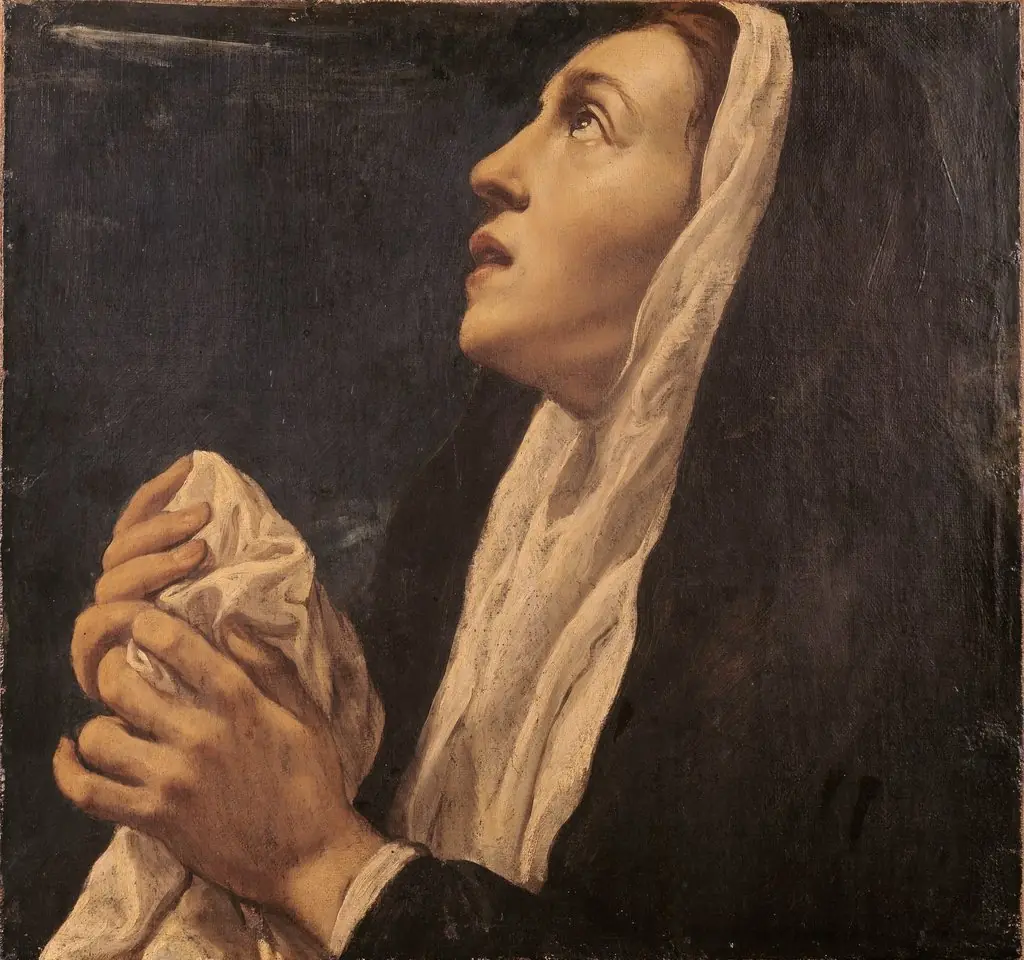
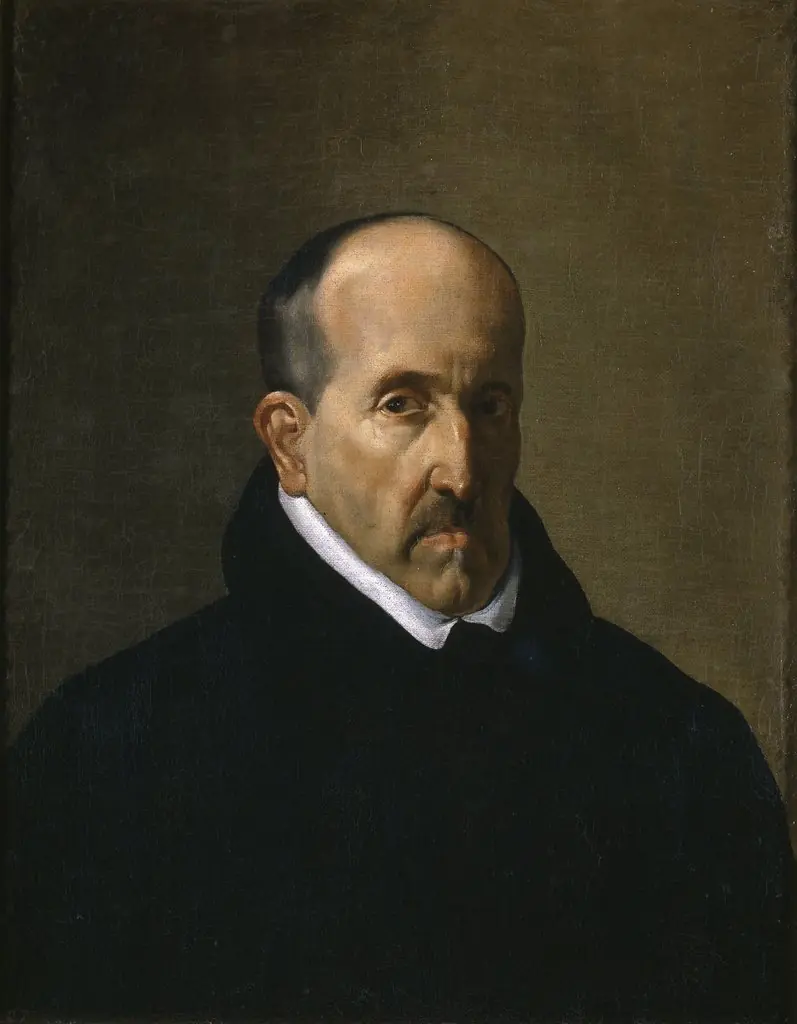 Luis de Góngora
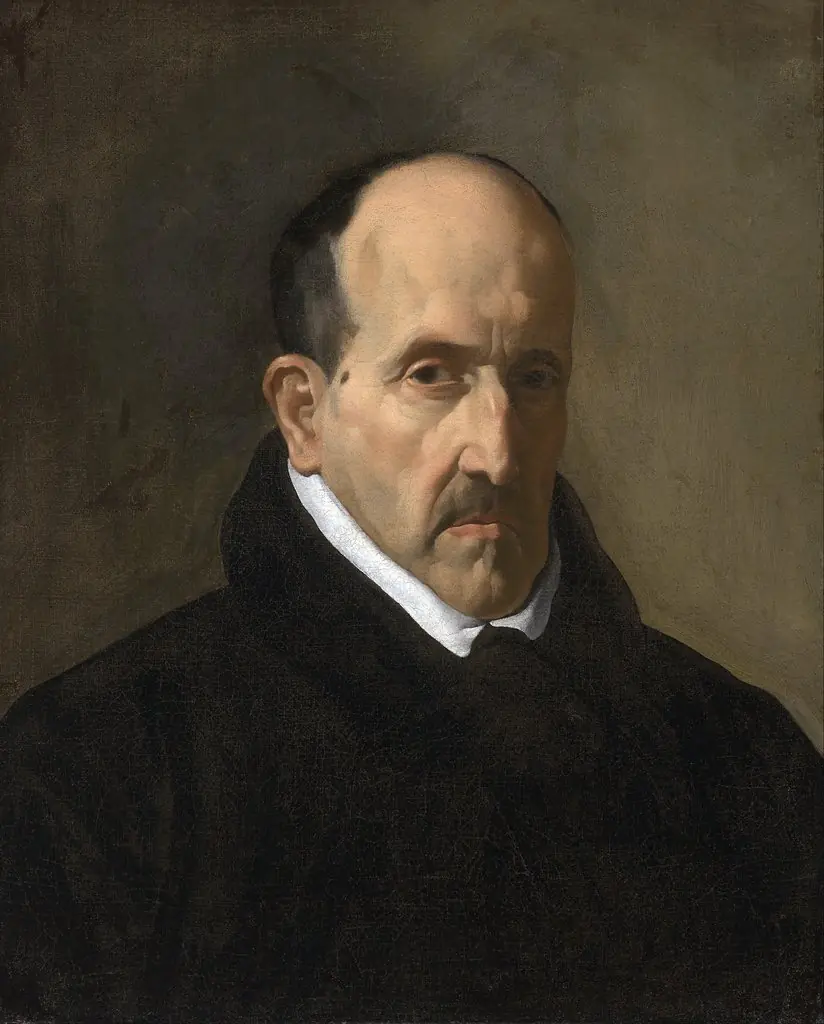 Portrait of Don Luis de Góngora
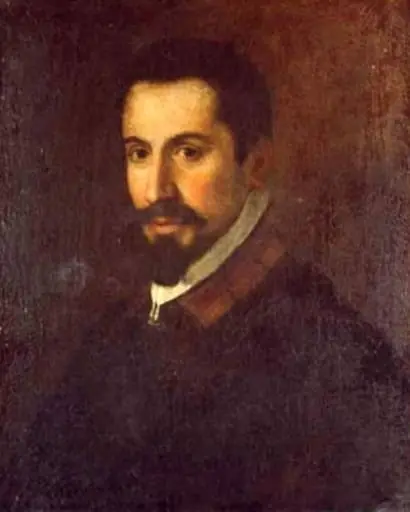 Portret de bărbat
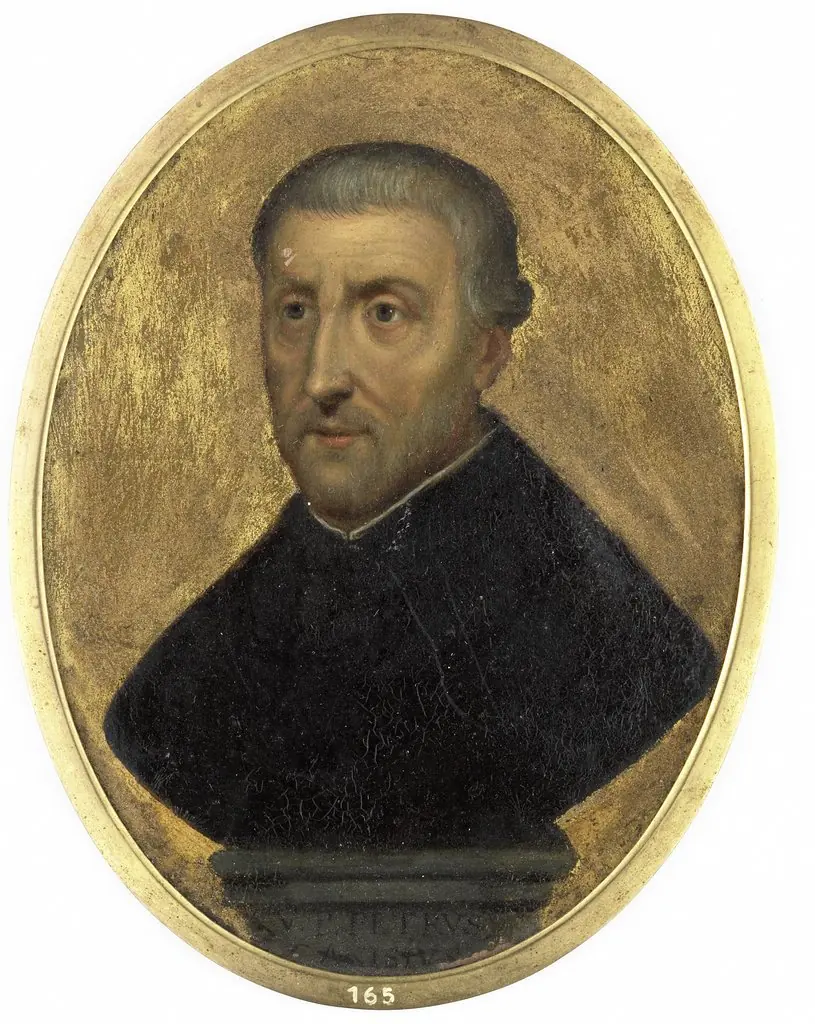 Portrait of Petrus Canisius (1521-1597)
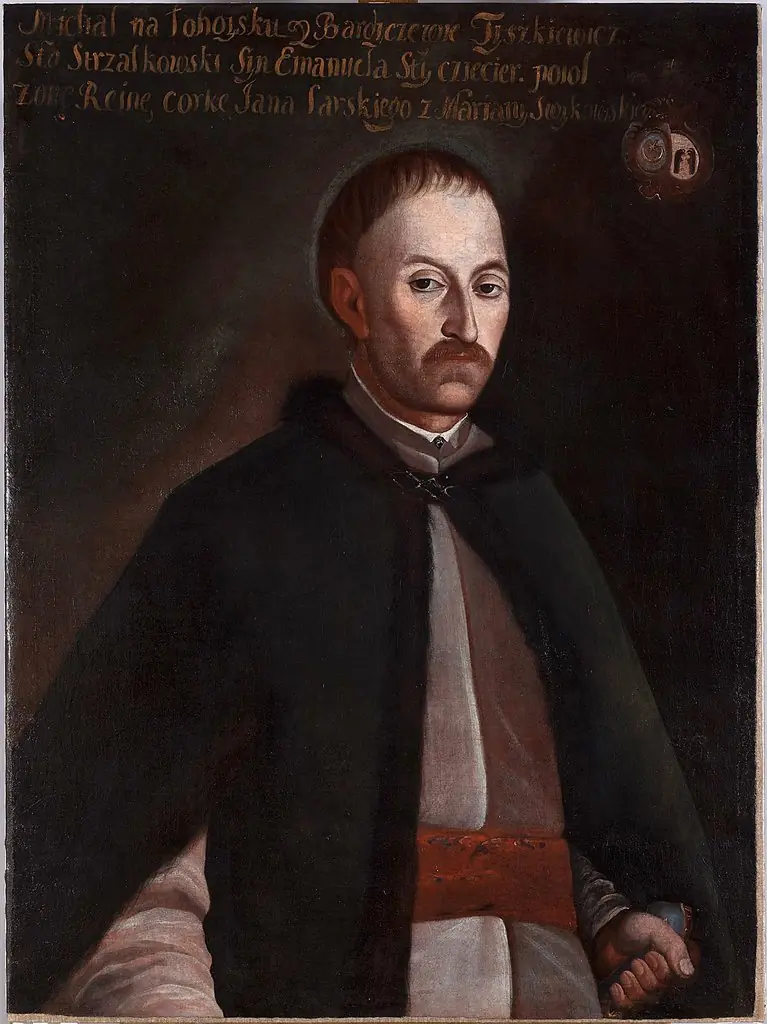 Portrait of Michał Tyszkiewicz, Leliwa coat of arms (?–after 1762), starosta of Strzałków
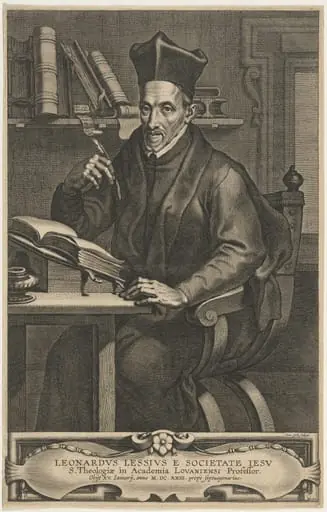 Leonard Lessius, Jesuit Priest, Professor at Louvain
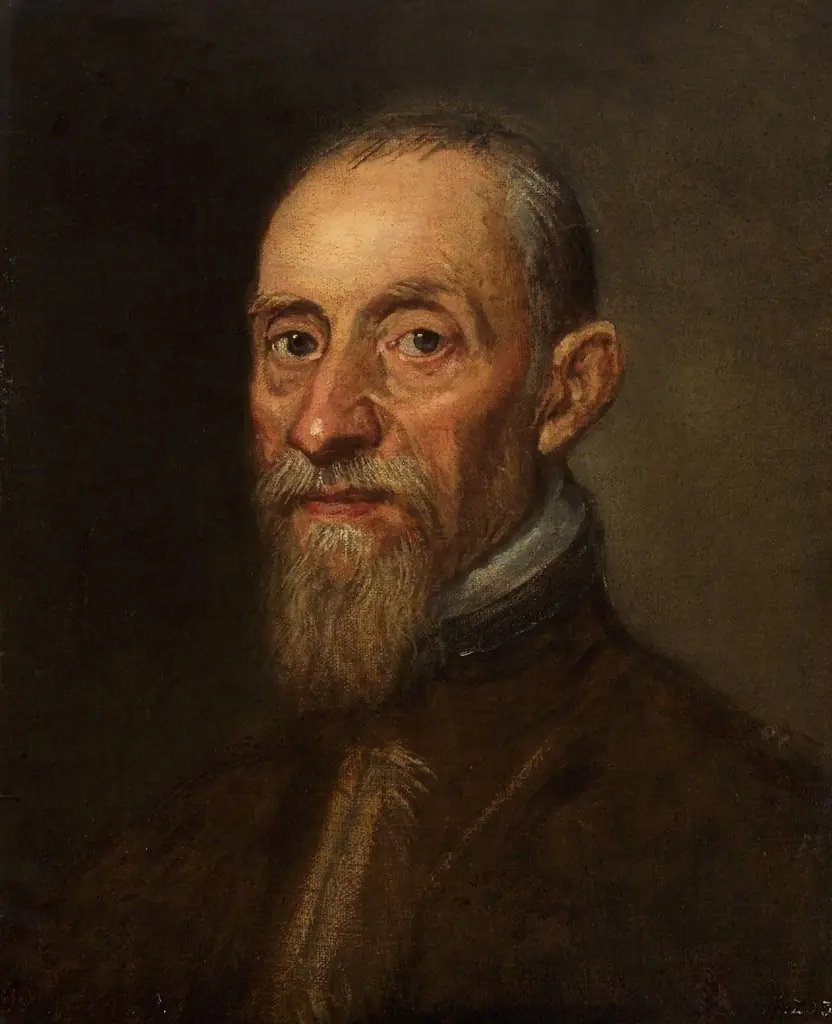 Bildnis eines venezianischen Magistraten
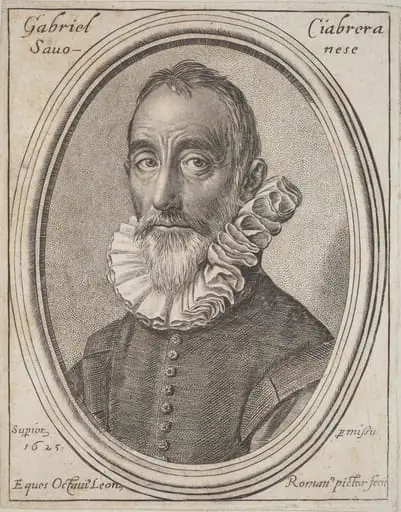 Gabriello Chiabrera
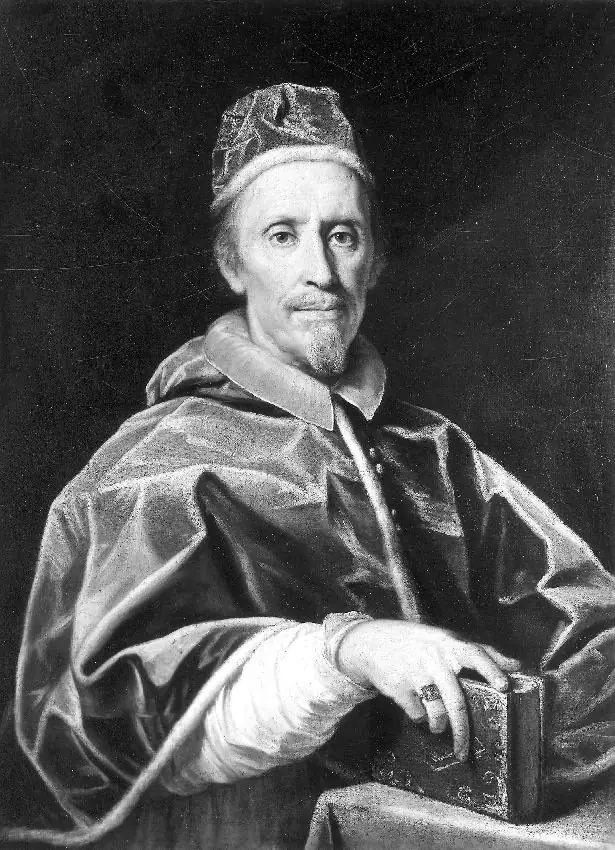 Portrait of Pope Clement IX
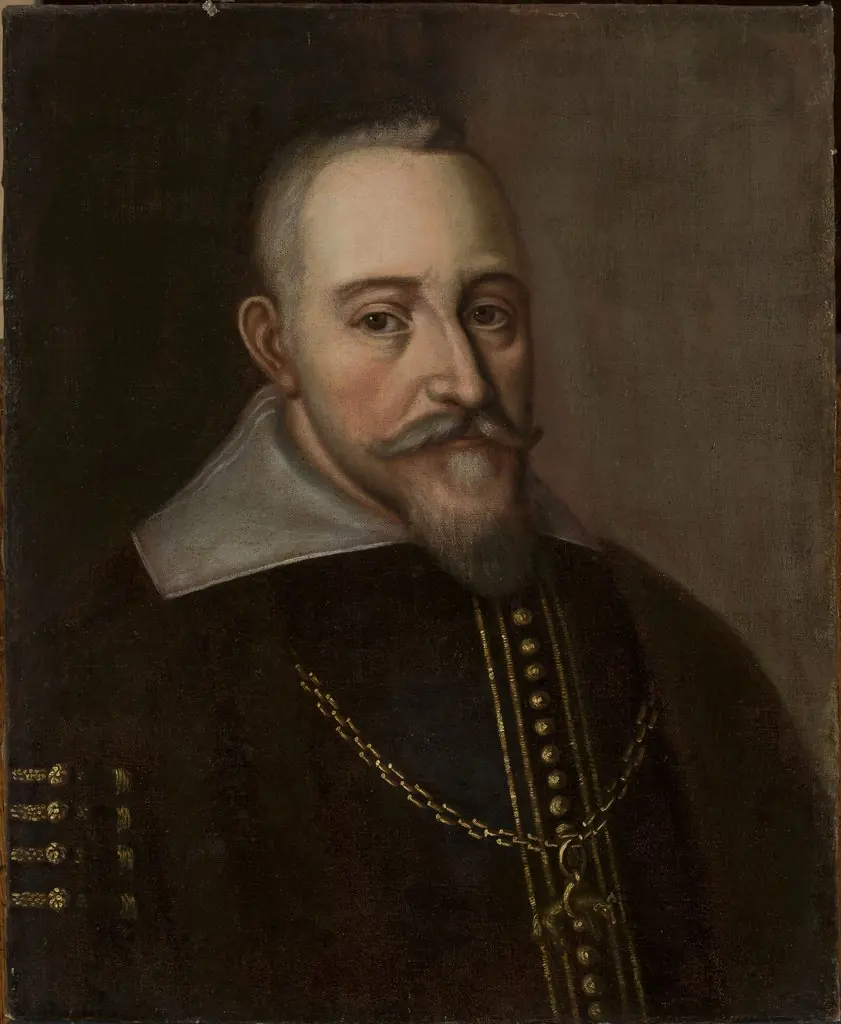 Portrait of king Sigismund III Vasa (?)
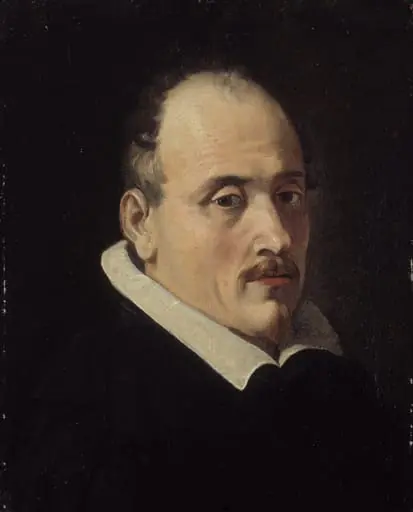 Miehen muotokuva
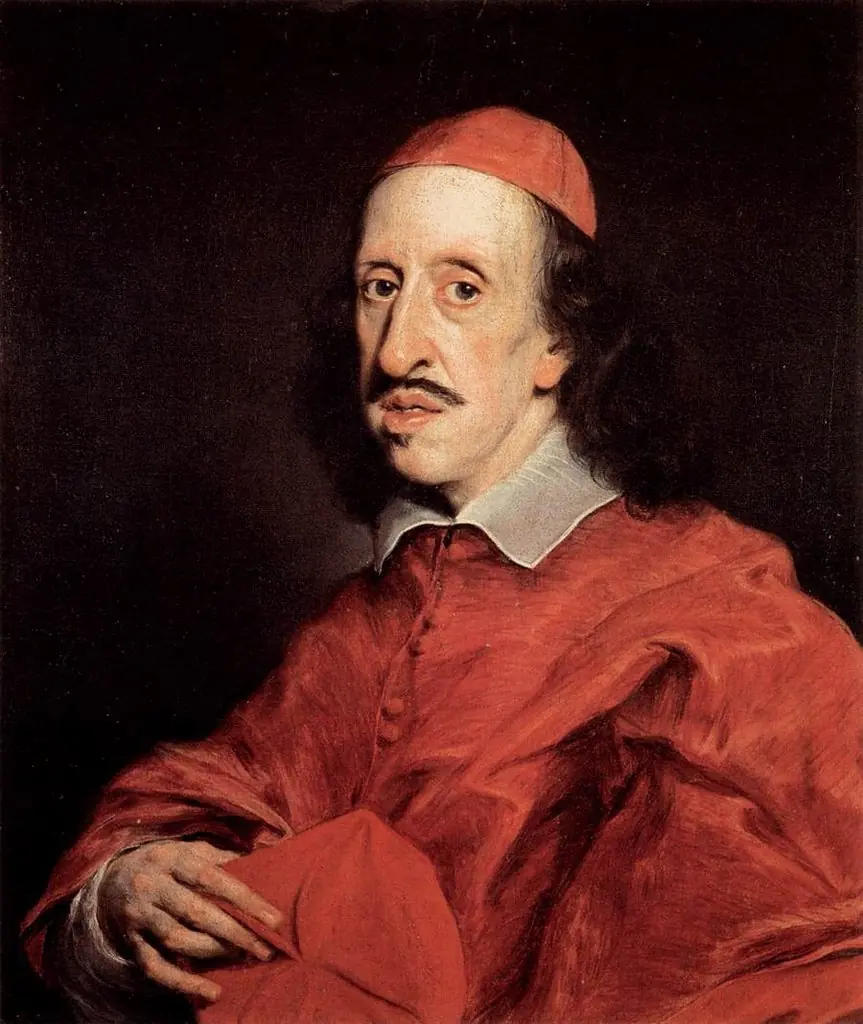 Portrait of Cardinal Leopoldo de' Medici