Artwork
Piață
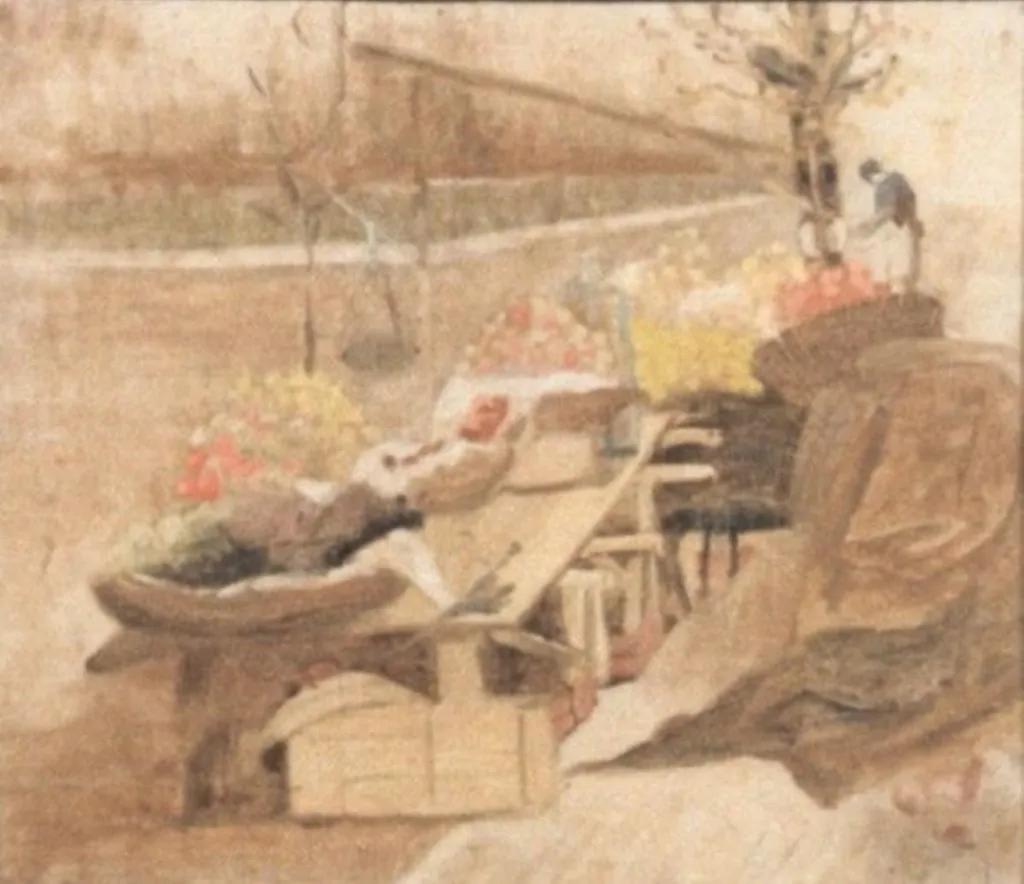
Piață is an unspecified painting by Baltazar Apcar (Abgar). It dates from 1906 and is held in the collection of the National Museum of Art of Romania.
About this work
Overview
The scene is rendered without idealization, focusing instead on the rhythms of daily life in a provincial setting.
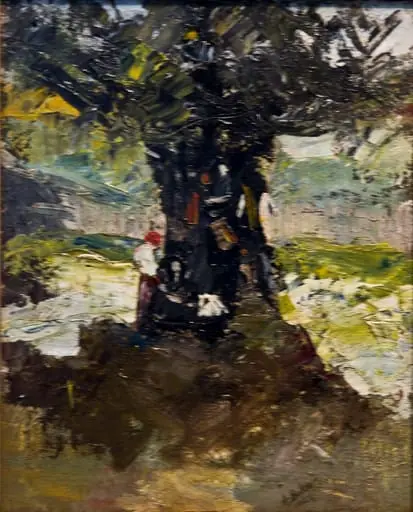
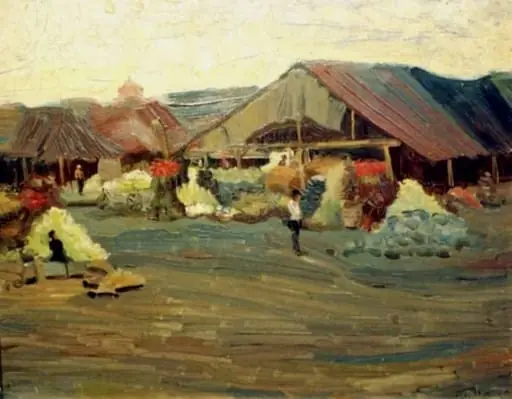
Piață, created around 1906 by Baltazar Apcar, is a depiction of a local market in Romania. The composition captures the organized chaos of vendors displaying goods, with an emphasis on everyday commerce. The scene is rendered without idealization, focusing instead on the rhythms of daily life in a provincial setting. The work belongs to a broader tradition of Romanian realist painting from the early 20th century.
Subject & Meaning
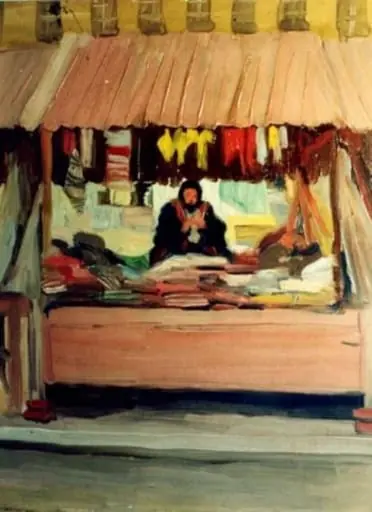
The painting portrays a market square filled with baskets, fresh produce, flowers, and household items, suggesting a routine but vital economic activity. No central figure dominates; instead, the arrangement of objects and implied human presence conveys collective labor and communal exchange. The absence of overt narrative invites contemplation of ordinary rituals, grounding the work in social observation rather than symbolism.
Technique & Style
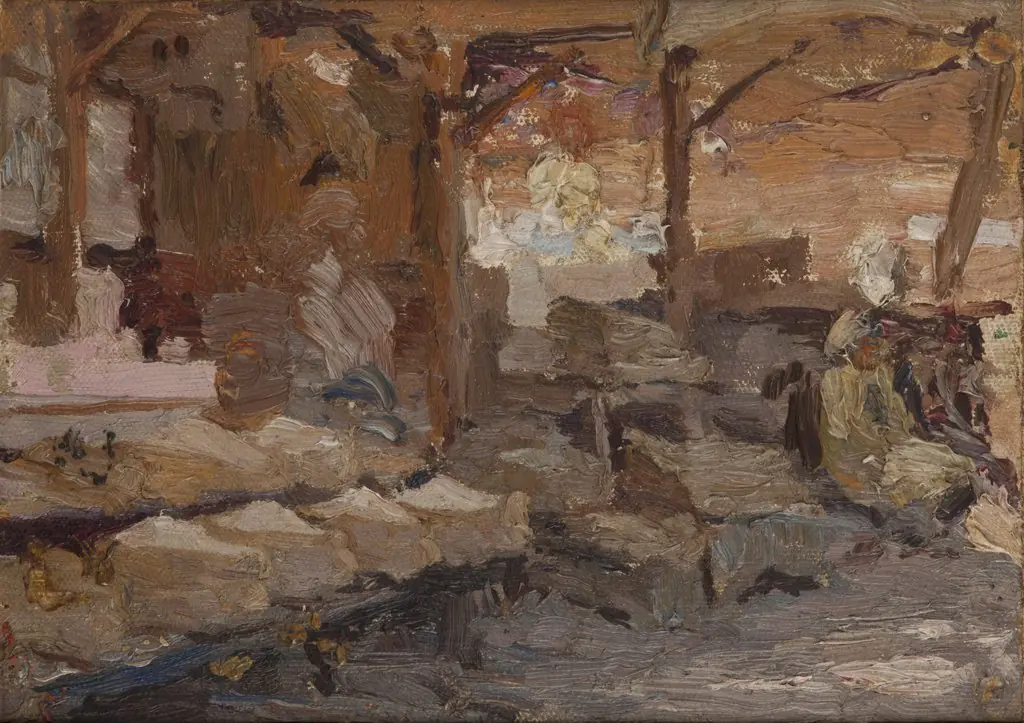
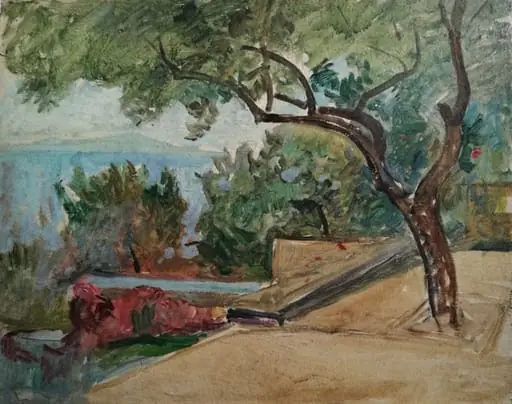
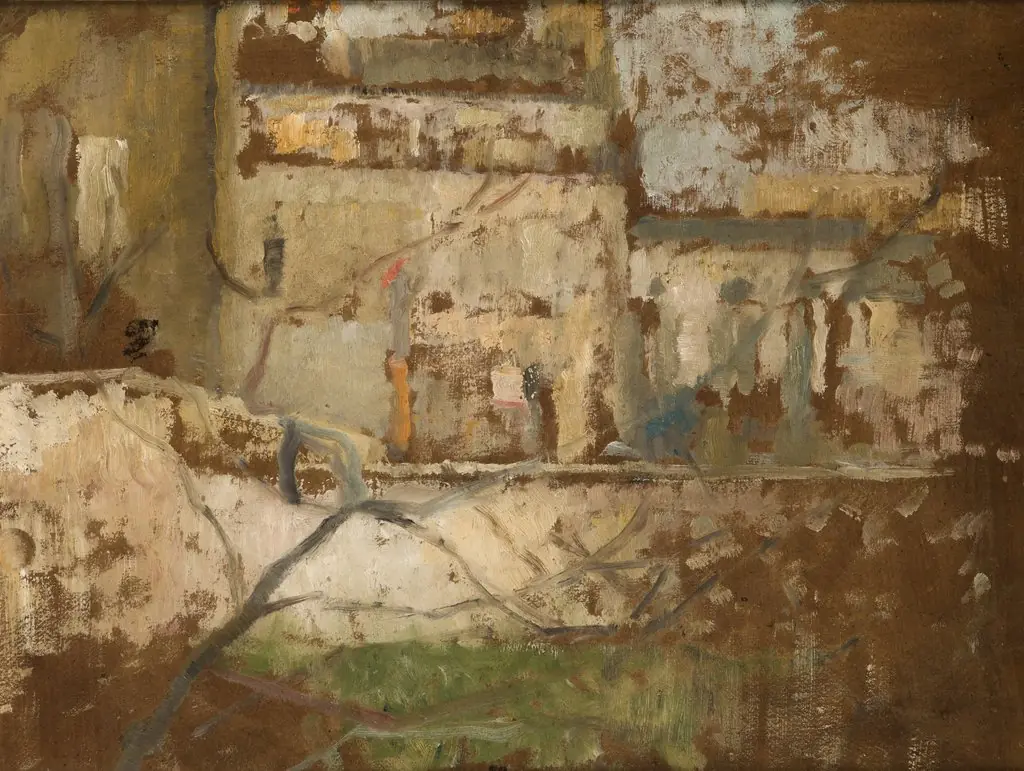
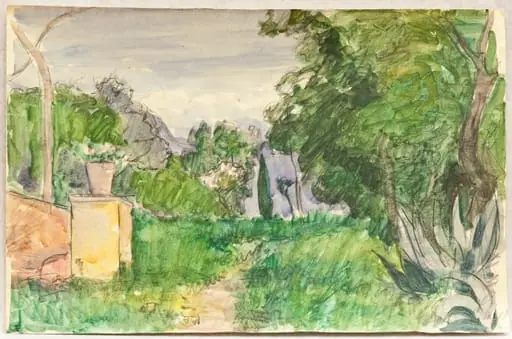
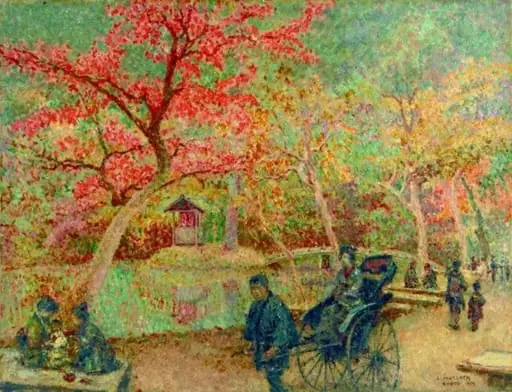
Apcar employs a loose, impressionistic brushwork that suggests movement and texture without fine detail. Warm earth tones—ochres, russets, and soft greens—dominate the palette, enhancing the sense of sunlight and natural light. Color is used expressively rather than descriptively, with shadows rendered in muted blues and browns. The composition is asymmetrical, guiding the eye across the scene through layered planes of goods and space.
History & Provenance
Baltazar Apcar, active in the early 1900s, was part of a generation of Romanian artists documenting regional life amid modernization. Piață was likely painted during a period of increased interest in national identity through vernacular subjects. The painting’s early 20th-century origin places it within a cultural moment when urban and rural scenes were being systematically recorded by local painters, though its specific provenance remains undocumented in public records.
Context
In early 20th-century Romania, artists increasingly turned from historical or mythological themes to scenes of everyday life, influenced by European realism and impressionism. Piață reflects this shift, aligning with similar market scenes by contemporaries in Eastern Europe. It emerges from a time when national art institutions were forming, encouraging depictions of indigenous customs and local economies as expressions of cultural authenticity.
Legacy
Though not widely exhibited outside Romania, Piață contributes to the corpus of early modern Romanian painting that prioritized social realism. Apcar’s focus on unidealized market life helped establish a visual language for depicting common experience, influencing later generations who sought to document regional identity. The work remains a quiet example of how ordinary spaces became subjects of artistic significance during a period of national cultural consolidation.
Artist & collection
Artist
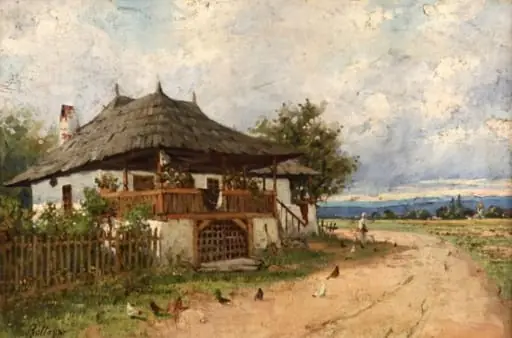
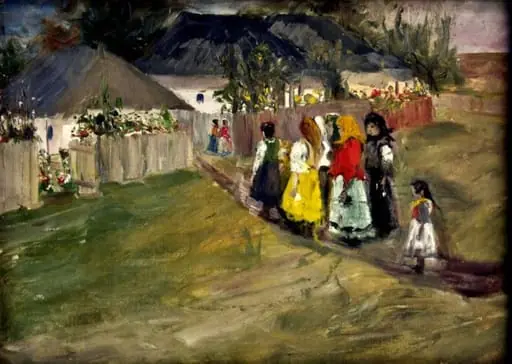
Apcar painted quiet, sunlit town scenes in early 1900s Romania: courtyards, riverbanks, and market squares where people pause for a holiday or chat at the well.