Artwork
Peisaj la marginea apei
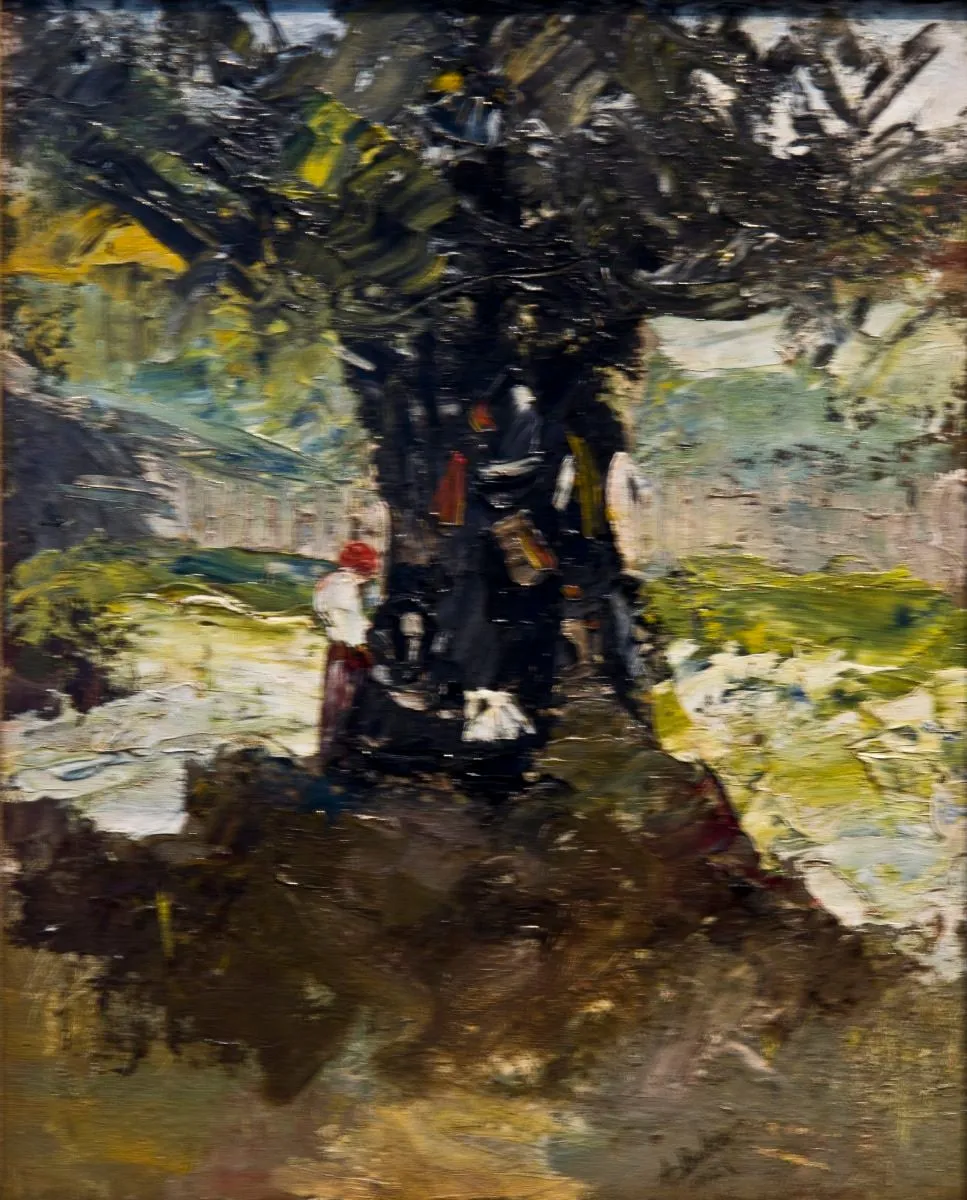
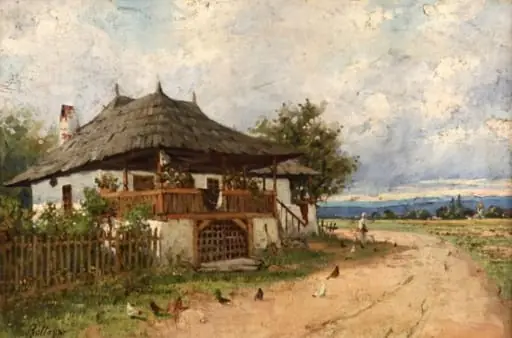
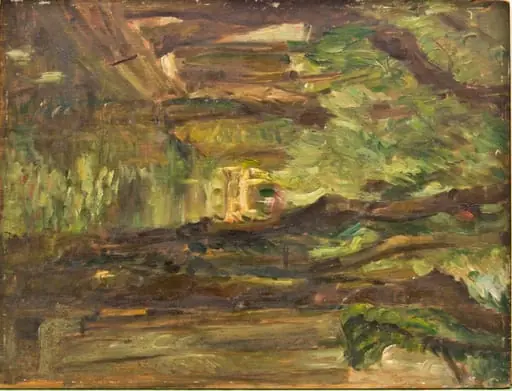
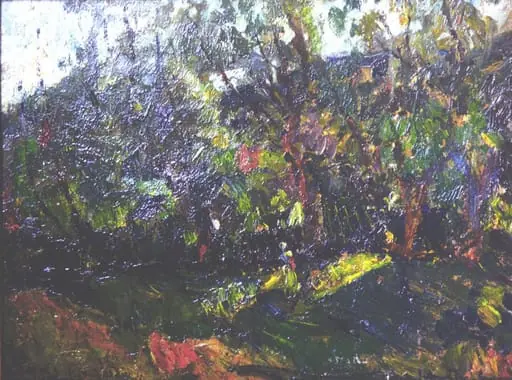
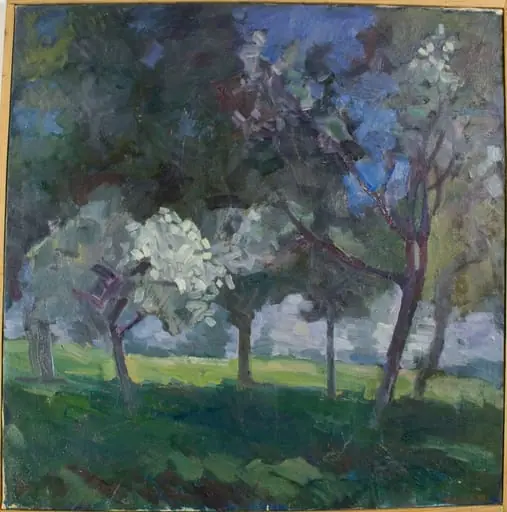
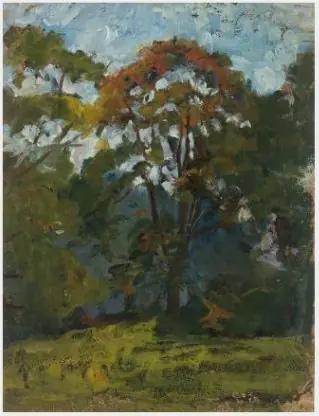
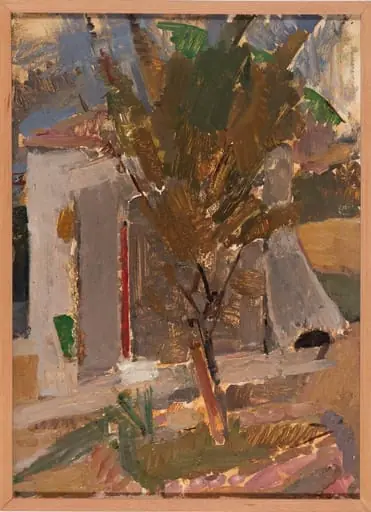
Peisaj la marginea apei is an unspecified painting by Baltazar Apcar (Abgar). It dates from 1907 and is held in the collection of the National Museum of Art of Romania. Painted in 1907 by Apcar Baltazar, this landscape captures a quiet waterside scene with loose, energetic brushwork.
About this work
Overview
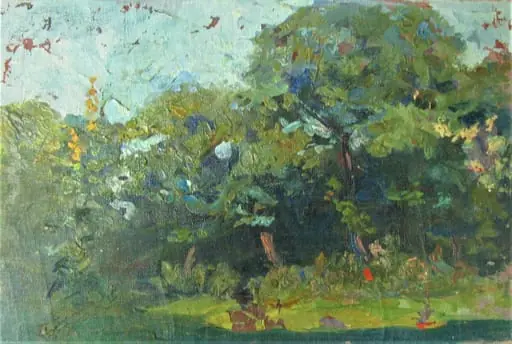
Painted in 1907 by Apcar Baltazar, this landscape captures a quiet waterside scene with loose, energetic brushwork. The composition centers on dense foliage and reflective water, rendered in muted greens and browns. A few vivid accents—such as a red hat and a pale form—interrupt the somber tones, drawing attention without disrupting the overall mood of quiet observation.
Subject & Meaning
The scene depicts a tranquil edge of water, possibly a river or lake, bordered by overgrown trees. No figures are clearly defined, suggesting a focus on atmosphere rather than narrative. The inclusion of a small red hat implies human presence, but it remains incidental—emphasizing nature’s quiet dominance over fleeting human activity.
Technique & Style
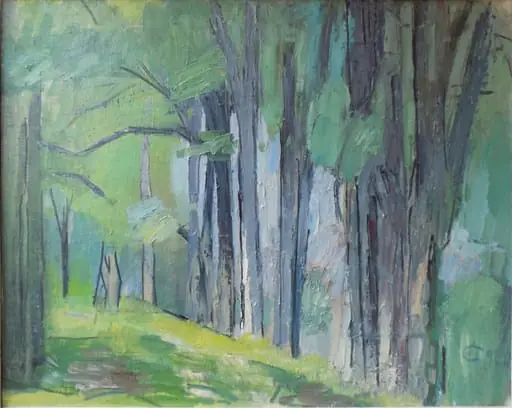
Thick, textured layers of paint—known as impasto—are applied with visible, rapid strokes, creating a tactile surface that catches light unevenly. The brushwork is unrefined, suggesting direct observation outdoors. This approach prioritizes sensory immediacy over detail, using texture and contrast to convey the feeling of light filtering through foliage rather than its precise appearance.
History & Provenance
Created in 1907, the work originates from Apcar Baltazar’s early period, when he was experimenting with plein air methods. Its survival and current location reflect its modest reception during the artist’s lifetime. No major exhibitions or documented ownership changes are recorded, indicating it remained within private or regional collections.
Context
Painted during a time when Romanian artists were engaging with European Impressionist and Post-Impressionist trends, this piece reflects a local adaptation of those styles. While not aligned with formal movements, its emphasis on light, texture, and spontaneous execution aligns with broader regional shifts toward more expressive, observational painting practices.
Legacy
Though not widely reproduced or studied, the painting exemplifies a quiet, personal approach to landscape common among lesser-known Romanian painters of the era. Its raw technique and emotional restraint offer insight into the diversity of early 20th-century Romanian art beyond official academic traditions.
Artist & collection
Artist
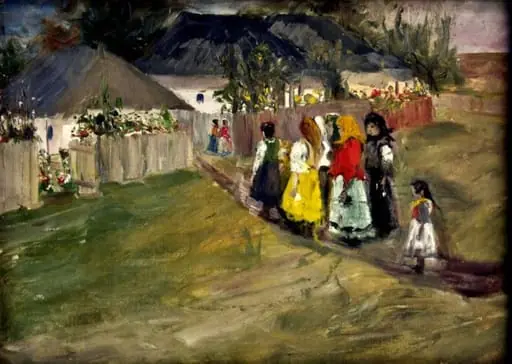
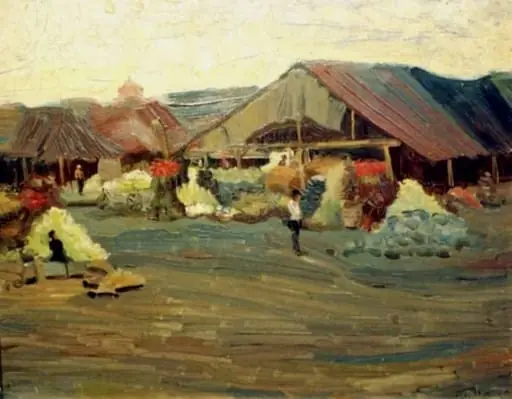
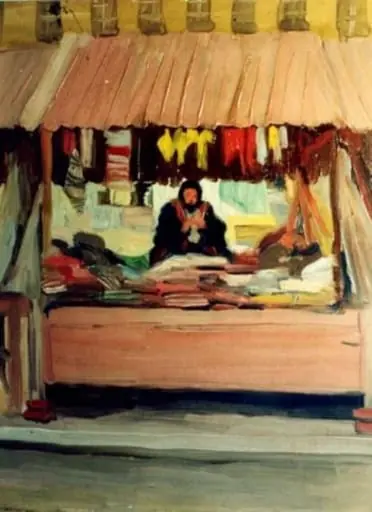
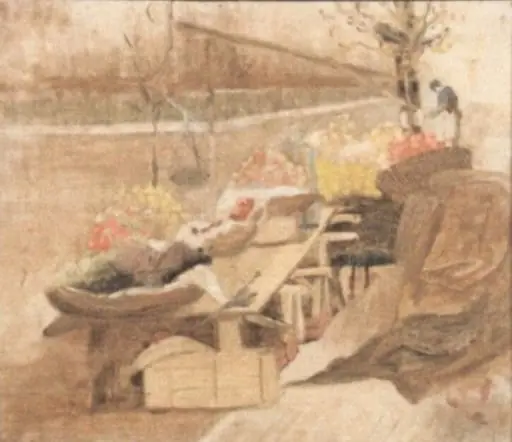
Apcar painted quiet, sunlit town scenes in early 1900s Romania: courtyards, riverbanks, and market squares where people pause for a holiday or chat at the well.