Artwork
Femei în zi de sărbătoare
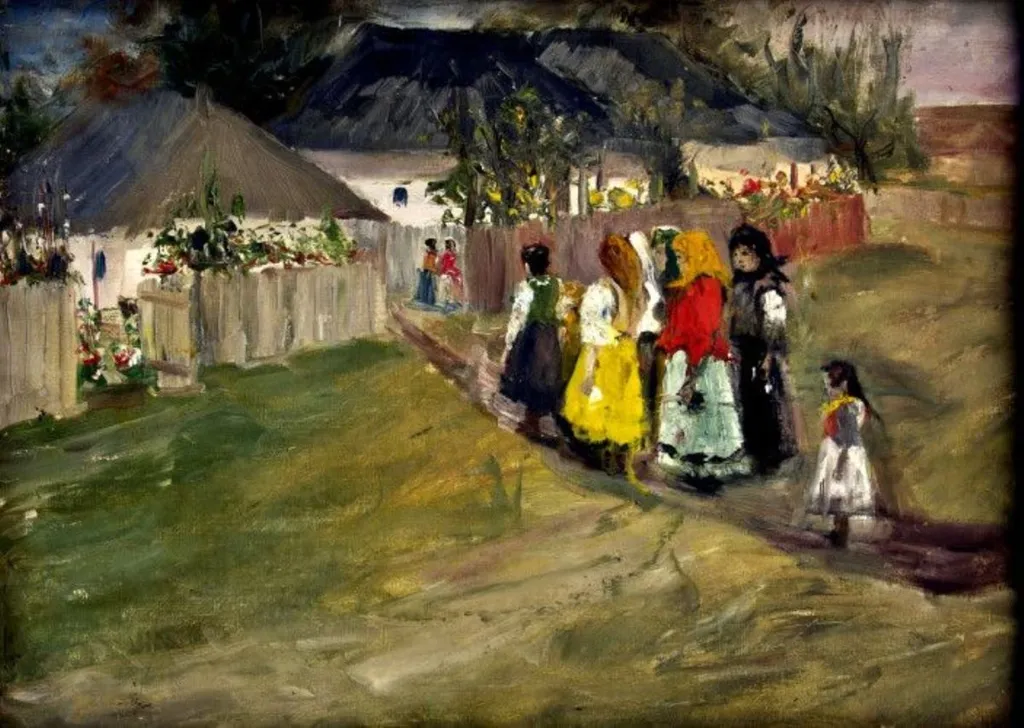
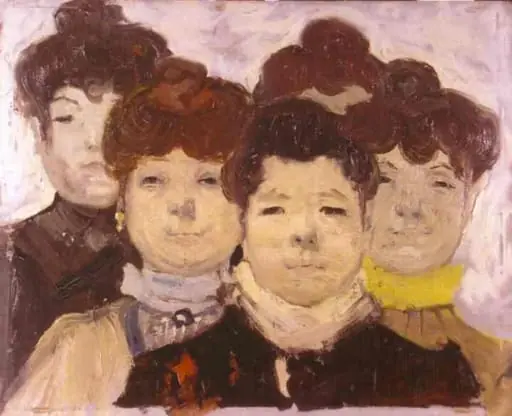
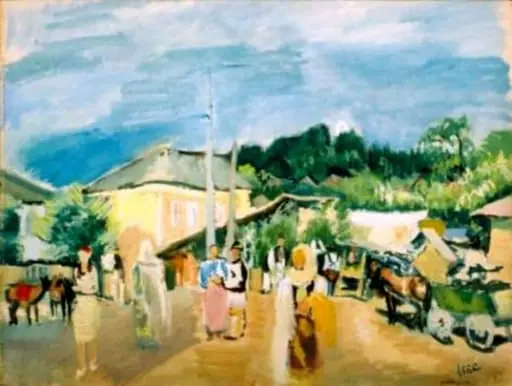
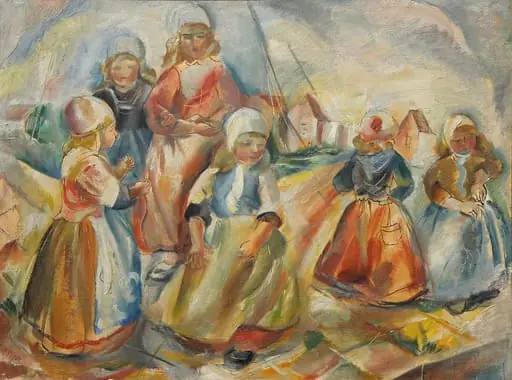
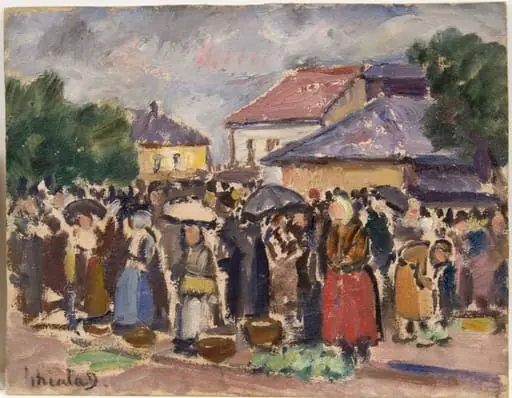
Femei în zi de sărbătoare is an unspecified painting by Baltazar Apcar (Abgar). It is held in the collection of the National Museum of Art of Romania. This painting depicts a group of women in festive attire, gathered outdoors in a sunlit field.
About this work
Overview
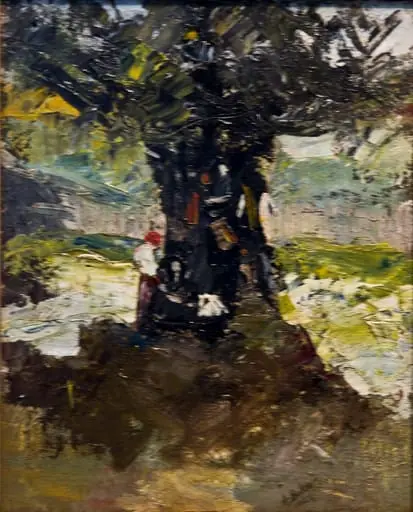
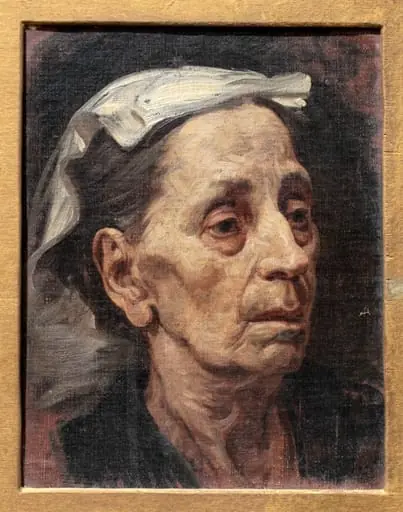
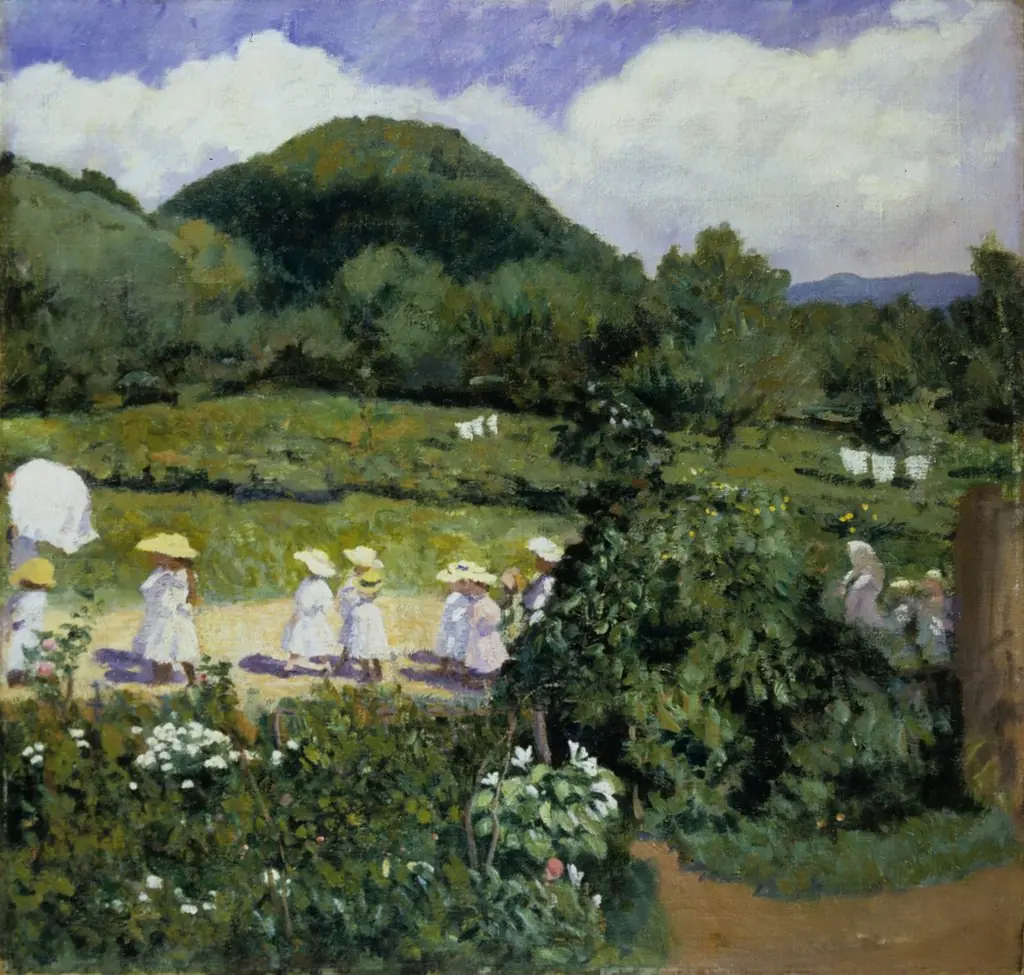
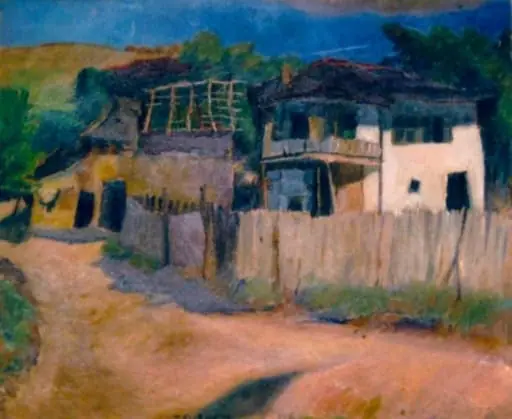
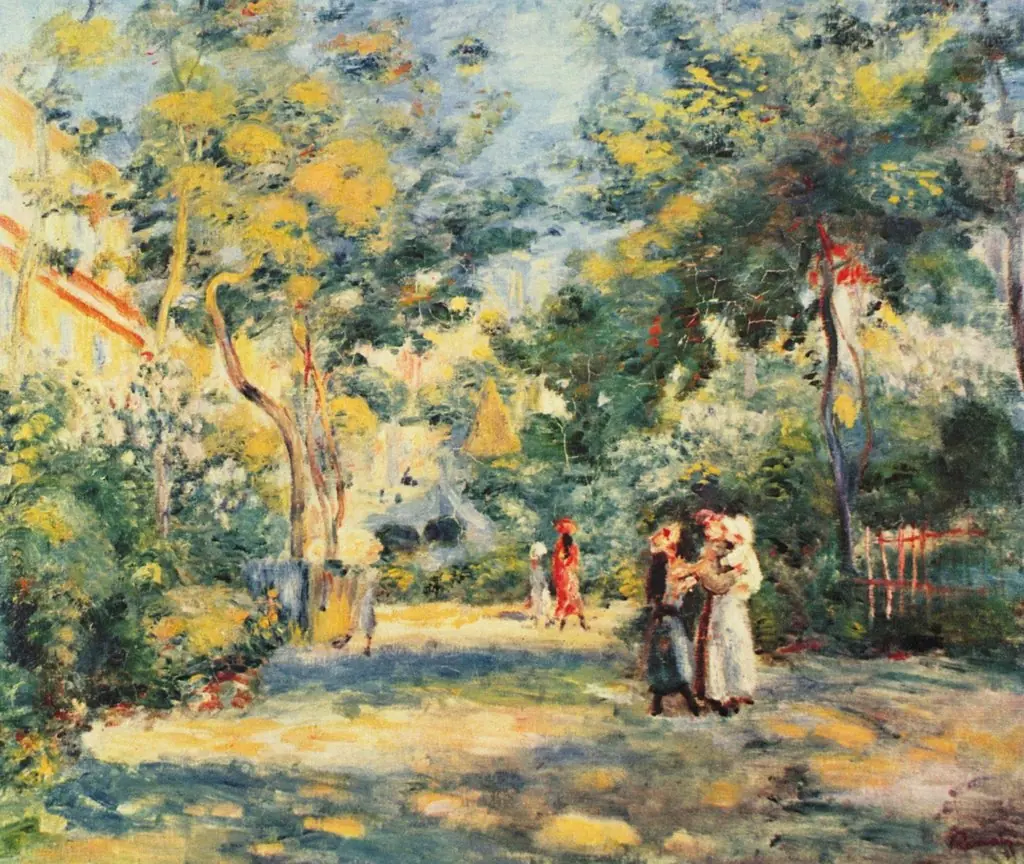
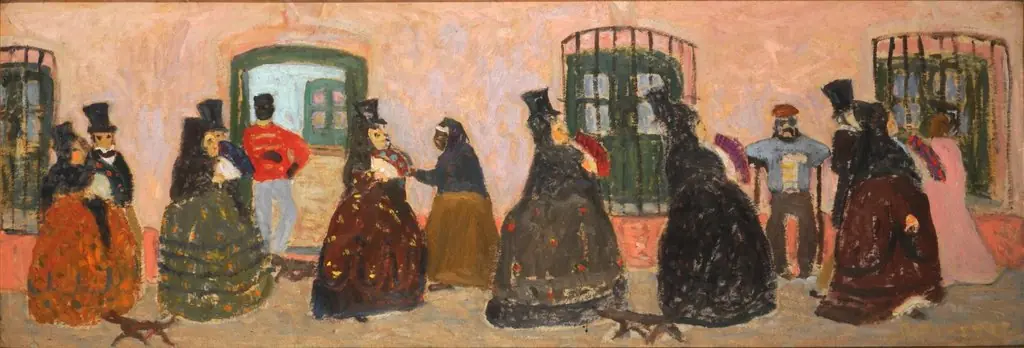
This painting depicts a group of women in festive attire, gathered outdoors in a sunlit field. Their close proximity and relaxed postures suggest a moment of shared conversation or celebration. Rendered with loose brushwork and vivid hues, the scene conveys a sense of quiet joy and communal presence, typical of the artist’s approach to everyday life in rural settings.
Subject & Meaning
The women, dressed in bright, patterned garments, appear to be participating in a local holiday or seasonal observance. Their grouping implies social connection, possibly reflecting traditions of female solidarity in rural communities. The absence of overt narrative elements invites focus on the quiet dignity of ordinary moments, emphasizing presence over event.
Technique & Style
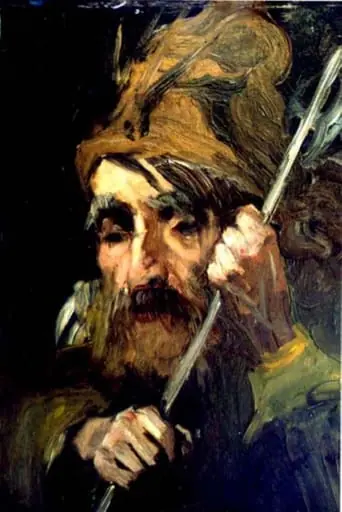
The artist employs a free, expressive brushwork that prioritizes mood over detail. Colors are applied with boldness and spontaneity, enhancing the luminous quality of the scene. Forms are suggested rather than precisely defined, allowing light and color to guide the viewer’s perception, aligning the work with regional modernist tendencies of the early 20th century.
History & Provenance
The painting is attributed to Apcar (Abgar) Baltazar, an Armenian-Romanian artist active in the early 1900s. While specific acquisition records are limited, the work aligns with his documented interest in depicting rural Romanian life. It likely originated from his time spent in the Moldavian or Muntenian countryside, where he observed local customs and dress.
Context
Created during a period of cultural revival in Romania, the painting reflects broader artistic interest in folk traditions and peasant life.
Created during a period of cultural revival in Romania, the painting reflects broader artistic interest in folk traditions and peasant life. Artists like Baltazar sought to capture authentic regional identities amid rapid modernization. The emphasis on color and informal composition distinguishes this work from academic traditions, aligning it with emerging modernist sensibilities in Eastern Europe.
Legacy
Baltazar’s work, including this piece, contributed to a visual record of rural Romanian life that resisted idealization. Though not widely exhibited internationally, his paintings remain referenced in regional art histories for their empathetic portrayal of everyday women and their quiet rituals. His approach influenced later generations focused on vernacular subjects and expressive technique.
Artist & collection
Artist
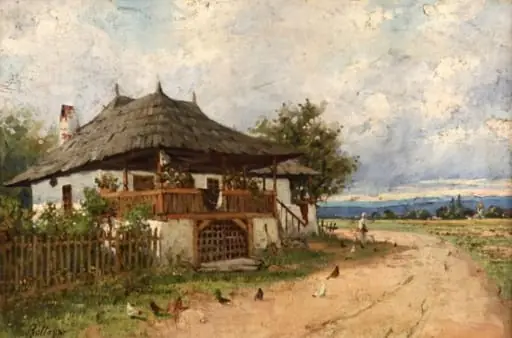
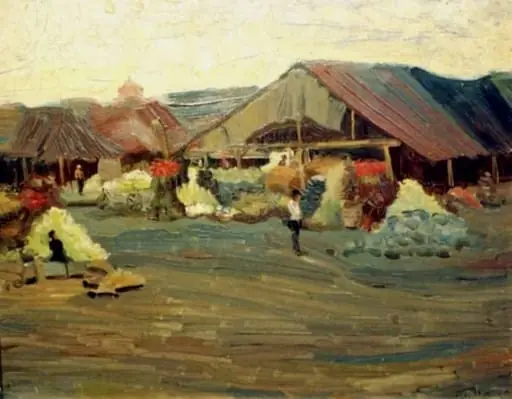
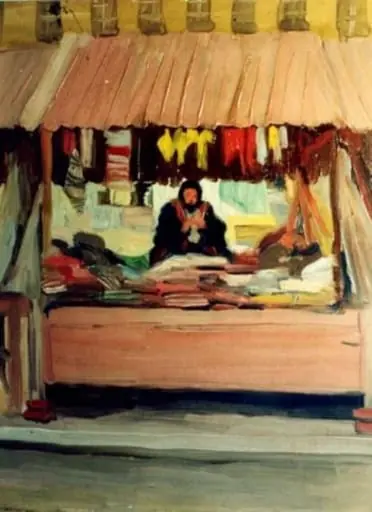
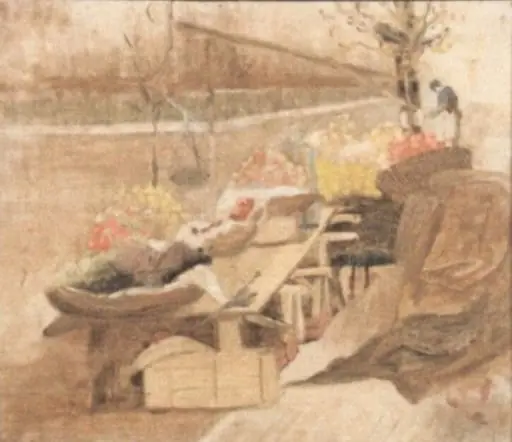
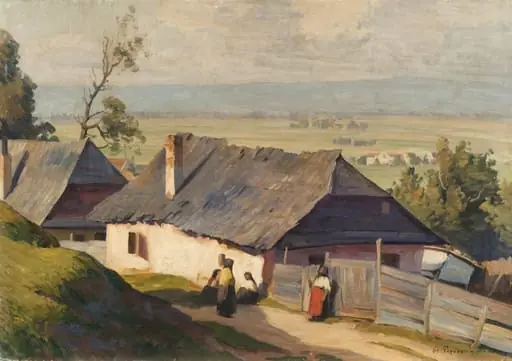
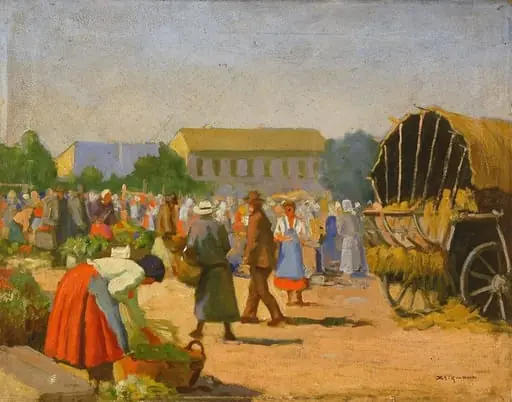
Apcar painted quiet, sunlit town scenes in early 1900s Romania: courtyards, riverbanks, and market squares where people pause for a holiday or chat at the well.