Artwork
Barques de Cabotage
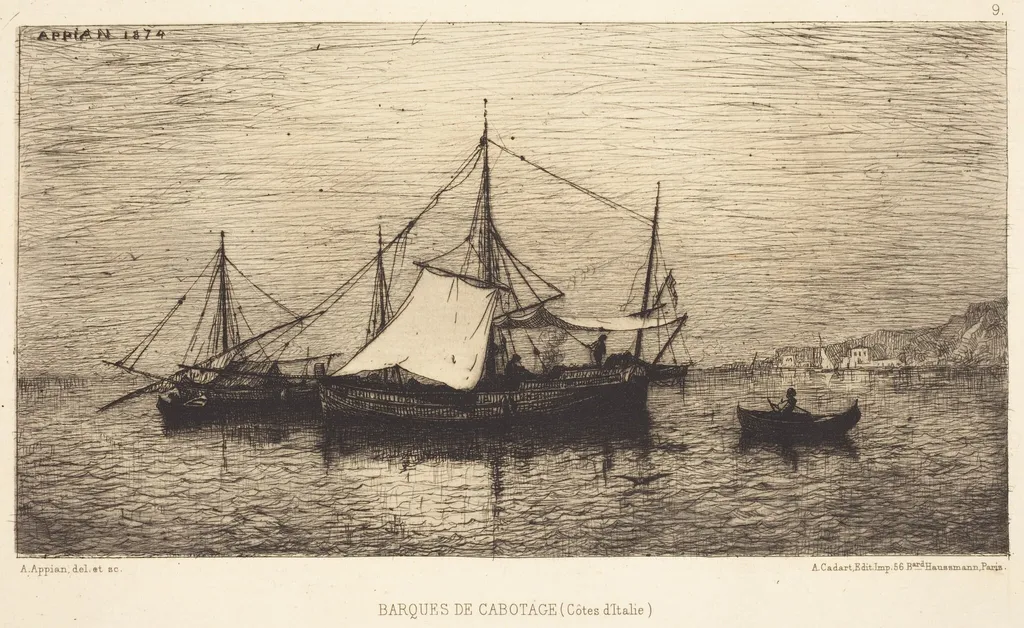
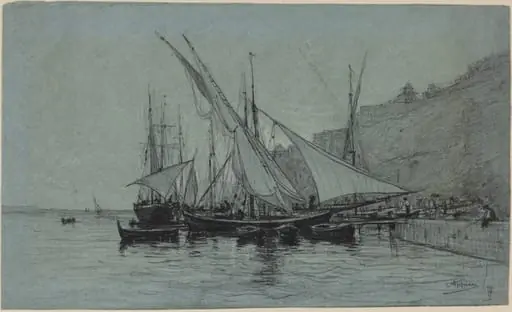
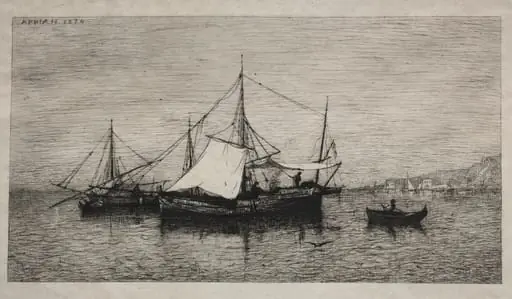
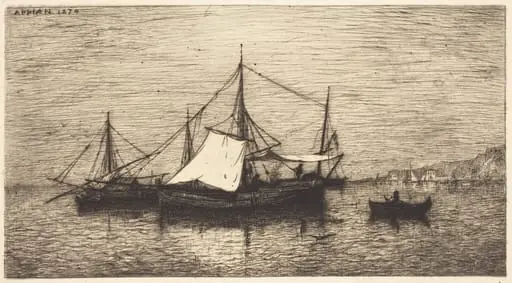
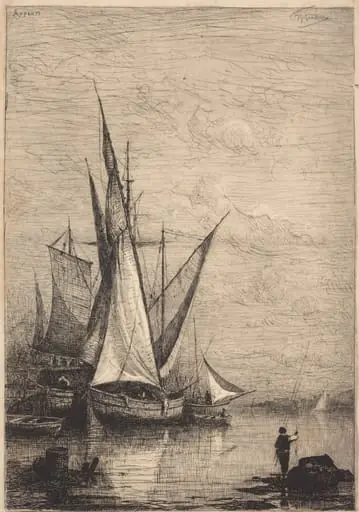
Barques de Cabotage is an ink print by the Romanticist artist Adolphe Appian. It dates from 1858 and is held in the collection of the National Gallery of Art.
About this work
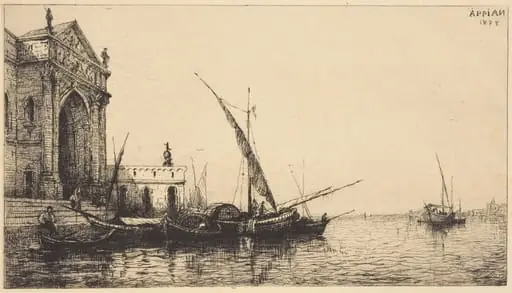
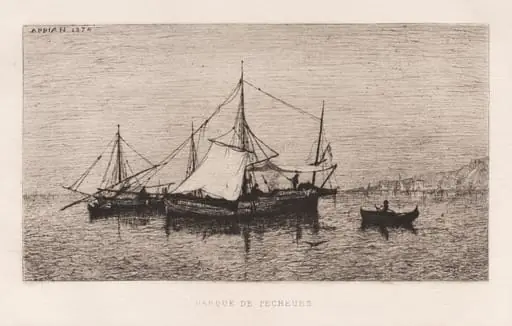
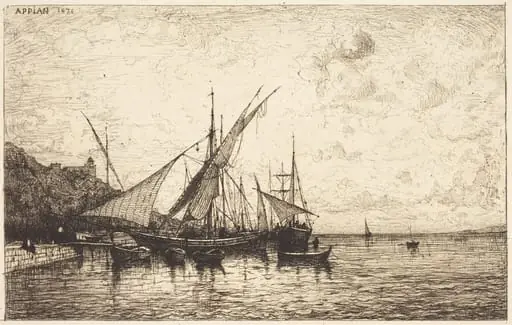
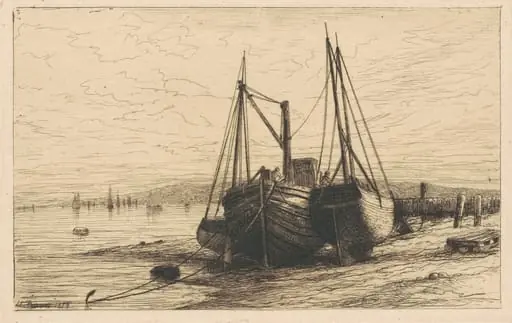
Adolphe Appian’s 1874 etching shows three wooden sailboats tied to a dock, their hulls weathered and ropes taut.
Adolphe Appian’s 1874 etching shows three wooden sailboats tied to a dock, their hulls weathered and ropes taut. The scene looks quiet but full of motion, like the tide could pull the boats away any second. Thin lines and deep shadows give the water a shimmering, almost restless surface.
This isn’t just a harbor picture—it’s about how light plays on wood and water. The artist used drypoint, scratching lines into the metal plate so ink pools in the grooves. That trick makes the boats feel rough but alive.
Check out how Appian does it yourself at the National Gallery of Art, Washington.
Overview
Adolphe Appian’s etching *Barques de Cabinage* (1858) presents a tranquil harbor scene in which three wooden sailing vessels are moored alongside a dock. The composition balances stillness with an implied potential for movement, as the tide appears ready to set the boats adrift. The work exemplifies Appian’s focus on everyday maritime subjects and his skill in rendering atmosphere through print.
Subject & Meaning
The image captures a modest slice of coastal life, emphasizing the relationship between human‑made structures and the sea. The weathered hulls and taut rigging suggest routine labor, while the subtle play of light on water hints at the ever‑present forces of nature that shape such environments. The piece invites contemplation of the quiet endurance of maritime work.
Technique & Style
Appian employed dry‑point alongside traditional etching, incising fine lines directly into the copper plate. This method creates burrs that hold extra ink, producing rich, velvety shadows and a tactile surface quality on the hulls and water. The delicate line work and deep tonal contrasts convey both the solidity of the wooden boats and the shimmering restlessness of the sea.
History & Provenance
Created in the mid‑nineteenth century, the print reflects Appian’s mature period when he turned increasingly to marine subjects. After its initial issue, *Barques de Cabinage* entered several private collections before being acquired by the National Gallery of Art in Washington, where it remains part of the museum’s print and drawing department.
Context
During the 1850s French artists were exploring the possibilities of printmaking to document contemporary landscapes and everyday scenes. Appian, trained as a painter, applied his observational eye to etching, aligning with the broader Realist movement that sought to depict ordinary life with fidelity and nuance.
Own this work as a print
Artist & collection
Artist
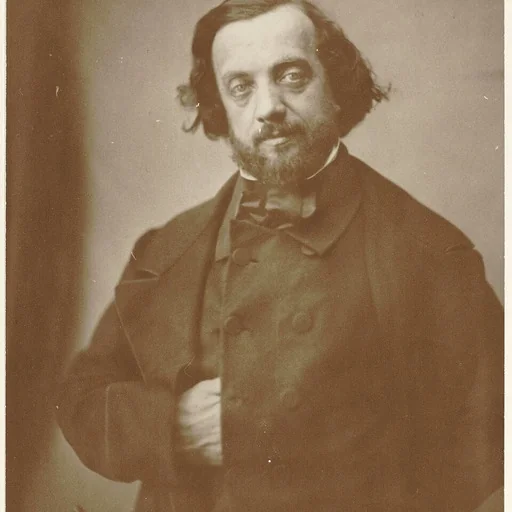
Adolphe Appian (born as Jacques Barthelemy Adolphe Appian; 28 August 1819 – 29 April 1898) was a French landscape painter and etcher.