Artwork
Statue of Constantine
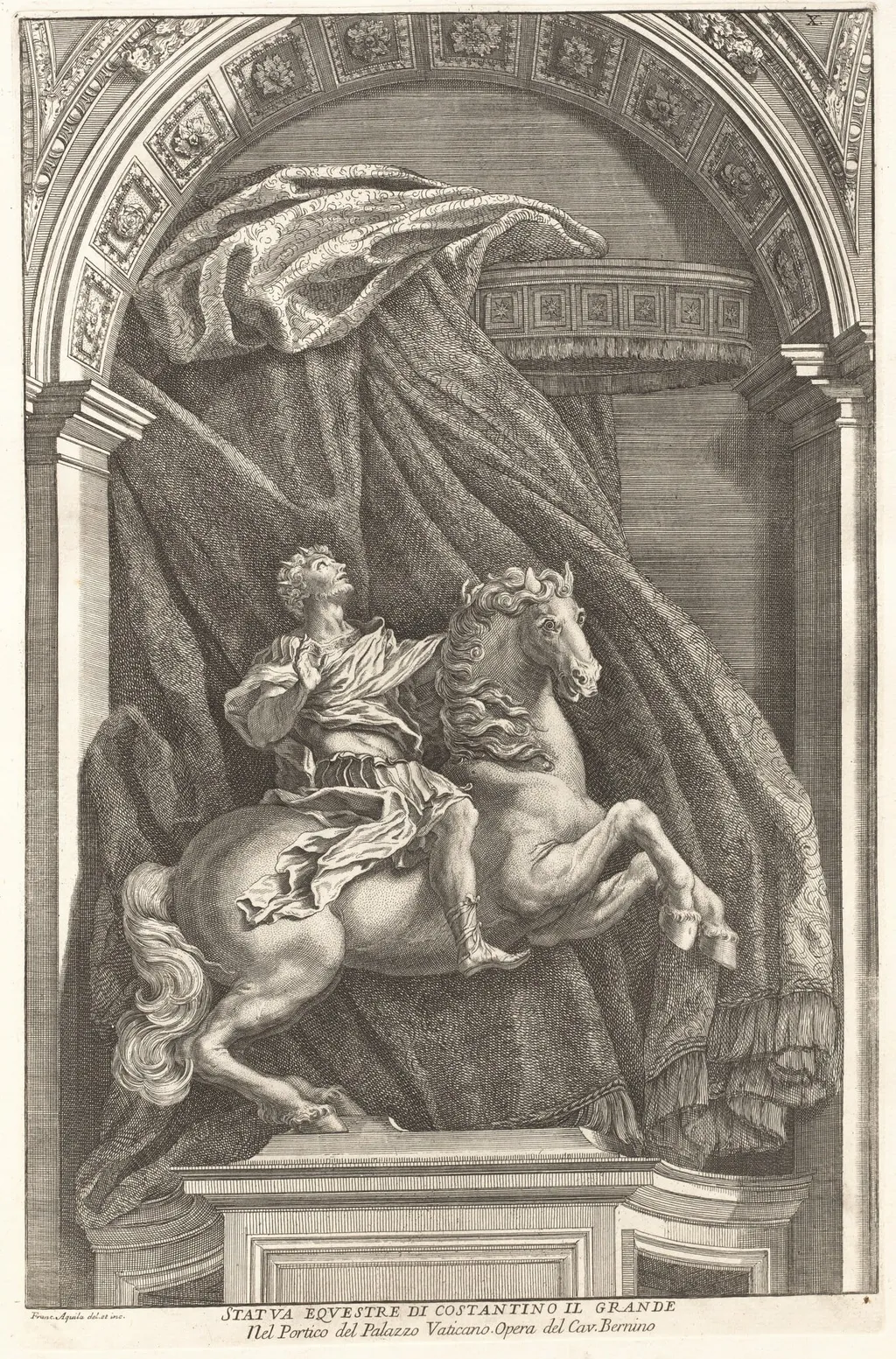
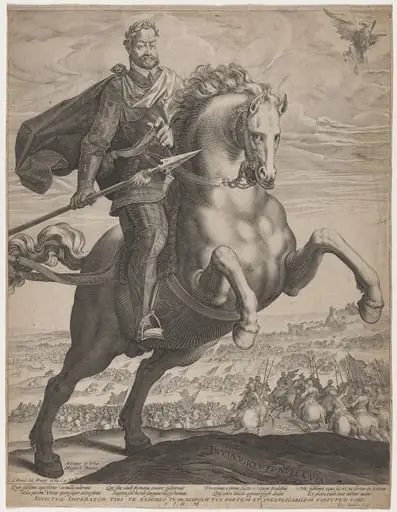
Statue of Constantine is an ink print by the Baroque artist Francesco Faraone Aquila. It dates from 1704 and is held in the collection of the National Gallery of Art.
About this work
Overview
This 1704 engraving by Francesco Faraone Aquila depicts a dynamic equestrian statue of Constantine, set against an ornate background, with the artist's attribution and subject identification printed below.
Subject & Meaning
The print portrays Constantine, likely referencing the historical Roman Emperor, in a dramatic pose on a rearing horse, conveying power and grandeur through the depicted statue's dynamic composition.
Technique & Style
Executed in etching and engraving on laid paper, the work showcases intricate details, such as the horse's raised legs and the rider's sideways stance, highlighting Aquila's mastery of these techniques to achieve fine textures and expressive lines.
History & Provenance
Created in 1704 by Francesco Faraone Aquila, the engraving's provenance and exhibition history are not detailed here, though its production suggests dissemination of artistic and historical themes of the time.
Context
The print reflects 18th-century interest in classical and historical subjects, potentially serving as a reproductive print to widely share the design of a specific statue of Constantine among art enthusiasts and collectors.
Artist & collection


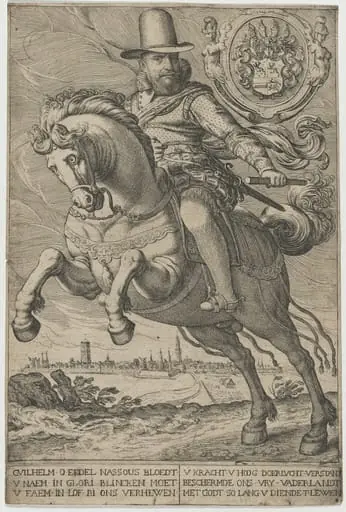 William I, Prince of Orange
![Renouvellement d'Alliance avec les Suisses 1663 (Renewal of Alliance with the Swiss 1663) [pl. 18], by Jean-Baptiste Massé](https://artifactworldgallery.com/img/jean-baptiste-masse--renouvellement-d-alliance-avec-les-suisses-1663-renewal-of-a--b0549fa383211be6-w320.webp) Renouvellement d'Alliance avec les Suisses 1663 (Renewal of Alliance with the Swiss 1663) [pl. 18]
Renouvellement d'Alliance avec les Suisses 1663 (Renewal of Alliance with the Swiss 1663) [pl. 18]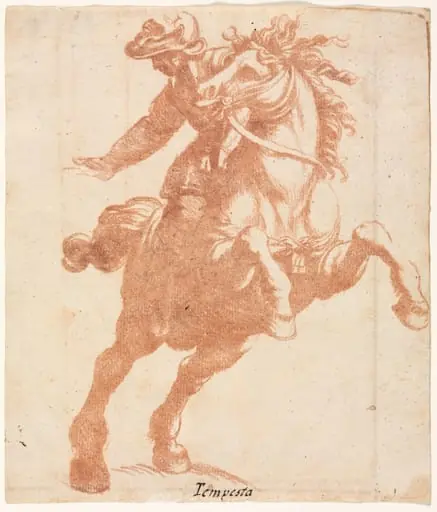 Rearing Horse and Rider
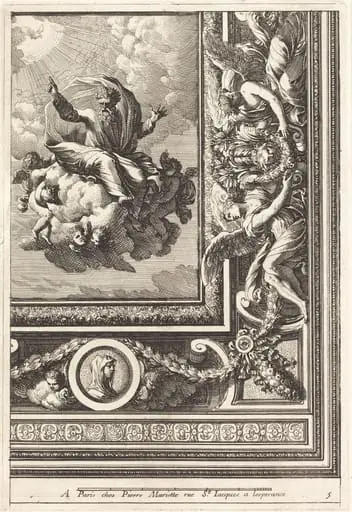 Quarts de plafons
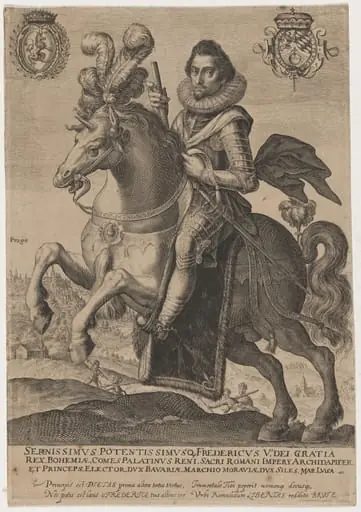 Frederick, King of Bohemia
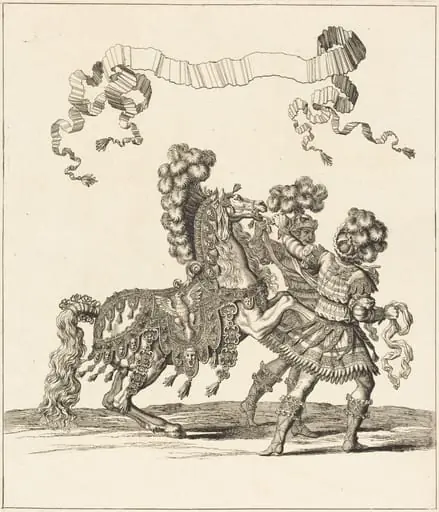 Cheval de Main et Palfreniers Romains
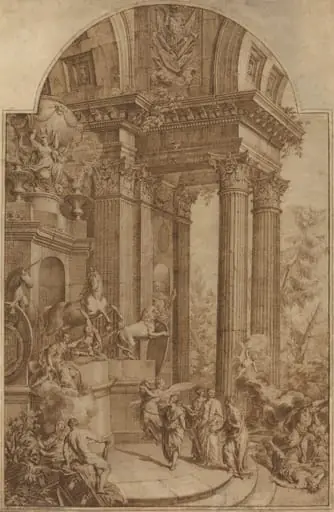 Monument to King George I
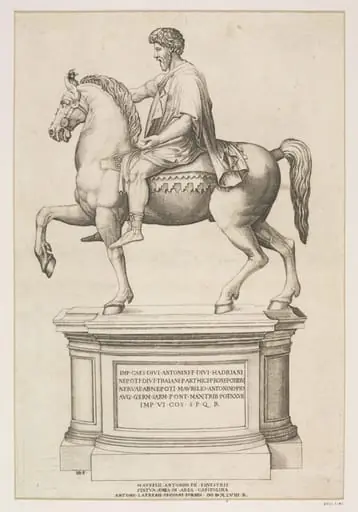 Marcus Aurelius
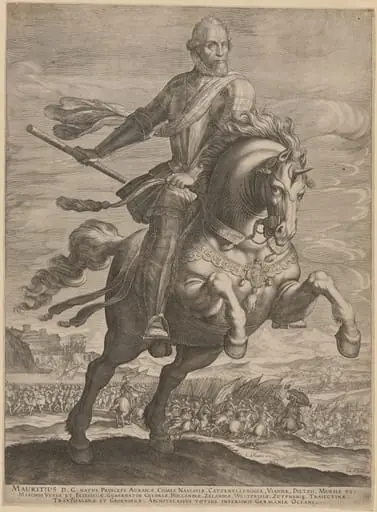 Maurice, Prince of Orange on Horseback
 Emperor Rudolph II on Rearing Horse