Artwork
Naisen muotokuva
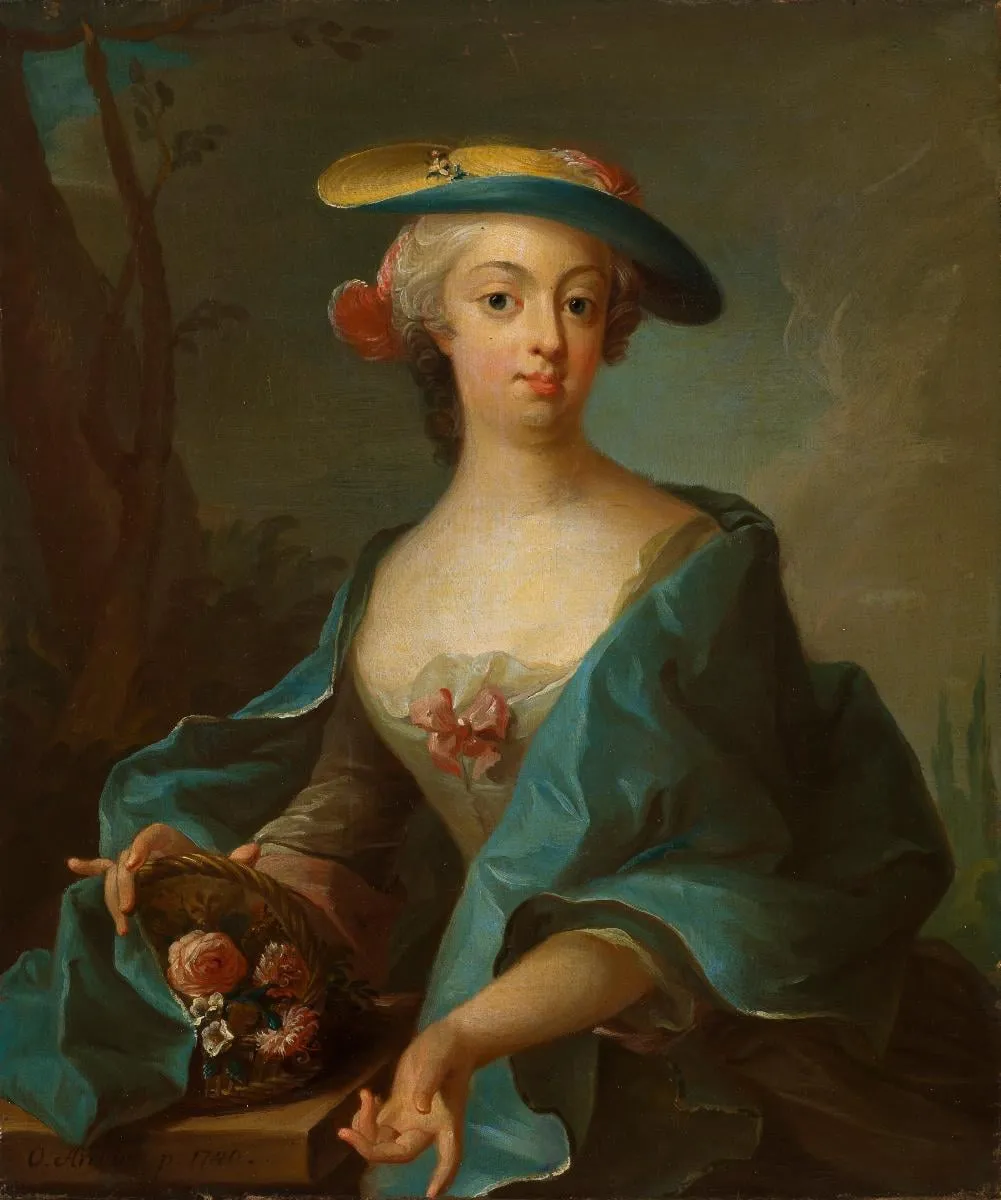
Naisen muotokuva is an unspecified painting by Olof Arenius. It is held in the collection of the Finnish National Gallery. This portrait captures a woman seated at a table, dressed in a blue gown and matching hat decorated with floral motifs.
About this work
Overview
This portrait captures a woman seated at a table, dressed in a blue gown and matching hat decorated with floral motifs. Her hands rest gently on the surface, one lightly touching a basket of flowers. The composition is calm and centered, with soft color harmonies reinforcing a quiet dignity. The scene avoids theatricality, focusing instead on stillness and subtle detail.
Subject & Meaning
The woman’s attire and the presence of flowers suggest an upper-class domestic setting, possibly a moment of private contemplation. The flowers, both worn and arranged, may symbolize transience or cultivated beauty. Her composed posture and restrained gesture convey introspection rather than performance, emphasizing inner calm over outward display.
Technique & Style
The artist employs muted blues and soft tonal transitions to unify the figure and surroundings. Brushwork is precise yet unobtrusive, with delicate rendering of fabric folds and petal textures. Light falls evenly across the scene, avoiding dramatic contrasts, which supports the overall sense of equilibrium and quiet refinement.
History & Provenance
The painting is attributed to Olof Arenius, a Swedish artist active in the 18th century known for portraiture. While specific ownership records are limited, the work aligns with his documented style and clientele, likely commissioned by a local aristocratic family. Its preservation suggests continued appreciation within Swedish collections.
Context
Created during a period when Swedish portraiture emphasized modest elegance over grandeur, this work reflects broader Nordic tastes favoring restraint and naturalism. Unlike courtly portraits of the era, it avoids symbols of power, instead highlighting personal poise and domestic serenity, consistent with middle- to upper-class ideals of the time.
Legacy
Though not widely exhibited, the painting contributes to the understanding of Arenius’s contribution to Swedish portraiture. It exemplifies a quiet, intimate mode of representation that contrasts with more flamboyant European styles, offering insight into regional aesthetic values and the role of private life in 18th-century visual culture.
Artist & collection

 Mrs. Heckford
 Portrait of a Young Woman
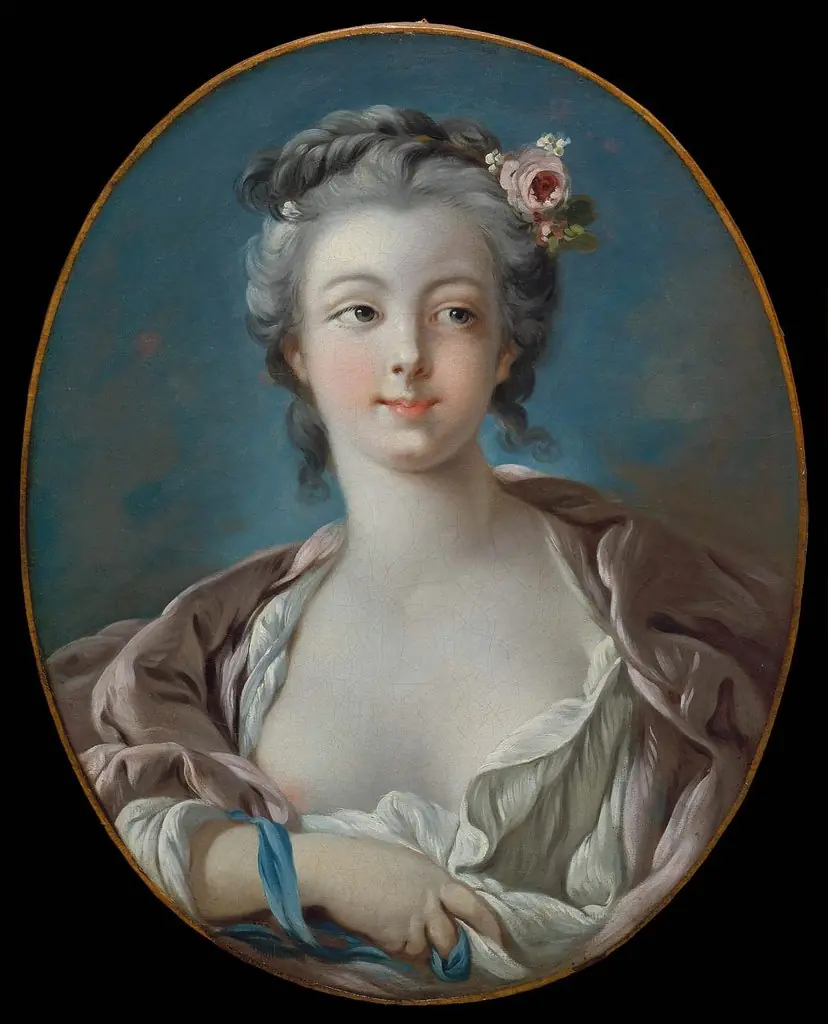 Young Woman with Flowers in Her Hair
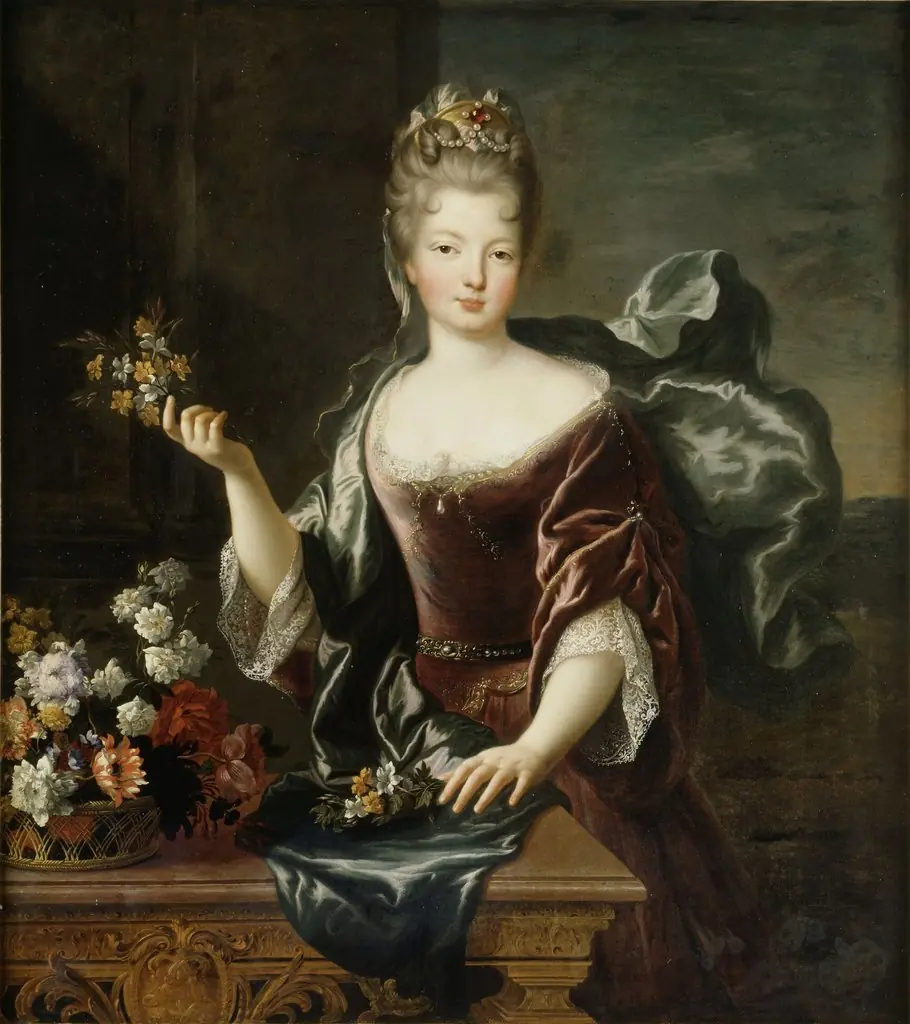 Françoise-Marie de Bourbon, Mademoiselle de Blois, Duchess of Orleans
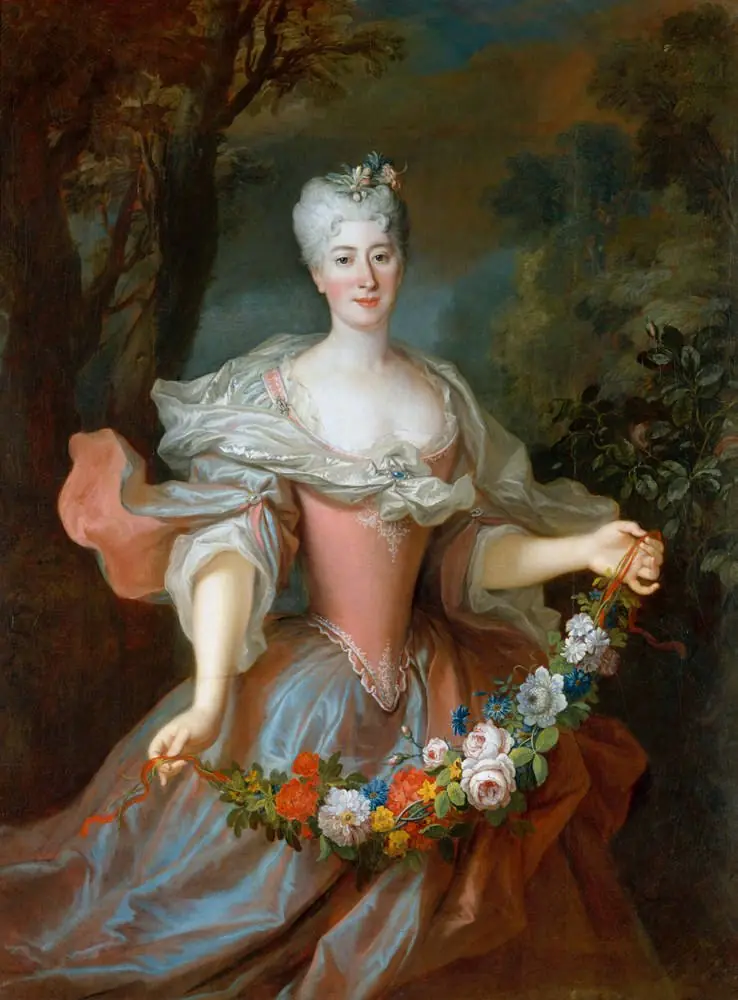 Marcybela Ogiński
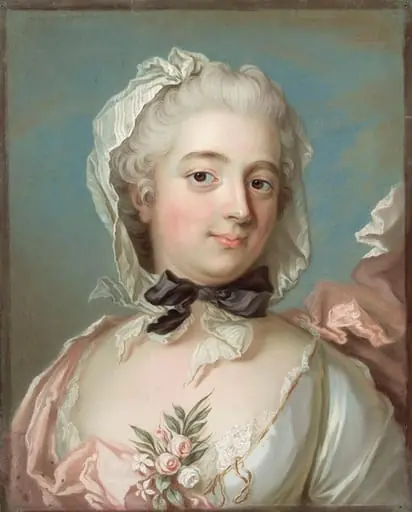 Rouva Werner
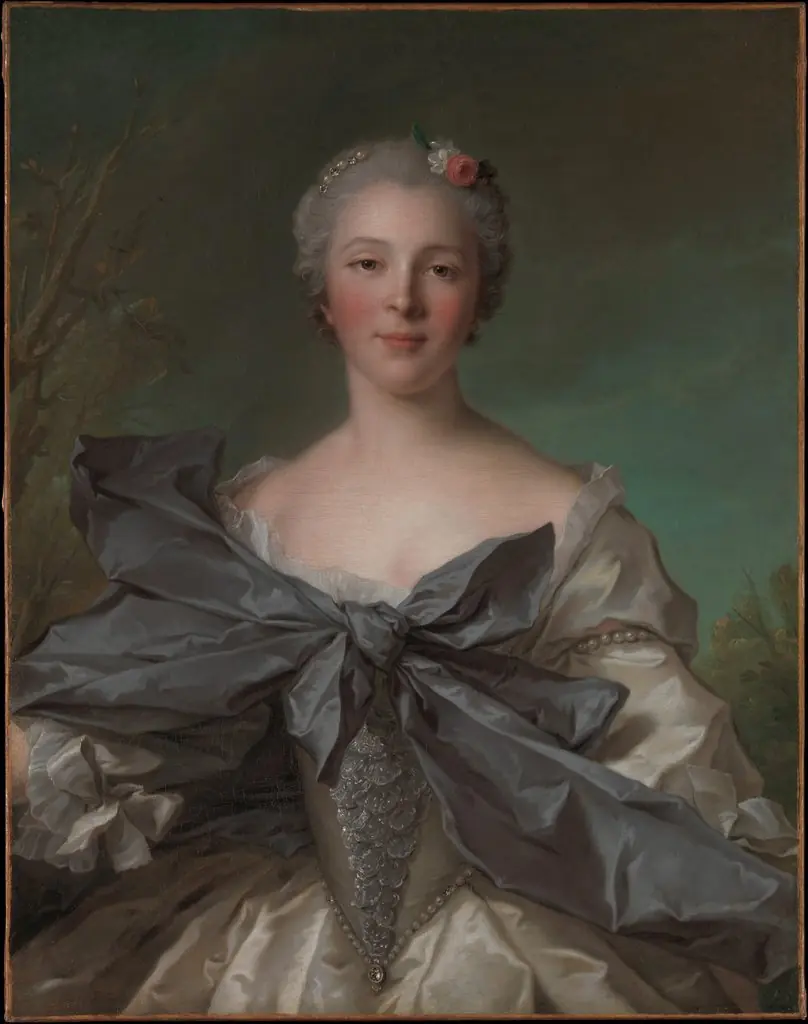 Marie Françoise de La Cropte de St. Abre, Marquise d'Argence
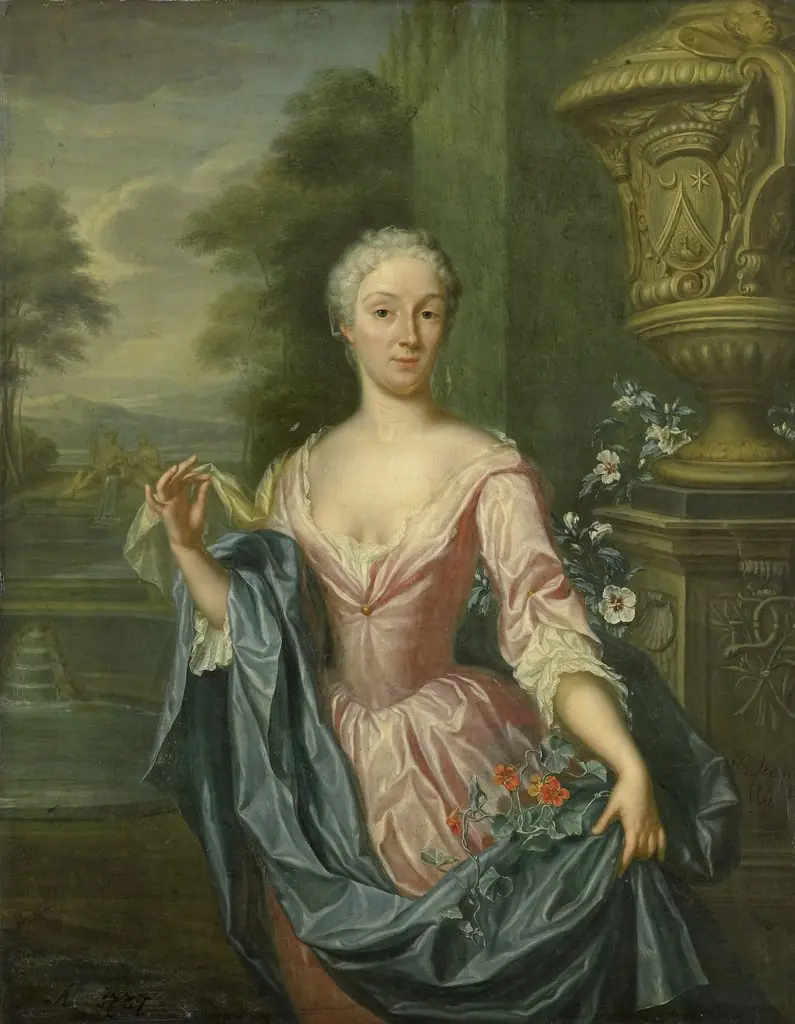 Portrait of Claudine van Royen (born 1712), Wife of Pieter Teding van Berkhout
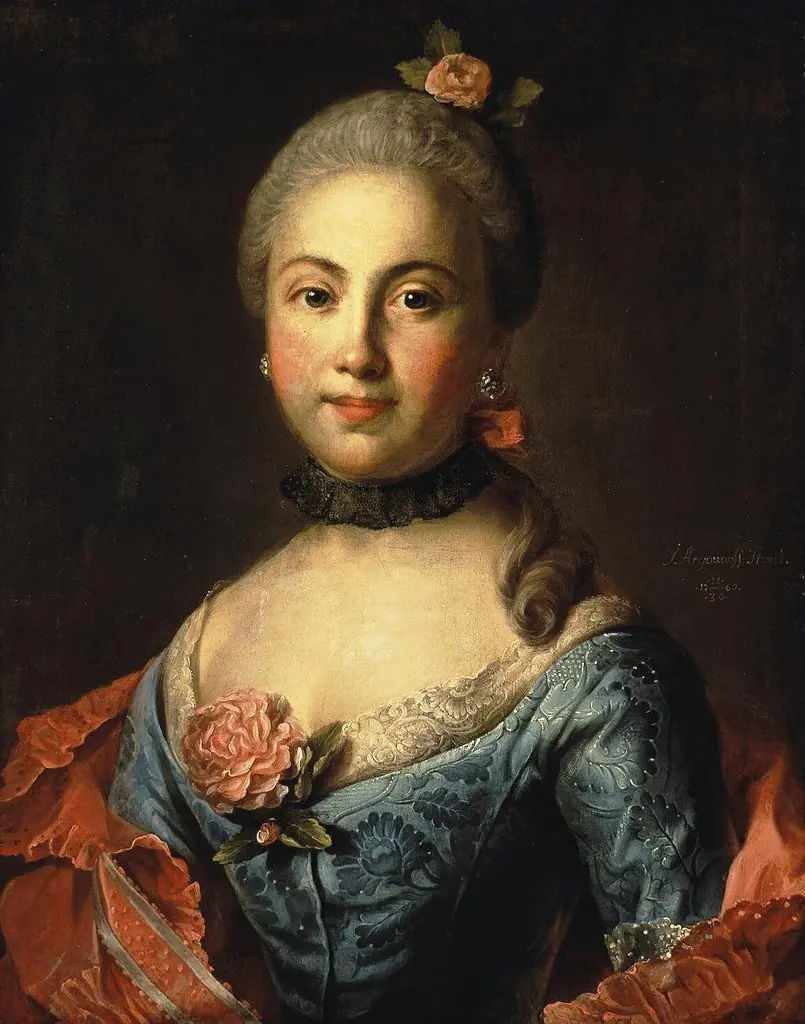 Portrait of a Woman in a Blue Dress
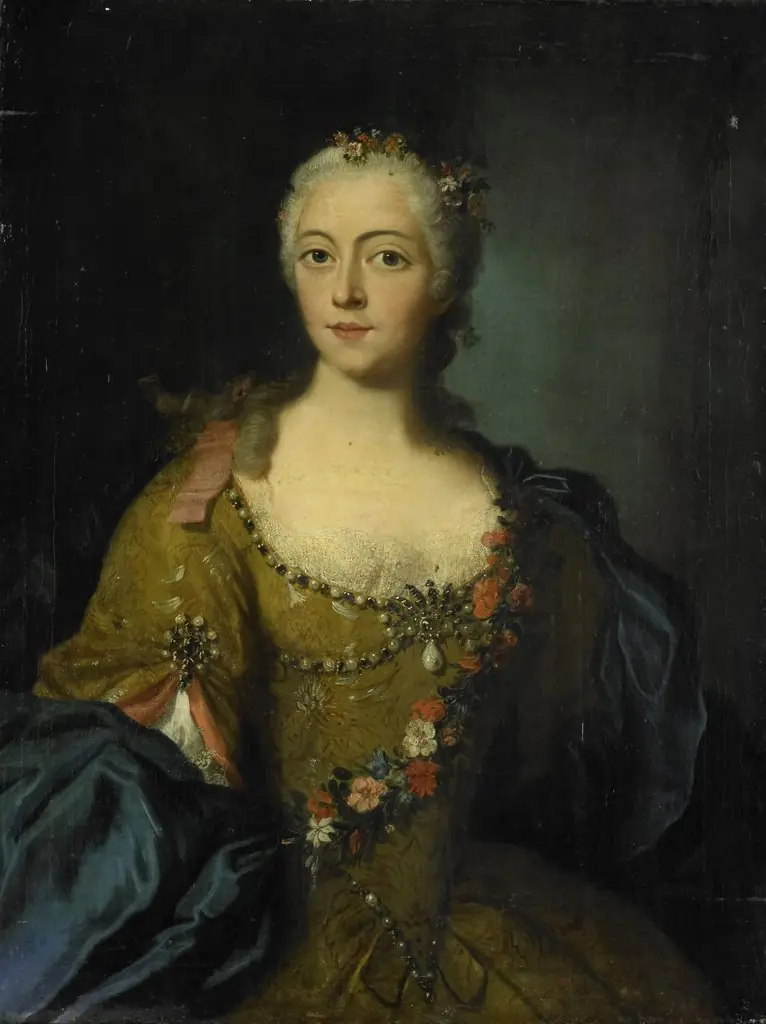 Portret van een vrouw
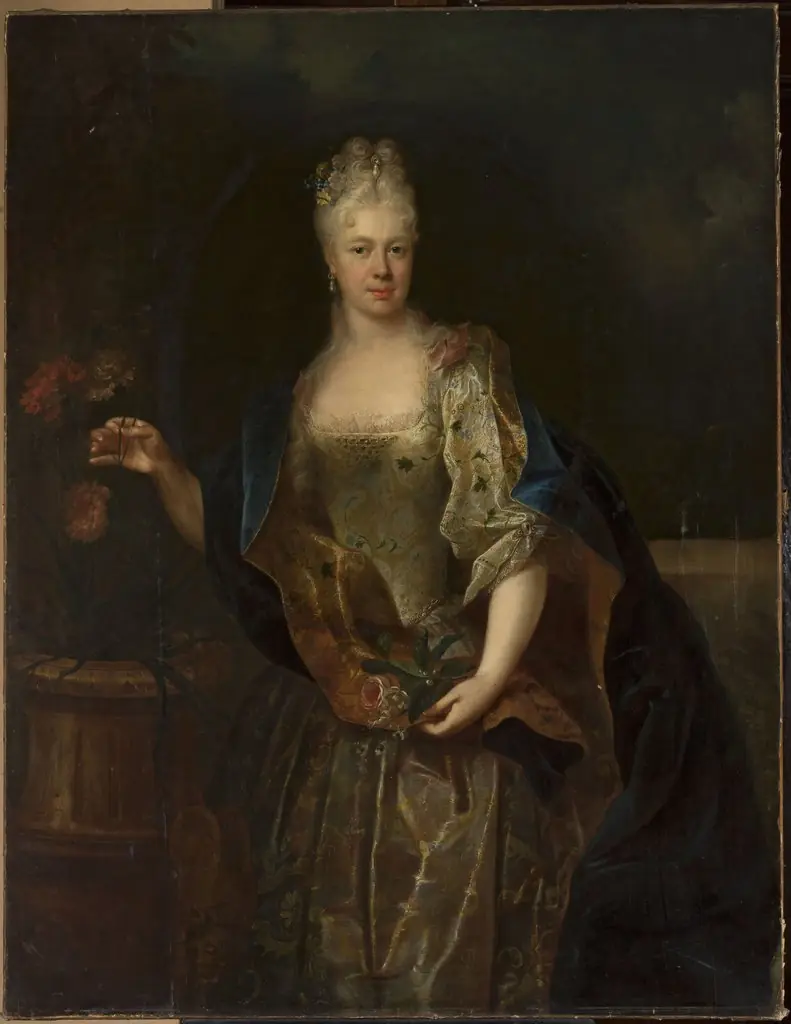 Portrait of Ludwika Amalia Lubomirska (1722–1778)
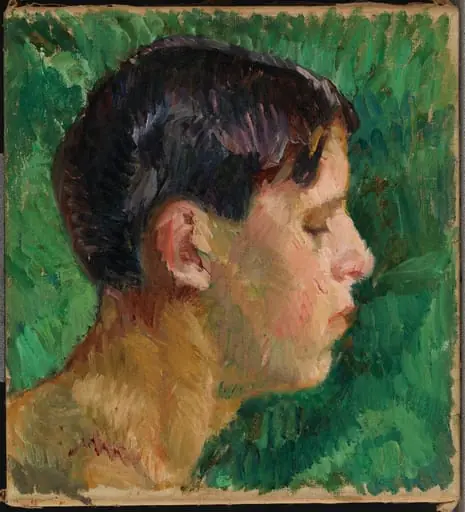 Nuoren miehen muotokuva