Artwork
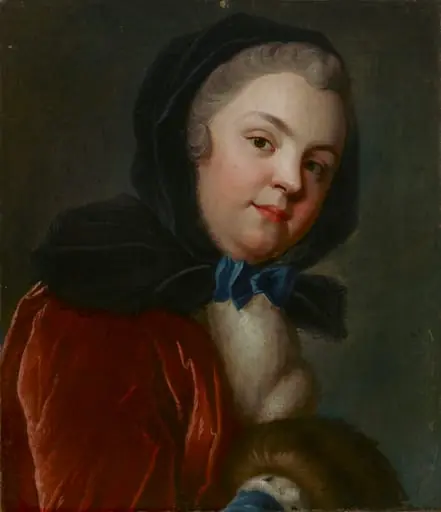
Nuoren naisen muotokuva
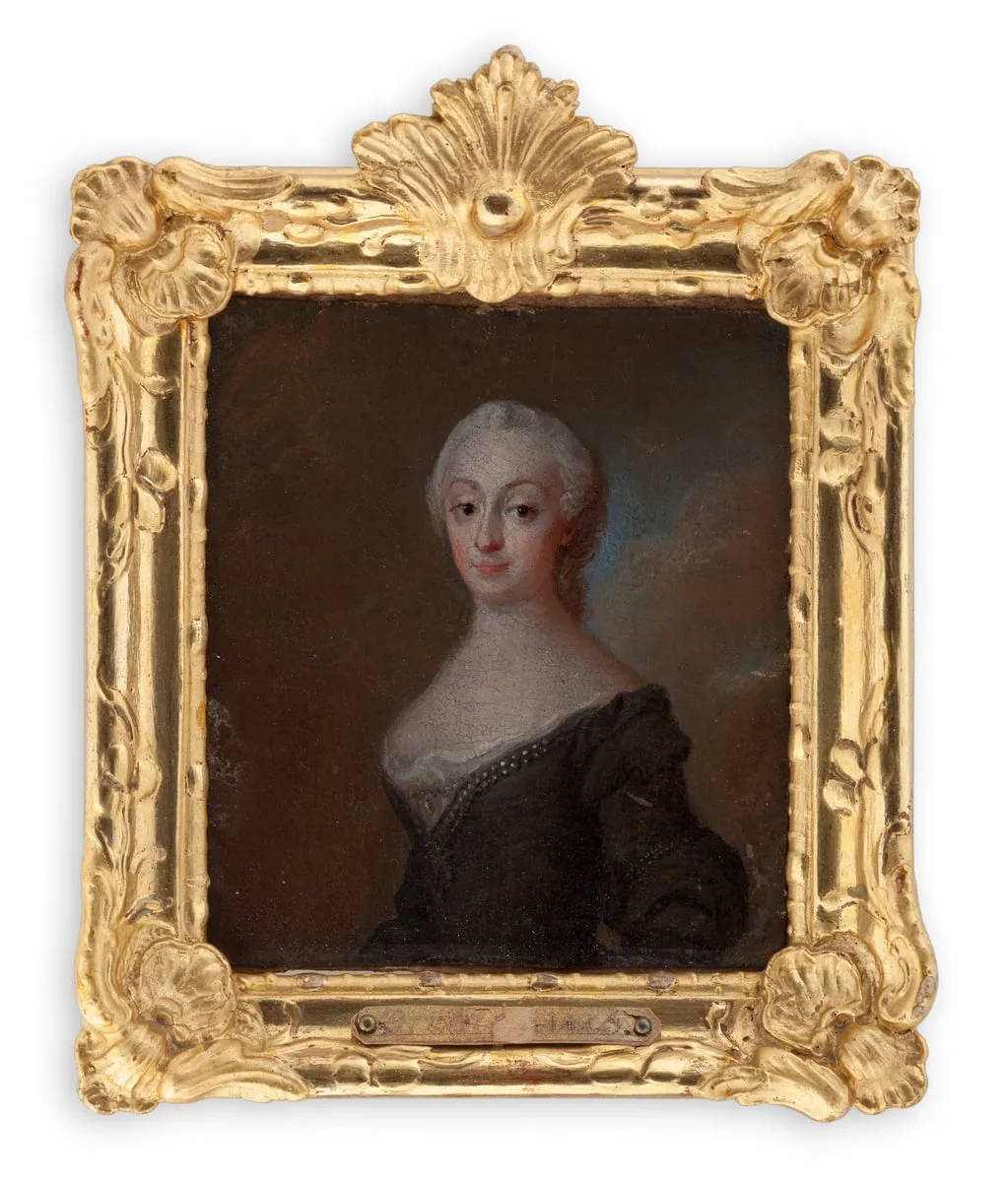
Nuoren naisen muotokuva is an unspecified painting by Olof Arenius. It is held in the collection of the Finnish National Gallery.
About this work
Overview
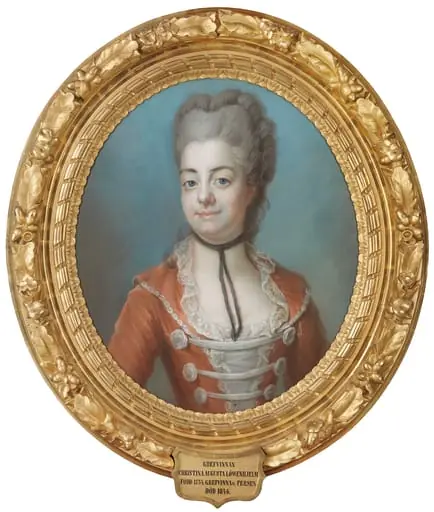
This portrait depicts a young woman rendered in oil on cardboard, an uncommon support that suggests either material experimentation or practical constraints.
This portrait depicts a young woman rendered in oil on cardboard, an uncommon support that suggests either material experimentation or practical constraints. The composition is restrained, focusing solely on the sitter’s face and upper torso. The choice of surface, typically used for sketches or studies, lends the work an informal quality, contrasting with the refined treatment of the subject’s expression and form.
Subject & Meaning
The woman’s gaze is lowered, her expression tranquil and inward-turned, evoking a sense of quiet introspection. There is no ornamentation or contextual detail to distract from her presence, emphasizing emotional stillness over narrative. The intimacy of the portrait arises not from grandeur but from the subtlety of her demeanor, inviting a private, contemplative engagement from the viewer.
Technique & Style
The artist employs a soft modeling of form, with delicate transitions between light and shadow that recall sfumato. This technique, associated with Renaissance portraiture, softens contours and creates a hazy, atmospheric depth. Applied here on an unconventional support, it demonstrates an awareness of classical methods adapted to modest materials, suggesting a thoughtful, if unorthodox, approach to portraiture.
History & Provenance
The work’s origins are undocumented, but its use of cardboard points to a possible studio practice where standard supports were unavailable or reserved for more formal commissions. Its survival implies it was valued by the artist or a close circle, though no early records or exhibition history are known. The piece remains a quiet artifact of an individual’s artistic process rather than a public statement.
Context
During the period when this portrait was likely made, oil on cardboard was occasionally used by artists seeking economical or experimental alternatives to wood or canvas. While not typical for finished portraits, such choices were not unheard of among those exploring material possibilities. This work reflects a broader trend of informal practice intersecting with refined technique.
Legacy
Though not widely recognized in art historical narratives, this portrait contributes to a quieter lineage of intimate, materially unassuming portraiture. Its endurance lies in its restraint — a testament to how emotional resonance can emerge from simplicity, even when executed on an unconventional surface. It invites reconsideration of what constitutes a significant work beyond traditional media.
Artist & collection

 Äbtissin Auguste Dorothea von Braunschweig-Wolfenbüttel
 Portrait of Katarzyna Leszczyńska née Opalińska (1680–1747)
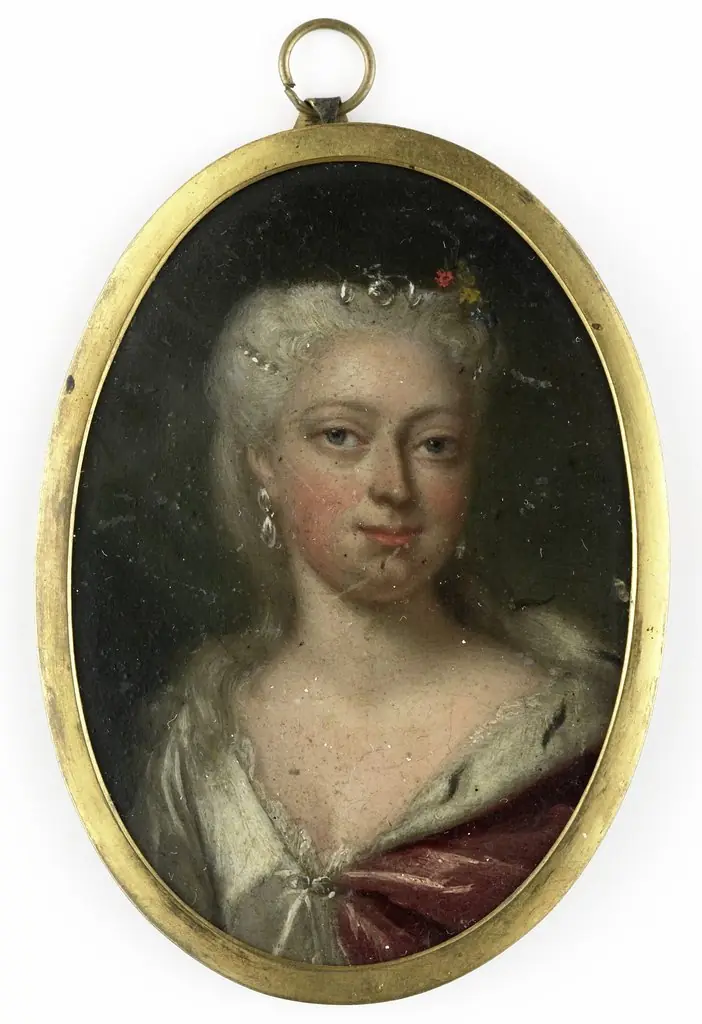 Anna van Hannover (1709-59). wife of Prince Willem IV
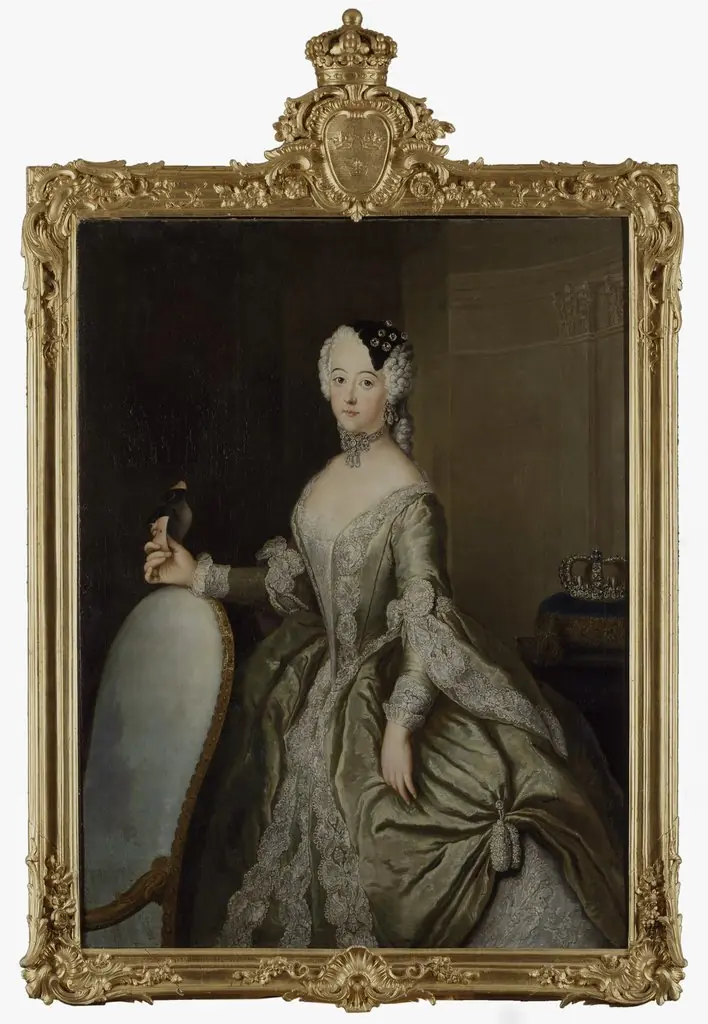 Lovisa Ulrika, 1720-1782, drottning av Sverige prinsessa av Preussen
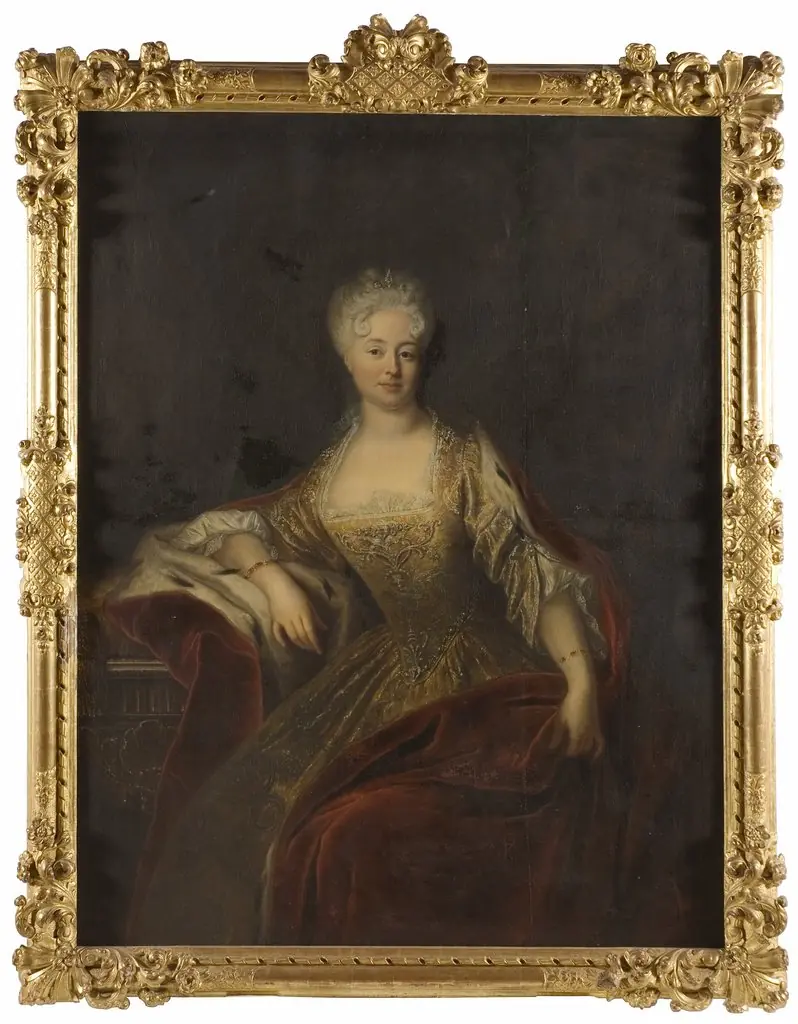 Johanna Charlotta, 1682-1750, prinsessa av Anhalt-Dessau
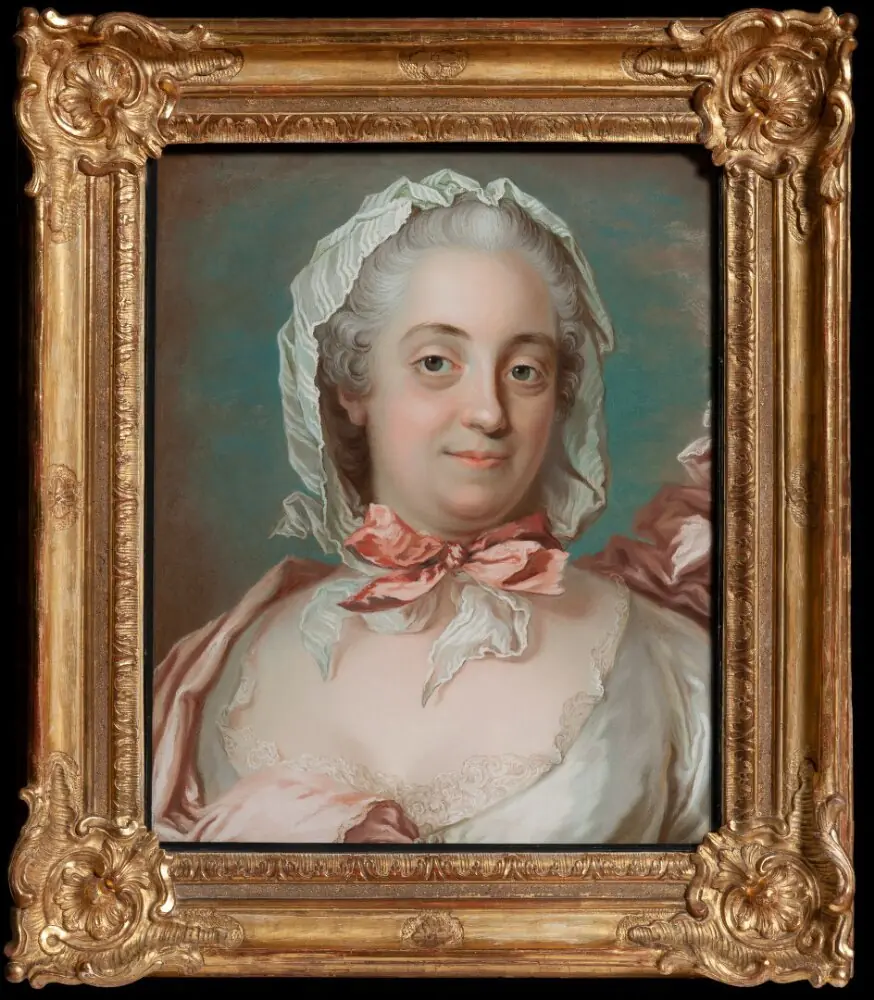 Anna Johanna Grill
 Dorotea Westén
 Portrait of Urszula Dembińska née Morsztyn (1746–1825)
 Portrait of a Lady
 Portrait of a Lady
 Kreivitär Christina Augusta Löwenhielm (1754-1846)